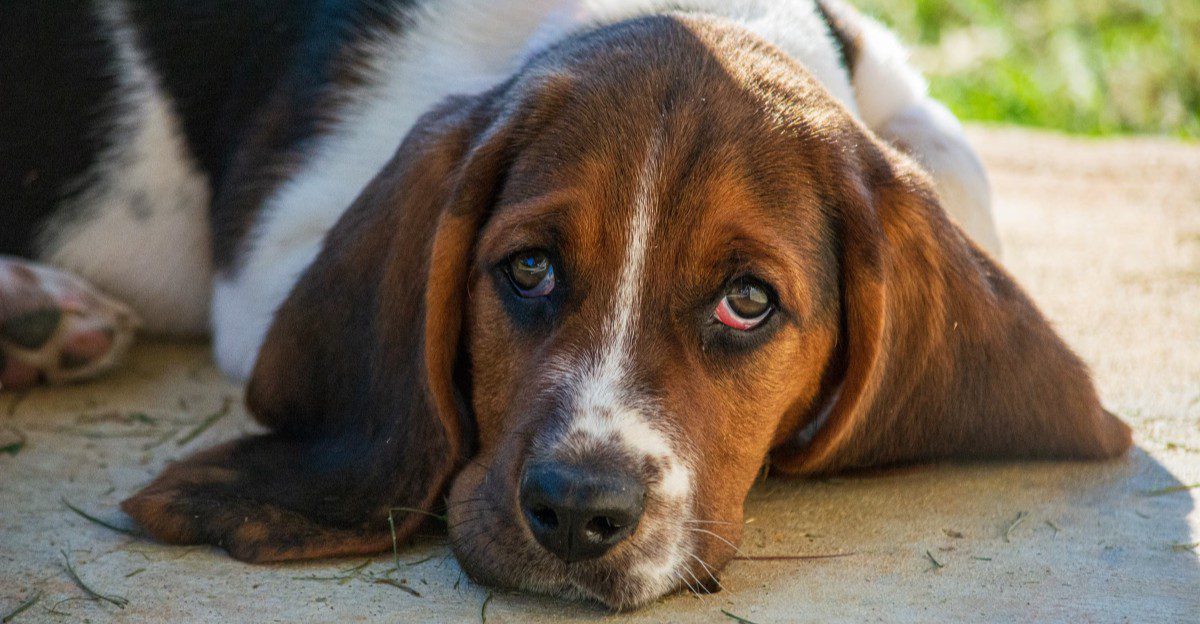
Some dogs act like puppies for their whole lives, while others are happy to nap by age three. Knowing which type you are getting can save you a lot of surprises and help you pick a dog that fits your daily routine.
Energy level matters just as much as size or coat when choosing a pet. Here are the breeds that keep the party going, plus a few that prefer the couch.
Boxer
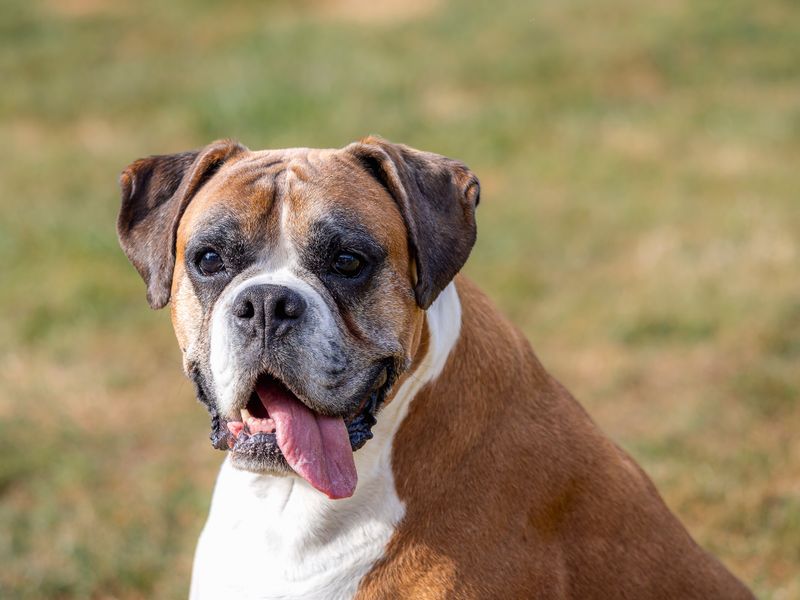
Ever seen a dog dance with its front paws? Boxers do a happy wiggle called the kidney bean, curling their bodies into a C shape when excited.
That goofy spirit often lasts well past age seven.
Plan on daily runs, tug games, and puzzle toys to burn off energy. Short training sessions work best, since their attention can bounce around.
Reward good choices fast, and you will have a clownish buddy for years.
Labrador Retriever
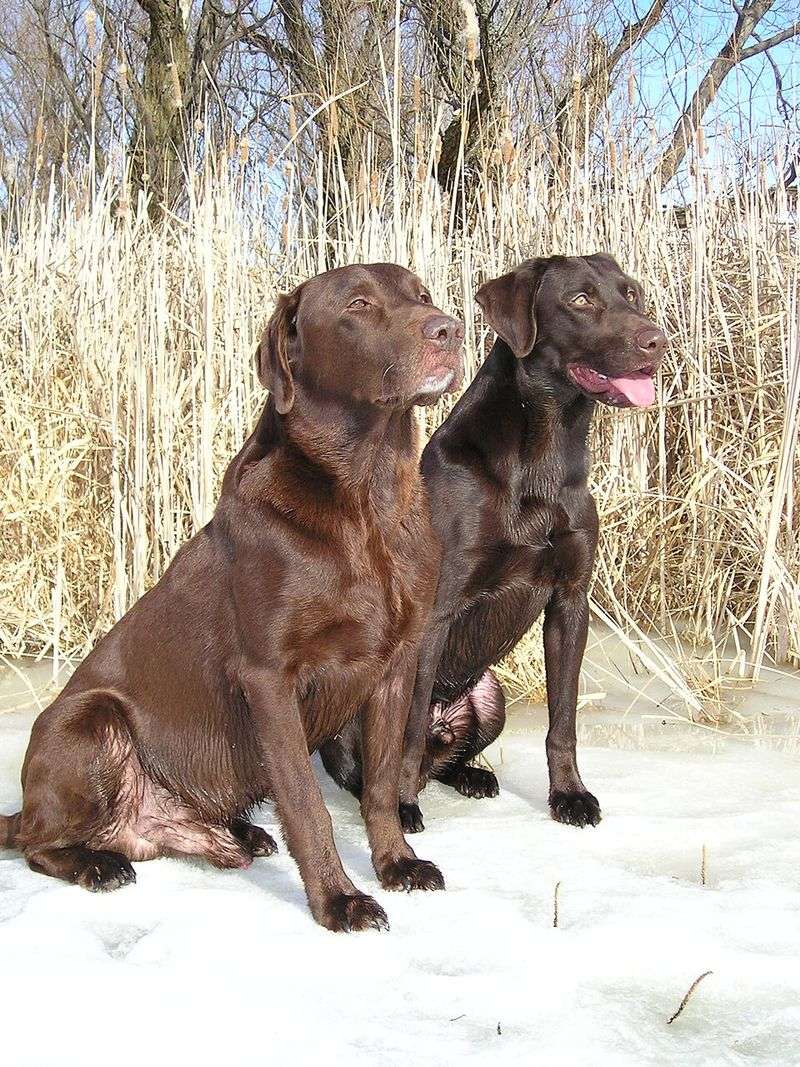
Did you know? Despite the name, Labs actually came from Newfoundland, where they helped fishermen haul in nets.
That water-loving work ethic never really fades.
Many Labs stay bouncy and silly until age ten or later. They also love food a little too much, so measure meals carefully.
Swimming, fetch, and scent games keep their bodies fit and their busy brains happy. A bored Lab may chew your shoes instead.
Golden Retriever
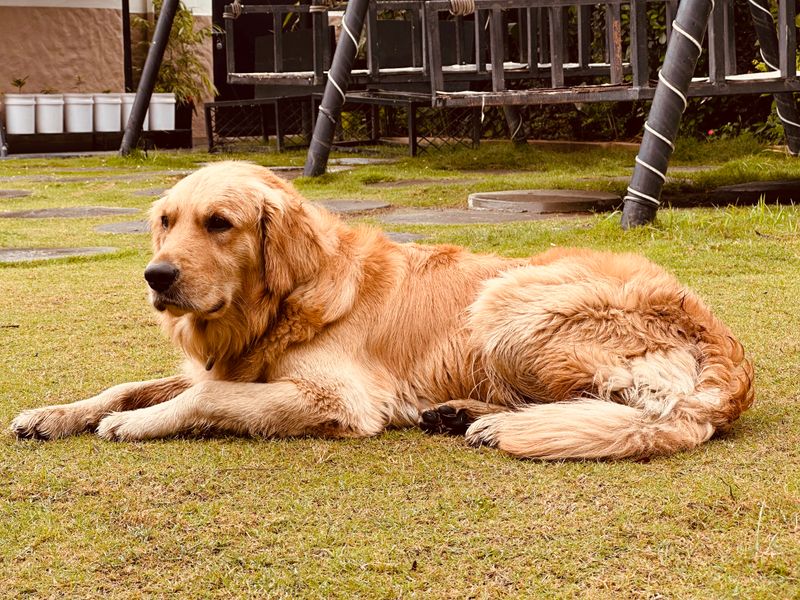
Picture a twelve-year-old Golden with a white face still prancing around with a stuffed toy in its mouth. That scene is common, because Goldens rarely outgrow their playful streak.
Owners joke that these dogs mature around age three, if ever. Their sunny attitude makes them wonderful family pets.
Keep them busy with walks, retrieving games, and lots of brushing. Their thick coats shed heavily, so a good brush is your new best friend.
Beagle
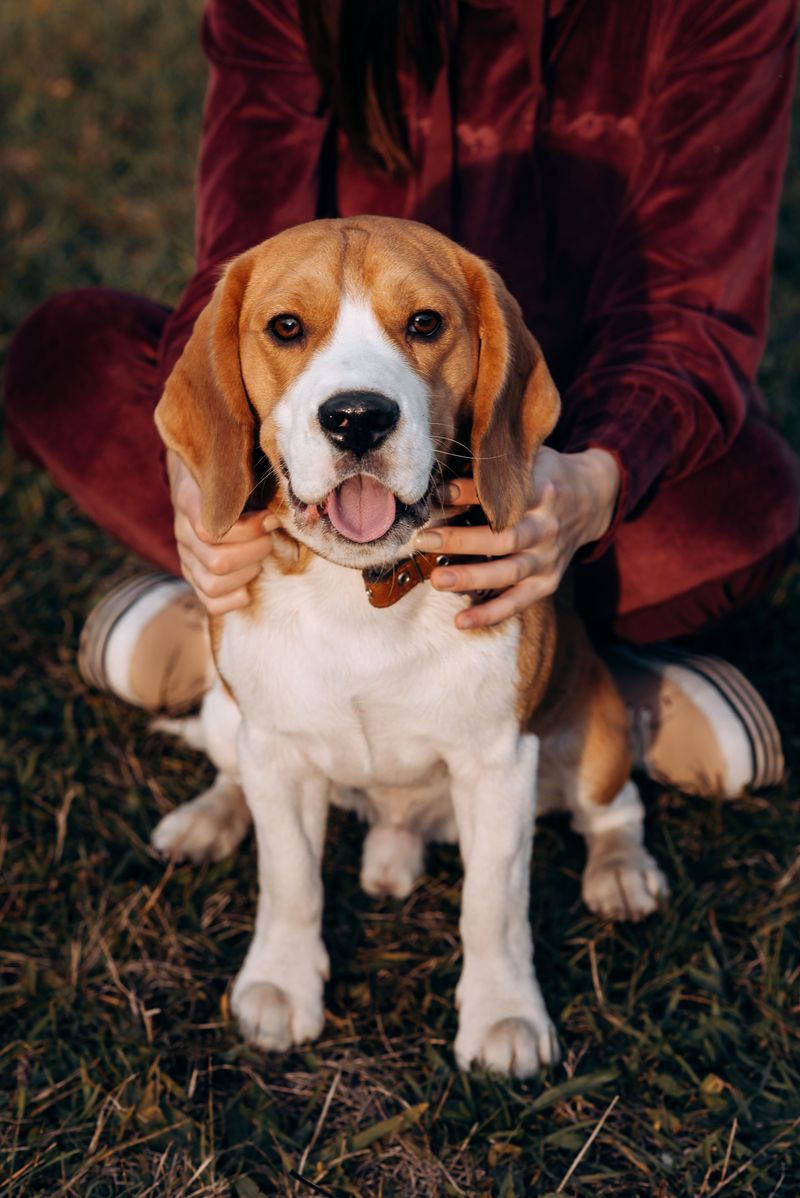
Nose first, everything else second. Beagles were bred to track rabbits in packs, and that curious sniffing habit keeps them acting young for a long time.
Walks can turn into treasure hunts as they follow every scent. Use a secure leash and a fenced yard, because they will wander off chasing a smell.
Snuffle mats and hide-and-seek treat games give their noses a job. Expect some loud baying, too.
It is part of the charm.
Jack Russell Terrier
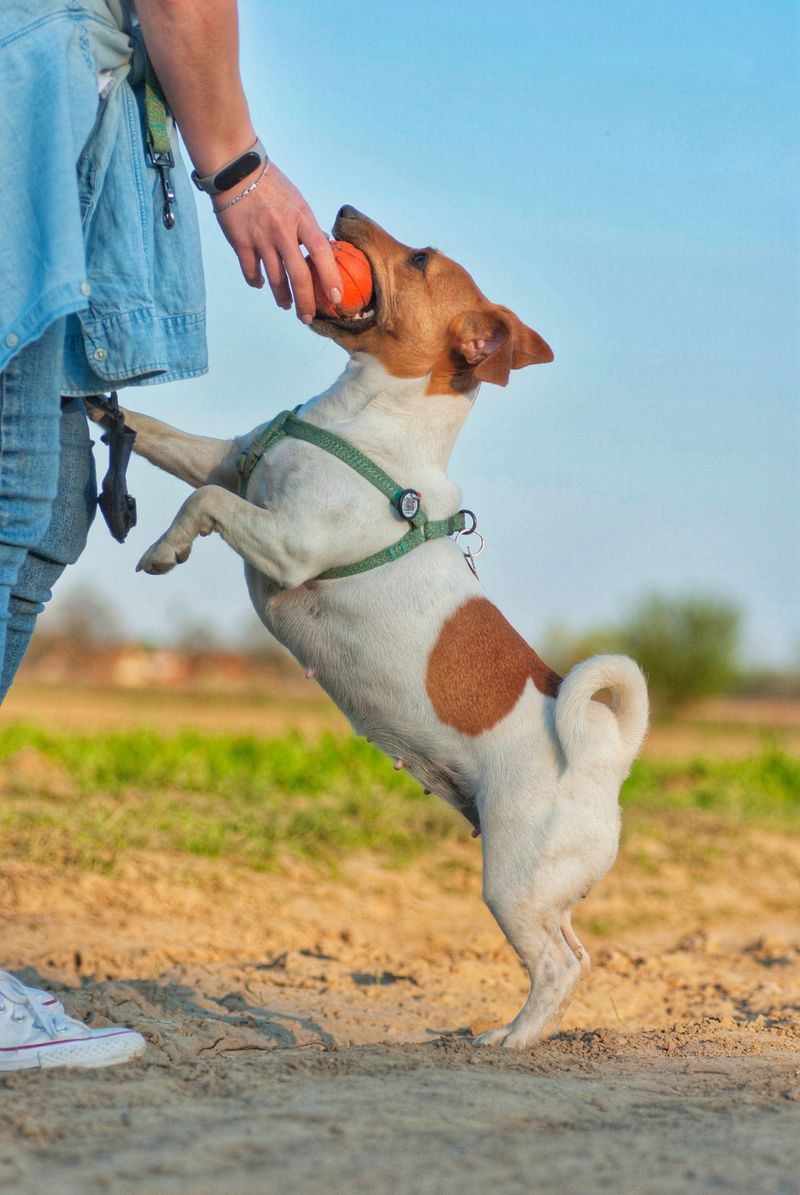
Small dog, giant battery. Jack Russells can jump five times their own height, and they seem to have energy that never runs out.
These terriers were bred to chase foxes, so they are bold, fast, and stubborn. A short walk will not cut it.
They need agility courses, flirt poles, or long play sessions every day. Without enough to do, they dig holes and bark.
Give them work, and they stay lively into their teens.
Boston Terrier
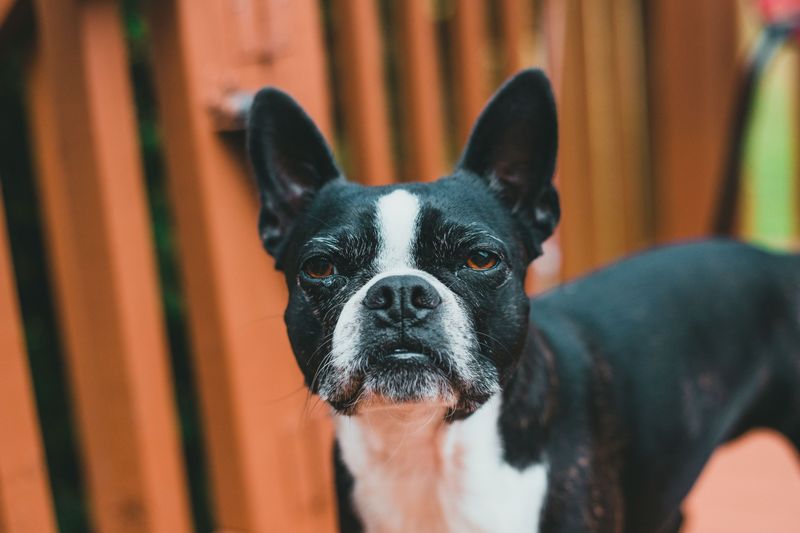
Nicknamed the American Gentleman for its tuxedo coat, the Boston Terrier acts more like a class clown than a gentleman. Its silly zoomies can last a lifetime.
Bostons are great for apartments because they need moderate exercise. A couple of walks and indoor fetch usually do the trick.
Watch them in hot weather, since their short noses make breathing harder. Fun fact: it was one of the first breeds developed in the United States.
Staffordshire Bull Terrier
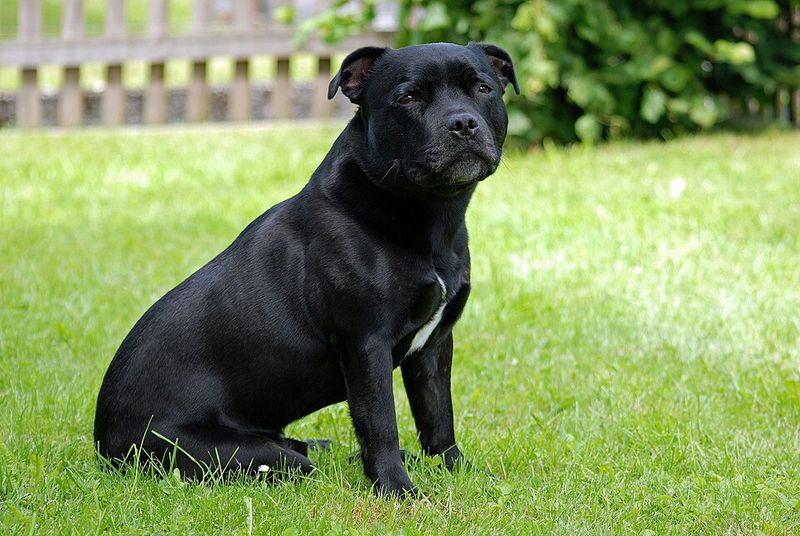
That wide, toothy grin says it all. Staffies are muscle-packed bundles of joy who treat every visitor like a long-lost friend.
In Britain, they earned the nickname nanny dog for their loving bond with families. They stay playful for years and adore tug-of-war and wrestling games.
Strong chew toys are a must, since flimsy ones last minutes. Early socialization with other dogs helps them grow into polite, confident adults who still love to play.
Cocker Spaniel
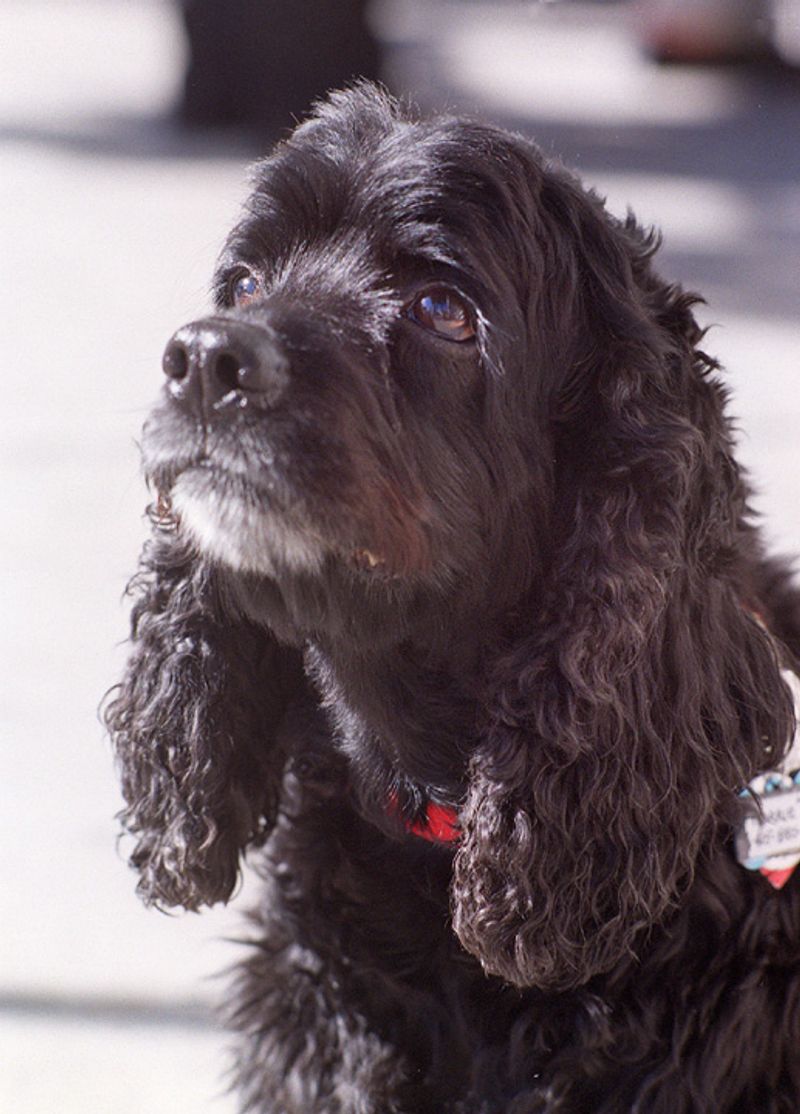
Those floppy ears flying in the breeze tell you everything about the Cocker Spaniel’s merry mood. Breeders even describe the breed as having a merry tail that rarely stops wagging.
Cockers love fetch, short hikes, and cuddles in equal measure. Their silky coats need regular grooming, and their long ears should be cleaned weekly to prevent infections.
Gentle training works best, since harsh words can hurt their sensitive feelings. Praise and treats win them over.
Miniature Schnauzer
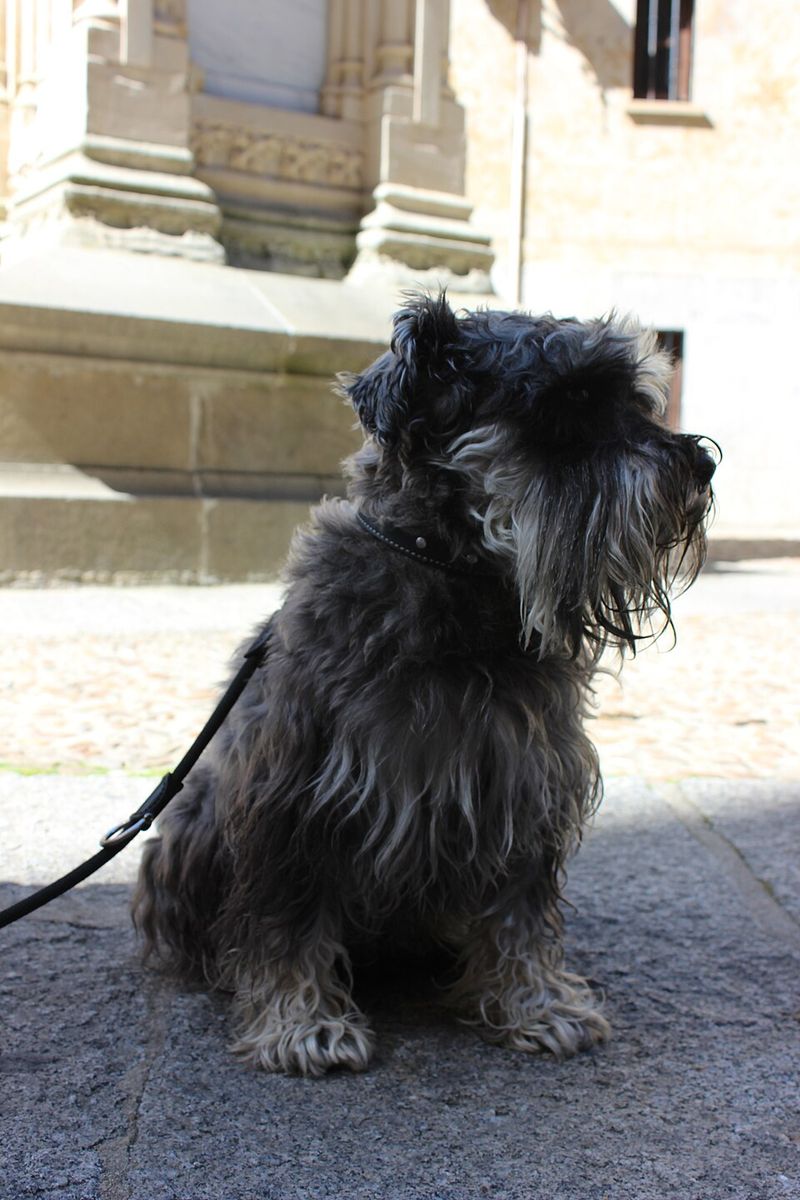
With a bushy beard and eyebrows, the Miniature Schnauzer looks like a wise old man from day one. Ironically, its personality stays spunky and youthful for years.
Originally bred as farm ratters in Germany, these pups are alert, chatty, and quick learners. They enjoy trick training and games of chase.
Their wiry coats shed very little but need trimming every few weeks. Keep treats healthy, since this breed can be prone to weight gain.
Papillon
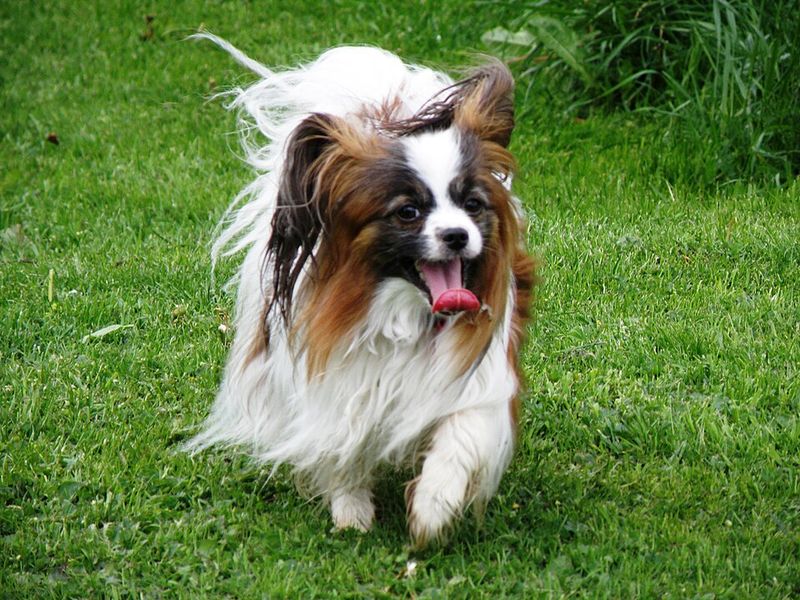
Papillon means butterfly in French, named for those fancy fringed ears. Don’t let the dainty look fool you, though.
These tiny dogs often beat bigger breeds at agility contests.
Smart and peppy, Papillons can stay active well into their teens. They love learning tricks and solving puzzle toys.
Because they are fragile, supervise play with young kids or large dogs. A daily walk plus indoor games keeps this little athlete happy.
Irish Setter
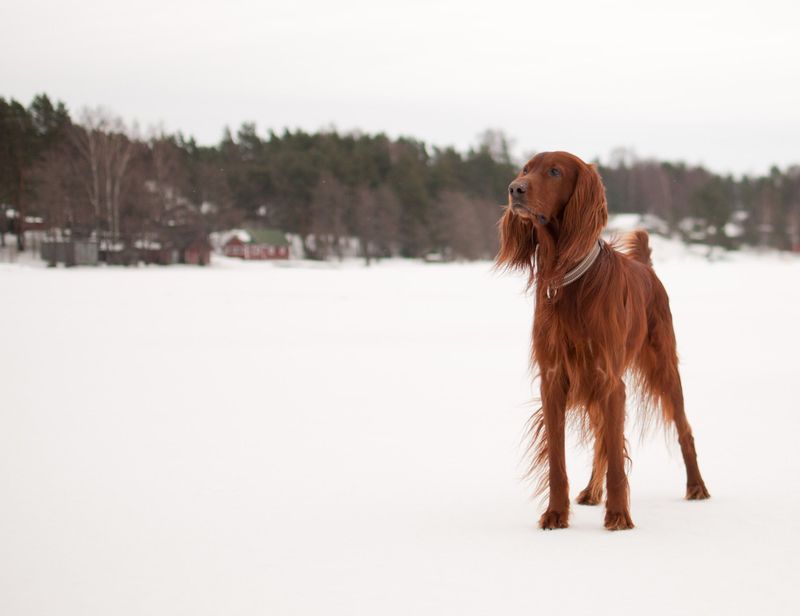
A flash of mahogany racing across a field is a sight Irish Setter fans never forget. Known for their rollicking spirit, these dogs mature slowly, sometimes acting like teenagers until age four or beyond.
They need space to run, ideally every day. Long hikes, jogging, or off-leash play in a safe area suit them well.
Their beautiful red coat needs brushing a few times weekly. Patience in training pays off big.
Basset Hound
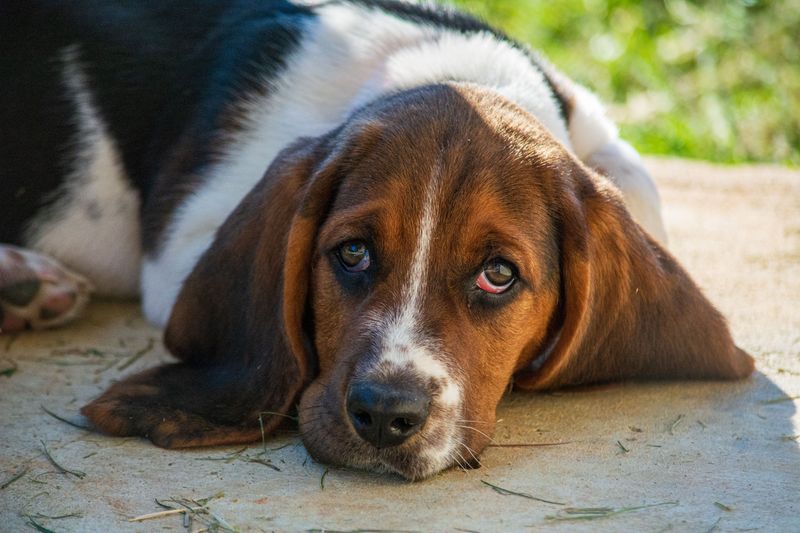
Honestly, few dogs nap as well as a Basset Hound. Those droopy eyes and long ears match a relaxed, unhurried attitude that often shows up by age two.
Bassets still need daily walks, mostly to sniff and to avoid gaining weight. Their short legs and heavy bodies are not built for jumping, so use ramps when possible.
Expect drool and a deep, howling bark. They make mellow housemates for calmer homes.
Greyhound
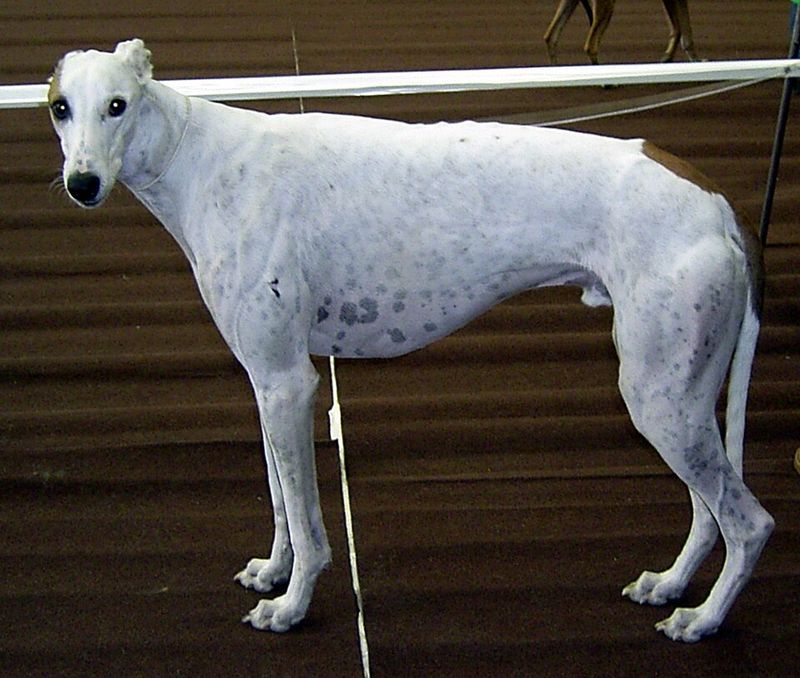
Here is a surprise: the fastest dog breed, reaching about 45 miles per hour, is famous for being a couch potato. Greyhounds are sprinters, not marathon runners.
A quick burst of running followed by hours of snoozing is their ideal day. Many retired racers adapt easily to quiet home life.
Give them a soft bed, since they have little body fat. A cozy coat helps on chilly walks too.
Bullmastiff
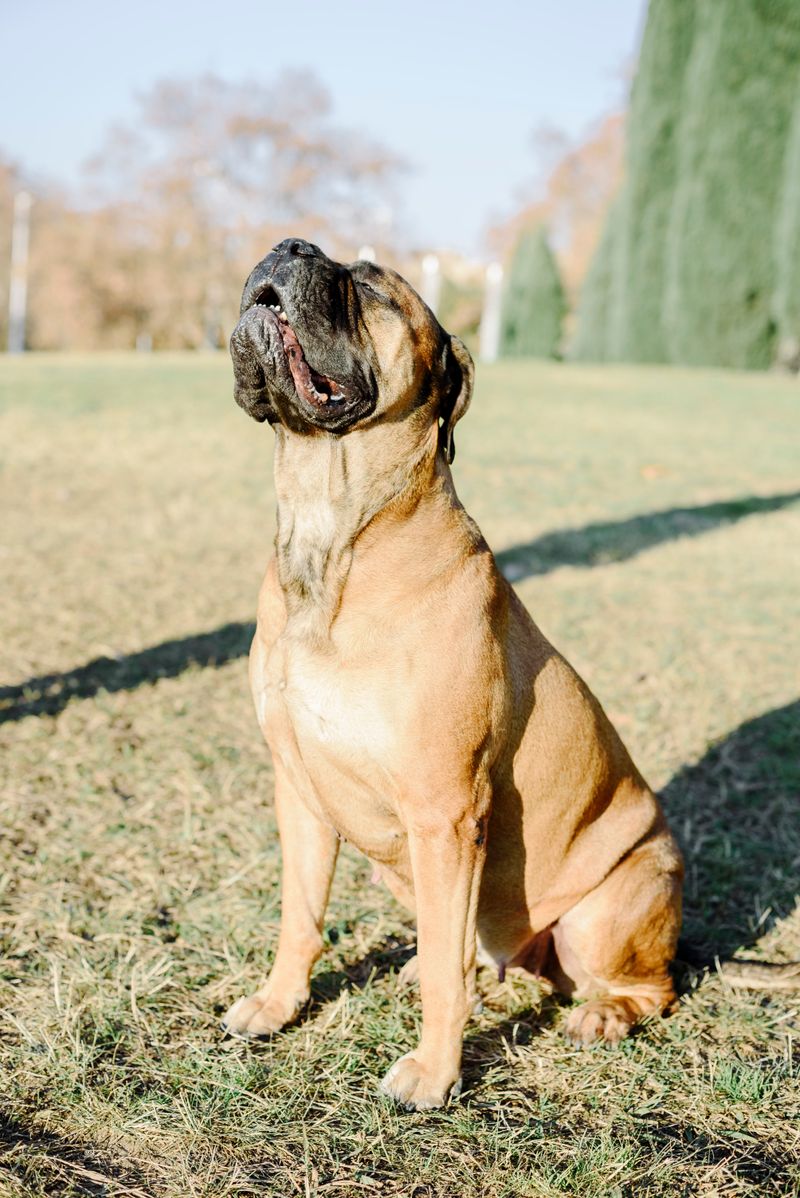
Back in the 1800s, English gamekeepers used Bullmastiffs to quietly catch poachers at night. That calm, watchful style carries over into home life today.
These big dogs usually slow down early and prefer short strolls to long runs. Too much exercise can strain their joints while they grow.
Start training young, because a 120-pound dog needs good manners. Keep towels handy for drool, and enjoy a steady, loyal guardian.