
Some dogs are born diplomats, happily believing every stranger is a future friend. Others size you up with a cool stare and take their sweet time before granting access to their circle.
If you have ever wondered why some breeds hand over their hearts while others guard the gate, this guide is for you. Let’s explore who trusts too quickly and who keeps that inner circle very small.
Labrador Retriever
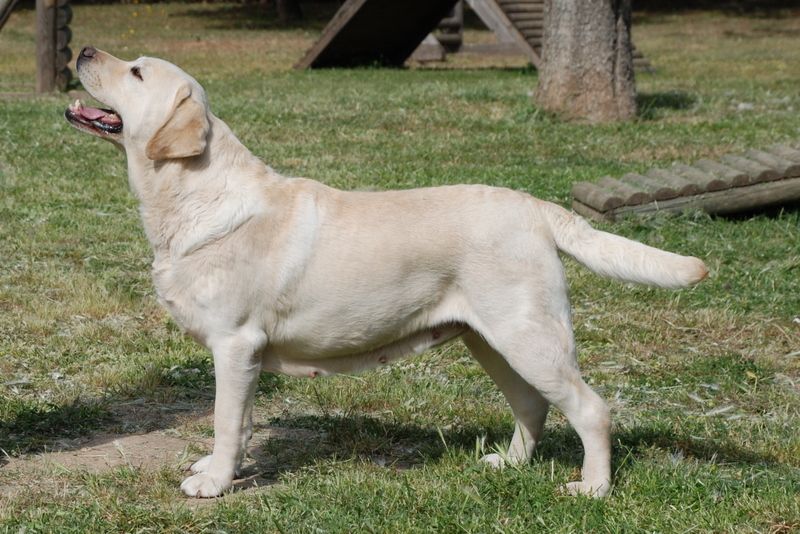
Labradors greet strangers like long lost friends, tails thumping and eyes sparkling. If you want a cheerful door greeter, this breed rarely hesitates before offering a cuddle.
That easy confidence can be heartwarming, yet it can also mean your Lab trusts people who have not earned it.
Training helps. Teach reliable recall, solid leave it, and polite greetings so excitement does not steamroll boundaries.
Pair friendliness with supervised socialization and controlled introductions, rewarding focus on you rather than every new face. Provide enriching jobs like scent games or fetch to channel that optimistic energy.
A well exercised Lab is far less likely to wander off with a charming stranger. You will still get the wags, but you will also get safer choices.
Golden Retriever
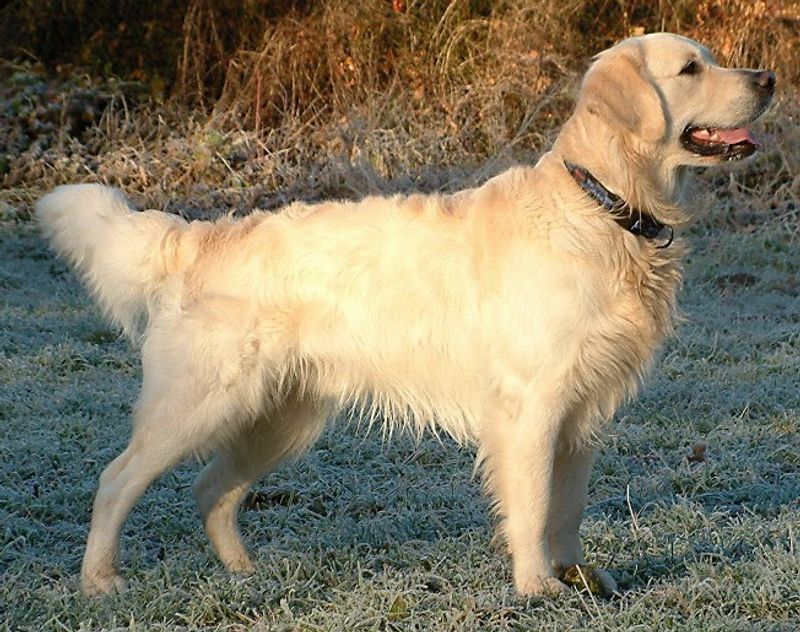
Goldens read your mood like an open book and usually assume everyone means well. That soft mouth and sunny demeanor make them irresistible ambassadors.
Their eagerness to please can blur lines, so a Golden may follow a kind voice or accept treats from anyone with a gentle hand.
Balance that sweetness with structure. Practice stationing on a mat when guests arrive, and reinforce impulse control games daily.
Keep greetings short, then reward calm eye contact with you before releasing for pets. Enrichment matters too, from retrieving drills to puzzle feeders that satisfy busy brains.
With clear routines and outlets, your Golden keeps the glow without losing good judgment. You protect their heart while letting their natural warmth shine responsibly.
Irish Setter
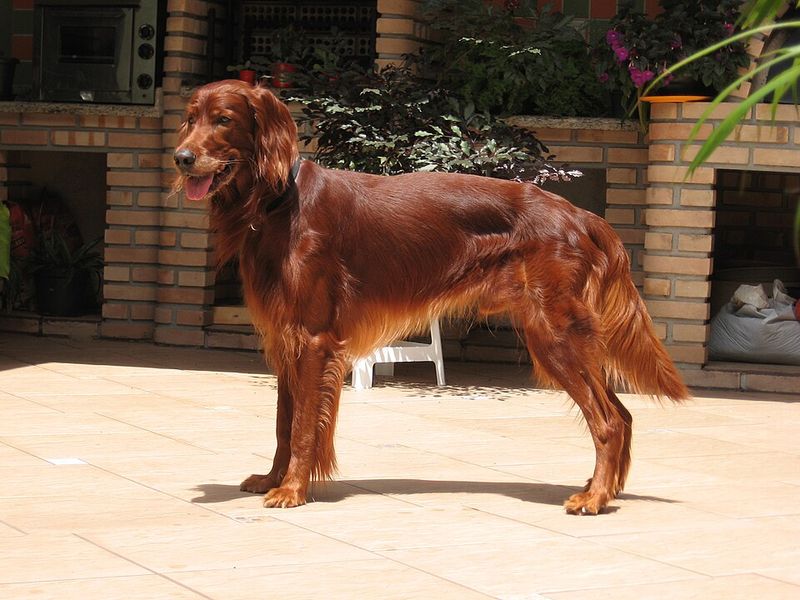
Irish Setters are exuberant extroverts, all elegance blended with clown energy. Many rush toward new people as if every meet and greet were a reunion.
Their trusting vibe is charming, yet it can lead to boundary bloopers if you do not plan for enthusiastic introductions.
Channel that sparkle into jobs. Field style recalls, long line adventures, and nosework help them think before leaping.
Teach greet and retreat patterns so excitement cycles down, not up. Reward calm sits while visitors approach, then release for quick hello bursts.
Rotate activities to prevent boredom from pushing them toward anyone who looks interesting. With consistency and aerobic outlets, your Setter keeps the sparkle while learning that not every stranger deserves front row access.
Samoyed
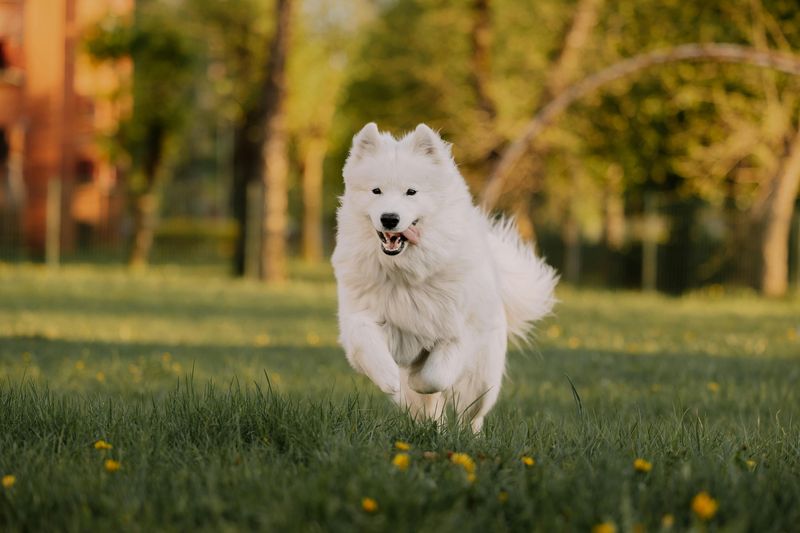
Samoyeds carry that famous Samoyed smile, and many hand out trust with every wag. They love social scenes and soak up compliments like sunshine.
Because they look like cloud puppies, strangers rush in, and Sammies are often happy to accept attention without hesitation.
Teach consent cues. Practice a check in before hellos so your dog looks to you first.
Build value for staying near your side with treats and cheerful praise. Rotate jobs like sled dragging basics, urban hikes, or rally obedience to satisfy brains and bodies.
Keep greetings brief, and advocate when crowds push too close. When you manage access and reinforce calm connection, your Samoyed keeps the sparkle while learning that your permission comes before friendly fan clubs.
Boxer
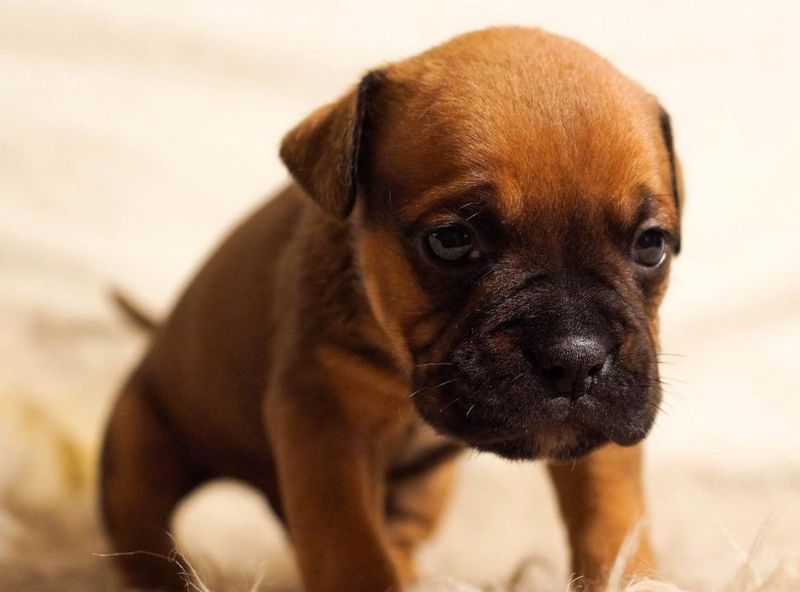
Boxers are joyful hams with full body wiggles and an open door policy for new friends. Many trust quickly, mistaking attention for approval.
That goofball charm is delightful, but it can bowl people over if manners lag behind enthusiasm.
Structure the fun. Teach sit to say please and make it the golden ticket for greetings.
Use leash handling and step backs to reset when excitement spikes. Give a Boxer real work, like tug with rules, scent games, and agility style drills that burn steam.
Reward calm eye contact before each hello. With practiced impulse control, your Boxer keeps the comedy routine while respecting personal space.
Friendly becomes friendly and polite, not friendly and overwhelming.
Havanese
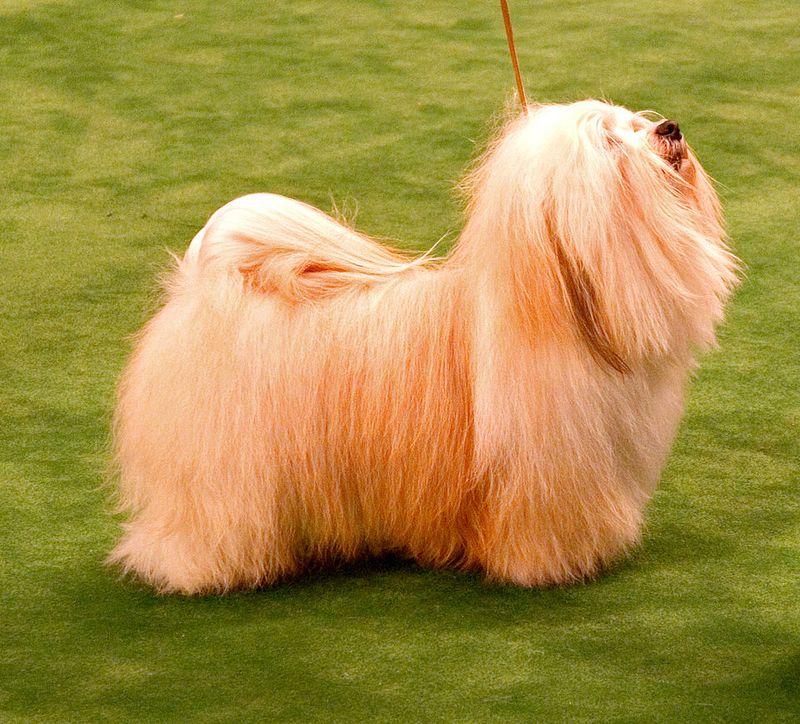
Havanese are little charmers who often trust fast and thoroughly. Many hop into laps like they have known you forever.
That sociable nature is lovely for therapy work, but it also means they can forget to check in with their person before making new best friends.
Build tiny rituals. Ask for a quick hand target before greetings and reward generously.
Teach settle on a blanket so visitors do not become automatic invitations. Keep socialization positive yet structured, rotating short sessions with quiet breaks.
Enrich with trick training and gentle fetch to focus busy minds. When you pair sweetness with simple skills, your Havanese stays sparkling while learning that your cue opens the door to safe, happy hellos.
Beagle
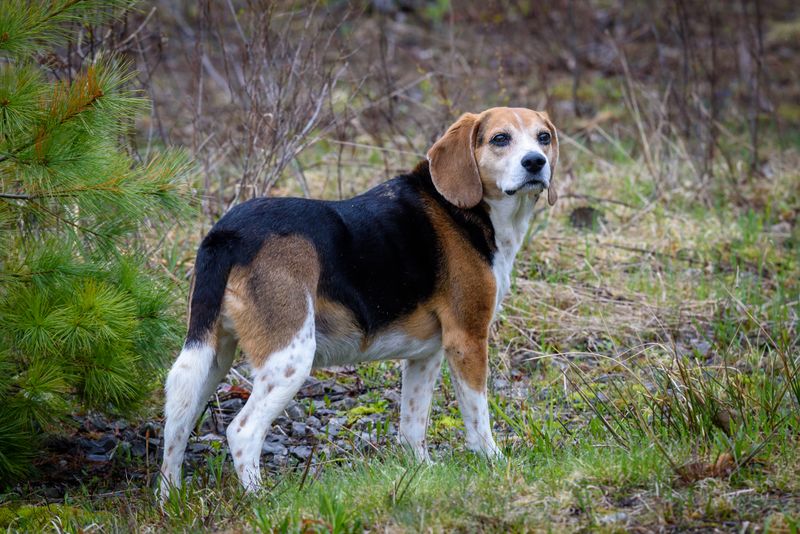
Beagles trust their noses, and their noses often lead them straight to people with snacks. Many greet quickly, tails flagging and ears perked, ready for adventure with whoever smells interesting.
That openness is endearing, yet it can cause wander and meet everyone tendencies.
Harness the hound. Use long lines and pay big for check ins when scents are strong.
Practice find me games so your Beagle learns that you are the best breadcrumb on any trail. Add nosework classes, food puzzles, and tracking drills to satisfy instincts without handing trust to every stranger.
Keep greetings brief and earned. With boundaries and enrichment, your Beagle enjoys the world while remembering that partnership with you pays better than random detours.
Newfoundland
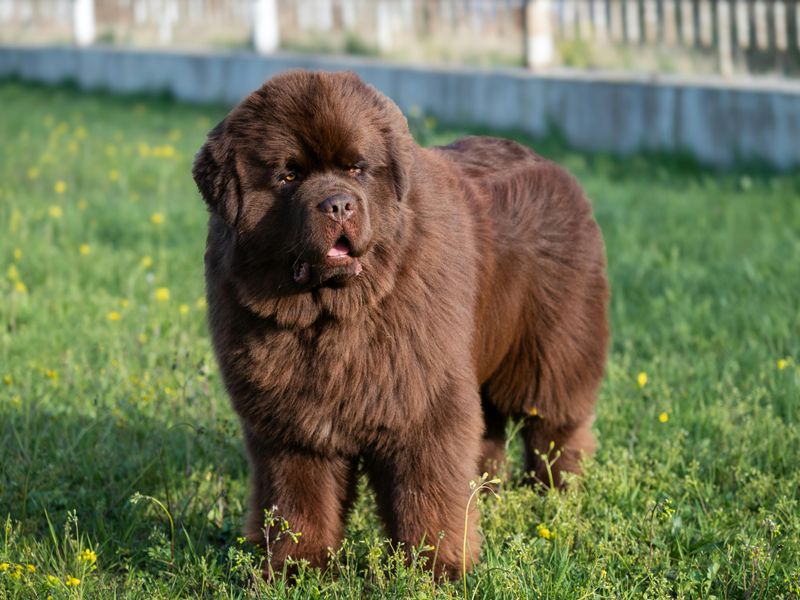
Newfoundlands are tender souls wrapped in bear suits, and many assume people are kind. Their gentle, trustworthy vibe draws hands and hugs, which they often accept without question.
That easy trust is lovely, but you still want thoughtful boundaries around a very large dog.
Teach calm greetings from day one. Reinforce sits, nose to hand targets, and slow approaches.
Advocate for space when crowds surge, and use a settle mat so visitors do not escalate excitement. Give purposeful work like carting foundations and water retrieves to anchor their minds.
Reward check ins before permission to greet. With structure and advocacy, your Newf keeps the sweet reputation while practicing safe, predictable manners that honor both size and sensitivity.
Flat-Coated Retriever
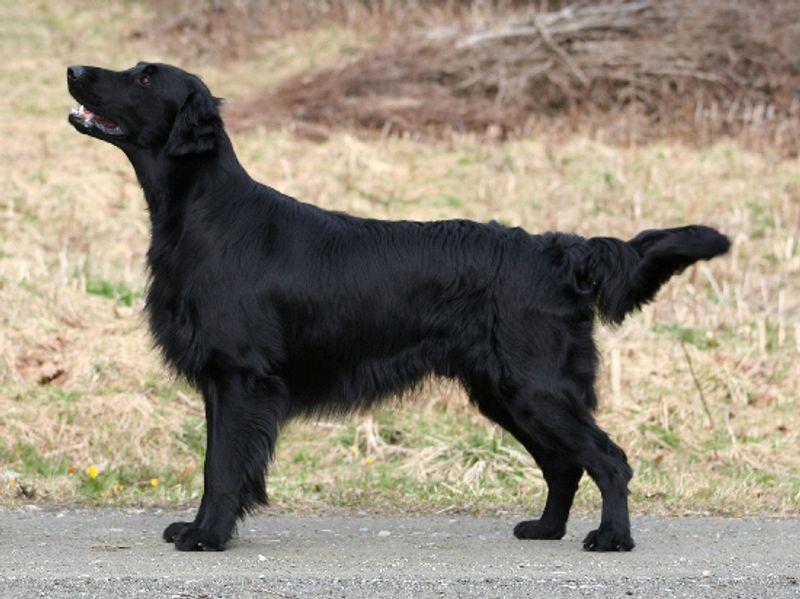
Flat-Coats are Peter Pan retrievers, eternally optimistic and outrageously social. Many trust fast, greeting newcomers like teammates.
That buoyant spirit is gorgeous, yet without structure it becomes jumpy, mouthy, and distractible around every new friend.
Invest in impulse control. Practice sit for everything, then build duration with distractions.
Use retrieve games that start with stillness, not instant launches. Sprinkle in searches, heelwork, and platform training to sharpen focus.
Keep greetings short and sandwiched between calm behaviors. Reward looking back to you before and after saying hello.
With clear rules and brainy jobs, your Flat-Coat keeps the sparkle while offering mature, manageable manners in public spaces.
English Springer Spaniel
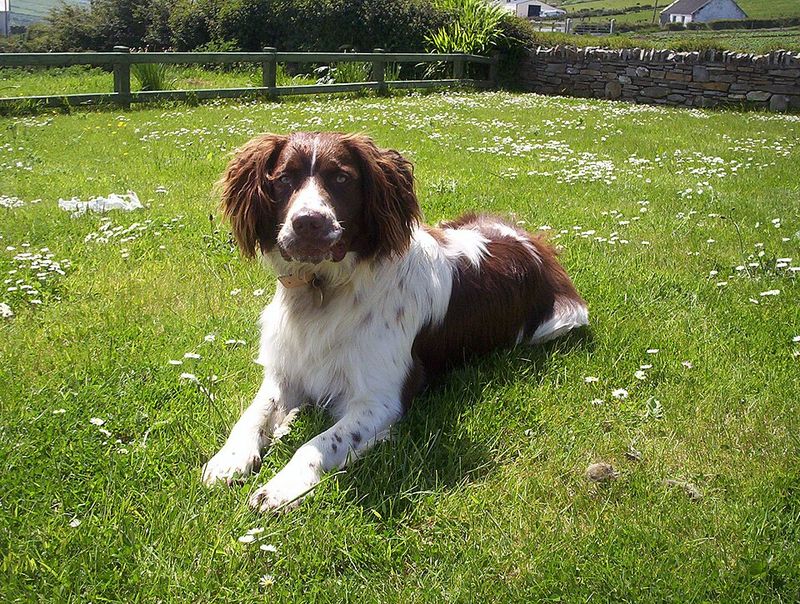
Springers are sociable sporting dogs who often treat strangers like field teammates. That ready trust pairs with high energy, creating bouncy greetings and enthusiastic check ins with anyone nearby.
Without guidance, they can forget that you are home base.
Make home base rewarding. Reinforce recalls off mild distractions, then level up with controlled setups.
Teach a default sit when people approach, and use brief greeting windows. Add hunting style games, pattern searches, and retrieves to meet instincts without outsourcing attention to strangers.
Rotate activity with rest so arousal does not snowball. With structure and outlets, your Springer keeps friendly charm but returns to you first, every time.
Boston Terrier
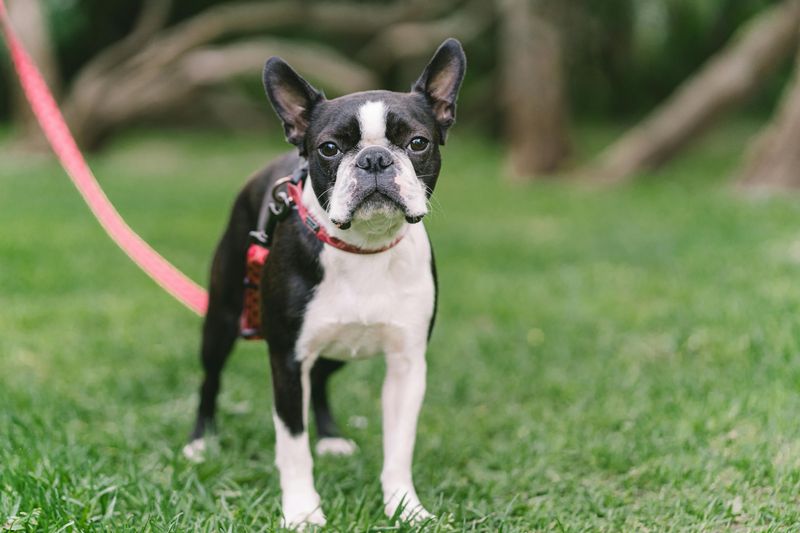
Boston Terriers carry big social energy in a small suit. Many hand out trust freely, eager to say hello to passersby and baristas alike.
That cheer can become pushy without boundaries, especially when excitement turns into jumping or mouthing.
Keep it cute and polite. Train a rock solid sit for greetings and reward calm stillness.
Use brief approach and retreat games so arousal resets. Offer brainy fun like trick training, target work, and snuffle mats to focus their busy minds.
Ask for eye contact before releasing to greet. With tiny rituals and consistent rewards, your Boston keeps the charm while practicing manners that make every public outing smoother for you both.
Chow Chow
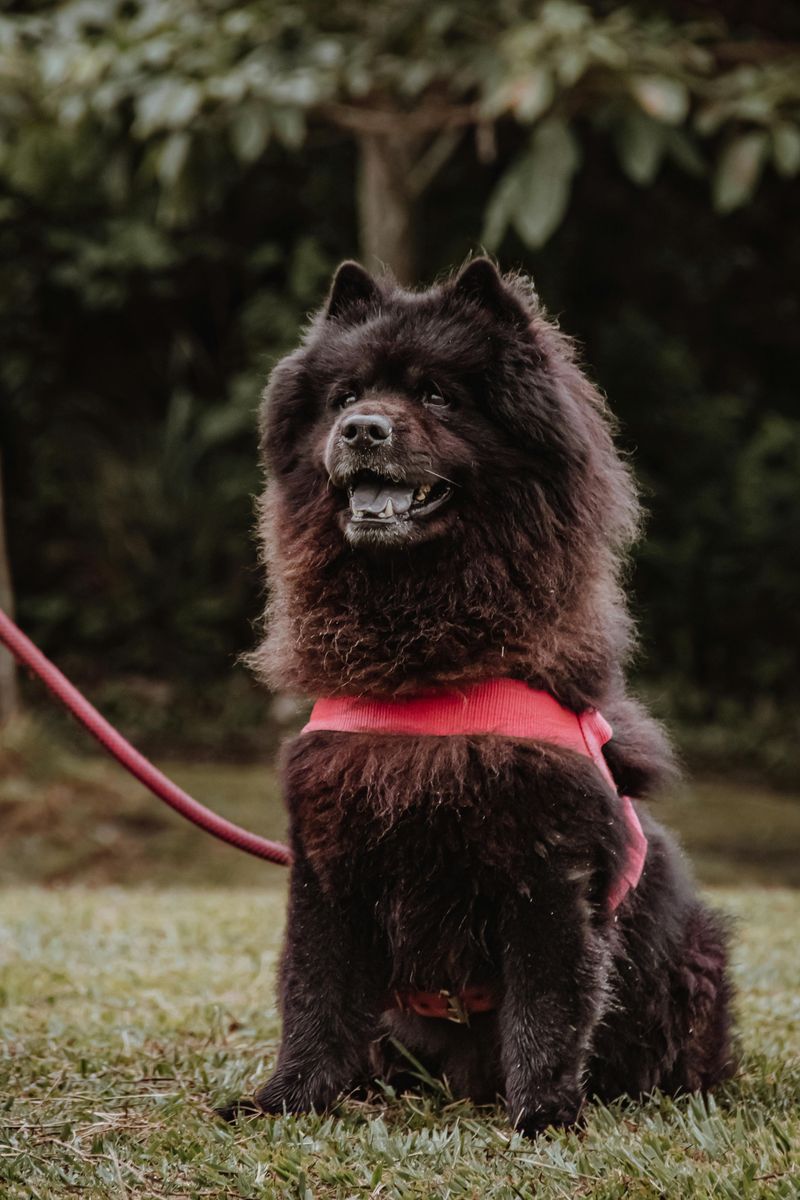
Chows are famously reserved, often indifferent to strangers and careful with trust. Many prefer observing from a slight distance, guarding their personal bubble.
That aloof dignity is part of the breed’s appeal, yet it demands thoughtful handling and respectful introductions.
Advocate consistently. Teach visitors to ignore until your Chow chooses to engage.
Reward calm curiosity, not forced petting. Prioritize cooperative care routines so handling feels predictable and fair.
Socialize through controlled exposures, building confidence without overwhelming. Clear boundaries help your Chow feel safe, which opens the door to selective, meaningful relationships.
When you respect their tempo, trust grows slowly, and safely, on their terms.
Akita
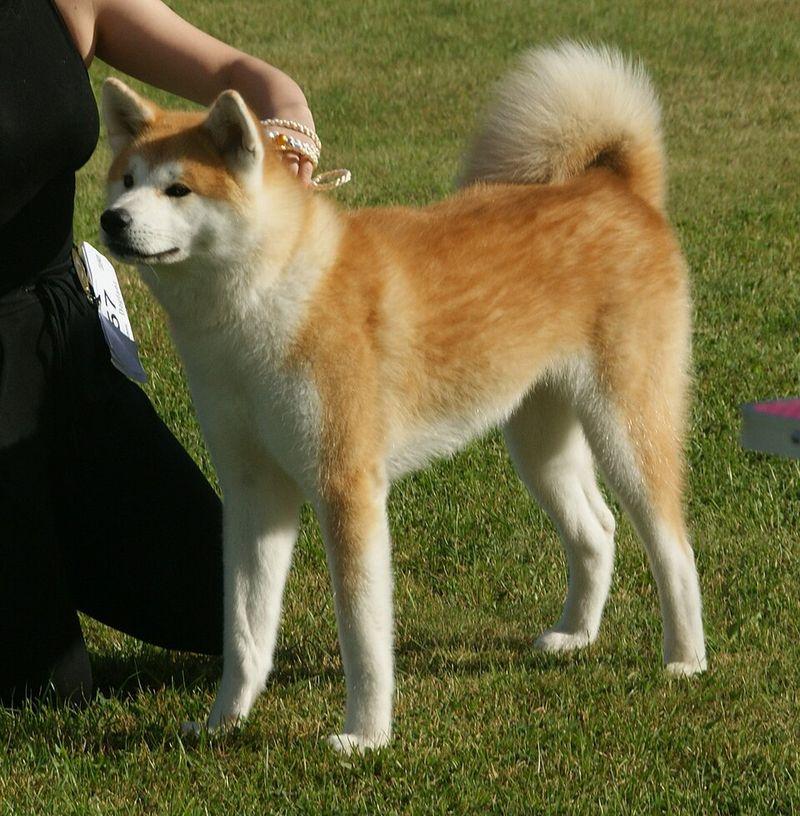
Akitas are discerning guardians with a tight trust circle. Many tolerate strangers politely but do not welcome fast familiarity.
Their loyalty is deep, and they expect clarity, boundaries, and respect from everyone around them.
Leadership here means consistency, not dominance. Teach a strong heel, reliable place command, and calm door routines.
Keep introductions slow and purposeful, rewarding neutrality over forced friendliness. Focus on cooperative handling, muzzle conditioning, and thoughtful socialization that protects confidence.
Mental work like scent discrimination and precision obedience channels intensity into partnership. With patient structure, your Akita learns the world is predictable while you remain the trusted center of gravity.
Tibetan Mastiff
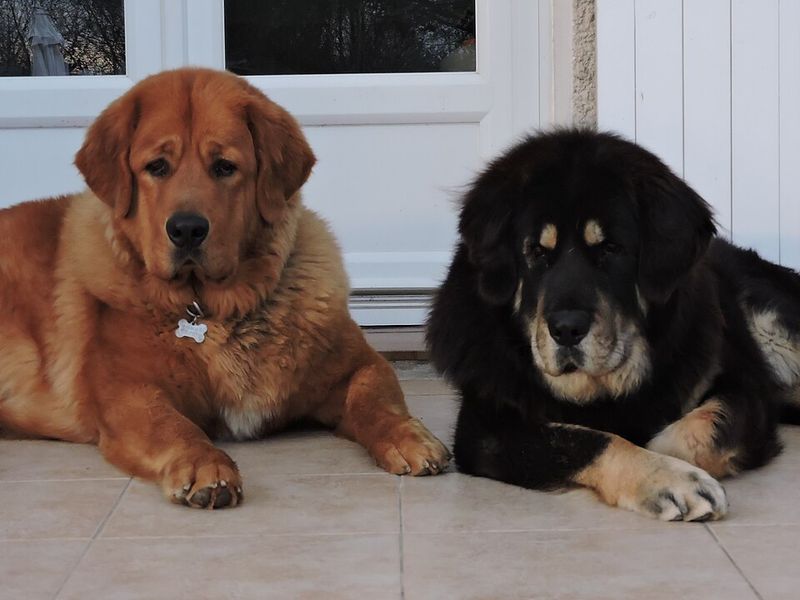
Tibetan Mastiffs are ancient guardians who grant trust sparingly. Aloof with strangers, they assess quietly and act only when needed.
Their independence and night alertness make them serious protectors, not instant companions to visitors.
Respect the job wired into them. Secure fencing, clear routines, and early, careful socialization are non negotiable.
Train reliable recalls and place downs, and reward relaxed neutrality when people pass. Keep greetings brief and controlled, if they happen at all.
Provide real outlets like perimeter walks and scent games that honor instinct without escalating arousal. With firm structure and advocacy, your Tibetan Mastiff learns to coexist safely while keeping that thoughtful, selective trust intact.
Caucasian Shepherd
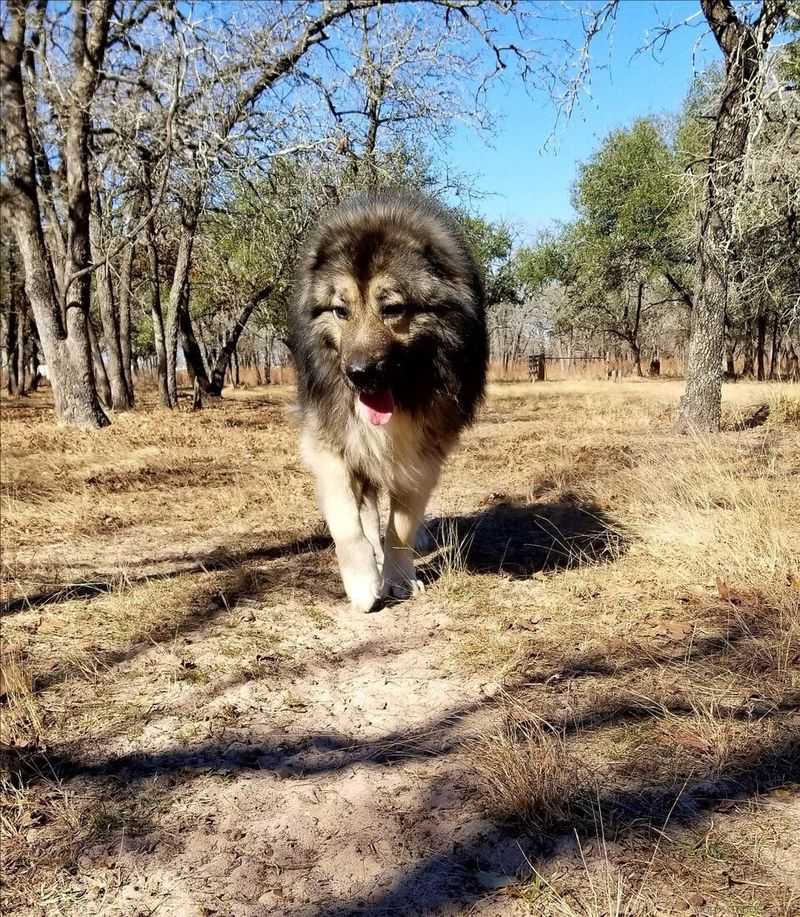
Caucasian Shepherds are formidable livestock guardians with extremely selective trust. Strangers are evaluated cautiously, and pushy greetings are unwelcome.
Their protective instincts run deep, making management and foresight essential for everyone’s safety.
Plan everything. Use secure barriers, muzzle conditioning, and practiced obedience for controlled movement.
Reward calm, neutral behavior around people at a comfortable distance. Skip casual petting from outsiders and prioritize predictable routines.
Give real work like boundary walks and scent puzzles to satisfy purpose without inviting conflict. When you respect their nature and keep expectations crystal clear, your Caucasian Shepherd stays confident, stable, and reliably selective about who earns access.