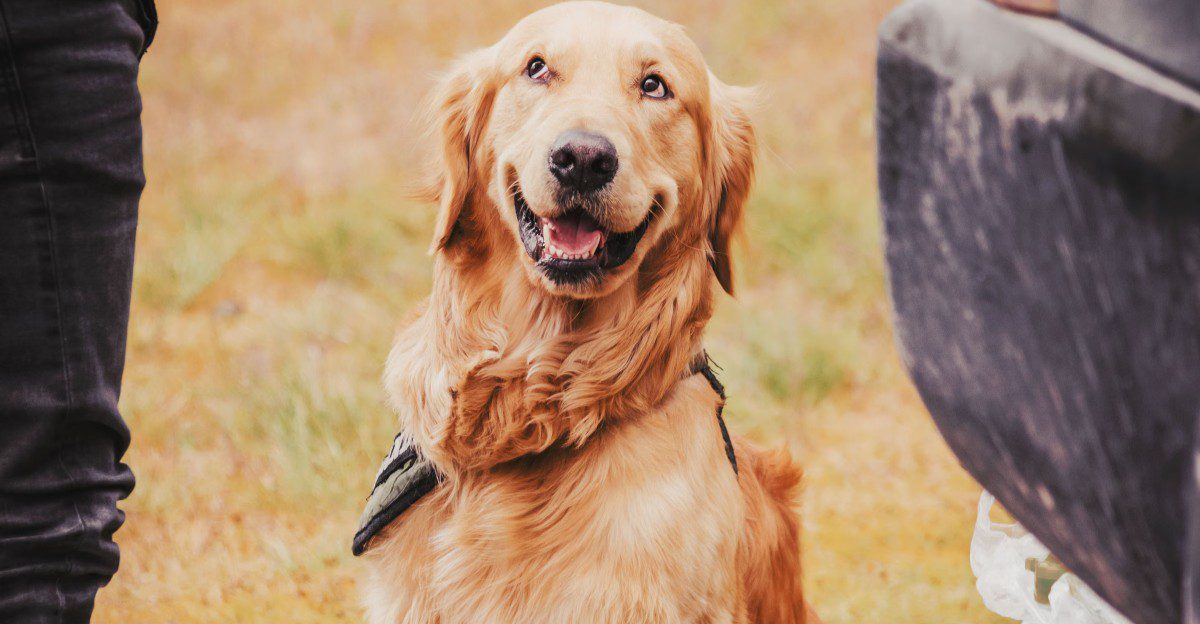
A healthy coat can tell you a lot about a dog’s daily care. Shine, softness, and even smell are clues about brushing, bathing, and diet.
Some breeds show those clues more clearly than others. Learn how small habits can make a big difference for these furry friends.
Golden Retriever
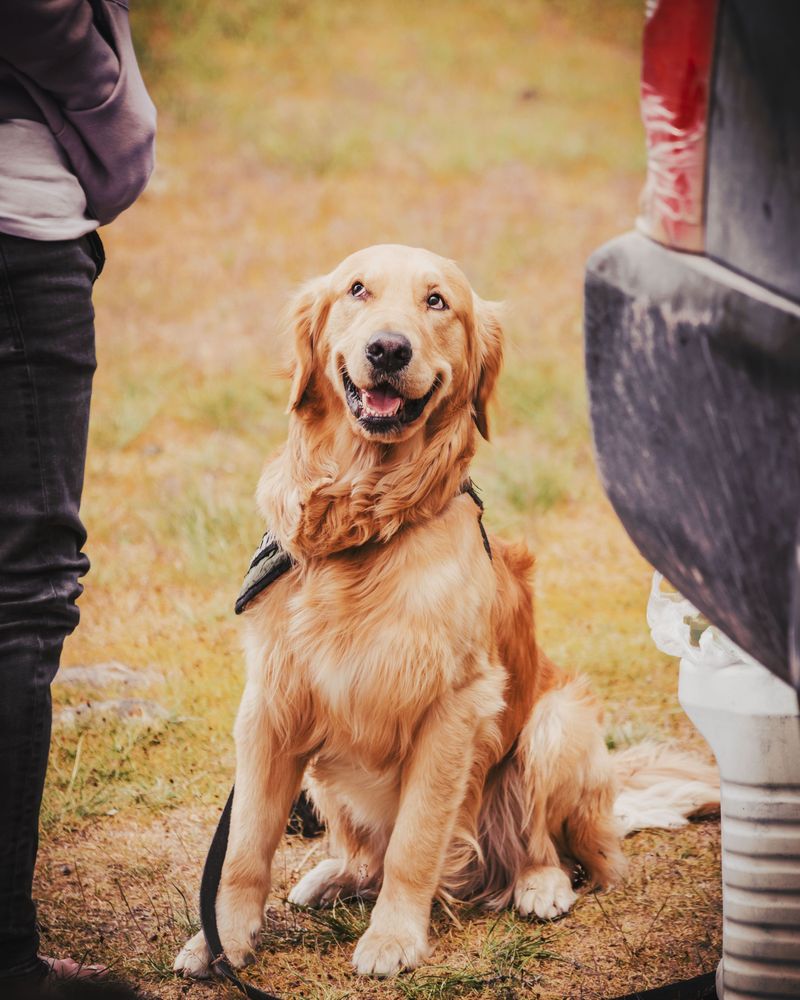
Sunlight loves a Golden’s coat, but dull fur hints at missed brushing or a weak diet. Feathering around legs and tail mats quickly without steady attention.
Weekly de-shedding during heavy shed seasons helps the skin breathe.
Quick towel-dries after swims prevent that swampy smell. Omega-3s add luster, while over-bathing strips oils.
Check the pantaloons and behind the ears for sneaky tangles. A clean, fluffy ruff usually means the routine is working.
Rough Collie
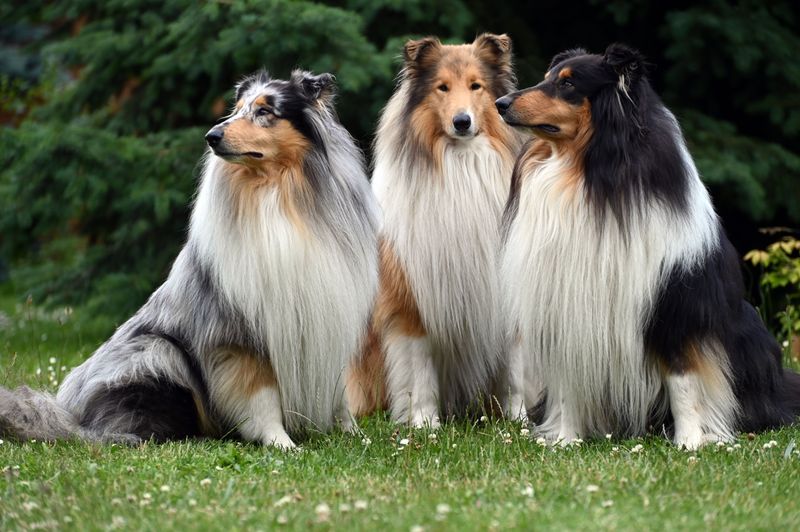
Storybook looks fade fast when the undercoat knots. A Rough Collie’s beauty depends on airflow through both layers.
Part the coat to the skin and brush in sections, especially around the mane and breeches. Skipping a week can snowball into heavy mats.
Bathing works best after a complete brush-out, followed by a cool blow-dry and line combing. Flaky skin or a woolly texture often signals stress, low humidity, or nutrition gaps.
Yorkshire Terrier
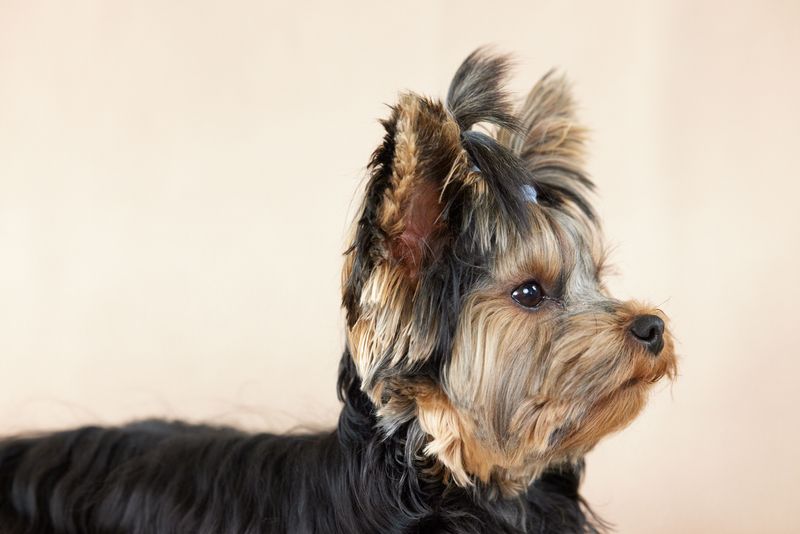
Silky strands tattle on your habits. A Yorkie’s coat shines with daily spritz-and-comb sessions and balanced protein.
Skipped detangling quickly becomes breakage. Short puppy cuts are friendlier for busy homes but still need routine care.
Watch for lint knots under sweaters and harness rub lines. Tear staining and beard debris dull the look, so quick face wipes help.
If the coat feels dry and flyaway, hydration and gentle conditioners usually brighten it up.
Shih Tzu
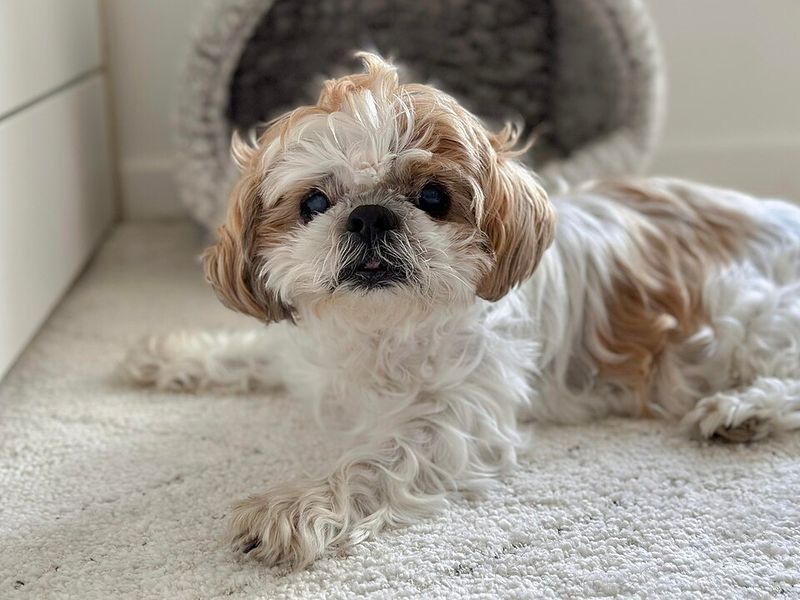
Little lions hide big grooming needs. A Shih Tzu’s long coat collects crumbs, tears, and dust that cause tangles.
Daily face cleaning keeps the mustache fresh and comfy. Many owners choose a tidy pet trim, which still benefits from regular brushing.
Warm baths followed by careful blow-drying prevent skin issues under dense hair. If the coat looks stringy or smells sour, missed drying or product buildup could be the culprit.
Light, frequent care wins.
Maltese
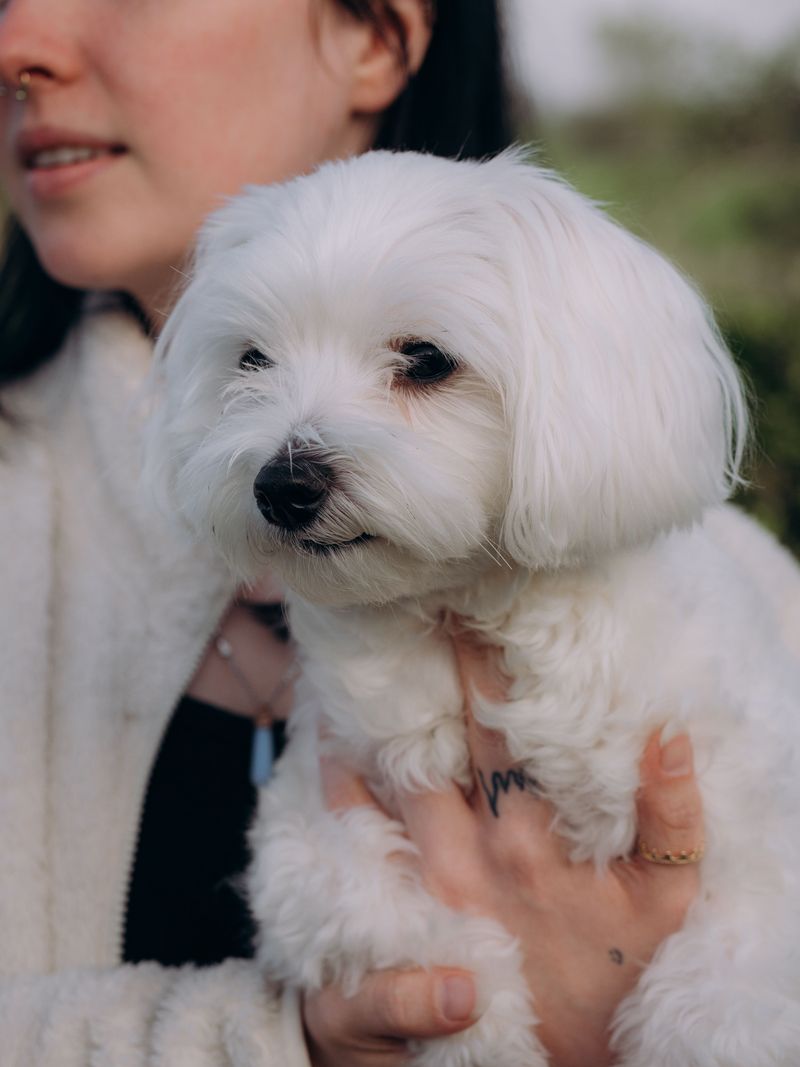
Pure white fur shows every shortcut. The Maltese coat stays glossy with gentle daily detangling and a non-greasy conditioner.
Tear area care matters, or stains spoil the glow. Many families keep a cute, short style to make upkeep easier.
After baths, thorough drying keeps skin calm and fluff polished. If strands feel sticky or clump, product overload or skipped rinsing may be to blame.
Clean tools and calm routines protect that snowflake look.
Pomeranian
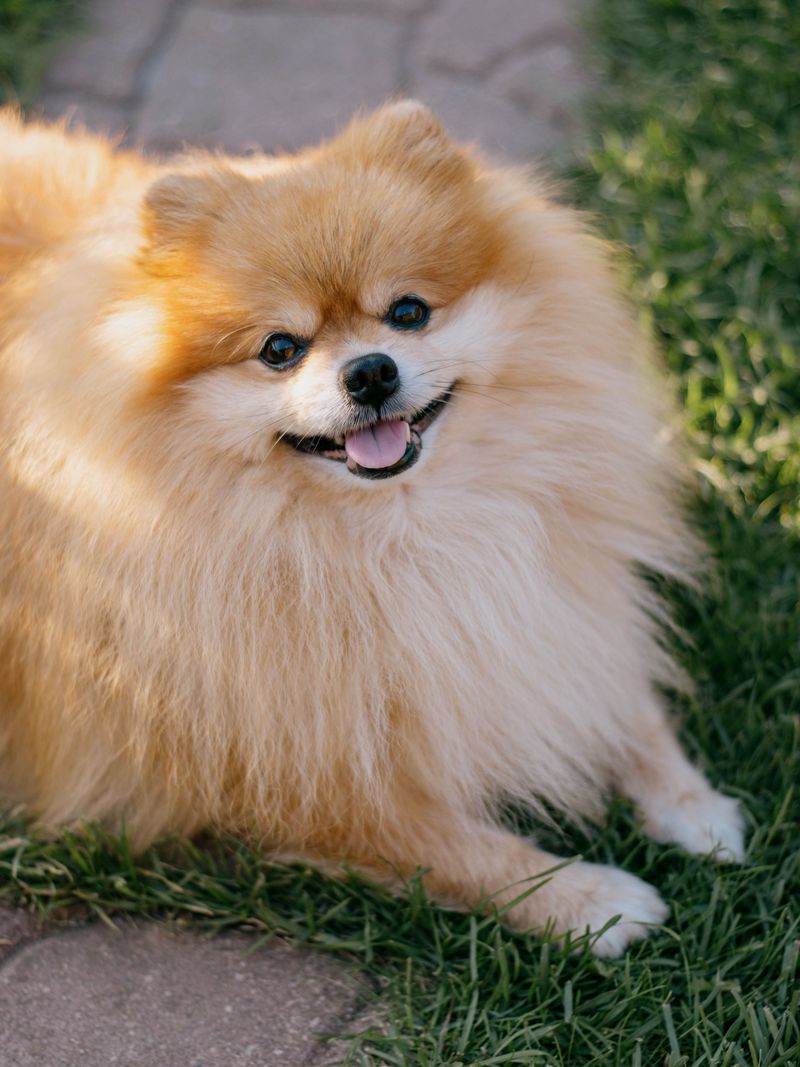
That cloud of fluff needs smart handling. A Pomeranian’s outer halo hides a dense undercoat that tangles at the roots.
Brushing only the surface creates a crisp look that masks mats. Work in layers to the skin using a pin brush and comb.
Blow-drying on low after bathing returns volume and prevents hot spots. Excessive shedding or patchiness can hint at stress or poor nutrition.
A light trim keeps edges neat without thinning the coat.
Cocker Spaniel
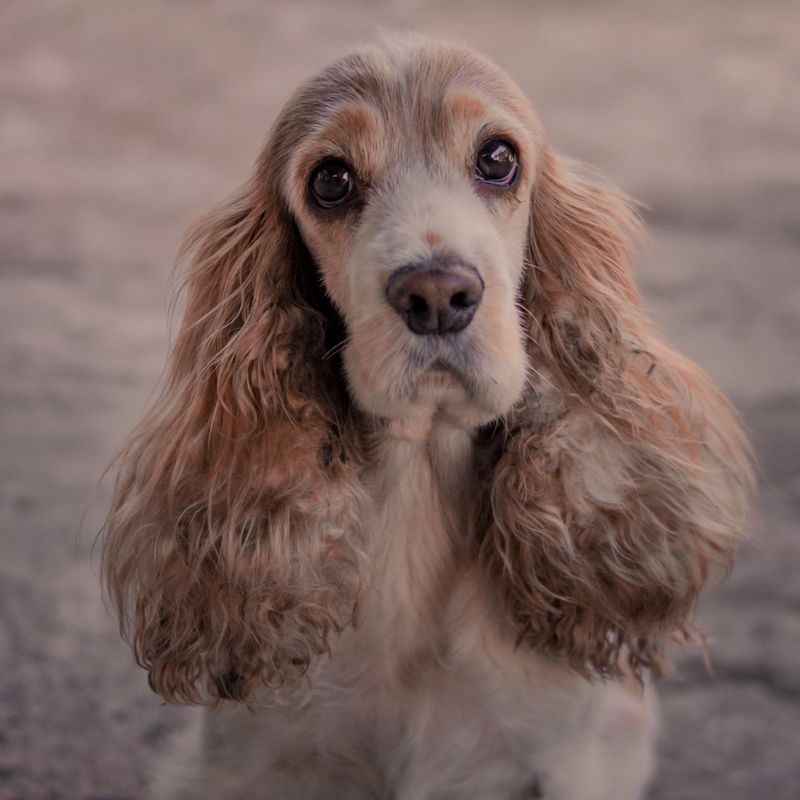
Silky ears tell a story first. Cockers love mud and brambles, so feathering mats fast without steady care.
Regular combing under the armpits, ears, and skirt prevents painful knots. A hygiene trim keeps debris away and skin comfortable.
Ear canals need gentle checks since moisture lingers under hair. If the coat feels greasy or flat, try lighter shampoos and plenty of rinsing.
Balanced fats in the diet often bring back that smooth glide.
Afghan Hound
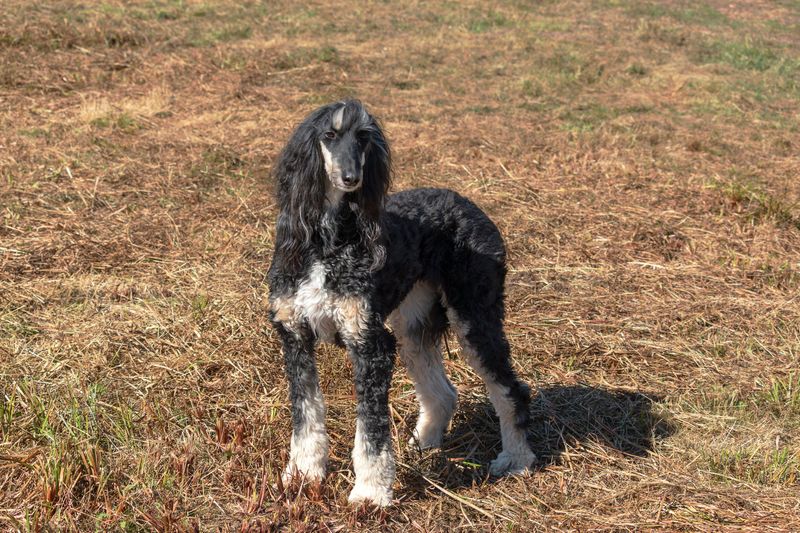
Runway hair needs discipline. The Afghan’s coat shows every gap in routine, from matting behind elbows to fuzz at the croup.
Bathing before brushing preserves strands, then careful drying and combing reveal that waterfall finish. Skipping sessions quickly dulls the drape.
Silk-friendly products and patient, section-by-section work are key. If texture turns cottony, heat, friction, or harsh shampoos might be the reason.
Calm handling keeps the coat elegant and floating.
Old English Sheepdog
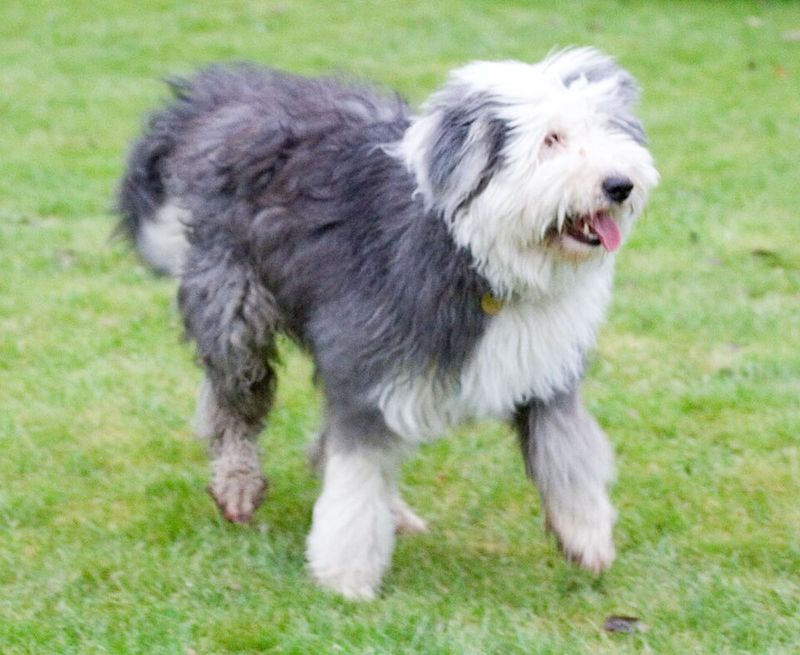
Behind the shag lies strategy. An OES coat forms dense mats close to the skin if you only fluff the surface.
Line brushing in small sections is the secret. Bathing works best after detangling, then a cool blow-dry keeps volume without frizz.
Moisture trapped in woolly areas can spark hotspots. If the coat looks lumpy or smells musty, hidden knots or damp patches could be brewing.
Consistent sessions save hours later.
Havanese
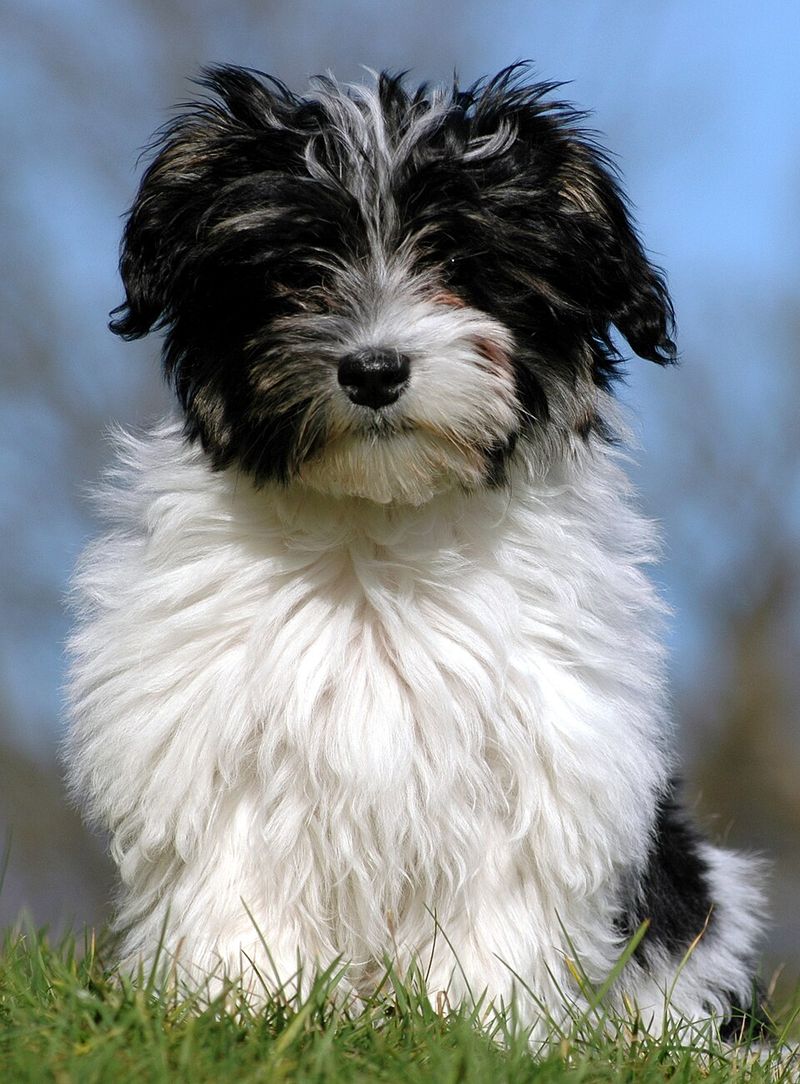
Playful curls can fool you. A Havanese coat mats in motion, especially at the harness and behind the ears.
Light, frequent combing with a mist of conditioner keeps waves airy. Many owners choose a manageable teddy trim without losing charm.
Quick paw and belly checks after walks stop burrs from becoming knots. If hair feels sticky or heavy, scale back products and rinse well.
A balanced diet helps curls stay springy and bright.
Samoyed
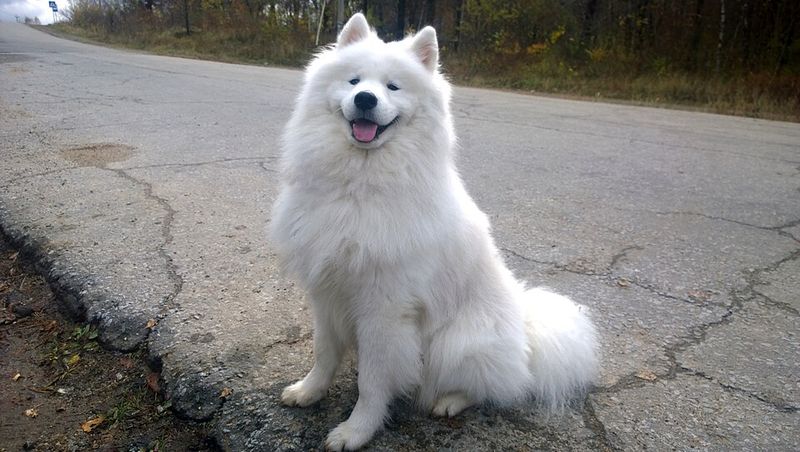
The Samoyed smile glows brighter with a breathable coat. Undercoat rakes remove dead fluff that traps moisture and odor.
Regular line brushing prevents felted sections, especially behind the legs and around the ruff. Bath-and-blow sessions restore that snowy sparkle.
Stains near paws or hocks hint at dampness left to linger. If shedding clumps cling, extend brushing time and check diet quality.
Cool, low-heat drying protects texture and keeps the coat cloudlike.