
Winter shaped many dog breeds. Their ancestors pulled sleds, herded reindeer, and rescued people in snow and ice.
Learning about them shows how teamwork, smart training, and the right gear keep working dogs safe and happy today. Meet hardy pups built for frost and long trails.
Siberian Husky
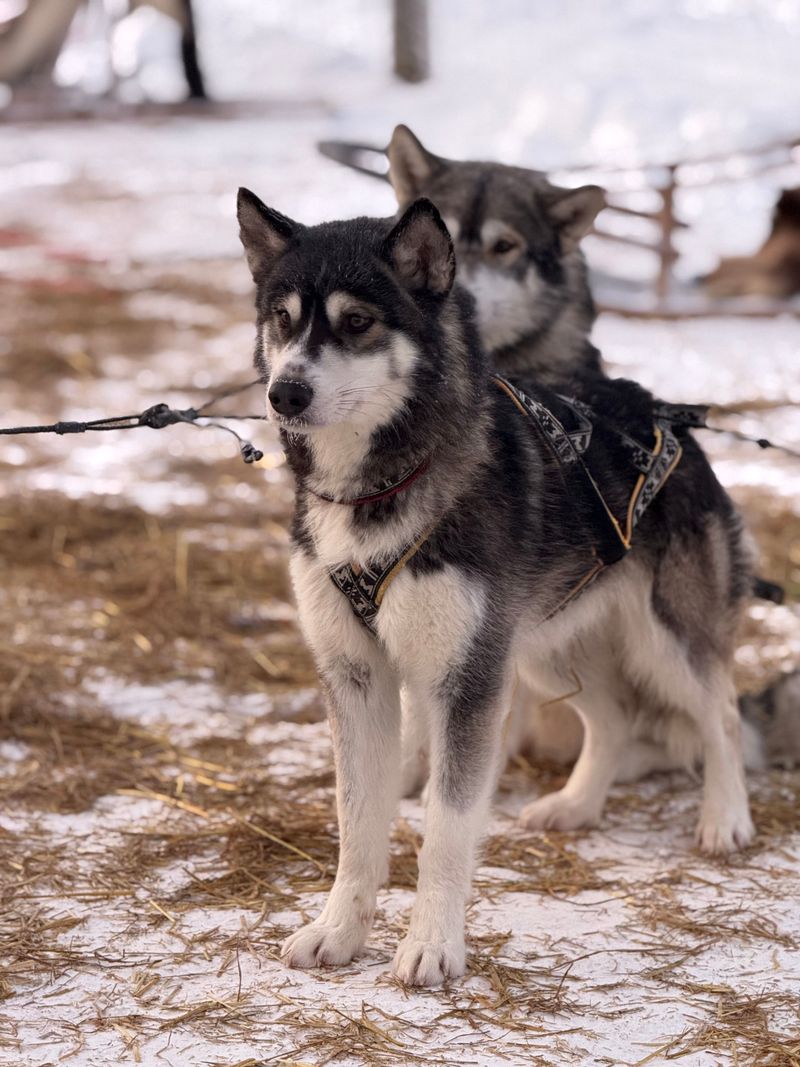
Born to run across frozen rivers, the Siberian Husky carries stamina in every stride. Early teams hauled goods for Chukchi families and later sped through famous races like the Serum Run.
At home today, channel that drive with brisk hikes, canicross, or a wheeled scooter. Thick double coat means regular brushing, and smart puzzle toys prevent mischief when the snow keeps you indoors.
Teach a solid recall and reliable leash manners, plus night visibility gear.
Alaskan Malamute
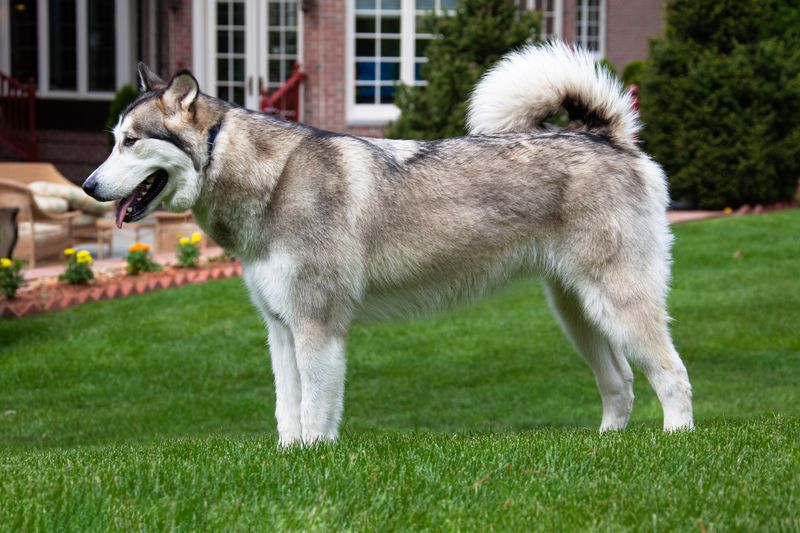
With a chest like a freight engine, the Alaskan Malamute hauled heavy sleds over sea ice. Prospectors in the Klondike trusted these dogs when trails vanished under blizzards.
Modern owners should plan strength games, weight pulls, and slow, steady hikes. Because the coat packs serious insulation, weekly brushing and a seasonal deshed routine keep things tidy, and sturdy booties protect paws on salted sidewalks.
Teach patience at doors and food bowls during exciting outdoor greetings.
Samoyed
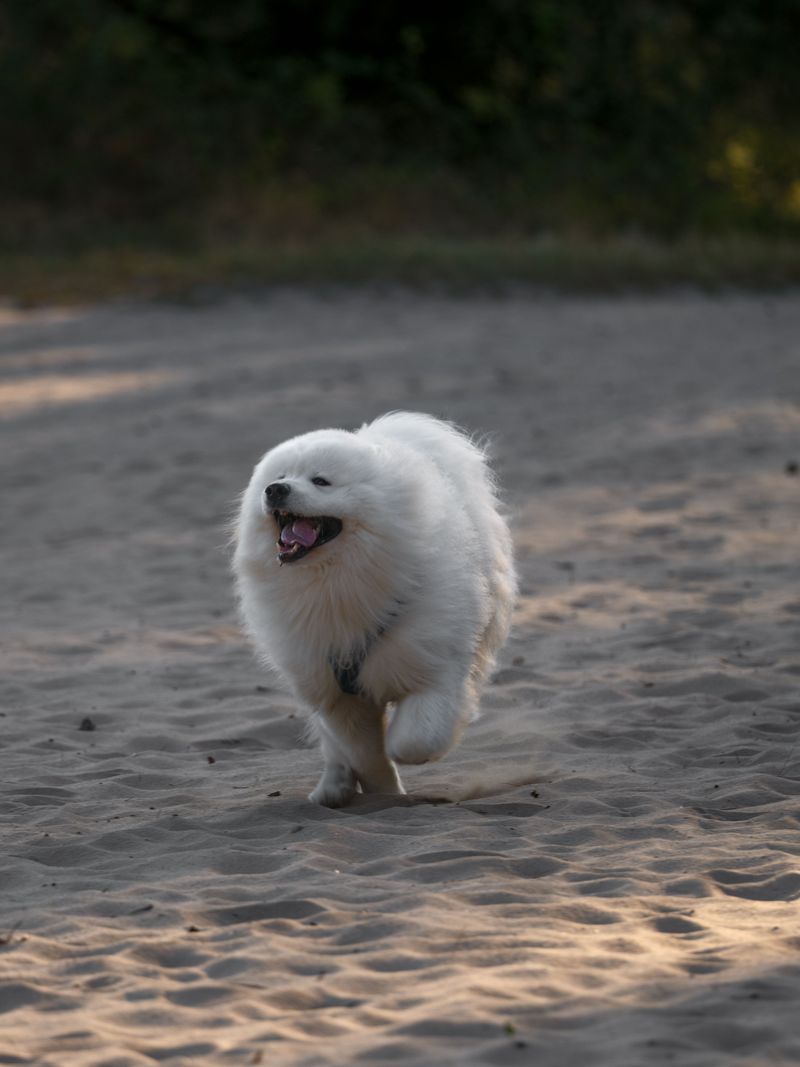
Smiles came with the work for the Samoyed, whose grin resisted frost. Reindeer herding, sled hauling, and tent warming kept families alive on Siberian nights.
Today, bright energy loves jobs like skijoring and rally obedience. Expect fluff, so brush several times a week, check for snowballs behind ears and armpits, and keep treats ready because gentle training with patience brings out that cooperative spirit.
In summer, schedule workouts at dawn with shade, water, rests nearby.
Greenland Dog
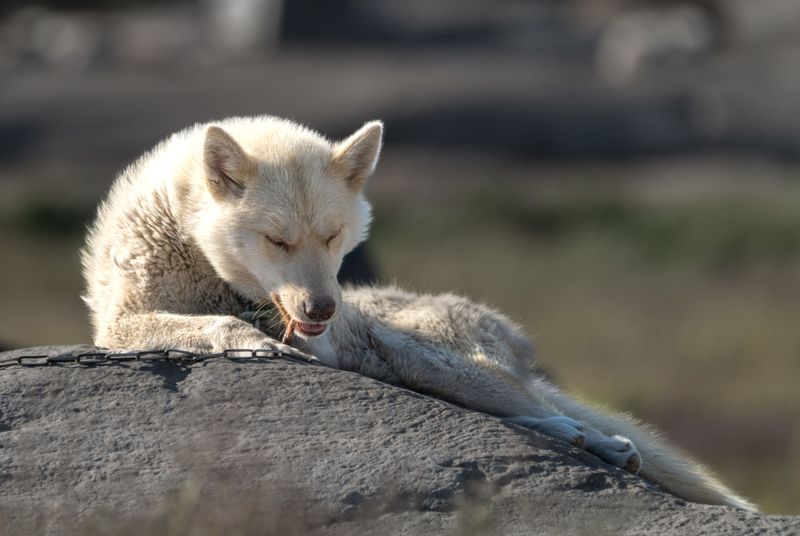
Tough as the wind off the fjord, the Greenland Dog hauled hunters to seal holes. Teams navigated pressure ridges and biting cold with fearless grit.
That bold heart needs big outlets, like long treks, canicross, and backpacking. Firm boundaries, a solid harness, and consistent recall practice make adventures safer, while regular foot checks catch ice cuts and keeping high-protein meals handy helps maintain energy in chilly weather.
Plan rest spots and windbreaks for snack time.
Canadian Eskimo Dog
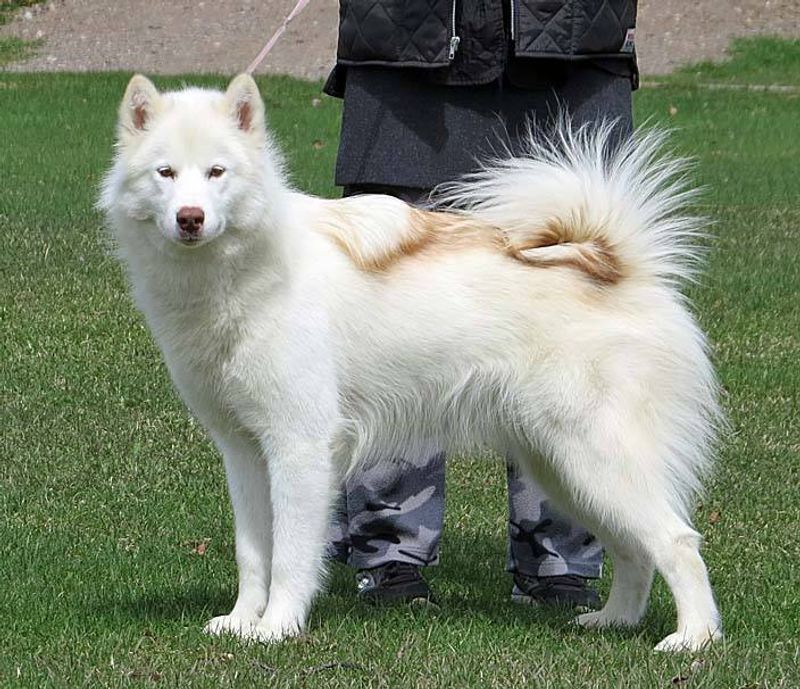
Old-time Arctic explorers praised the Canadian Eskimo Dog for raw pulling power. Qimmiq, its traditional name, speaks to deep roots among Inuit communities.
At home, a big job list keeps minds busy, like weight drag, tracking games, and cart work. Dense coat care means a rake, a slicker, and patience, plus icy weather tips such as checking paw webs for snow clumps and offering warm broth after workouts.
Secure fencing protects neighborhood wildlife during training.
Yakutian Laika
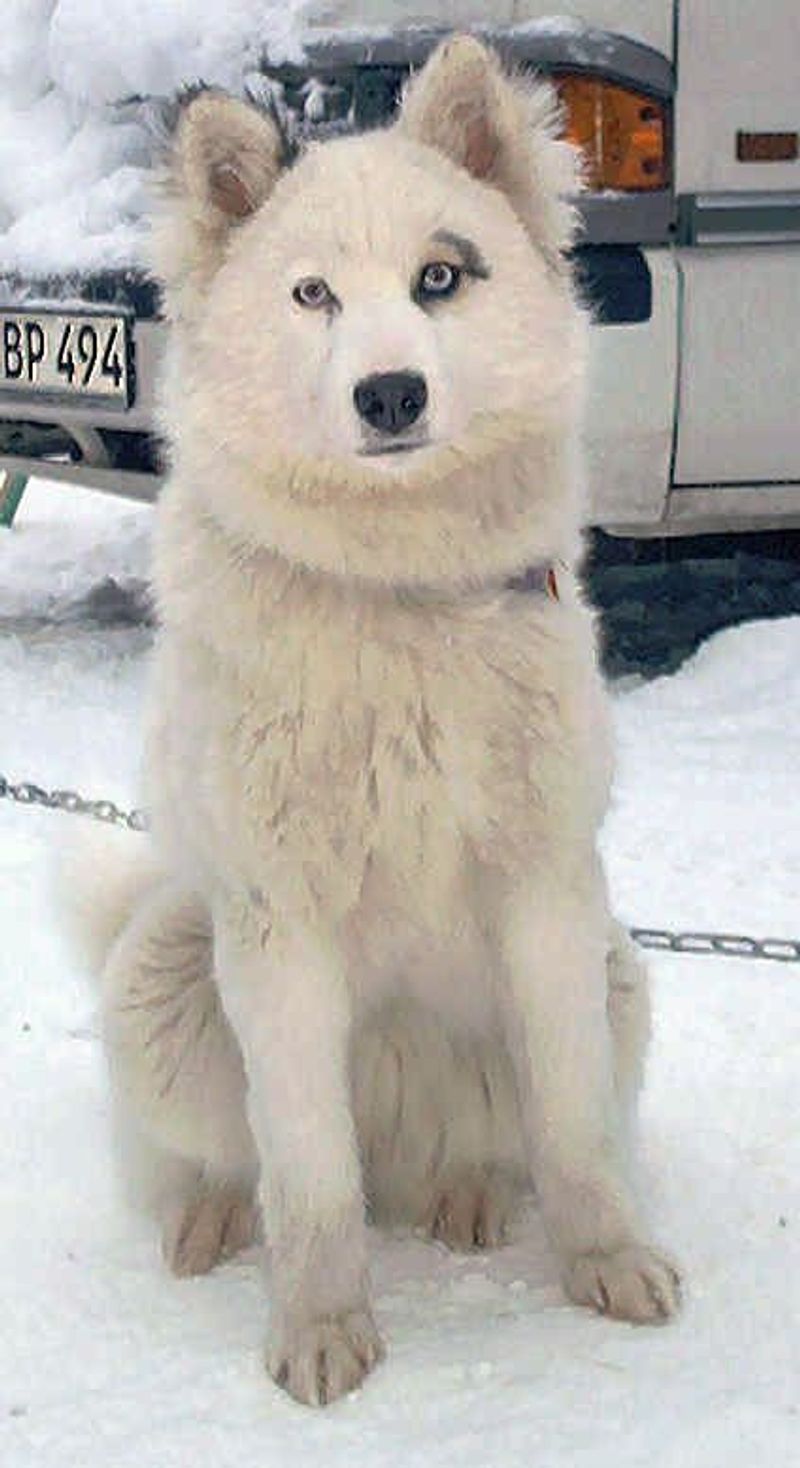
Stories from the Lena River tell of the Yakutian Laika guiding sleds through polar night. Even reindeer herding and mail runs fit into their winter resume.
Today, channel keen senses with scentwork and off-road mushing on safe trails. Balanced meals fuel endurance, a breathable coat dries best with towel work, and polite socialization around small pets matters because prey drive can switch on fast when snow hides ground scents.
Use lights for dark mornings too.
Chinook
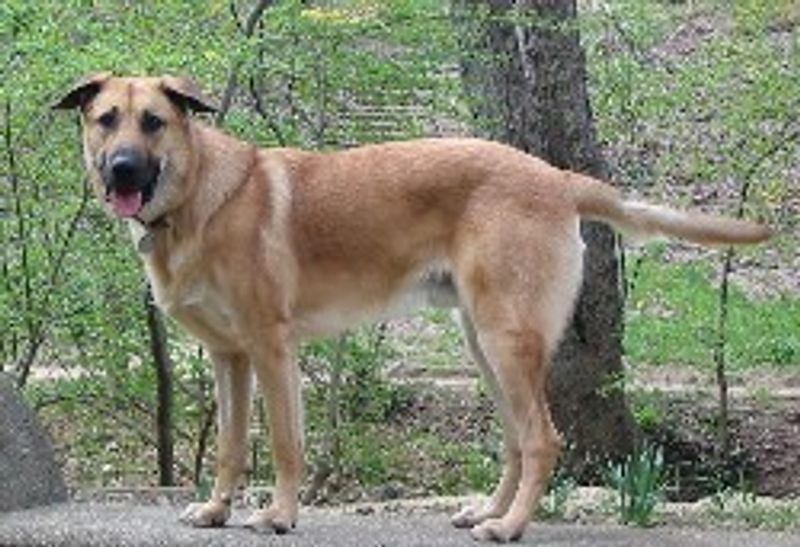
Born in New Hampshire, the Chinook mixed farm loyalty with sled dog grit. Early teams hauled freight and raced across icy logging roads.
Friendly nature shines in community events like canicross fun runs. Keep muscles strong with hill work, mind sharp with nose games, and coat healthy with regular brushing, then add booties for crusty snow and practice calm starts so excitement does not tangle lines when friends cheer.
Gentle voices motivate this thoughtful worker.
Saint Bernard
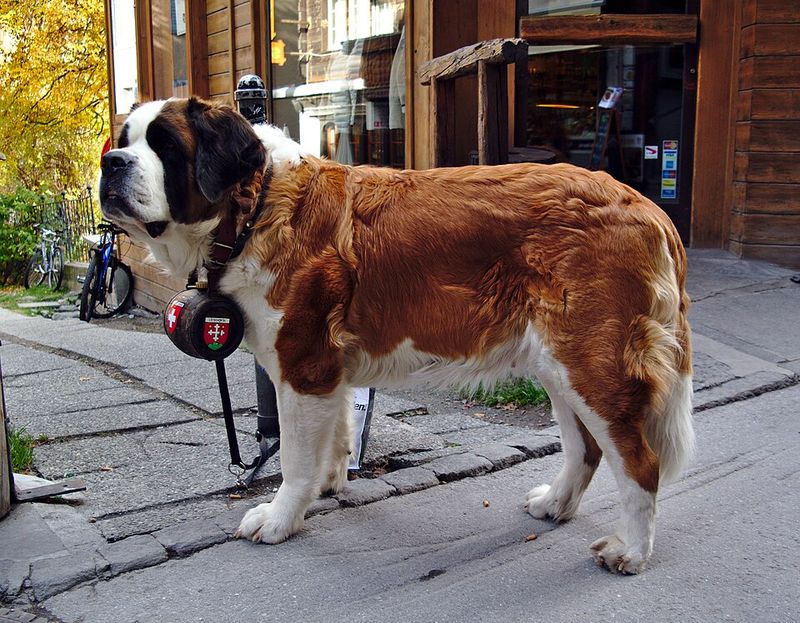
Legends talk about brandy barrels, but the Saint Bernard truly brought lifesaving warmth. Monks bred them to find travelers lost in deep Alpine snow.
For modern families, slow hikes and carting satisfy a steady spirit. Gentle handling prevents joint strain, winter traction mats help big paws on steps, and short training bursts build manners, while regular drool wipes and a cozy drying spot keep everyone happy after sloppy, slushy walks.
Watch weight to protect hips.
Finnish Lapphund
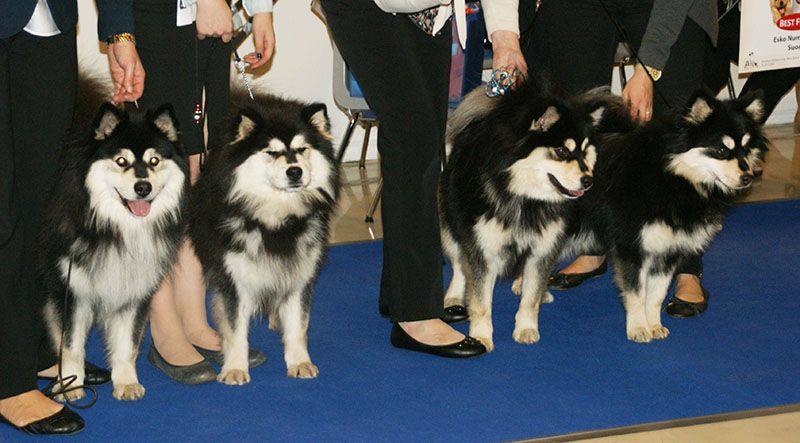
A cheerful herder of reindeer, the Finnish Lapphund worked under dancing northern lights. Weather never stopped them from gathering strays in swirling snow.
At home, quick feet enjoy agility, trick training, and lively fetch bursts. Soft voices and tasty rewards bring out eager focus, regular combing removes loose undercoat, and reflective collars help visibility in dim winters, while neighborhood herding instincts improve with structured meetups where movement has rules and clear start-stop cues.
Play often.
Lapponian Herder
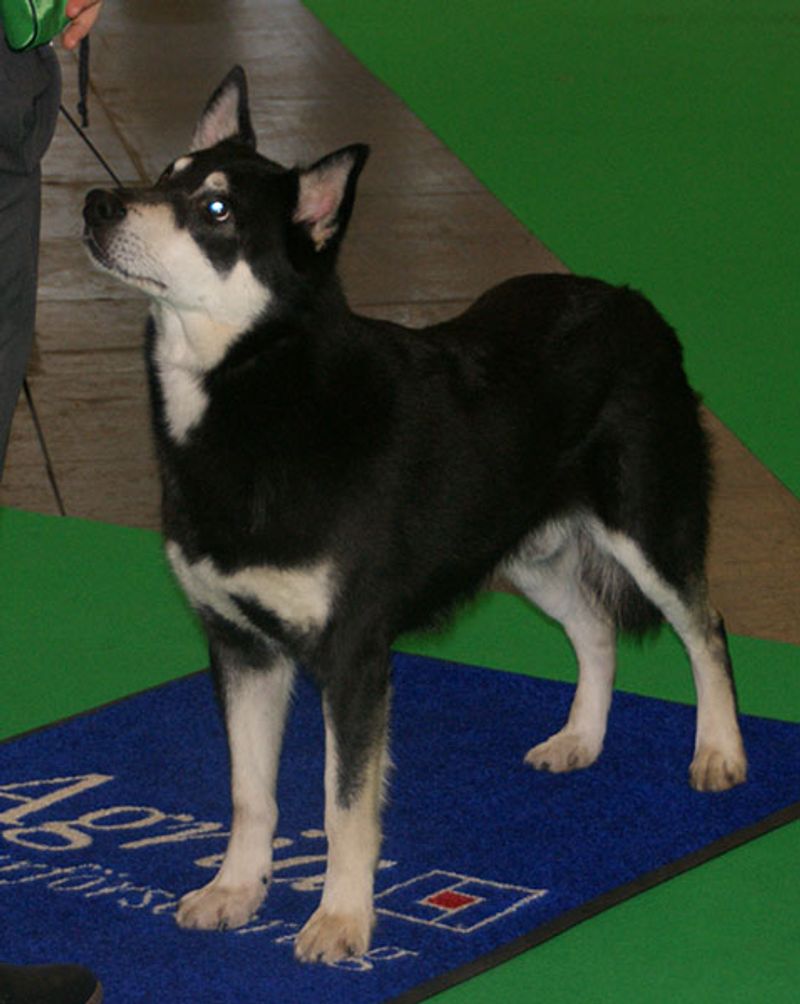
Calm on the outside, the Lapponian Herder can switch to turbo when reindeer scatter. Frost and wind were part of the office.
Give that focus jobs like obedience, herding lessons, and winter tracking games. Coat care is straightforward, yet weekly checks for snowballs between toes help, and rewarding quiet behavior around moving bikes or joggers teaches city manners, while steady mileage and mental puzzles prevent boredom from turning into fence running or unwanted barking habits.
Newfoundland
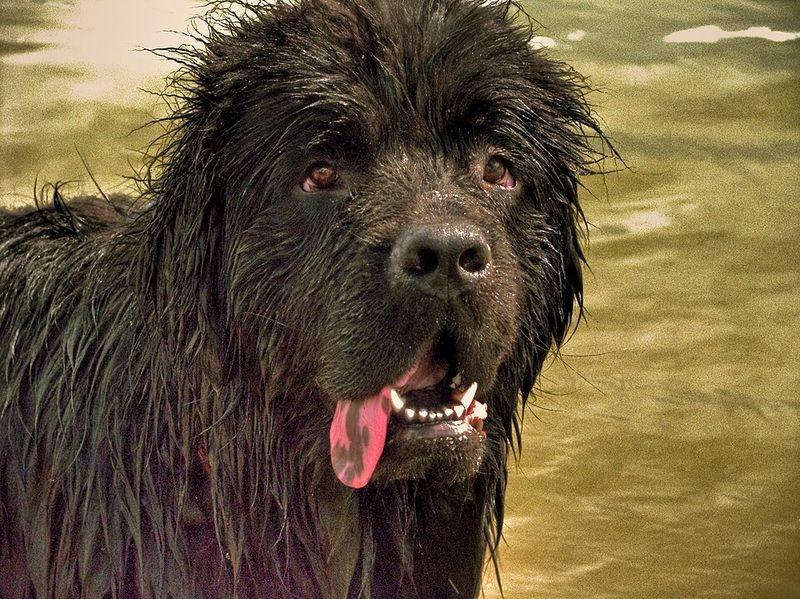
Cold seas did not scare the Newfoundland, a swimmer that hauled nets and rescued sailors. Thick coat and powerful tail turned winter waves into a workplace.
Today, water rescue sports and steady hikes fit their style. Prevent matting with routine combing, use a drying coat after swims, and teach a careful step command for getting in and out of cars, while joint-friendly surfaces and controlled stairs protect hips and elbows as big bodies grow stronger.