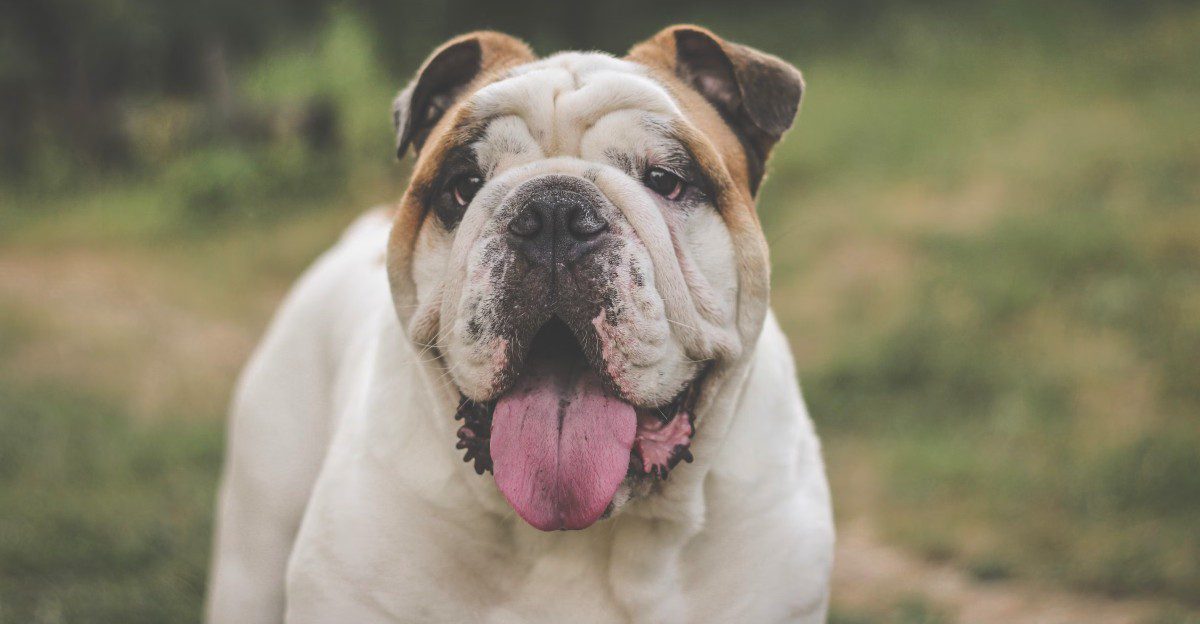
Some dog breeds win hearts fast, but living with them can be a big challenge. Others feel like a perfect fit from the first fetch to the final gray whisker.
Knowing the difference can save time, money, and stress for your family. Here are breeds many people try once, plus two that often turn first-time owners into lifelong fans.
Siberian Husky
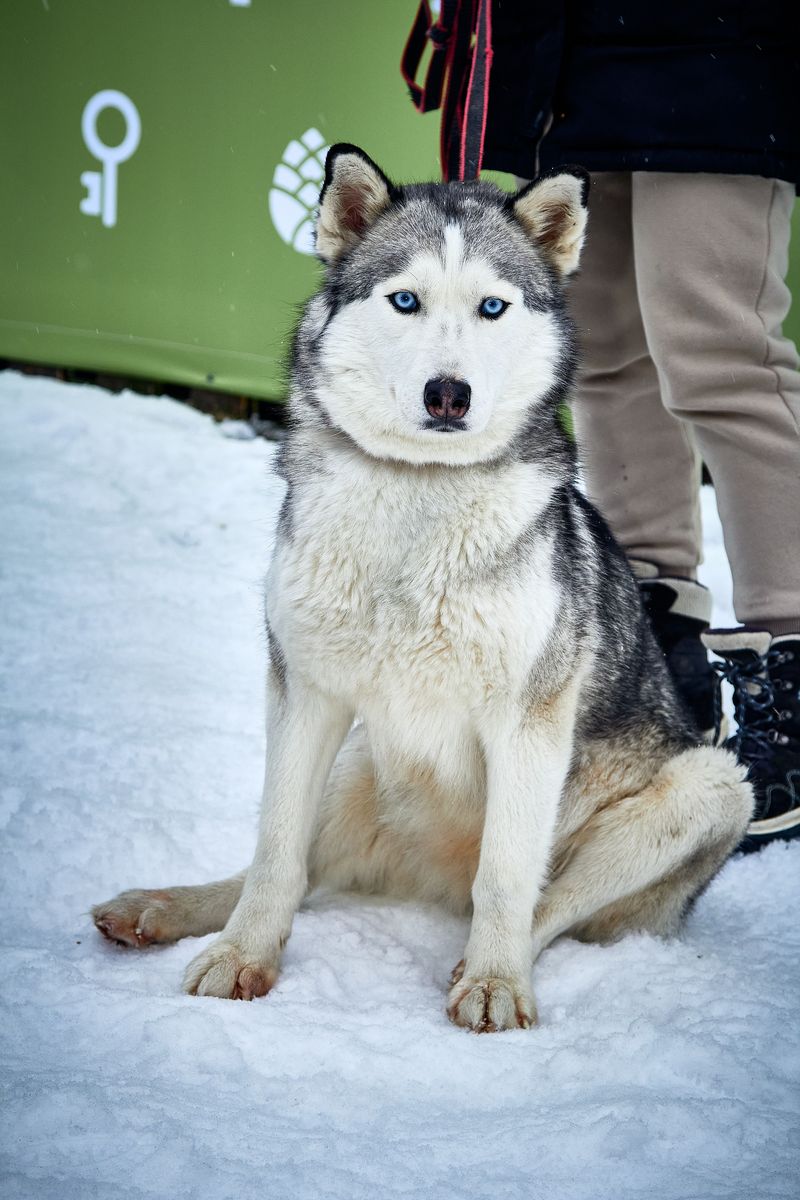
Blue eyes and big opinions turn daily walks into a neighborhood parade. Huskies can be hilarious escape artists, skilled at fence testing and backyard digging, especially if bored.
Strong prey drive and loud howls surprise first-time owners. Plan on miles of exercise, tight leashes, and puzzle feeders to drain energy.
Without those outlets, shoes suffer. Cold-loving coats shed heavily year-round, so a powerful vacuum helps.
Fans adore the spirit, yet many settle on calmer breeds.
Belgian Malinois
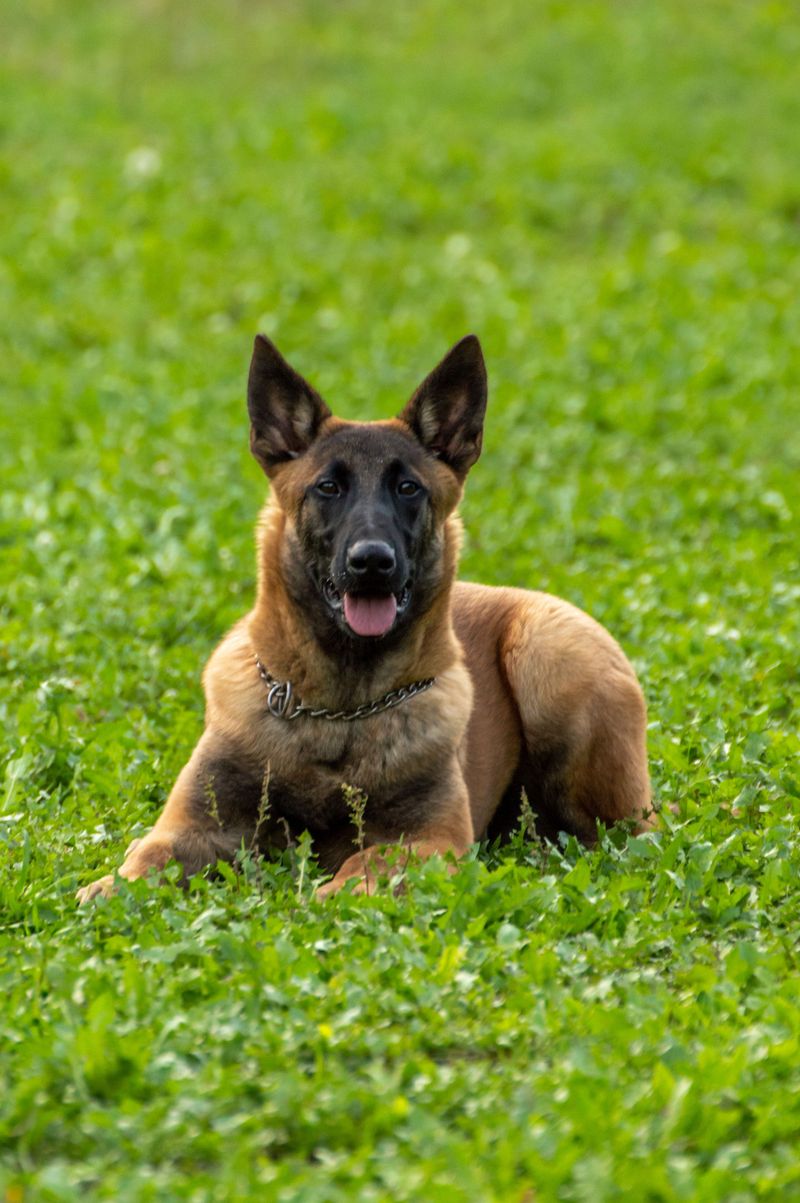
Ask any K9 handler, and they will grin: the Malinois never clocks out. Built like a coiled spring, this worker thrives on tasks and precision training.
Without a job, furniture becomes a project. Daily bite-work alternatives, scent games, and structured obedience keep minds happy.
Novices often feel overwhelmed by intensity and speed. If you love coaching, the bond feels electric.
Otherwise, consider sport clubs before adopting, so you can match energy with safe outlets well.
Jack Russell Terrier
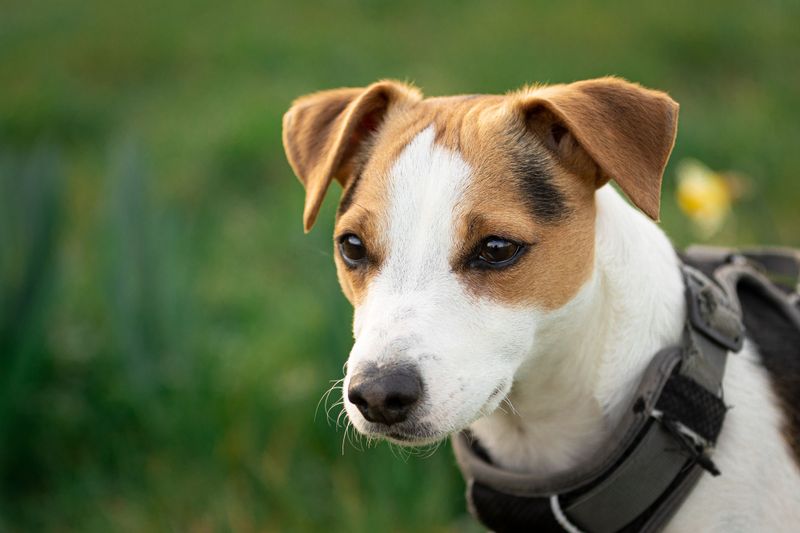
A thimble-sized rocket with opinions, the Jack Russell never forgets a squirrel. Quick wits and faster feet make training fun, but consistency matters.
Short walks do not cut it. Plan fetch marathons, trick sessions, and sniffing games to keep that brain busy.
Digging comes naturally, so create a sand pit and celebrate holes there. Many families adore the comedy, yet retire to mellower terriers later when schedules change.
Great Pyrenees
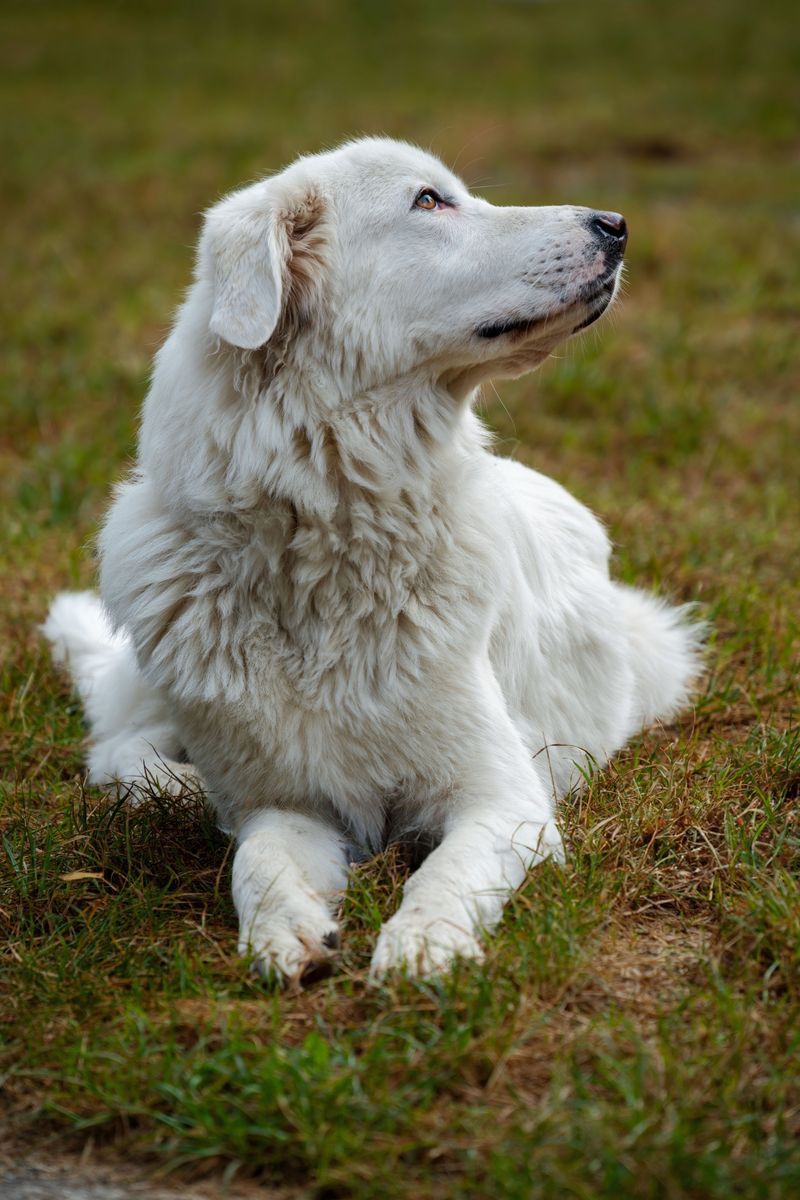
Moonlight patrols suit the Great Pyrenees, who sees guarding as a calling. Calm in the house, but always alert to odd sounds outside.
Independent minds mean slow recalls and firm boundaries. Secure fencing, steady socialization, and clear routines prevent nuisance barking.
Heavy coats shed and mat, so brushing becomes a weekly ritual. Plenty of guardians cherish the gentle watchfulness, then pick smaller guardians afterward because of size, grooming time, and nighttime chorus.
Weimaraner
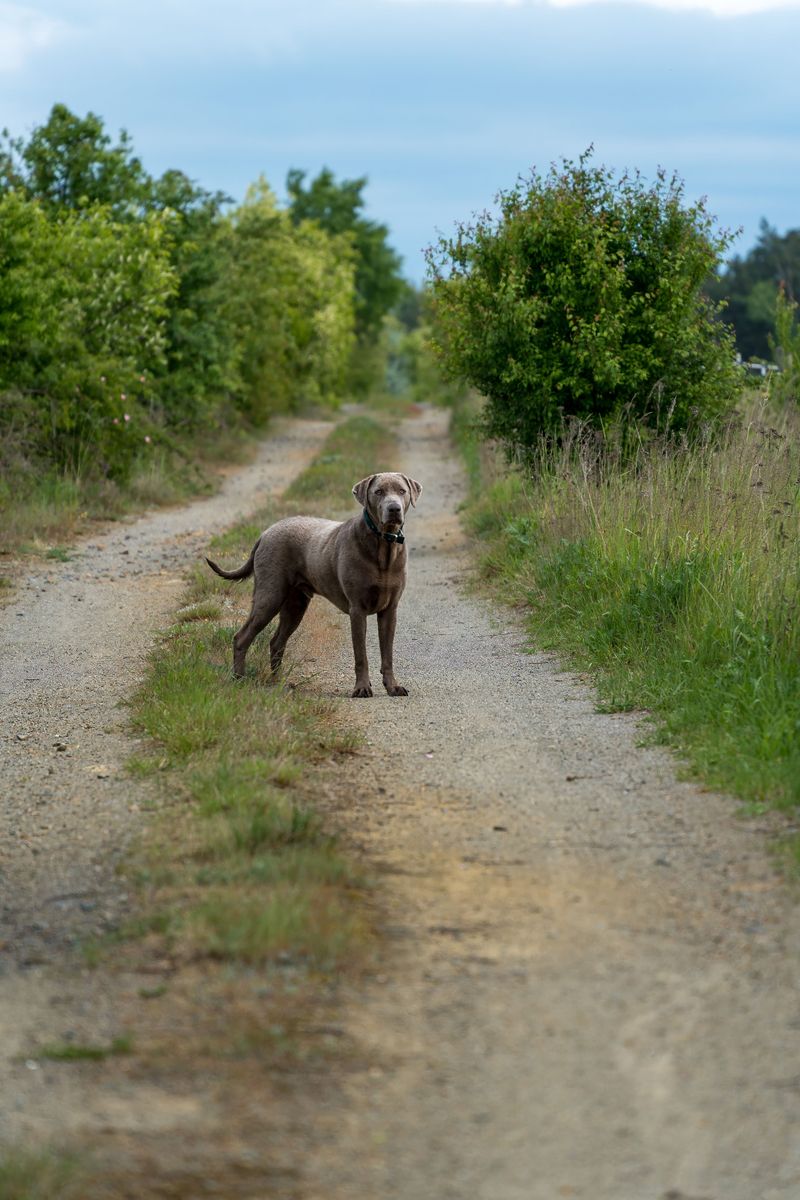
Silver-gray glamour steals hearts, then the shadowing begins. Weims love being glued to their person and get anxious when left alone.
Plan for crate training, slow departures, and plenty of retrieve games. Long runs or bike trots help settle the restless mind.
Without structure, they invent mischief with counters and closets. Enthusiasts adore the athletic partner, while many first-timers try one and then switch to breeds with easier off switches and softer energy.
Chow Chow
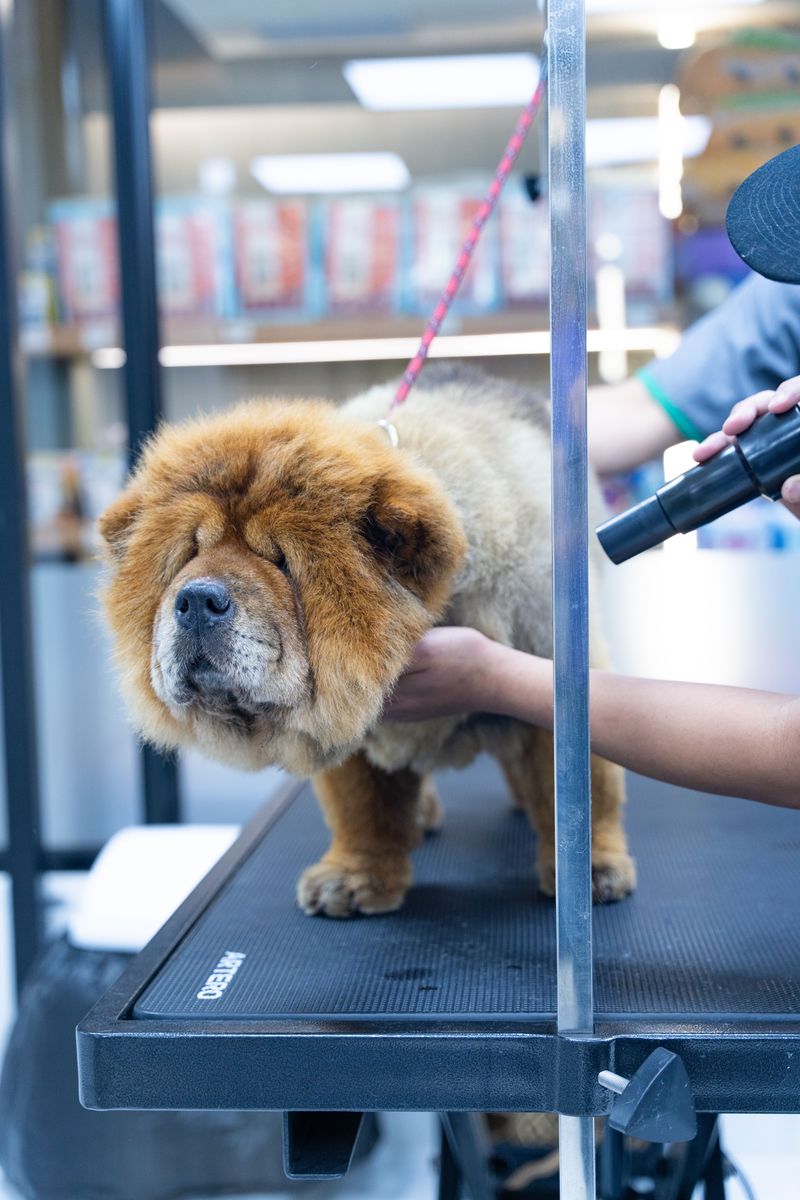
A lion-like ruff and a cat-like attitude define many Chows. Quiet loyalty runs deep, yet they often prefer a small circle of people.
Early, calm socialization matters more than flashy tricks. Grooming thick coats takes patience, and some lines can be sensitive about handling.
Secure management prevents scuffles with pushy dogs. Fans admire the dignified presence, but plenty of owners feel satisfied with one Chow in a lifetime and later choose more easygoing temperaments overall.
Dalmatian
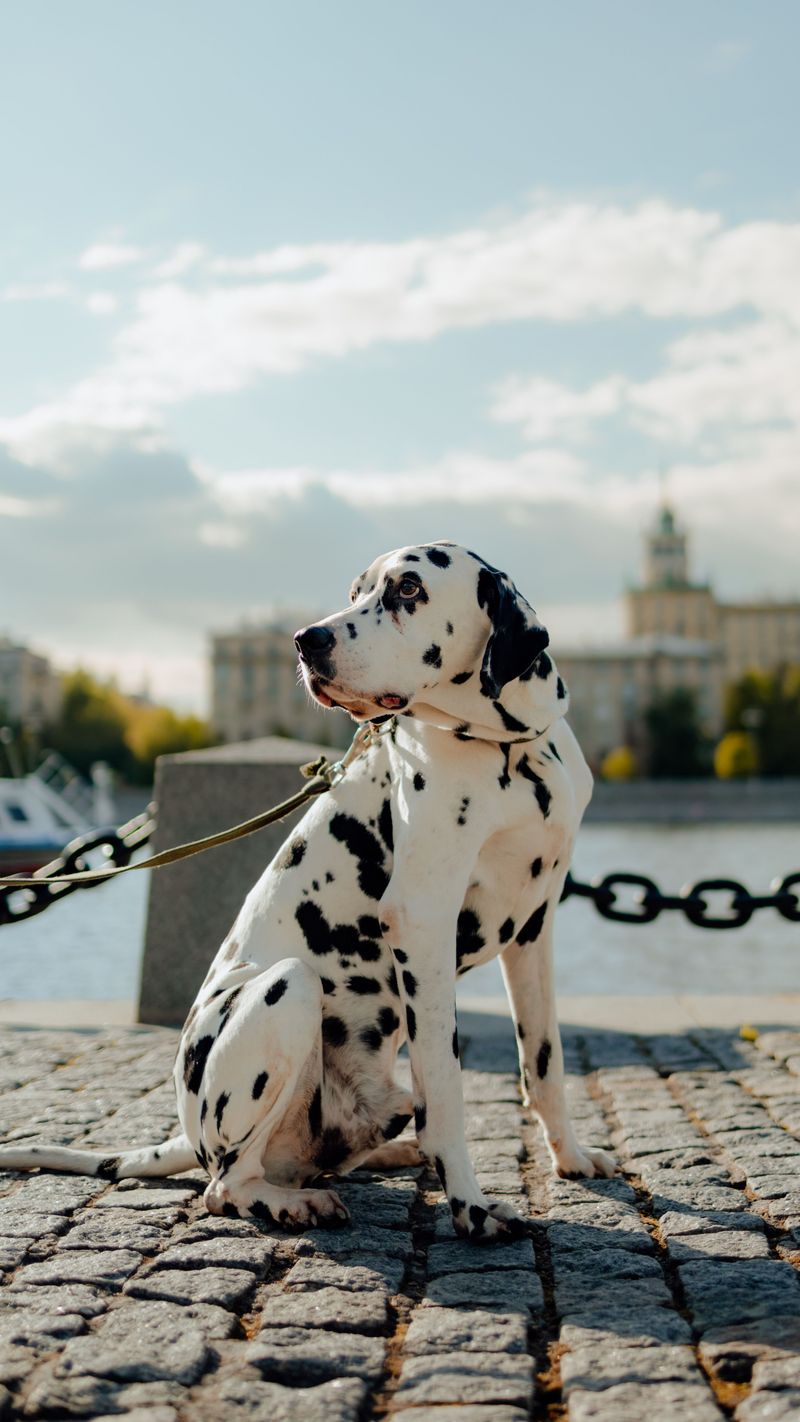
Spots steal the show, and energy steals the couch. Dalmatians were made to run beside horses, so they expect distance.
Without real exercise, pacing and mischief arrive. Deafness appears in some lines, which asks for thoughtful training and hand signals.
Minimal body fat means hard surfaces can cause pressure sores, so cushy beds help. Plenty of people grin at the clowning youth, then decide once was enough and later opt for calmer, lower-mileage companions.
Cane Corso
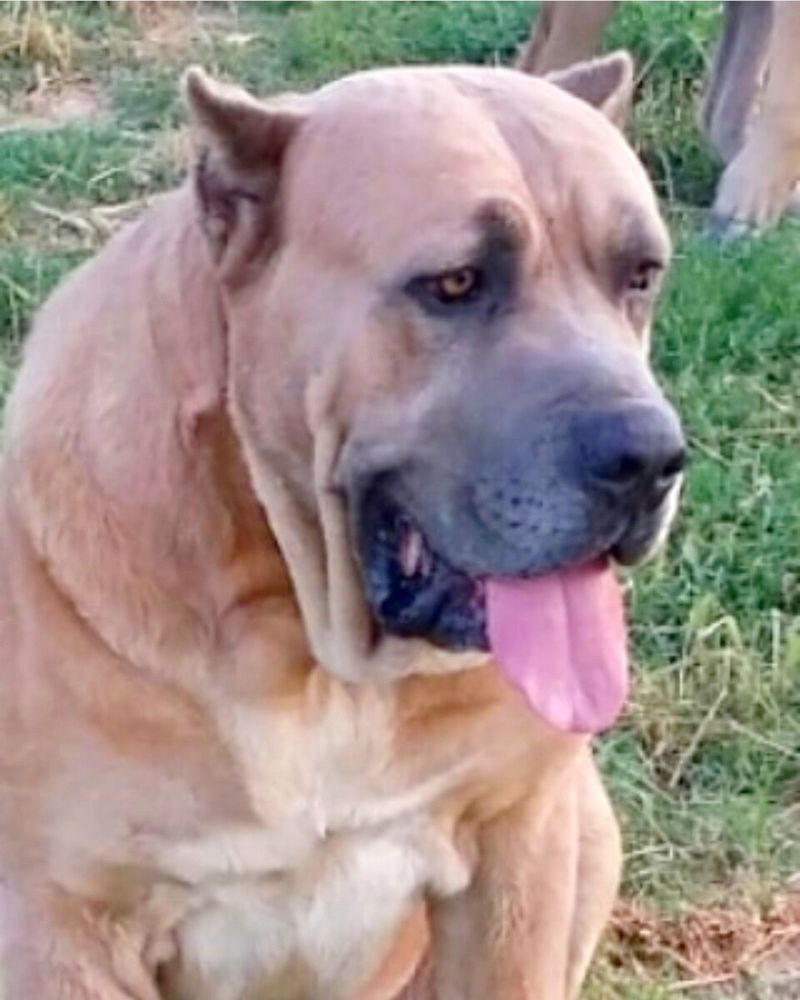
Presence alone stops strangers, yet the Corso’s heart leans toward family. Big brains, bigger bodies, and a natural guarding instinct need careful direction.
Confident, fair leadership and serious socialization shape a steady citizen. Sloppy training invites pushiness, jumping, and poor decisions.
Budget for quality food, joint care, and insurance due to size. A lot of owners respect the loyalty but move on after one, choosing smaller mastiffs or less intense protectors that fit changing neighborhoods and routines.
Border Collie
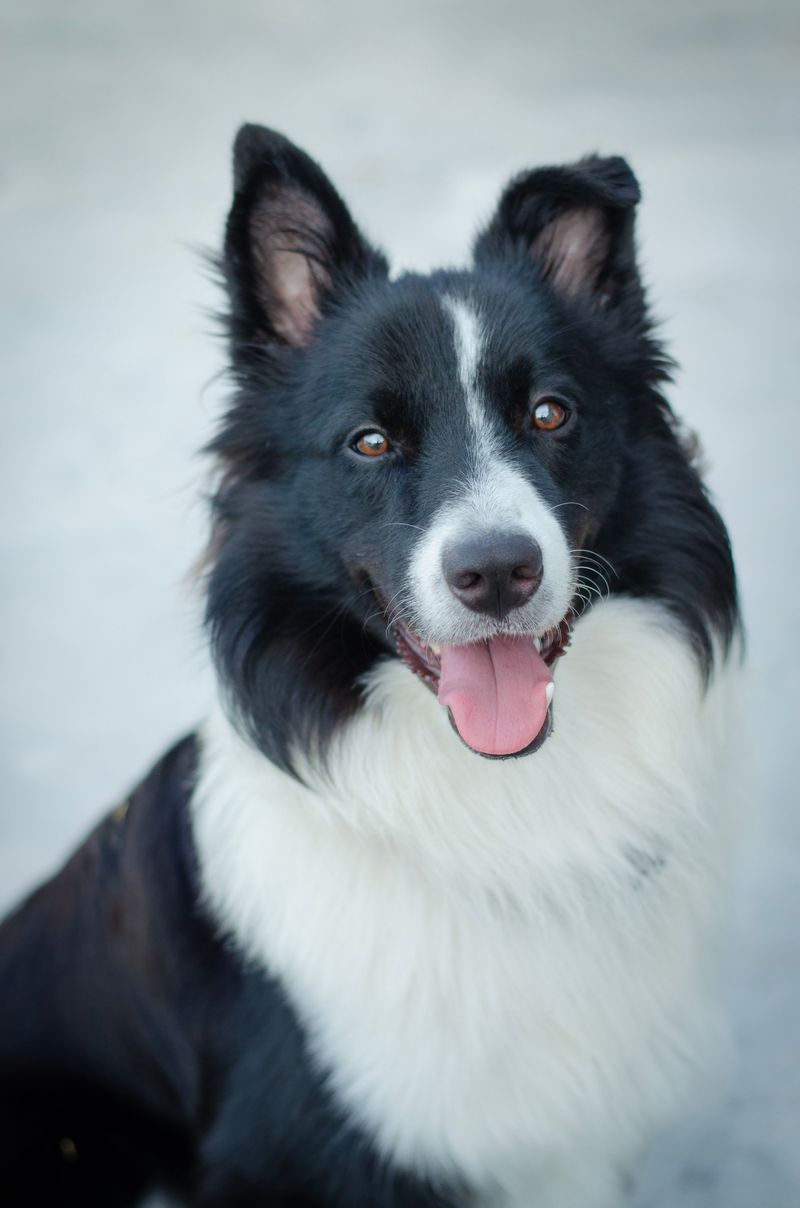
A brain like a search engine and legs like springs, the Border Collie notices everything. Staring at motion becomes a hobby unless you keep that mind busy.
Daily herding games, agility, and precise obedience are a must. Porch life often frustrates them.
Without jobs, nipping and obsessive behaviors appear. Many handlers become super fans, yet average households try one and later switch to breeds that relax easier, nap more, and forgive skipped training days sometimes.
English Bulldog
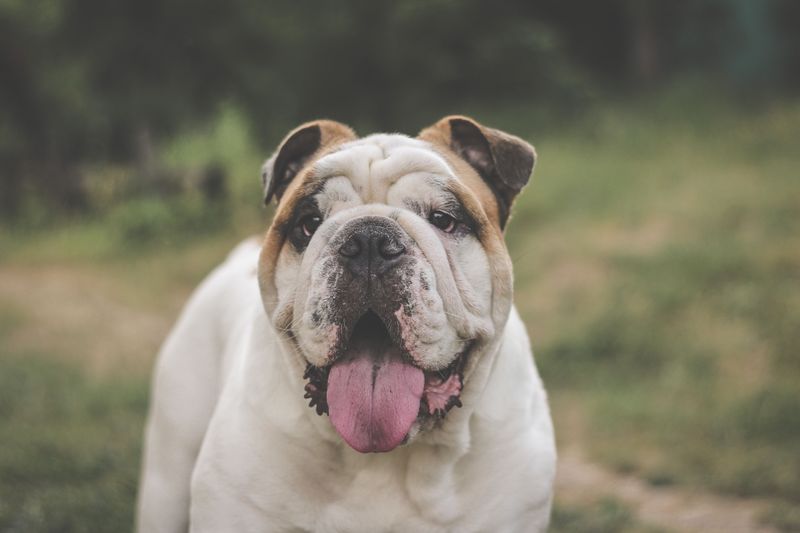
Soft snorts and lumbering charm win hearts instantly. Bulldogs bring big personality in a compact frame, with plenty of couch cuddles.
Heat sensitivity, airway issues, and vet bills can stack up quickly. Watch weight and choose gentle exercise to protect joints.
Good breeders matter greatly here. Many people treasure one Bulldog experience, then pick sturdier, lower-maintenance companions later, especially if budgets tighten or families want longer hikes and fewer medical surprises.
Alaskan Malamute
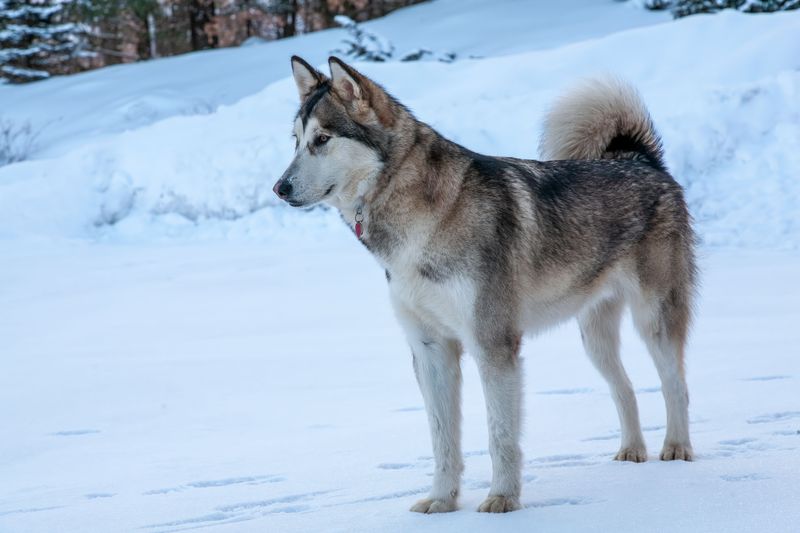
If a Husky is a sports car, a Malamute is a heavy-duty truck. Strength for days makes pulling and digging feel like play.
Independent problem solving charms some and frustrates others. Reliable containment, tough chew toys, and team activities like canicross help channel muscle.
Heat is tough, and coats shed in clouds. Plenty of owners adore one Mal, then retire from snow-dog life and choose breeds happier with suburban warmth and smaller daily mileage overall.
Labrador Retriever
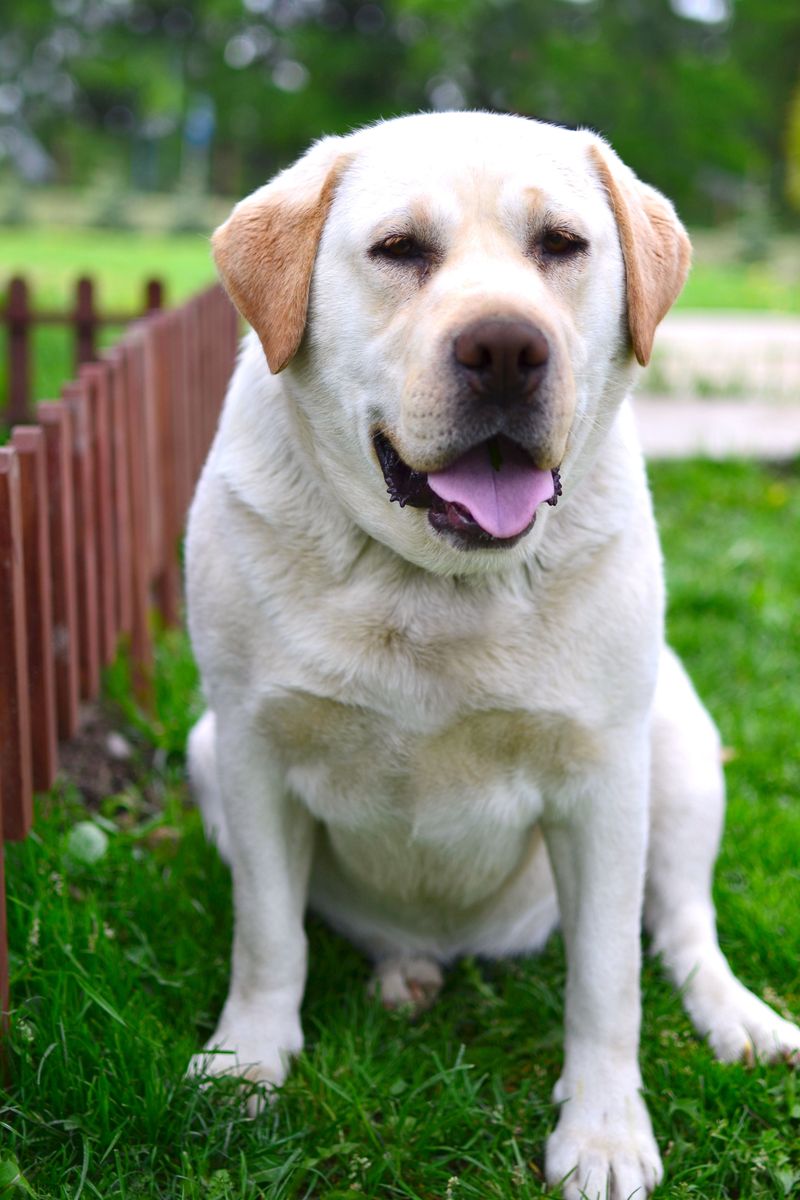
Fetch a ball, fetch a smile. Many Labs greet life like it is a party, blending eagerness with patience in a way families appreciate.
Train with food rewards and games, then enjoy a dog that remembers lessons. Regular swims and long walks manage energy and waistlines.
Did you know? Despite the name, the breed’s roots trace to Newfoundland fishing dogs.
Countless owners adopt Lab after Lab because the mix of biddability, warmth, and go-anywhere attitude just works.
Golden Retriever
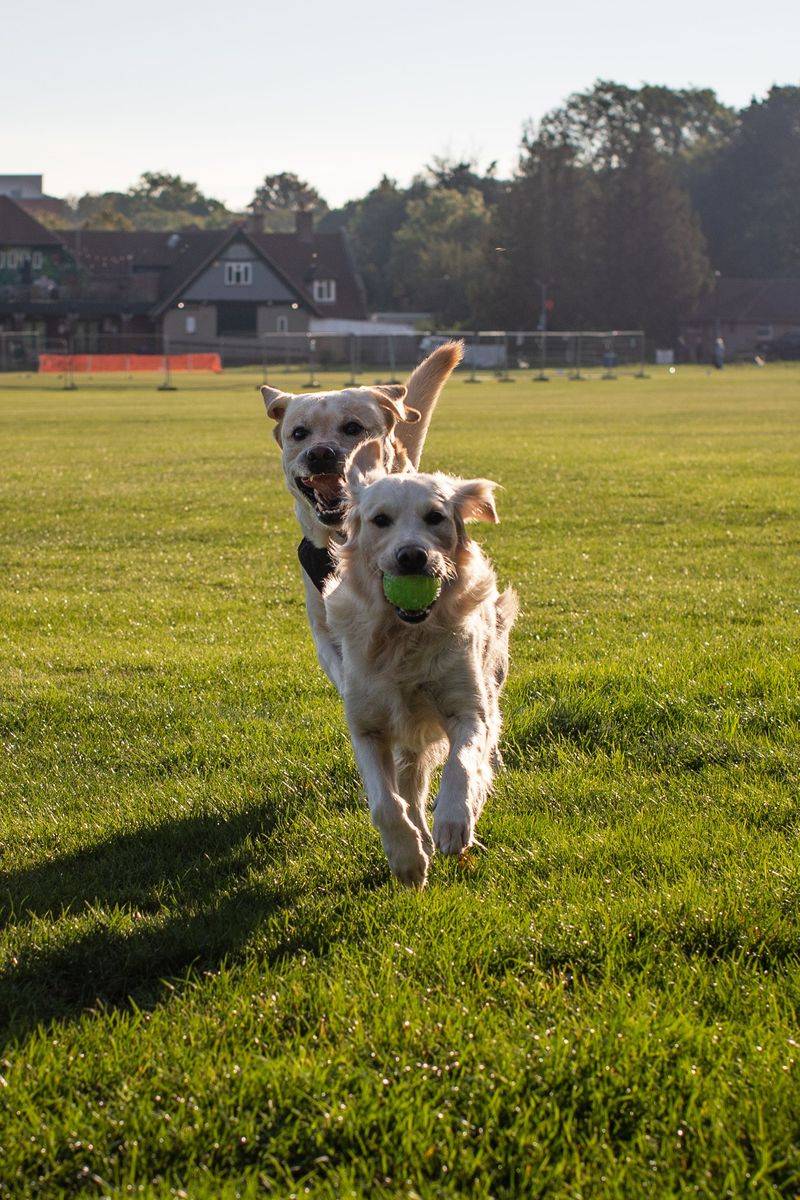
Sunshine in fur form, Goldens seem to read the room and offer comfort before you ask. That steady kindness keeps people coming back.
Use positive training and gentle structure to shape great manners. Regular brushing, ear care, and mental games protect coats and brains.
Field-bred lines need more exercise, while show lines can be mellower. Many families rehome future pups within the same breed because the optimism, trainability, and social ease continue to fit changing seasons.