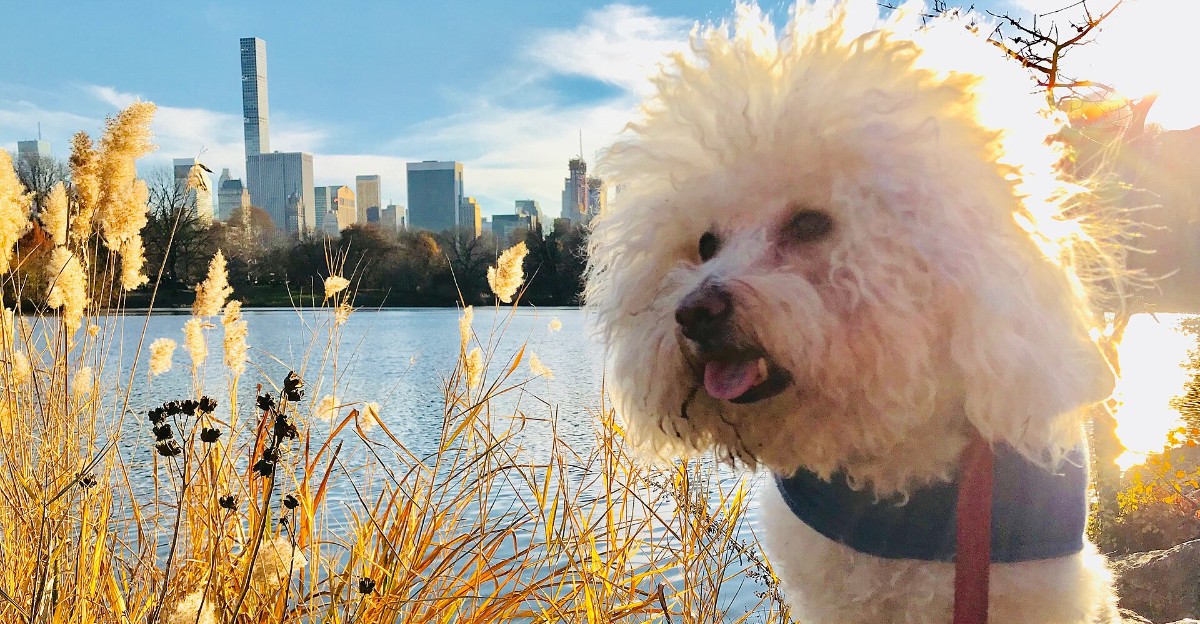
Moving to a new home, welcoming a baby, or changing work hours can shake up a dog’s whole world. Some breeds respond by sticking to their favorite person like glue.
That extra clinginess is usually a sign of worry, not bad behavior, and it often fades as the dog feels safe again. Knowing which dogs tend to react this way can help you support them with patience and smart routines.
Labrador Retriever
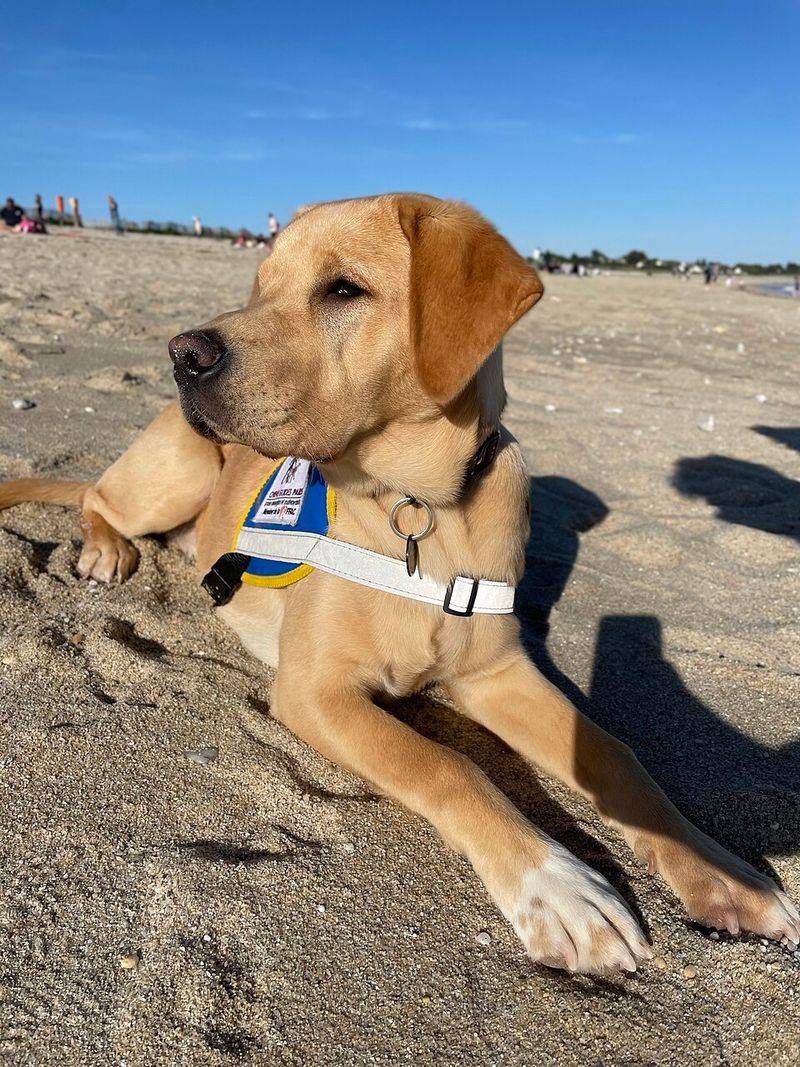
Boxes stacked in the hallway can turn a happy Lab into a furry shadow. Labradors thrive on routine and people, so a sudden move may leave them following you from room to room.
Keep feeding and walk times steady, even during chaos. Pack their bed and toys last and unpack them first.
Short sniffing walks around the new neighborhood help too. Familiar smells plus fresh adventures build their confidence quickly.
German Shepherd
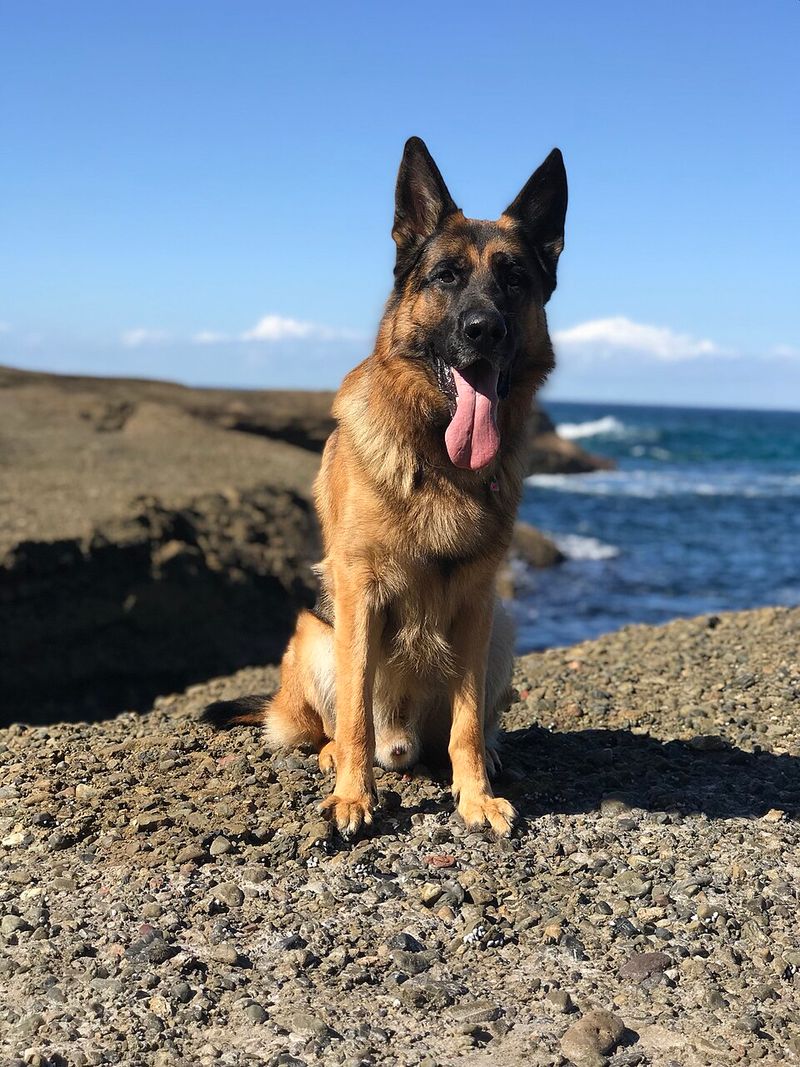
Loyal to the core, German Shepherds were bred to work beside one handler all day. When life shifts, many cling even tighter to that special person.
Give them a job to calm the nerves. Simple obedience drills, puzzle feeders, or scent games keep their busy brains focused.
Praise every calm moment they spend alone in another room. Slowly, that watchful guardian learns that you always come back.
Cavalier King Charles Spaniel
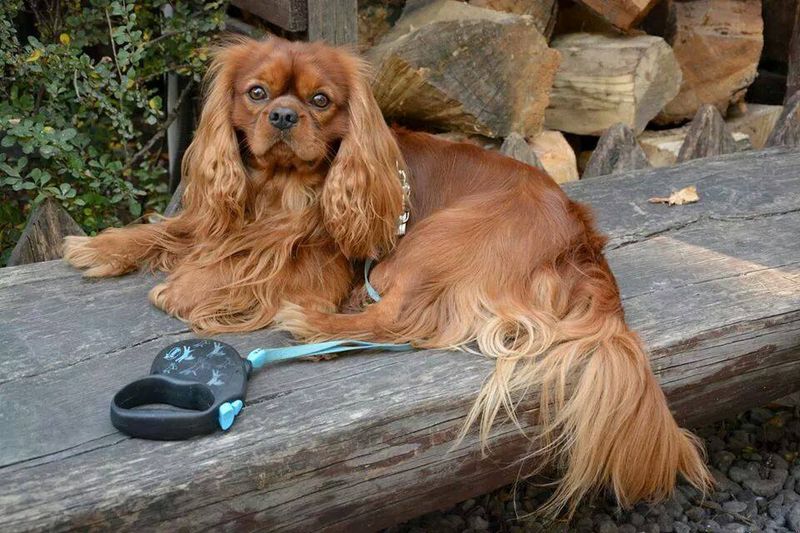
Did you know these spaniels once warmed the laps of English royalty? Comfort is practically in their job description.
When a family member leaves for college or a schedule changes, Cavaliers may whine at doors or refuse to nap alone. Try leaving a worn T-shirt in their bed so your scent stays close.
Calm goodbyes and quiet hellos teach them that departures are no big deal.
Border Collie
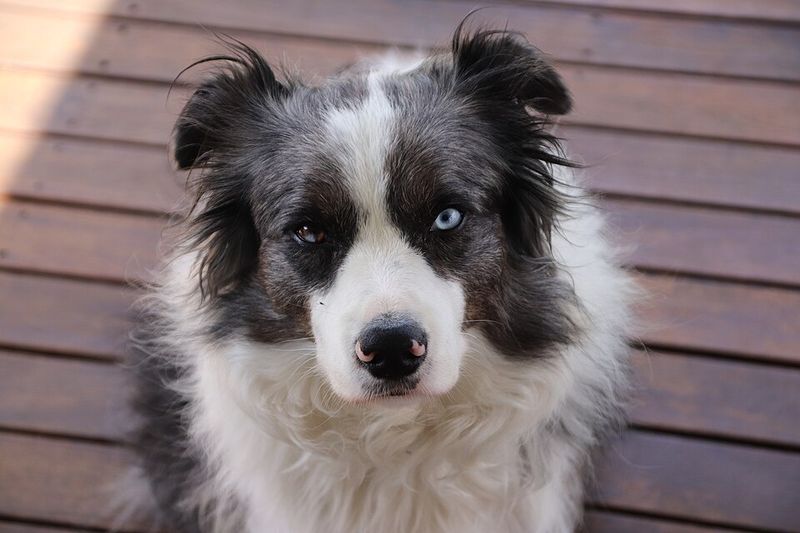
Picture a dog that notices when you pick up your keys. That is a Border Collie, the sharpest observer in the canine world.
Because they track every detail, big changes can overload them. Many respond by herding their people closely.
Channel that energy into frisbee, agility, or trick training. A tired, challenged collie handles new situations far better and starts trusting its surroundings again.
Vizsla
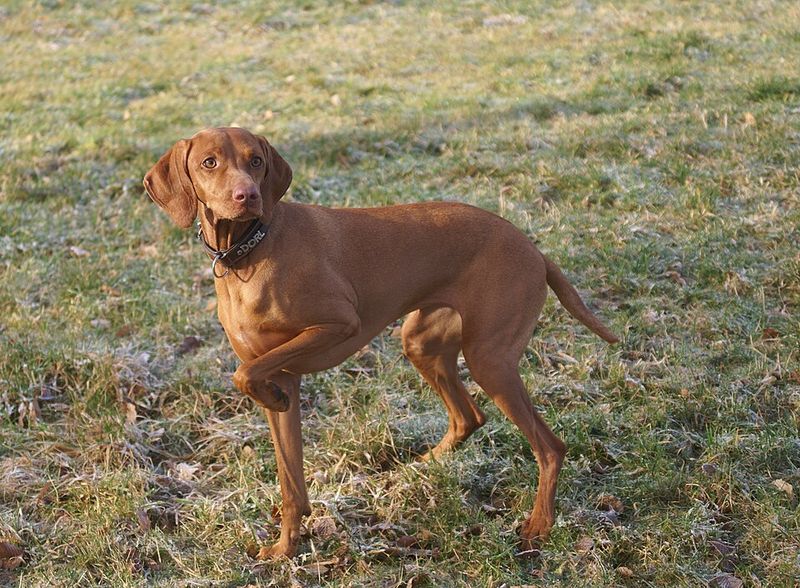
Owners joke that the Vizsla should be called the Velcro dog, and honestly, they are not wrong. This Hungarian pointer loves physical closeness more than almost any breed.
During a stressful stretch, expect leaning, pawing, and constant cuddle requests. Meet those needs, but also build crate time with tasty chews.
Long runs burn off nervous energy. With time, your sleek shadow relaxes into independence.
Chihuahua
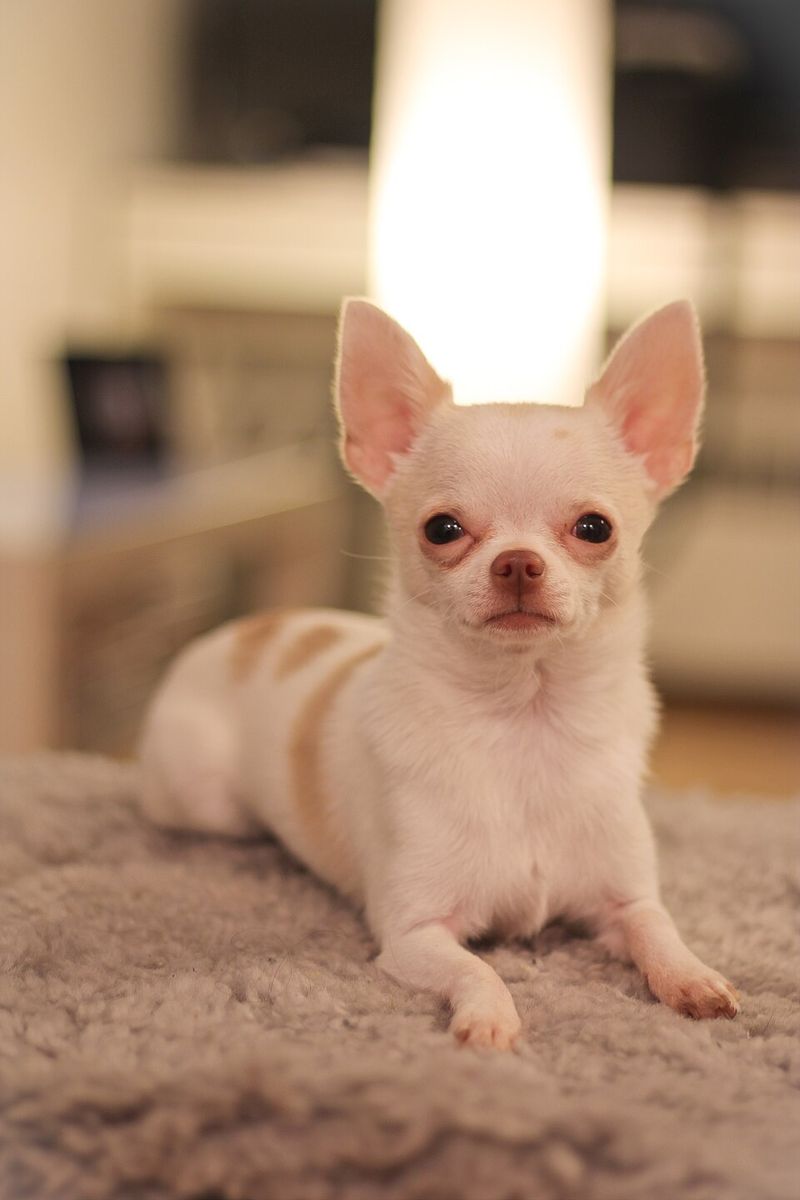
Small body, huge feelings. A Chihuahua may tremble and refuse to leave your arms after a move or a new pet arrives.
Resist carrying them everywhere, since that can keep fear alive. Instead, set up a cozy den with a soft blanket where they can retreat.
Reward brave little steps, like exploring a new room alone. Each tiny success grows a surprisingly bold personality.
Golden Retriever
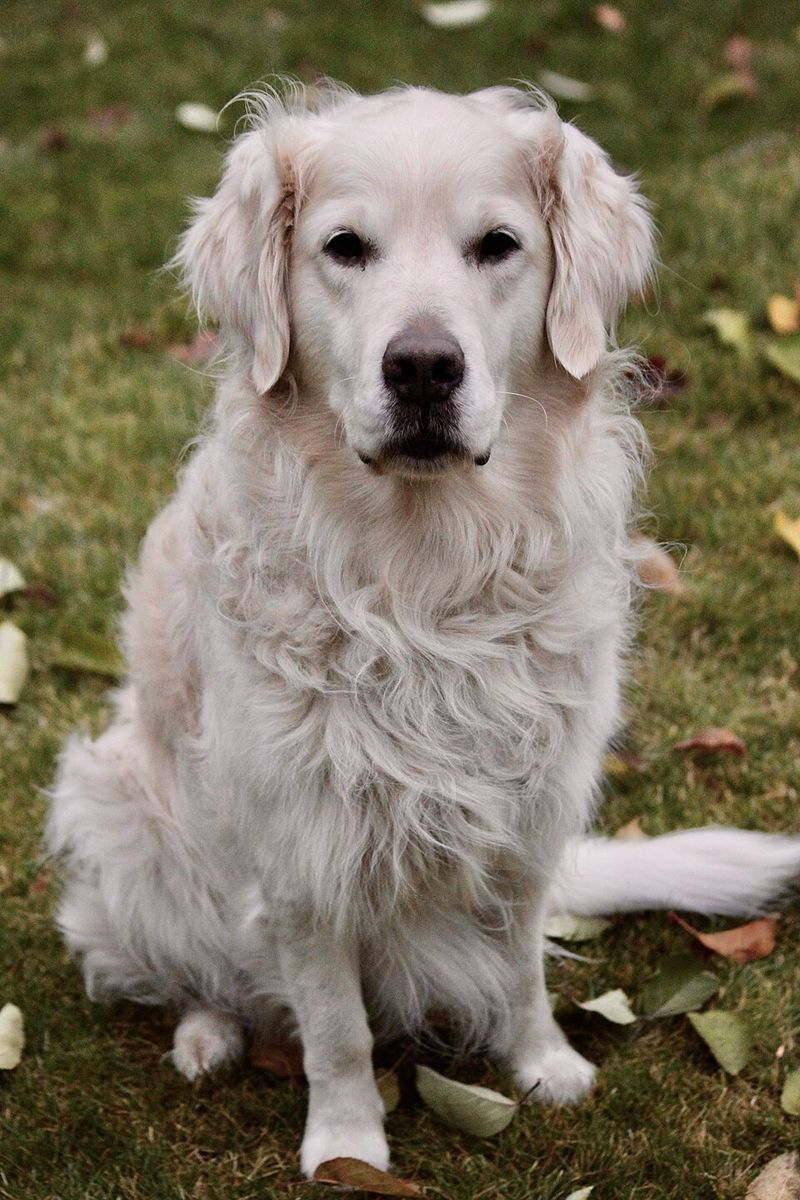
A new baby arrives, and suddenly your sunny Golden is glued to your side. That reaction is common and totally understandable.
Goldens crave attention, so carve out ten minutes daily that belong only to them. A game of fetch or a brushing session works wonders.
Let them sniff baby items early. Soon your retriever will see the newcomer as part of the pack worth protecting.
Italian Greyhound
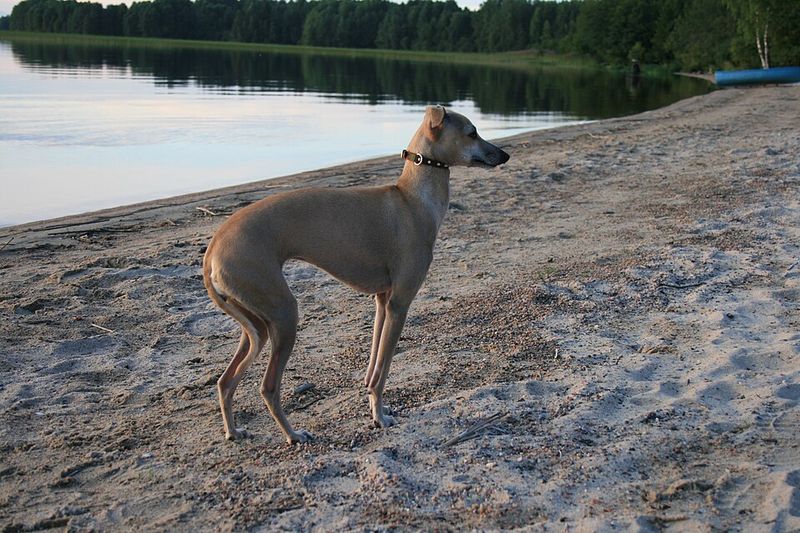
Sensitive and sweet, Italian Greyhounds feel stress the way some people feel cold, right down to their bones.
Loud renovations or holiday guests can send them burrowing under covers beside you. Offer a quiet room with soft music and a heated bed.
Keep training gentle, because harsh words crush their spirit. Patient kindness helps these delicate sighthounds stand taller and explore with curiosity.
Australian Shepherd
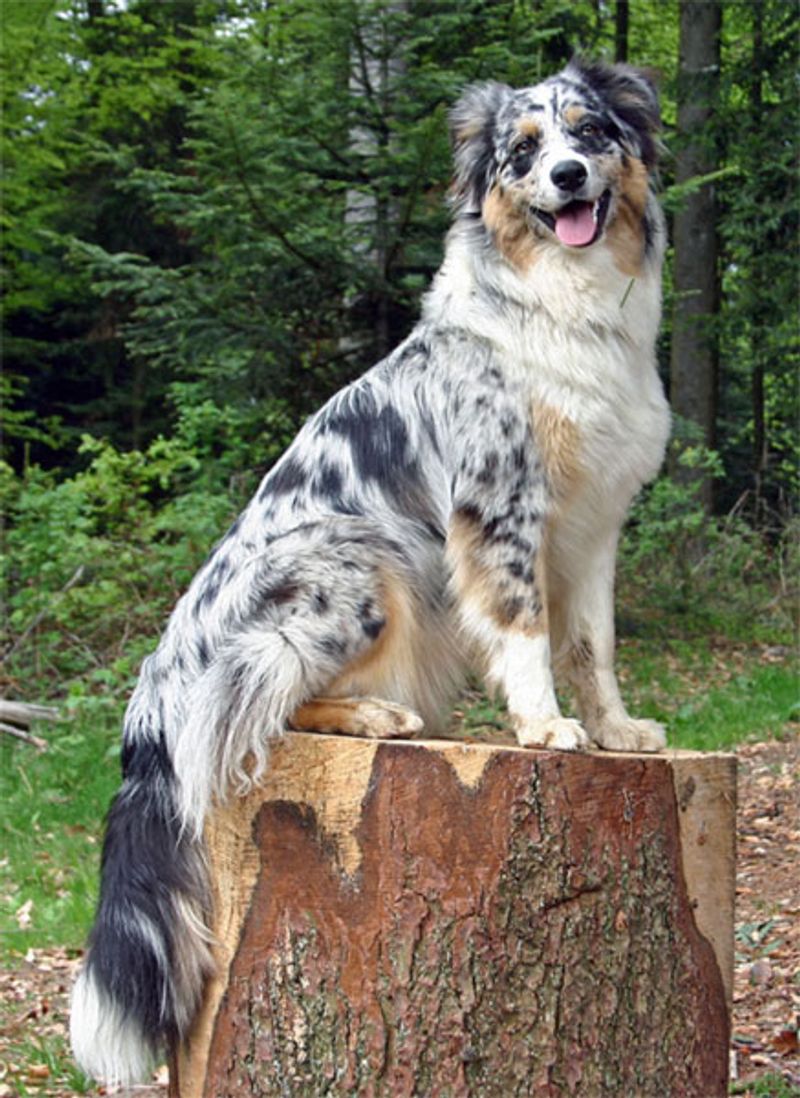
Switching from working at home to the office? Your Aussie will notice before you even grab your bag.
Australian Shepherds bond deeply and dislike surprises. Practice short absences first, leaving for five minutes, then twenty, then an hour.
A frozen food puzzle makes your exit feel like a treat. Pair that with a morning workout, and your clever cattle dog learns alone time is manageable.
Bichon Frise
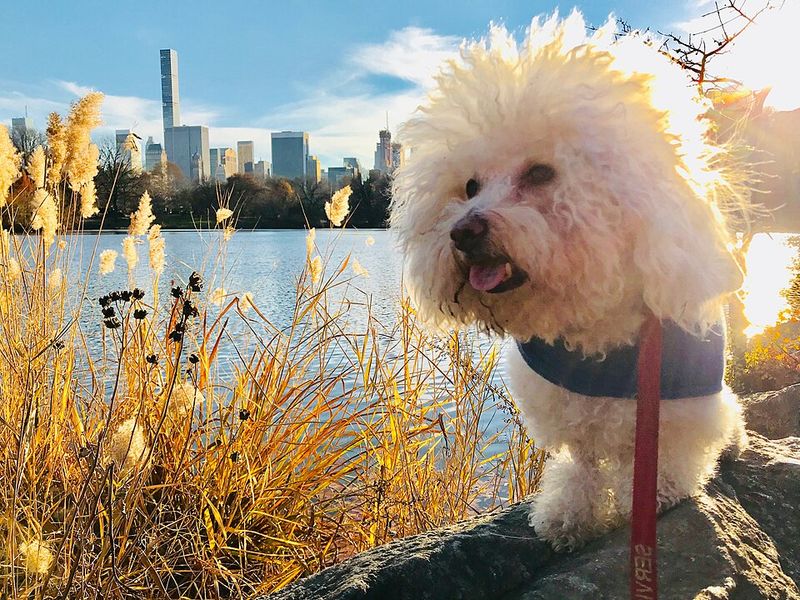
Fluffy, cheerful, and made for companionship, the Bichon Frise once performed tricks in circuses alongside its people.
Those show-dog roots mean they love being center stage. When a divorce or new roommate shakes things up, they may bark or cling.
Keep play sessions upbeat and predictable. Teaching a fun new trick gives them a confident role, and their bouncy spirit returns faster than you expect.
Rescue Mixed Breed
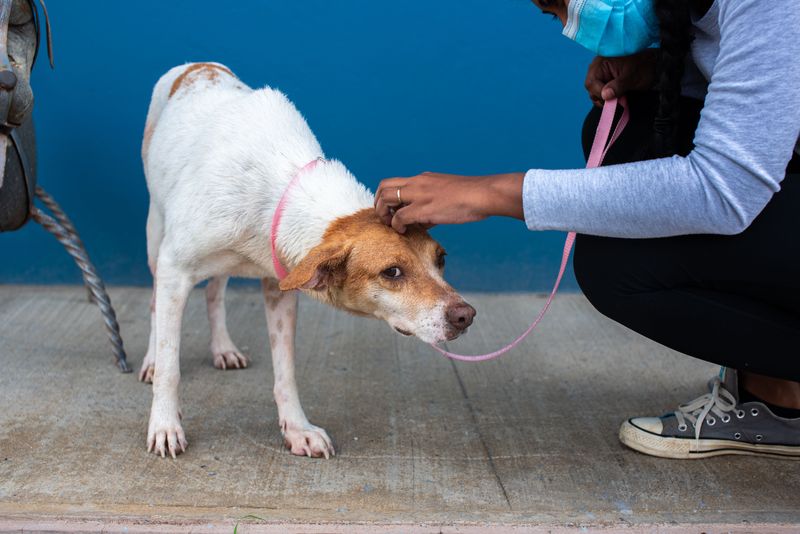
Newly adopted mutts often attach fast, almost like they are afraid of losing another home.
That clinginess makes sense after shelters, transport, and strangers. Follow the 3-3-3 guideline: three days to decompress, three weeks to learn routines, three months to feel at home.
Skip big outings at first. Calm walks, steady meals, and patient trust-building let your rescue’s real, confident personality finally shine through.