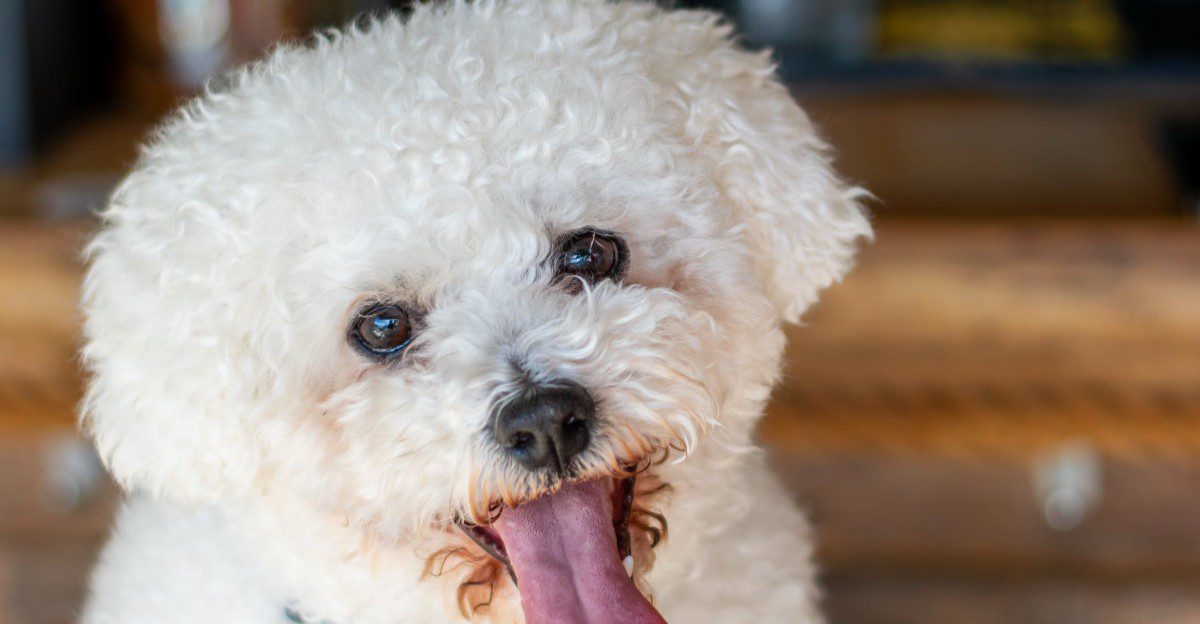
Some dogs seem to have a built-in radar for anything out of place. They notice a strange sound, a new smell, or a moved chair, and they let you know.
Other pups greet changes with a friendly grin and a happy wiggle. Knowing which breeds do what can help you pick the right teammate for your home and lifestyle.
German Shepherd – the sharp-eyed home captain
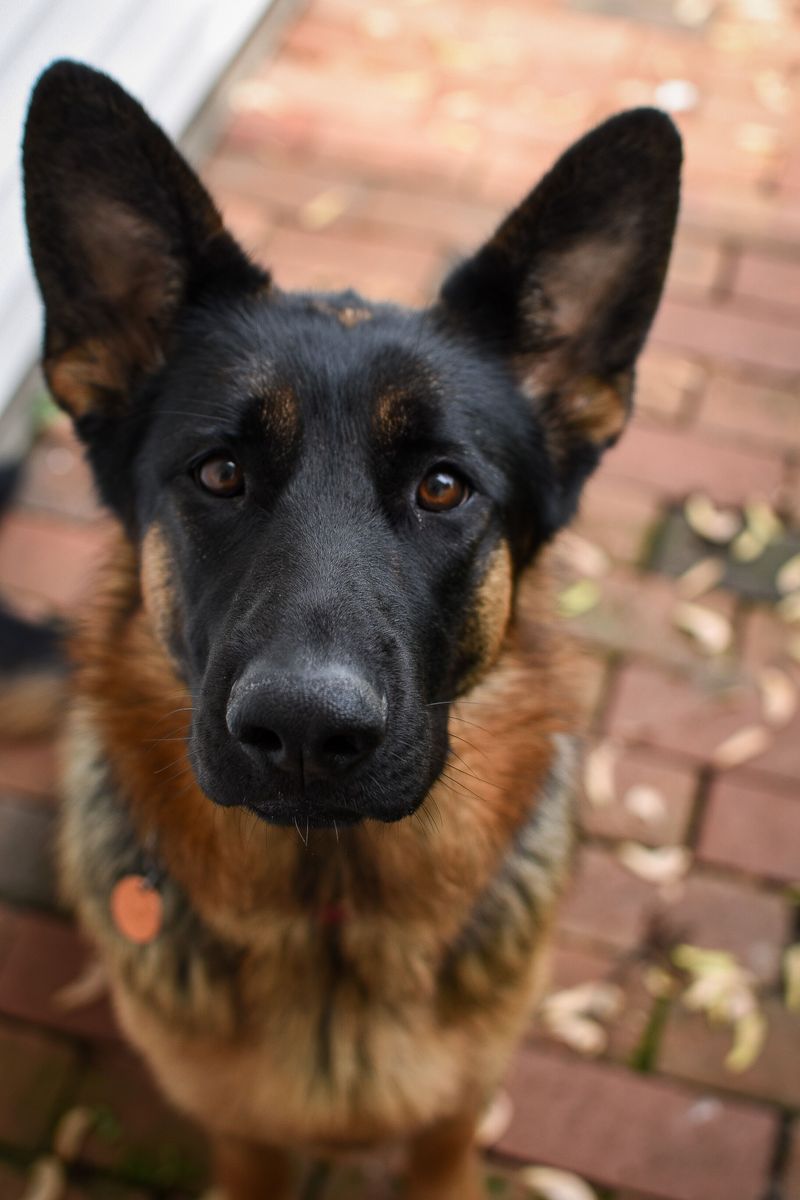
Neighbors call it the hall monitor of the block for a reason. Quick to spot a gate left ajar or a backpack that is not usually there, this breed thrives on purpose.
Daily mental games, like scent boxes or hide-and-seek with keys, keep that mind satisfied.
Firm training with clear rules builds confidence. Add calm exposure to guests so watchfulness stays helpful, not hectic.
Work, praise, and play form the perfect trio.
Doberman Pinscher – the elegant sentinel
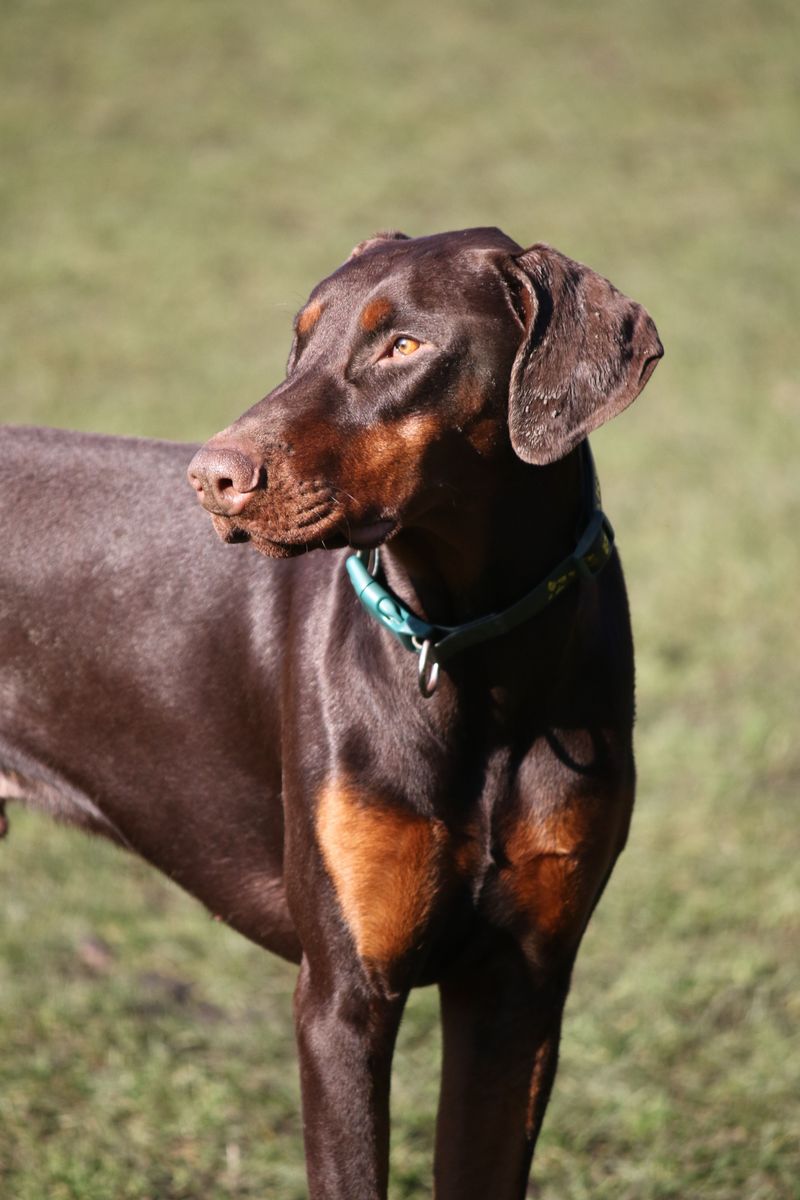
Grace meets focus when a Doberman scans a room. A chair pulled from its spot or an unfamiliar footstep in the hallway gets instant attention.
Channel that energy with obedience drills, running games, and short tracking sessions to satisfy curiosity.
Gentle leadership matters. Teach a calm look command and reward quiet checking-in.
Early social time with friendly people and neutral dogs helps the Doberman judge what is normal and what is not.
Rottweiler – the steady evaluator
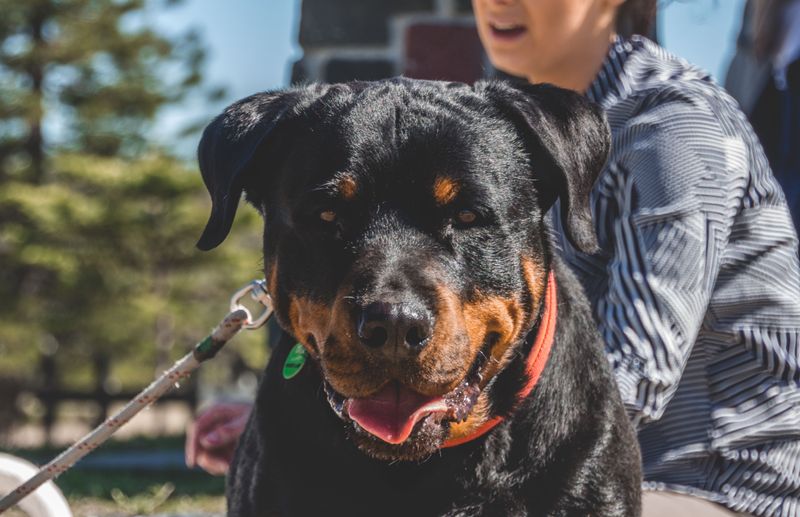
Nothing rushes a Rottie. New sights get a measured stare, a sniff, and then a decision.
That thoughtful style makes them reliable guardians who notice open sheds, odd packages, or fence gaps. Confidence grows through structured walks and cart-pulling style workouts.
Keep training short and clear with strong rewards. Practice quiet settling on a mat near mild distractions.
Balanced handling turns natural judgment into everyday help for the family.
Standard Schnauzer – the clever organizer
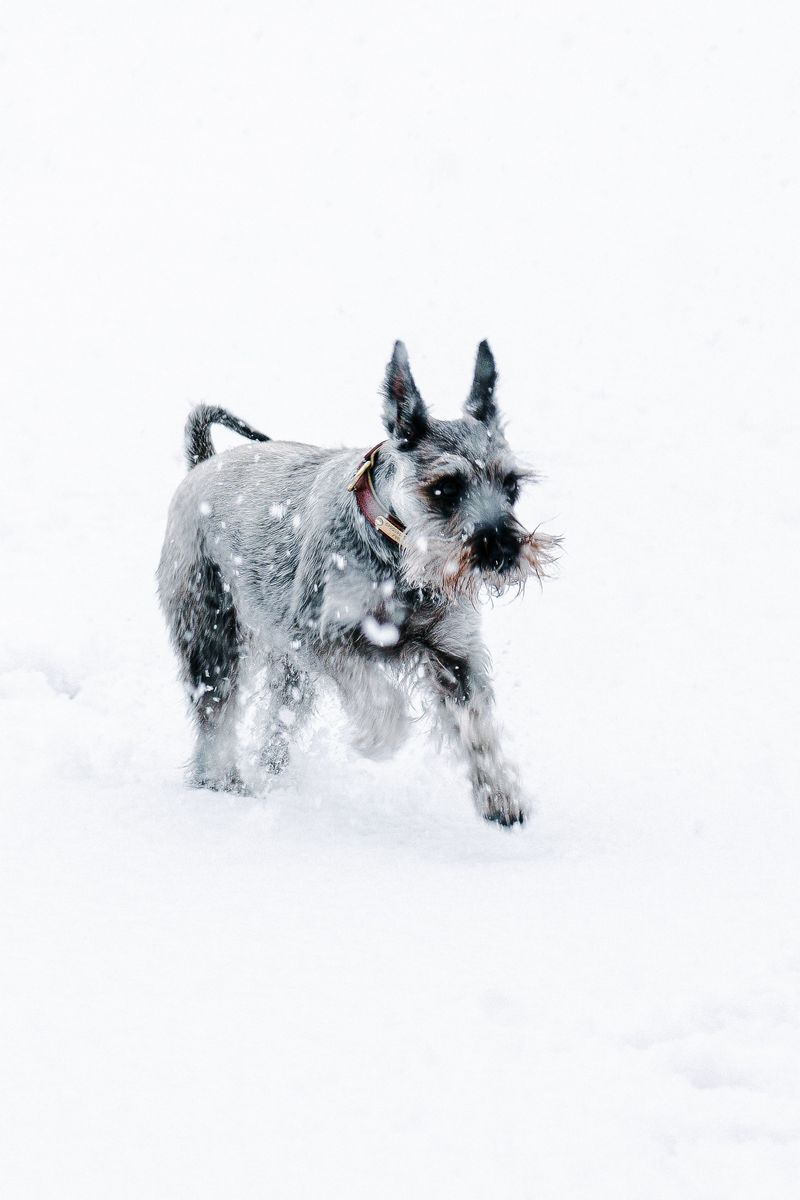
Curiosity and humor run the show here. If a bag sits where it usually does not, the Standard Schnauzer investigates like a tiny manager.
Puzzle feeders, trick training, and scent work are great outlets for that busy brain.
Teach a find it game for lost items around the house. Rotating toys keeps interest high without chaos.
With regular jobs to do, this breed happily flags odd changes and then relaxes by your feet.
Miniature Schnauzer – the pocket watchdog
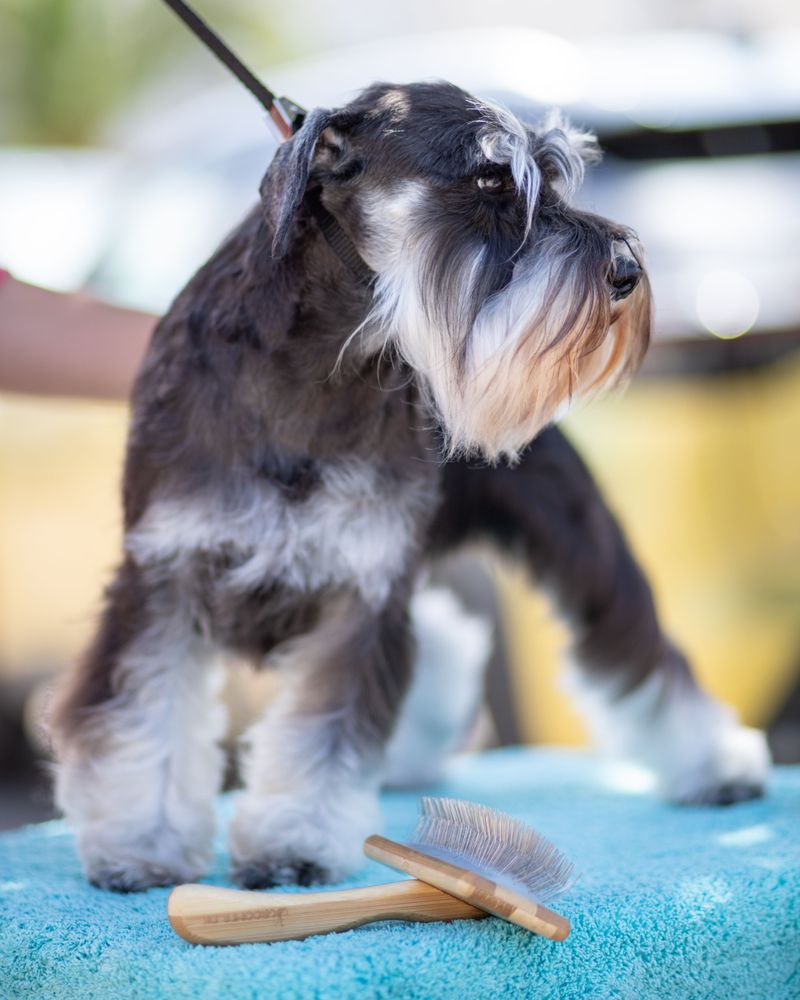
Small body, big opinions. A Mini Schnauzer spots a moved plant or a new sound from three rooms away and wants to tell you about it.
Give that voice a job with speak and quiet cues so alerts are useful, not nonstop.
Short sniffing walks and nose games take the edge off. Rotate simple tasks like finding treats under cups.
Confidence plus structure turns pluck into practical help.
Giant Schnauzer – the powerhouse inspector
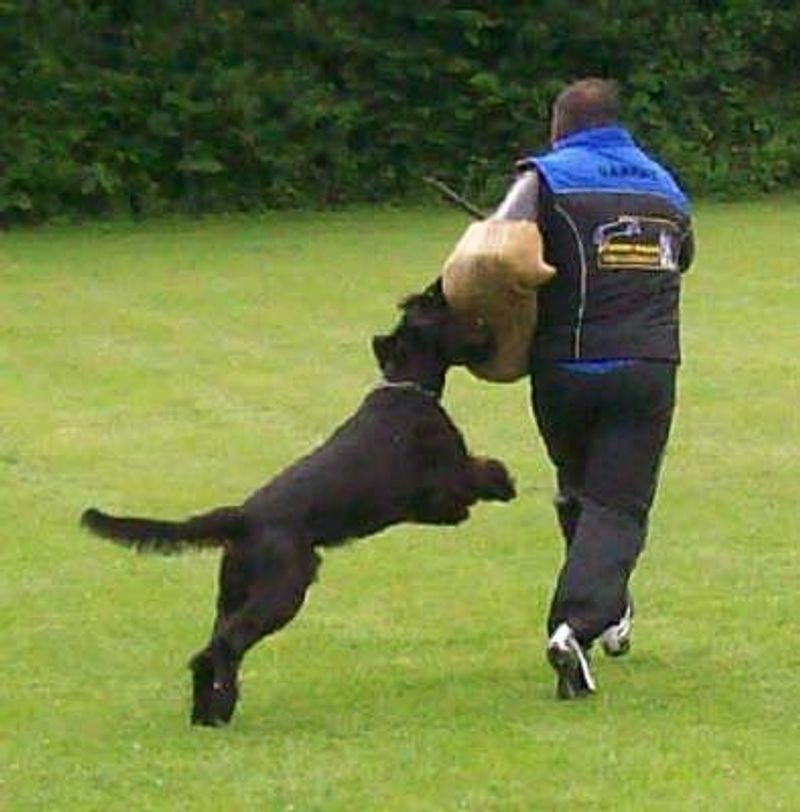
Big presence pairs with a brilliant mind. Furniture out of alignment or a door left cracked gets noticed in a heartbeat.
To guide that drive, schedule obedience tune-ups, tug sessions with rules, and controlled fetch that ends on a calm down.
Teach check it where the dog inspects calmly, then returns for a treat. Regular grooming time can double as impulse practice.
Structure makes this inspector dependable and polite.
Akita – the quiet judge
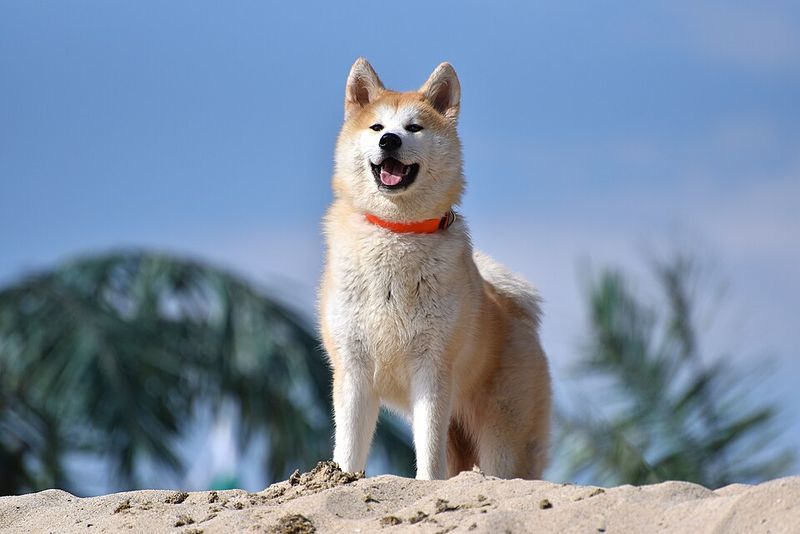
Silence says plenty with an Akita. A slight tilt of the head or a still posture reveals the moment something feels off, like a gate swinging or an unfamiliar scent on the wind.
Respectful, clear rules help this independent thinker respond well.
Practice controlled greetings and reward calm eye contact. Daily walks with pattern games, such as left-right turns, keep focus sharp.
With trust, the Akita becomes an observant partner who alerts without drama.
Australian Cattle Dog – the pattern spotter
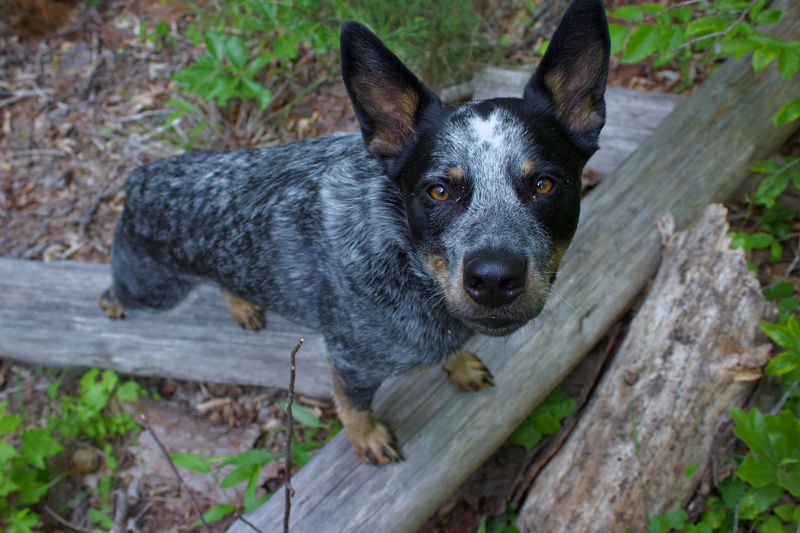
Routine is life to this worker. When a bucket sits in the wrong stall or a gate latch points the opposite way, the Cattle Dog notices instantly.
Turn that talent into games that reward spotting changes, like find the moved object.
Agility, herding practice, or bike-joring keep that engine humming. Keep training upbeat with quick wins.
A busy schedule prevents bossy behavior and channels sharp observation into real help.
Cane Corso – the calm checker
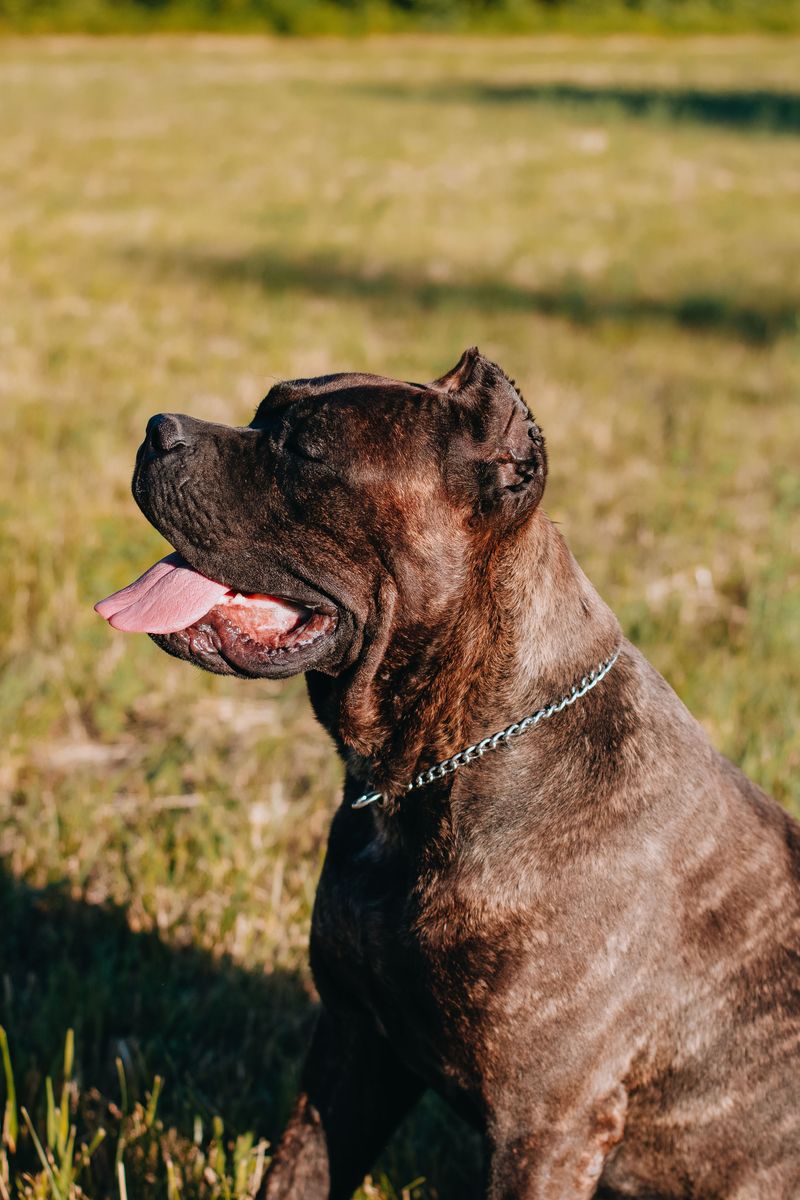
Big, steady, and thoughtful, the Cane Corso looks before it leaps. An odd car parked nearby or a gate not fully closed gets cool attention, not panic.
Build skills with place training, boundary games, and slow, confident leash work.
Reward quiet investigation and returning to you for guidance. Short tracking games in the yard satisfy the nose.
With consistent boundaries, this guardian becomes a reliable calm checker of everything around the home.
Great Pyrenees – the nighttime watcher
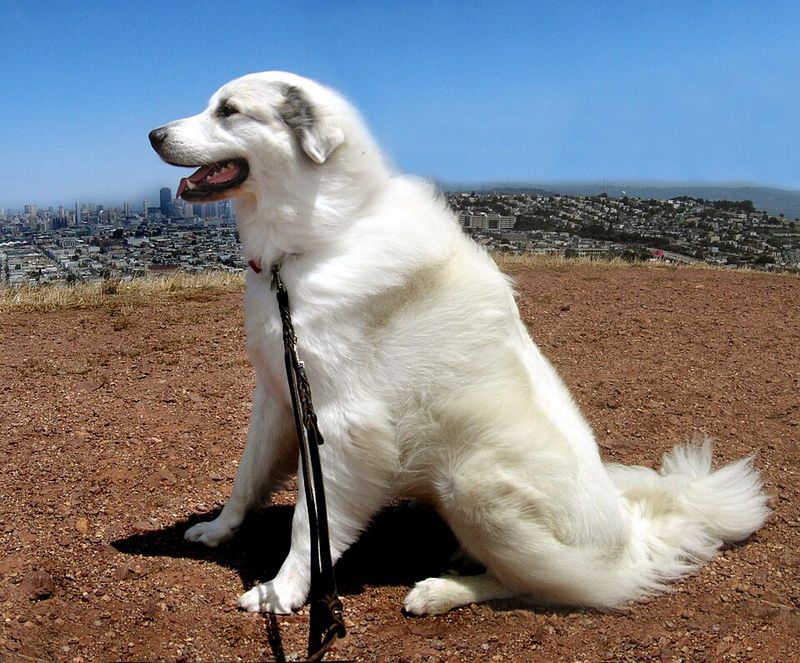
Night patrol feels natural to a Pyr. A fallen branch across the path or a chicken coop latch sitting wrong triggers a slow, thoughtful check.
Gentle socialization with visitors helps them sort friend from odd situation.
Leash walks at dusk with stop-and-look rewards fit their rhythm. A comfy yard post to settle on encourages quiet guarding.
Give them time to think, and they become steady protectors who notice what others miss.
Rhodesian Ridgeback – the composed tracker
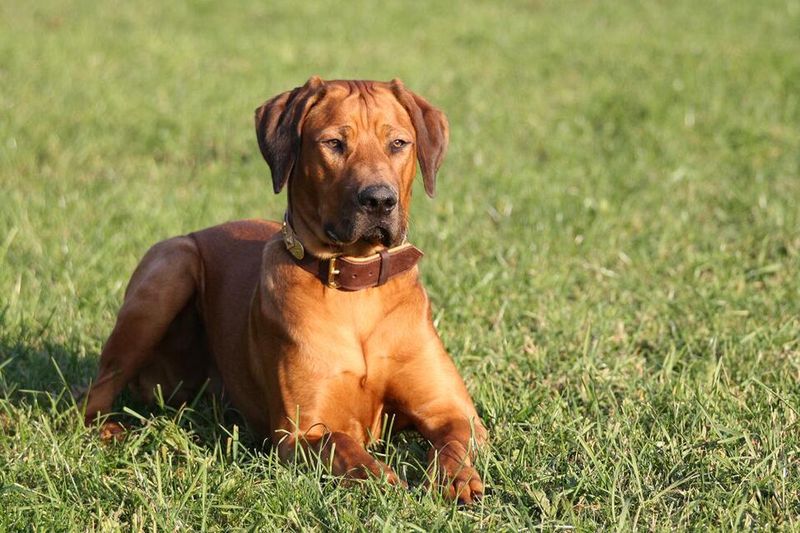
A calm exterior hides a keen radar. Odd scents or a lone backpack off-trail draw the Ridgeback for a quiet look.
Teach a check and return routine so information flows back to you, not into chasing.
Endurance runs, lure coursing, or long hikes scratch that athletic itch. Keep training simple and positive, with strong recall games.
With steady guidance, this tracker balances curiosity with impressive self-control.
Golden Retriever – the cheerful greeter
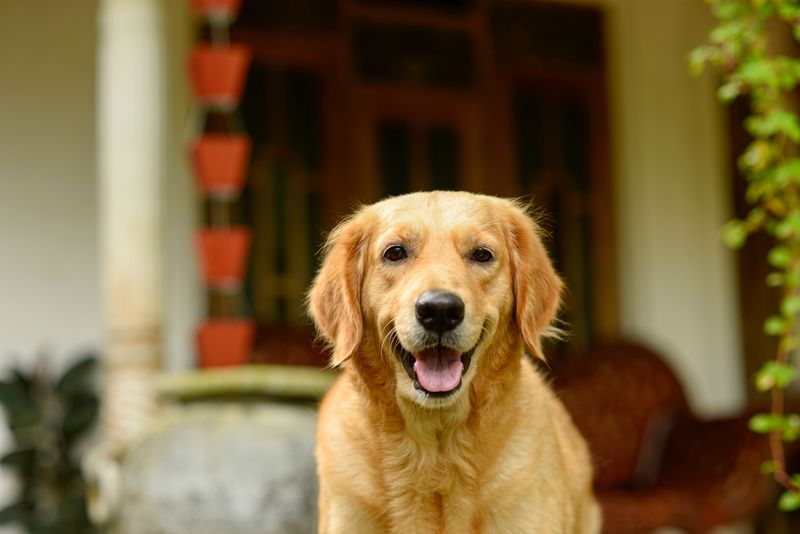
Most Goldens treat surprises like invitations to be friendly. A new neighbor at the door or a package on the mat usually earns a wag and a sniff.
Basic alert cues still help, but kindness and social ease tend to win the moment.
Channel enthusiasm with fetch breaks, gentle leash manners, and a settle-on-mat skill. Expect friendly curiosity more than firm suspicion.
That sunny outlook warms any household.
Irish Setter – the red-coated socialite
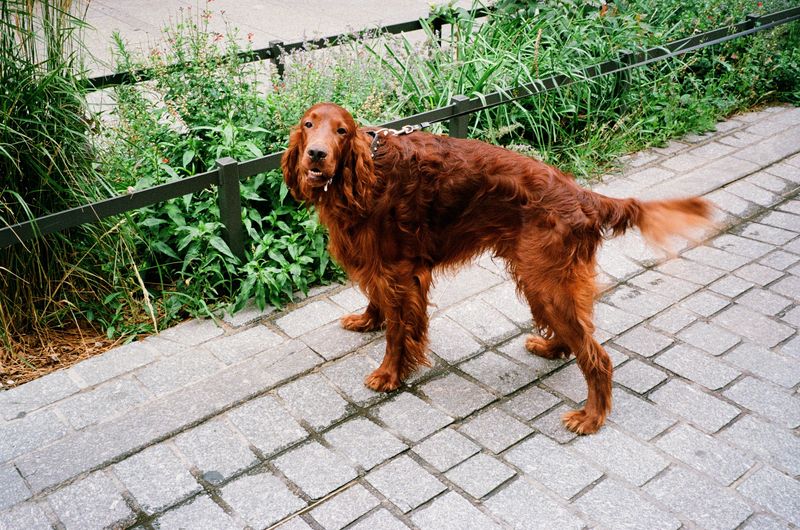
Joy shows in every stride. When something changes, an Irish Setter often asks can we play with it instead of should we guard it.
Friendly exposure to varied places keeps that openness while preventing scatterbrained zoomies.
Use recall games around mild distractions, then reward with a quick chase of a toy. Short training bursts match the bubbly spirit.
Expect warm welcomes for guests and curious interest in new objects.
Bichon Frise – the merry tail-waver
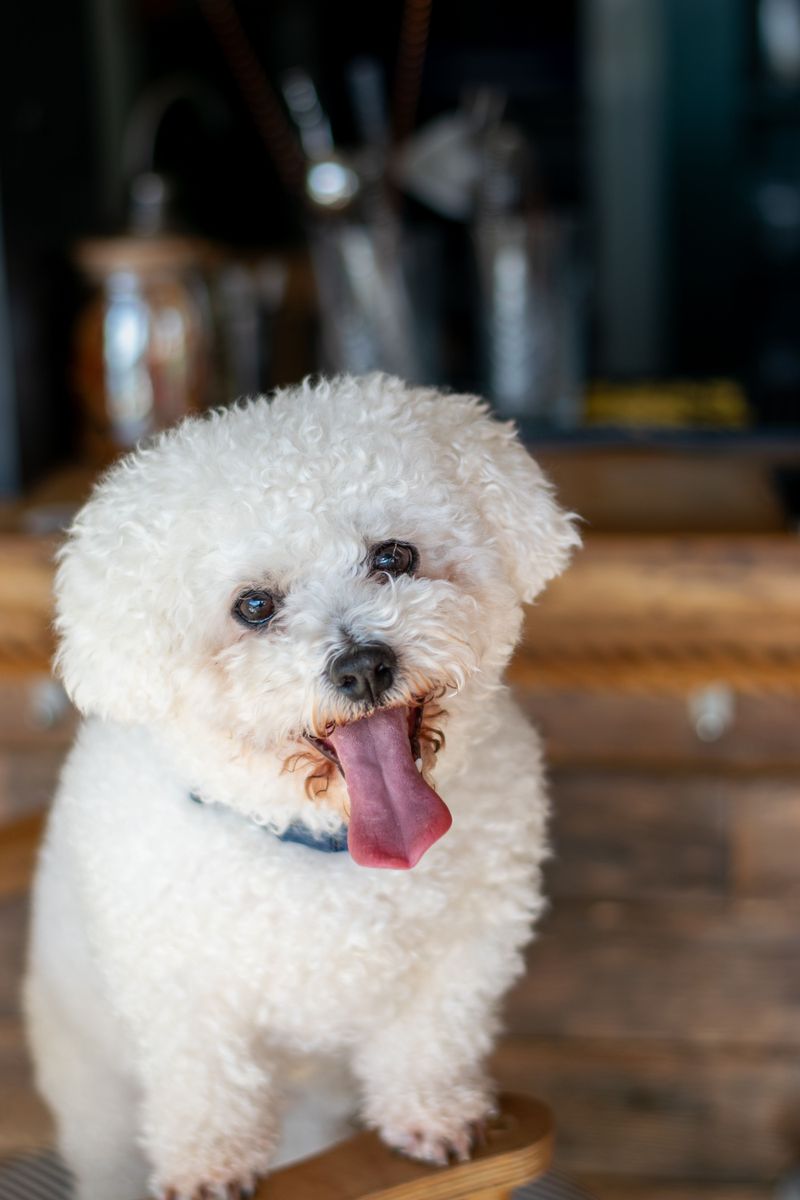
Poof of cotton on legs, the Bichon Frise arrives like a walking smile. Visitors, packages, even a wobbling lawn flamingo get the same bright hello.
That sunny nature can mean fewer red flags spotted.
Still, pattern games help. Rotate toy boxes, move a chair, or place a harmless cone in the hallway, then reward calm notice.
Short nose-target work and find-the-treat trails sharpen focus without stealing their sparkle.
Grooming sessions become practice for patience and gentle handling. Keep barking cues consistent so excitement does not turn into yappy chaos.
Fun fact, sailors prized Bichons as cheerful companions, which explains the breed’s go-with-the-flow vibe.