
Feeding time can shape a dog’s mood, energy, and health. Some breeds feel their best when meals arrive like clockwork.
Others roll with small changes and stay happy anyway. Knowing where your dog fits helps you plan a routine that supports good behavior, steady digestion, and fewer surprises.
Labrador Retriever

Ask a Lab about dinner and you will get a full-body tail wag. Big appetite, big heart, and a knack for routine, Labradors relax when meals land on time.
Their love of food can lead to begging, so a set schedule helps curb extra snacks.
Use measured portions, slow-feed bowls, and a calm space. Add exercise before meals to burn energy.
Consistent timing supports weight control and steady behavior.
Beagle
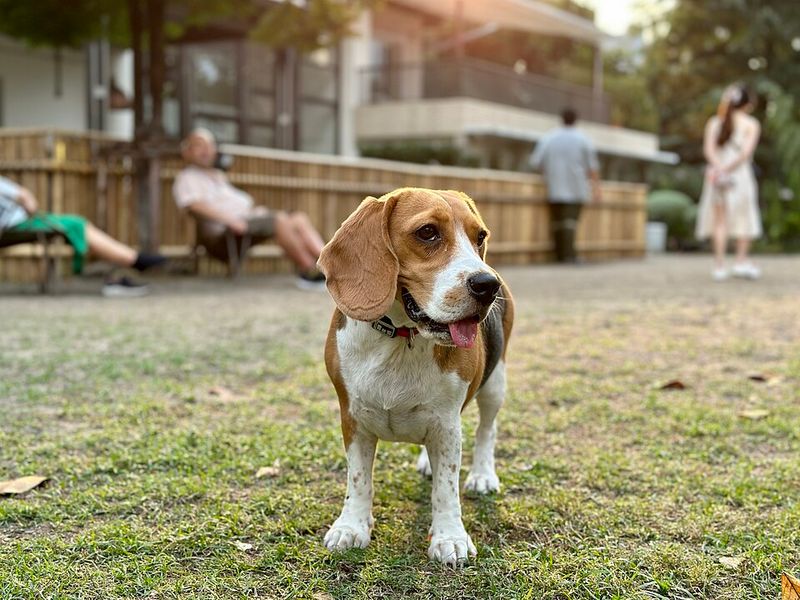
Noses lead the way for Beagles, and a steady routine keeps that curiosity focused. Scent hounds can get distracted and snacky, so predictable feeding limits scavenging and countersurfing.
Many families find two smaller meals keep stomachs settled.
Try food puzzles to stretch mealtime and reduce gulping. Secure trash cans and store food out of reach.
A quick walk before eating satisfies their tracking drive, then they eat calmly and rest easily.
Dachshund
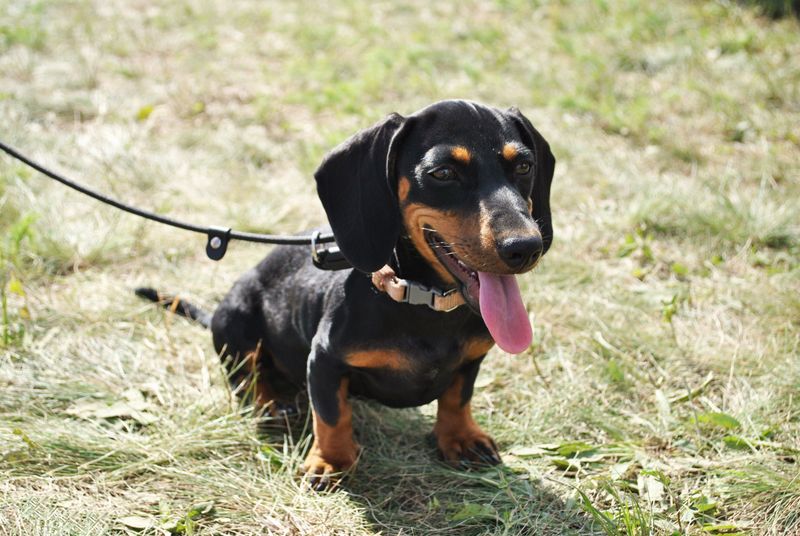
Long body, big personality, and a love for tradition, Dachshunds do well with regular meals. Consistent timing helps prevent upset tummies and keeps weight in check, which protects their backs.
Skipped meals can trigger extra begging or anxiety.
Use a raised low-profile bowl suited to their height. Keep portions lean and avoid frequent table scraps.
Short potty breaks before and after eating set a rhythm that supports healthy digestion and good habits.
Pug
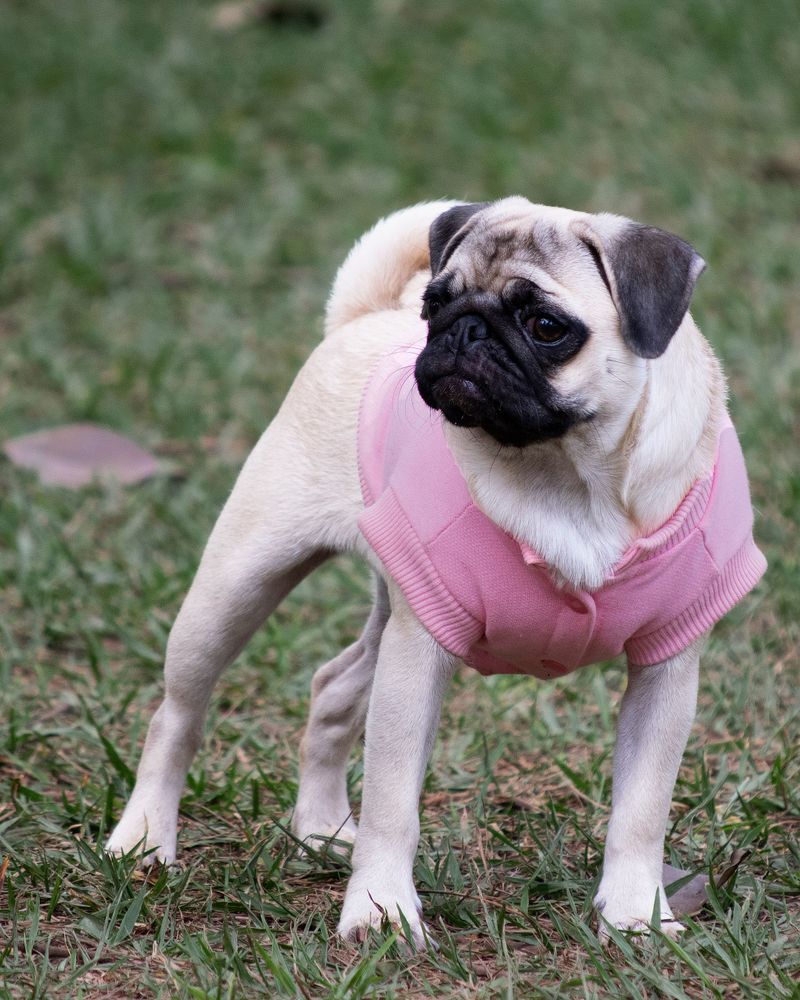
Big eyes and a bigger appetite, Pugs thrive when meals are predictable. Steady timing reduces begging and helps manage weight, which supports breathing and joint comfort.
Their playful nature can flip to cranky if meals shift too much.
Choose measured portions, consider slow-feed bowls, and keep treats tiny. A quiet, cool area during meals helps them eat comfortably.
Short walks after feeding encourage healthy metabolism without overexertion.
Basset Hound

Ears to the floor and stomach to the schedule, Bassets appreciate a routine. Their calm style hides a serious food drive, so timely, portioned meals prevent overeating.
Predictability also reduces drooling around the table.
Because of deep chests, avoid vigorous play right after eating. Opt for two smaller meals and a gentle stroll later.
Keep snacks lean and monitor body condition, since extra weight can strain joints and backs.
Chihuahua

Small body, speedy metabolism, and a big opinion about mealtime, Chihuahuas feel safest with a steady plan. Regular, small meals help prevent hunger shakes and crankiness.
When timing wanders, they may refuse food or nip at snacks instead.
Offer calm, quiet feeding spots away from foot traffic. Keep kibble size tiny and use lightweight bowls.
Gentle structure builds trust, and tracking weight weekly helps you fine-tune portions quickly.
Miniature Schnauzer
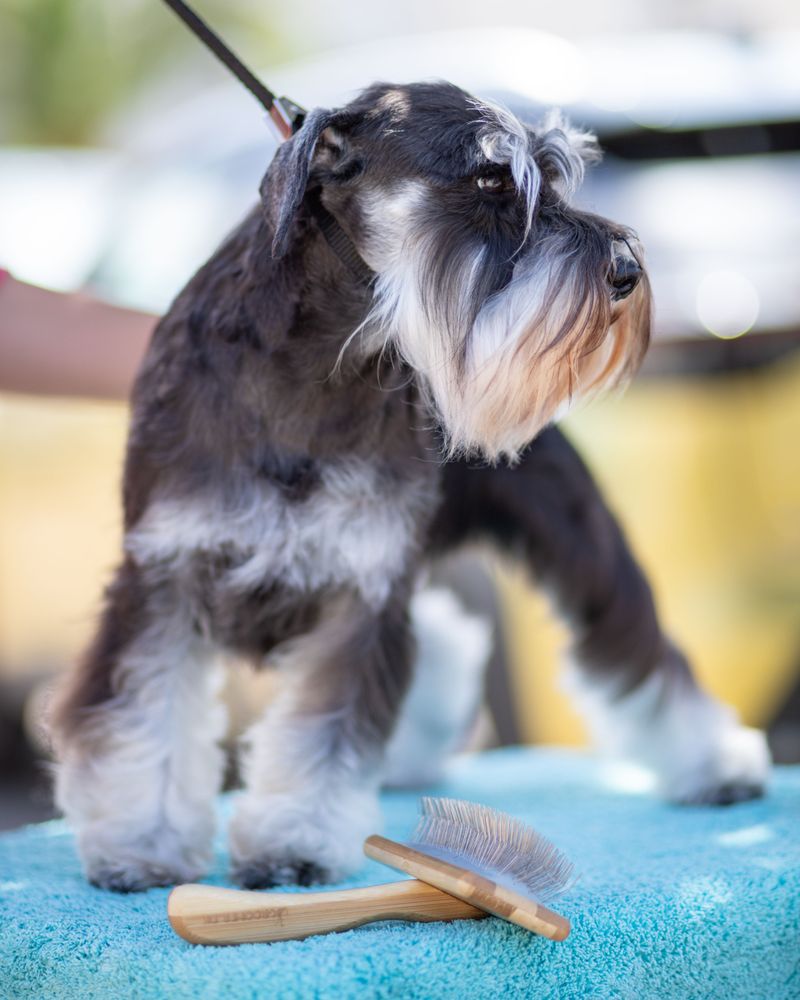
Smart and orderly, Miniature Schnauzers often act like little timekeepers. A consistent feeding plan supports stable energy and helps manage their tendency toward weight gain.
Some are sensitive to rich foods, so steady portions reduce tummy troubles.
Use a measuring cup, log treats, and consider lower-fat options if needed. A quick training session before meals provides mental work, then a calm sit-and-wait encourages polite manners around the bowl.
French Bulldog
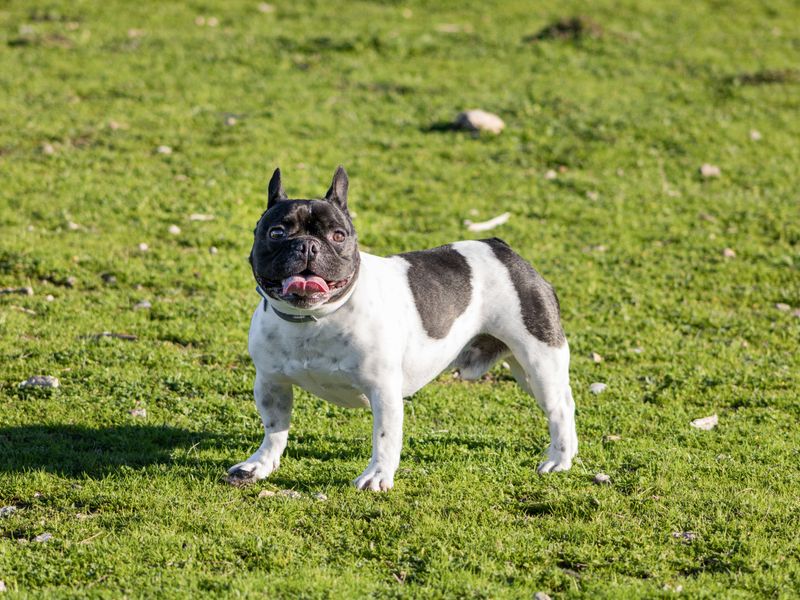
With a charming grin and a love of snacks, Frenchies benefit from predictable meals. Regular timing reduces gassiness and supports comfortable digestion.
When the schedule slips, some get fussy or overexcited, which can lead to gulping.
Pick a slow feeder and serve modest portions. Keep mealtime calm and avoid heavy play right afterward.
Consistency with treats helps keep waistlines trim and joints happy as they zoom around the living room.
Pembroke Welsh Corgi
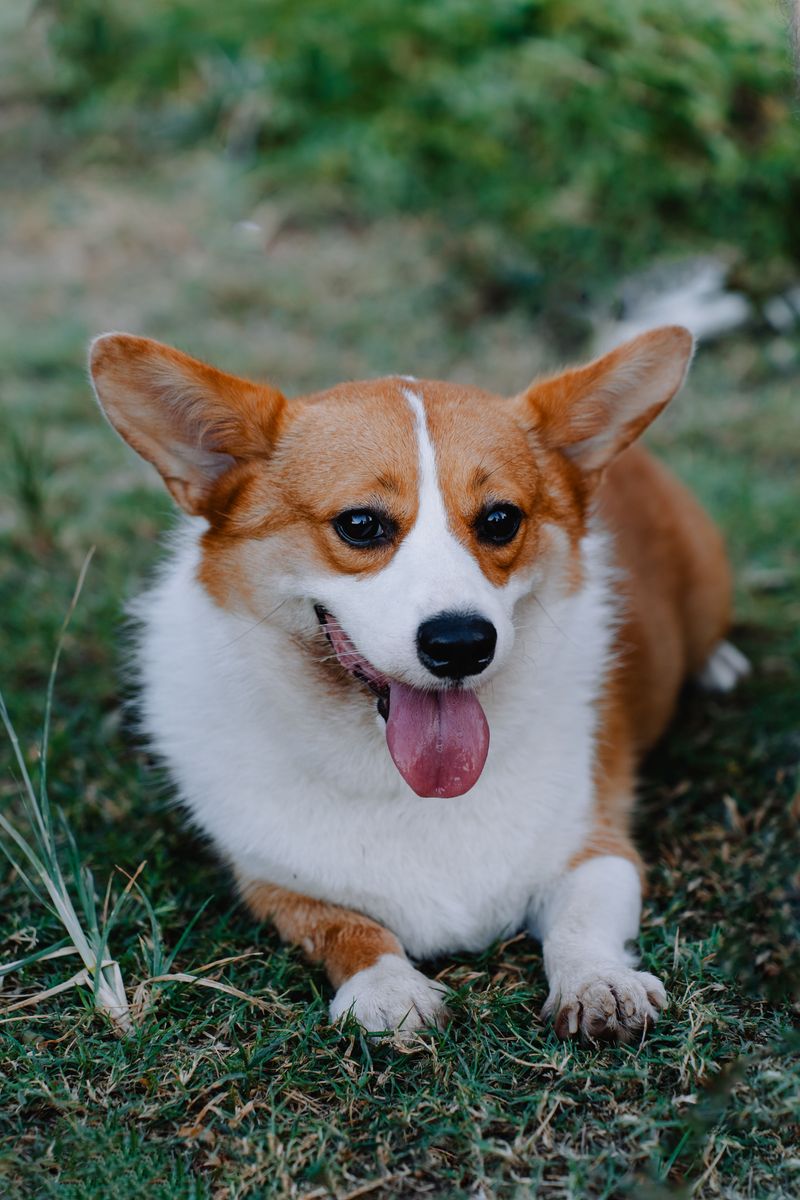
Short legs, sharp mind, and a planner’s spirit, Corgis love structure. Predictable meals support good manners and healthy weight, which matters for their backs.
When food arrives late, some switch to herding behavior around the kitchen.
Use measured portions, limit extras, and try puzzle feeders to slow down speedy eaters. A gentle walk before or after meals suits their energy.
Consistency teaches patience and keeps that signature smile bright.
Cocker Spaniel

Soft eyes, steady spirit, and a taste for routine, Cockers flourish on a clear feeding schedule. Consistent meals help manage sensitive stomachs and keep moods even.
Some can be choosy if timing shifts or stress rises.
Keep portions balanced and offer a quiet corner to eat without interruption. Brush ears back or use a special bowl to keep them clean.
A soothing pre-meal sit keeps excitement balanced and manners polished.
Boxer

Brimming with energy and enthusiasm, Boxers stay focused when mealtimes are steady. Predictable feeding supports training and helps prevent frantic gulping.
Because they are deep-chested, careful timing around exercise matters for comfort.
Offer two measured meals, use a slow feeder, and rest quietly before and after eating. Keep treats light to support lean muscle.
A regular routine pairs nicely with their playful workouts and keeps behavior consistent.
Greyhound
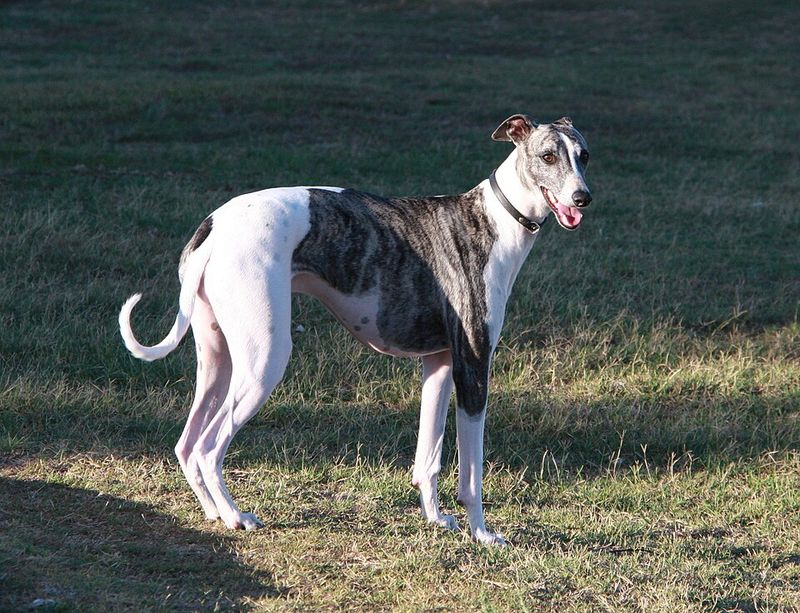
Built for speed but known for chill vibes, many Greyhounds accept small shifts in schedule without stress. They often prefer smaller, lighter meals that do not weigh them down.
A relaxed attitude makes short delays easier to handle.
Keep portions consistent and avoid heavy play right after eating. Provide a quiet space to dine and rest.
While they flex with timing, regularity still supports smooth digestion and an even temperament.
Great Dane
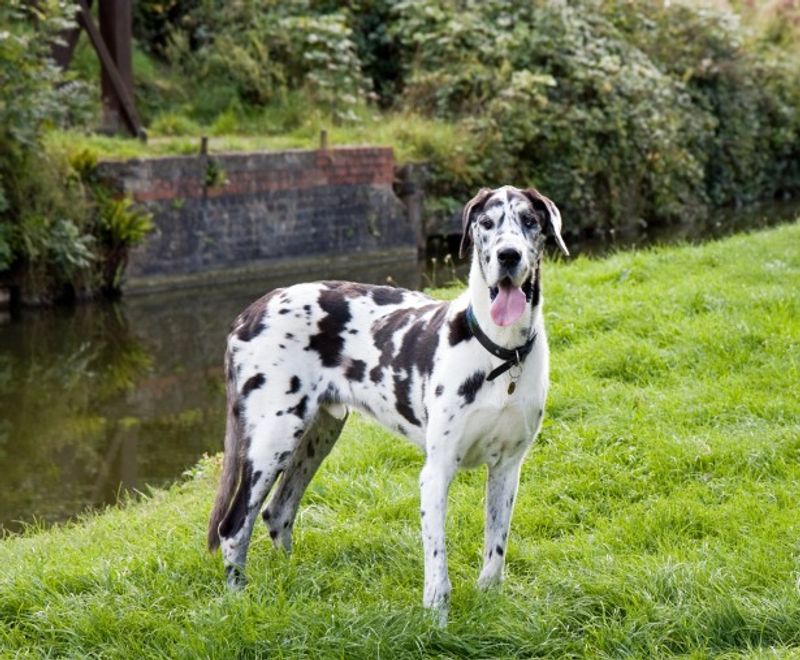
Gentle giants often handle modest timing changes with grace. Great Danes do best with consistent portions and calm surroundings, yet a few minutes’ shift rarely rattles them.
Because of their size, meals split into two or three servings can be more comfortable.
Use a raised feeder suited to height and schedule rest before and after meals. Keep play low-key to support digestive comfort.
Even with flexibility, steady habits protect long-term health.
Bichon Frise

Sunny and adaptable, many Bichons roll with minor schedule shifts. Their upbeat outlook keeps mealtime pleasant even if the clock slips a little.
Still, consistent portions help avoid picky patterns and weight creep.
Offer gentle, easy-to-chew food and keep the eating area tidy. A quick grooming touch-up before meals keeps faces clean.
Predictable routines are helpful, but their flexible temperament makes family life easier during busy days.