Some dogs look tough at first, but their daily behavior can surprise you. Many of these strong-looking breeds are actually friendly, calm, and eager to please.
Knowing the difference helps families choose the right dog and care for them well. Meet breeds that appear bold, yet often act like sweet buddies at home.
Boxer
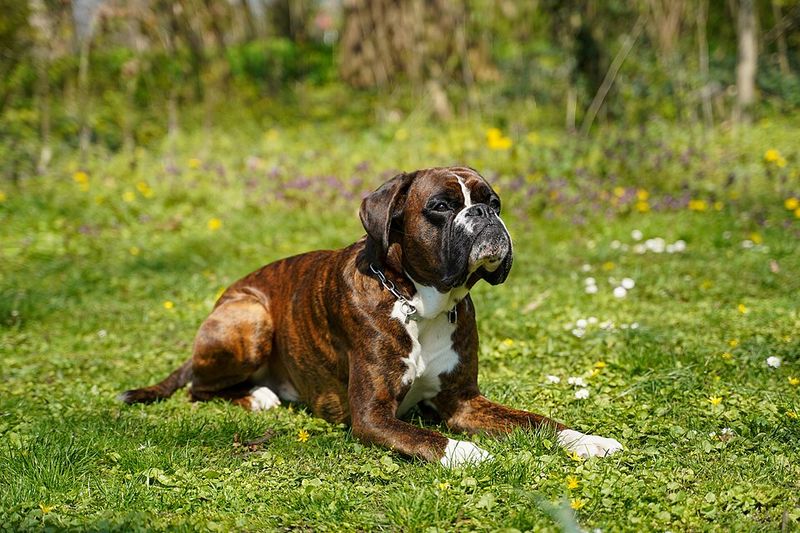
Those square jaws look serious, yet the wiggle-butt greeting tells the truth. A Boxer loves goofy play and family time, especially when kids invent games.
Many act like clowns after a short burst of zoomies.
Daily exercise and a job keep manners sharp, so try short fetch sessions and simple tricks. Early socialization reduces pushy boxing with paws.
If you want a watchdog, expect alerts but also couch cuddles after work.
Great Dane
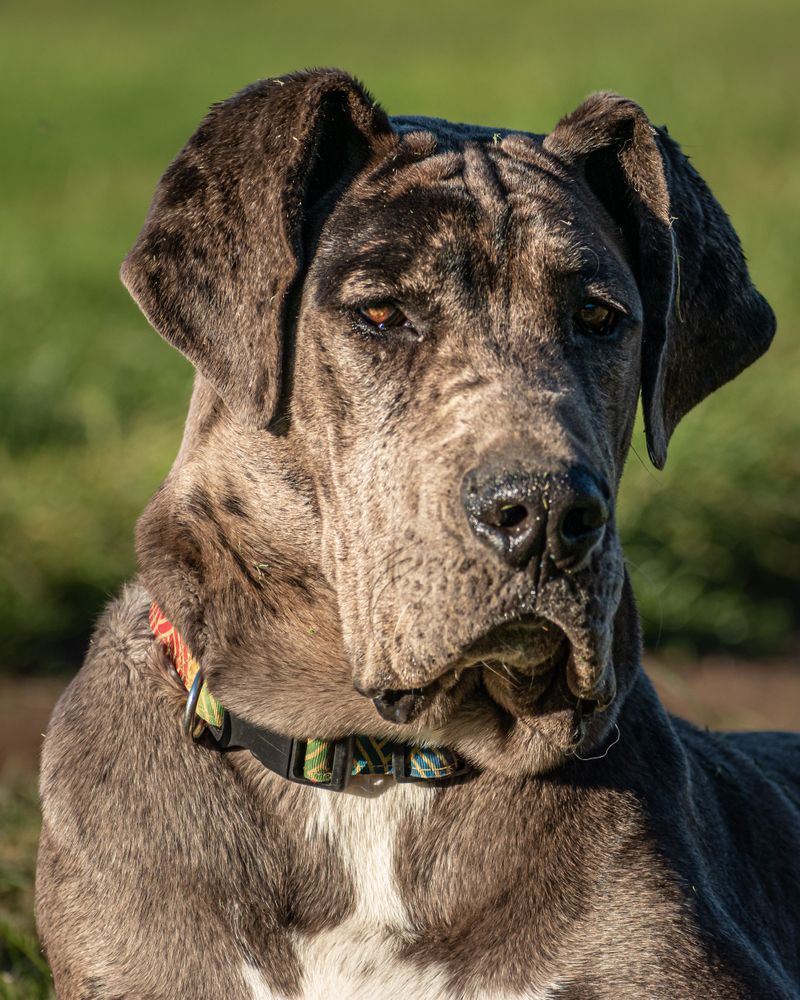
A towering frame can seem fierce from far away. Up close, many Great Danes lean gently on your leg like living weighted blankets.
They often prefer slow walks and long naps over rough play.
Because joints are delicate, keep exercise low impact and floors not too slippery. Teach calm greetings early, since their size can knock over a friend without meaning harm.
A big bed and steady routines build confidence.
Bull Terrier
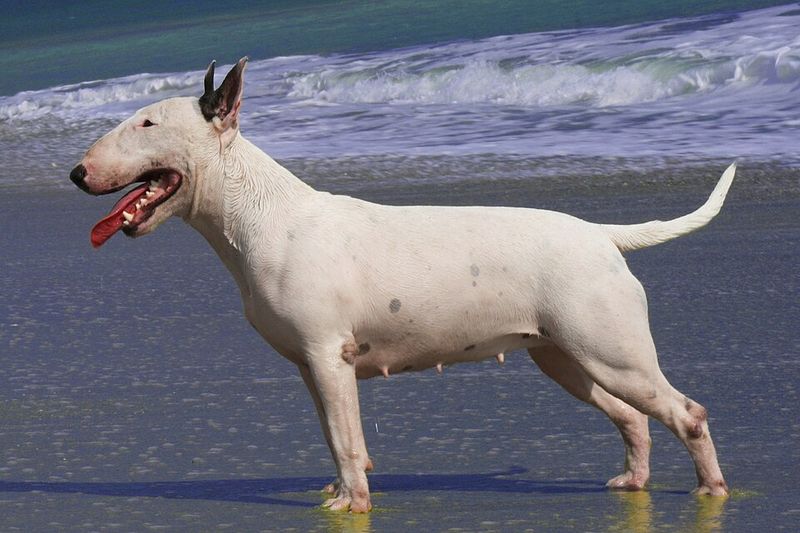
Egg-shaped head, superhero stance, and a grin that promises mischief. Bull Terriers are comedians who adore people and invent games from socks, boxes, and shadows.
Many thrive when you laugh and then show them what to do.
Short training bursts work best, mixing tug rewards with clear rules. Give puzzle toys and sturdy chew options to curb bored nibbling.
Daily structure and friendly meetups help channel that bold look into polite manners.
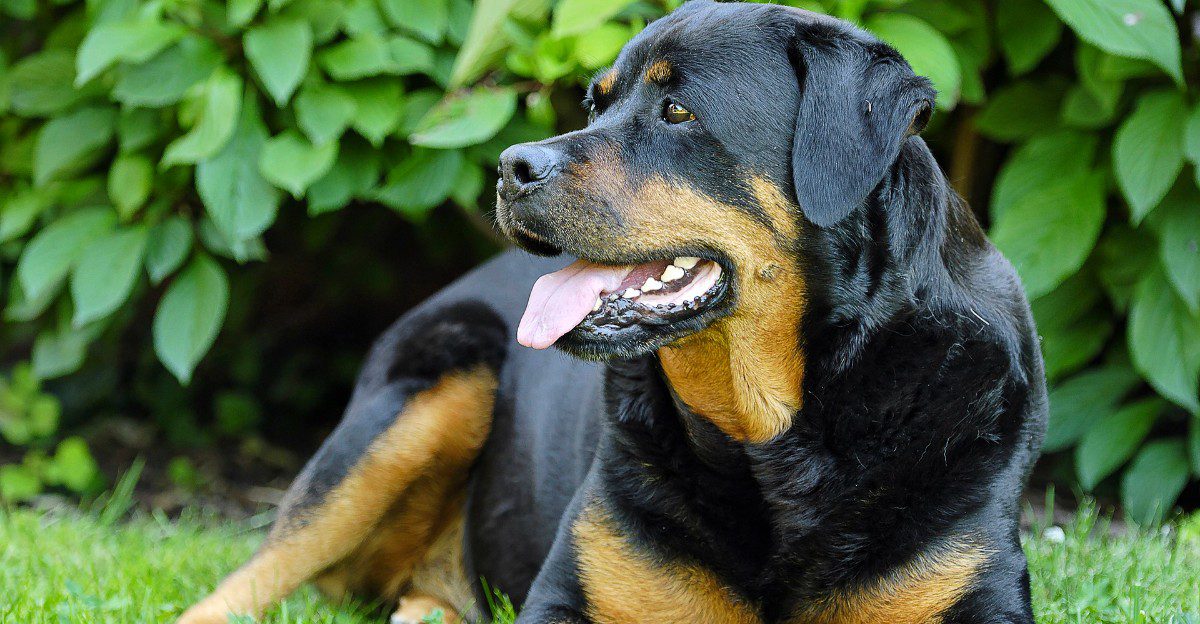
Rottweiler
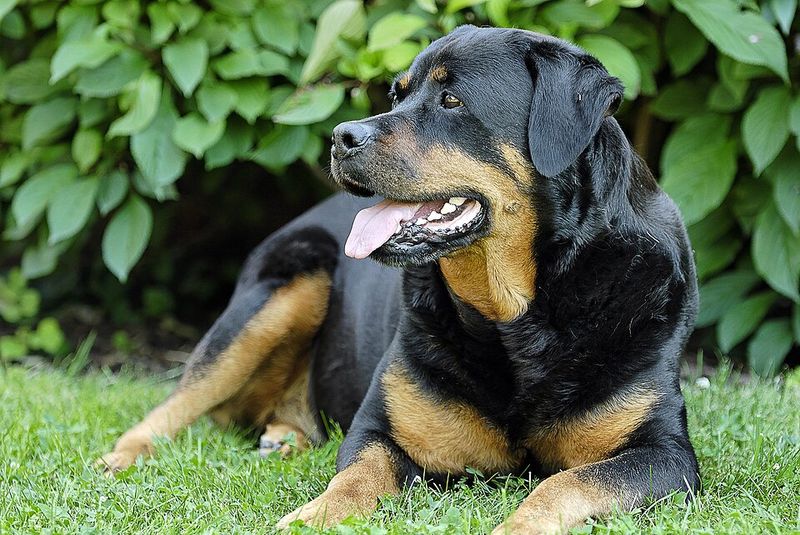
Built like a tank, yet many Rottweilers melt for belly rubs from trusted people. They are thinkers who watch quietly before acting.
With fair leadership, they become steady, loyal housemates who prefer routine over chaos.
Invest early in obedience classes that reward calm choices. Offer jobs like cart pulling practice, scent games, or carrying a pack on hikes.
Clear boundaries, regular guests, and leashed introductions keep that powerful look matched with polite behavior.
Doberman Pinscher
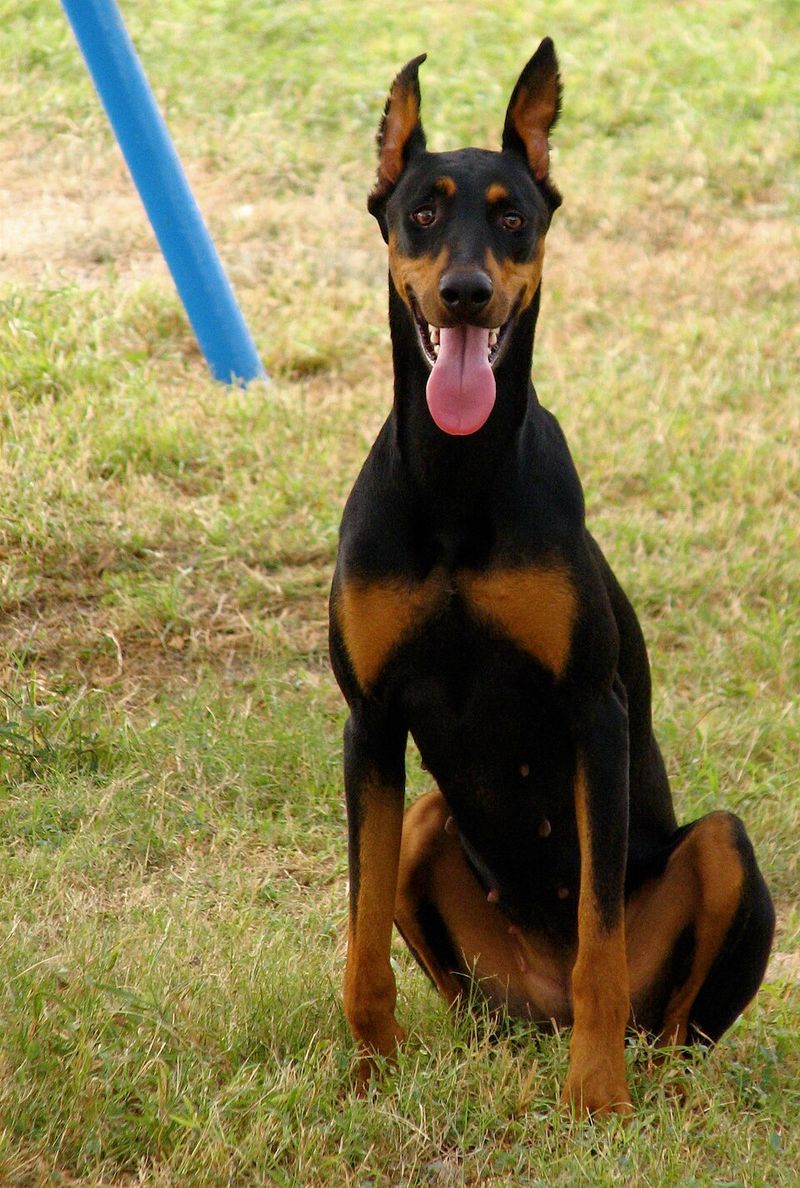
Sleek lines and alert ears suggest a guard on duty. Yet many Dobermans shadow their people from room to room, seeking connection.
They learn fast and crave mental work more than endless running.
Teach impulse control with sit-stay at doors and polite leash skills. Short scent searches, trick training, and platform games satisfy their problem-solving brains.
Consistent schedules and kind feedback build trust that outshines the tough appearance.
American Staffordshire Terrier
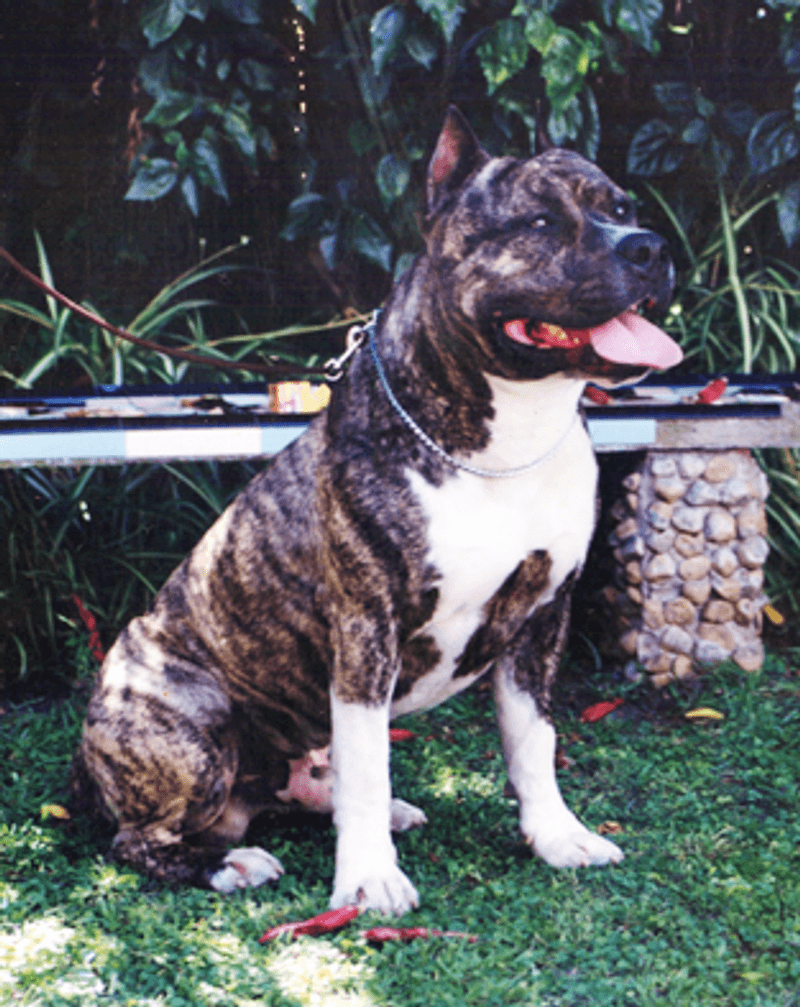
A blocky head may look intimidating, but the tail often tells a different story. Many AmStaffs crave snuggles and make eye contact as if reading your mood.
They respond best to upbeat training and clear routines.
Focus on manners around doorways, toys, and greetings to keep excitement manageable. Provide strong chew toys and structured playdates to guide energy in positive ways.
Regular practice with calm people helps the confident look feel friendly to strangers.
Bullmastiff
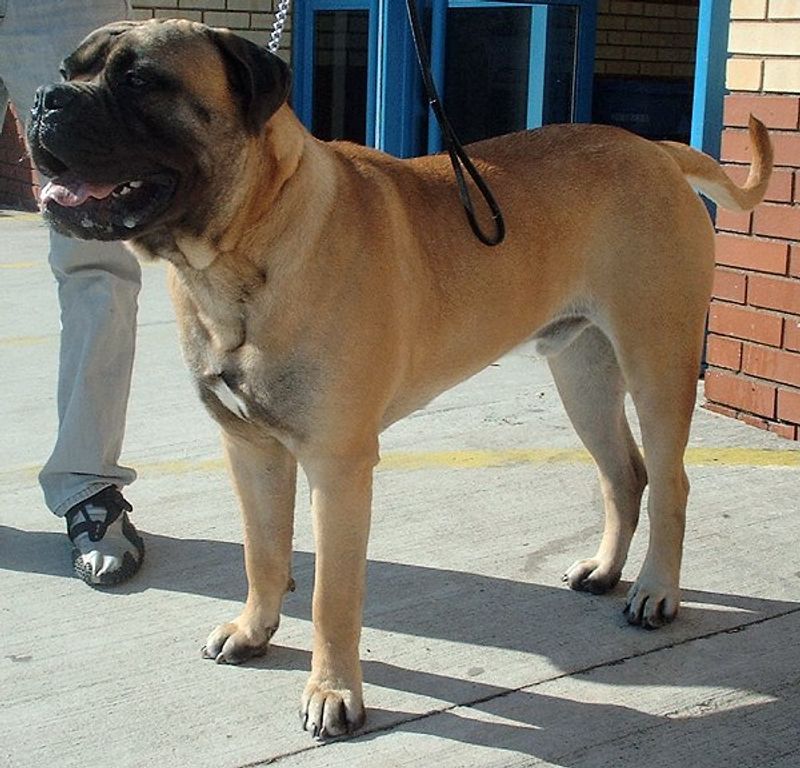
Picture a quiet boulder that follows you from room to room. Bullmastiffs are watchful by nature, yet many prefer gentle, slow affection and peaceful homes.
Short bursts of play are enough, then it is nap time again.
Because they grow fast, protect joints with soft surfaces and moderate activity. Teach relaxed leash walking and settle on a mat for visitors.
A comfy crate, steady rules, and low-drama routines support their calm heart behind that strong frame.
Mastiff
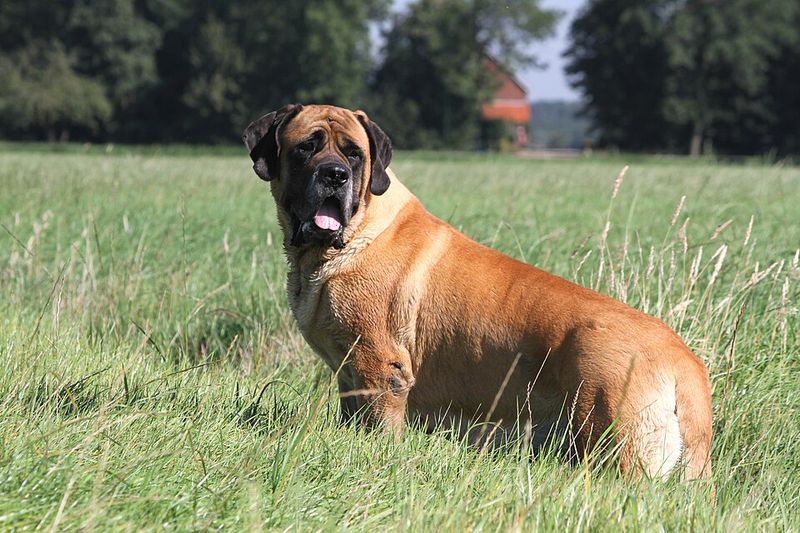
Massive head, drool strings, and a look that can stop a stranger. Underneath, many Mastiffs are tender with family and prefer quiet companionship.
They often need confidence-building outings instead of high-energy sports.
Practice short neighborhood walks, then reward with calm praise for checking in. Keep greetings slow, and teach a place command near the door.
Gentle handling, nail care routines, and predictable schedules help the soft personality shine.
Staffordshire Bull Terrier
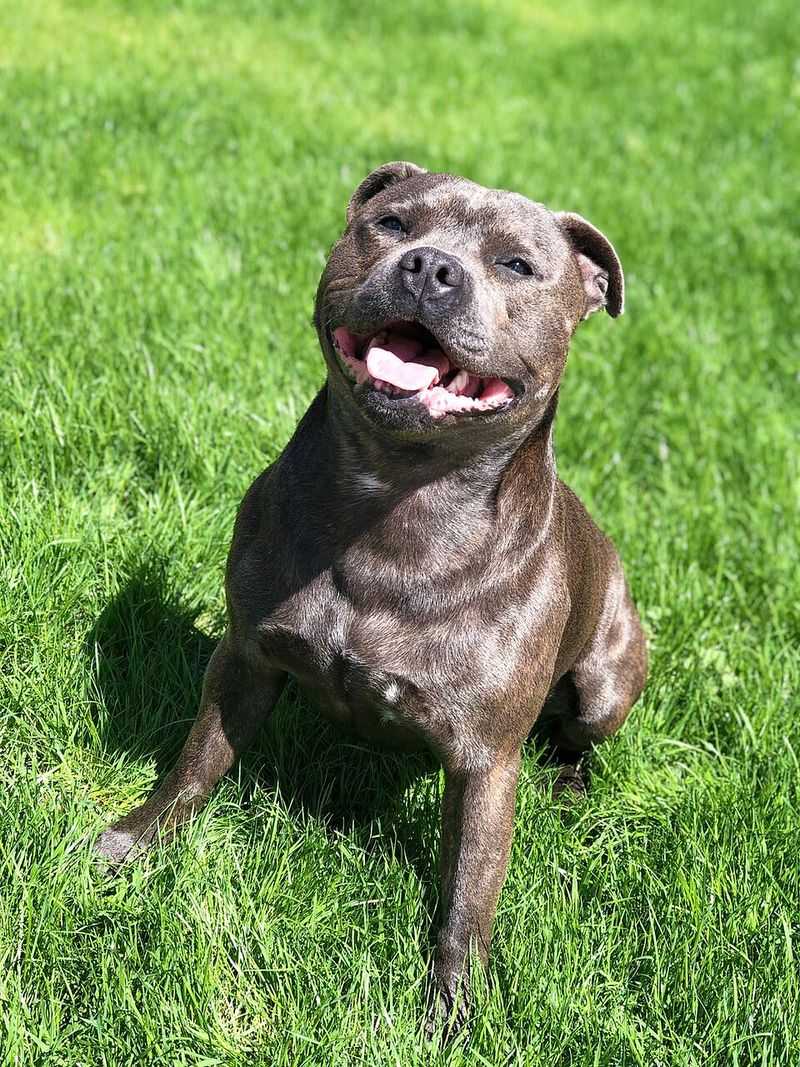
Nicknamed the smiling dog in some circles, Staffies beam when people laugh. Their muscles look tough, yet many want nothing more than games and close contact.
A waggy hello is common after good social time.
Build skills with positive classes that include polite play. Rotate tug, fetch, and sniff breaks to balance excitement.
Teach drop it early, keep toys tidy, and practice calm sits for attention so that friendly energy stays controllable in busy places.
Boston Terrier
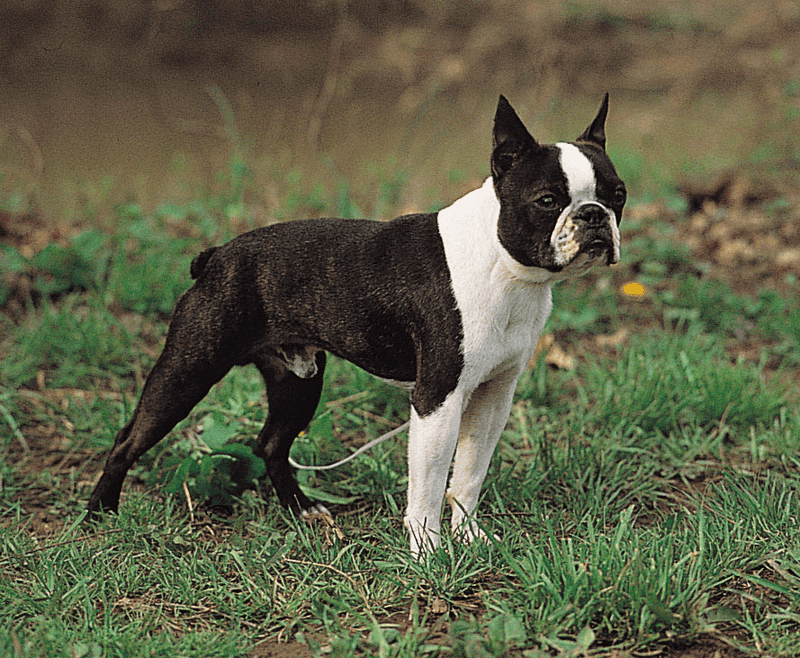
Tuxedo coat looks fancy, but the attitude says cheerful sidekick. Boston Terriers love silly zooms followed by cartoon-like snorts on the couch.
Many fit well in apartments with daily walks and brain games.
Keep eyes protected during play, since their short muzzle can bump things. Train with upbeat praise, and use food puzzles for rainy days.
Friendly meet-and-greets plus simple manners help the polished look match an easygoing personality.
English Bulldog
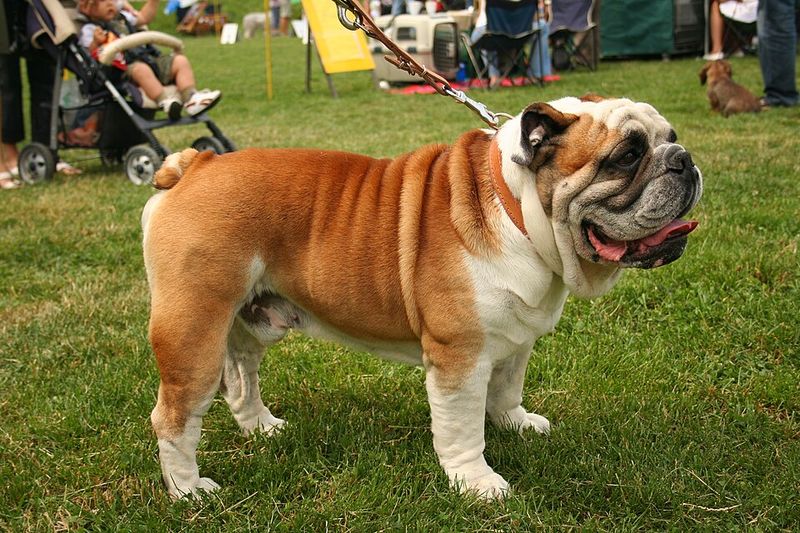
Wrinkles and a stout build might seem tough at first glance. Truth is, many Bulldogs are mellow homebodies who treasure close company.
They prefer short strolls and cool rooms over long runs.
Watch heat carefully, choose a harness, and practice gentle stretches after walks. Keep weight in check with measured meals and low-impact play.
Fun trick sessions and calm visitors bring out the cuddly side behind the rugged look.