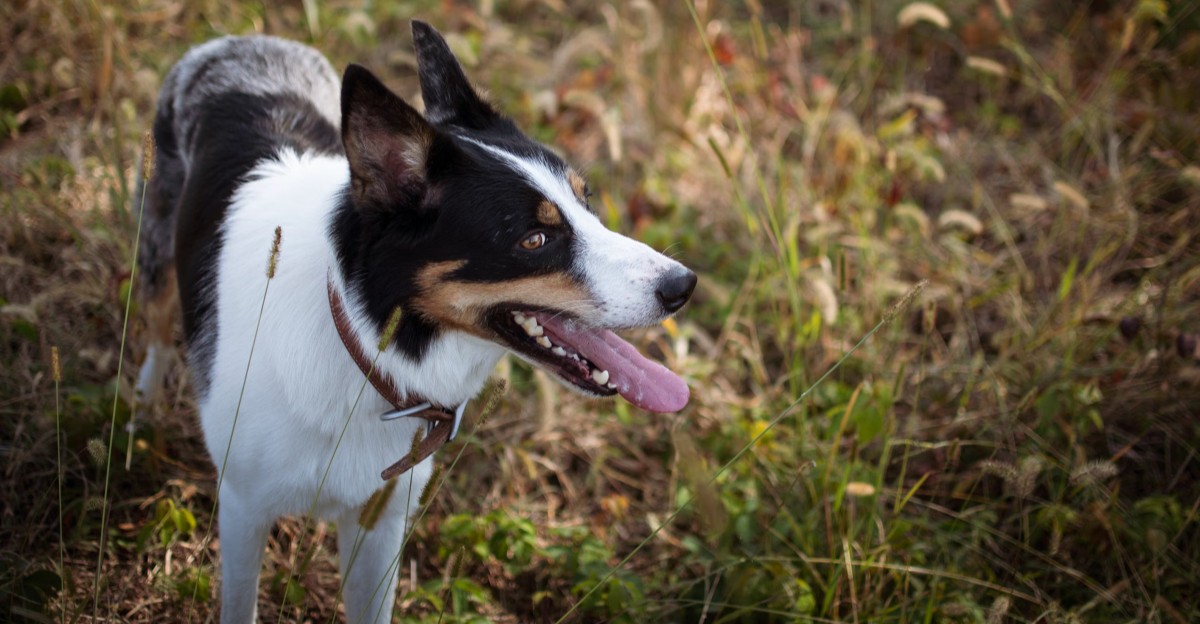
Some dogs get called stubborn or silly when they are actually thinking hard. A dog that ignores a command might be weighing its options, not missing the point.
Many breeds have sharp minds that were built for jobs like hunting alone or guarding sheep without help. Once you learn to spot their clever side, you may see your own pup in a whole new way.
Basenji Brains Behind the Silence
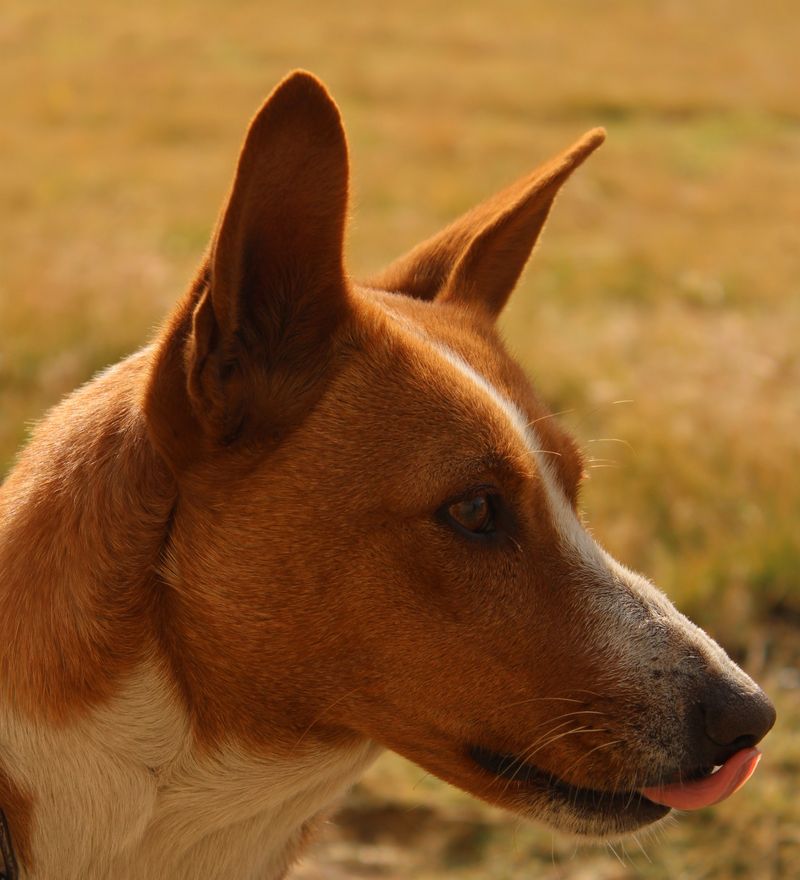
Known as the barkless dog of Africa, the Basenji yodels instead. Owners often joke that it ignores every rule, but that independence hides a sharp thinker.
Basenjis were bred to hunt small game on their own, far from human help. They learned to solve problems fast and quietly.
Got one at home? Lock your treat drawer.
Many Basenjis figure out latches, doorknobs, and baby gates within days of watching you use them.
The Basset Hound’s Nose-First Logic
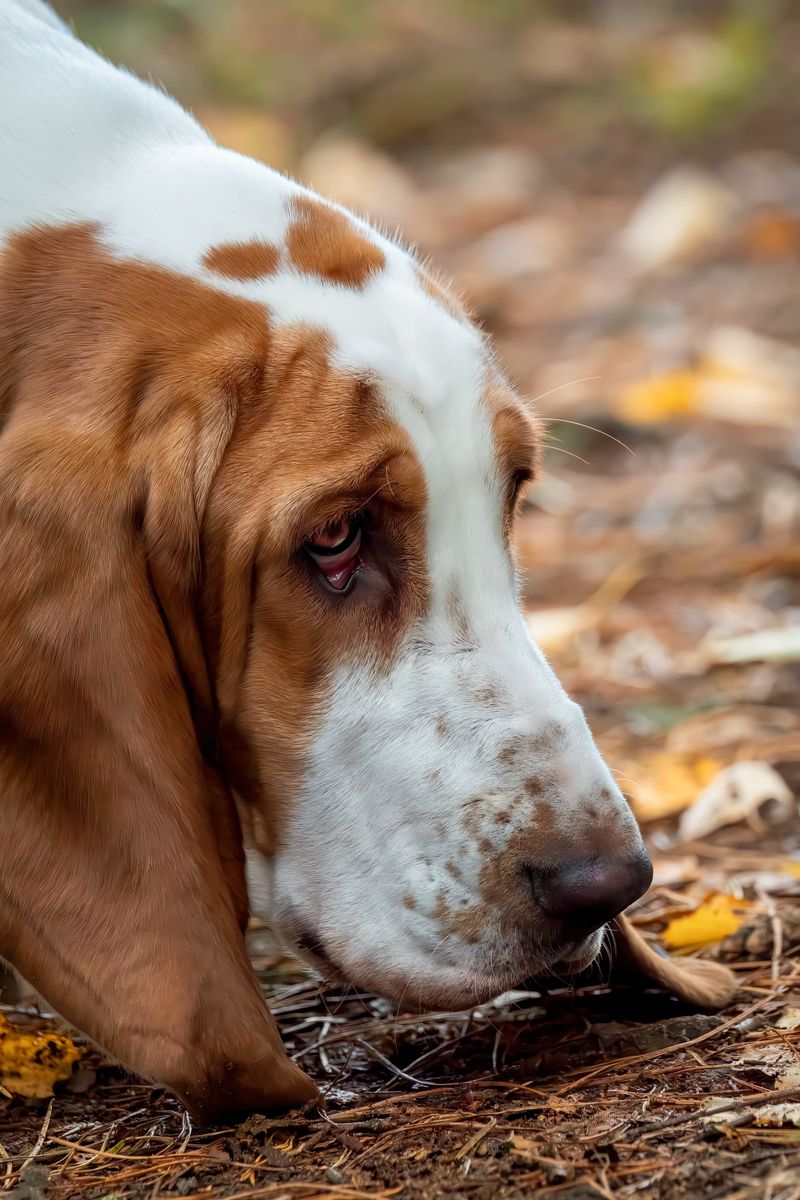
Picture a droopy-eared dog that looks half asleep. Now picture that same dog following a two-day-old trail through a busy park.
That is the Basset Hound.
People rank Bassets low on smarts because they rarely jump to obey. Yet their brains work like scent detectives, sorting thousands of smells to find one path.
Try hiding treats around the yard. Watch how patiently your Basset solves the hunt, step by careful step.
Afghan Hound: Elegant and Secretly Clever
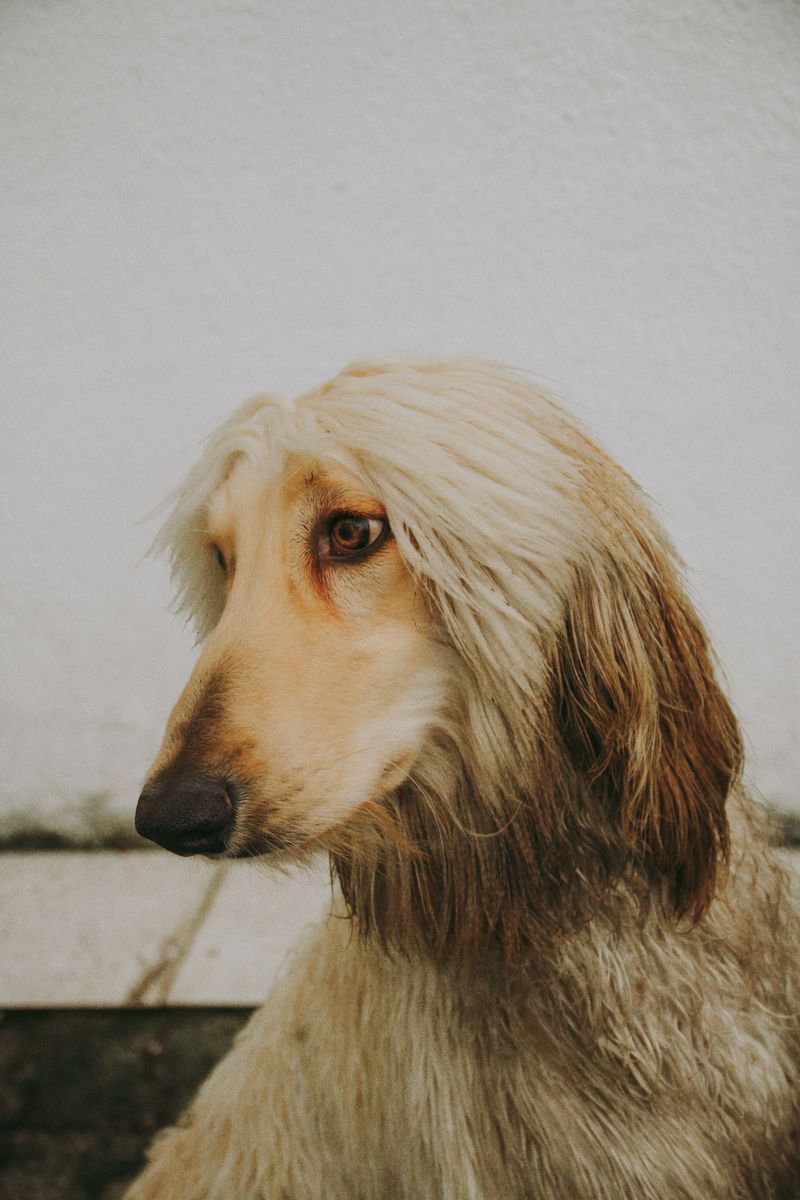
Silky hair, runway strut, and a reputation for being airheaded. Poor Afghan Hound.
That label is not fair at all.
In the mountains of Afghanistan, these sighthounds chased fast prey across rocky ground with no hunter giving orders. They had to make split-second choices alone.
Fun fact: an Afghan once famously plotted escape routes from show grounds. Their minds simply value freedom over pleasing you, so keep training short, fun, and rewarding.
Chow Chow, the Quiet Strategist
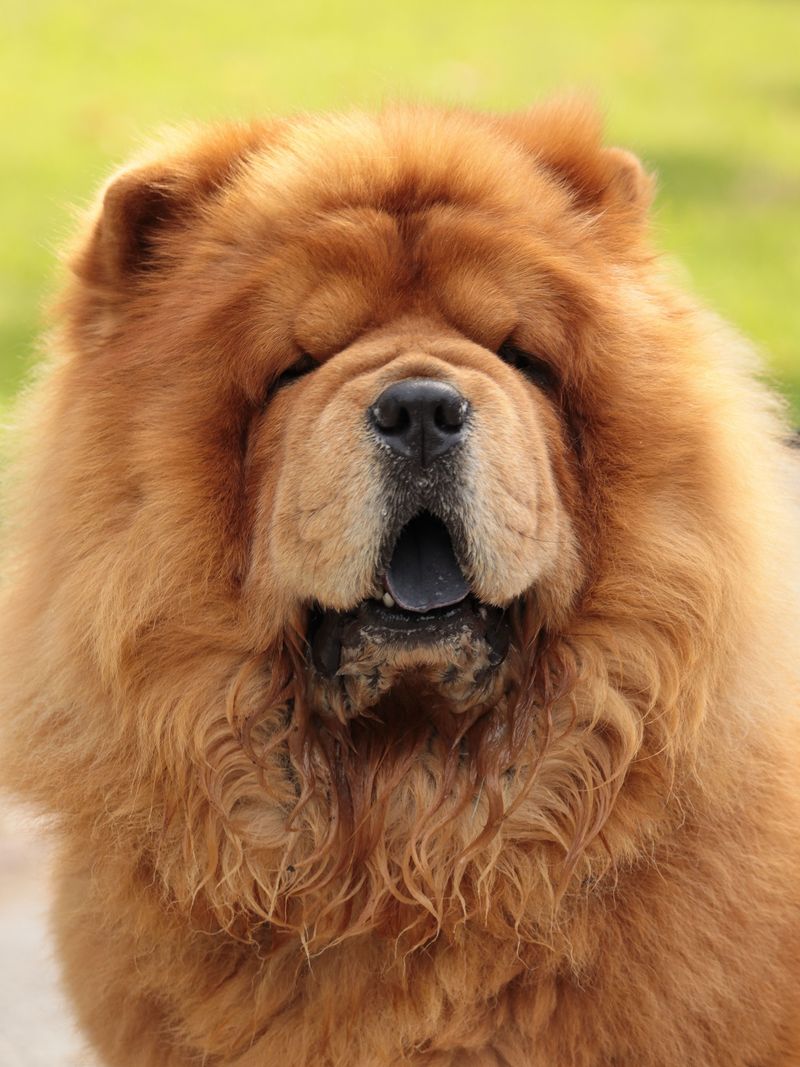
With its lion mane and blue-black tongue, the Chow Chow looks like a living stuffed toy. Underneath, though, sits a calm planner.
Chows were guard dogs and helpers in ancient China. They studied strangers carefully before deciding who was a threat.
Because they rarely act eager, people assume they are slow learners. Not true.
A Chow simply wants a good reason. Offer respect and clear routines, and you will see a thoughtful, problem-solving partner.
Bulldog Brainpower Hiding in Plain Sight
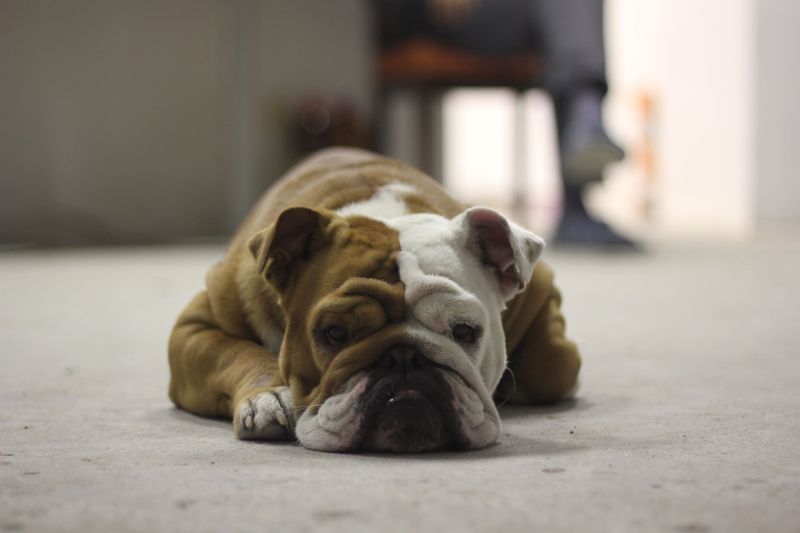
Ever watched a Bulldog stare at a puzzle toy, then flip it over with one clever nudge? That moment says a lot.
English Bulldogs are famous for being lazy couch potatoes. Their slow pace makes people think they are not bright.
Truthfully, they save energy and pick the easiest solution.
Food puzzles work wonders for this breed. Start easy, then make them harder.
You might be surprised how quickly that wrinkly face cracks the code.
Shiba Inu and Its Escape Artist Skills
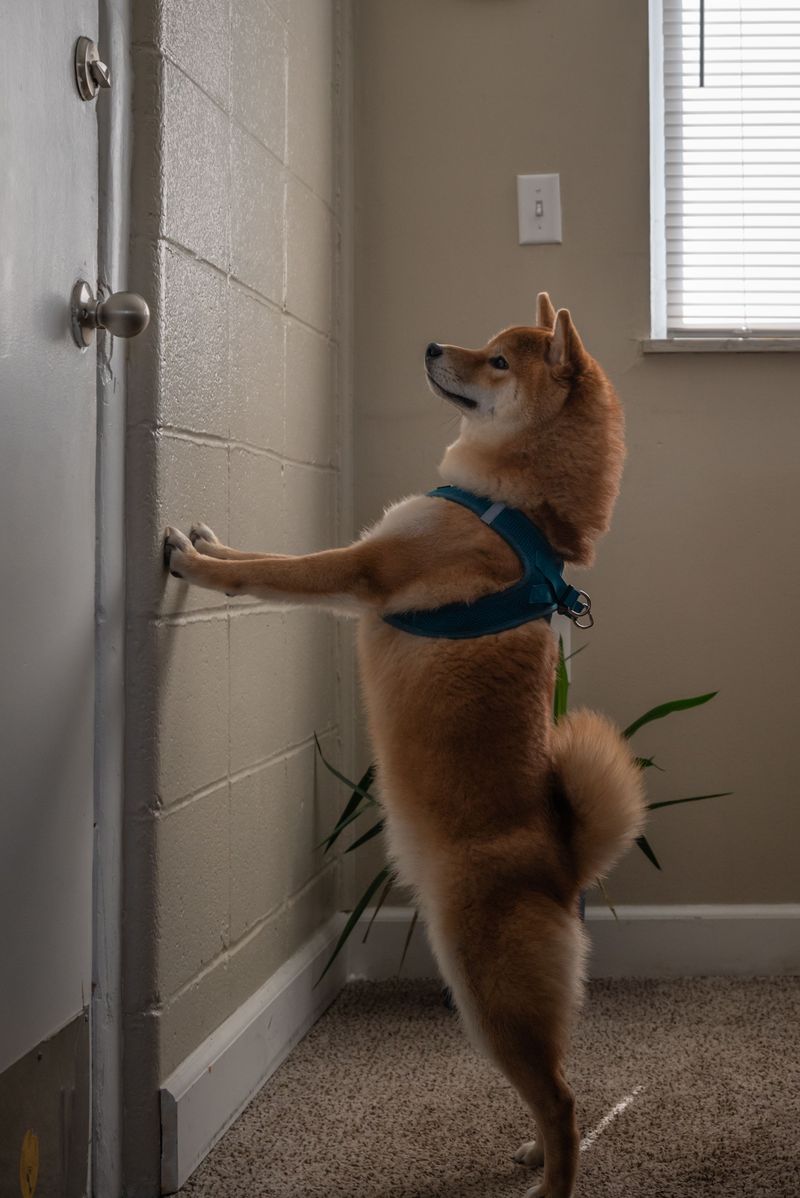
Ask any Shiba owner about fences and you will hear wild stories. These little Japanese dogs climb, dig, and squeeze through gaps you never noticed.
Shibas often skip commands, so folks call them stubborn. In reality, they are constantly testing the world around them, like tiny engineers.
Here is a tip: walk your fence line every week. If your Shiba has found a weak spot, it will remember it long before you do.
Beagle Ingenuity at Snack Time
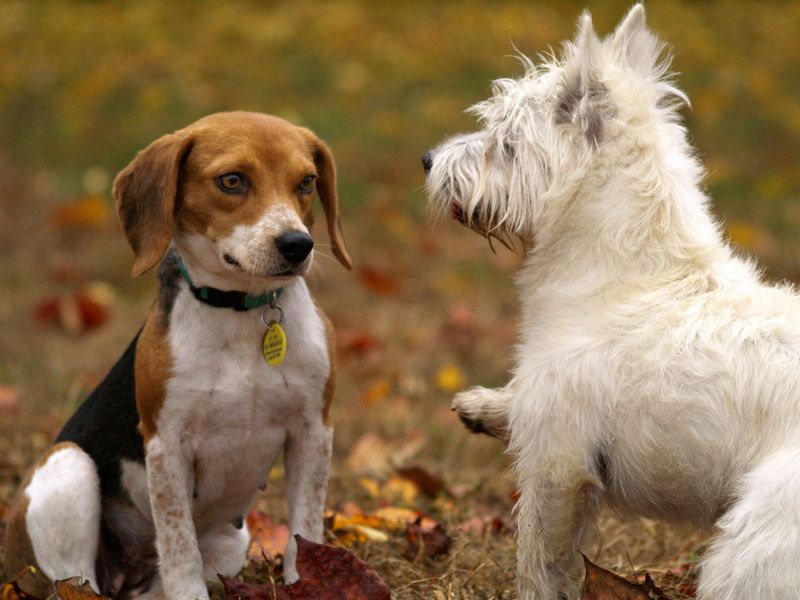
Leave a sandwich on the counter and a Beagle will build a plan. Chair, then table, then lunch.
Simple.
Beagles have a goofy reputation because their noses distract them during training. But give them a food-related problem and they turn into genius schemers.
Did you know? Beagles work at airports sniffing luggage for hidden food.
That job takes focus and memory. Use snacks as rewards and your Beagle will learn faster than you expect.
Great Pyrenees Thinks for Itself
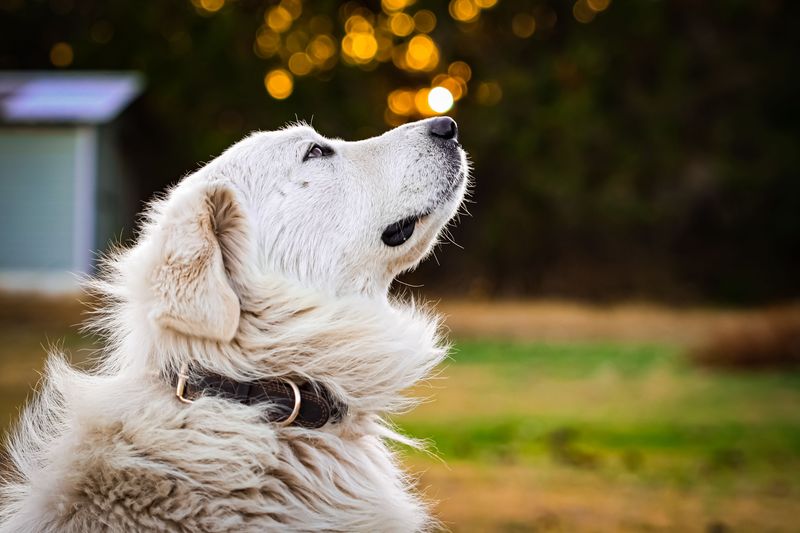
Alone on a mountainside at night, a Great Pyrenees once had to decide whether a sound meant wolf or wind. No farmer was there to tell it.
That history shaped a dog that judges situations on its own. So when it ignores fetch, it is not being dull.
It just finds the game pointless.
These gentle giants shine at reading danger. Trust their instincts, and pair training with real-world tasks they can respect.
Bloodhound Detective Work
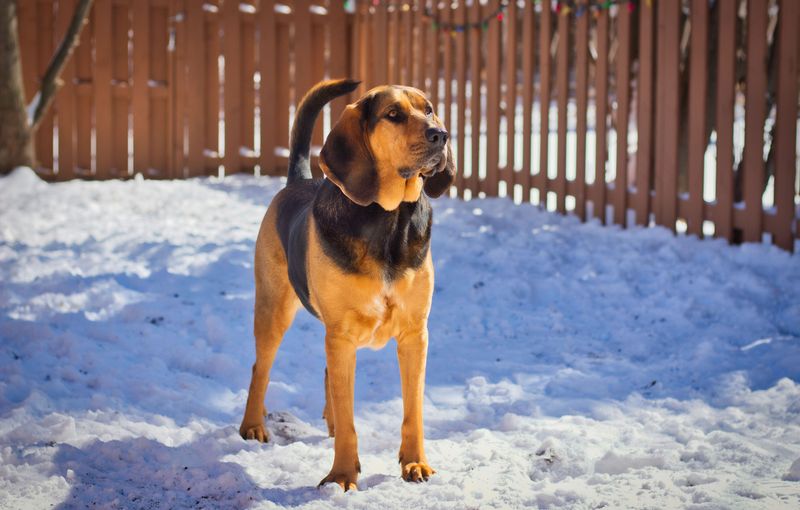
Here is a cool fact: Bloodhound tracking results have been accepted as evidence in courts. That is how trusted their noses are.
Still, many people see wrinkles and drool and think slow thinker. Following a trail across roads, streams, and crowds takes serious problem solving.
The dog must decide where a scent was lost and how to find it again.
Nose work games at home give a Bloodhound mental exercise it truly loves.
Borzoi, the Thoughtful Sprinter
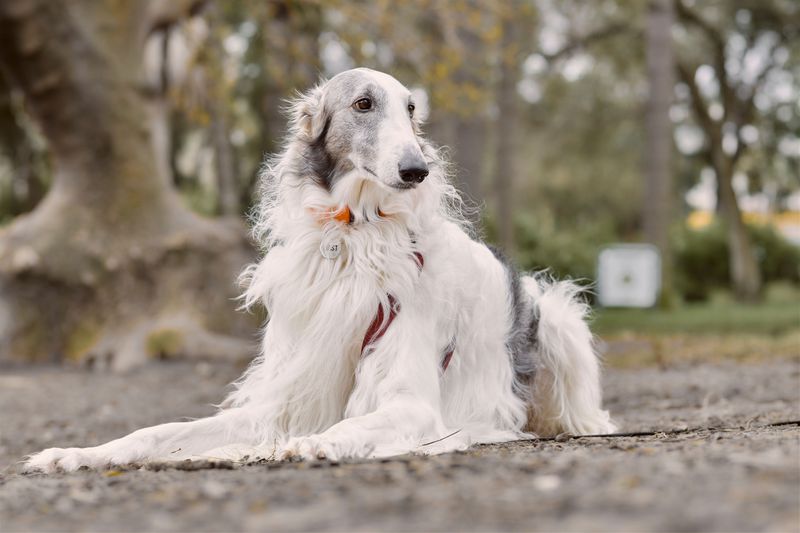
Once the hunting pride of Russian nobles, the Borzoi is fast, tall, and graceful. It is also often called slow-witted, which makes owners laugh.
Borzois calculate angles while chasing, predicting where prey will turn. That is quick math at forty miles per hour.
At home they are calm and a bit catlike. They may ignore repeated commands, so keep lessons brief.
Clever timing beats endless drills with this dreamy, deep-thinking breed every time.
Mastiff Minds Move Slowly but Surely
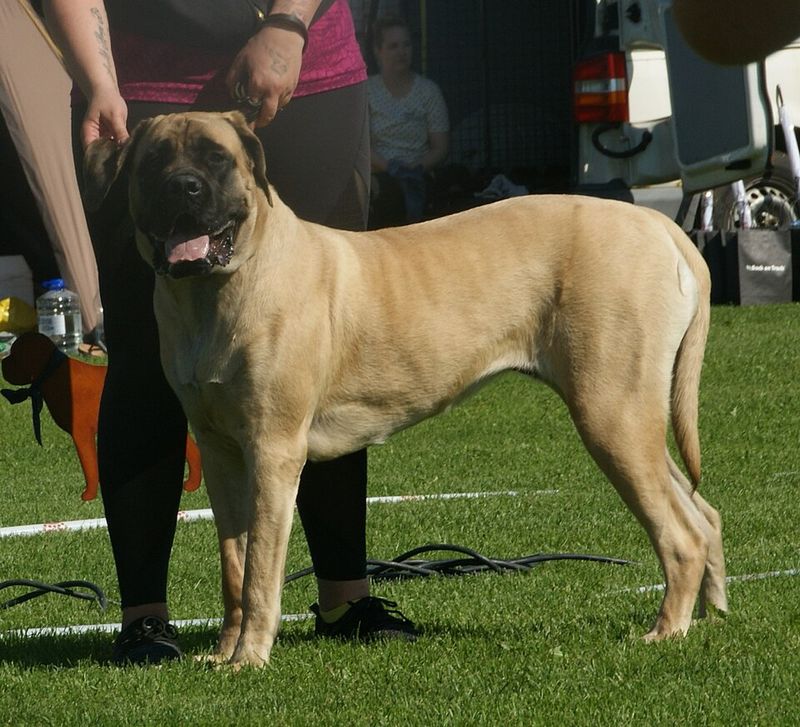
Size can fool you. A Mastiff weighing as much as a grown man seems like pure muscle, nothing more.
Yet these dogs read people extremely well. They notice who belongs and who does not, then react with careful judgment instead of panic.
Training a Mastiff takes patience, since they think before moving. That pause is a strength.
Calm rewards and steady routines help this big buddy show off a surprisingly wise, steady brain.
Way One: Smart Dogs Ask Why
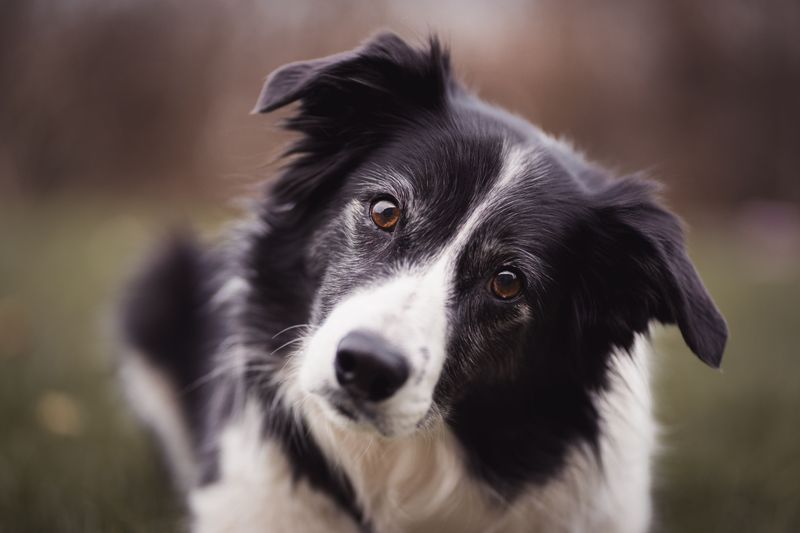
Trainability measures how willing a dog is to follow your commands. Intelligence measures how well it solves problems.
Those are not the same thing at all.
A Border Collie might love obeying, while a Basenji asks what is in it for me. Both are smart.
So if your pup seems stubborn, do not label it dumb. Try better rewards, shorter sessions, and games that make learning feel worth its time.
Way Two: Instinct Shapes the Kind of Smart
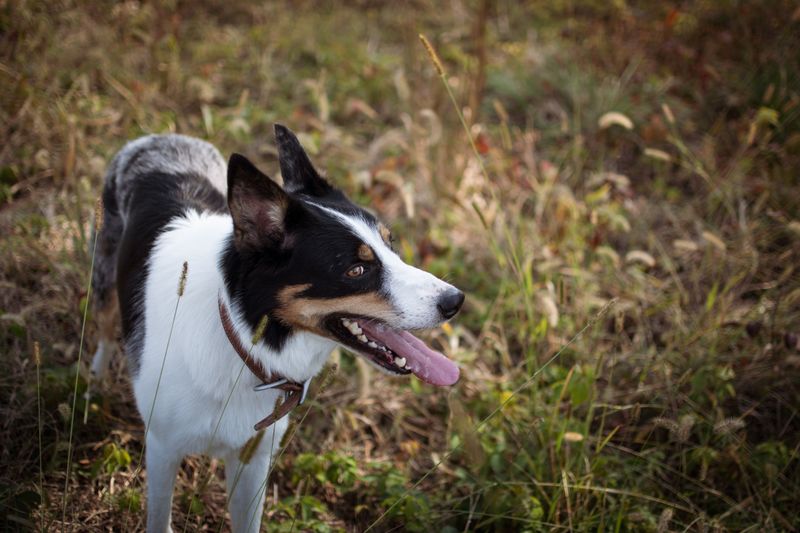
Scientists talk about instinctive intelligence, meaning the skills a breed was built for. Herders read livestock.
Hounds solve scent puzzles. Guardians judge strangers.
Obedience tests mostly reward dogs bred to work closely with people. Independent breeds score lower, even though their minds are busy.
Want to see your dog shine? Match activities to its roots.
Scent games for hounds, puzzle feeders for guardians, and you will discover talents you never knew existed.