
Some dogs do more than sit by your side. They notice the shift in your breathing, the change in your voice, and the story your posture tells before you even speak.
If you have ever felt a wet nose under your palm right when you needed grounding, you know how powerful that connection is. Here are the breeds that seem to tune in fastest, including three that often act before you say a single word.
Golden Retriever
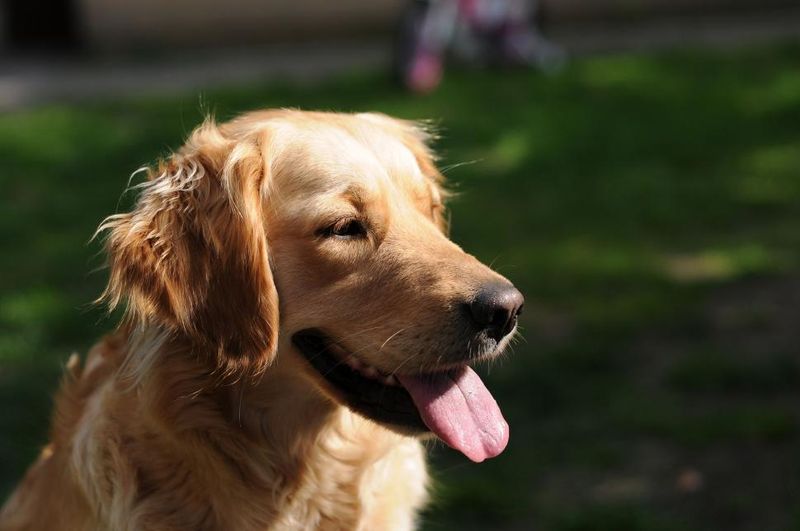
Golden Retrievers read rooms like seasoned counselors. You will notice the soft eyes, the leaning hug, and the way they fetch a toy when you sigh.
They thrive on being near you, mirroring your mood with calm companionship or playful bursts when you need a lift.
Because they are eager to please, training emotional tasks feels natural. I suggest teaching a settle cue for anxious moments and a nudge cue for gentle check ins.
Their sensitivity means you should use clear, upbeat guidance and predictable routines. If your day runs heavy, this dog will anchor you with warmth.
When joy returns, they celebrate without judgment, simply glad to be part of your weather. It feels like being truly seen.
Labrador Retriever
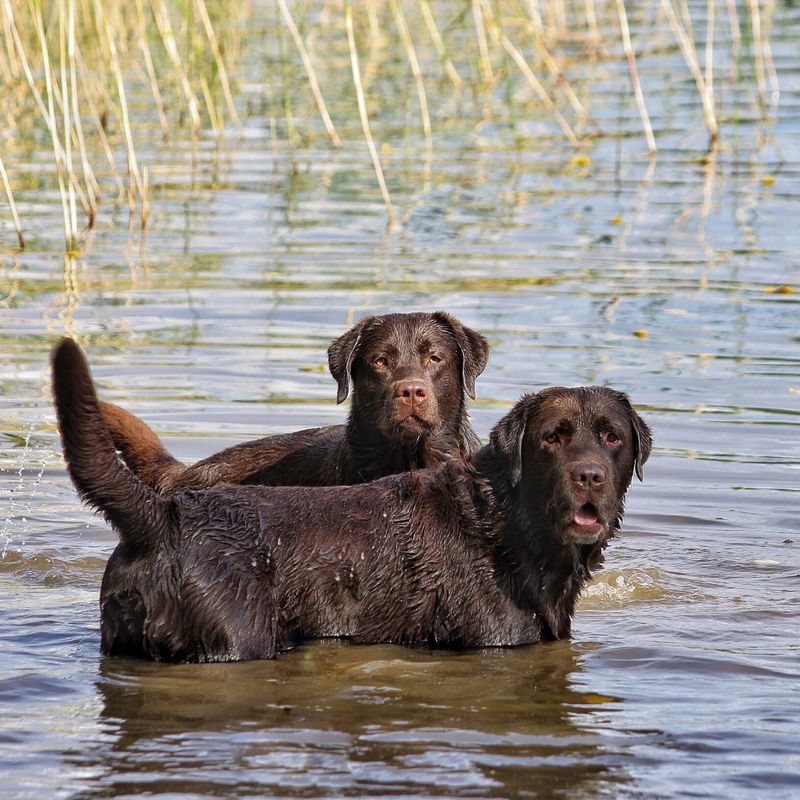
Labradors carry sunshine into a room, yet they also notice clouds forming over you. Watch how they track your tone, easing closer when frustration rises and backing off when you need space.
Their goofy charm becomes focused empathy the moment your shoulders drop.
Because Labs love jobs, channel that heart into helpful routines. Teach a deep pressure therapy cue with a lap lay, and a find water cue for self care reminders.
I like pairing calm praise with slow breathing so your Lab syncs with your pace. Consistency keeps their enthusiasm dialed in.
When life tilts, this dog steadies the table, quietly catching spills of worry and mopping them up with patience and a wag.
Border Collie
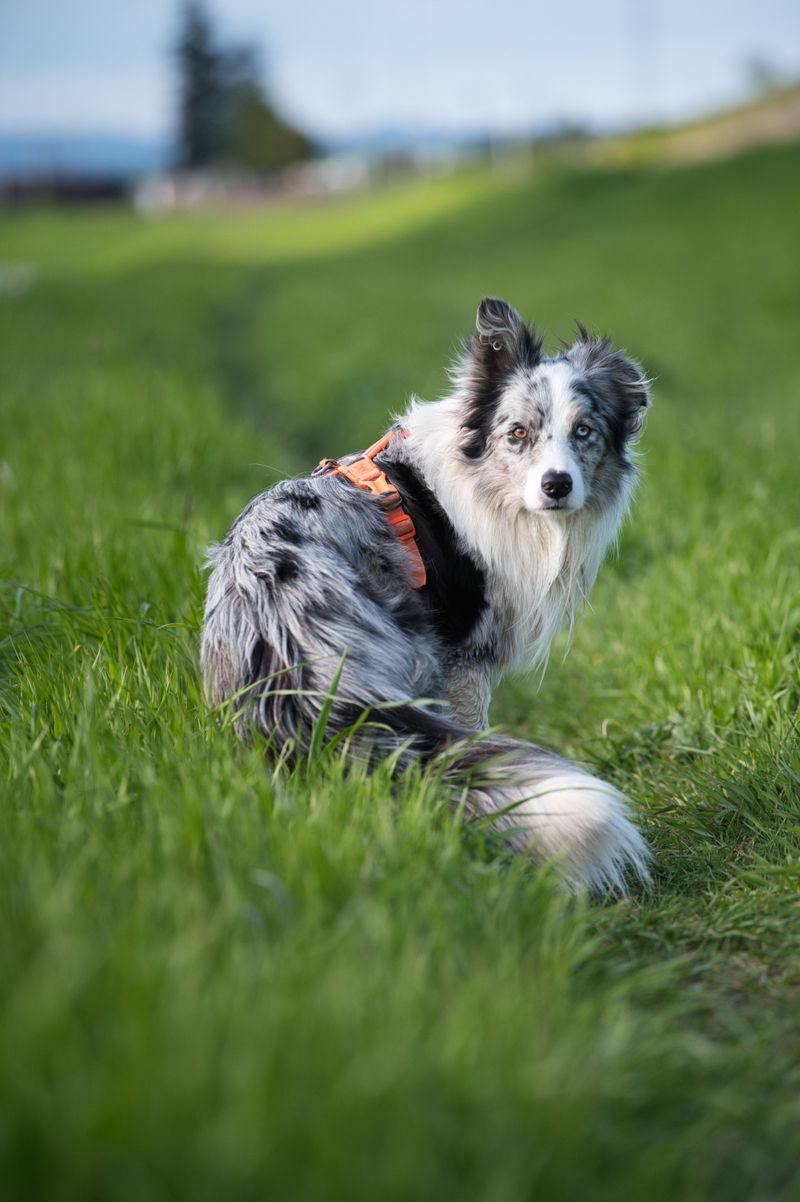
Border Collies do not miss much. They read micro movements, tracking your stress like a live radar.
If restlessness creeps in, you will find those intelligent eyes asking for a task that resets your head and heart.
Use their drive thoughtfully. I recommend structured brain games and targeted chores that transform nervous energy into wins.
Teach a take a break cue that guides them to rest alongside you, and a check me cue for quick grounding nudges. Clear boundaries prevent them from micromanaging your day.
When emotions spike, this dog sees the pattern early, then invites you into a focused rhythm that calms the storm. It feels like having a coach who also hugs.
Poodle
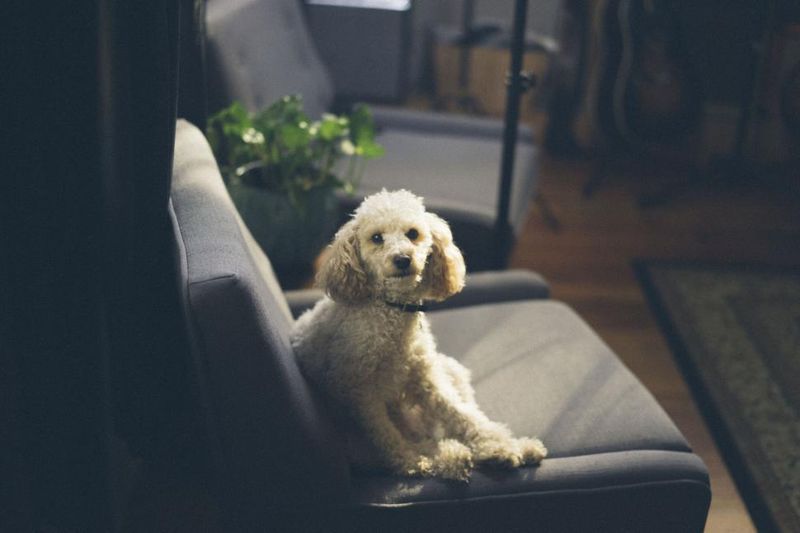
Poodles blend keen observation with graceful restraint. You will notice how they hover at a polite distance, then close the gap when your voice softens or your hands still.
That balance of space and support makes their comfort feel intentional and refined.
Because Poodles love patterns, tie emotional cues to simple routines. Teach a chin rest for grounding, and a blanket bring to nudge you toward rest.
I like using calm hand targets that become quiet conversations. Keep training precise and upbeat to match their quick minds.
When heaviness lingers, this dog offers steady presence without crowding. When hope stirs, they mirror it with light-footed joy, reminding you that elegance and empathy can absolutely share the same leash.
Cavalier King Charles Spaniel
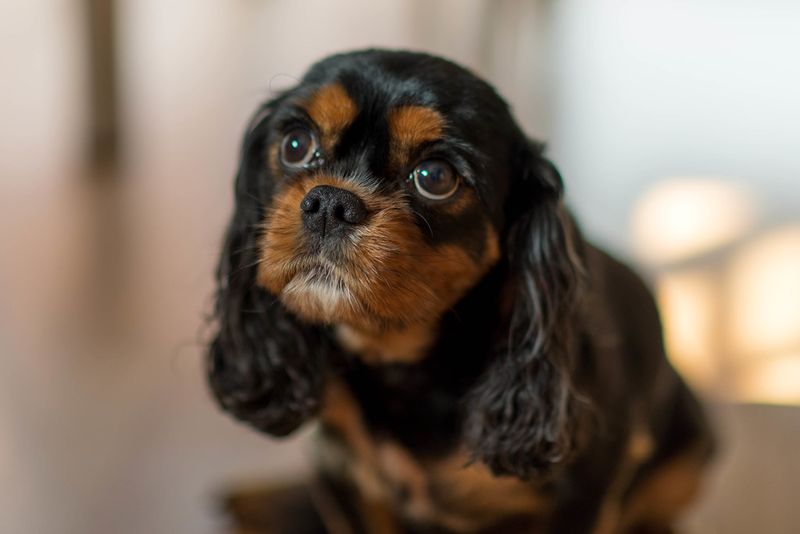
Cavaliers seem tuned to the frequency of feelings. They nestle right where worry gathers, breathing softly until your chest loosens.
You will feel their listening without words, a quiet companionship that makes hard days gentler.
Keep their routines cozy and predictable. I like teaching a cuddle up cue for deep pressure therapy and a touch cue for mindful check ins.
Their delicate nature responds best to gentle praise and calm handling. Short walks, soft play, and plenty of lap time create a soothing rhythm.
When tears come, this dog will not flinch. When laughter returns, they follow with featherlight joy.
It is like carrying a pocket-sized therapist who wears silky ears and writes prescriptions for warm tea and patience.
Collie
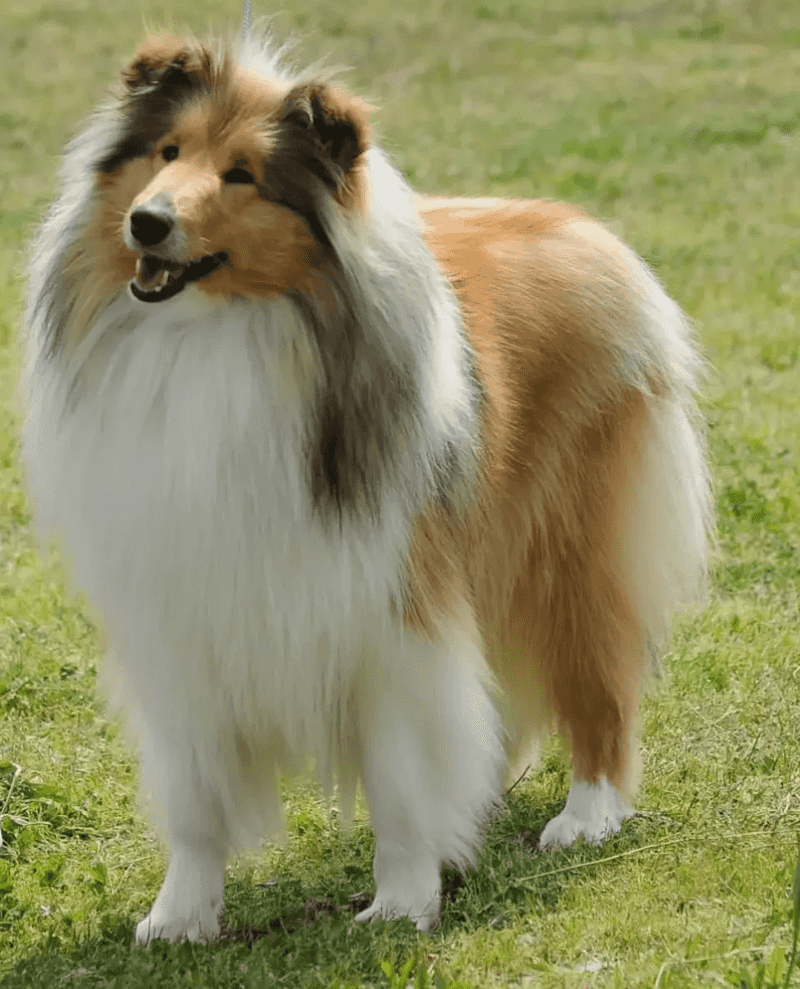
Collies have a guardian’s heart paired with a counselor’s intuition. They watch the horizon and your expression at the same time, settling beside you when thoughts feel too big.
Their calm gaze reassures you that someone is keeping watch while you rest.
Because Collies love purpose, give them small responsibilities that also support you. Teach a block cue to create personal space in crowds, and a lean cue for grounding.
I like weaving in herding games that end with relaxed decompression. Keep communication steady and kind, since they are sensitive to tone.
When your mood dips, this dog quietly steps closer. When courage returns, they match it stride for stride, wind in their mane and faith in your steps.
Australian Shepherd
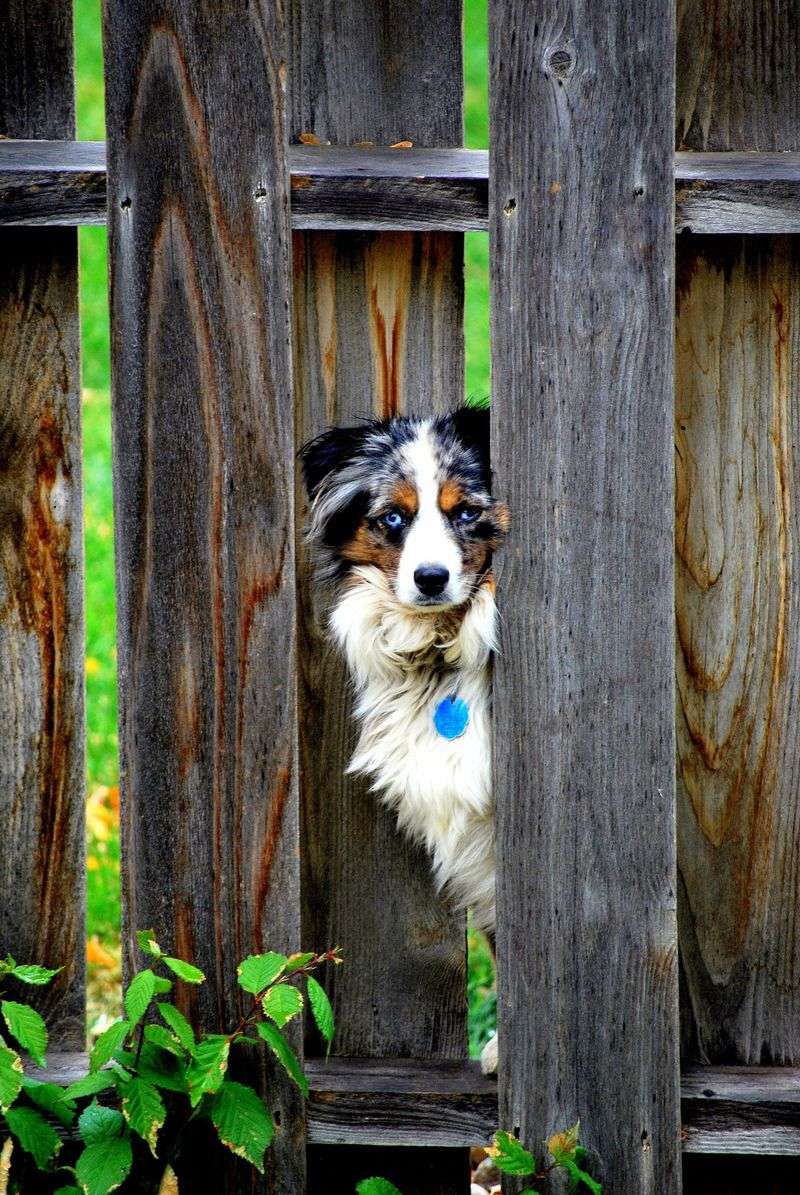
Australian Shepherds clock your energy like seasoned project managers. When you slow, they dial down and hover nearby.
When you pace, they channel that buzz into helpful action, often before you recognize your own restlessness.
Direct their brilliance with clarity. I recommend a go mat cue for calm settling and a loop walk to break worry spirals.
Trick training doubles as emotional regulation when you reward focus over frenzy. Keep exercises varied yet structured to satisfy their working brain.
When tension rises, this dog notices the first flicker, then offers movement or stillness as needed. When relief arrives, they celebrate with bright eyes and a soft bump to the knee, saying keep going, I have your back.
Bernese Mountain Dog
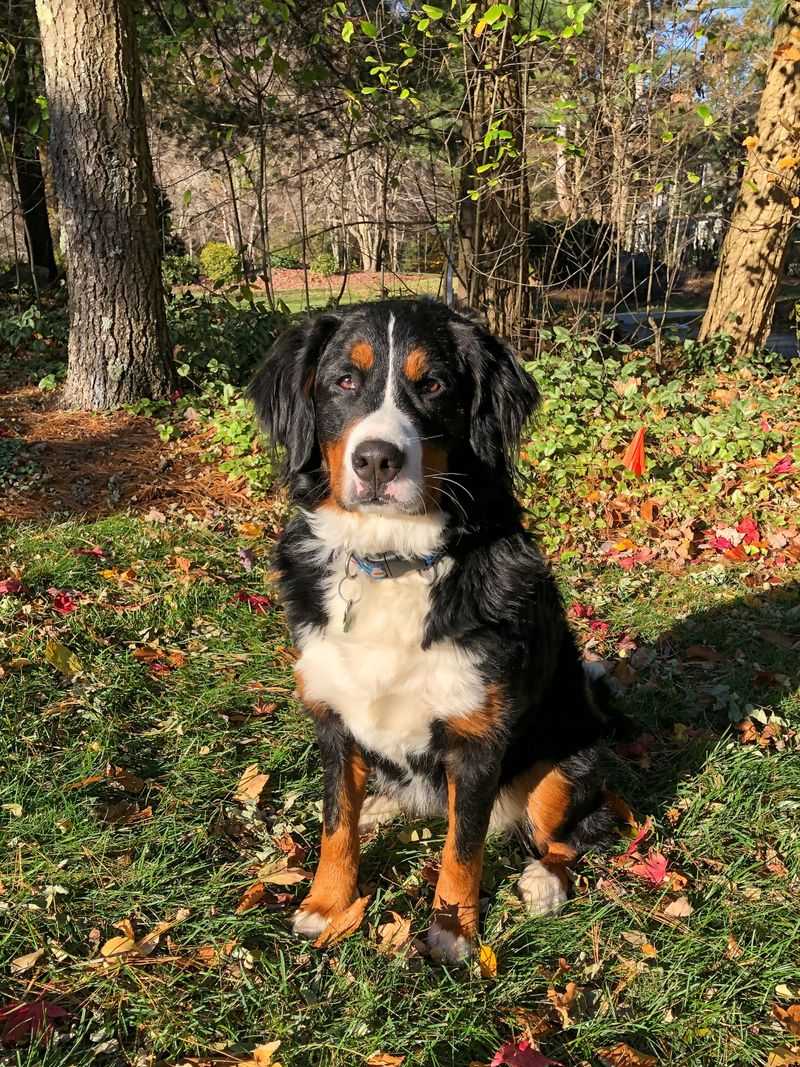
Berners specialize in comfort at scale. Their size feels like a weighted blanket, their eyes like warm embers on a cold evening.
You will notice how they sidle in when silence gets heavy, offering steady heat and unhurried company.
Because they are gentle giants, build calm routines that protect joints and spirits. Teach a sofa side rest for deep pressure support, and a bring blanket cue that signals wind down time.
Use low key praise and slow movements to match their tempo. Short training sessions keep things positive.
When worries stack, this dog becomes a stout pillar. When peace returns, they amble beside you, cheerful and faithful, reminding you that strength can be soft and loyalty can whisper.
Newfoundland
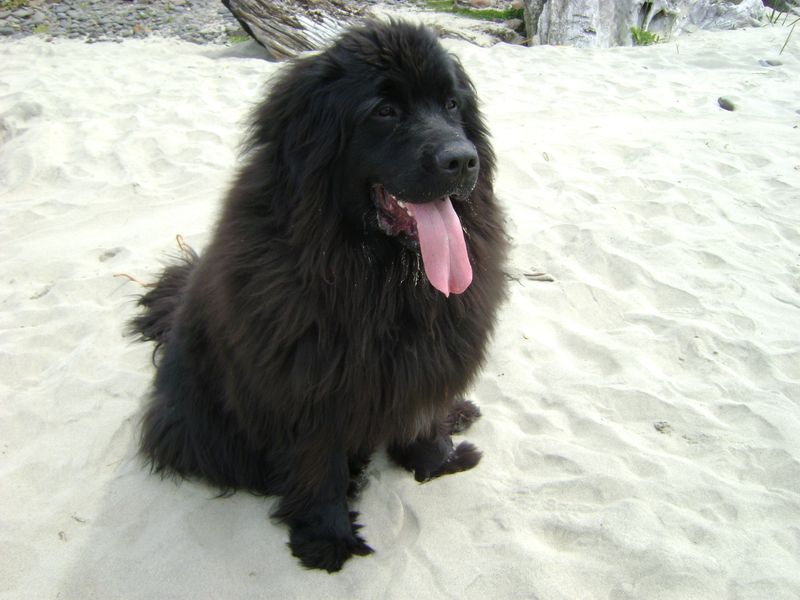
Newfoundlands project calm that spreads like ripples on water. Their watchful kindness encourages slower breathing and unhurried thoughts.
You will feel grounded as they settle close, especially when a day feels like deep waves.
Give them meaningful, low impact tasks. I like a head rest cue on your knee for pressure therapy and a guide to seat cue when you need to pause.
Keep sessions short, patient, and positive. Their sensitivity blossoms with trust and routine.
When anxiety swells, this dog answers with weight, warmth, and an I am here presence. When clarity returns, they lumber alongside with quiet pride.
It is like traveling with a lifeguard for your emotions, strong enough to hold space and gentle enough to listen.
Shetland Sheepdog
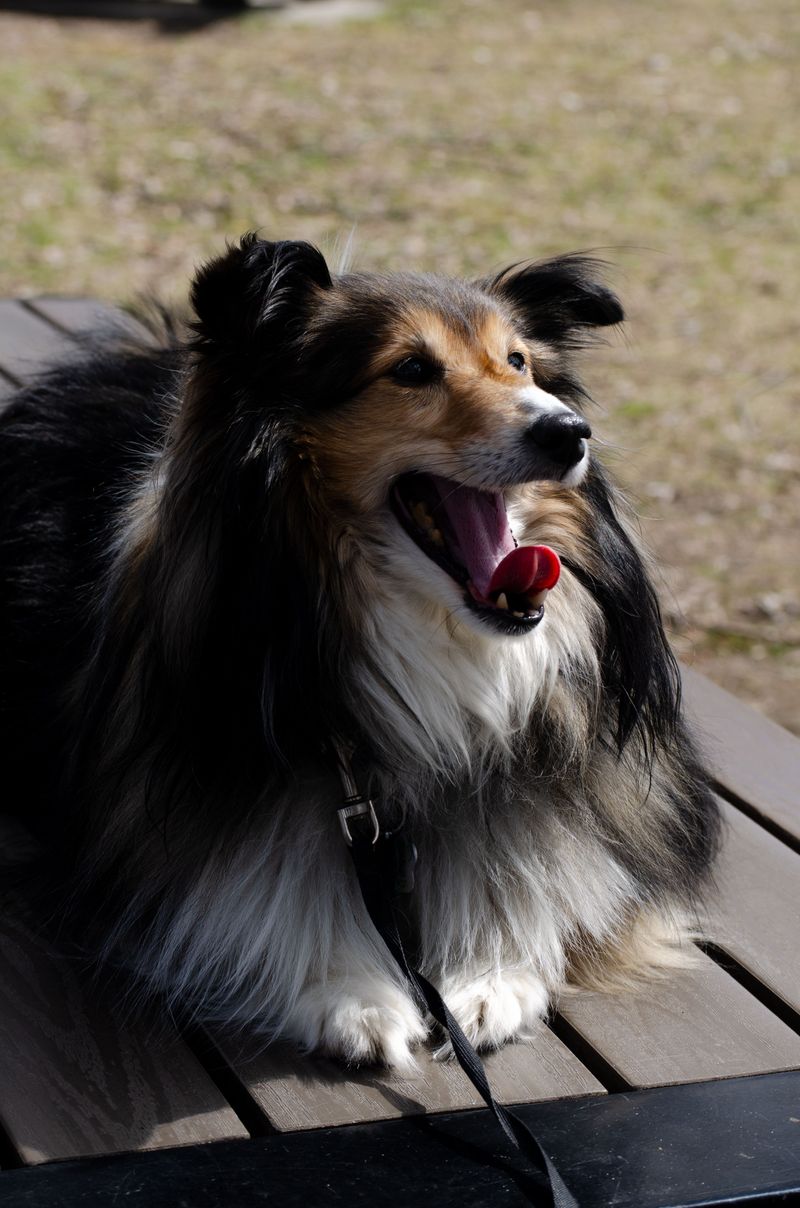
Shetland Sheepdogs tune into changes quickly, catching tiny shifts in posture and tone. They are affectionate without being pushy, easing closer when you seem scattered.
You will notice a soft paw tap or a bright look that asks, need a moment together.
Use their sensitivity with consistent cues. Teach a circle behind cue to create space in crowds, and a nose target to reset focus.
I prefer upbeat, brief training that ends with cuddles and a calm mat. Too much pressure can worry them, so keep praise gentle and clear.
When your mood dips, this dog organizes the moment with small routines. When light returns, they sparkle right beside you, tail painting little commas of joy in the air.
Vizsla
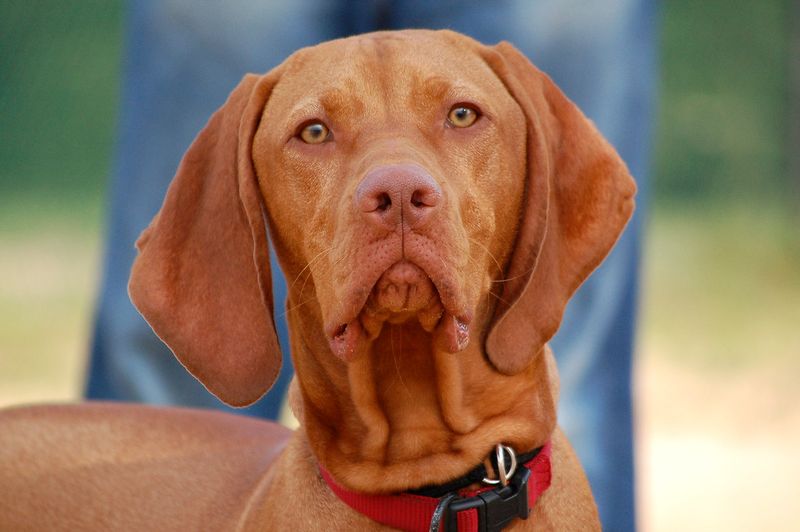
Vizslas are famously velcro, and that closeness becomes emotional radar. They shadow your steps, syncing to your rhythm like a heartbeat.
If you stall, they pause and check your face, asking what do you need right now.
Channel their affection into helpful habits. I recommend a hug cue with a safe shoulder lean and a pace with me cue that promotes mindful walking.
Use calm voice and steady routines to balance their intensity. Enrichment and exercise smooth the edges.
When nerves spike, this dog answers with proximity and warmth, a living reminder to breathe. When optimism returns, they sprint beside you, joyful and gracious, turning the day into an easy run toward better moments together.
Doberman Pinscher
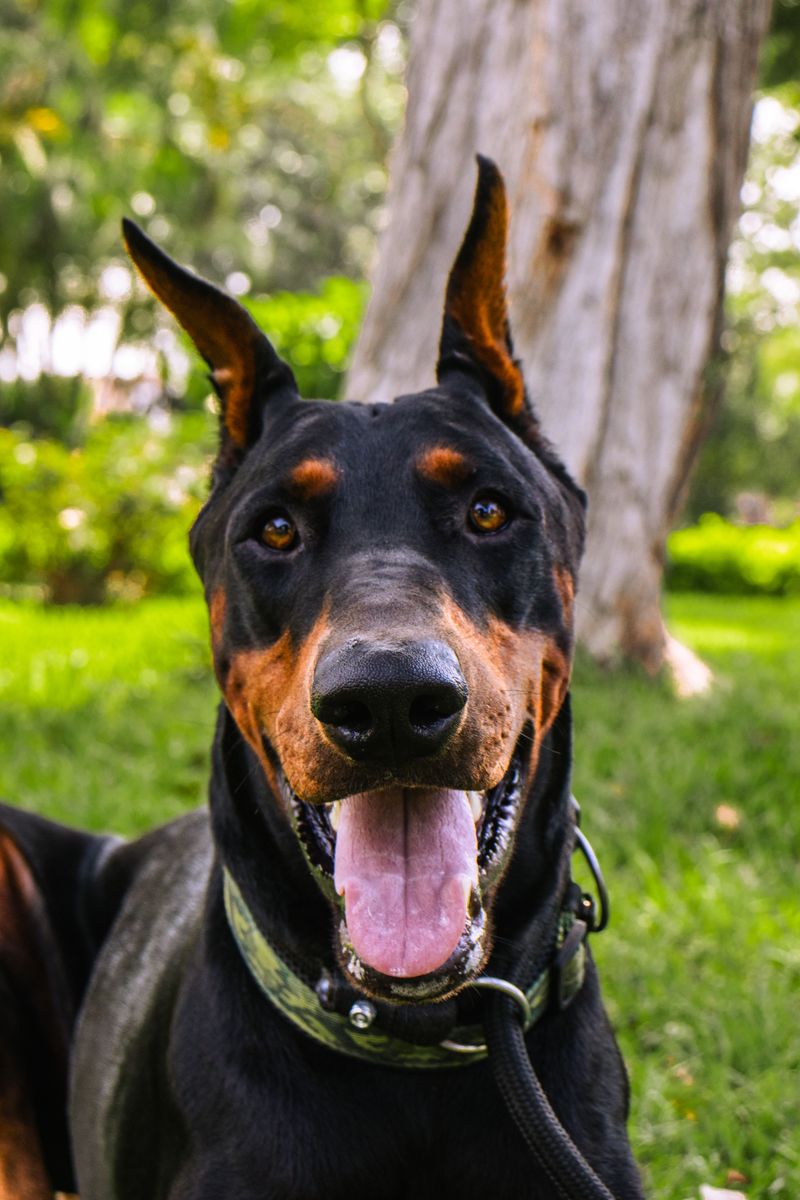
Dobermans watch you with laser focus. Their loyalty translates into rapid emotional reads, especially in busy environments.
You will feel safer and strangely calmer when that elegant silhouette plants itself between you and the world.
Give their devotion a job that soothes you. Teach a block and breathe routine that creates space, and a shoulder lean cue for grounding pressure.
I prefer confident, fair training with crystal clear boundaries. Mental work matters as much as exercise.
When anxiety knocks, this dog steps forward first, steady and certain, buying you a moment to reset. When calm returns, they drop into an easy lounge, still tracking you with gentle eyes that say I am here until you say we are good.
German Shepherd
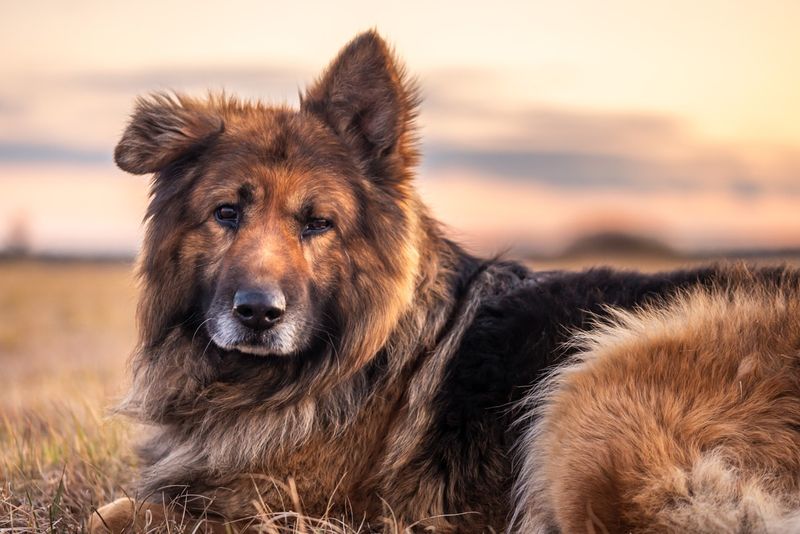
German Shepherds pair observation with purpose. They study your routines and sense when something is off, then position themselves to help.
You will notice the quiet shadowing, the reassuring glance, and the way they guide you toward steadier ground.
Harness that structure loving brain. Teach a check doors then rest routine that reduces intrusive worries, and a head on lap cue for pressure therapy.
Keep training fair, consistent, and enriched with problem solving. I like scent games for calm focus.
When stress builds, this dog anticipates needs and clears a path. When peace returns, they settle close, content to watch over the edges of your day, a loyal sentinel who understands both duty and tenderness.
Belgian Malinois
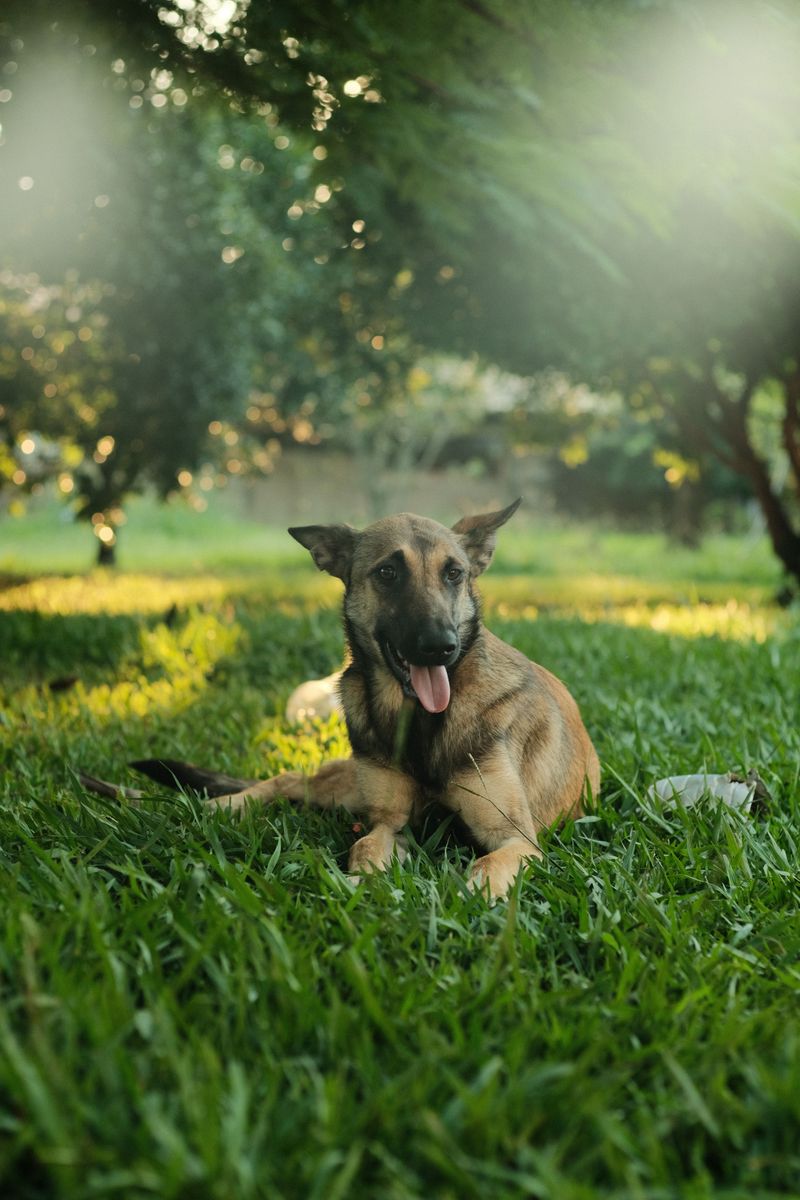
Belgian Malinois read tension like professionals and act decisively. Their drive is immense, which can turn into remarkable emotional support when guided well.
You will feel them step in before your thoughts tumble, offering movement or stillness with precision.
Structure is everything. I recommend daily obedience with impulse control, a settle on cot for calm, and a deep pressure shoulder lean on cue.
Enrichment that challenges the mind keeps empathy from becoming hypervigilance. Fair leadership and clear outlets are non negotiable.
When nerves spike, this dog moves first, creating space or connection as needed. When balance returns, they rest nearby, eyes soft, ready to help again.
It feels like carrying a focused teammate who cares fiercely.