
Some dogs feel your absence like a sudden silence, and their hearts race the second the door clicks shut. If you have a clingy pup, you know the whining, pacing, and dramatic reunions all too well.
The good news is that the right routines, enrichment, and training can flip the script. Let’s explore the breeds most likely to struggle and how you can help them feel secure when you step out.
Labrador Retriever
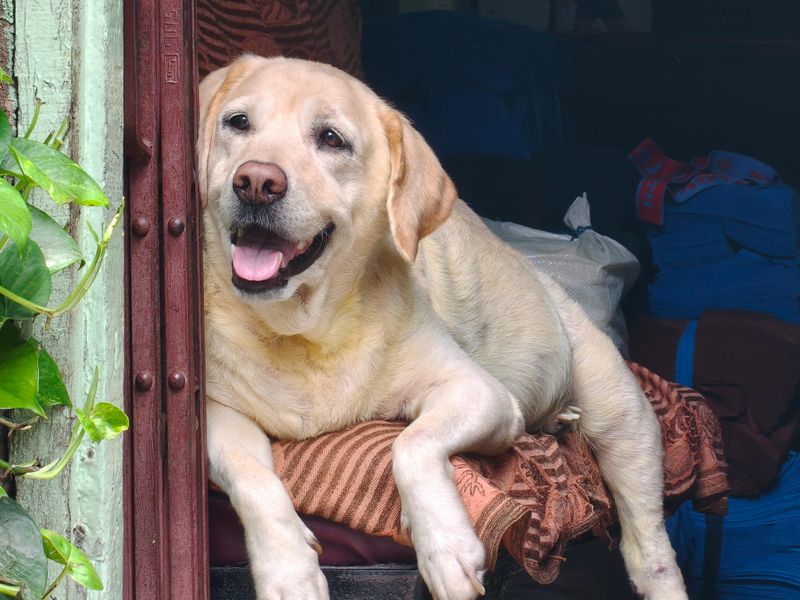
Friendly Labradors bond hard with their people, which is sweet until you close the door. Many Labs struggle with alone time, pacing, whining, or chewing as stress relief.
They crave predictable routines, mental puzzles, and plenty of exercise to keep feelings steady.
If you work long hours, consider doggy daycare or a trusted walker. Practice short departures and calm returns so your Lab learns that you always come back.
Food stuffed toys, snuffle mats, and scent games give their busy brains productive outlets.
Teach a solid settle cue and reward relaxed behavior before you leave. Rotate chew options to prevent boredom, and use white noise to mask hallway sounds.
With consistency, your velcro Lab can relax and nap while you tackle your day.
Golden Retriever
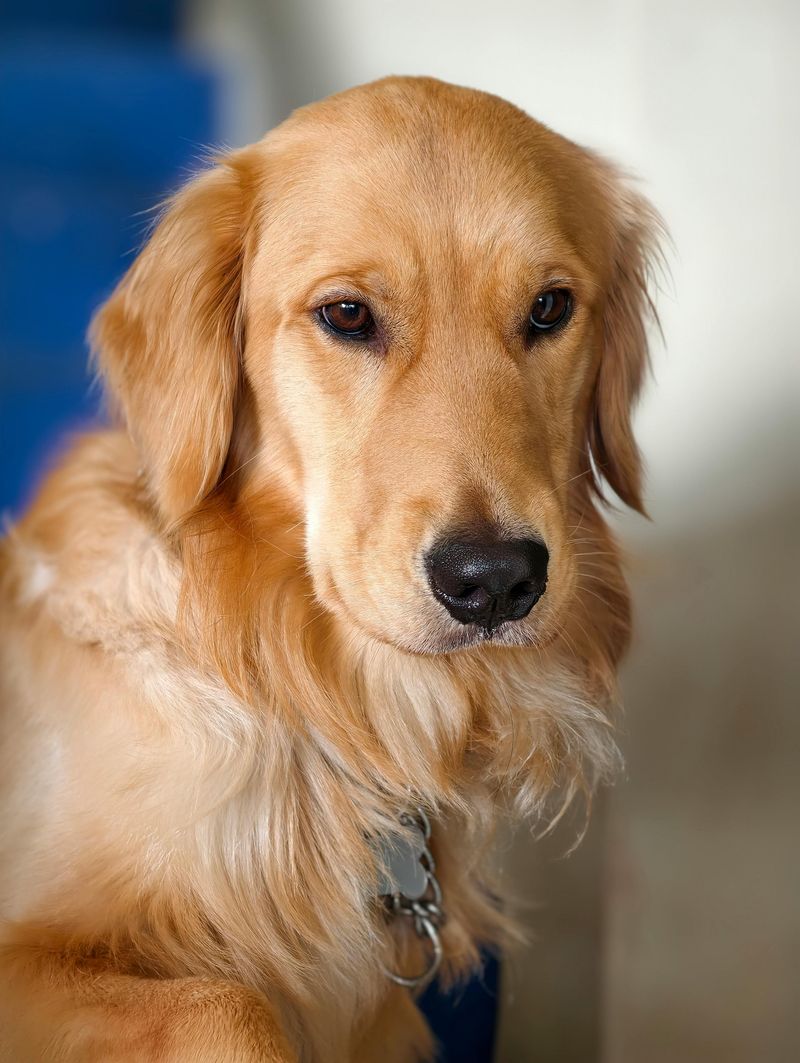
Goldens love deeply, which is why they often struggle when you leave. Their people pleasing nature and high empathy can morph into pacing, door watching, and vocalizing.
They do best with structured routines, physical exercise, and brain work that tires the body and mind.
Try calm, low key departures, and skip excited greetings until your pup settles. Teach place training so your Golden relaxes on a mat when you grab keys.
Load up food puzzles, lick mats, and frozen stuffed toys to create positive alone time associations.
Daily fetch, sniffy walks, and short training games build confidence. Consider a walker for long days and crate train thoughtfully as a safe den.
With consistency, your sunshine dog can snooze peacefully between cuddles.
Border Collie
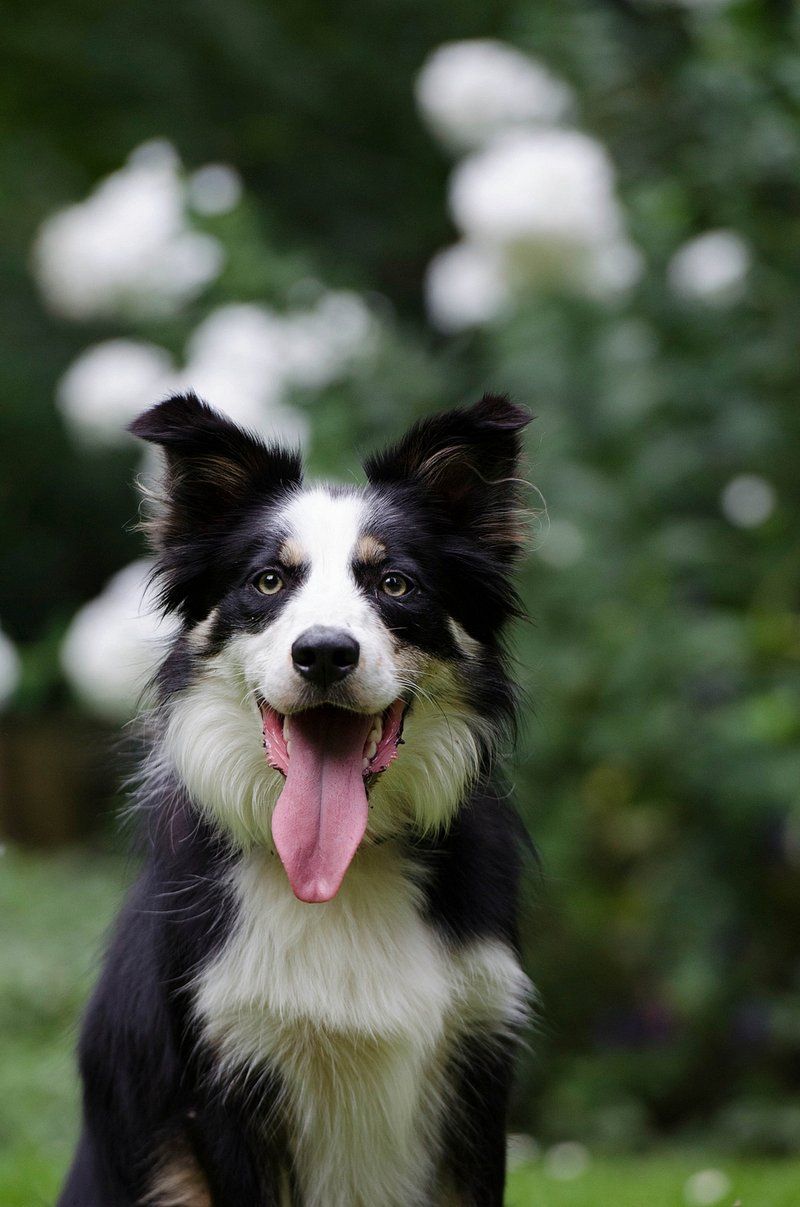
Border Collies are brilliant and motion sensitive, which makes alone time tough. Without jobs, they invent them, sometimes herding kids, chasing shadows, or shredding pillows.
Mental marathons matter as much as physical exercise, and predictable structure helps anxious brains settle.
Use decompression walks, nose work, and problem solving games to drain their mental battery. Pre leave training with calm settles and a stuffed chew builds a reliable routine.
Rotate enrichment like scatter feeds, cardboard shreddables, and hidden treats to keep novelty alive.
Teach independent play by rewarding quiet moments away from you. Block window triggers with film or curtains to reduce scanning.
When needs are met, this genius herder can finally rest instead of micromanaging your every move.
German Shepherd
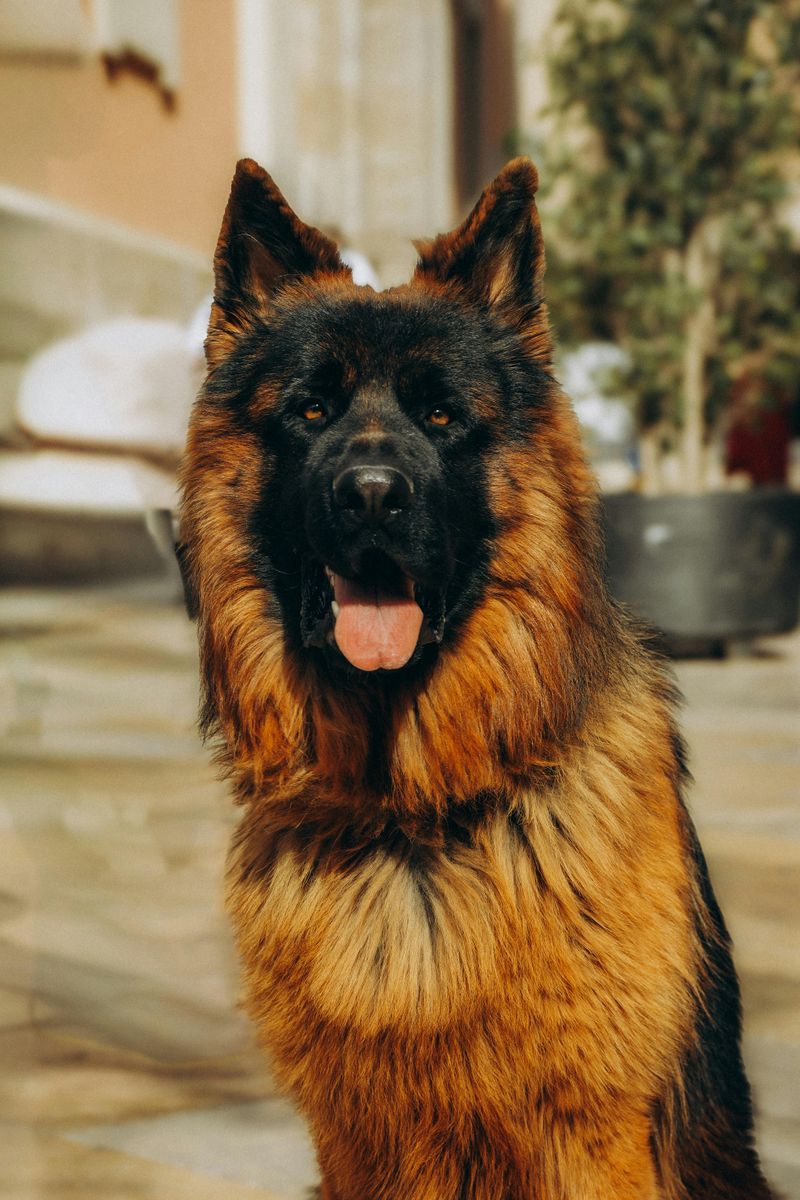
German Shepherds form intense bonds and take household security seriously. When left alone, worry plus vigilance can spike into barking, pacing, or door guarding.
Clear structure, confident handling, and daily outlets for work instincts help them relax off duty.
Teach a place command and reward long, lazy downs with calming chews. Pre departure sniffing games and foraging lower arousal before you leave.
Use management like covered crates or quiet rooms to reduce outside triggers and window watch spirals.
Give fulfilling jobs, like obedience drills, tracking, or tug with rules. Hire a trusted walker for midday breaks if hours stretch long.
With consistency and boundaries, your Shepherd can switch from anxious sentinel to peaceful nap partner.
Australian Shepherd
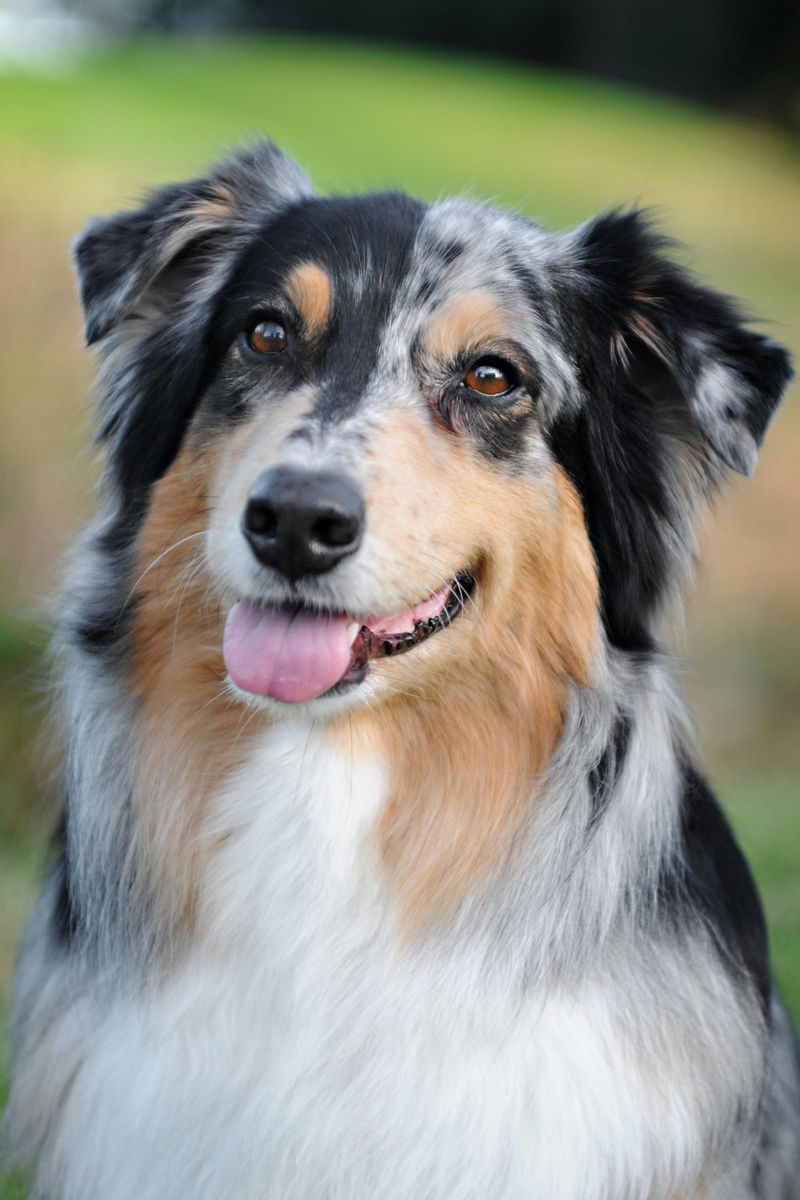
Aussies shadow their people and read every move, which makes goodbyes tricky. They are energetic problem solvers who spiral without outlets, showing whining, pawing, or destructive chewing.
Consistent exercise, jobs, and brain games keep their emotions from bubbling over.
Create predictable goodbye rituals that include a mat settle and a long lasting chew. Mix in agility style drills or trick training to burn mental fuel before departures.
Block overstimulating views and use white noise so small sounds do not trigger alerting.
Teach independence gradually by rewarding calm in a nearby room. Rotate activities like snuffle boxes, flirt pole bursts, and scatter feeding.
With a plan and patience, your shadowy Aussie learns to chill while you handle life.
Vizsla
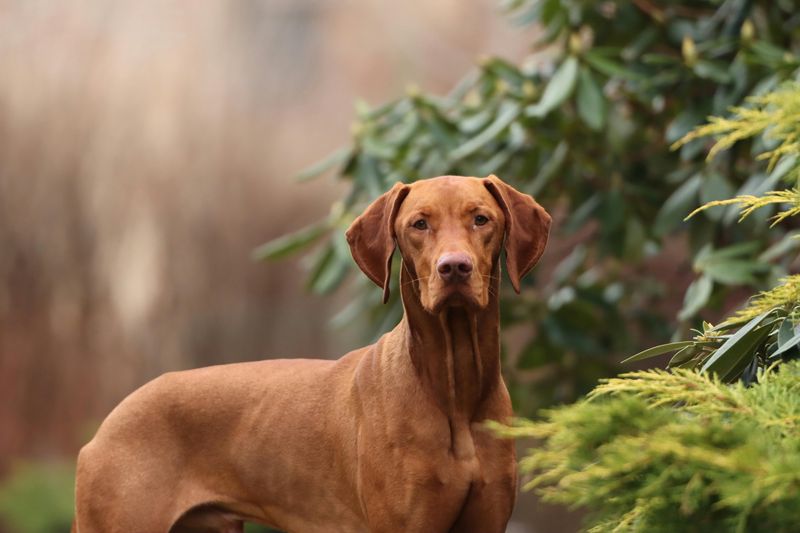
Vizslas earn the nickname velcro dogs for a reason. Sensitive and affectionate, they can panic when routines change, showing clinginess, whining, or frantic greetings.
Gentle structure, steady exercise, and lots of sniffing help their nervous systems find balance.
Practice relaxed departures that start with a mat settle and a tasty chew. Keep greetings low key so excitement does not spike into anxiety loops.
Use scent games, hide and seek, or hallway fetch to meet needs before you go.
Cozy, covered crates can feel den like and secure for many Vizslas. White noise and closed curtains reduce stimulation, helping them doze.
With patience and repetition, your cinnamon shadow can nap confidently until your key turns.
Cavalier King Charles Spaniel
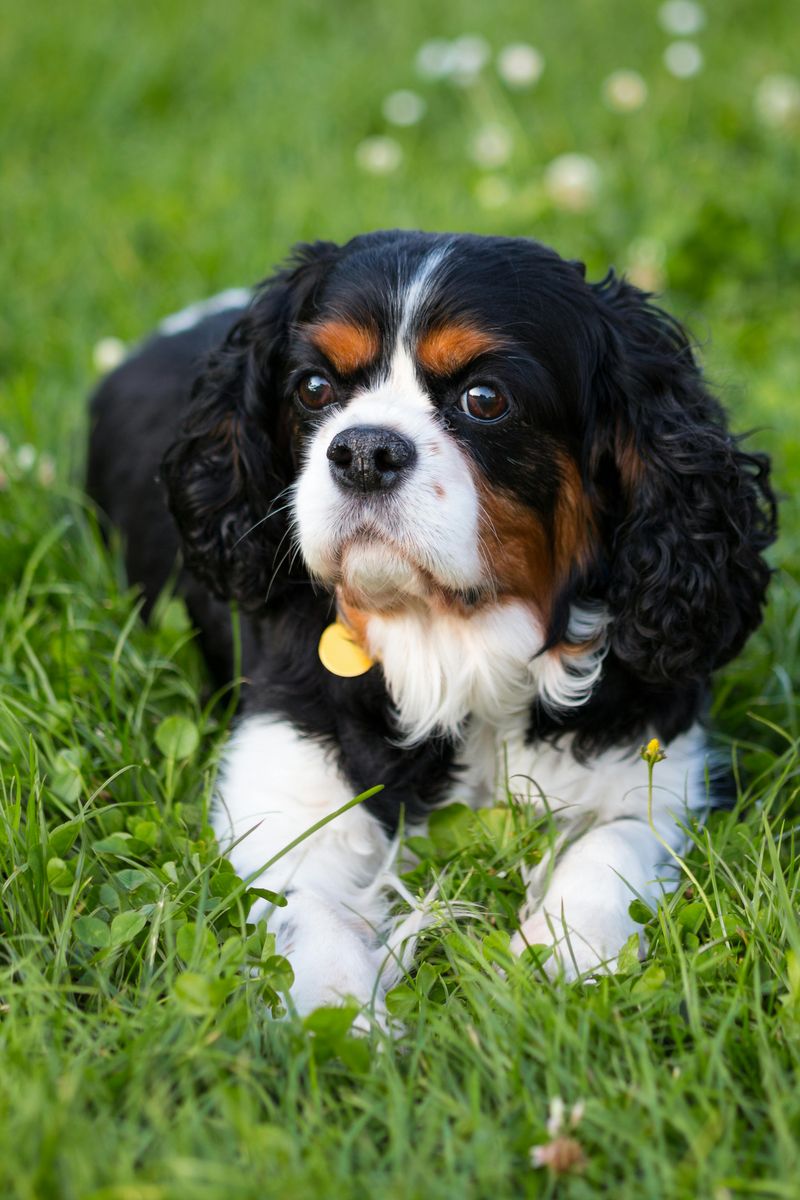
Cavaliers adore close contact and thrive on gentle companionship. When left alone, their soft hearts can worry hard, leading to crying, scratching, or door hovering.
Keep days predictable, meet exercise needs, and provide cozy spots that smell like you.
Before leaving, offer a lick mat or stuffed chew on a comfy bed. Train a quiet settle cue and reward slow breathing and stillness.
Keep returns calm and sweet, not explosive, so emotions stay level and manageable.
Add short independence reps while you shower or step outside briefly. Use snuffle mats, food trails, and easy puzzles to occupy curious noses.
With reassurance and routine, your tender Cavalier learns that alone time can feel safe.
Bichon Frise
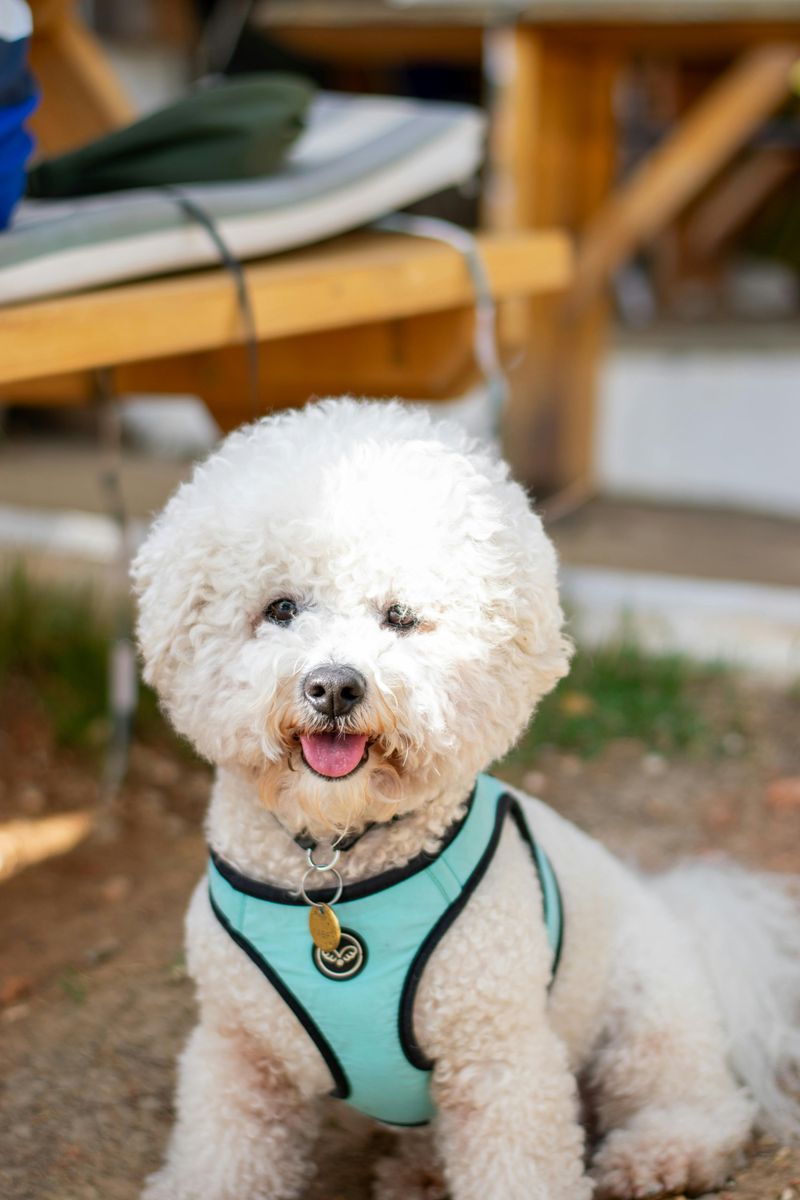
Bichons are cheerful companions bred to be with people all day. That history can make quiet apartments feel lonely, triggering barking, scratching, or potty accidents.
Gentle schedules, frequent play, and confidence building games reduce their worry about gaps.
Use short practice departures paired with a delicious, long lasting chew. Reward calm when you grab shoes, keys, or your bag so cues lose meaning.
Keep grooming and cuddle sessions separate from goodbyes to avoid mixed signals.
Encourage independence by treating relaxed moments on a bed across the room. Consider a walker or daycare for social butterflies that wilt alone.
With patience, your cotton cloud can snooze, then greet you with happy twirls instead of stress.
Havanese
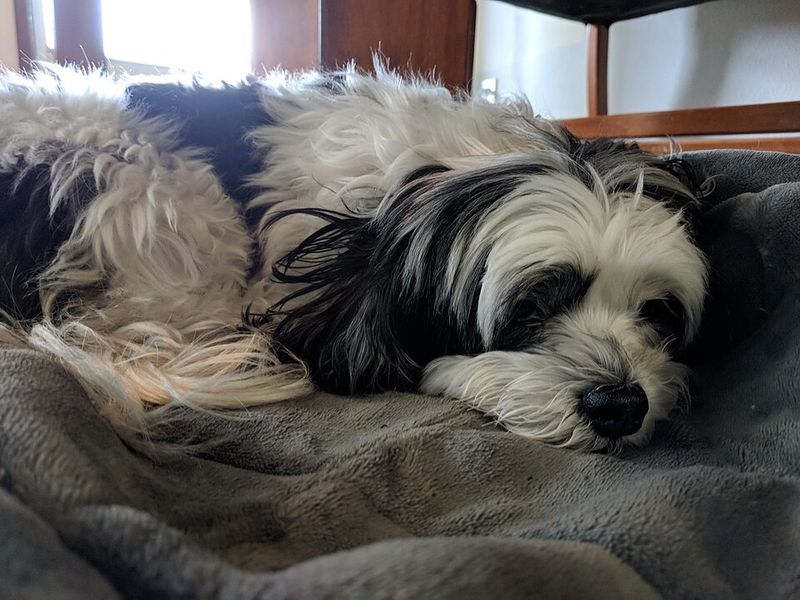
Havanese were bred as close companions, so solitude can rattle them. You might see shadowing, door watching, or vocal pleading when routines shift.
Predictable schedules, decompression walks, and rewarding calm behavior build security and reduce clinginess.
Introduce tiny absences paired with special chews they only get when you leave. Practice picking up keys without departing, then return calmly after true exits.
Keep a comfy nest area ready, with your scent on a blanket for reassurance.
Teach a go to mat cue and reinforce quiet, slow breathing. Use window film or curtains to limit neighborhood triggers and lower arousal.
With thoughtful habits, your velvety companion can relax peacefully between play sessions.
Italian Greyhound
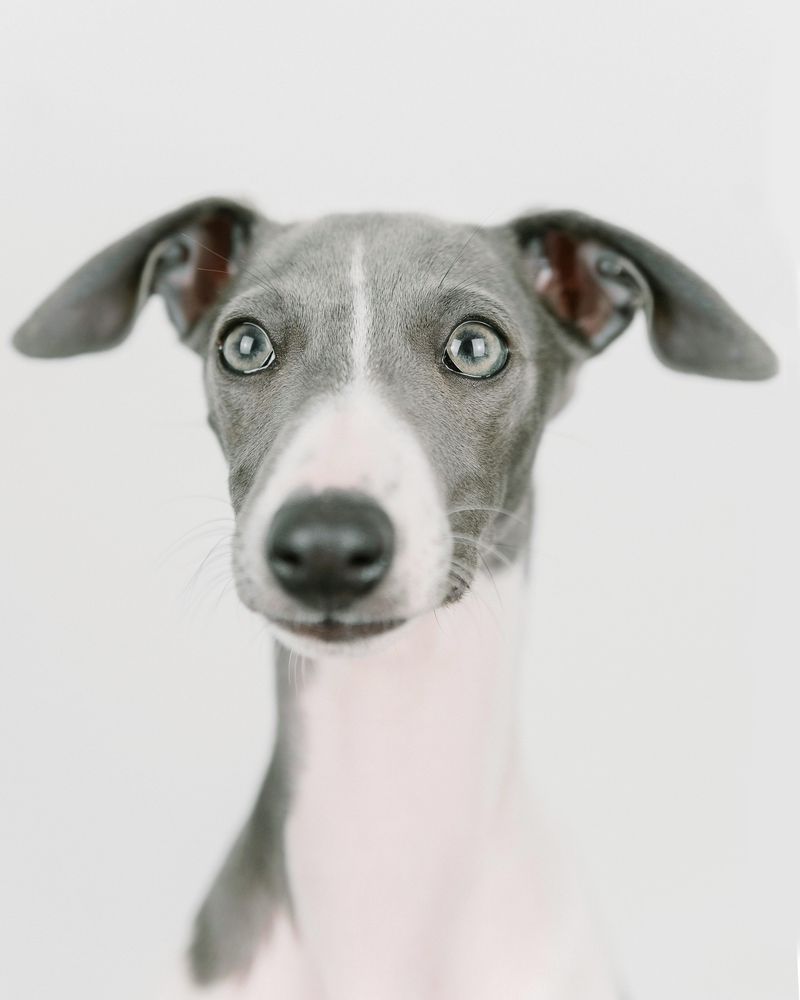
Italian Greyhounds are sensitive souls who love warm laps and quiet company. Sudden alone time can feel chilly and scary, sparking trembling, whining, or house soiling.
Warm, secure resting spots and predictable rituals make goodbyes feel less dramatic.
Use gentle pre departure routines with a cozy bed and a tasty chew. Reward settled behavior while you move around collecting keys or a coat.
Keep returns calm and soothing so excitement does not rebound into anxiety.
Try snuggly crates with soft bedding and sweaters for temperature comfort. Offer scent work, flirt pole sprints, and tiny training games to satisfy needs.
With kindness and repetition, your elegant shadow learns that quiet time can be safe.
Doberman Pinscher
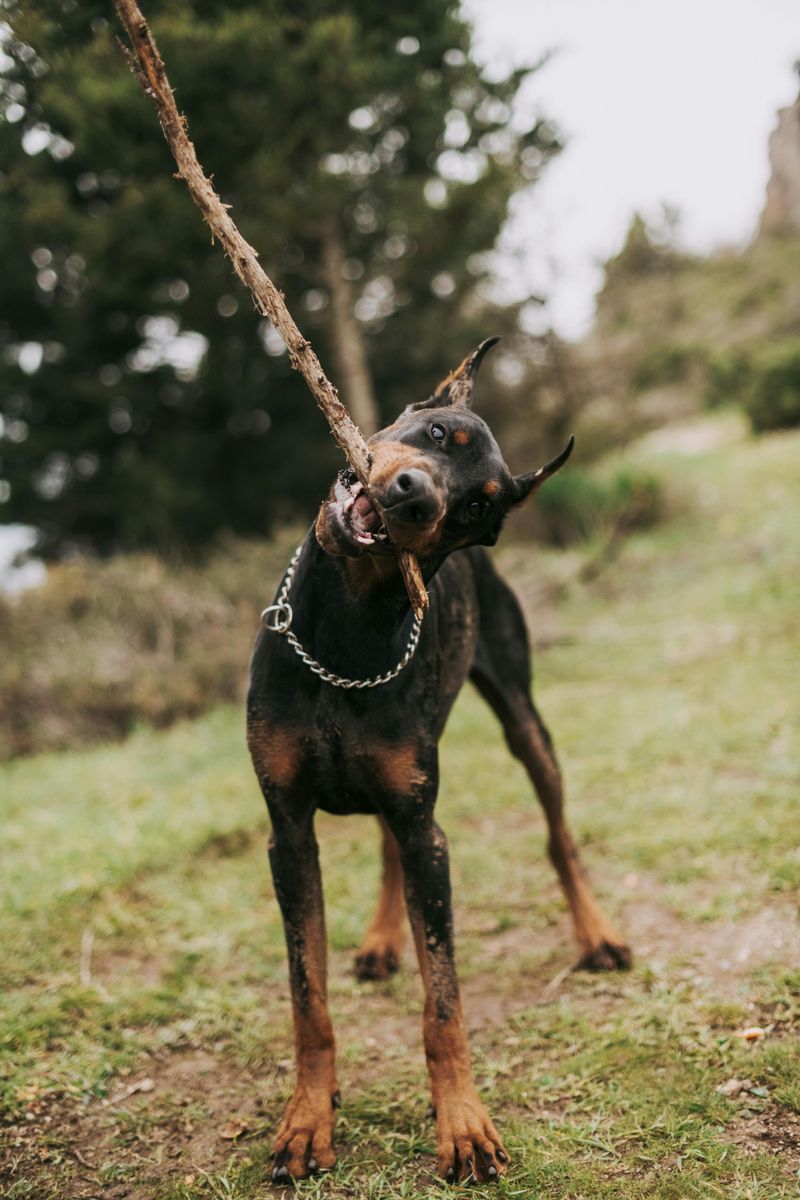
Dobermans attach strongly and take family protection seriously, which can fuel anxiety when alone. Without clear structure, they may patrol, vocalize, or fixate on hallway sounds.
Daily exercise, training jobs, and restful routines help them switch off guard mode.
Teach a place cue and reward long, relaxed downs with durable chews. Keep departures quiet, then return low key to avoid emotional spikes.
Use white noise and covered crates or quiet rooms to block stimulating triggers.
Build independence by reinforcing calm while you shower or step outside briefly. Mix in scent work, tug with rules, and obedience drills to satisfy working brains.
With boundaries and consistency, your Doberman can nap peacefully until duty calls.