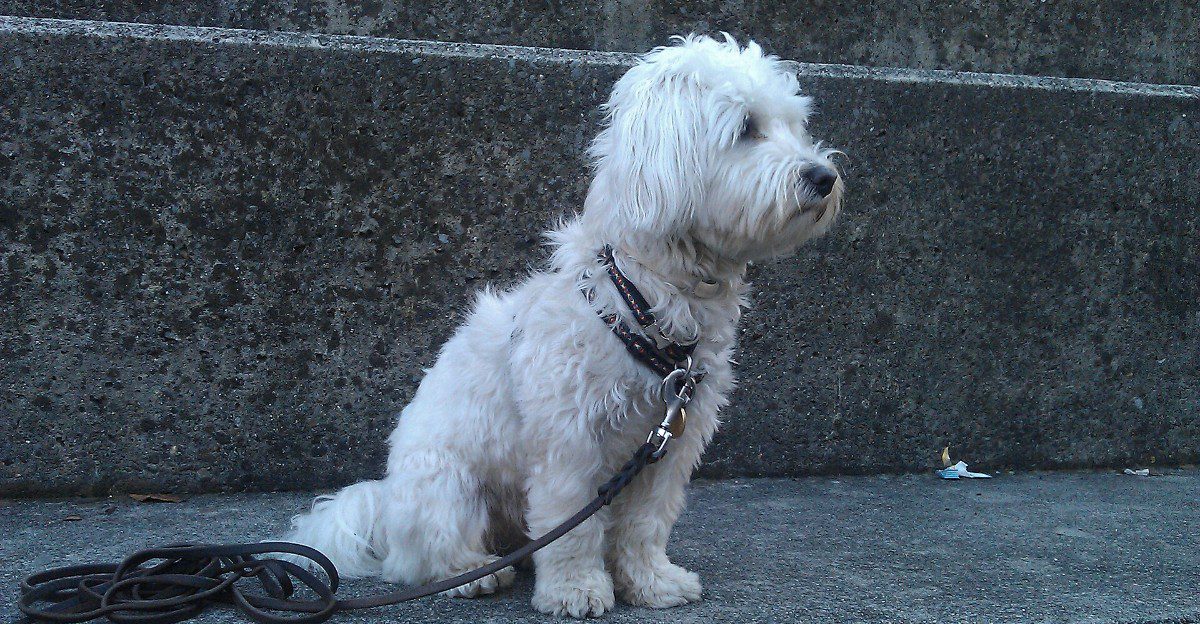
A dog with a kind, steady personality can bring comfort to everyday life. Some breeds tend to be friendly and patient, but every dog has its own needs and limits.
Training, health, and early experiences also shape how a dog behaves. Meet these lovable breeds, and look for a dog whose personality fits your home.
Golden Retriever
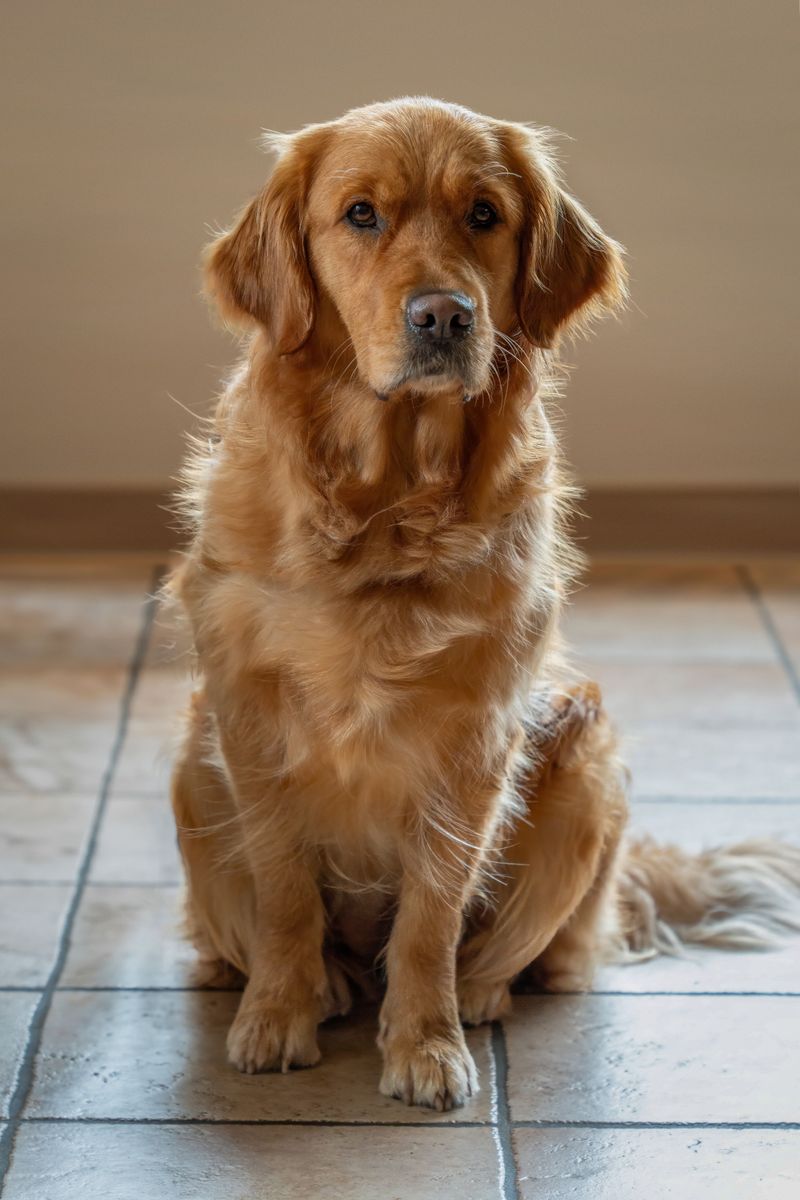
A wagging tail and a toy at your feet often sum up life with a Golden Retriever. Many enjoy meeting people and learning new skills, which makes reward based training especially useful.
Plan for daily walks, games, and regular brushing rather than expecting a quiet couch ornament. Young Goldens can be bouncy, so teach polite greetings early.
When meeting a possible pet, look for relaxed behavior and recovery after excitement, not friendliness alone during visits.
Newfoundland
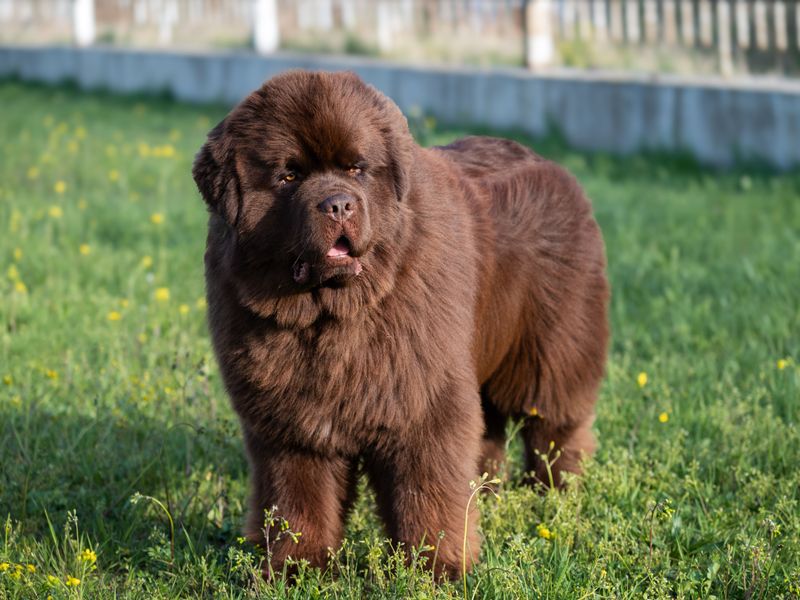
Behind that huge, fluffy body is often a patient dog that likes staying close to family. Newfoundlands were developed for demanding work around water, but many bring a calm presence to home life.
Size still matters: even a friendly bump can knock someone over. Teach careful movement, supervise time with children, and budget for grooming, drool cleanup, and veterinary care.
Ask about heart screening and choose exercise suited to age, health, and the weather outside.
Cavalier King Charles Spaniel

A warm lap can be a favorite destination for this affectionate little spaniel. Cavaliers often enjoy both quiet cuddles and gentle outings, making them appealing to people who want closeness without a giant dog.
Being small does not mean needing little care. Arrange daily walks, brush those silky ears, and practice short periods alone.
Heart disease is a major breed concern, so discuss screening with a veterinarian and seek documented health testing from responsible breeders.
Rough Collie
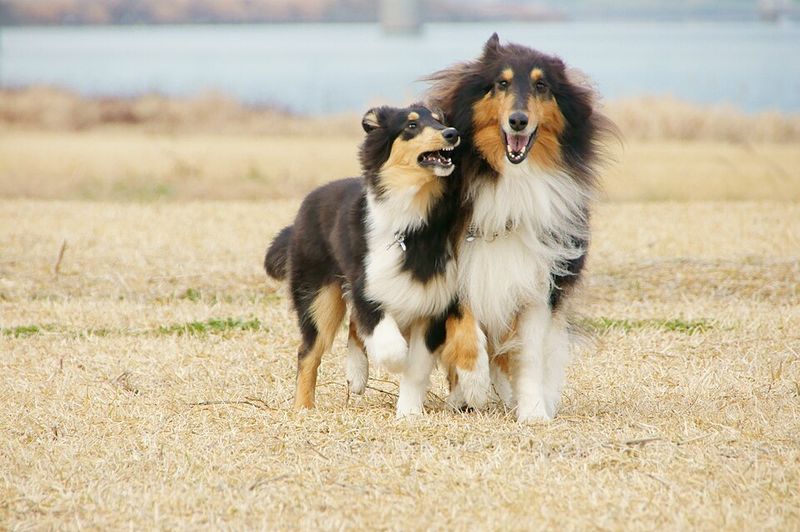
Watchful eyes and a flowing coat give this herding dog a storybook look. Many Rough Collies are sensitive companions that respond better to patient teaching than loud corrections.
Offer walks, sniffing games, and simple training tasks to keep that clever brain busy. Some bark readily or try to herd running children, so guide those habits early.
Regular brushing prevents tangles, while supervised introductions help you judge how an individual dog handles your family’s everyday activities.
Labrador Retriever
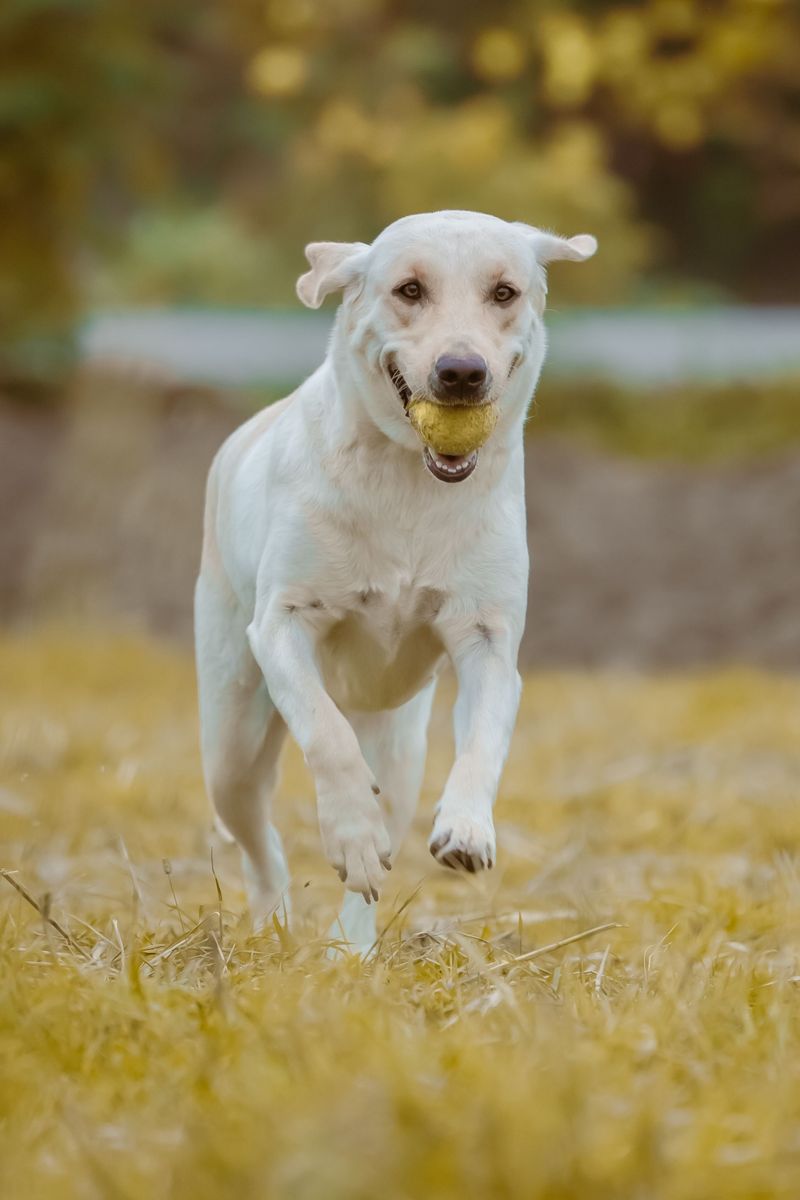
The dog carrying a tennis ball like precious treasure might be a Labrador. Known for sociable, eager personalities, Labs often enjoy joining whatever their people are doing.
That cheerful spirit needs an outlet, especially during youth. Combine daily activity with lessons on loose leash walking and keeping paws on the floor.
Use part of meals as training rewards to avoid extra calories. Choose a dog whose energy suits your routine, rather than relying on reputation.
Bichon Frise
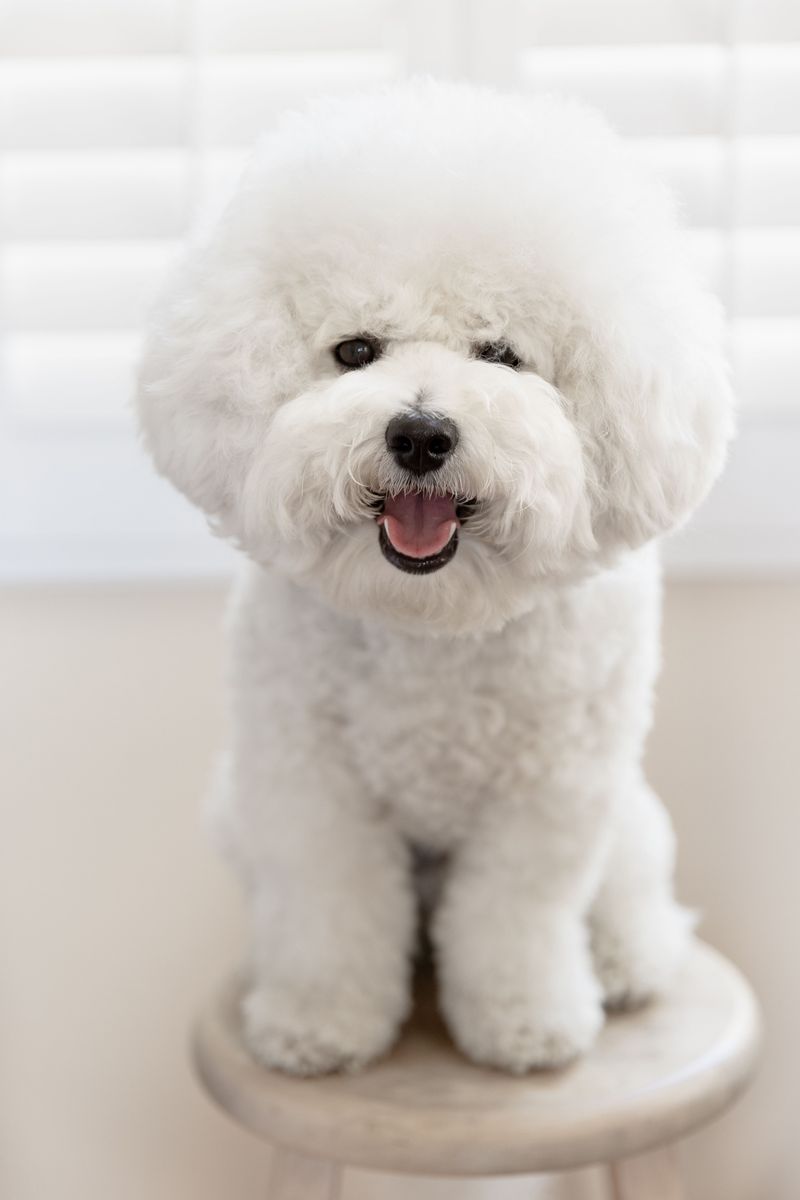
Picture a little white cloud trotting over to welcome a visitor. Bichons often bring a playful, outgoing mood to the household, with enough curiosity to enjoy learning tricks.
Their fluffy coats need frequent brushing and professional grooming, so include that expense in your plans. Practice calm greetings and reward quiet moments instead of encouraging constant excitement.
Gradual alone time training can help a people loving dog feel more comfortable when you leave for short errands.
Havanese
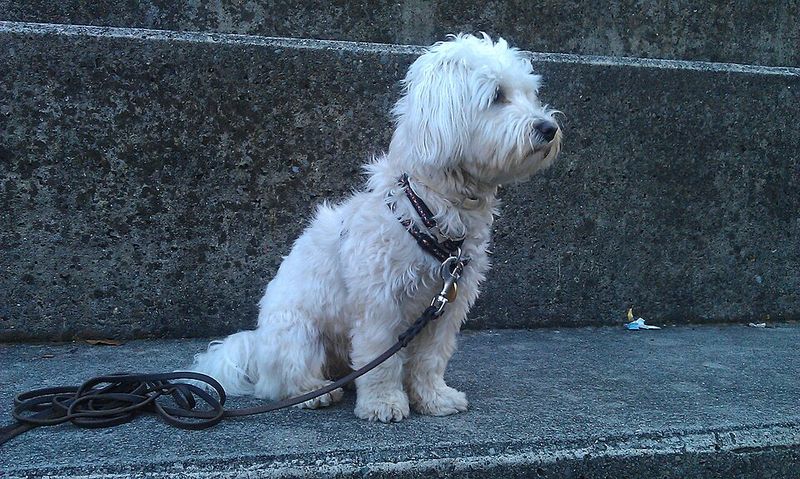
Moving from room to room may earn you a small, devoted follower. Havanese often seek close contact and bring a bright, friendly attitude to daily routines.
Short walks, indoor play, and kind training usually suit their small size well. Keep the coat brushed or arrange a manageable trim with a groomer.
Because constant company can become an expectation, teach comfortable independence gradually. Children should handle these dogs gently, with an adult watching every shared interaction.
Irish Setter
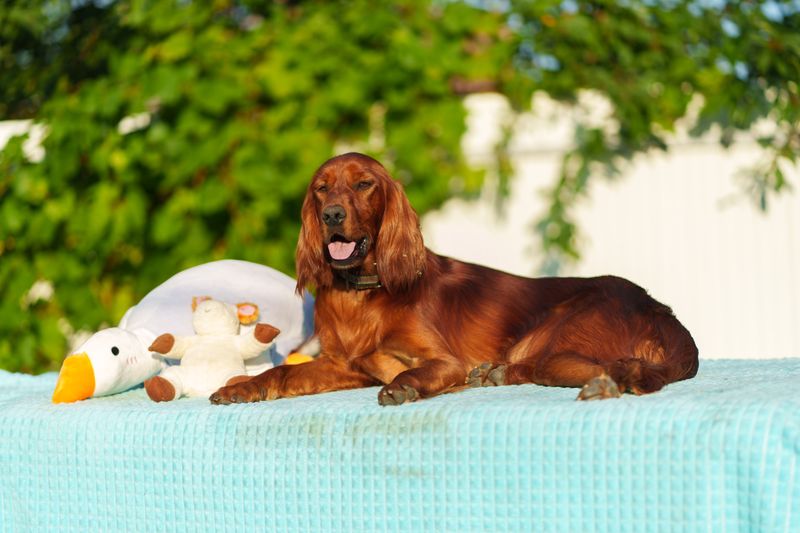
Silky red fur may catch your eye first, but a joyful personality often wins people over. Irish Setters commonly enjoy friendly contact and active adventures with their families.
Gentle does not always mean mellow, especially with a young setter. Provide generous daily exercise, safe sniffing time, and patient practice with settling indoors.
Their enthusiasm can overwhelm smaller children, so supervise play. A secure yard and dependable leash habits help manage a dog interested in birds.
English Cocker Spaniel

A nose busy exploring the garden belongs to a dog built for discovery. English Cocker Spaniels often mix affection with sporting energy, enjoying family contact as much as interesting outdoor smells.
Make room for daily walks and games that involve finding treats. Check ears regularly and ask your veterinarian how to care for them safely.
Gentle handling and reward based lessons build trust. Look for steady behavior during visits, since personalities vary within every breed.
Whippet

One minute there is a blur across the field; later, a blanket burrower appears on your sofa. Many adult Whippets are quiet indoors when their exercise needs are met.
Use secure fenced spaces for running, since chasing small animals can override recall. Their thin coats offer little protection from cold, so consider a fitted coat in chilly weather.
Introduce cats carefully, without assuming safety, and offer soft bedding for a dog that truly appreciates comfort.
Bernese Mountain Dog
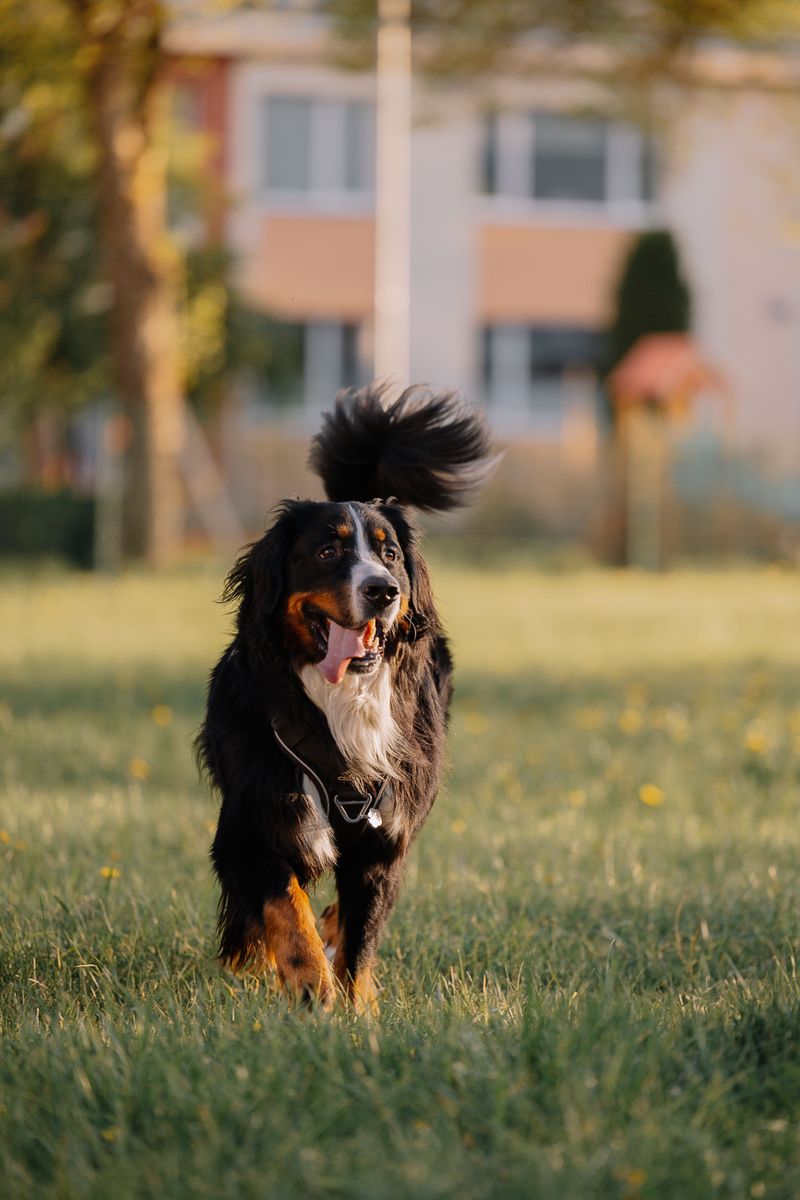
Leaning against your leg can be this large dog’s quiet way of asking for affection. Bernese Mountain Dogs often form strong family bonds and show a steady, welcoming manner.
Plan for substantial shedding, careful training, and room to move comfortably. Moderate exercise in cool conditions suits them better than hard activity in heat.
The breed faces serious health risks and often shorter lifespans, so review health records and discuss realistic care costs before bringing one home.