
German Shepherds are known for their intelligence, loyalty, and dynamic personalities. However, these traits come with unique behaviors that new owners should be aware of. Understanding these can help you provide a loving and nurturing environment for your canine companion.
Intense Herding Instincts

With a focus sharper than a laser, German Shepherds have a natural herding instinct that stems from their origins as working dogs. This behavior might translate to attempts to herd children, other pets, or even family members.
In open spaces, they may circle around you, trying to gather everyone together. It’s a beautiful dance of instinct and purpose, showcasing their innate drive.
This trait can be channeled positively with structured activities or training, providing an outlet for their energy and intelligence.
Constant Need for Mental Stimulation

Like a brilliant scholar hungry for knowledge, German Shepherds thrive on mental challenges. Without enough stimulation, they may become bored and even destructive.
Engage their minds with puzzle toys, obedience training, or even agility courses. Their keen intelligence makes them eager learners and problem solvers.
Daily mental exercise is essential to keep these bright companions happy and well-behaved, turning potential restlessness into productivity.
Strong Protective Tendencies

Vigilant as a night watchman, German Shepherds are known for their strong protective instincts. They naturally guard their family and territory, often becoming protective when strangers approach.
Proper socialization is crucial to ensure their protective nature remains controlled and balanced. Exposing them to various environments helps them distinguish between normal situations and potential threats.
Understanding this trait will enable you to nurture a confident and well-adjusted dog who protects without unnecessary aggression.
Velcro-Dog Attachment to Their Owner

As loyal as a shadow, German Shepherds often form strong bonds with their owners, earning the nickname “velcro dogs.” This attachment means they love being near you, whether during a walk or lounging at home.
This behavior can be endearing, fostering a deep emotional connection. However, it may also lead to separation anxiety if not managed carefully.
Building independence through training and alone-time can help balance their attachment, ensuring they’re content even when you’re not around.
High Prey Drive Outdoors

With a focus as keen as a hawk’s, German Shepherds possess a high prey drive, often exhibited during outdoor activities. They might chase after squirrels, birds, or anything that moves.
This instinct can be harnessed positively through structured play, like fetch, allowing them to channel their energy and agility.
Understanding their drive can prevent unwanted chasing behaviors and ensure safe, enjoyable outdoor experiences.
Vocal Communication Through Whining and Grumbling

Communicative as a talkative friend, German Shepherds often express themselves through a variety of vocalizations, including whining and grumbling. These sounds can indicate needs, excitement, or even displeasure.
Recognizing their vocal cues helps in understanding their emotions and responding appropriately. It’s their way of sharing their world with you.
This behavior adds depth to their personality, making interactions lively and engaging.
Patrolling the Home Naturally
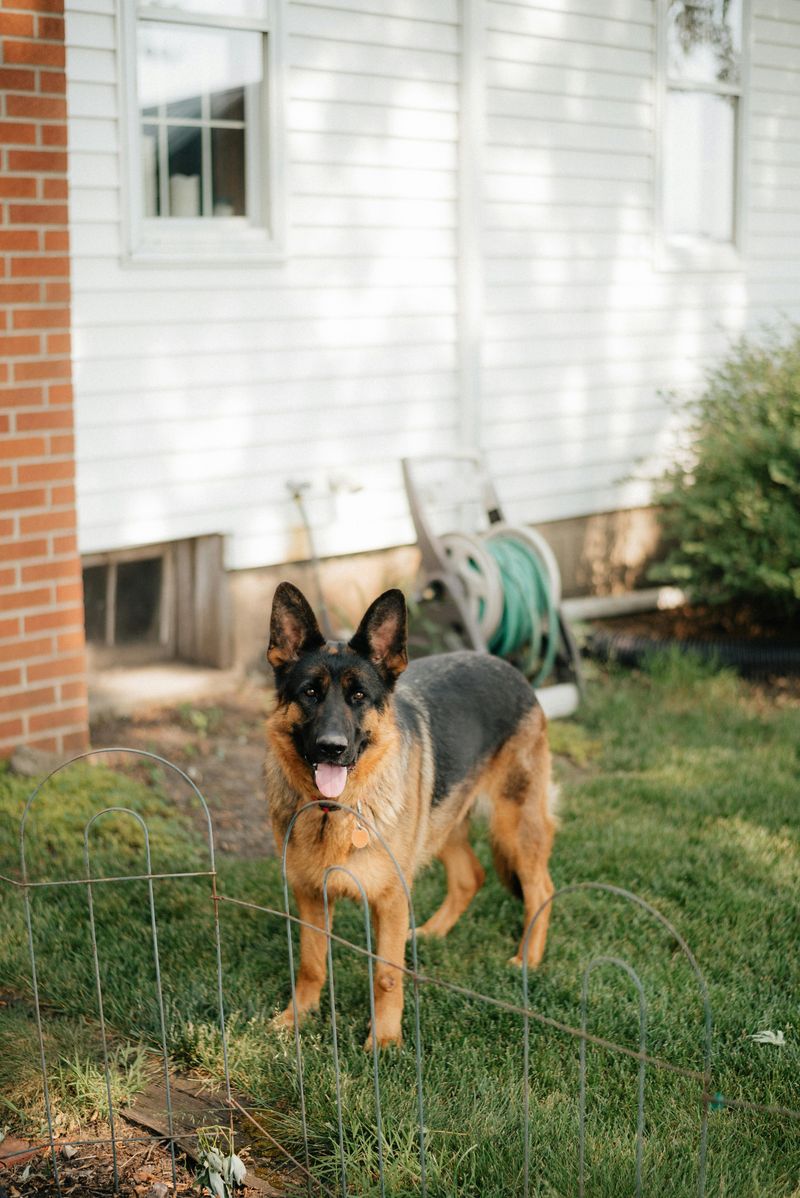
With the diligence of a security guard, German Shepherds often patrol their living spaces, instinctively checking for changes or intruders. This behavior reflects their protective nature and need to understand their environment.
Encouraging this habit can reinforce their role in the household, giving them a sense of purpose.
However, guiding them with gentle training ensures this behavior remains a positive trait, preventing over-vigilance.
Chewing When Bored or Understimulated

Like a frustrated artist without a canvas, German Shepherds may resort to chewing when bored. This behavior can be destructive if not redirected properly.
Offering chew toys or engaging them in interactive play can satisfy their need for stimulation and prevent unwanted chewing habits.
Understanding this tendency allows you to provide alternatives, ensuring a happy and harmonious home environment.
Shadowing You from Room to Room

With the devotion of a steadfast companion, German Shepherds often follow their owners from room to room, reflecting their deep attachment and curiosity.
This behavior keeps them engaged with the household’s daily rhythm, allowing them to feel connected and involved.
While endearing, creating boundaries helps balance their attachment, fostering independence and reducing anxiety.
Quick Learning—Both Good and Bad Habits
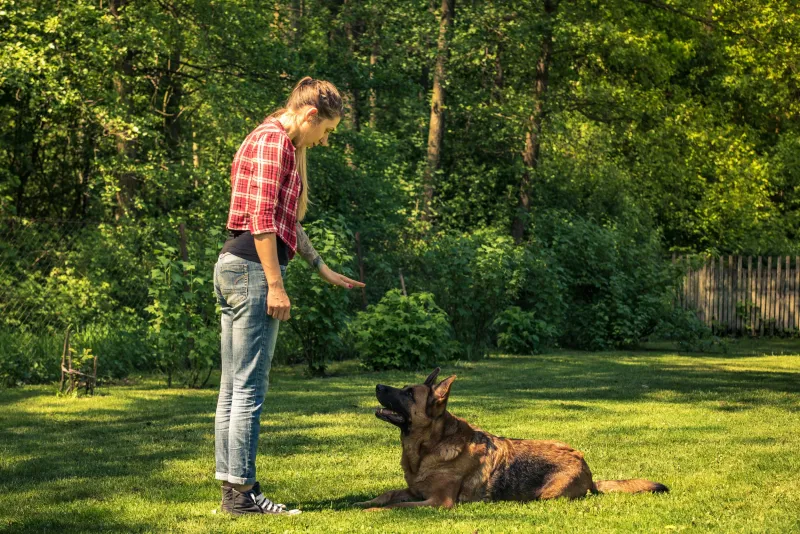
As sharp as a tack, German Shepherds quickly pick up on both good and bad habits. Their intelligence makes them exceptional learners, but it also means they can easily pick up unwanted behaviors.
Consistent training and positive reinforcement are key to guiding them towards desired habits. Establishing clear rules and routines helps channel their learning capabilities.
This trait is a testament to their brilliance, turning training into a rewarding experience when handled correctly.
Sensitivity to Your Tone and Emotions

With sensitivity akin to a close friend, German Shepherds are highly attuned to their owner’s tone and emotions. They respond to voice changes, often mirroring your emotional state.
This empathy makes them excellent companions, providing comfort and understanding in times of need.
However, being aware of your emotional expressions ensures you communicate effectively, fostering a harmonious relationship.