
Big dogs steal hearts fast, but their size can flip daily life in ways you do not see coming. Furniture, budgets, and routines all change when paws the size of mittens arrive.
These gentle titans are unforgettable, yet many owners admit they underestimated the space, training, and time required. If you are considering one, learn what living large truly means before it is too late.
Great Dane
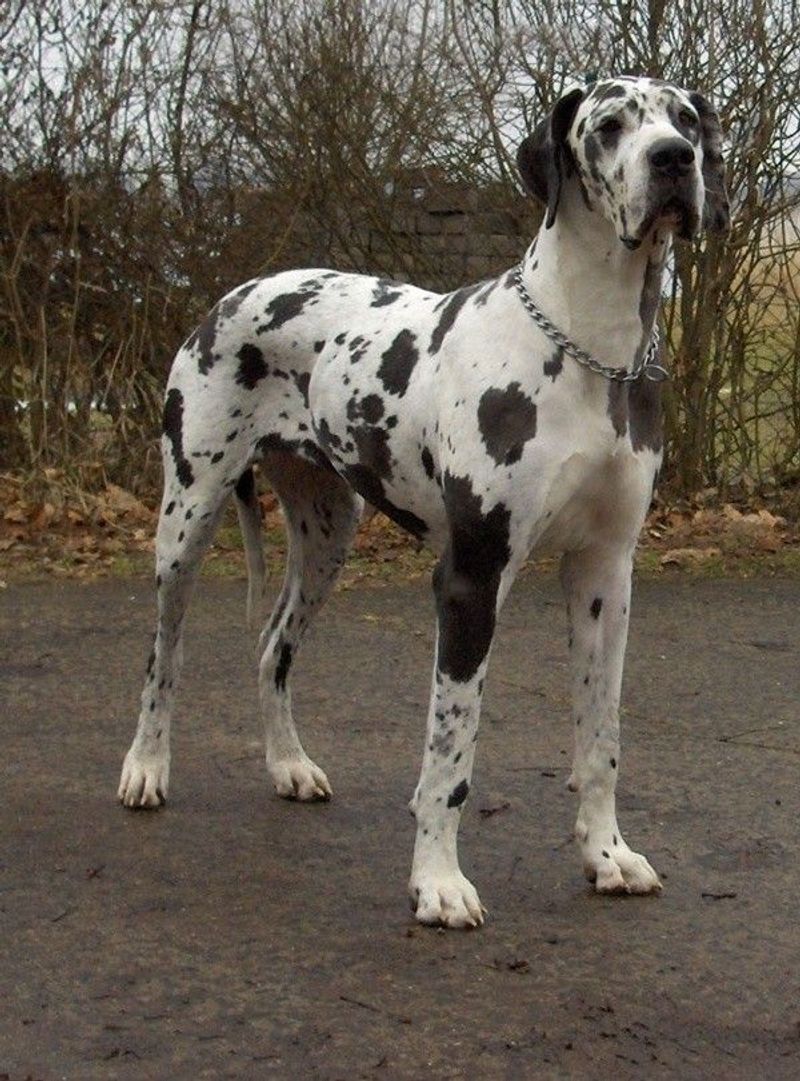
Great Danes look elegant until you realize the couch is basically their personal island. They are gentle and goofy, yet their sheer height clears coffee tables with a single tail sweep.
Daily life means counter surfing, slobber strings, and legs that tangle your morning routine.
Exercise needs are moderate, but space requirements are massive, especially when zoomies ignite. You will budget for giant-breed food, raised bowls, and vet care that climbs with their size.
Love them fiercely, train early with kindness, and accept that drool art becomes your new decor.
Short lifespans demand proactive screening for hearts, hips, and bloat. Teach calm leash skills because curious strangers will approach, and sheer size can intimidate.
Gentle giants still require firm boundaries.
English Mastiff
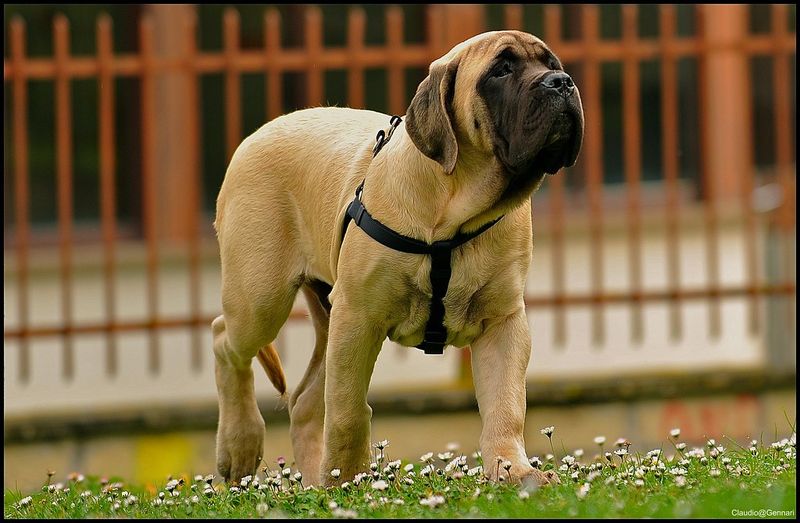
English Mastiffs redefine heavy. You notice it when the dog leans gently and your knees bend anyway.
Their calm demeanors lull you into confidence, but management matters because momentum plus mass can topple toddlers, lamps, and weekend plans.
They need early socialization, short daily walks, and clear boundaries to prevent pushy habits. Food and supplements add up, as do orthopedic beds and vehicles that fit their frame.
Drool towels become decor, and routine grooming keeps skin folds healthy.
They adore family time, yet separation can trigger destructive boredom. Train cooperative handling for vet visits and nail care, since lifting is unrealistic.
If you value peaceful companionship, this steady guardian returns limitless devotion for steady leadership.
Saint Bernard
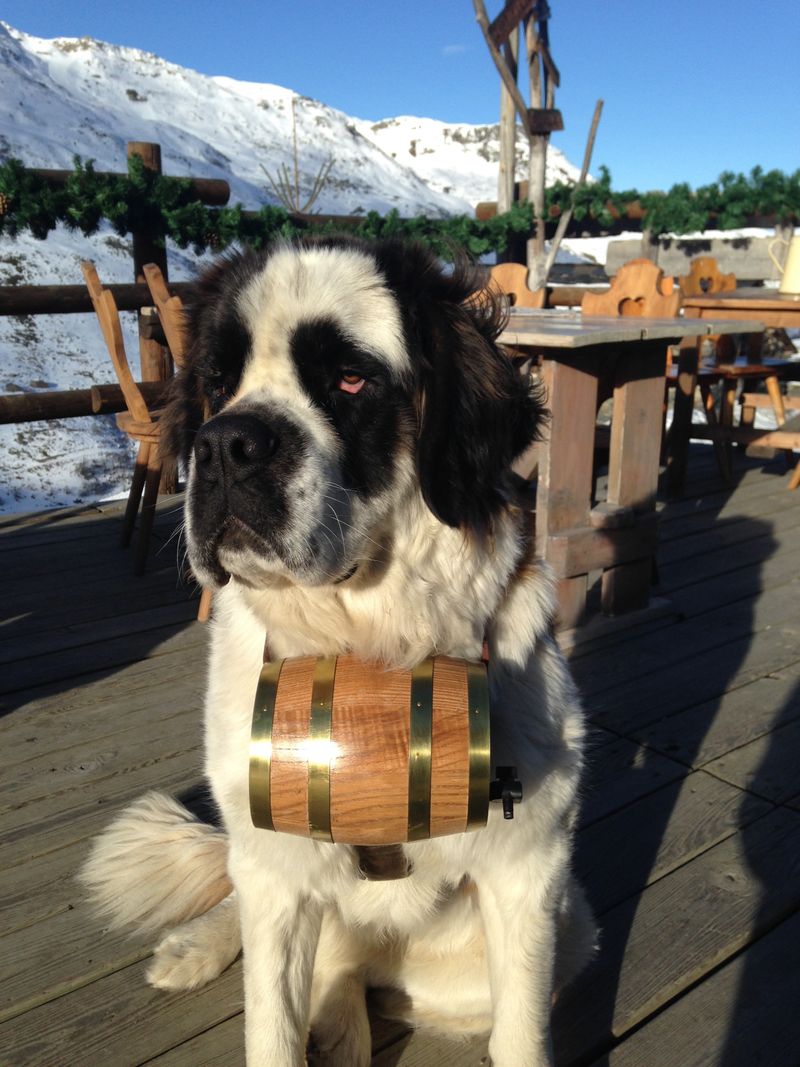
Saint Bernards greet you like a warm blanket that walks. Their easygoing charm hides monumental upkeep, from dense coats to Niagara-level drool.
Mud, snow, and hair drift inside, so floors and washing machines train for endurance.
They thrive on human connection and moderate exercise, not marathons. Early training curbs pulling, because even friendly greetings can yank you downhill.
Regular brushing prevents mats, and summer heat management is nonnegotiable.
Health planning matters, including hips, elbows, and bloat awareness. Keep water and towels handy after every drink, because shake-offs repaint rooms.
With patience and structure, you gain a tender, kid-soft companion who watches over the house like a plush, living hearthstone.
Newfoundland
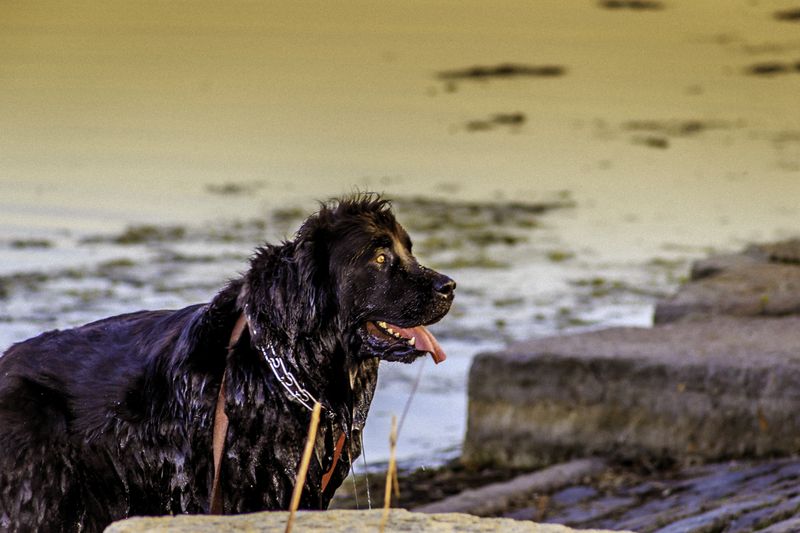
Newfoundlands are water-loving lifesavers with hearts to match their paws. That sweet nature comes with relentless grooming and moisture management.
Expect damp carpets, a perpetual dog-smell challenge, and tumbleweeds of undercoat during seasonal blows.
They crave closeness, excel at calm family life, and need steady training to prevent door-barging. Swimming sessions are fantastic exercise, but joints need thoughtful ramp use and non-slip floors.
Pay attention to heat, because their heavy coats run warm.
Invest in a serious vacuum, a de-shedding routine, and giant-sized supplies. Vet budgets should anticipate hips, elbows, and cardiac screening.
If you embrace the wet footprints and constant companionship, you will earn the gentlest guardian who drifts alongside you like a living raft.
Leonberger
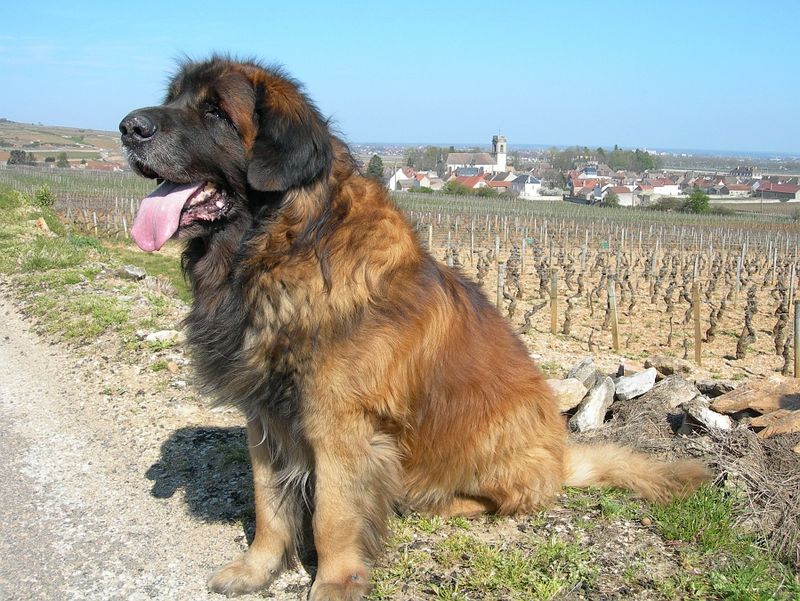
Leonbergers look like storybook creatures, equal parts lion and lapdog. They mature slowly, and goofy teenage phases can bowl you over.
Without early manners, their enthusiasm becomes a runaway freight train that sweeps guests and groceries alike.
They thrive on involvement, not isolation, so plan for training classes and outdoor adventures. Grooming the double coat demands commitment, with weekly sessions escalating during sheds.
Heat management is essential, and swimming helps preserve joints while burning energy.
They are sensitive souls who wilt under harsh methods, yet they need consistent rules. Socialize thoughtfully so their protective instincts stay balanced.
Give them structure, enrichment, and room to stretch, and you will share life with a noble, velvet-eyed best friend.
Tibetan Mastiff
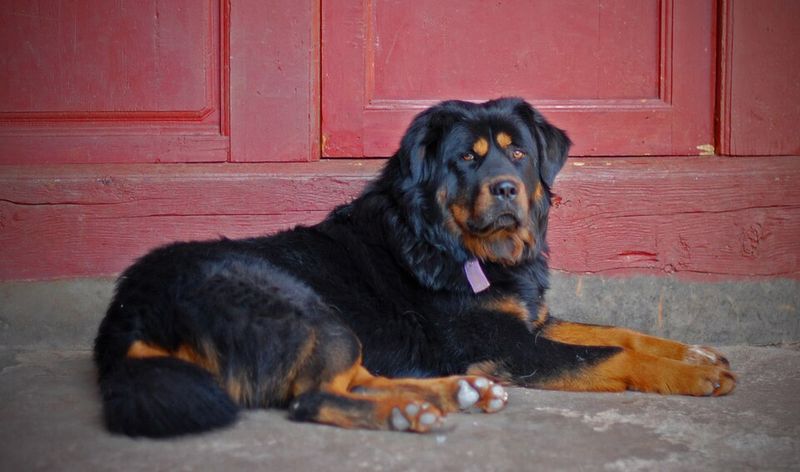
Tibetan Mastiffs are night-shift guardians with booming opinions. They are deeply independent, suspicious of strangers, and determined to protect territory.
Apartment life or constant visitors can create daily friction you were not expecting.
Early, expert socialization is mandatory, along with secure fencing and respectful boundaries. They do not aim to please, so training relies on calm consistency, not repetitions.
Seasonal coats explode, and barking often peaks at night, exactly when neighbors do not appreciate it.
Exercise is moderate, mental work is crucial, and impulse control prevents stubborn standoffs. Vet and food costs match their size, and travel logistics get complicated.
If you want a majestic sentinel and accept their terms, the loyalty runs ancient and unshakeable.
Caucasian Shepherd
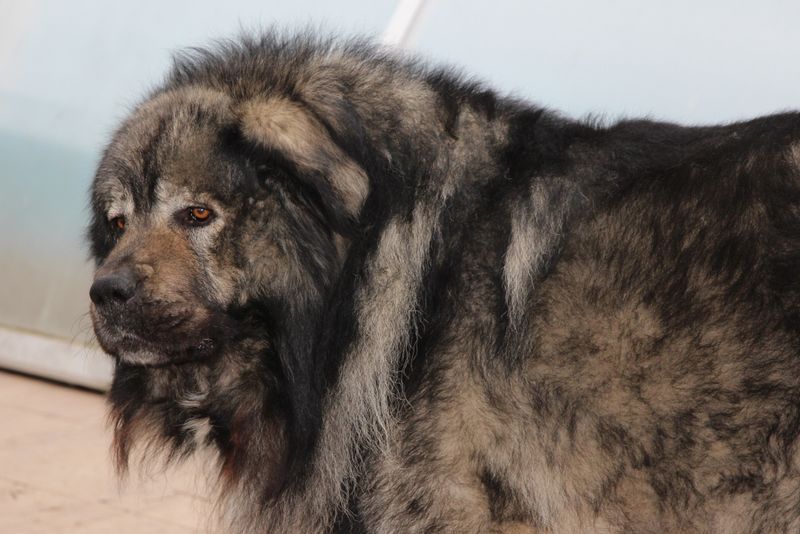
Caucasian Shepherds were bred to confront predators, not win popularity contests. Their protective drive is profound and requires experienced handling.
Underestimating them risks liability, frustration, and a frightened mail carrier avoiding your street forever.
Socialization, impulse control, and rock-solid management are nonnegotiable. They are not dog-park candidates, and greeting rituals must be deliberate.
Expect heavy shedding, strong opinions, and an adult dog who questions your decisions unless trust is earned.
Large, secure fencing and clear routines help channel their instincts. Work with a trainer familiar with livestock guardians, not generic classes.
If you provide leadership, purpose, and respectful partnership, you will find a steadfast guardian who treats your property like sacred ground.
Boerboel
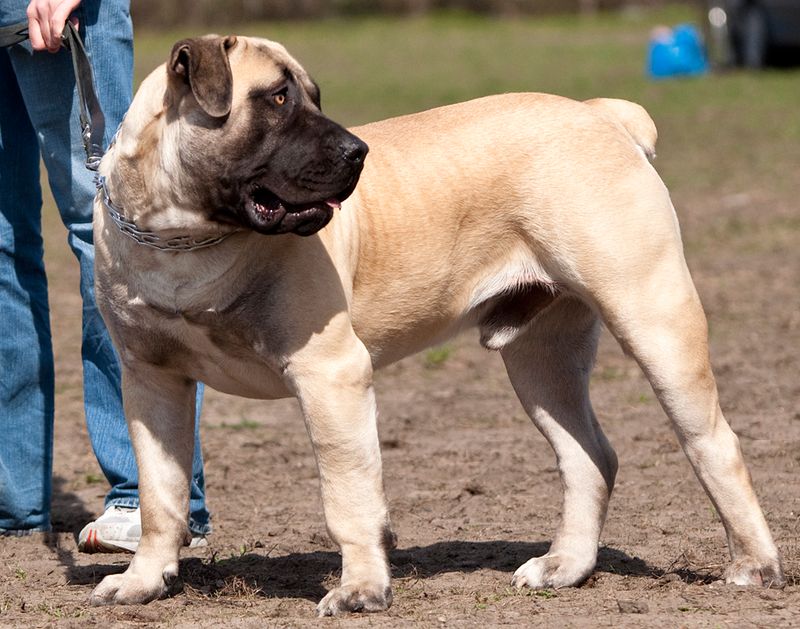
Boerboels bring farm-bred courage bundled in muscle. They are affectionate with family yet powerfully territorial, so clarity and structure keep everyone safe.
Adolescence can flip a switch, revealing strength that outpaces your training if you coast.
Plan for advanced obedience, impulse control, and thoughtful introductions to guests. These dogs do not need marathon runs, but they demand purposeful work and mental drills.
Health screening for hips and elbows matters, and secure fencing is essential for responsible ownership.
Budget for premium food, durable gear, and professional guidance if issues emerge. They read your confidence, so wishy-washy rules invite pushback.
Give this athlete a job, fair leadership, and daily engagement, and you gain a loyal, steadfast teammate.
Great Pyrenees
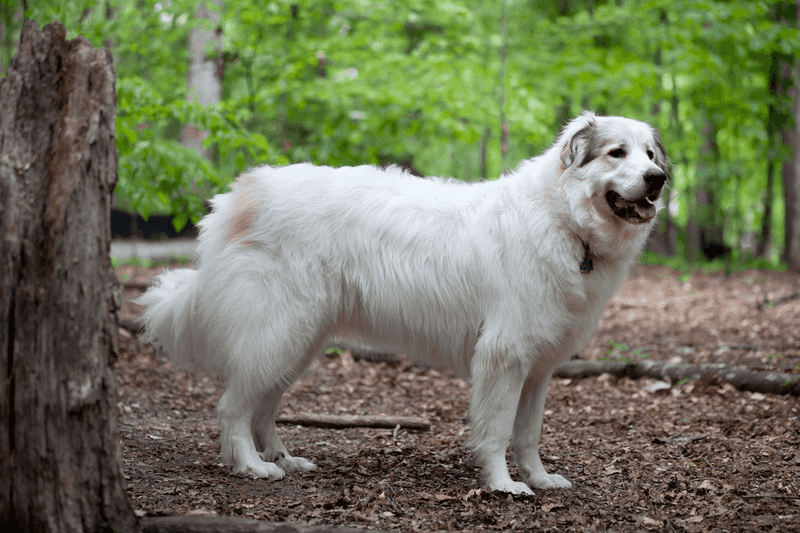
Great Pyrenees are gentle cloud-dogs by day and vigilant bark-machines by night. Neighbors may not appreciate their perimeter songs, so expect conversations about sound management.
These independent thinkers adore family but will not fetch your approval for every command.
Secure fencing, early socialization, and livestock guardian savvy help channel instincts. Exercise is moderate, but mental stimulation and predictable routines prevent roaming plans.
Their white coats track burrs and mud, so groom diligently and cool them during heat spikes.
They are sweet with kids when supervised, yet they take threats seriously. Teach a reliable recall and honor their cautious approach to strangers.
If you embrace steady leadership and patient training, you will earn a watchful, snow-soft protector.
Neapolitan Mastiff
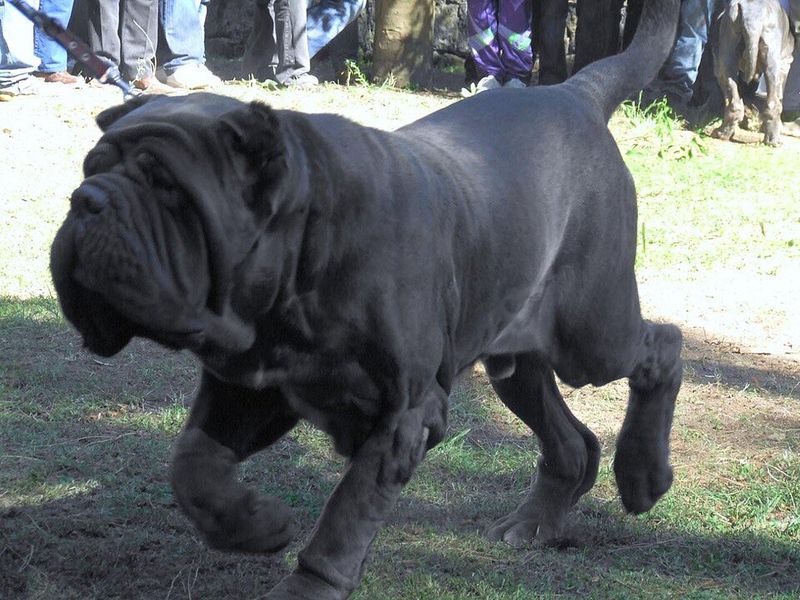
Neapolitan Mastiffs look like living sculptures, all wrinkles and warhorse gravity. Those dramatic folds catch moisture, drool, and debris, so skin care becomes routine.
They move like tanks at low speed, and tight turns clear coffee tables with casual hips.
Early socialization and gentle structure keep their protective streak reasoned. Short, consistent training beats long drills, and harsh methods damage trust.
Heat is risky, and stairs stress joints, so plan ramps, mats, and thoughtful exercise.
Budget for giant-breed diets, orthopedic beds, and frequent cleaning of eye and lip folds. Vet bills can grow, so proactive screening matters.
Treat them with calm confidence, respect their space, and you will share life with an ancient, soulful guardian.
Irish Wolfhound
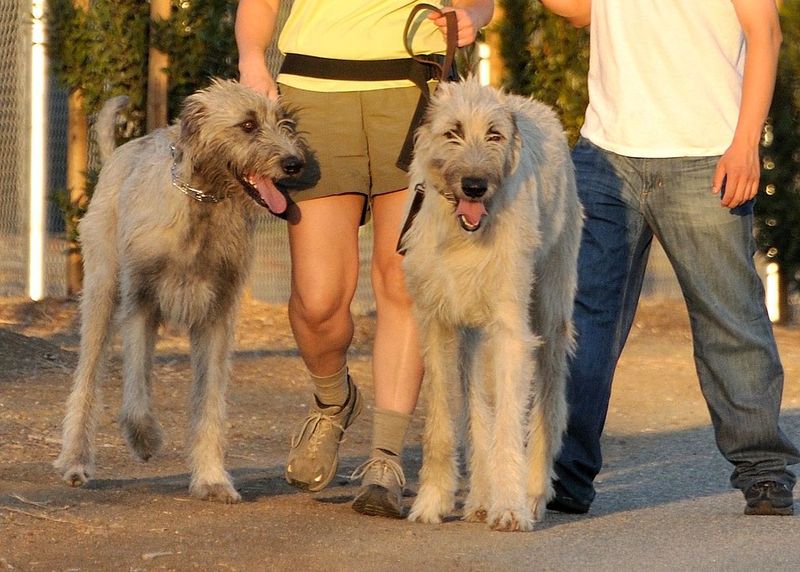
Irish Wolfhounds carry gentle hearts in skyscraper bodies. Their size is breathtaking, but speed and reach cause surprise chaos near counters and doorways.
Expect a soft temperament that wilts under pressure, requiring kind training and careful socialization.
They need room to stretch, controlled sprints, and surfaces that protect joints. Growth is rapid, so manage jumping and slippery floors.
Their shorter lifespans hurt, making preventative care for hearts, bloat, and bones feel urgent.
Plan travel and furniture with legs and tails in mind. They are affectionate shadows who cherish quiet companionship over noisy chaos.
Give them patience, soft beds, and unhurried walks, and a Wolfhound will gift you grace wrapped in towering kindness.