
Some dogs wear their hearts on their paws, while others keep feelings tucked behind a mysterious gaze. If you have ever wondered why one pup mirrors your mood and another seems unreadable, you are in the right place.
Here are 11 breeds that pour out emotion and 4 that play things close to the chest. Learn what to look for and how to support each personality with empathy and practical training tips.
Vizsla
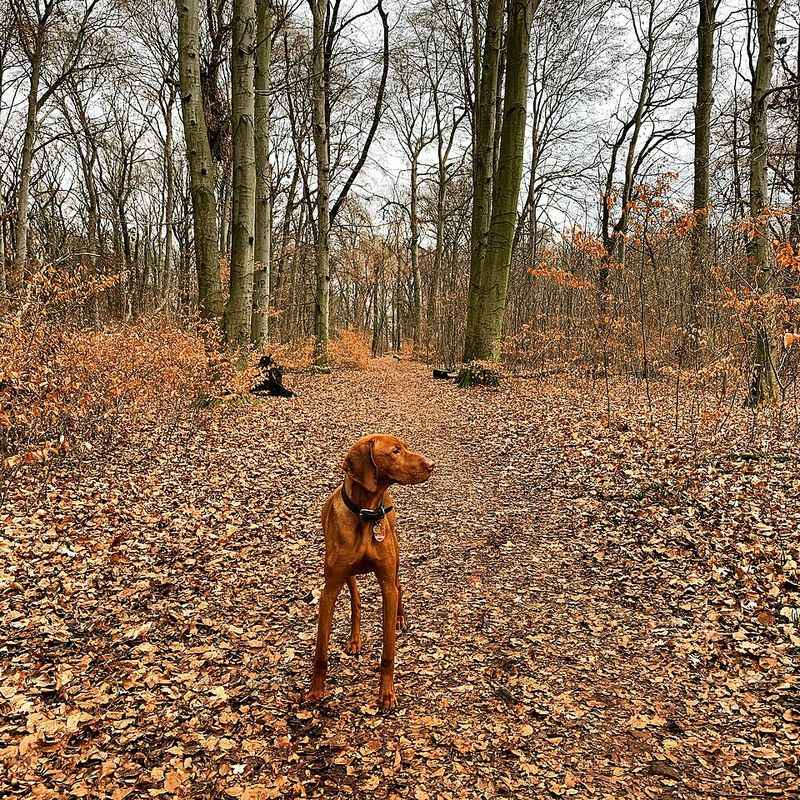
The Vizsla wears its heart on its sleeve, and you will feel it instantly. Velcro tendencies mean this copper coated athlete follows you from room to room, checking your mood.
Sensitive training works best because harsh corrections shut them down quickly. They thrive on eye contact and clear routines.
Leave them bored, and anxious pacing or whining usually appears.
Give steady structure, then celebrate small wins with praise, touch, and play. If your day runs tense, a Vizsla mirrors that energy, so plan calm decompression walks.
With affection and purpose, this soulful hunter becomes your warm shadow and emotional barometer. Early socialization with friendly dogs and patient humans builds confidence that lasts through adolescence.
Keep sessions short. End on success.
Havanese
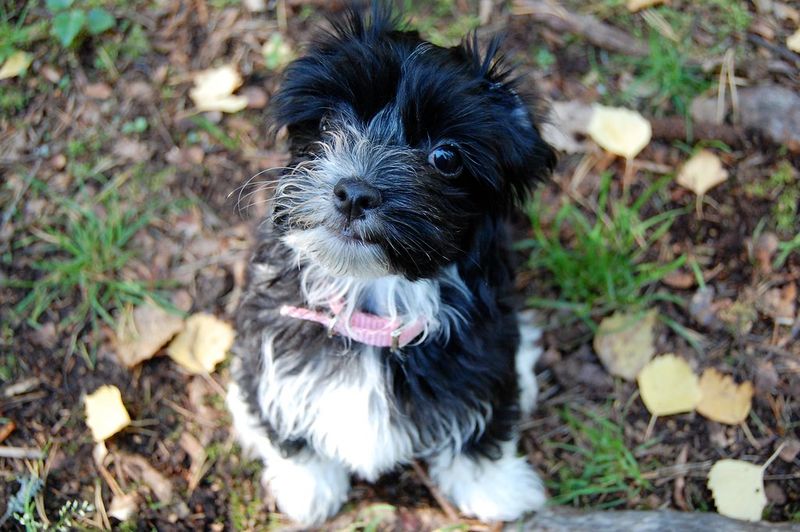
The Havanese reads rooms like a tiny therapist, sparkling with empathy and curiosity. Watch those expressive eyes track your face for cues, then offer a wag, a cuddle, or playful hops.
Harsh voices pinch their spirit, so gentle guidance and routine encouragement work wonders.
Because they attach closely, alone time needs practice through short departures and calm returns. Enrich the day with trick training, snuffle mats, and soft fetch indoors.
You will notice their mood lift the moment you smile, as if sunshine switched on inside. Neighborhood walks become social tours where this charmer greets admirers politely.
Keep grooming soothing, turning brushing into a bonding ritual with slow breaths and praise. Rotate toys to prevent boredom.
Play name games. Daily.
English Cocker Spaniel
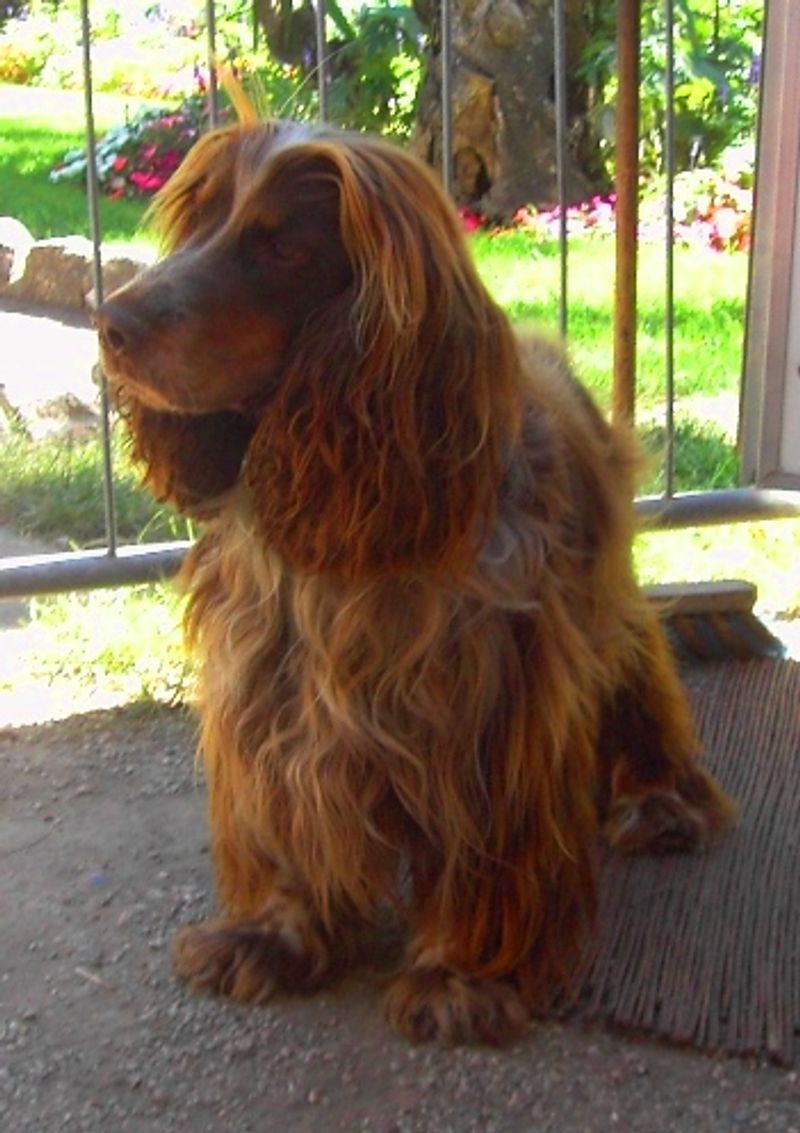
English Cocker Spaniels broadcast feelings with silky ears, wagging backs, and earnest eyes. They crave partnership, checking in often during walks and chores like devoted sidekicks.
Corrections should be light and timely, because this breed internalizes tone and can sulk when confused.
Channel their heart into nose games, cheerful retrieves, and field style adventures with steady structure. If you sound frazzled, they pick it up instantly, so reset your breathing and smile.
With fair boundaries, daily play, and warm praise, they glow with family harmony. Separation practice matters, starting with minutes and building tolerance kindly.
Grooming can soothe when paired with quiet music and steady hands. Invite gentle children to help with simple cues.
End games before overstimulation. Always reassure.
Golden Retriever
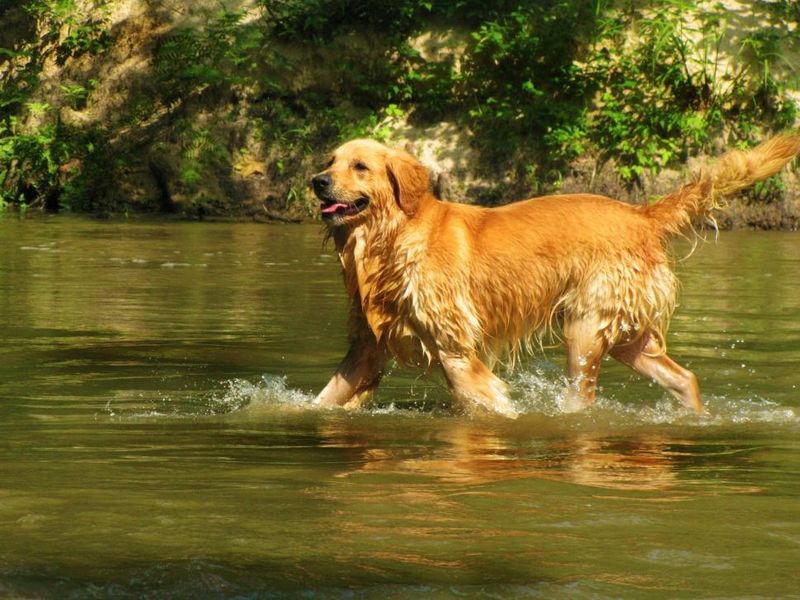
Golden Retrievers are open books, broadcasting joy, concern, and excitement with sweeping tails and soft mouths. They lean in during tough days, offering a paw or chin like supportive counselors.
Praise fueled training unlocks their cooperation, while rough handling erodes trust quickly.
They soak up family moods, so model calm habits, predictable routines, and tidy boundaries. Fetch, scent puzzles, and swimming give that big heart a constructive outlet.
When overstimulated, redirect with distance, breathing, and simple cues, then finish with a cheerful success. Mind adolescence, when feelings surge and impulse control wobbles, and keep sessions short.
Teach relaxation on a mat, pairing it with massage and slow exhalations. Their eyes will thank you.
Consistency builds emotional resilience. Be patient.
Always.
Shetland Sheepdog
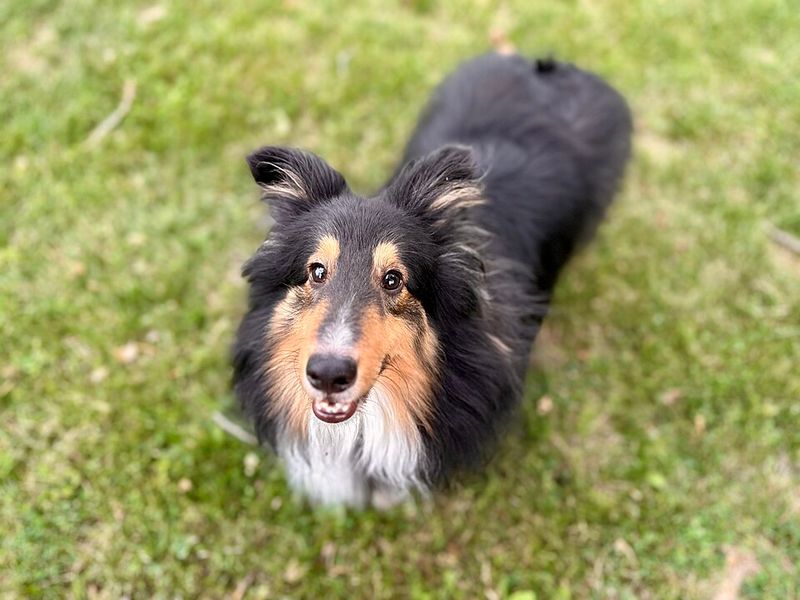
Shetland Sheepdogs feel big in small bodies, often reading your micro expressions before you speak. Sensitive by nature, they prefer soft voices and clear patterns that make expectations predictable.
Corrections should be brief and fair, or you may see worry, spinning, or withdrawal.
Give their mind jobs using trick chains, scent searches, and precise heelwork, all rewarded enthusiastically. Provide decompression with quiet sniffy walks, then practice calm observation at a distance from triggers.
Over time, confidence blossoms, and you get a bright partner who thrives on teamwork. Introduce novelty gradually with games that pair curiosity and safety.
Teach a settle cue for visitors, using mats and long lasting chews. Celebrate tiny wins every session.
End while enthusiasm remains. Smile often.
Cavalier King Charles Spaniel
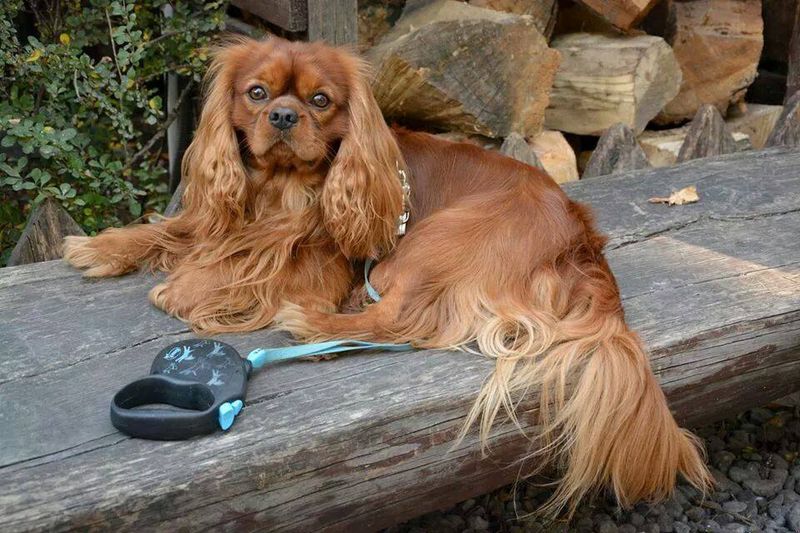
Cavaliers radiate tenderness, scanning your face for reassurance and opportunities to comfort. They press close on couches, follow lightly through hallways, and brighten with praise like little lanterns.
Firmness is fine, but heavy handedness bruises their spirits and can spark avoidant behavior.
Teach life skills with cheerful repetitions, food scatter games, and soft handling for grooming and vet care. Build alone time slowly, adding snuggly beds and music to smooth departures.
When stress spikes, scoop up for a breath, reset with a sit, then reward serenity. Short play bursts help discharge nerves without creating frenzy.
Teach polite greetings with sits, chin targets, and patient friends. Their affection deepens when you listen back.
Keep days gentle and rhythmic. Always breathe together.
Border Collie
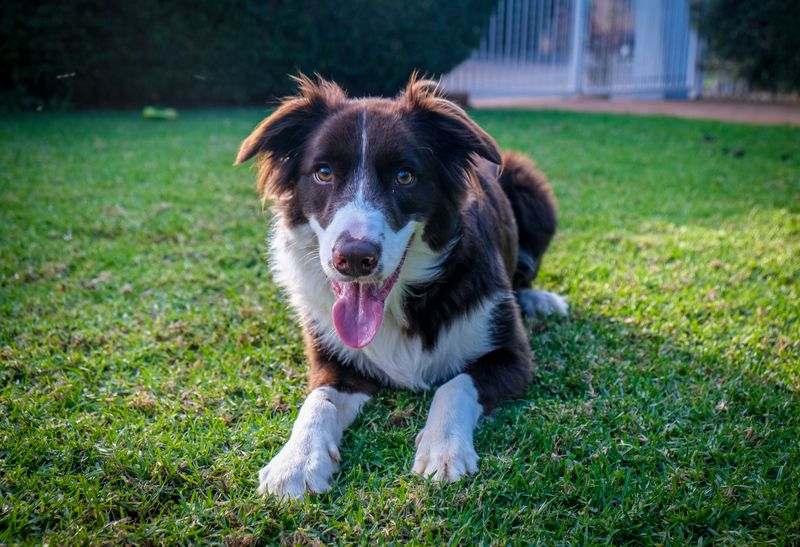
Border Collies feel intensely and think fast, switching from focus to frustration if guidance wavers. That bright stare asks for jobs, feedback, and fairness, not chaos.
Corrections should be information rich and brief, because pressure without clarity can create bottled anxiety.
Architect the day with purposeful outlets like herding games, scent articles, toggle retrieves, and impulse drills. Teach off switches using mat relaxation, pattern games, and stillness after success.
When over threshold, add distance, sniffing, and humor, then try again with simpler criteria. Celebrate focus for seconds, not minutes, and release before tension spikes.
Rotate novel tasks daily so curiosity outpaces worry. You will earn trust by staying predictable under pressure.
Let play punctuate learning. Keep criteria honest.
Always debrief.
Great Dane
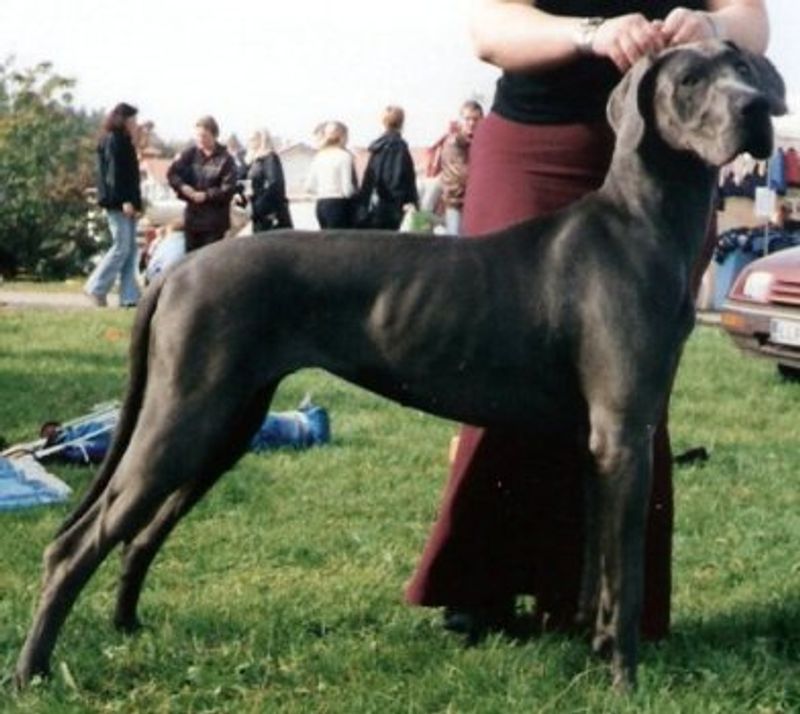
Great Danes have giant feelings wrapped in gentle manners, often leaning to connect like living weighted blankets. They sense moods quickly and respond best to calm leadership with clear boundaries.
Loud corrections startle this breed, which can cause shutdown or clingy behavior afterward.
Build confidence through predictable routines, easy wins, and steady exposure to friendly strangers and surfaces. Provide long, sniffy walks and short training bursts to suit their bodies.
When stress builds, create space, breathe together, and finish with a comfortable settle on a mat. Gentle handling during nail care prevents worry later.
Invite polite greetings by turning sideways and offering scratches under the chin. Their size magnifies feelings, so keep expectations humane.
Honor rest after effort. Always hydrate.
Toy Poodle
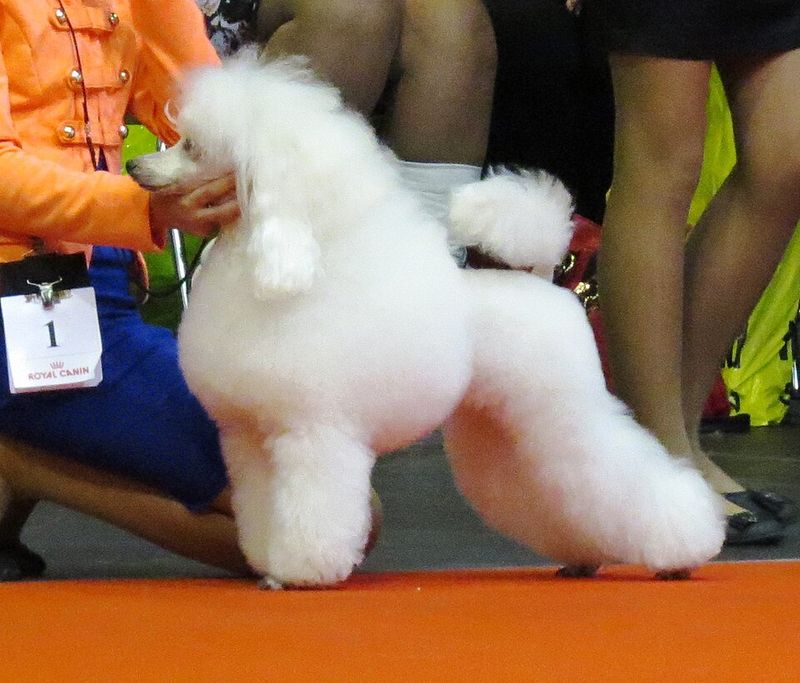
Toy Poodles broadcast emotion through prancey steps, eyebrow flicks, and quick vocal opinions. They are whip smart, meaning your tone and timing land heavily, for better or worse.
Use games and puzzles to channel that spark, keeping sessions bite sized and upbeat.
Because they notice everything, teach clear patterns for calm, greeting, and rest. Trick chains build pride, while shaping retrieves and nose targets sharpen focus.
If anxiety bubbles, switch to movement, sniffing, or easy wins, then reward a pause and soft breathing. Grooming is a conversation, so speak kindly with hands, tools, and cookies.
Rotate quiet chew breaks between learning bursts to prevent overload. Small bodies carry big hearts.
Protect rest with cozy dens. Celebrate tiny choices.
Often breathe.
Whippet
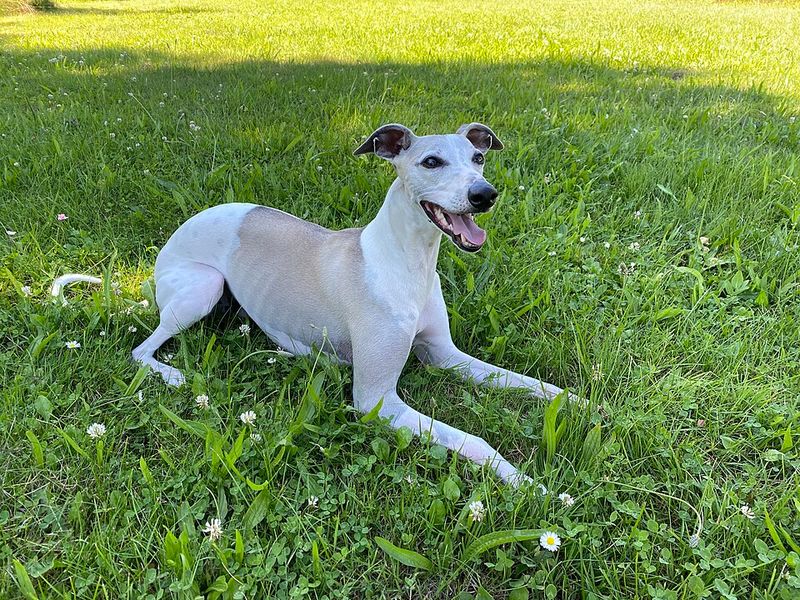
Whippets wear feelings softly, showing contentment through sighs, stretches, and delicate leaning. They dislike conflict and respond best to kindness paired with consistent rules.
Sudden scolding can shut them down, while playful encouragement unlocks lovely cooperation and eager recall.
Balance their sprinter soul with gentle cardio, sniffy strolls, and warm naps under blankets. Train short, sweet sessions with food lures, hand targets, and relaxed finishes.
If spooked, create space, breathe, and let curiosity rebuild confidence before attempting the skill again. Introduce coats gradually so associations stay happy during cold seasons.
Practice calm greetings by turning sideways and offering a gentle scratch. Your patience invites their trust beautifully.
Keep arousal low indoors with food puzzles. End on softness.
Smile kindly. Often.
Labrador Retriever
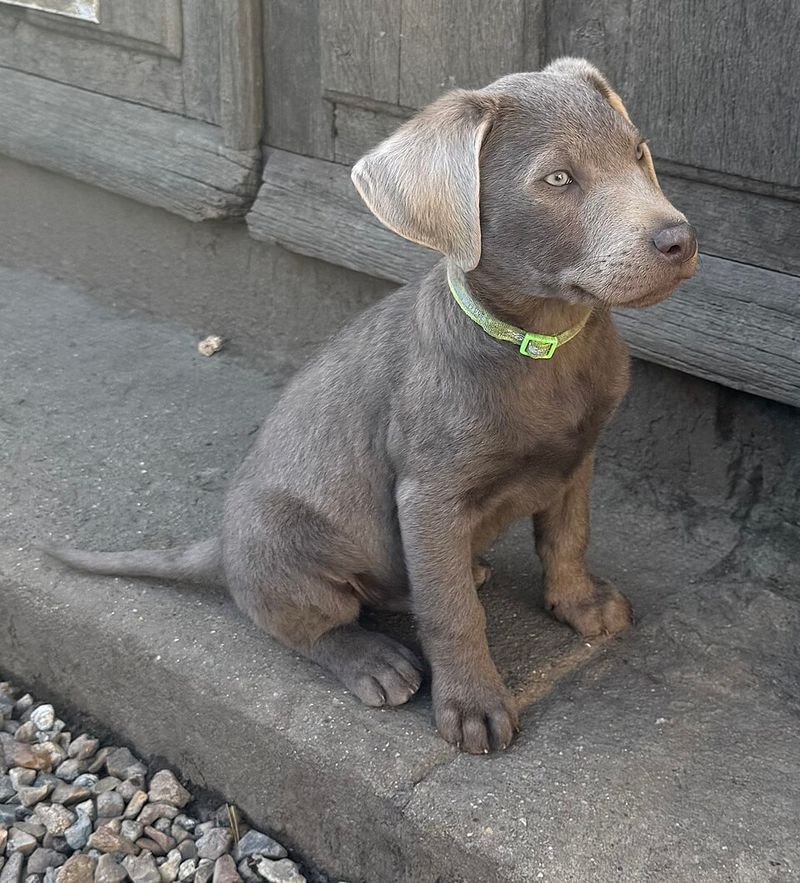
Labradors brim with approachable emotion, usually broadcasting joy yet soaking up your stress fast. They live for partnership, retrieving tasks, and shared routines that make sense.
Praise and play shape behavior quickly, while inconsistent limits can create pushy antics at doors and bowls.
Give that enthusiasm a job using scent games, marked retrieves, and patient steadiness drills. Teach impulse control kindly, reinforcing sits, stays, and loose leash walking near distractions.
When arousal spikes, pause, breathe, and swap to sniffing before returning to simple, winnable reps. Mind adolescence appetite and energy by structuring meals and naps.
Channel social urges into polite greetings with sits and hand targets. Consistency grows calm confidence daily.
End games before hyperness returns. Then cuddle.
Smile together.
Basenji
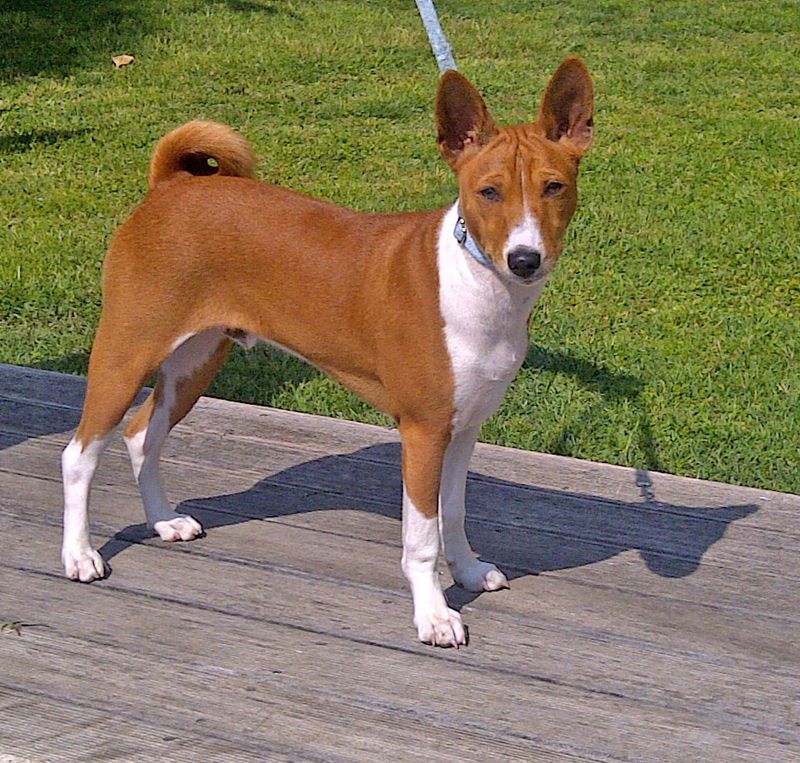
Basenjis are famously inscrutable, with faces that barely change and a quiet, thoughtful vibe. Instead of barking, you may hear yodels, which do not always match emotion.
They value independence and clear choices, so heavy pressure backfires and invites shutdown or cheeky defiance.
Work like a partner, not a boss, using food scatters, choice games, and curiosity trails. Keep sessions short, clean, and winnable, then stop before boredom arrives.
You will learn to read micro ear flicks, sniffing, and stillness, the subtle signals behind that poker face. Secure yards and leashes guard instincts when something streaks past.
Respect grooming preferences, moving slowly with tools and plenty of breaks. Patience earns surprising affection.
Let silence teach you. Observe carefully.
Often pause. Breathe together.
Chow Chow
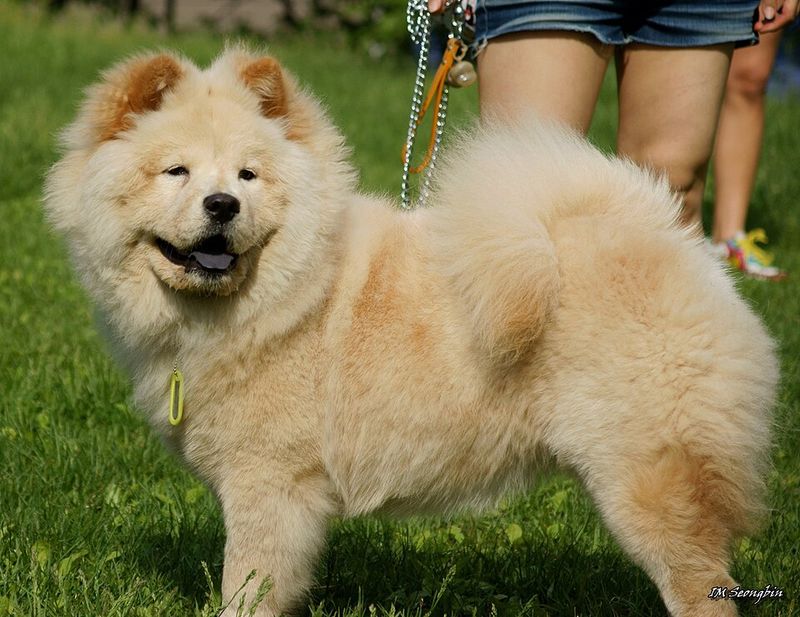
Chow Chows can be hard to read, carrying a reserved dignity and minimal facial change. They value personal space and measured introductions, preferring quiet observation over gushing greetings.
Heavy handed training risks conflict, while respectful guidance and structure build cooperation slowly and steadily.
Focus on calm routines, clear door manners, and cooperative care skills that reduce friction. Reward eye contact, voluntary movement, and relaxed postures, then end while trust feels warm.
With patience, you will notice subtle softening around the eyes and smoother body language. Introduce friends in open spaces with parallel walking before petting.
Grooming should proceed slowly, using pauses and tasty payments. Respect refusals without drama.
Confidence grows when you stay predictable and fair. Breathe together.
Quiet wins.
Akita
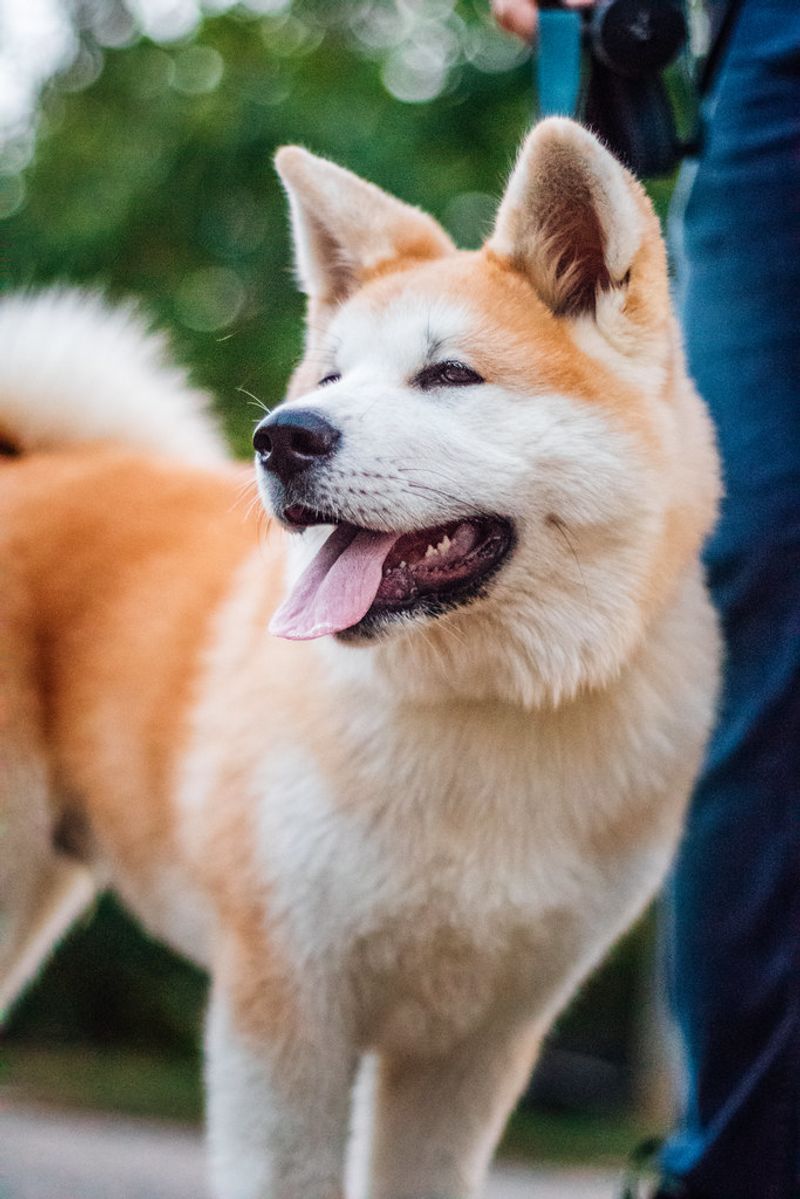
Akitas hold emotions close, communicating through stillness, posture shifts, and measured glances. Their loyalty is deep, yet they expect mutual respect and thoughtful handling.
Forceful methods can sour the relationship quickly, while calm clarity and firm boundaries build trust over time.
Teach cooperative care, doorway patience, and polite greetings using food and choice. Practice neutrality around triggers, rewarding relaxed observation rather than confrontation.
You will see progress in softer eyes and smoother movement when pressure remains low and rules stay consistent. Introduce friends deliberately with parallel walks and curved approaches.
Grooming should be respectful, with breaks, towels, and steady hands. Work short, satisfying sessions and end on cooperation.
Your composure teaches more than corrections. Breathe, smile, exhale together.
Thank progress.
Afghan Hound
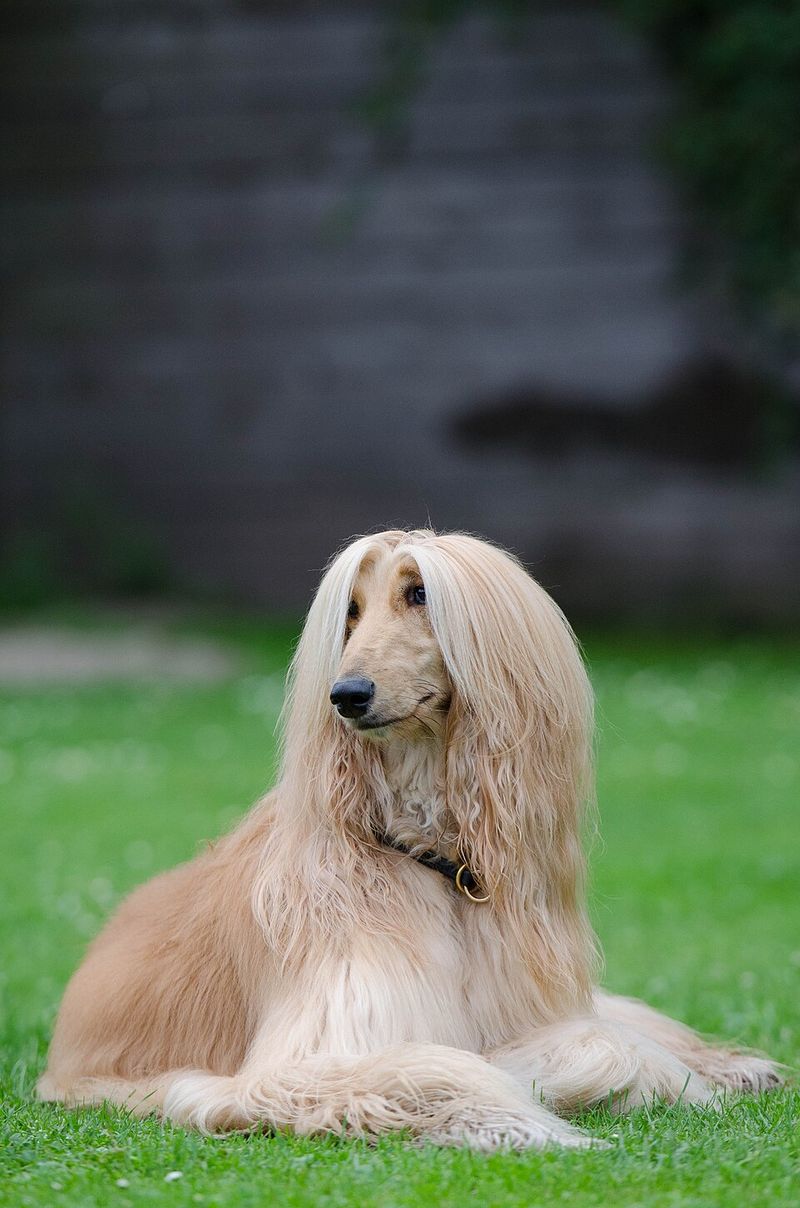
Afghan Hounds move like poetry and emote like sphinxes, keeping feelings behind a dignified veil. Aloof does not mean unloving, but it does mean your cues must be elegant.
Pushy handling invites distance, while gentle consistency and playful chases bring better engagement.
Lean on sighthound strengths with coursing games, soft lures, and reward timing that feels effortless. Keep sessions airy, end early, and celebrate small choices toward connection.
Over time, micro glances, a brief lean, or relaxed ears will signal that trust is blooming. Grooming can double as meditation when paced with breathing and gentle strokes.
Strange surfaces and costumes deserve gradual, curious introductions. Let quiet walks speak volumes together.
Honor independence without losing kindness. Smile softly.
Then rest. Peace.