
Huskies are more than striking eyes and snowy glamor. Each type brings its own history, work style, and lovable quirks that can either supercharge your adventures or overwhelm your routine.
If you have ever wondered which husky might truly fit your life, this guide breaks it down in plain, practical terms. Get ready to meet eleven remarkable types that look amazing and live even bigger.
Siberian Husky
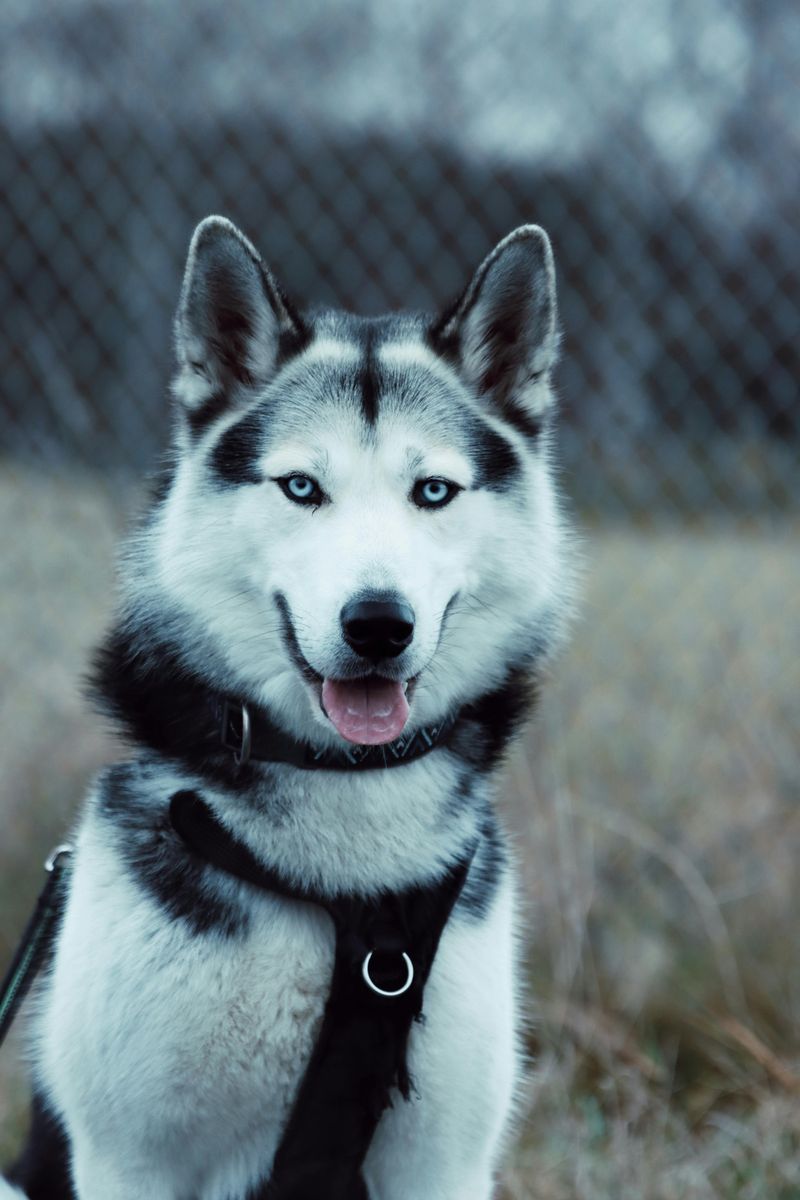
The Siberian Husky is the iconic snow traveler with ice-bright eyes and a foxlike grin. Bred by the Chukchi people for endurance, this medium athlete thrives on movement and mental puzzles.
If you love running or skijoring, you will appreciate their effortless stride and playful spirit.
Training needs patience and humor, because independence runs deep. Channel energy into structured games, long hikes, and secure yard zoomies to prevent escape artistry.
Grooming means heavy seasonal shedding, so a reliable de-shedding routine and vacuum plan are essential. With friendly strangers and strong prey drive, supervise around cats and tiny pets.
Heat tolerance is limited, so prioritize shade, water, and cooler activities. When needs are met, you get a goofy, loyal teammate daily.
Alaskan Husky
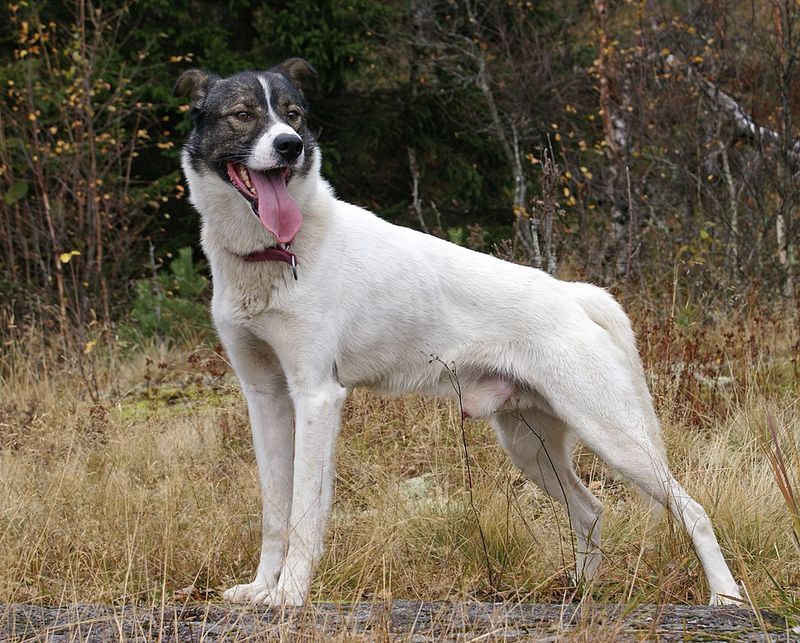
The Alaskan Husky is not a registered breed but a purpose-built sled dog known for speed and stamina. Lines vary, blending huskies with pointers or hounds to sharpen performance in sprint or distance racing.
You see lean frames, prick ears, and bright, driven eyes that light up when the harness jingles.
This athlete demands vigorous exercise, smart feeding, and steady routines. Training works best with clear cues, short sessions, and rewards that match high motivation.
Expect sociable charm yet focused work drive, plus an intense need for warmth after frigid runs. Coats shed seasonally, and paws require checks for ice, cracks, and bootie fit.
Give challenge, care, and companionship, and you gain a lightning-fast partner. Trail manners matter around wildlife.
Alaskan Malamute
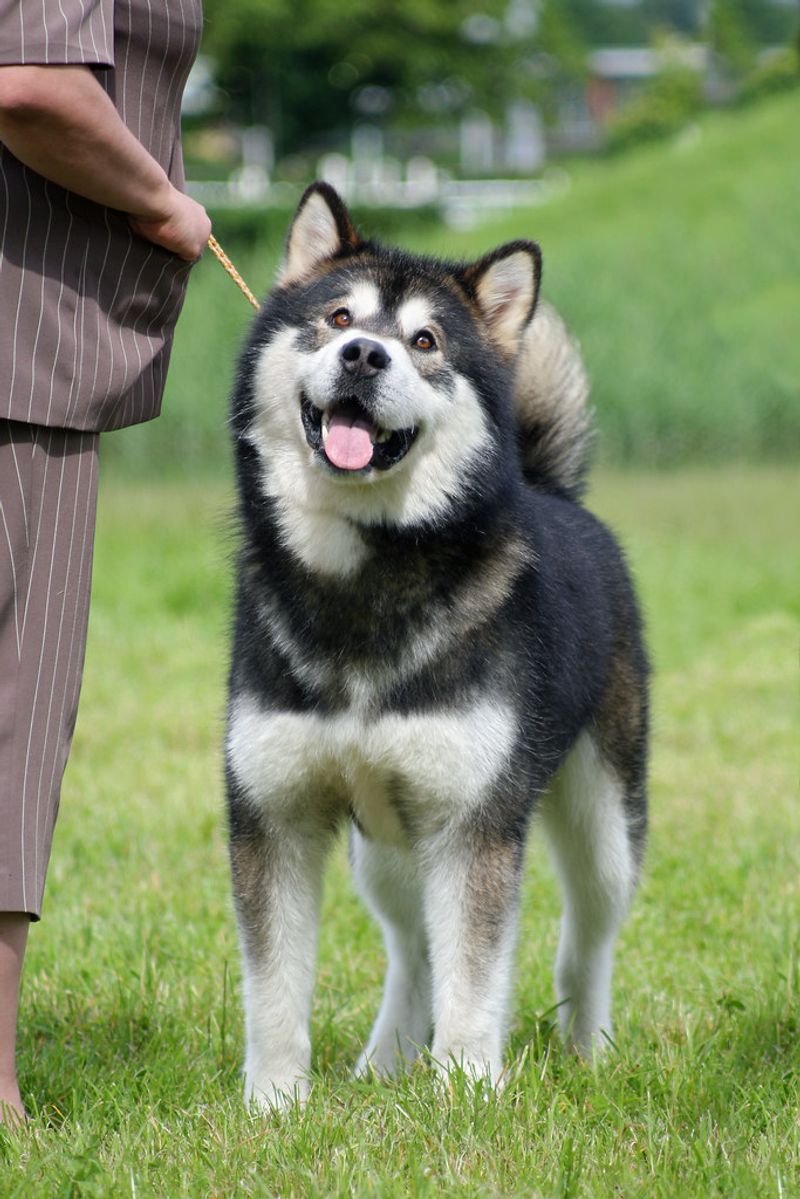
The Alaskan Malamute is a powerful freighting dog built for hauling, not racing. Broad heads, deep chests, and plush tails give a bearlike presence that turns heads everywhere.
If you want a steady companion for backpacking and snow adventures, this dignified clown delivers.
Malamutes are affectionate with people yet can be pushy with same-sex dogs. Training needs fairness, consistency, and heavy emphasis on impulse control games.
Grooming is serious work, with snowstorms of undercoat during seasonal blows. Secure fencing matters, and digging is a favorite hobby in cool soil.
Meet exercise needs through weight pulls, hikes, and sledding, and you will see calm confidence. Hot climates are challenging, so plan shade, hydration, and early outings during summer or late evenings.
Miniature Husky
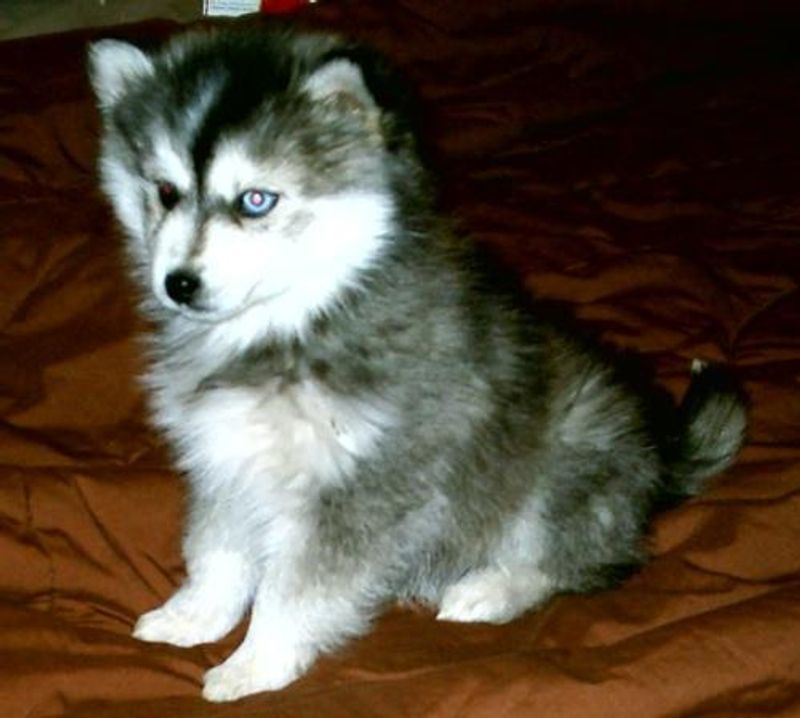
The Miniature Husky captures classic Siberian looks in a smaller, apartment-friendly package. Created by selectively breeding standard Siberians for size, it keeps the spark, speed, and talkative sass.
You get striking masks, blue or brown eyes, and a mischievous sense of humor.
Even tiny fluff needs big exercise and brain work to curb boredom and noise. Positive training, puzzle feeders, and structured walks make daily life smooth and fun.
Shedding arrives in clouds, so schedule grooming and lint-roller mercy for your wardrobe. Be mindful with small pets, since prey drive can surprise you in play.
When exercise, boundaries, and affection align, you enjoy a pocket rocket roommate. Socialization builds confidence with crowds, elevators, bikes, and city soundscapes from early puppyhood.
Sakhalin Husky
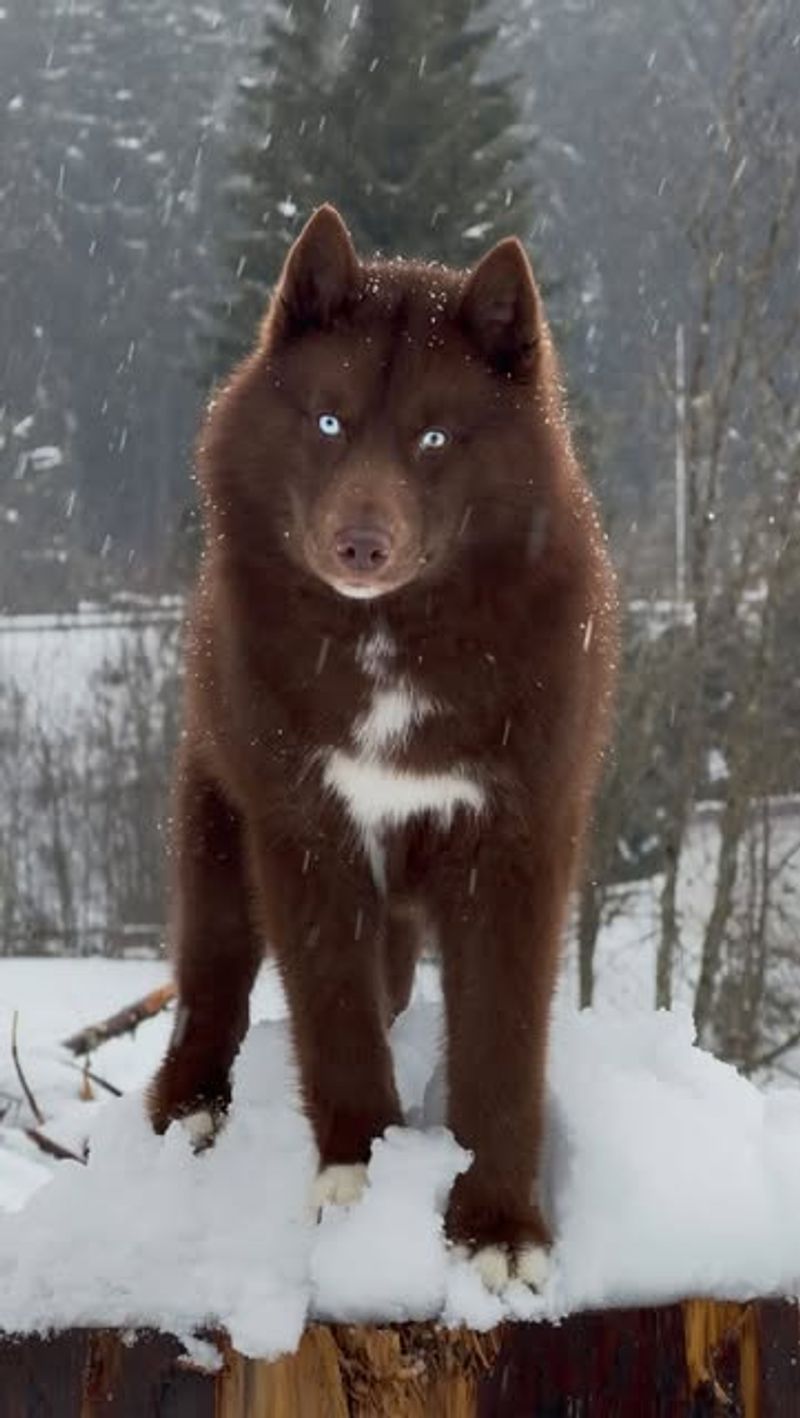
The Sakhalin Husky, or Karafuto Ken, is a rare island sled dog from Japan. Known for tragic Antarctic history and legendary endurance, this breed embodies quiet grit.
Expect sturdy frames, thick coats, and a calm, observant gaze that weighs every situation.
These dogs are thoughtful workers, bonding deeply with handlers and teams. Training should respect sensitivity and emphasize trust, routine, and clear jobs.
Daily exercise, scenting games, and cart work keep minds engaged and bodies balanced. Coats blow heavily twice yearly, so plan rigorous brushing and airflow in warmer months.
Rare worldwide, ethical sourcing and patience are essential if this breed interests you. They thrive in cooler climates, and heat management should guide travel, training schedules, and play every season.
Mackenzie River Husky
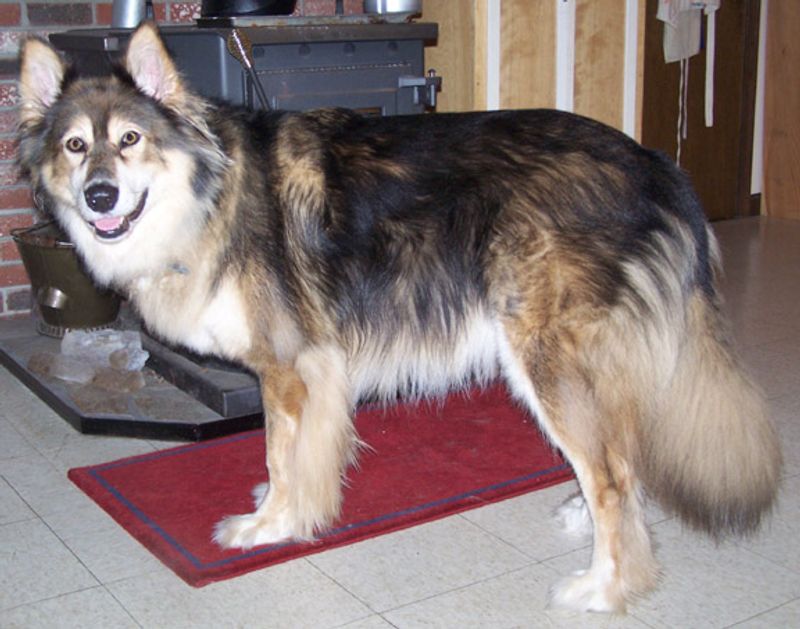
The Mackenzie River Husky is a landrace from Canada, developed for freight and trapline work. Big frames, long coats, and wolfish silhouettes hint at rugged northern origins.
You will notice calm confidence, steady pulling style, and an easy trot that conserves energy.
These dogs value teamwork and routine, flourishing under fair leadership and clear boundaries. They need long, cool-weather exercise, carting, and backpack miles to stay centered.
Coats require serious seasonal upkeep, including undercoat rakes, line brushing, and drying time. Social with people but selective with dogs, they appreciate space and polite introductions.
Provide structure, challenge, and affection, and you gain a resilient partner for wild places. Heat is risky, so plan shade, water, rest stops, and cool timing always.
Labrador Husky
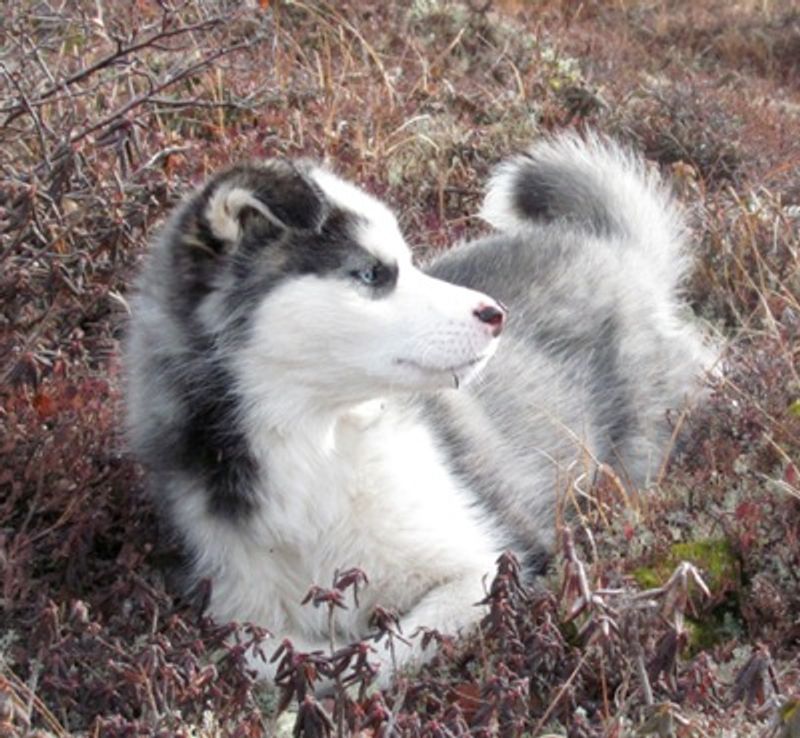
The Labrador Husky hails from coastal Labrador and relates to Arctic sled dogs, not Labrador Retrievers. Medium to large, with dense coats and expressive eyes, they excel at steady travel.
You will find a loyal, slightly reserved demeanor that warms with thoughtful engagement.
Daily work matters, from skijoring and mushing to long hikes in cold air. Training thrives on consistency, gentle firmness, and games that reward focus and cooperation.
As seasonal shedders, they need tools like undercoat rakes and high-velocity dryers. Prey drive can be strong, so supervise around cats and small livestock.
Meet needs and offer companionship, and you earn a devoted adventure ally. Heat management is crucial, with shade, hydration, rest breaks, and earlier training windows during summer.
Greenland Dog
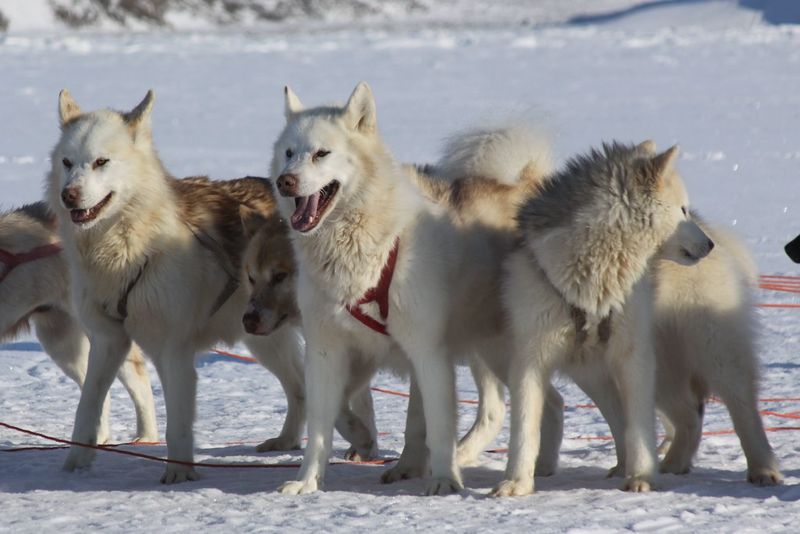
The Greenland Dog is a primal, tough sled dog shaped by Arctic hunting and hauling. Broad chests, powerful legs, and thick coats equip them for endurance across sea ice.
You feel raw strength and no-nonsense focus paired with a thrilling work ethic.
Expect independence, vocal opinions, and a strong pack dynamic that needs experienced handling. Training should be brief, purposeful, and backed by meaningful rewards and structured outlets.
Daily pulling, canicross, or weight drag channels energy and safeguards household harmony. Coats shed mightily, so invest in tools, airflow, and a sand-friendly yard.
Handled with respect, these dogs become unstoppable teammates in wild weather and rugged terrain. Plan for cold housing, sturdy fencing, and careful introductions with unfamiliar dogs on expeditions.
Utonagan
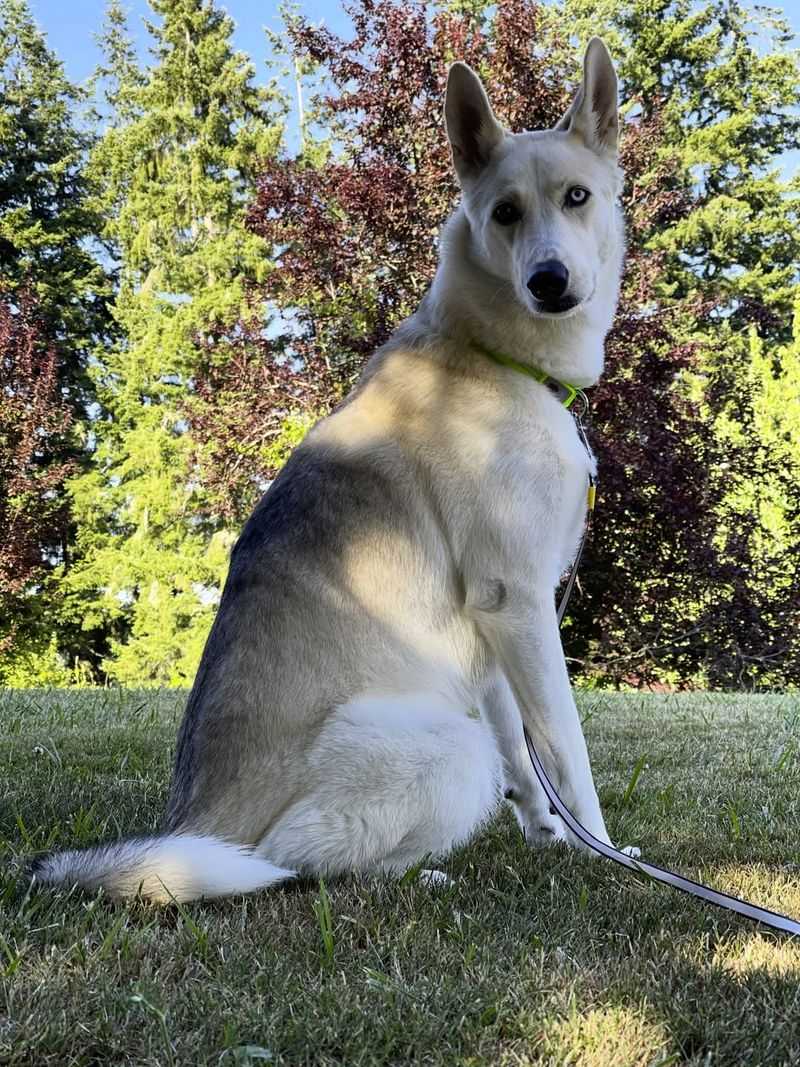
The Utonagan is a British breed developed to evoke wolfish looks with friendly companion temperaments. It blends Northern breeds with shepherd lines, aiming for trainability and sociability.
You get amber eyes, flowing coats, and an outdoorsy spirit that loves long rambles.
Exercise needs are real, so plan hikes, tracking games, and agility-style sessions. Positive, patient training prevents mischief and channels curiosity into helpful behaviors.
Regular brushing, nail care, and moderated diet help maintain condition and shine. They are usually people oriented yet may be selective with dogs, so guide greetings.
Give purpose, structure, and companionship, and you will enjoy a devoted adventure buddy. Urban life can work with planning, including elevators, traffic sounds, and thoughtful enrichment during busy weeks too.
Tamaskan
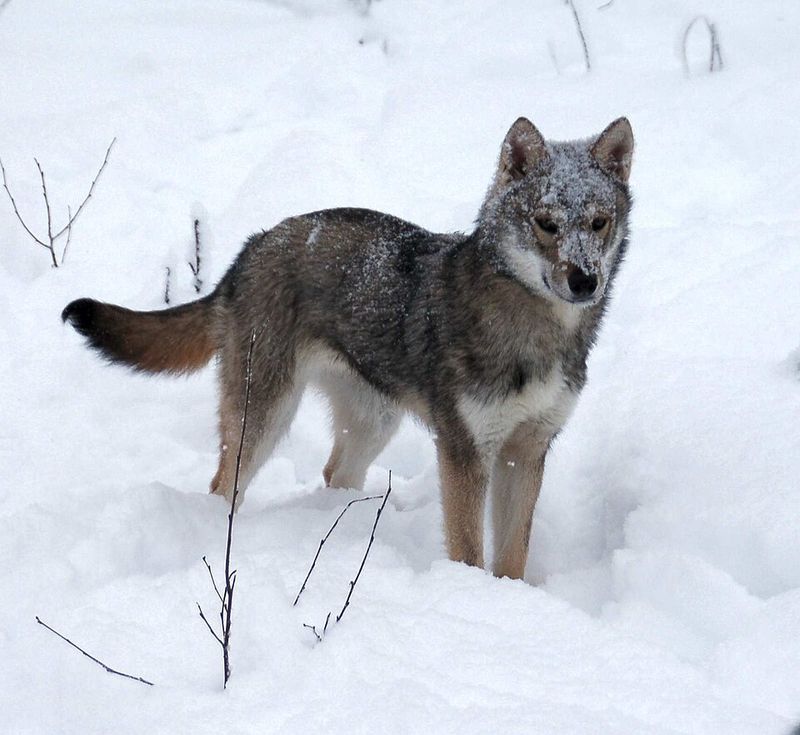
The Tamaskan aims for a wolfy aesthetic combined with athletic, family-friendly temperament and versatile working ability. Developed from Northern breeds and shepherds, it shines in obedience, sport, and outdoor travel.
You see keen expression, balanced structure, and a tireless engine for adventure.
Daily exercise is nonnegotiable, mixing cardio, nosework, and problem solving for satisfaction. Training thrives on variety, fairness, and rewards that keep engagement high.
Coats shed in seasons, and regular brushing minimizes tumbleweeds at home. Generally sociable, they still need guidance with introductions and boundaries during adolescence.
Provide adventure, structure, and calm leadership, and you gain a steadfast trail partner. Heat is challenging, so schedule cool outings, water breaks, shade, and rest between bursts in bright summer weather conditions.
Yakutian Laika
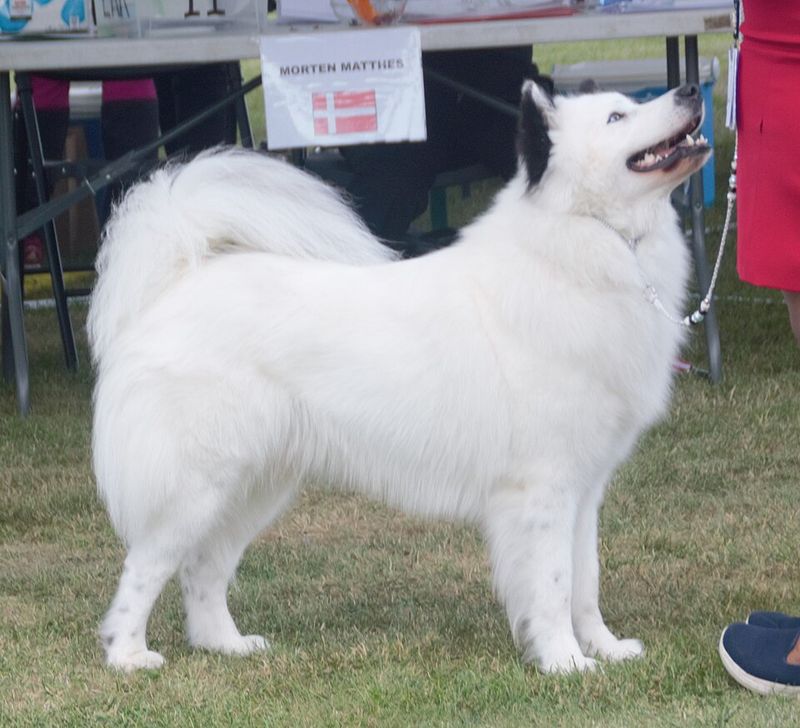
The Yakutian Laika is a versatile Russian spitz used for herding, hunting, and sled pulling. Distinctive piebald patterns, fluffy tails, and merry expressions make daily life feel celebratory.
Friendly and biddable, they relish teamwork and close contact with their people.
Expect medium energy with bright bursts, plus a clever mind that enjoys puzzles and scent. Training is upbeat and fun when rewards flow and challenges feel meaningful.
Coats are cold-ready and shed in waves, so keep grooming tools within reach. Social with kids and guests, they still need clear rules and gentle supervision.
Meet needs, celebrate quirks, and you will have a cheerful, adaptable companion. Plan cooler outings, fresh water, shade, and rest during warm months and sunny travel days.