Some dogs seem Velcroed to your leg, but others are perfectly content to hold down the fort while you step out. If you want a companion who loves you without needing you every single second, you are in the right place.
These breeds skew more independent, handling alone time with confidence when their needs are met. Let’s find the right match for your lifestyle so you can leave home guilt free and come back to a happy, relaxed pup.
Shiba Inu
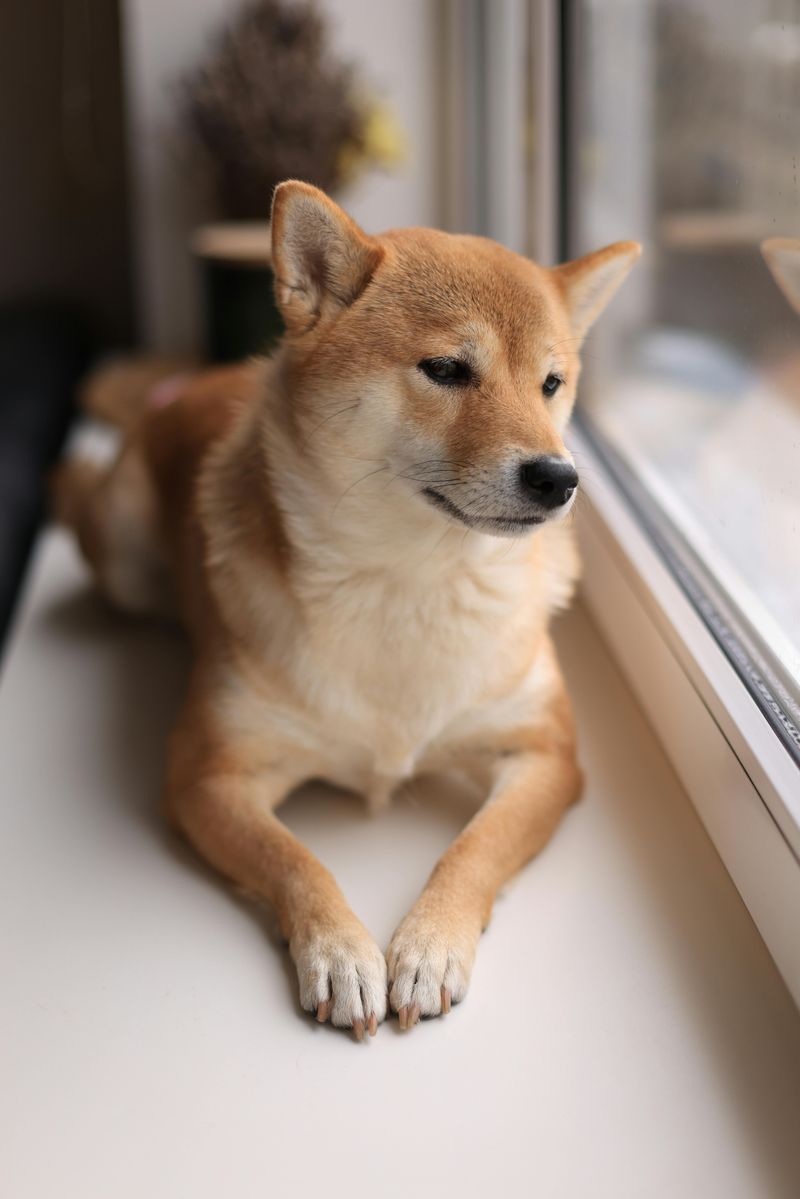
Shiba Inus bring a catlike vibe to dog ownership, which can be a gift when you work long hours. They bond deeply but still enjoy solo time, happily entertaining themselves with puzzle toys or window watching.
With proper exercise and mental challenges, they handle alone time better than many velcro breeds.
You will still want a routine that respects their independence without neglecting affection. Short, upbeat goodbyes, a safe space, and varied enrichment keep confidence high while preventing boredom.
If neighbors worry about noise, focus on sniffy walks, chew options, and calm departures so your Shiba learns that quiet downtime is normal and rewarding. Crate training, when positive and choice filled, can make alone time feel predictable safe and comfortable.
Chow Chow
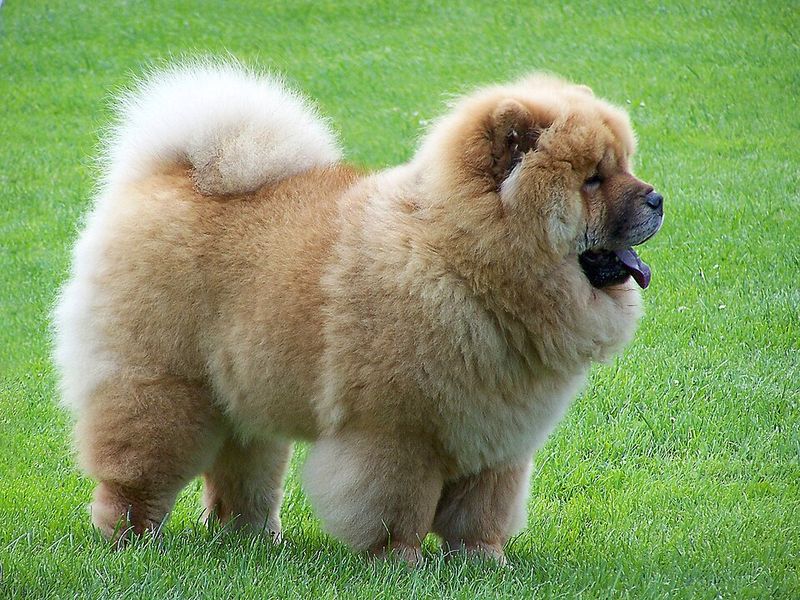
Chow Chows are famously self possessed, often happy to nap solo while you run errands or handle a workday. Their aloof nature does not mean they are cold.
It usually means they appreciate calm routines, measured affection, and a predictable environment that lets them decompress on their terms.
To support that independence, you can pair moderate daily exercise with low key brain games. Confidence grows when good things happen after you leave, like a food puzzle or a favorite chew waiting in a safe zone.
Keep greetings and goodbyes short to avoid creating drama. Regular grooming sessions double as bonding without crowding their space.
With early socialization and clear boundaries, a Chow tends to settle quietly and manage alone time well.
Shar Pei
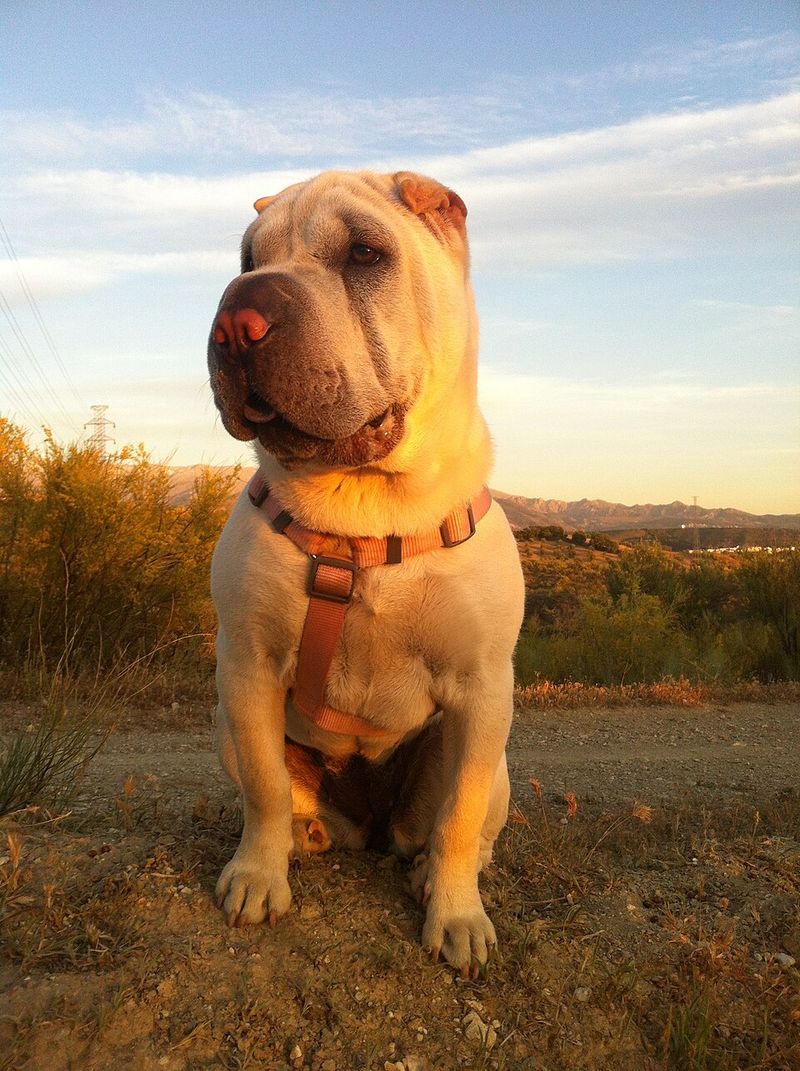
Shar Pei dogs often have a thoughtful, reserved temperament that lends itself to healthy independence. They form strong bonds yet do not always seek constant contact, making them a good fit for structured households.
A steady routine with clear expectations helps them understand that solitude is safe and temporary.
Before leaving, offer purposeful exercise like scent walks to take the edge off. Then provide a chew or slow feeder to turn your exit into something predictable and pleasant.
Because Shar Pei can be sensitive, kind leadership and consistent training matter. Socialize early to prevent reactivity that could surface during stress.
When their physical needs are met and their environment feels secure, many Shar Pei quietly relax until you return with calm energy.
Greyhound
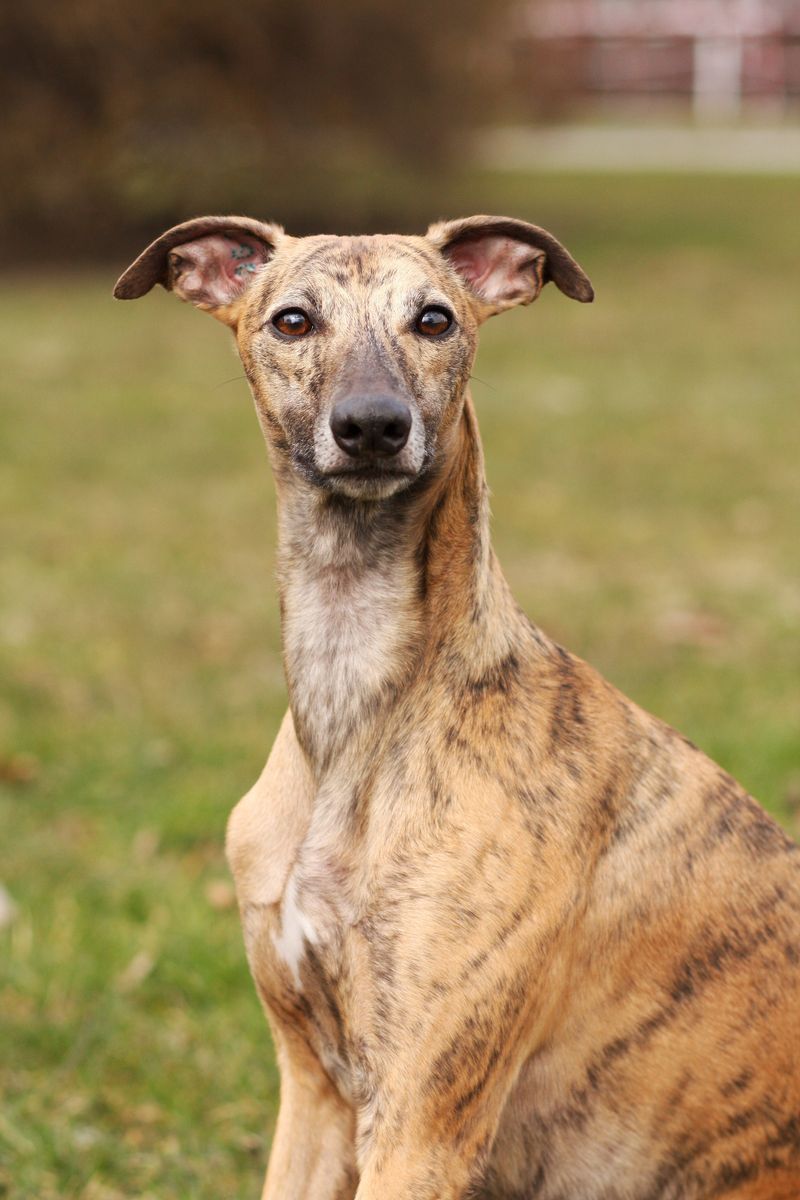
Greyhounds have a reputation for being world class loungers, which helps when you need to step out. After a good sprint or a brisk walk, many are content to nap for hours.
Their gentle, sensitive nature benefits from quiet departures and a chill environment that limits overstimulation.
Offer enrichment that suits their style, like snuffle mats, lick mats, or a cozy bed strategically placed away from street noise. Greyhounds can be sensitive to hard floors and drafts, so comfort matters.
Keep greetings low key so you do not teach them to anticipate big emotional swings. With regular exercise, soft bedding, and predictable routines, most Greyhounds manage downtime beautifully and welcome you back with elegant calm rather than frantic energy.
Whippet
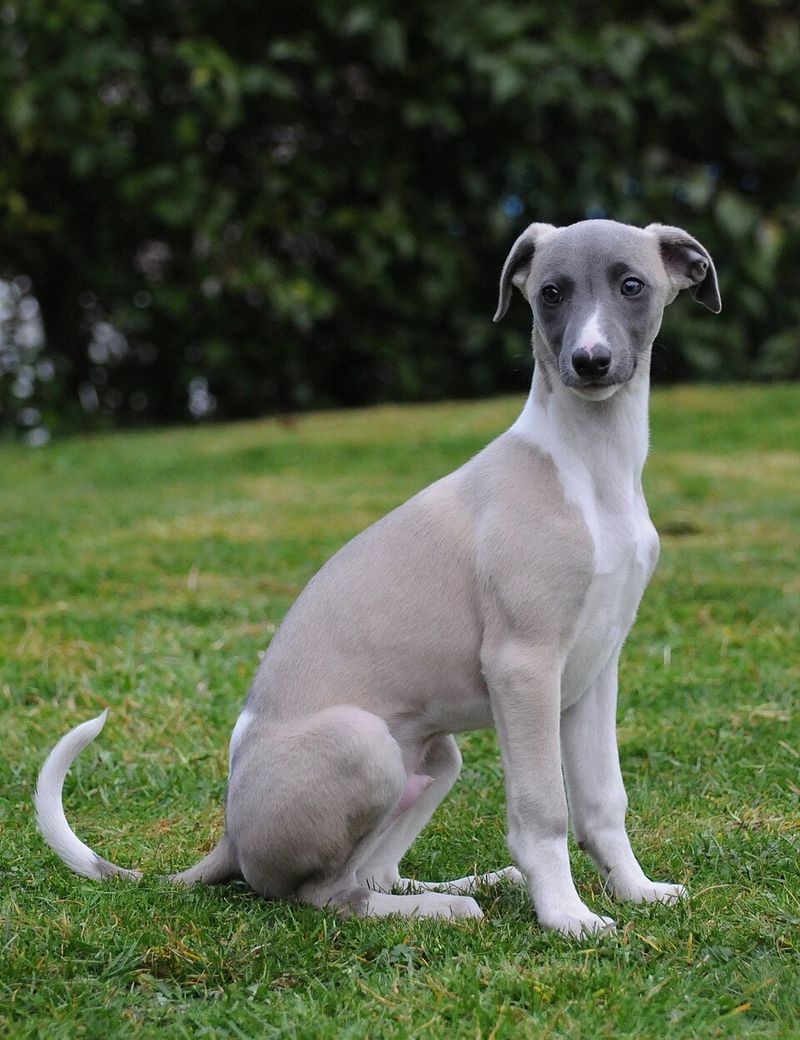
Whippets are affectionate but not clingy, often thriving with a balance of zoomies and quiet couch time. After a spirited run or flirt pole session, they slip into rest mode, making solo stints easier for you.
Their slim build loves soft, warm spaces, so a comfy bed or blanket fort can be magic.
Help your Whippet succeed by normalizing short departures first, then gradually building duration. Pair exits with low mess chews or frozen food toys that last.
Keep overstimulation low by closing blinds or using white noise if outside activity excites them. Reward calm when you return rather than hyping them up.
With routine, warmth, and gentle structure, a Whippet typically relaxes gracefully and greets you later with soft eyes and loose body language.
Basset Hound
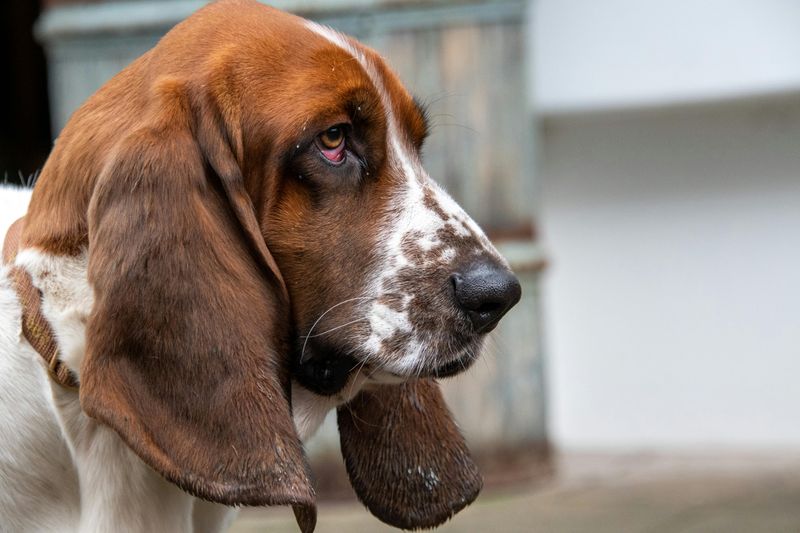
Basset Hounds bring a laid back, nose driven worldview that often translates to solid alone time. Give that nose a job before you leave with a sniffari walk or scatter feeding session, and you set the stage for relaxation.
Their easygoing nature, paired with gentle enrichment, helps stave off boredom and fussing.
A comfortable spot with supportive bedding is important for their long backs. Offer long lasting chews and rotate puzzle feeders to keep novelty high.
Keep farewells short and sweet, and avoid unpredictable schedules when possible. If howling is a concern, increase mental work and reduce triggers like window access.
With patience, structure, and humor, a Basset Hound usually naps, sniffs, and snores through your absence happily.
Lhasa Apso
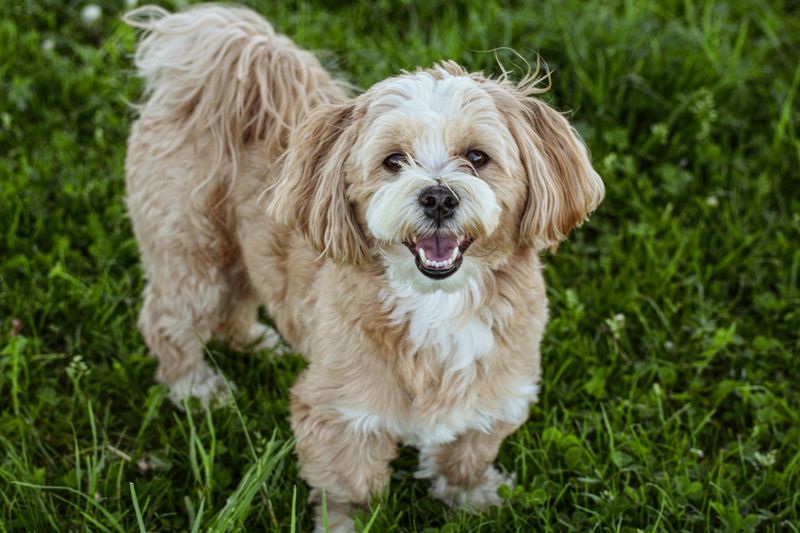
Lhasa Apsos were once monastery sentinels, alert yet composed, and that history shows in their independent streak. They like company but do not always need a lap, making them suited for households with predictable routines.
Consistent training and boundaries create security, while grooming time can double as bonding without clinginess.
Before leaving, provide a short training game or scent activity to use their brain. Then offer a safe chew or snuffle mat in a quiet space.
Keep arrivals and departures calm and confident so they read your vibe as steady. Early socialization prevents defensiveness at doors or windows.
When respected for their watchful nature and given structure, Lhasa Apsos settle nicely and greet you later with dignified warmth rather than frantic energy.
Scottish Terrier
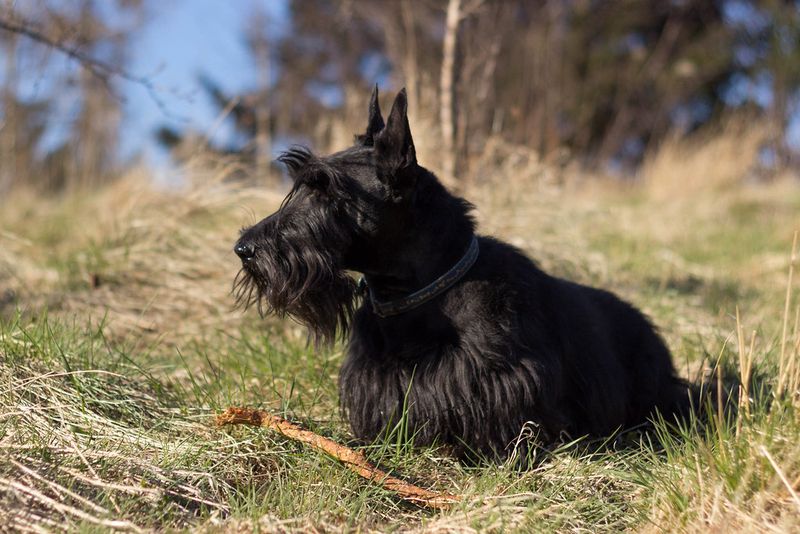
Scottish Terriers are bold, self directed little characters that enjoy having a job, even if it is simply patrolling the hallway. That confidence often makes solo stretches more manageable when exercise and enrichment come first.
Keep their brains busy with scent games, short training bursts, and sturdy chews.
Because Scotties can be independent thinkers, clarity and consistency matter more than volume. Establish a ritual for leaving, and make the good stuff appear after the door closes.
Limit access to high traffic window views if barking becomes a habit. Reinforce quiet with calm returns and scatter feed to shift focus.
With sturdy routines and fair rules, a Scottish Terrier typically naps between patrols and welcomes you back with composed enthusiasm.
Basenji

Basenjis are famously catlike, clean, and curious, often content to entertain themselves when their needs are met. They are energetic thinkers, so brain work matters as much as physical exercise.
A flirt pole session, scent puzzle, and a sunny window seat go a long way before you head out.
Because Basenjis can be vocal in unique ways, manage triggers with curtains, background sound, and a designated rest zone. Keep hellos and goodbyes relaxed to avoid big emotional spikes.
Rotate enrichment to prevent boredom and use training games to build confidence with door routines. With fair expectations, plenty of outlets, and consistency, many Basenjis settle in, nap, and watch the world quietly until you return ready for the next adventure together.
Akita
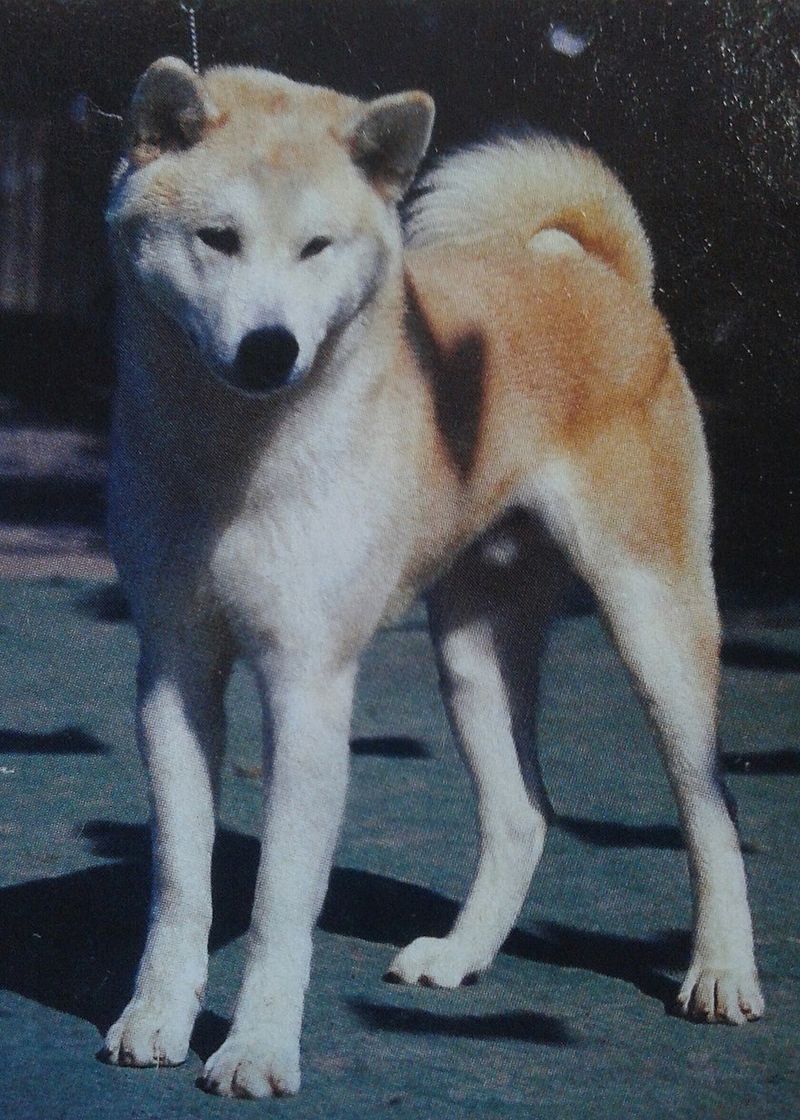
Akitas carry a calm, self assured presence that can translate into impressive independence when needs are respected. They thrive on clear leadership, consistency, and meaningful work like scent games or structured walks.
Because they bond strongly, it helps to normalize alone time early while keeping interactions purposeful and balanced.
Offer enrichment that rewards calm, like stuffed chews delivered after you leave. Provide a resting place away from busy windows to reduce arousal.
Keep routines predictable and greetings matter of fact, which sets a steady tone they can mirror. Ongoing socialization preserves confidence in varied settings.
With thoughtful training, exercise, and boundaries, an Akita often settles into quiet watchfulness, holding the home with poise until your key turns and the evening begins.
French Bulldog
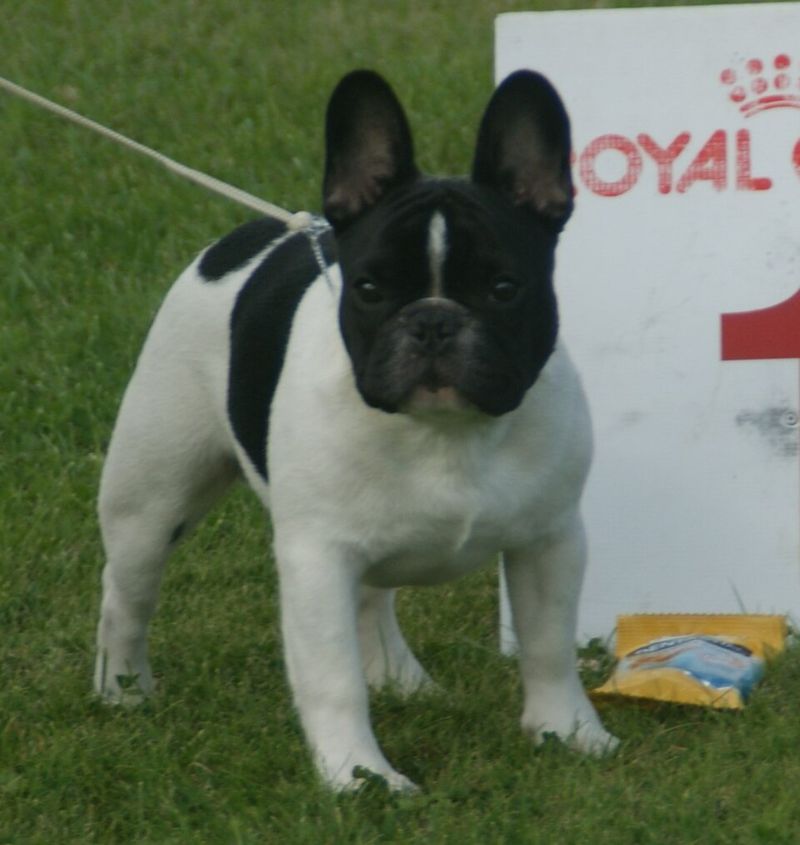
French Bulldogs are affectionate companions, yet many handle short to moderate alone time surprisingly well when routines are dialed in. They are not endurance athletes, so a playful session and a sniffy walk often lead to happy naps.
Comfort is key given their brachycephalic build, so cool, well ventilated spaces matter.
Make exits simple and upbeat, then leave a safe chew or food puzzle to occupy those first minutes. Manage noise and outside views if excitement escalates.
Keep returns calm to avoid teaching anticipation spikes. Because they can be sensitive, pair training with gentle rewards, not pressure.
With reasonable exercise, temperature awareness, and consistency, many Frenchies snooze away the day and greet you later with wiggly, cheerful calm.