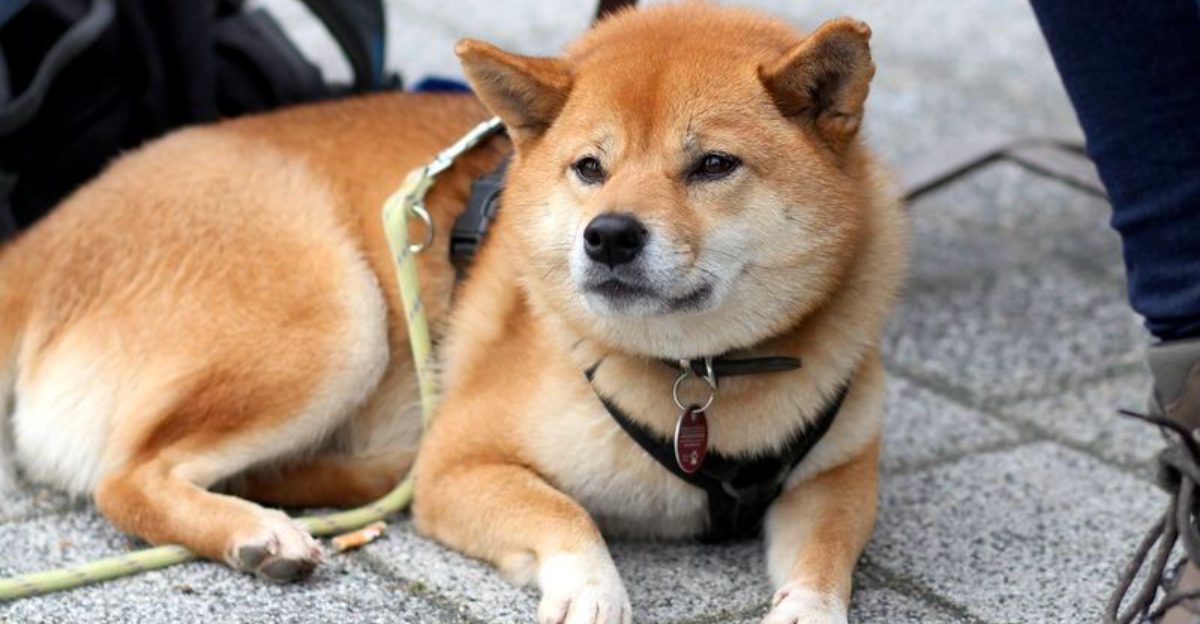
Some dogs adore drills, but independent breeds like to think first and decide if your request is worth their effort. When you learn how they process pressure, space, and reward, training becomes a respectful conversation instead of a tug of war.
This guide shares practical tips you can use today, tailored to strong minded companions. You will discover what to change so your dog chooses cooperation without constant nagging.
Akita
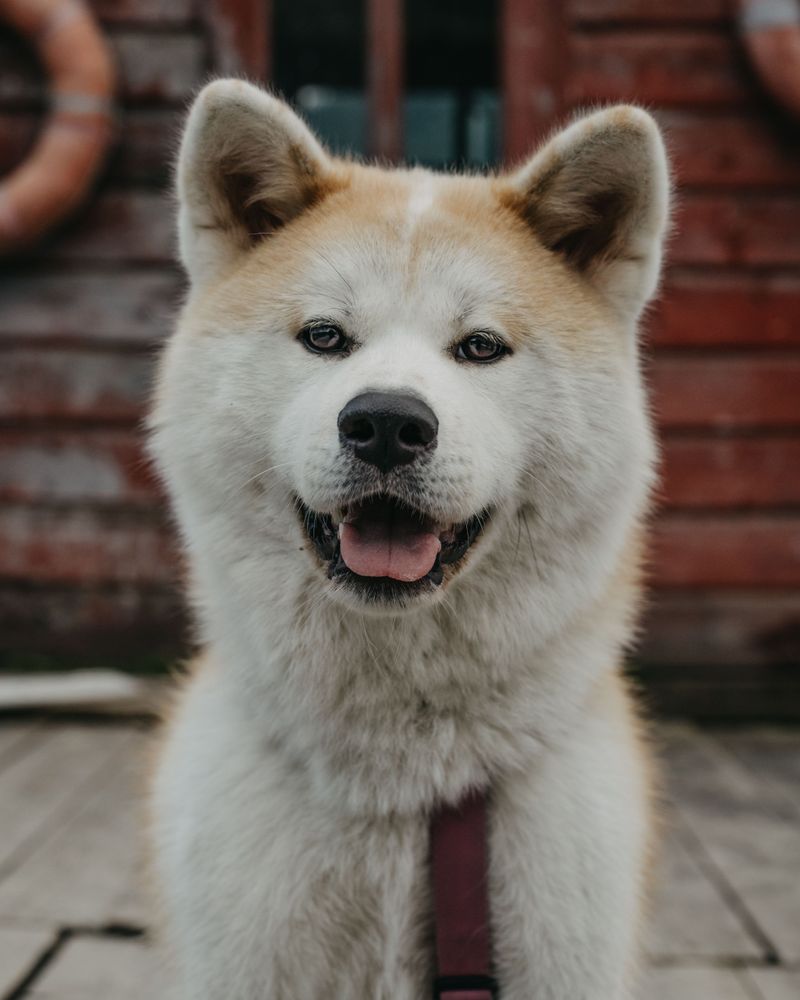
Akitas are famously loyal yet stubborn, which means training feels different from eager to please breeds. You will get farther with calm structure, short sessions, and clear boundaries than with endless repetition.
Reward choices, not compliance, by marking moments when the dog thinks before acting.
Use high value food sparingly and pair it with respectful handling, eye contact breaks, and movement. If pressure rises, pause, reset the picture, and ask for one simple behavior like a hand target.
Over time, your Akita decides you are worth listening to, and cooperation becomes steady rather than flashy. Consistency, thoughtful exercise, and a quiet place to decompress help prevent blowups and make your smart guardian feel safe enough to choose good behavior on their own.
Shiba Inu
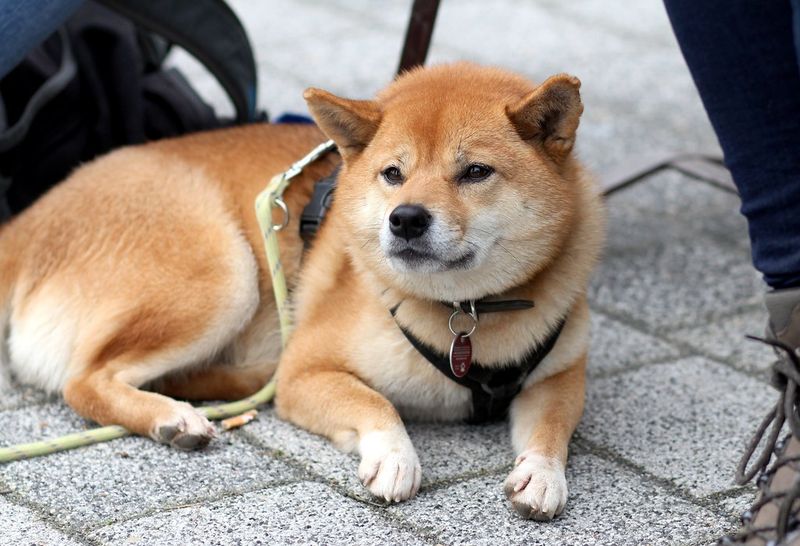
Shibas are witty, observant, and allergic to nagging, so you will need games that invite them to opt in. Keep sessions short, novel, and fun, mixing quick wins with single thoughtful reps.
Teach a cheerful release word so the dog knows cooperation earns freedom, not just cookies.
Focus on consent based handling, harness on and off with a cue, and stationing on a mat for calm grooming. Use sniff breaks as currency, trading one calm sit for a chance to investigate.
When the world gets spicy, step back, breathe, and ask for a tiny behavior like a nose touch. Over time, your Shiba realizes you listen too, and that mutual respect turns selective hearing into solid reliability.
Basenji
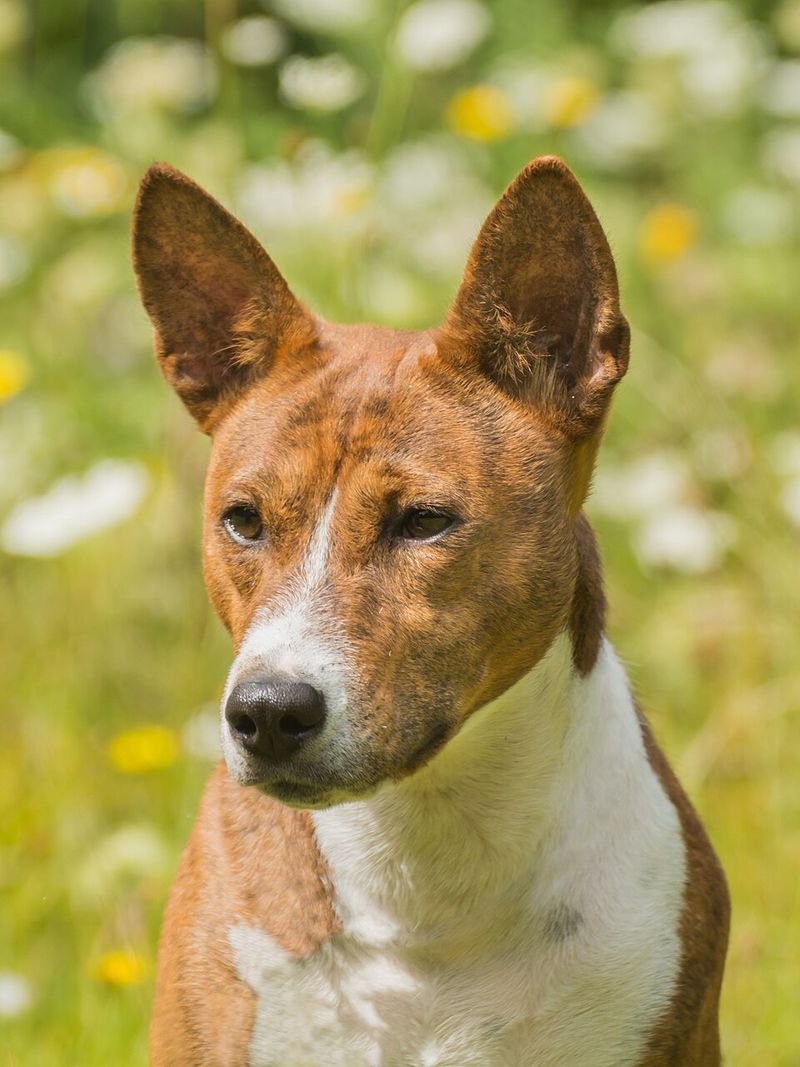
Basenjis are catlike problem solvers who prefer curiosity over repetition. You will make progress by channeling their investigative drive into hunting style games like find it, scatter searches, and scent puzzles.
Build recall with chase me then switch to you chase me, so the dog gets both roles.
Use long lines for freedom while you proof cues near motion triggers like squirrels. Reinforce with movement, not just treats, by tossing food to reset and then asking for one crisp behavior.
Keep your voice light and playful, because pressure can flip them to avoidance. With steady routines, enriching outlets, and fair expectations, your Basenji learns that checking in unlocks adventure, and they choose you even when the wind smells like mischief.
Chow Chow
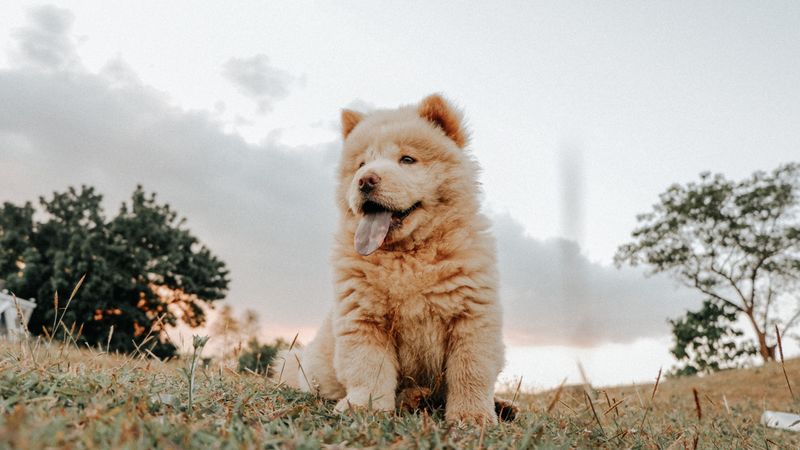
Chows are dignified and sensitive to tone, so training works best when calm, slow, and predictable. Avoid rapid fire cues and instead present one clear picture, then wait.
Pay generously for relaxed body language, soft eyes, and stillness before asking for movement.
Introduce visitors with structured routines, using a mat to create safe space and permission based greetings. Grooming becomes easier when you pair brushing with micro breaks and a yes marker for cooperation.
If conflict appears, step away and reset rather than pushing through. Over weeks, your Chow learns that your leadership is steady and fair, not loud.
That trust turns independent judgment into quiet compliance, especially during real life moments like doorways, elevators, and vet exams.
Afghan Hound
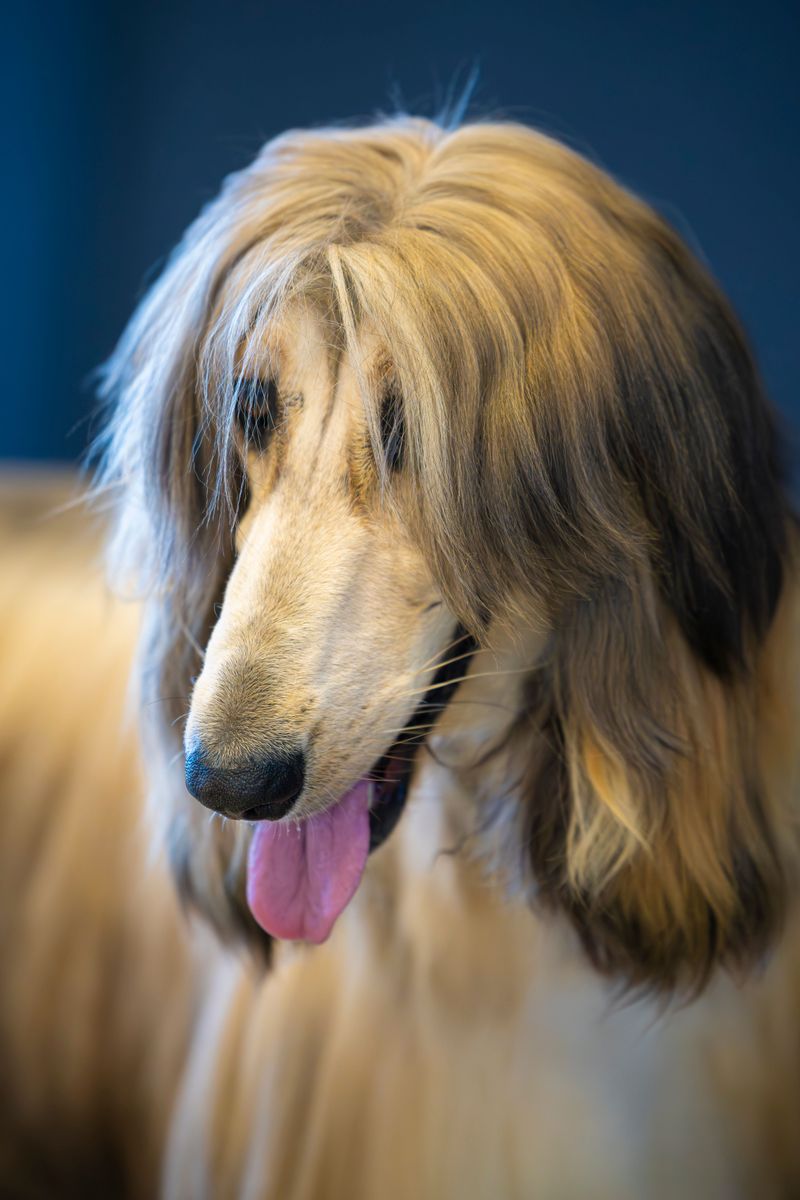
Afghans glide through life like dancers and notice pressure instantly. Keep leashes light, cues minimal, and rewards graceful, such as a soft step release or a tossed treat to follow.
Use figure eights and arcs rather than straight lines to keep engagement elastic and easy.
Grooming and handling cooperate best with start buttons, where the dog volunteers a chin rest to begin. Chase games satisfy instincts, but balance them with stillness on a station to build composure.
If they disengage, do not chase with cues; float away, invite, and let curiosity return. Over time, your Afghan learns the pattern that checking in makes the path smooth, winds gentle, and adventures continue with you leading softly.
Great Pyrenees
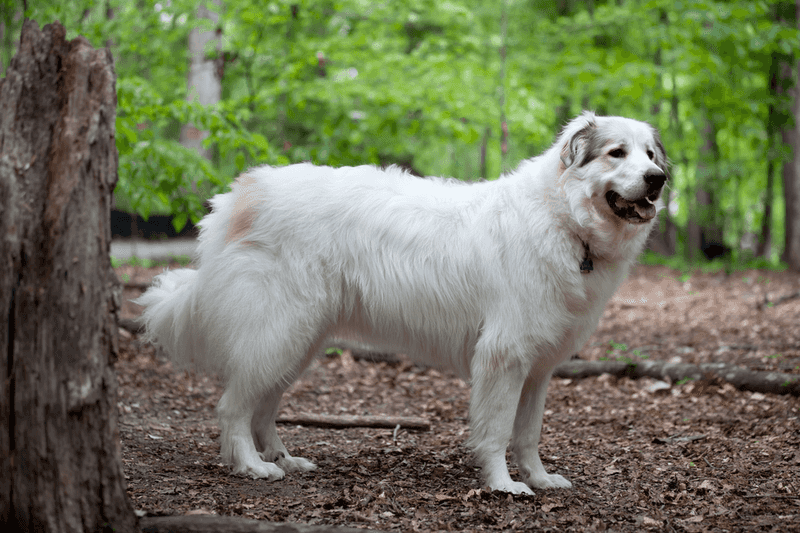
Pyrs were bred to make choices alone at night, so bossy drills often fall flat. You will succeed by setting clear territory rules, reliable routines, and slow proofing against distractions.
Use a whistle recall paired with rich paychecks, then release back to the job as the real reward.
Teach quiet with proximity, moving closer to reduce anxiety instead of shouting. Walk perimeters together, rewarding check ins and relaxed scanning.
If barking escalates, guide to a station, feed calm, and wait for a sigh before releasing. Over time, your Great Pyrenees trusts your decisions during storms, deliveries, and guests.
The big secret is honoring the guardian brain while giving structure that makes cooperation feel sensible, not forced.
Anatolian Shepherd Dog
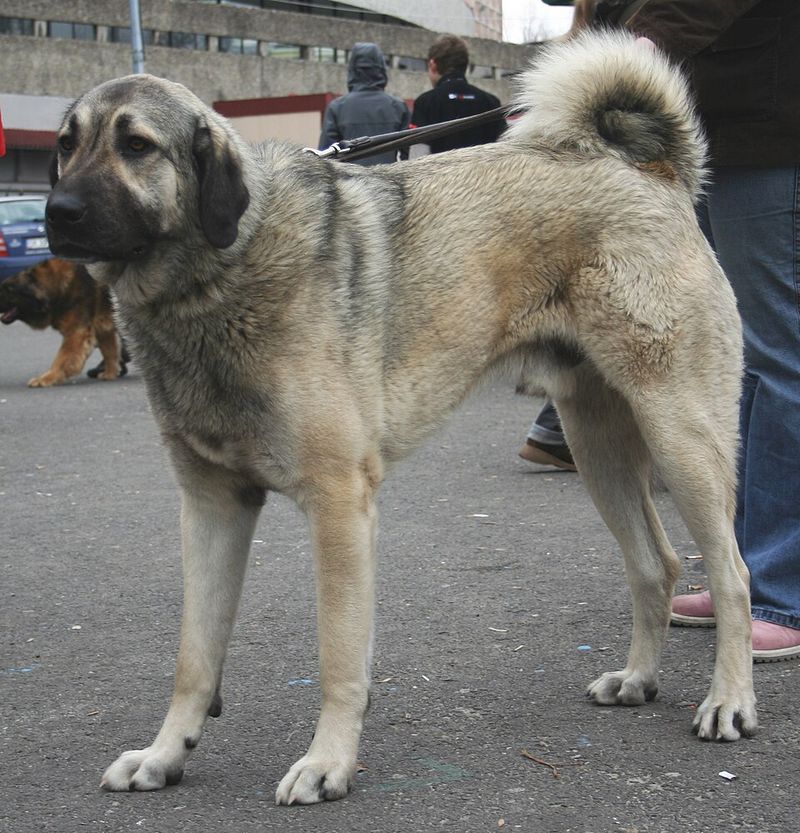
Anatolians value clarity and purpose, so training should feel like work, not tricks. Establish boundaries, livestock neutrality, and calm greetings as core jobs.
Keep sessions short, mostly in real environments, and let success look like quiet standing rather than flashy sits.
Use food, yes, but pair it with life rewards like access to patrol or settling near the flock. If arousal climbs, increase distance and give a known task, such as a station behind a barrier.
Avoid nagging; ask once, wait, and show consequences through thoughtful management. With consistency, your Anatolian chooses to listen because your plan feels safe and fair.
That trust turns a formidable protector into a respectful partner you can count on.
Siberian Husky
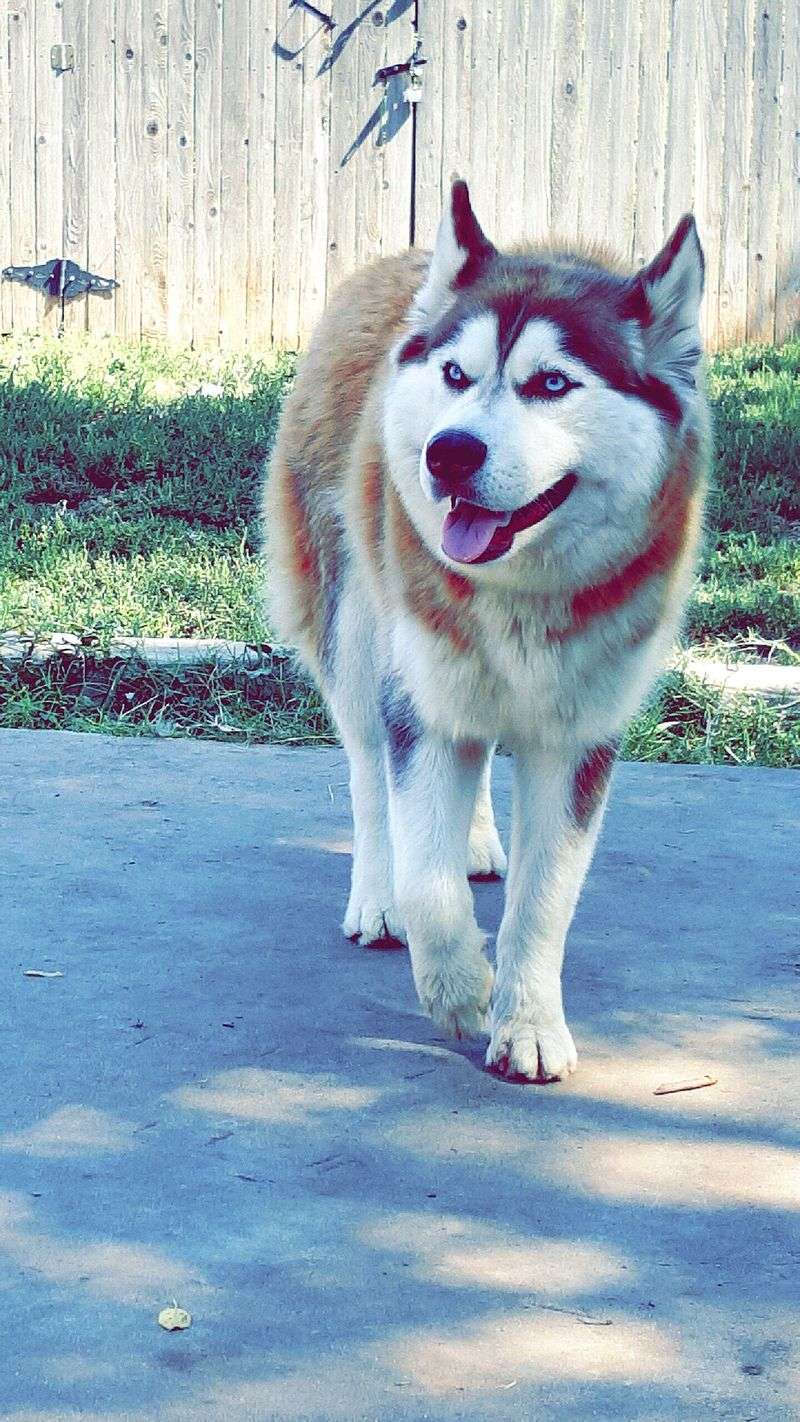
Huskies are motion powered and negotiation savvy, so static drills can flop. Build engagement with chase recalls, scent trails, and cart or scooter practice for legal outlets.
Pay with movement and release, not just snacks, to teach the dog that coming back restarts the fun.
Use a long line like a seatbelt, preventing rehearsals of escape artistry while recall grows. Practice settle on a mat indoors after big exercise, reinforcing downshifts.
Keep cues cheerful and brief, and avoid tug of war on the leash. Over time, your Husky learns that you are the gateway to speed, snow, and adventure.
That realization boosts responsiveness even when the horizon sparkles with possibilities.
Alaskan Malamute
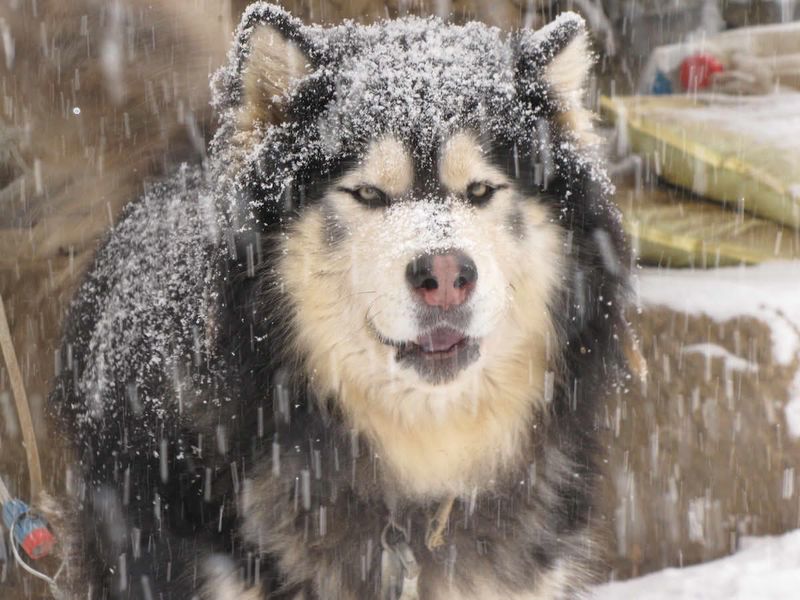
Malamutes are social, physical, and proud, so training thrives on teamwork and purpose. Rotate jobs like harnessing calmly, holding a position for photos, or carrying a pack on hikes.
Reinforce generously for cooperative care, turning nail filing and brushing into predictable routines with breaks.
Teach impulse control through tug with rules, pausing for a sit before the game resumes. On walks, use wide arcs, playful engagement, and frequent sniff breaks to prevent freight train mode.
If frustration bubbles, reset the picture, breathe, and ask for one easy behavior. With steady leadership and real work, your Malamute chooses to follow because the partnership feels fair, fun, and strong.
That spirit makes daily life smoother and adventures safer.
Scottish Terrier
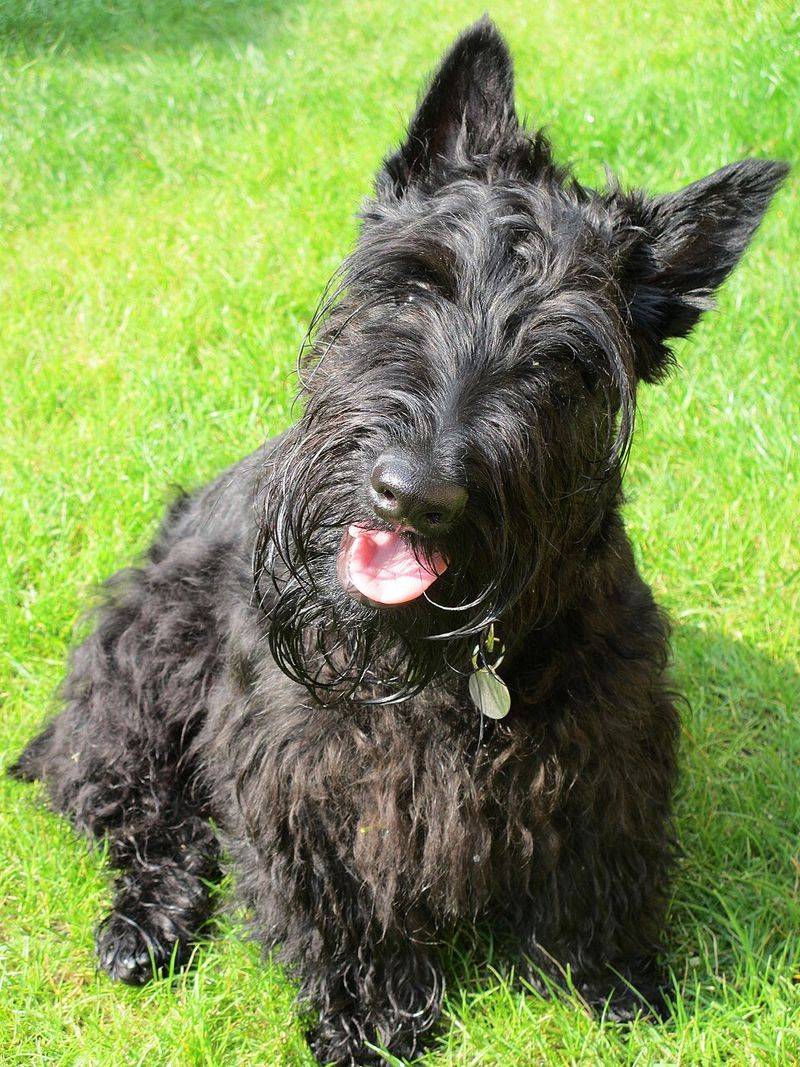
Scotties are bold investigators in compact suits, quick to form opinions about what matters. Pattern games like 1-2-3 treat and engage-disengage help organize their thoughts.
Keep criteria simple and celebrate tiny wins to maintain enthusiasm without pressure.
Grooming and vet prep improve with a chin rest start button and a place board for stability. Teach go sniff as a reward for polite behavior around critter smells.
If they lock onto movement, step sideways, feed calm, and release to sniff when they look back. Over time, your Scottish Terrier learns that checking in pays and independence is respected.
That balance creates a companion who chooses manners even when the hedges rustle with mysteries.
Tibetan Mastiff
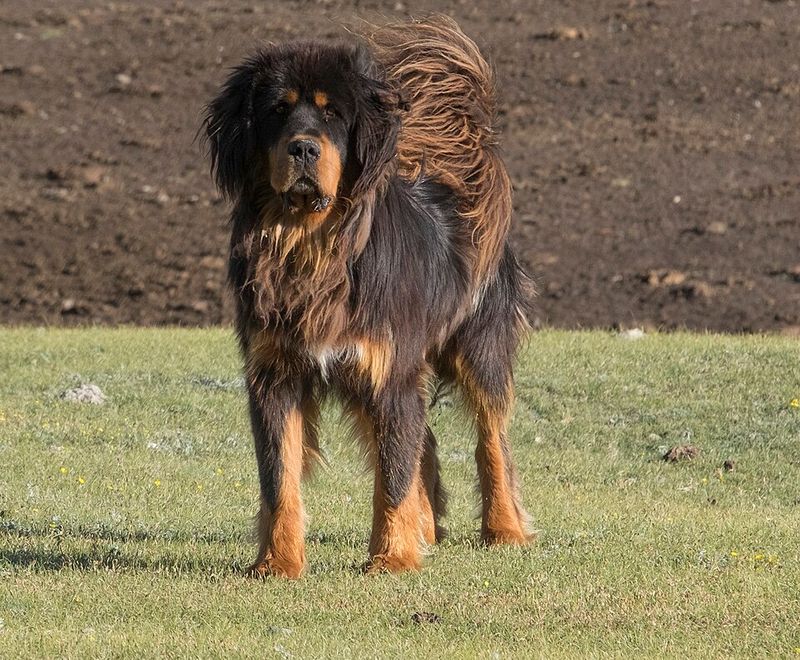
Tibetan Mastiffs evaluate everything, so your plan must be slow, clear, and consistent. Build routines at doors, fences, and visitor greetings, paying for calm scanning and quiet decisions.
Use low key rewards and plenty of space to avoid confrontational energy.
Teach cooperative care early, rehearsing muzzles, collar holds, and body handling with opt in signals. Reinforce stationing behind a barrier when deliveries arrive, then release after quiet.
Avoid repeated cues; ask once, wait, and manage the environment. Over months, your Mastiff decides you are a trustworthy leader who keeps order without drama.
That trust transforms impressive independence into dependable behavior when it truly counts, especially at night or during unusual noises.
Saluki
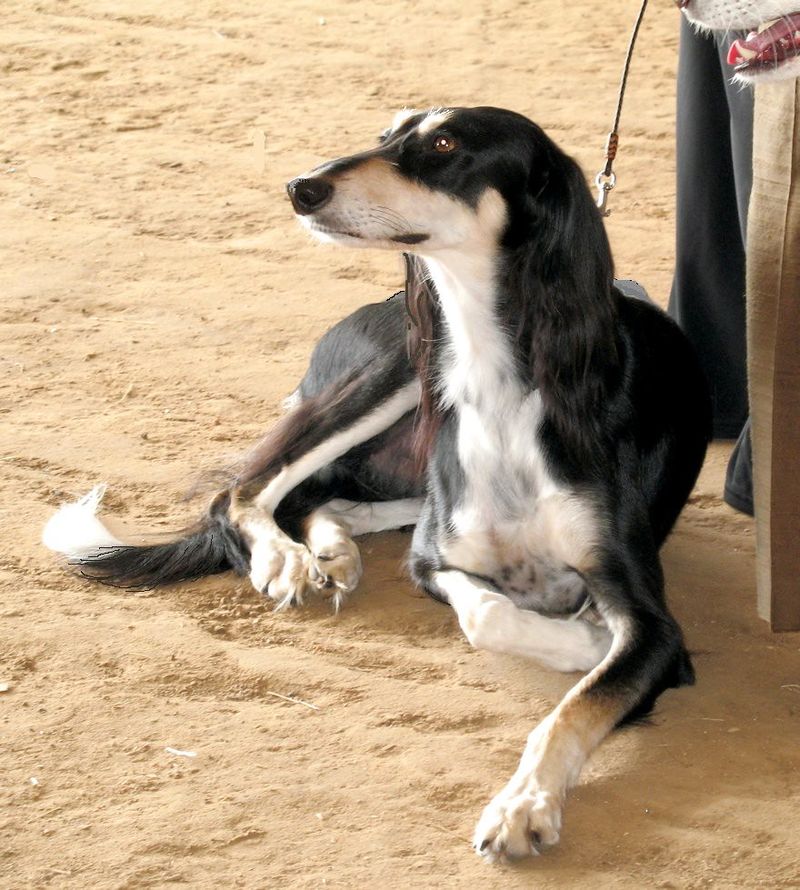
Salukis are ethereal sprinters who love elegance and space. Keep training light, fluid, and scenic when possible, using arcs and recalls that end in freedom.
Reinforce check ins with tossed treats and a cue that releases to graceful gallops.
Build stillness on a mat after exercise to grow recovery skills. For leash work, favor gentle equipment, roomy paths, and reward relaxed shoulders.
If they drift away mentally, kneel, soften your body, and invite with a playful gesture. In time, your Saluki learns that coming close restarts beauty and motion.
That pairing of artful freedom and soft structure yields reliability without crushing their airy spirit.
Karelian Bear Dog
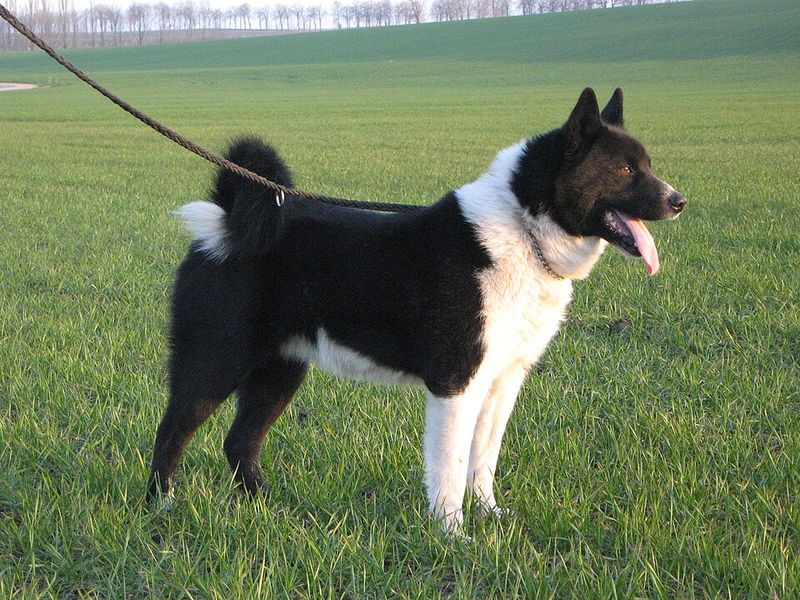
Karelians are intense, purpose driven, and wired for wildlife decisions. Channel that drive into tracking, scent puzzles, and precise emergency stops on a whistle.
Keep training in real terrain with long lines, practicing check ins at natural choke points like trails and logs.
Use high value food, toy chases, and releases to search as primary pay. Teach a downshift routine after alerts, rewarding the first sign of de escalation.
If arousal spikes, add distance and give a simple known task. Over time, your Karelian learns that you direct the hunt, set safety, and share wins.
That agreement makes reliability possible even when the forest hums with thrilling information.
Thai Ridgeback
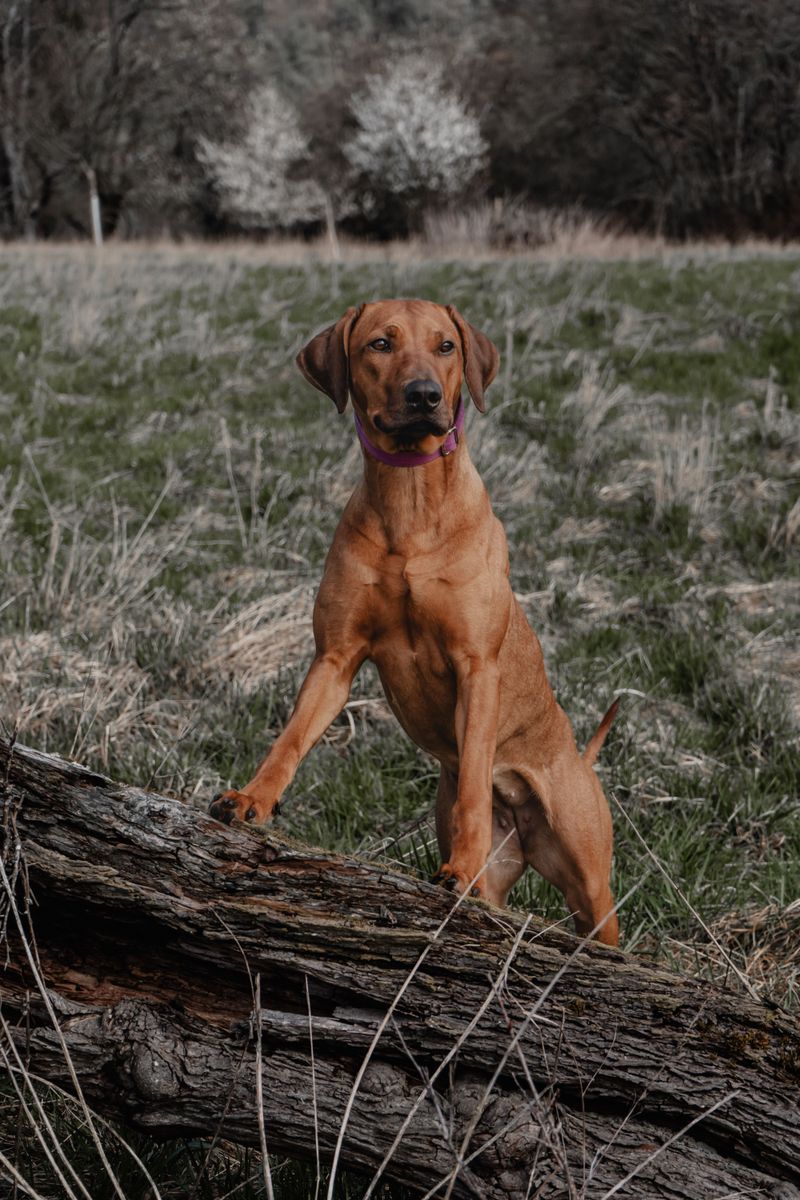
Thai Ridgebacks are athletic, independent, and observant, thriving on clarity and respectful handling. Confidence grows with perch work, platform games, and thoughtful exposure to varied surfaces.
Keep cues crisp, pay big for eye contact breaks, and use movement as a reset.
Leash skills improve with wide arcs, pattern games, and predictable routes at first. For recall, teach a fun party cue that ends in food scatter and a release to explore.
If they worry, lower criteria, add distance, and let them opt in again. Over time, your Ridgeback trusts your guidance and chooses cooperation because it preserves freedom and security.
That balance creates a sleek partner ready for city life and weekend trails.