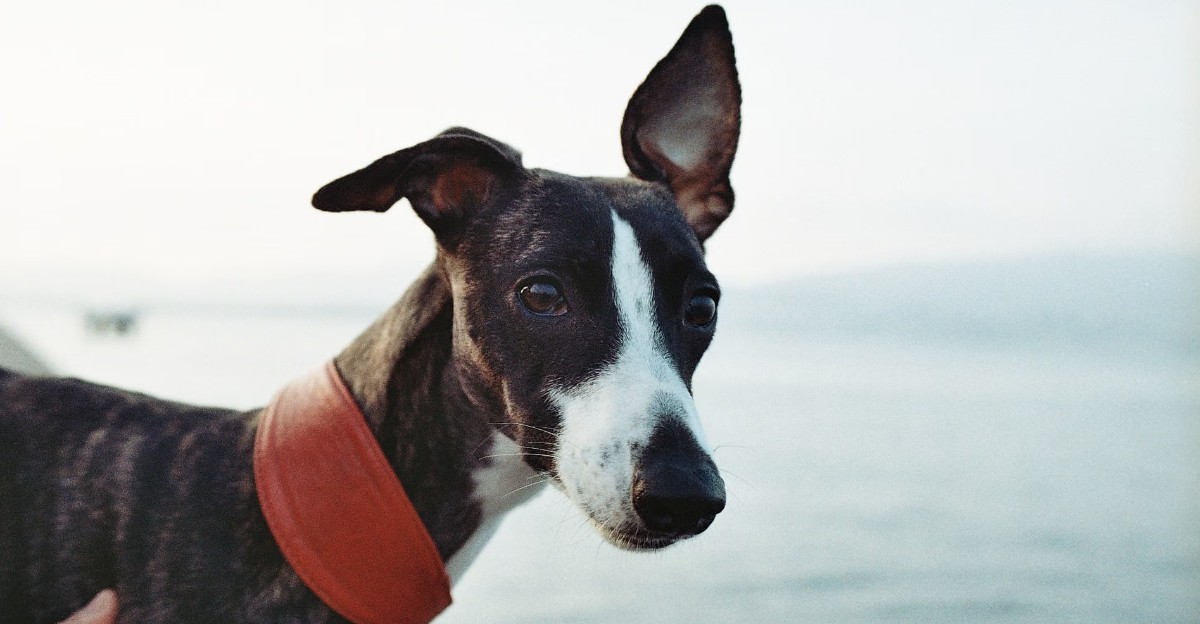
Some dogs handle alone time better than others. If your schedule is packed, choosing a more independent breed can keep both you and your dog happier.
These pups still need love, exercise, and training, but they won’t crumble if you step out for work or errands. Meet breeds known for calm confidence, self-entertainment, and steady temperaments.
Basenji the quiet thinker
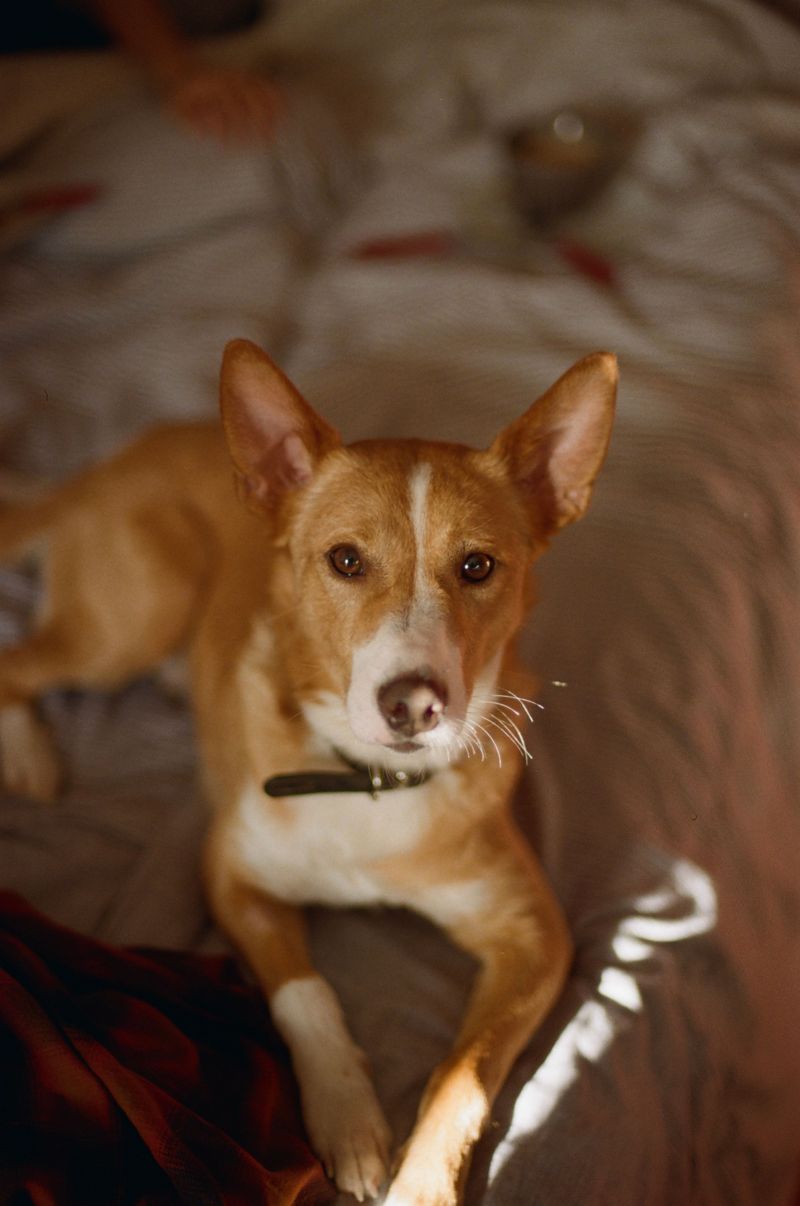
Nicknamed the barkless dog, the Basenji often observes the world like a tiny philosopher. Calm and catlike, many are content to nap or watch birds while you are out.
A daily brisk walk and a puzzle feeder go a long way. Grooming is easy thanks to their short coat.
Strong prey drive means secure yards and leashes are essential. Keep valuables stashed, offer safe chew toys, and practice short alone periods at first.
Consistency builds trust and independence.
Shiba Inu with a sly grin
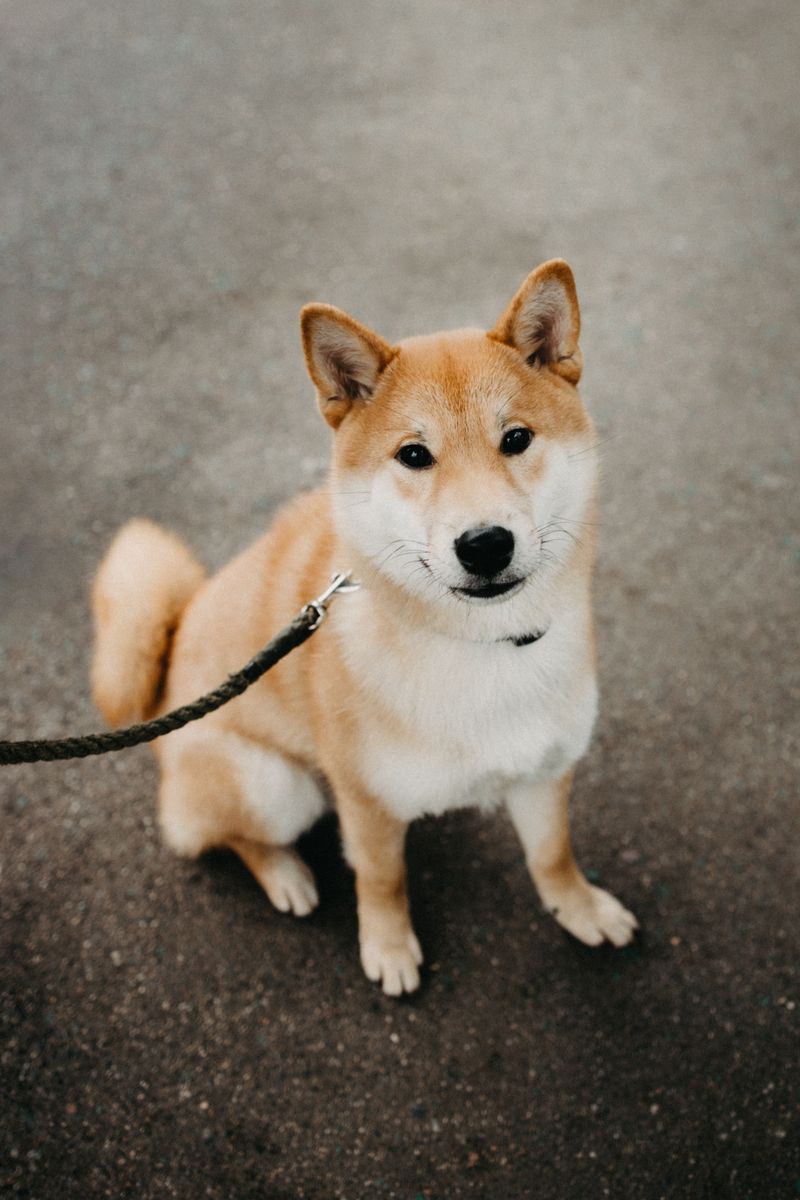
Fans love the Shiba’s clever smirk and self-assured vibe. Many Shibas enjoy personal space and will entertain themselves with a window view or a sturdy chew.
Regular exercise is vital, but they do not beg for attention all day. Minimal grooming beyond weekly brushing keeps coats neat.
Training must be firm and fair because Shibas can be stubborn. Use treats, short lessons, and clear rules.
Provide a routine, and alone time becomes more peaceful and predictable.
Chow Chow the dignified roommate
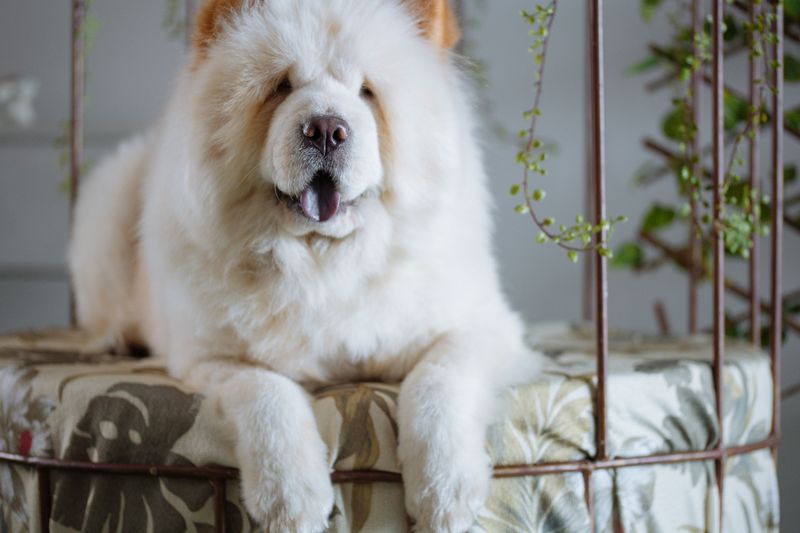
With a regal presence, the Chow Chow behaves like a calm housemate. Many are content to nap in a favorite spot and quietly supervise the home.
Moderate exercise and mindful socialization keep them balanced. Their thick coat needs regular brushing to stay clean and comfortable.
Boundaries matter because Chows value personal space. Start training early with rewards and patience.
Provide chew options, slow feeders, and comfortable resting areas. A steady routine helps this proud companion thrive during workdays.
Greyhound the gentle couch sprinter
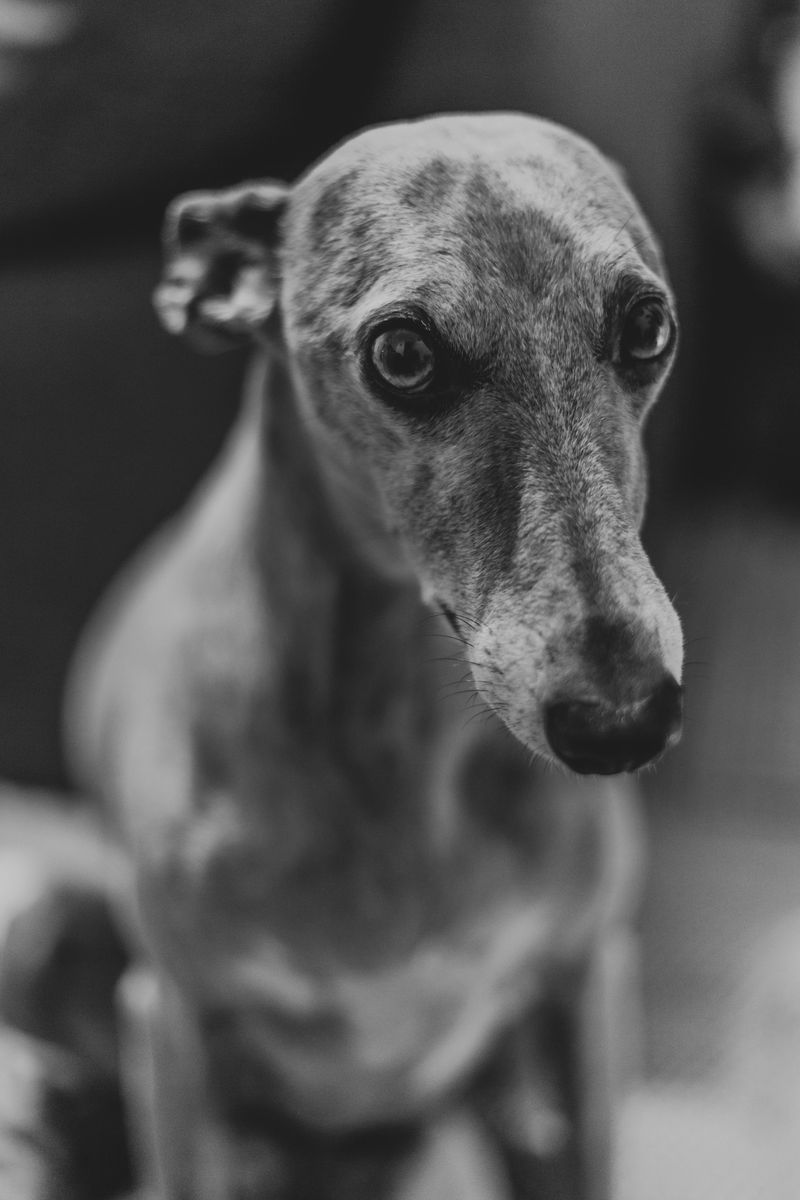
Famous for track speed, off-duty Greyhounds often act like professional loungers. Short bursts of exercise followed by long naps fit many busy schedules.
They are usually quiet indoors and enjoy soft beds. Minimal grooming is a bonus with their short coat.
Because of strong chase instincts, keep them leashed and use high fences. Offer mental games like snuffle mats and simple scent searches.
A calm goodbye and a stable routine reduce stress during your time away.
Akita with steadfast poise
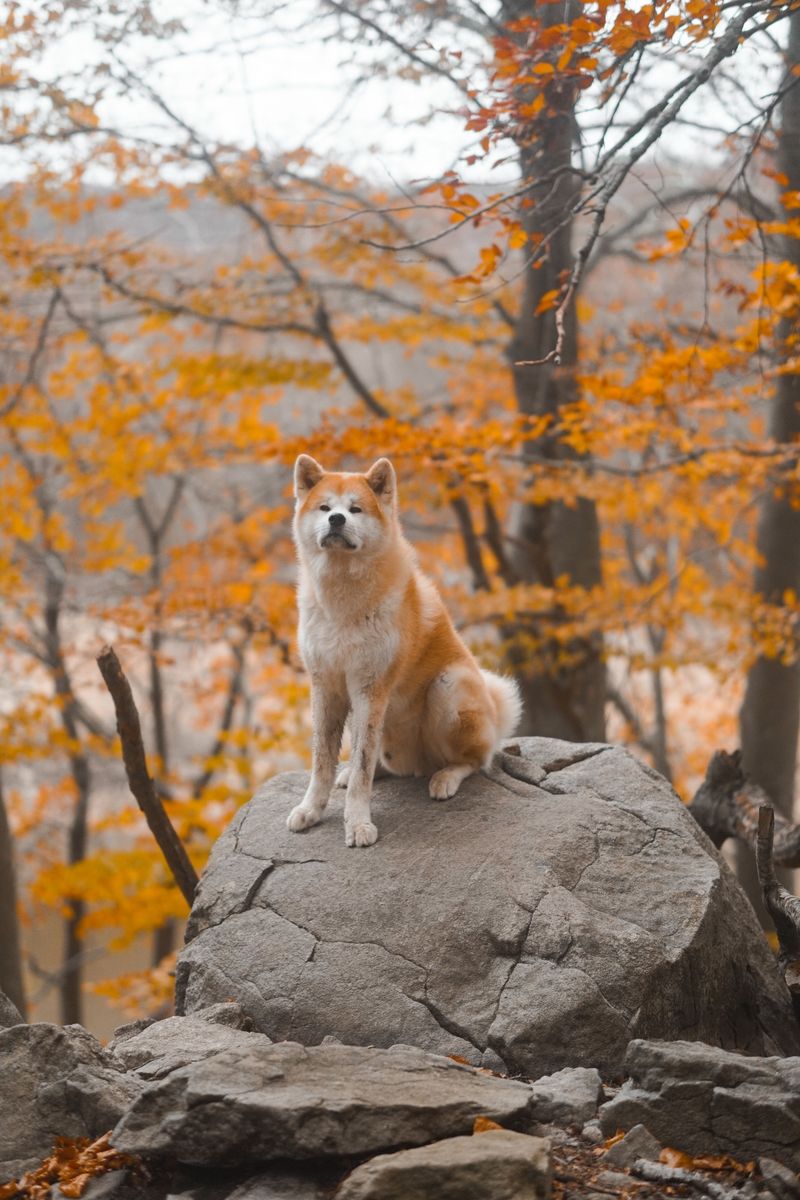
Composed and confident, the Akita can be an undemanding companion in the right hands. Many enjoy quiet households and do not cling constantly.
Daily walks, clear leadership, and early socialization are essential. Their dense coat needs regular brushing, especially during seasonal shedding.
Because they are strong and protective, training and management are nonnegotiable. Provide sturdy toys and brain games to prevent boredom.
Establish a resting zone, practice calm departures, and return to greet politely after breaks.
Alaskan Malamute the Arctic free spirit
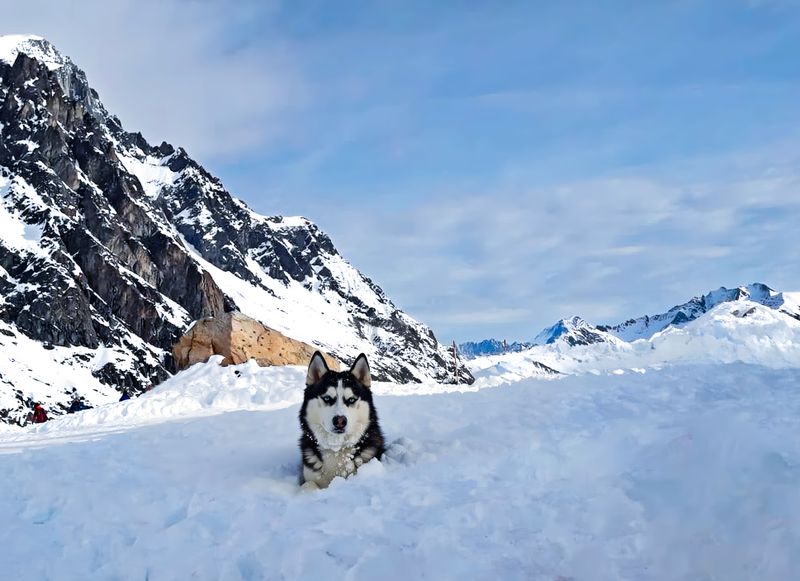
Built for hauling sleds, Malamutes have sturdy minds and big hearts. Many enjoy independent play in a secure yard and do not panic if you step out.
They thrive with vigorous exercise, especially hikes or cart-pulling practice. Expect shedding and plan for regular brushing.
A bored Malamute can redecorate with enthusiasm, so rotate tough toys and puzzle feeders. Solid fencing, consistent training, and clear routines channel their drive.
Cool resting areas help them relax between adventures.
Shar-Pei with thoughtful calm
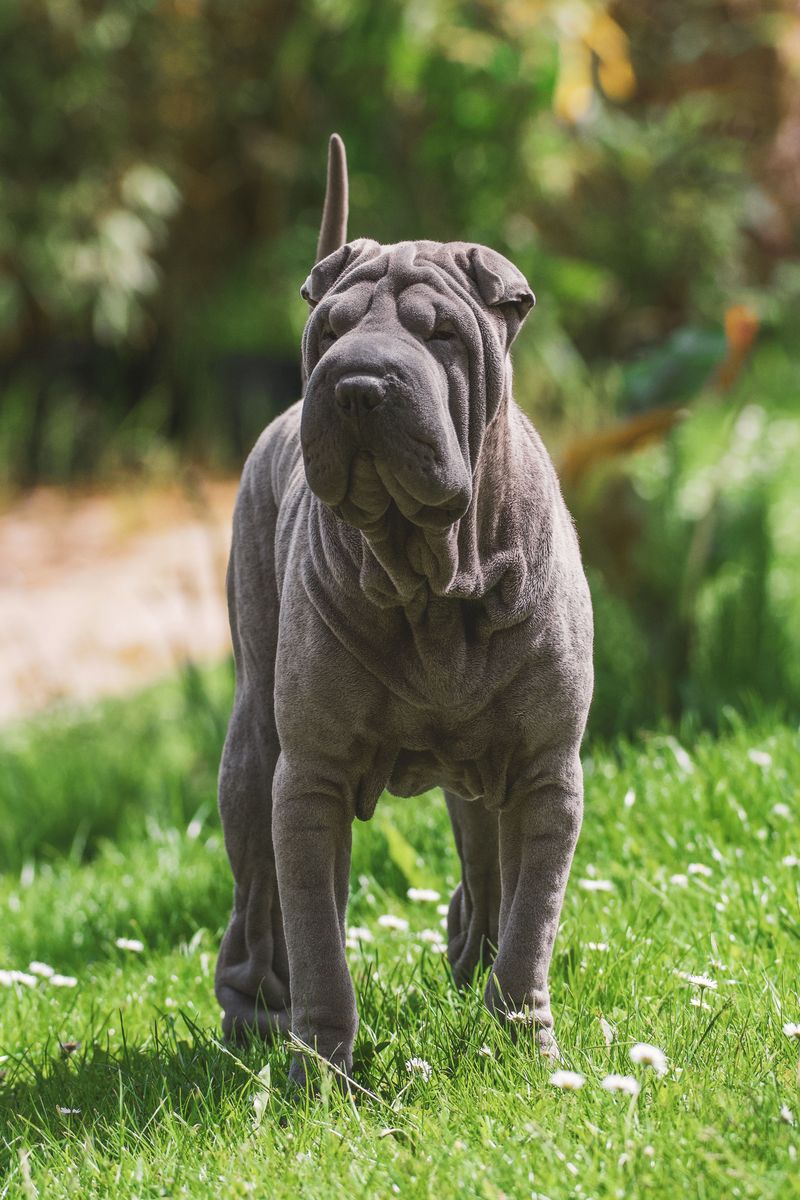
Those famous wrinkles frame a surprisingly steady temperament. Many Shar-Peis prefer a small circle of people and are comfortable relaxing alone.
Moderate daily walks and short play sessions meet their needs. Grooming is simple, but watch skin folds for cleanliness and comfort.
Training should feel respectful and clear. Use gentle rewards and keep lessons brief.
Offer enrichment like lick mats and scent games, then let them snooze. A quiet, predictable home suits this reflective soul.
Scottish Terrier with bold charm
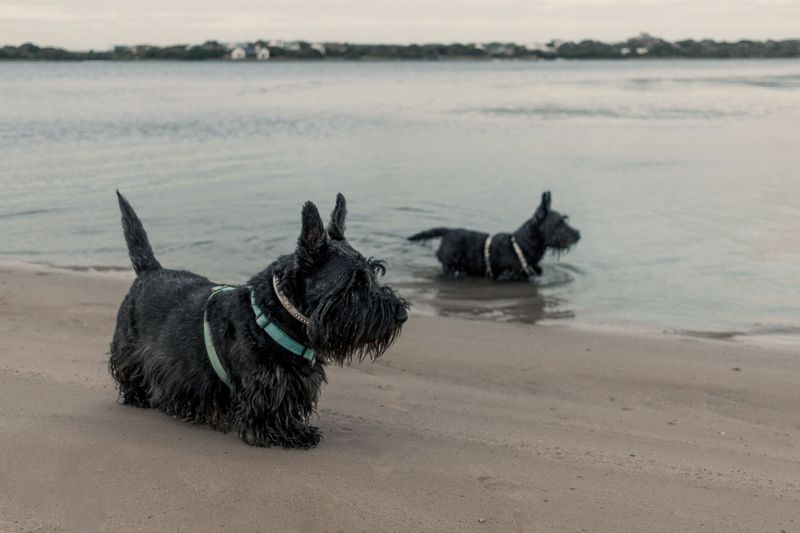
Short legs, tall attitude. Scotties are spirited yet often self-contained indoors.
After a purposeful walk, many settle nicely with a favorite bone. Their wiry coat benefits from regular brushing and occasional hand-stripping for texture.
Independent minds need confident guidance. Keep lessons upbeat and focused, using food rewards and brief sessions.
Because they love to dig and chase, provide a sandbox or flirt pole play. Leave a safe chew and soothing music when stepping out.
Whippet the low-drama roommate
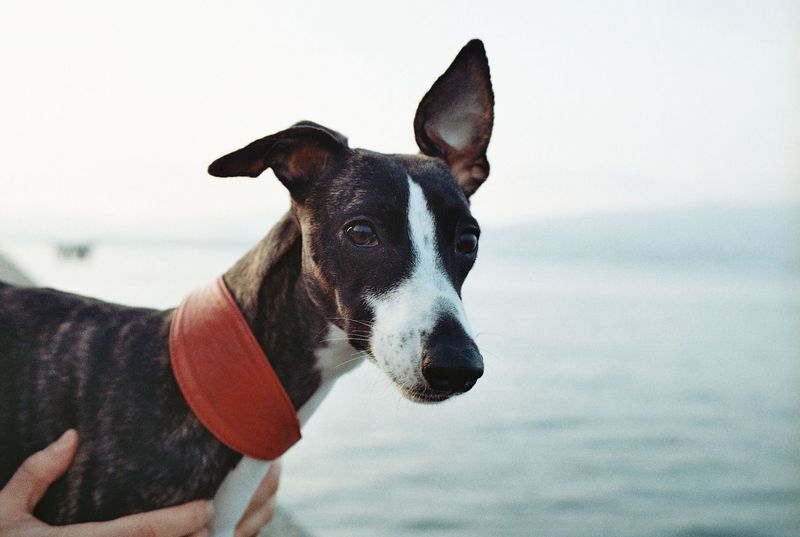
Quiet and affectionate, Whippets often enjoy peaceful homes and comfy blankets. Short sprints followed by long rests match busy routines.
They typically have low grooming demands and little doggy odor. A snug sweater helps in chilly weather.
Because they can be sensitive, keep training kind and structured. Prevent escapes with secure fences and leashes.
Provide snuffle mats, gentle tug toys, and a warm corner. Calm departures reduce excitement, making alone time easier on everyone.
Lhasa Apso the watchful traditionalist
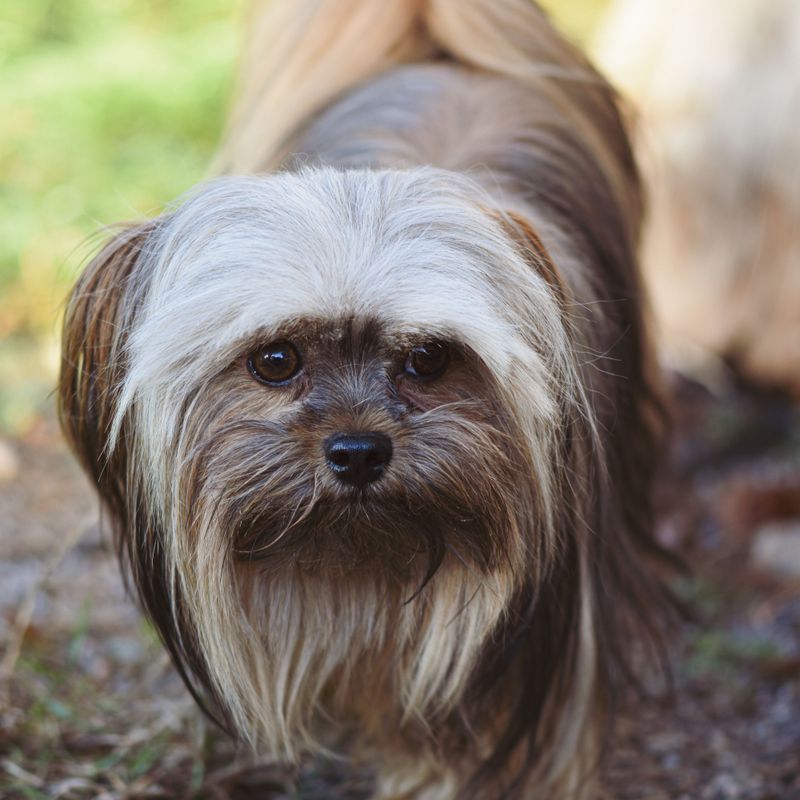
Bred to guard Tibetan monasteries, Lhasas often take their house-watching job seriously. Many are content to rest and observe while you are away.
Daily walks, brushing, and regular trims keep them happy and tidy. They appreciate respectful handling and calm households.
Training thrives on patience and rewards. Set up a quiet crate or pen with chews and water.
Rotate toys to prevent boredom. A steady schedule and gentle greetings help this thoughtful sentinel feel secure.
Norwegian Elkhound the sturdy self-starter
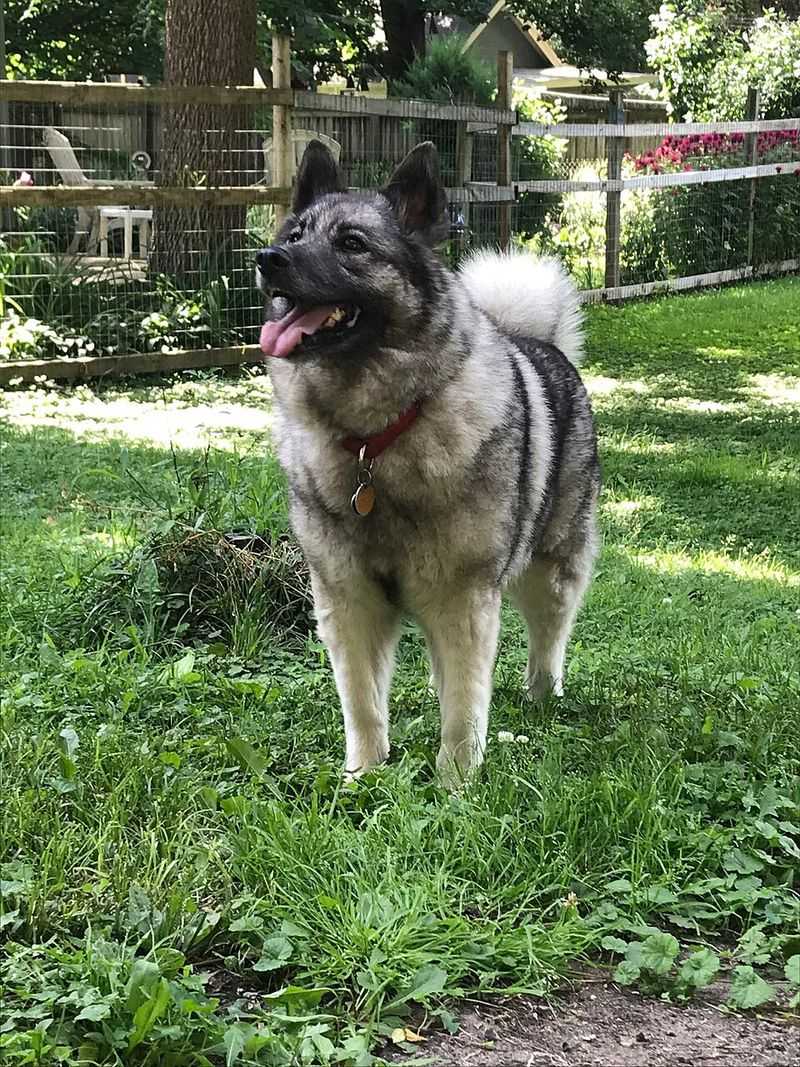
Originally bred to track elk, this hardy dog carries a confident, can-do spirit. Many handle alone time if exercise boxes are checked.
Expect daily brisk walks or hikes to keep minds calm. Their double coat sheds, so plan for consistent brushing and a good vacuum.
Independent does not mean untrained. Short, frequent sessions with treats shape manners.
Provide puzzle feeders and scent work to engage their brain. A cool, comfy spot invites restful naps between outings.