
Some dogs love you. True protector dogs also read the room, anticipate problems, and act with calm purpose.
If you have ever felt safer just because your dog changed posture, you know the difference. Here are the instincts that quietly set real guardians apart from the pack.
Watching entry points closely
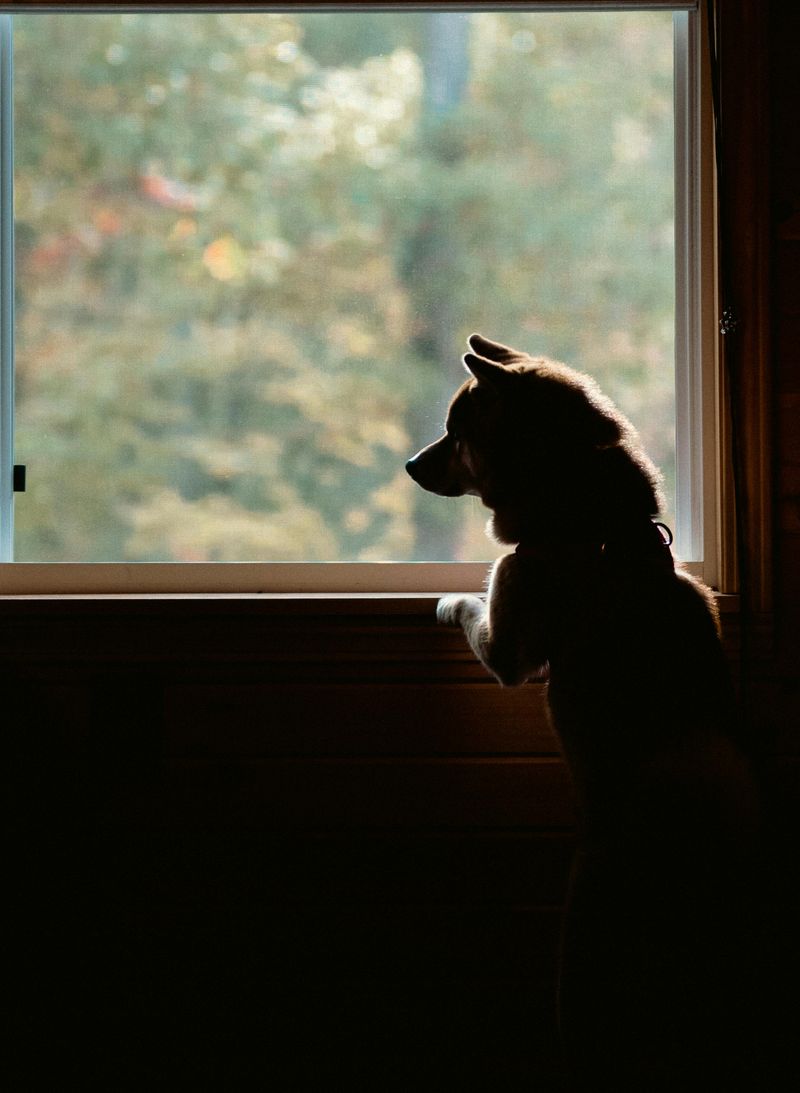
True protector dogs treat doorways, gates, and windows like mission zones. They position themselves where sightlines are clear, tracking comings and goings without fuss.
You will notice soft head turns, slow tail movement, and that steady, unblinking watch that says every threshold is accounted for.
This is not anxious pacing. It is methodical surveying, punctuated by brief checks to verify smells and drafts.
When a latch clicks, they clock it instantly and wait for your cue before moving. Over time, they memorize patterns, from the mail slot clatter to the garage rumble.
That quiet vigilance lets you relax, because they have the entrances handled. If something deviates, they escalate attention in calm, measured steps slowly.
Staying alert to unusual sounds
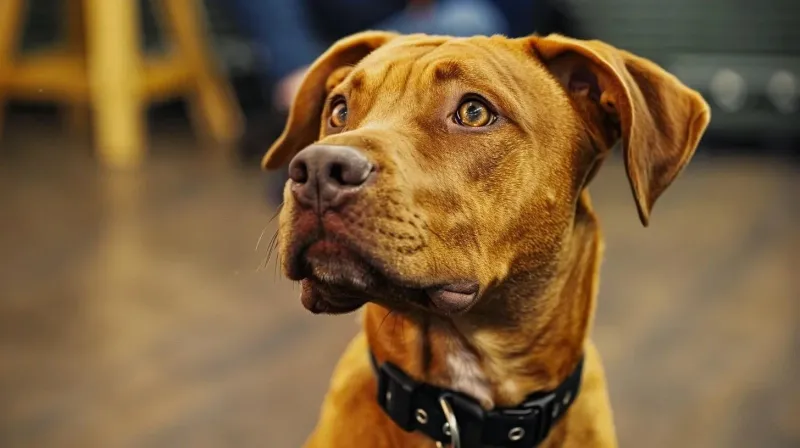
Protector dogs build a mental sound map of your home and street. They tag rhythms like dishwasher hum, elevator dings, and neighbor footsteps as safe.
When a sound falls outside that map, ears flick, posture tightens, and breathing steadies instead of spiraling.
You will see them triangulate location with tiny head tilts, then choose to investigate or hold. Sharp glass clinks, muffled scrapes, or a car idling too long triggers quiet focus first, not frantic barking.
If you speak, they recalibrate to your tone and either stand down or continue. That disciplined listening keeps the household informed while conserving energy.
It is the difference between noise and signal, and true guardians always chase the signal.
Positioning themselves near family members
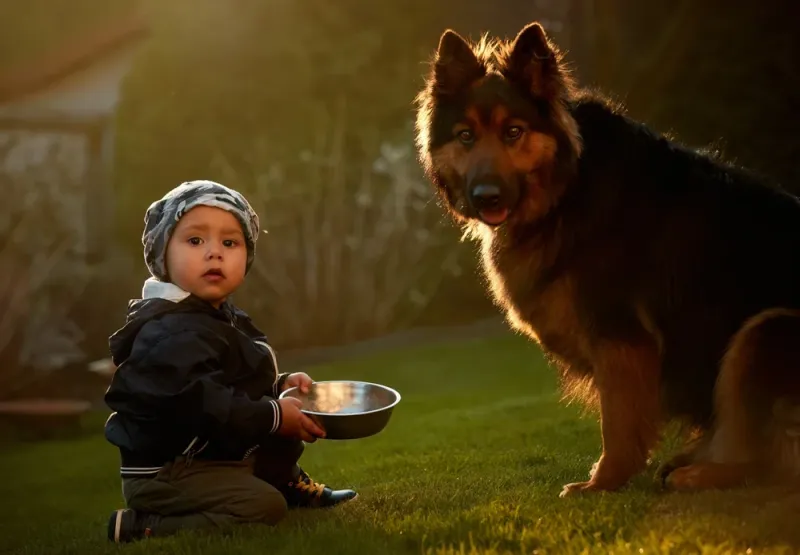
True protector dogs drift to the spots that give them eyes on everyone. They choose door-side rugs, couch corners, or the space between rooms, creating subtle coverage without blocking flow.
You will feel them nearby, close enough to intervene, far enough to relax.
This positioning is tactical, not clingy. They map escape routes, pinch points, and resting zones, then settle where response time is lowest.
During gatherings, they shift quietly as people move, keeping kids and elders inside their protective bubble. If tension rises, they inch closer and make calm contact with a shoulder or knee.
That gentle presence says I am here, and it steadies the whole room. You breathe easier because their plan already covers yours.
Reading strangers carefully
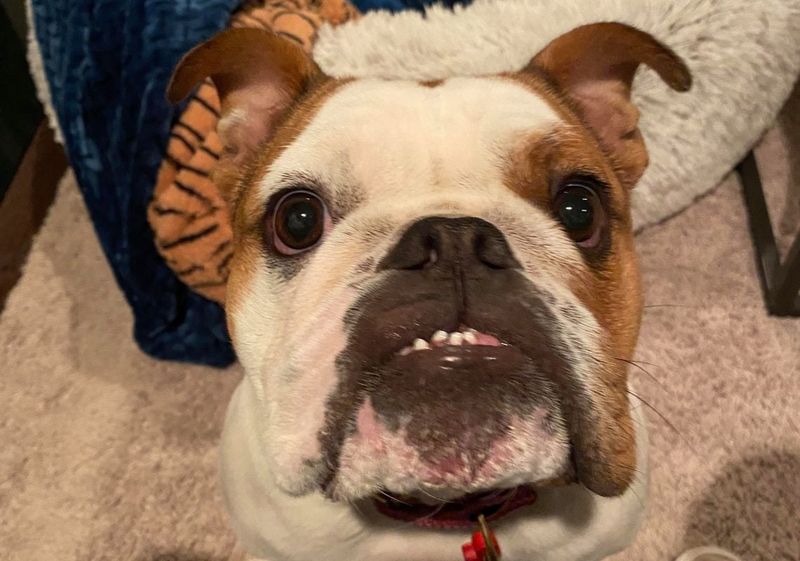
Guardian dogs scan body language before they listen to words. They read shoulders, gaze, speed, and angles, sorting relaxed intent from pushy momentum.
You will notice a quiet stillness as they interpret, not a lunge, because information comes first.
They look for open palms, soft knees, and curved paths that respect space. Fast approaches, locked eyes, or hidden hands earn heightened attention and a strategic step forward.
If you greet warmly, they recalibrate and soften, mirroring your confidence. If you are uncertain, they slow the interaction, placing themselves to shape distance.
That balanced judgment prevents overreaction while refusing naivete, the exact middle ground a real protector keeps. It feels like wise company standing quietly at your side.
Standing between you and perceived threats
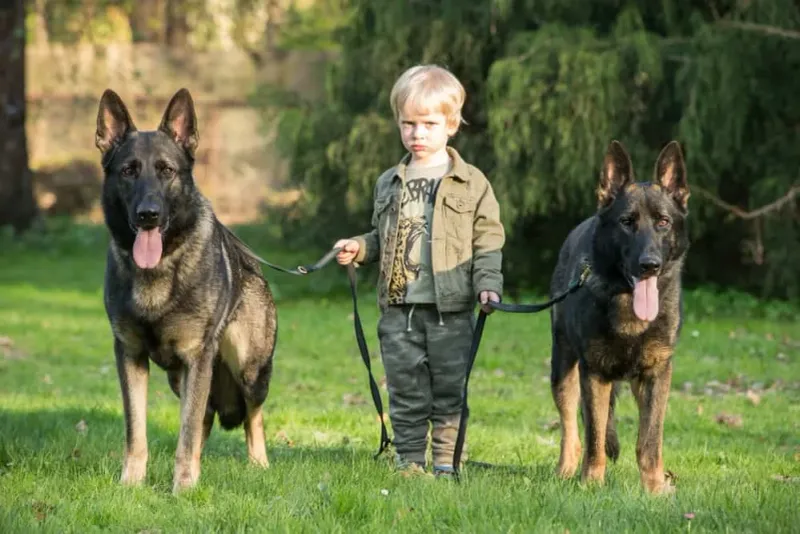
When tension spikes, protector dogs take the middle. They slide their body between you and the question mark, expanding presence without flashy bravado.
You will feel a living buffer that says we can handle this, but on our terms.
This is calibrated placement, not aggression. Shoulders angle out, weight centers, and eyes track calmly while they claim space.
If the threat backs off, pressure drops and they step away. If it advances, they plant, give a warning, and hold the line until you decide.
That measured stance turns conflict into choices, and choices keep everyone safer. You feel protected yet still in control, which teaches lasting confidence.
It is quiet strength you can trust daily.
Reacting quickly to sudden movement
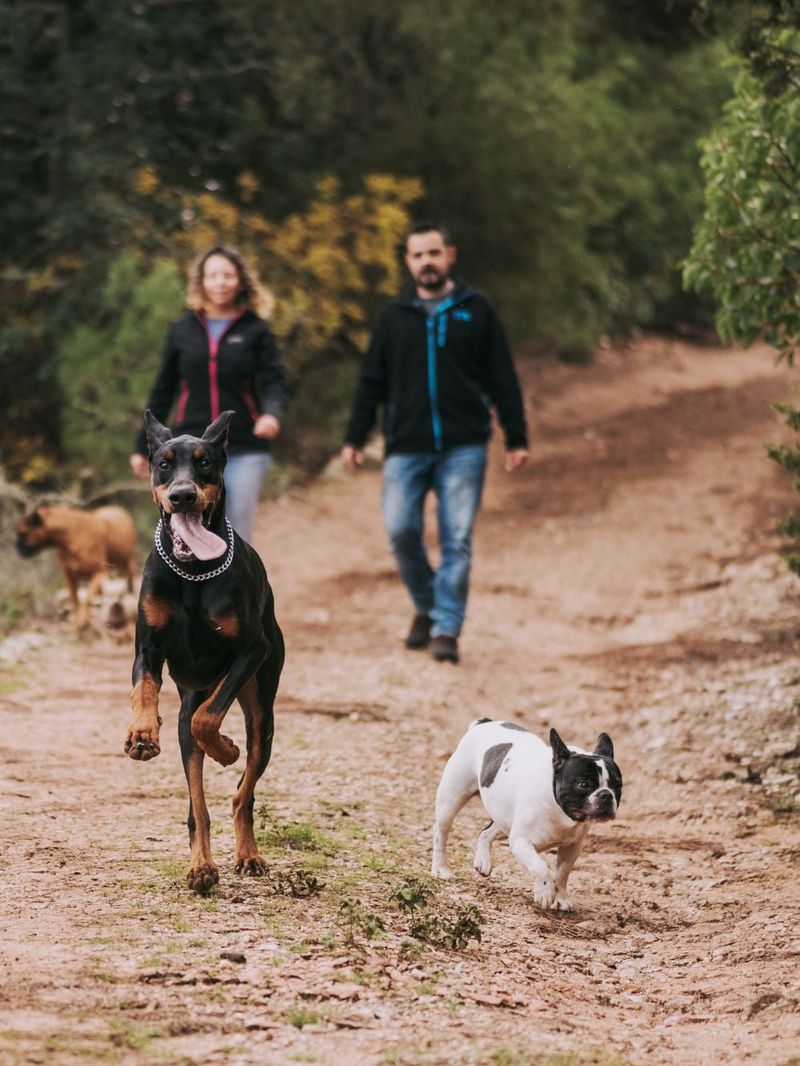
Real guardians snap to attention when motion spikes. A dropped tool, a sprinting bike, or a door swinging wide triggers instant orientation, not panic.
You will see a fast head turn, squared stance, and a quick look to you for next steps.
This reflex runs on practiced impulse. They interrupt the surge, decide whether it is play or concern, and modulate power accordingly.
If it is nothing, they release tension like a switch. If it matters, they close distance with control, using voice alerts before body.
That blend of speed and judgment keeps surprises small and prevents chain reactions. You get speed without chaos, readiness without drama.
That is how trust is built in real time.
Patrolling familiar spaces
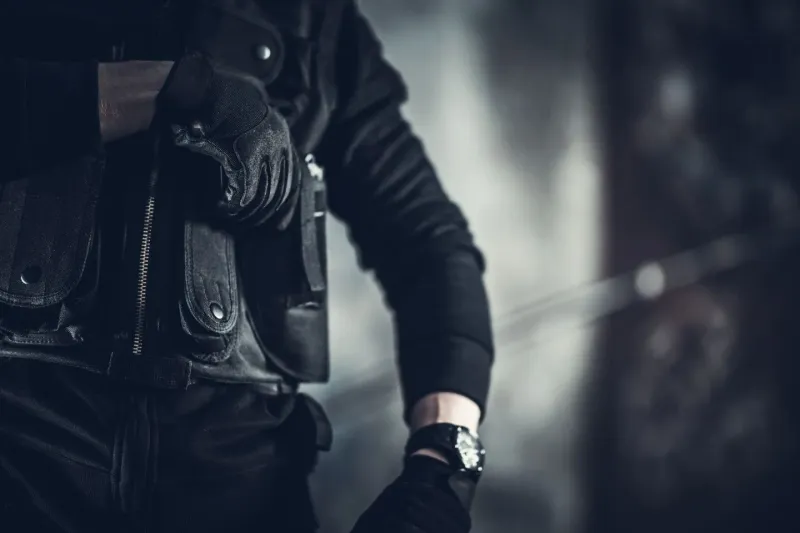
Protector dogs run quiet circuits through known territory. They sniff thresholds, scan corners, and pause at vantage points that cover multiple angles.
You will notice routine sweeps at dawn and dusk, when change is most likely.
This is security through rhythm. They catalog what belongs, from parked cars to garden smells, so anomalies pop immediately.
If a gate is ajar, they alert and guide you there. If everything is normal, they leave scent notes and move on.
That steady patrol keeps the map fresh and tells potential trouble the space is claimed. It is a living checklist that reassures you long before you even ask.
You feel the territory breathe under dependable guardianship every day.
Staying calm under pressure
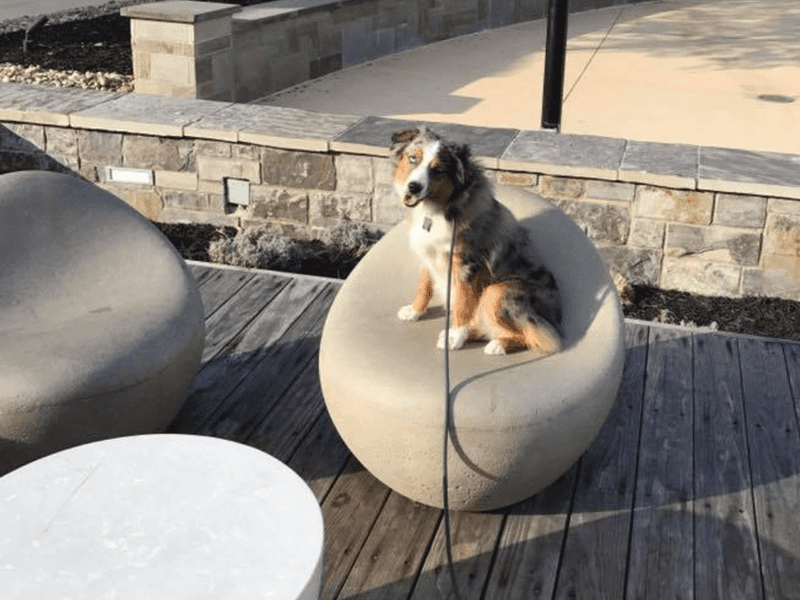
True protectors regulate emotions the moment stakes rise. Their breathing slows, tails lower to neutral, and their eyes stay soft yet focused.
You will sense composure spreading through the room like an anchor.
Calm is contagious and tactical. It keeps options open, improves reading of intent, and prevents mistakes.
If the situation calls for action, they escalate deliberately instead of exploding. If it calls for patience, they hold ground with quiet confidence.
That steadiness lets you think clearly, make better decisions, and finish strong when it matters most. It is emotional ballast that keeps the team centered during storms.
You borrow their steadiness and return courage with your voice. Together, pressure becomes process.
Clarity follows.
Responding to changes in tone

Protector dogs key off your voice more than your words. A softened hello, a clipped command, or a laugh that strains slightly all register instantly.
You will see ears rotate, eyes check in, and bodies shift to meet the moment.
They are translators of mood. Rising pitch can mean urgency, so they quicken.
Low, steady tones invite patience, so they settle. If your voice wobbles, they close distance and offer grounding contact.
If confidence returns, they mirror it and re-open space. That sensitivity turns communication into a feedback loop that keeps you aligned.
It feels like being heard without having to over explain. You talk, they adjust, and trust grows in real time between you.
Remaining loyal to their group
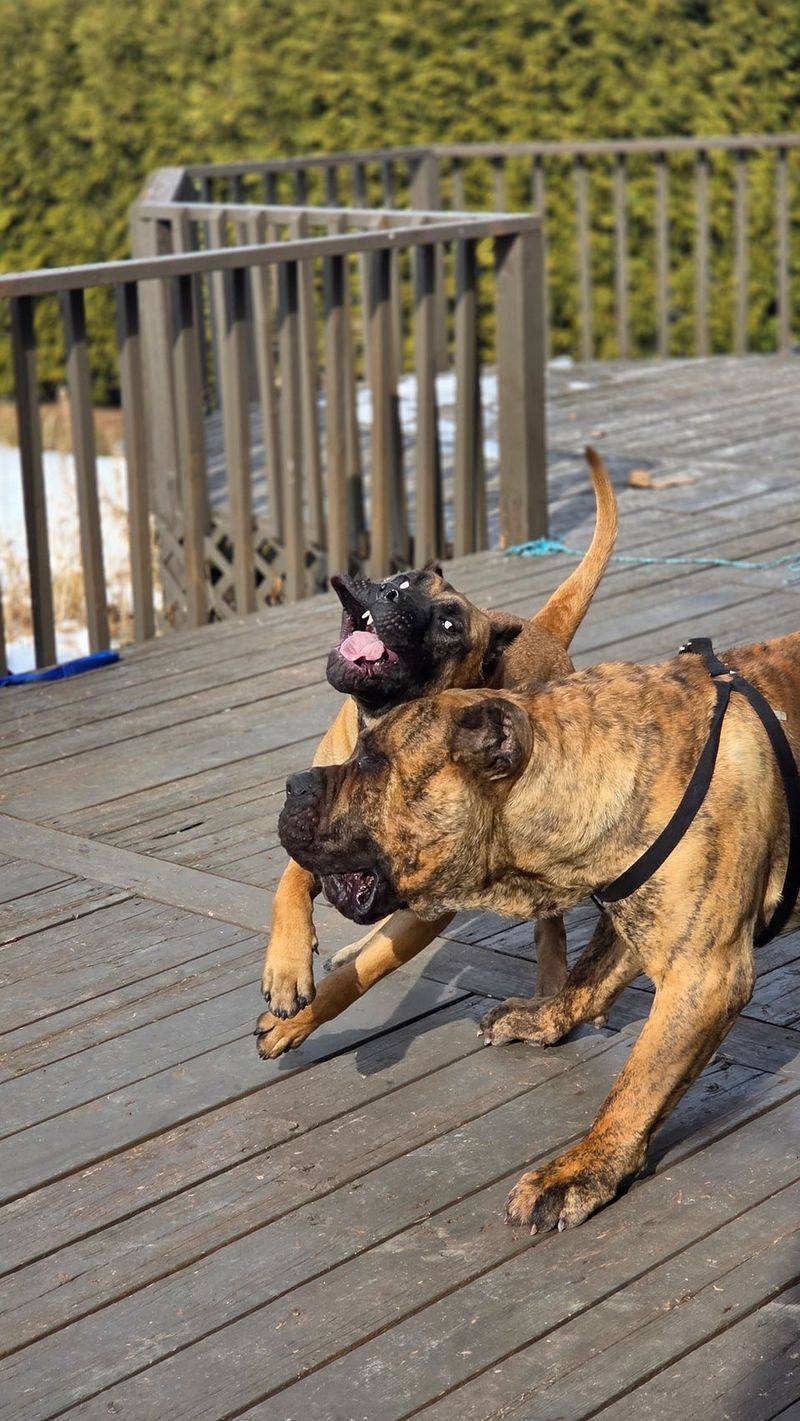
Real protector dogs define family as a circle, not a person. They check on everyone, share warmth fairly, and keep watch even when you are not looking.
You will feel covered as a unit, not as favorites.
Loyalty looks like consistency over charm. They remember who needs extra space, who plays rough, and who tires early.
If a member lags, they slow and escort. If a stranger tries to divide attention, they redirect politely and return to the circle.
That steady allegiance builds harmony, which makes protection stronger without ever shouting about it. You see it during walks, holidays, and late nights.
The bond becomes structure that supports every decision. Dependability becomes love in motion.
Knowing when to hold back
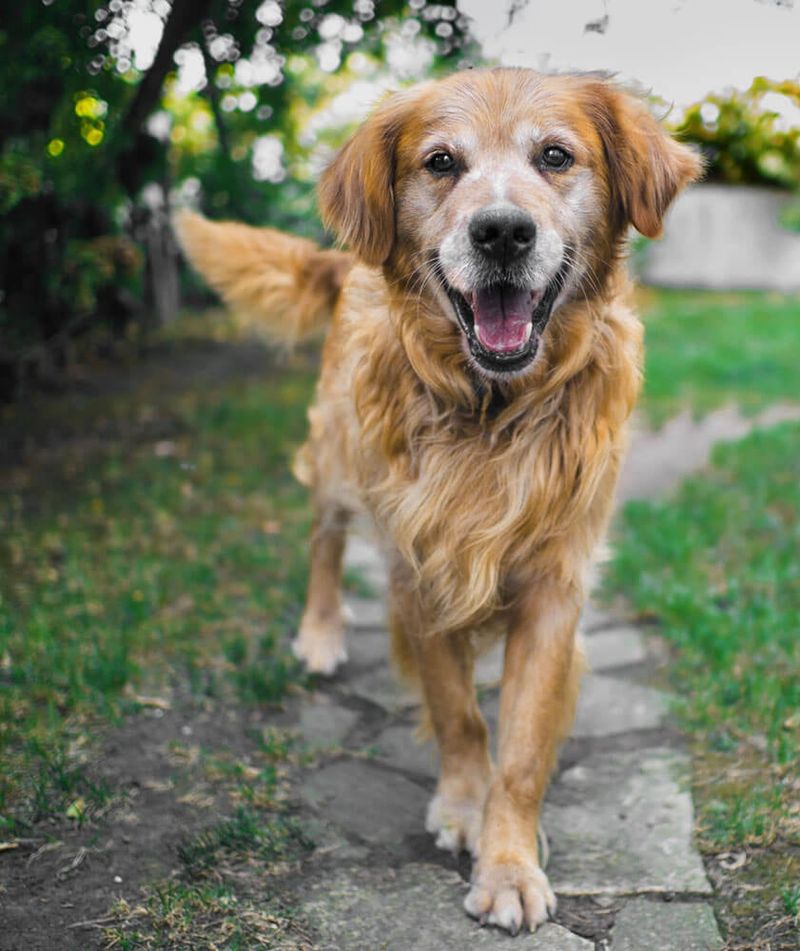
The best guardians understand restraint as a skill. They do not waste energy proving themselves or chasing every provocation.
You will see them watch, wait, and choose the moment that matters.
Holding back is protection by wisdom. It reduces risk, prevents escalation, and saves strength for the real problem.
If a passerby is noisy, they ignore it. If a boundary is tested, they respond cleanly, then disengage.
That selective intensity shows confidence, teaches calm, and keeps peace without sacrificing safety. You learn to trust their edits, because not every situation deserves full volume.
In a noisy world, restraint is courage shaped into patience. It feels like wisdom wrapped in muscle, and it lasts for years.