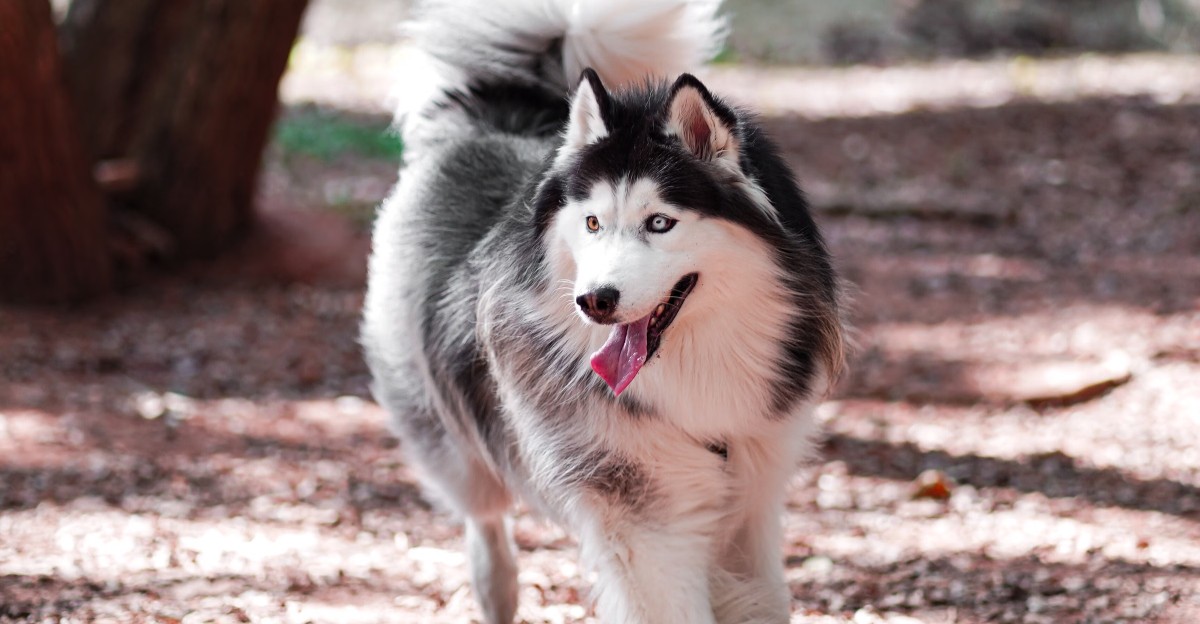
Big dogs can bring big love into a home, and many of them are calmer than you might expect. Some giant breeds would rather nap by the couch than race around the yard.
Picking the right breed helps your family and your new pet live happily together. Read on to meet eleven easygoing large breeds, plus two that need a bit more work and direction.
Newfoundland: The Gentle Lifeguard
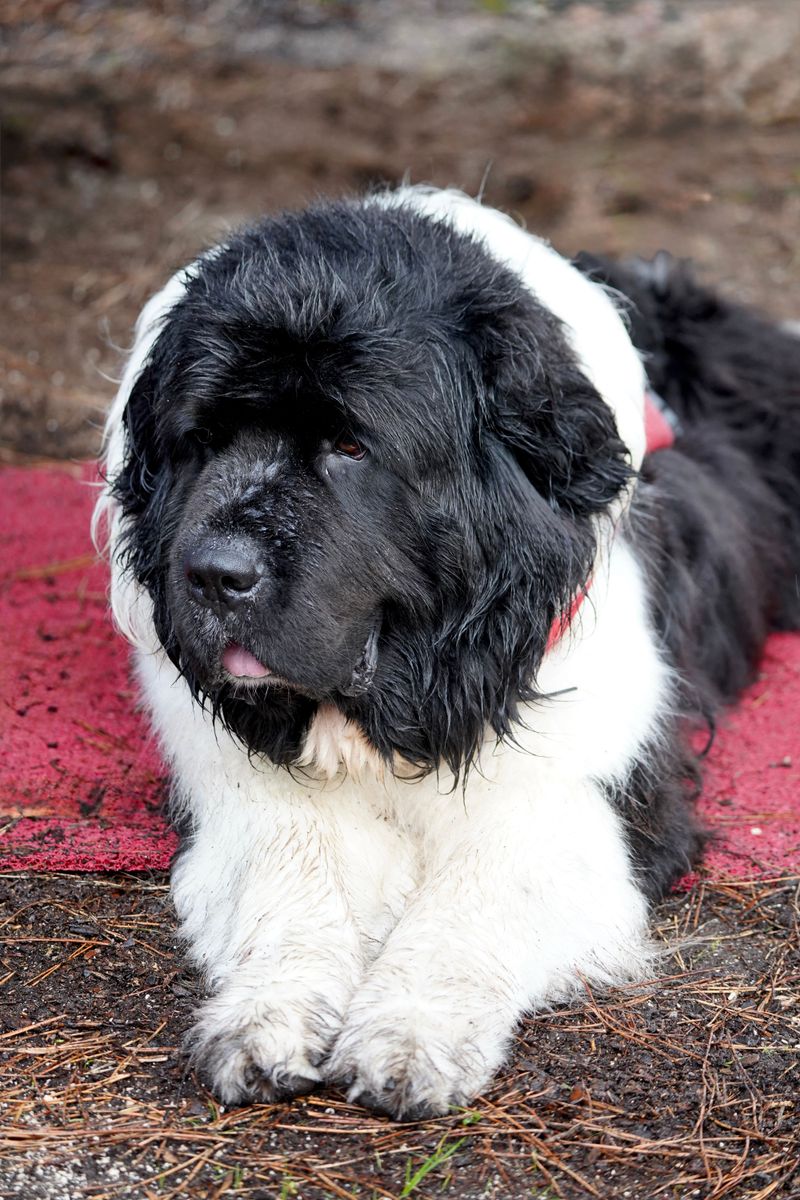
With a heart as big as its paws, the Newfoundland has a long history of pulling people out of cold water. Fishermen in Canada trusted these dogs with their lives.
At home, Newfies are slow-moving and sweet. They love lounging near their people and rarely make a fuss.
Be ready for drool and lots of fur, though. Keep a towel handy and brush that thick coat a few times each week.
Bernese Mountain Dog Charm
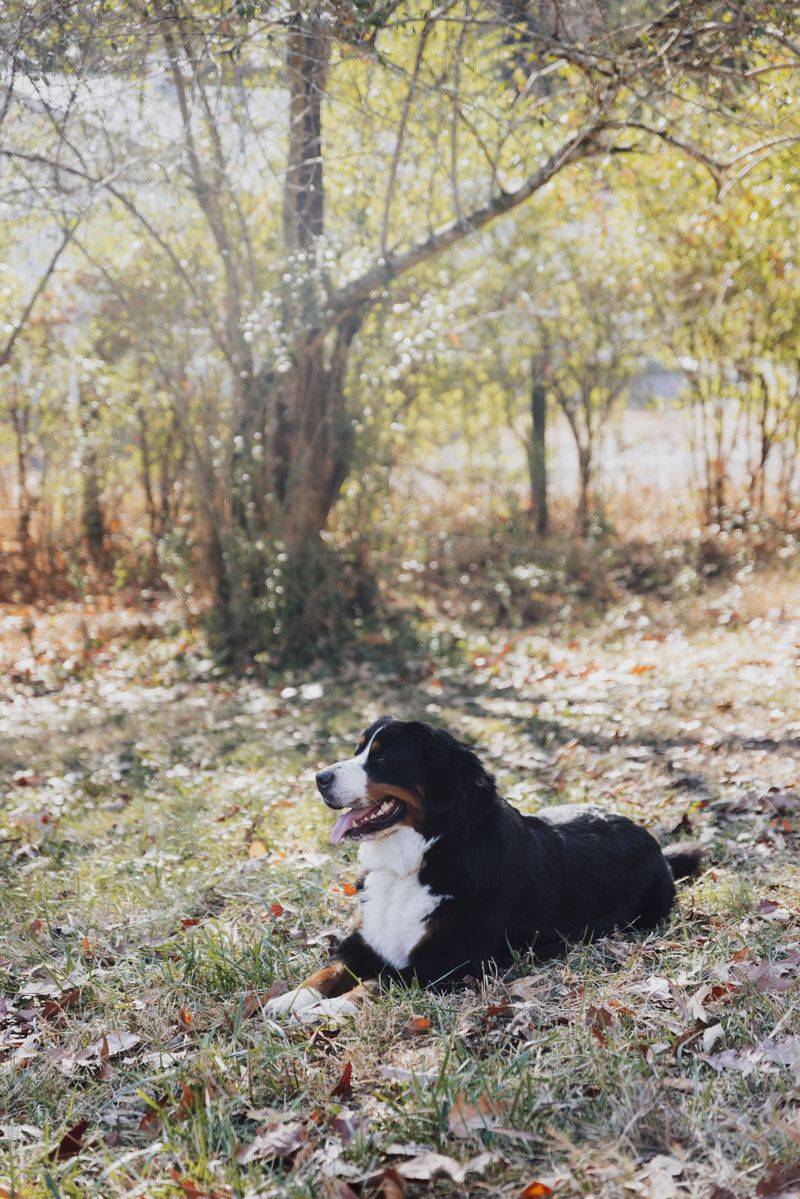
Picture a fluffy farm helper from the Swiss Alps who once pulled carts of cheese and milk to market. That is the Bernese Mountain Dog.
Berners are affectionate and mellow, often leaning their whole body against you for attention. They enjoy short walks and cool weather more than long runs.
Sadly, they tend to live only seven to ten years. Regular vet checkups help you enjoy every possible moment together.
Great Dane, the Couch Giant
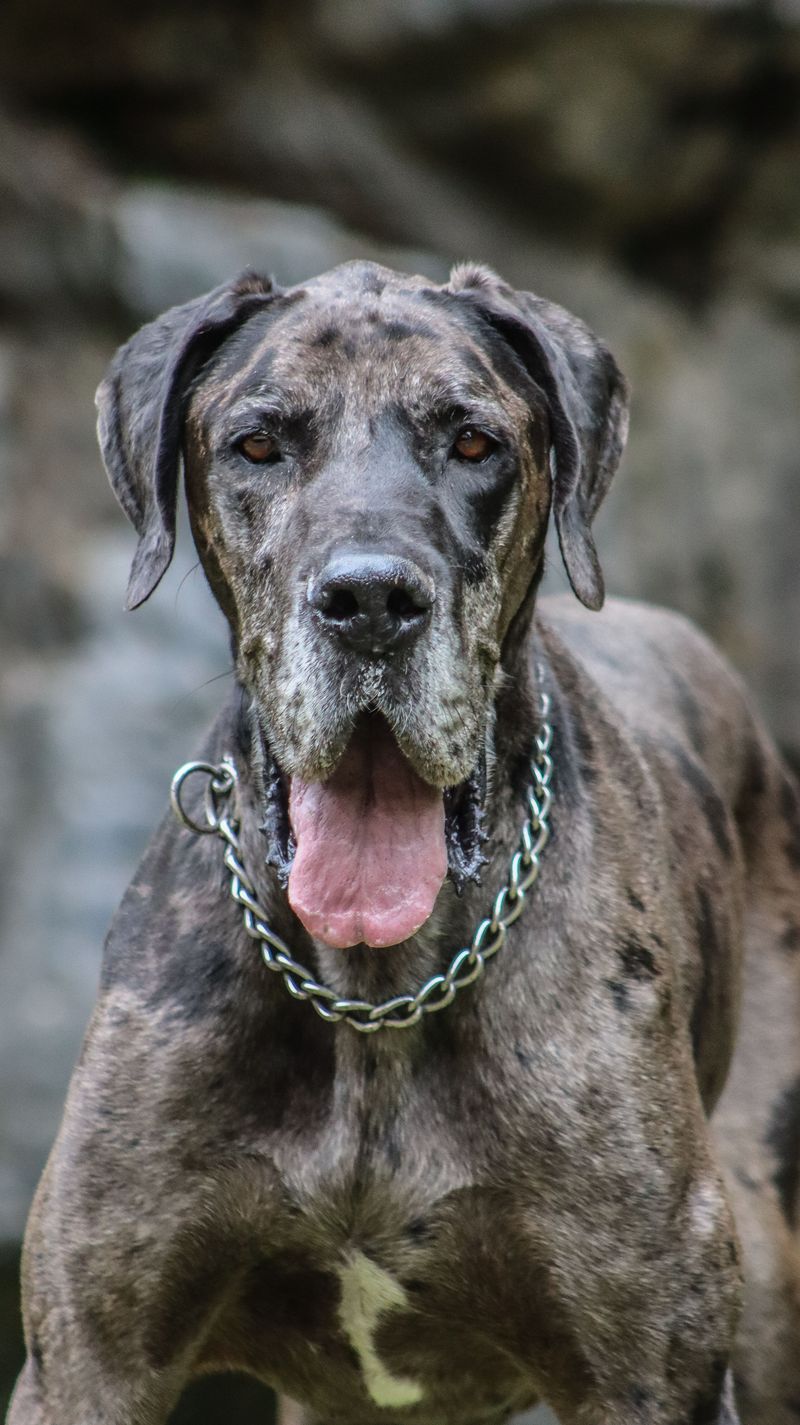
Did you know a Great Dane named Zeus once stood over three and a half feet tall at the shoulder? Despite that huge size, most Danes act like oversized lap dogs.
They are quiet indoors and happy with a couple of daily walks. A soft bed matters a lot for their big joints.
Just watch your coffee table. One happy tail wag can clear it in seconds!
Saint Bernard Snuggles
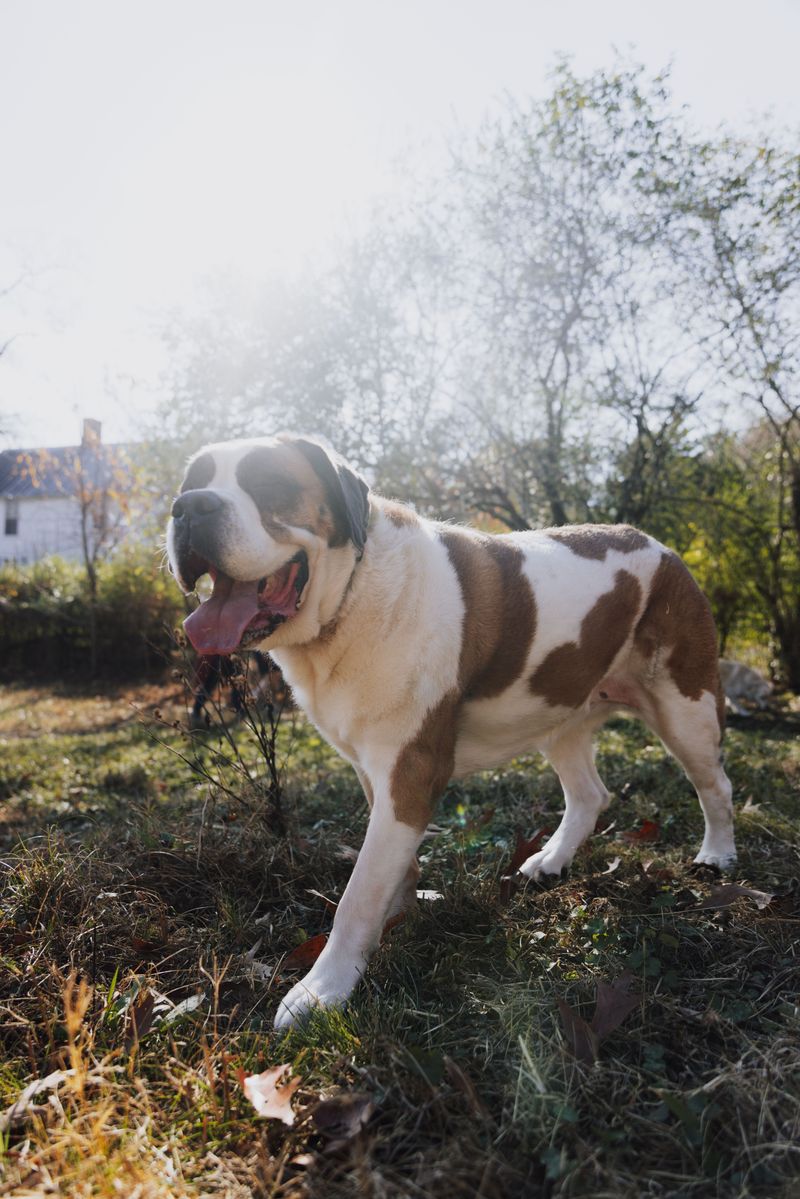
Old stories tell of Saint Bernards rescuing lost travelers in the snowy Swiss mountains. One famous dog, Barry, saved around forty people.
Today, these patient giants are more likely to rescue you from a lonely evening. They are calm, kind, and tolerant of busy households.
Hot weather is their enemy, so keep them cool in summer. Early training is a must, since a stubborn adult can weigh 150 pounds.
Golden Retriever Sunshine
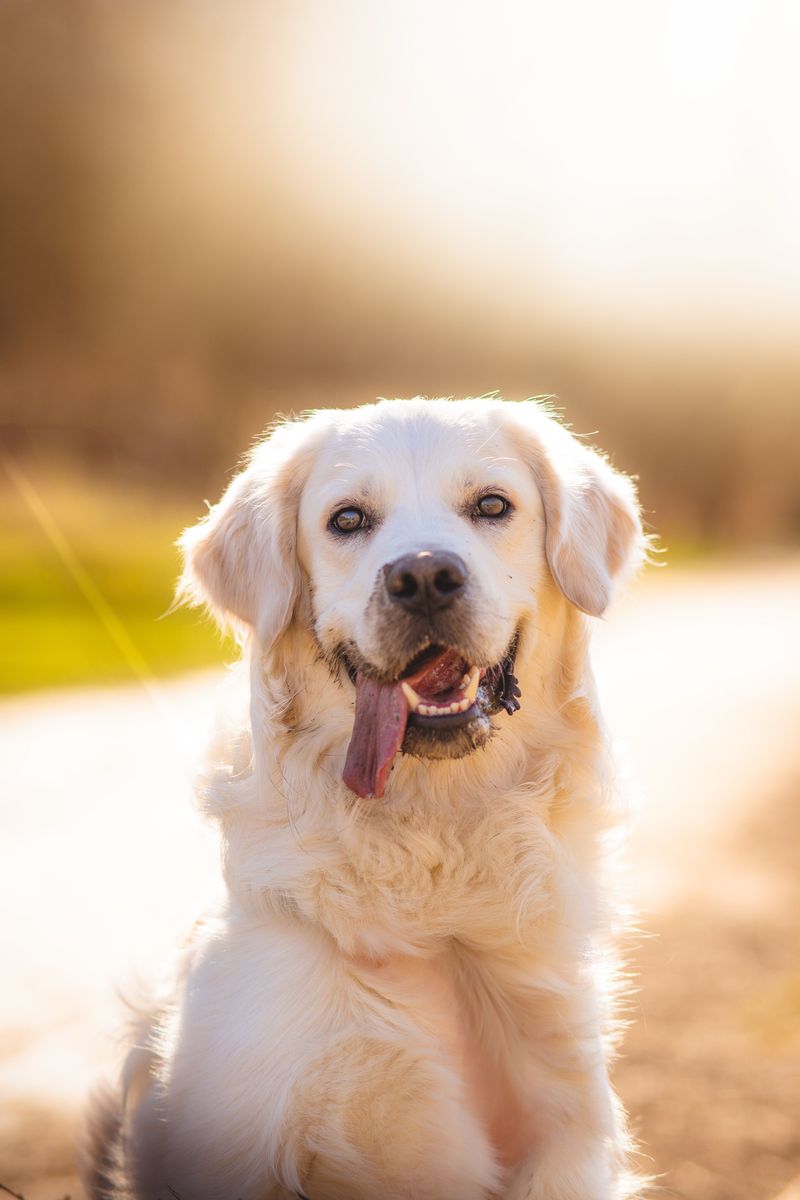
Honestly, it is hard to find a friendlier face. Golden Retrievers greet strangers, neighbors, and mail carriers like long-lost pals.
Goldens are energetic as puppies but usually settle into relaxed adults. A daily game of fetch and a walk keep them content and well behaved.
Their love of food means treats can add pounds quickly. Measure meals carefully and use veggies like carrots as healthy rewards during training.
Labrador Retriever Loyalty
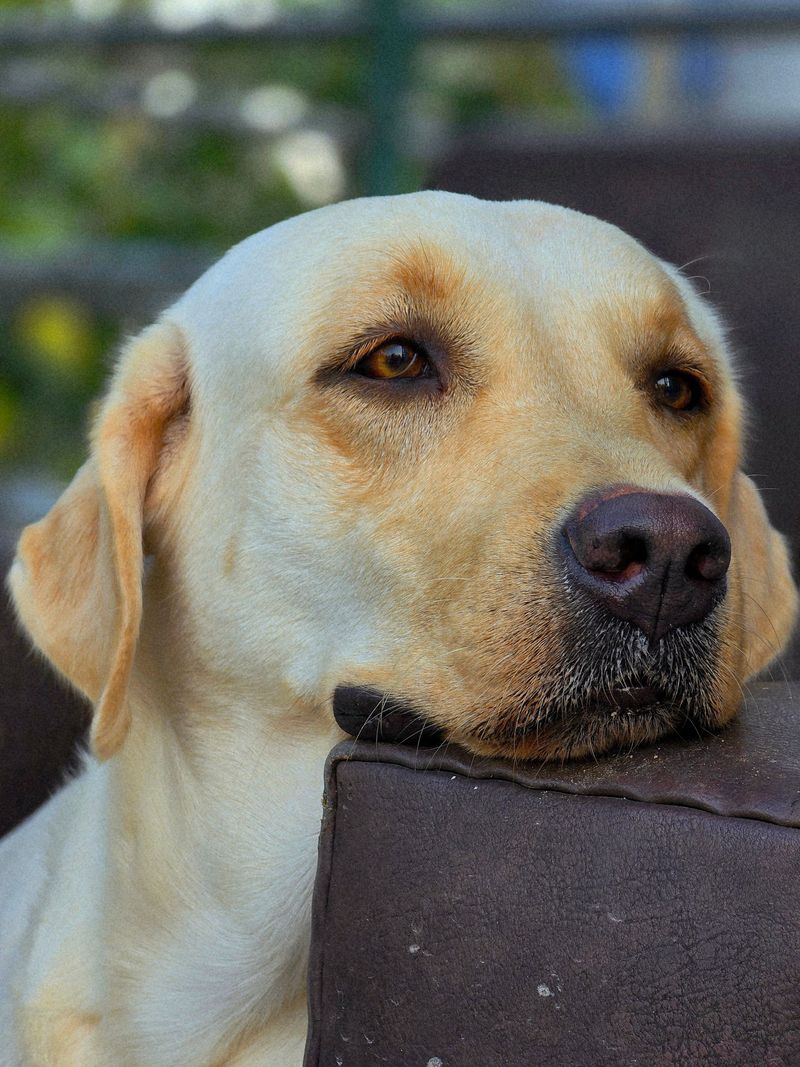
Despite its name, the Labrador Retriever actually comes from Newfoundland, not Labrador. It has been America’s favorite breed for decades.
Labs are cheerful, eager to please, and easy to train. Once grown, many become steady, snooze-loving buddies who follow you from room to room.
They do chew when bored, so offer sturdy toys. A tired Lab is a polite Lab, so plan a solid daily walk.
Mastiff Calm
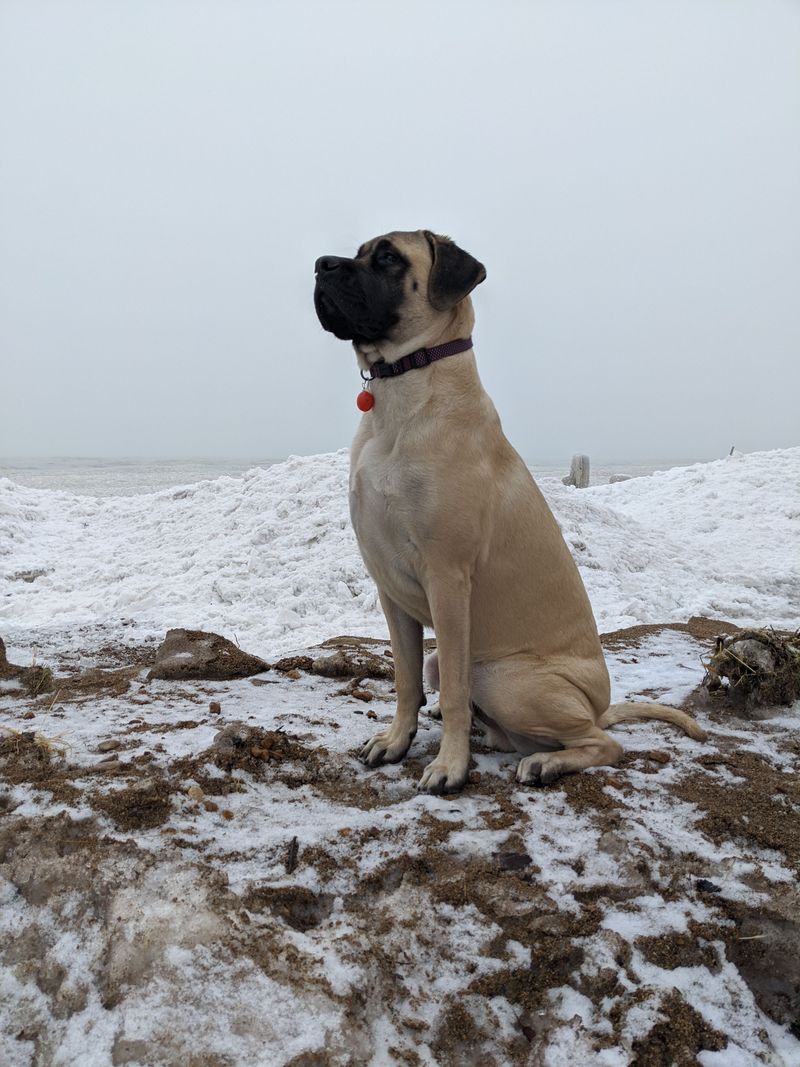
Some dogs bark at every leaf. The English Mastiff barely lifts an eyebrow.
This ancient guardian breed is famous for its quiet confidence.
Mastiffs often weigh more than an adult person, yet they move slowly and nap often. They bond deeply with family and stay watchful around strangers.
Keep exercise gentle, especially while they grow. Puppies should avoid jumping and long runs to protect developing bones.
Great Pyrenees Watchfulness
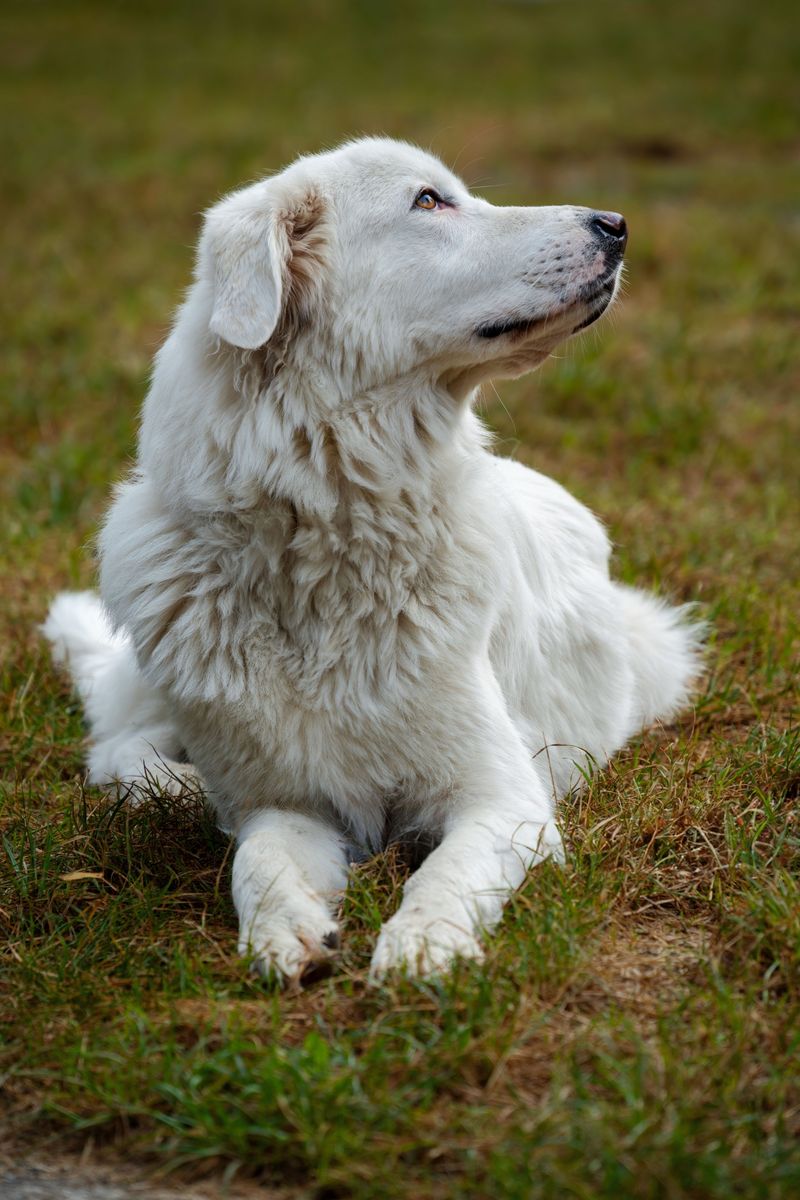
Shepherds in the mountains between France and Spain relied on these fluffy white dogs to guard sheep from wolves. That protective instinct still shines today.
Inside, a Pyr is peaceful and patient. They spend hours calmly watching over their home and people.
Night barking can surprise new owners, since they guard after dark. A securely fenced yard is important, because they love to wander and explore.
Leonberger Lion Look
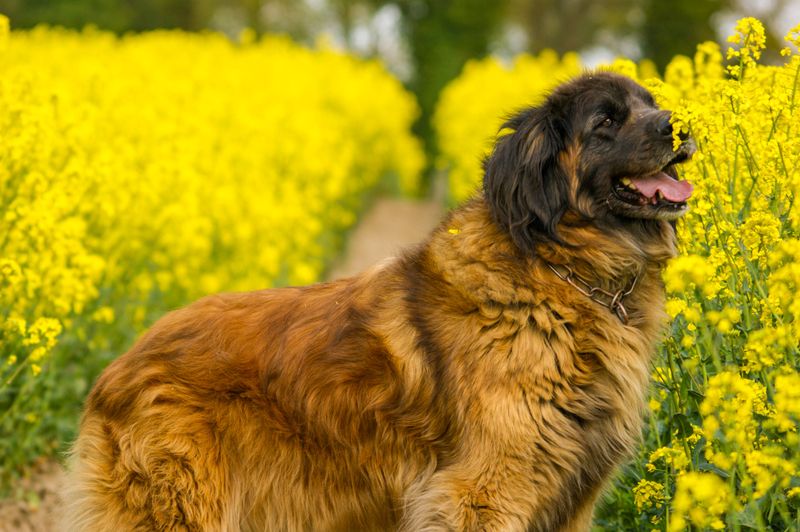
Bred in Germany to look like the lion on a town crest, the Leonberger has a mane that turns heads everywhere.
Behind that wild look hides a soft, steady soul. Leos are playful but polite, and they adapt well to family routines.
Many adore swimming, so a lake trip makes a great weekend treat. Plan for heavy shedding twice a year and keep a good brush ready.
Irish Wolfhound Grace
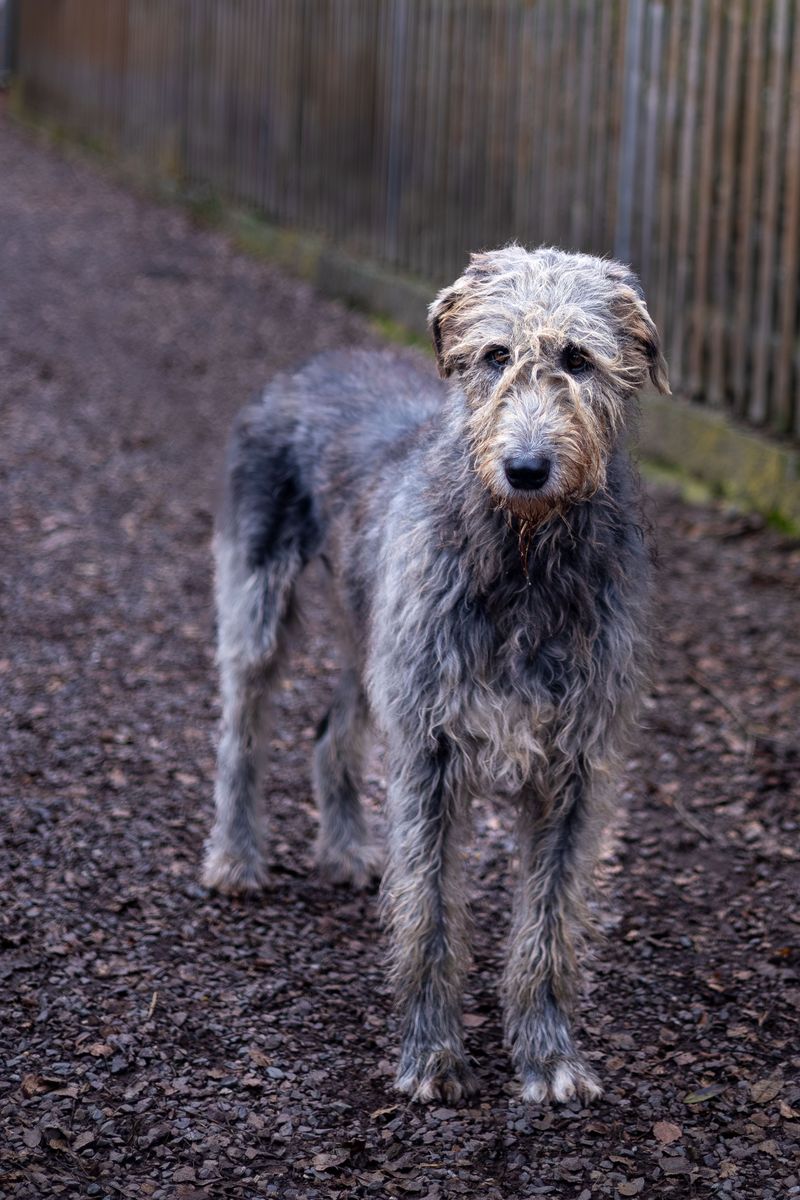
“Gentle when stroked, fierce when provoked” is an old saying about the Irish Wolfhound. Once used to hunt wolves, this tall hound is now mostly a sweet softie.
Wolfhounds enjoy a good sprint, then a long nap. They are quiet and dignified indoors.
Their large size means shorter lifespans and pricey food bills. Budget carefully and give them plenty of space to stretch those long legs.
Greyhound Lounging
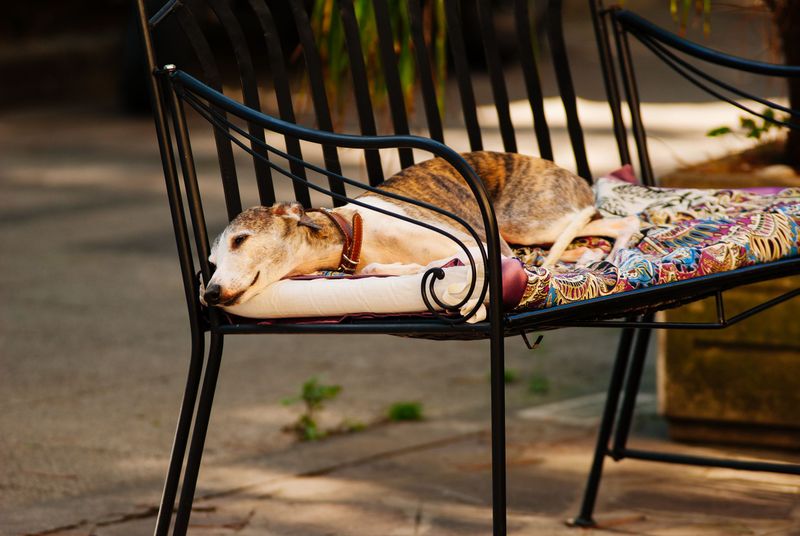
Here is a funny surprise: the world’s fastest dog breed is often called a forty-mile-per-hour couch potato. Greyhounds can sprint fast, but they mostly love sleeping.
Retired racers make calm, quiet pets. Many adoption groups help them find new homes.
Their thin coats mean they get chilly, so a sweater helps in winter. Always use a leash outside, since a running squirrel may trigger a chase.
Belgian Malinois Needs a Job
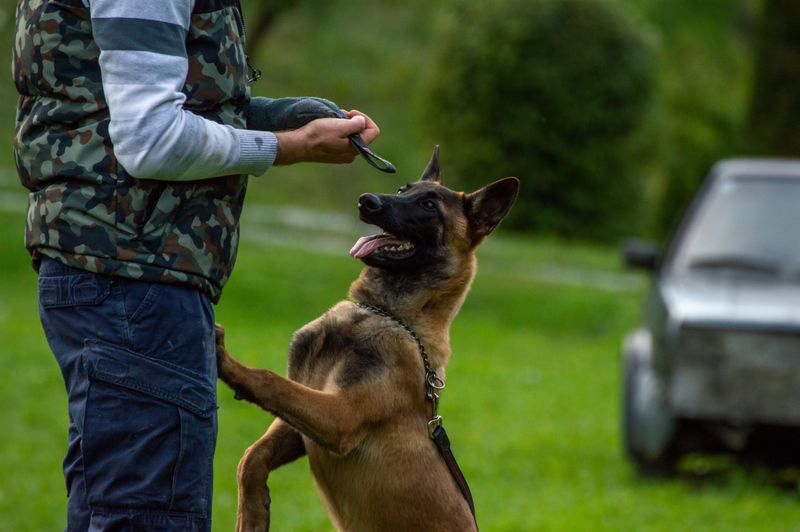
Police and military teams around the world choose the Belgian Malinois for a reason. This dog is smart, driven, and almost never tired.
Without daily work, a Malinois may chew, dig, or invent its own wild games. Peaceful family life only happens after serious training and exercise.
Try agility, scent work, or obedience classes. Experienced owners who love an active lifestyle will find a loyal, brilliant teammate.
Siberian Husky Energy
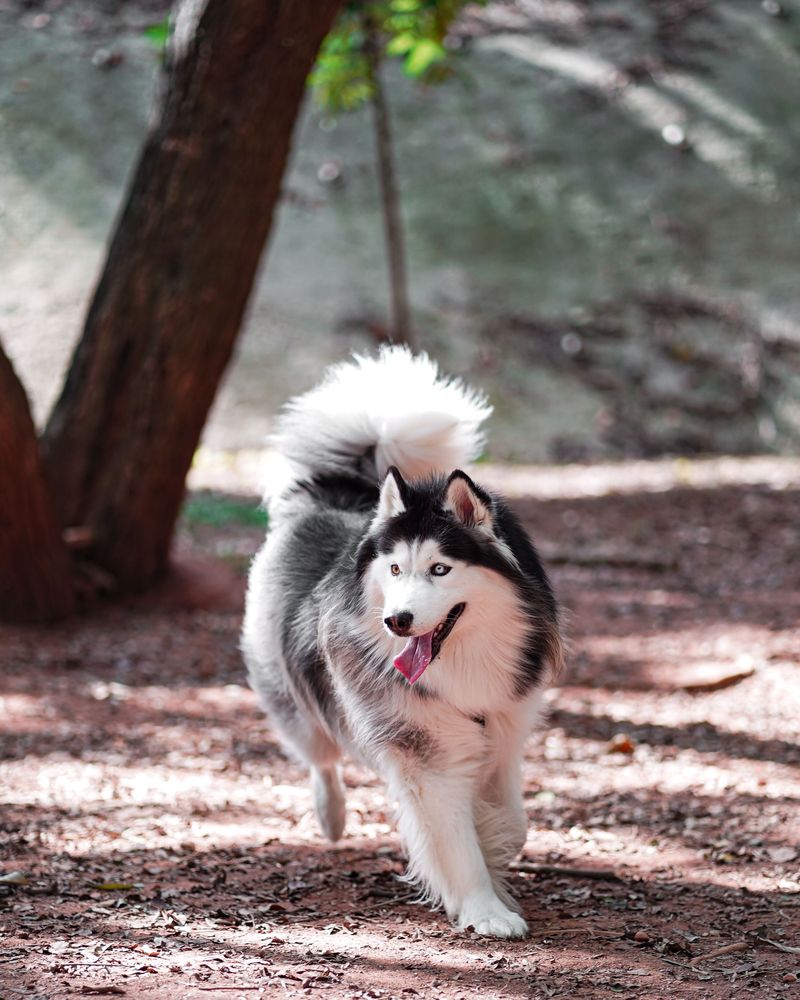
Ever heard a dog sing? Huskies howl, talk, and grumble with real personality.
They were bred to pull sleds across icy Siberia for miles.
That endurance means a short walk will not cut it. Running, hiking, or canicross can keep them satisfied.
Huskies are also escape artists who climb or dig under fences. Structured routines and secure yards help this friendly, adventurous breed thrive with families.