
Your dog has a secret playbook, and it’s more insightful than you think. Before you grab that ball, discover the rules that keep tails wagging and bodies safe. These simple guidelines can transform chaotic fetch into joyful, enriching connection. Ready to level up your playtime and become your dog’s favorite teammate?
Start With a Calm Launch
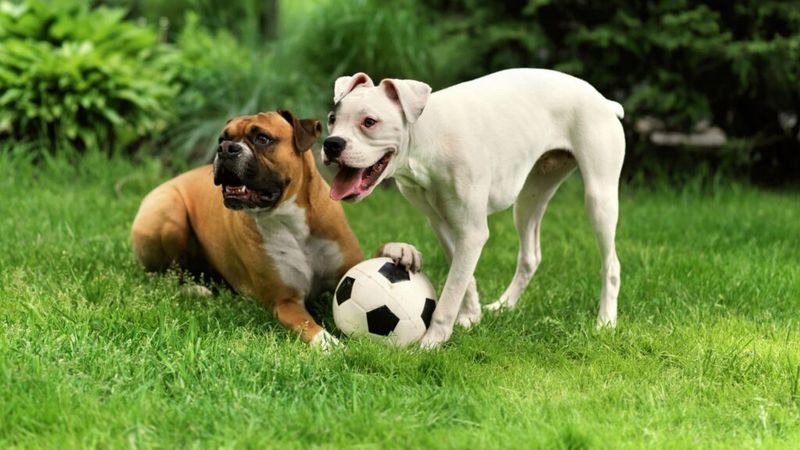
Excitement is great, but starting calm sets the tone for safe, focused play. Ask for a sit, eye contact, or a brief hand target before the first throw. This quick reset reduces frantic lunging and sharpens your dog’s self-control. When your dog learns that composure makes the game happen, they choose calm faster next time. It’s the difference between chaos and cooperation. You’ll also minimize accidental slips and paw injuries. Think of it as a pre-game huddle, aligning energy and intention. Calm in, fun out—every single time.
Warm Up the Body
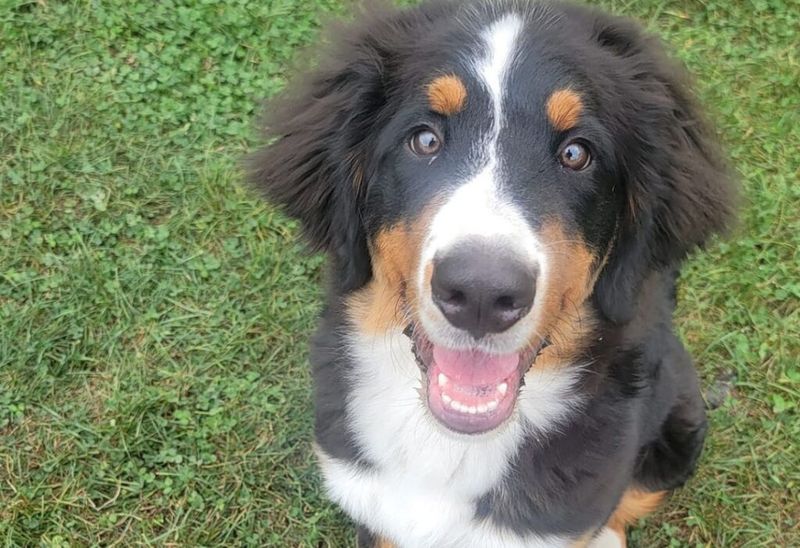
Just like athletes, dogs need warmups to prevent strains and sprains. Start with two to three minutes of loose-leash walking and gentle figure eights. Add a few slow spins, side steps, and bow stretches to lubricate joints. Light tug or controlled trotting primes muscles for acceleration. Skipping warmups risks shoulder or iliopsoas injuries during sudden sprints. Keep it playful and brief—no heavy exertion yet. When your dog feels loose and ready, performance improves. Warm bodies chase smarter, turn cleaner, and recover faster.
Choose the Right Surface
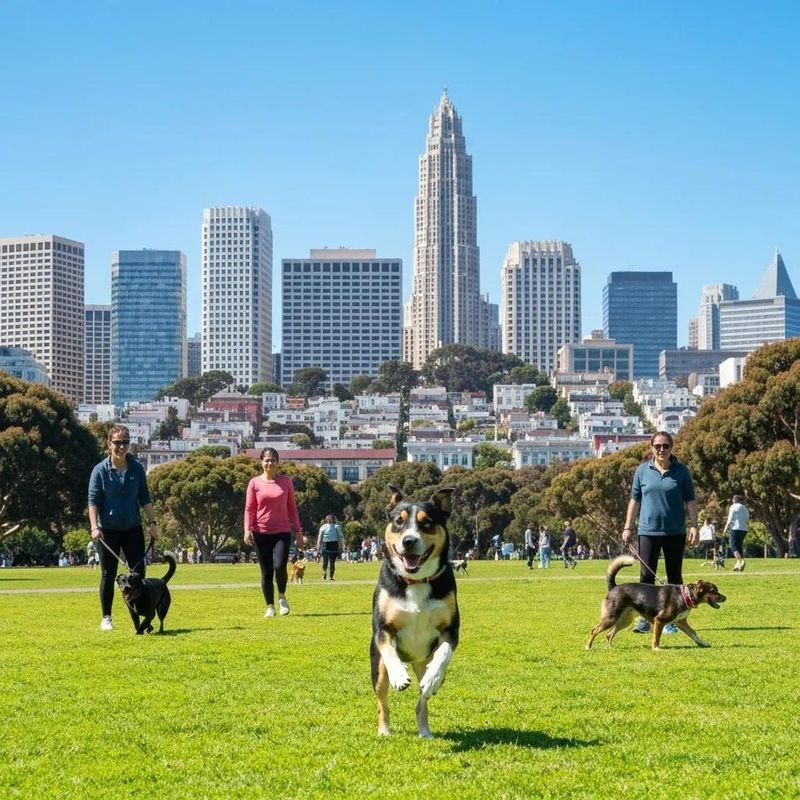
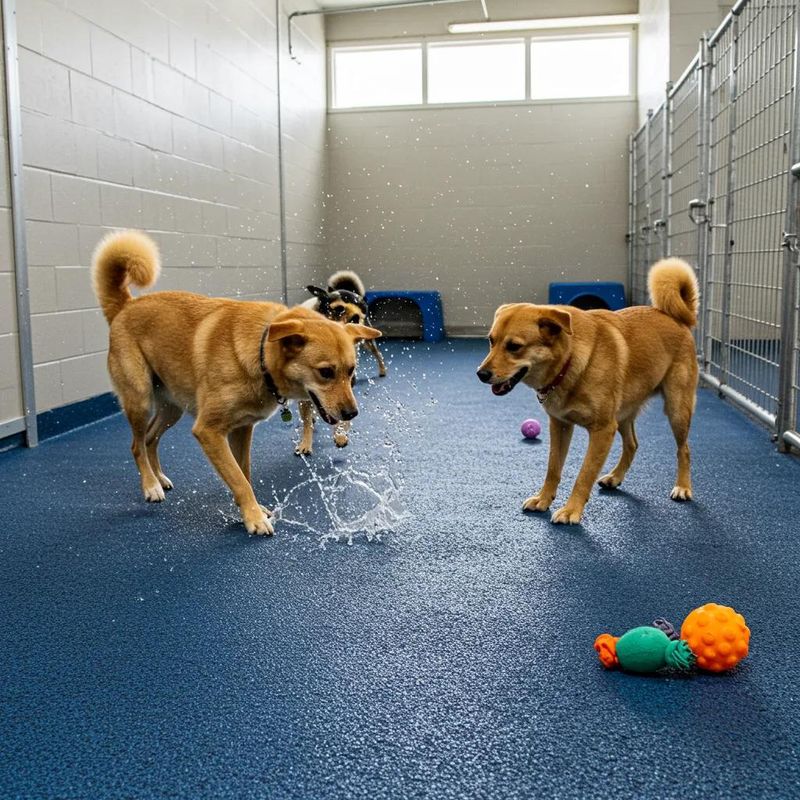
Surface matters more than you think. Wet tile, slick hardwood, or hard-packed gravel can turn a joyful sprint into a painful skid. Prioritize grass, turf, or soft dirt with good traction. Avoid steep slopes that invite awkward landings and joint stress. Check for holes, sticks, or hidden hazards before any throw. Seasonal changes affect footing, too—frozen ground and summer heat can both increase risk. A stable surface supports confident acceleration and safe braking. Your dog’s paws and shoulders will thank you.
Pick Safe, Sized Toys
Not every ball is safe for every dog. Choose a size that can’t be swallowed and is gentle on teeth—avoid ultra-hard, abrasive surfaces. Ditch tennis fuzz for rubber or foam designed for dogs. Skip sticks and brittle toys that splinter mid-chase. Floaters for water, bright colors for visibility, and squeakers only if your dog won’t fixate. Periodically inspect for cracks and replace promptly. The right toy protects mouths and airways while keeping the fun rolling. Safety first, smiles second—but you’ll get both.
Set a Fetch Budget
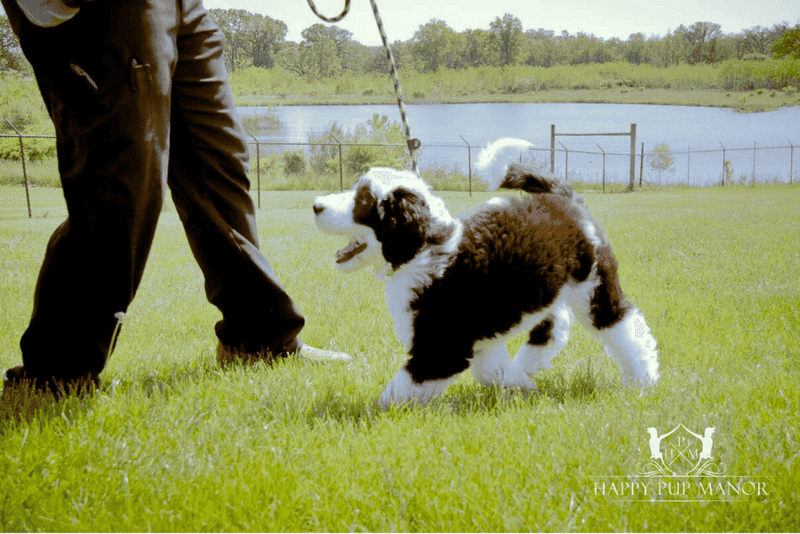
Unlimited throwing can overstress joints and minds. Establish a play quota—like 10 to 15 throws—based on your dog’s age, build, and conditioning. Watch for signs of fatigue: slower returns, lagging focus, or heavy panting. End before exhaustion to prevent overuse injuries and next-day soreness. Between throws, add sniff breaks or light tug to diversify movement. A smart play budget maintains enthusiasm session after session. Stopping while your dog still wants more ensures long-term love for the game.
Teach the Drop Cue
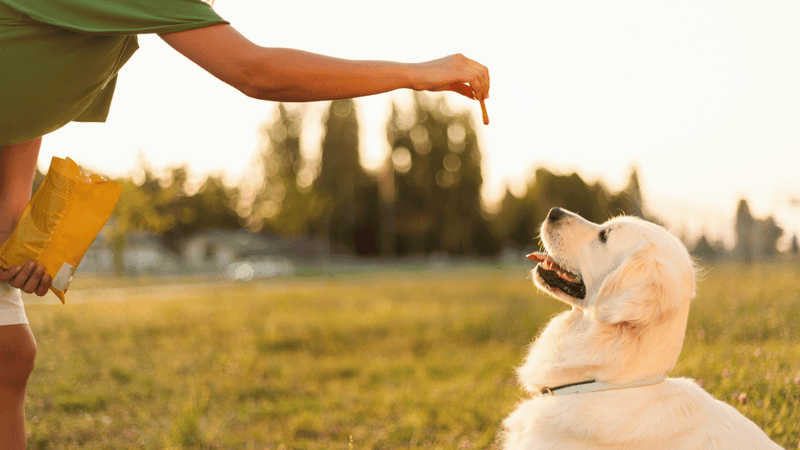
A reliable drop turns chaos into rhythm. Trade the ball for a treat or a second toy at first, then fade the bribe as the cue gains value. Use marker timing—“yes!”—the moment the ball leaves the mouth. Keep your cue short and consistent, like “Drop.” Avoid tugging it out; that builds resistance and guarding. The faster the drop, the smoother the game flow. You’ll reduce frustration, prevent grabbing, and protect fingers. Cooperation makes playtime a conversation, not a contest.
Mind the Chase Angle
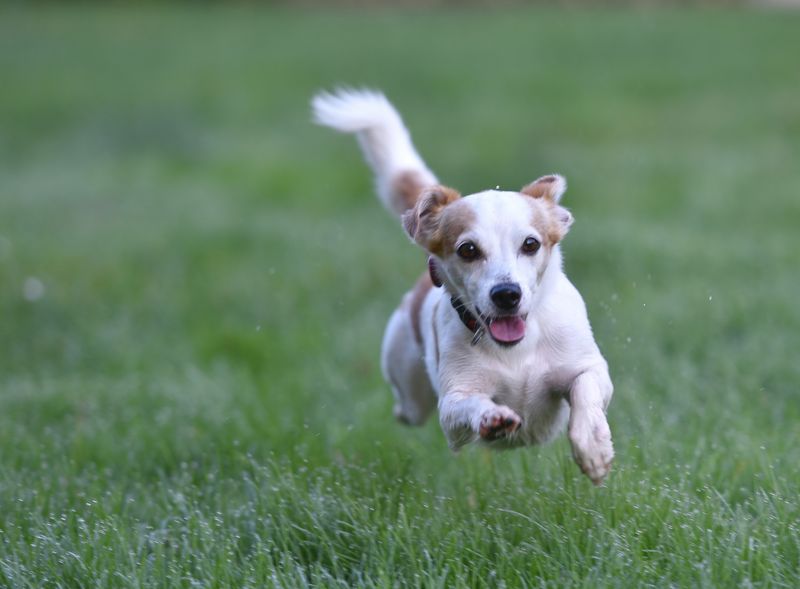
Linear sprints are safer than sharp lateral cuts. Throw downfield rather than across your dog’s path to avoid twisting knees and shoulders. Keep bounces predictable; erratic hops invite awkward landings. For high-drive dogs, lower the throw height to reduce leaping and midair collisions. Space throws so your dog can decelerate safely. If multiple dogs play, take turns—no racing contests. Bio-mechanically smart throws keep joints healthy and future play possible. Precision today protects tomorrow’s zoomies.
Hydrate and Cool Smartly
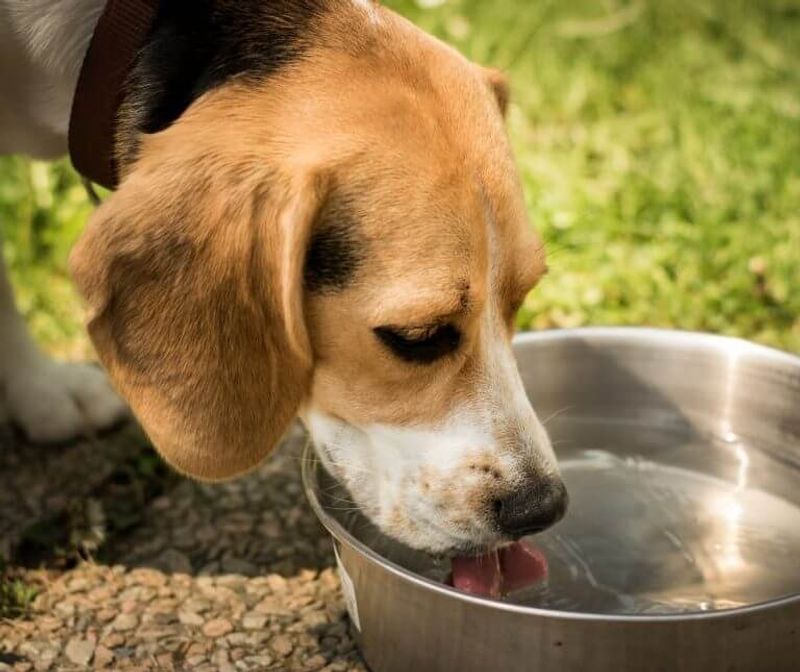
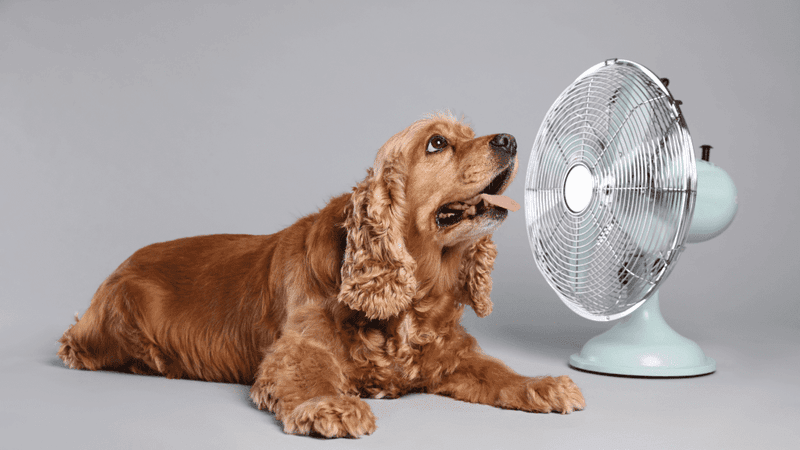
Play heats bodies fast. Offer small water sips every few minutes rather than a huge chug to prevent bloat risk. Use shade breaks, cooling mats, or a damp towel on the chest and belly. On hot days, shorten sessions and avoid midday sun. Panting should ease within a minute during pauses—if not, stop and cool thoroughly. Watch gums: bright red means it’s time to rest. Hydration strategy keeps performance smooth and your dog safe.
Rotate Skills, Not Just Throws
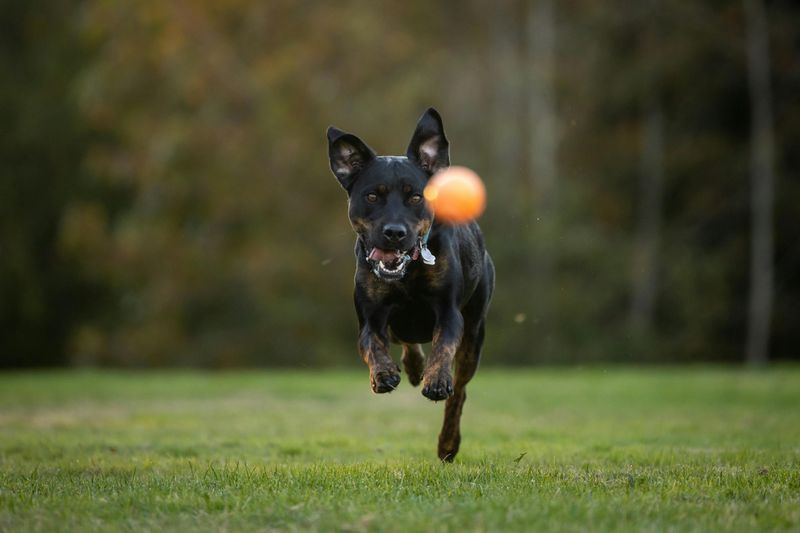
Fetch shouldn’t be mindless repetition. Mix in cues like “wait,” “middle,” or “hand target” between tosses. Try scent searches for the ball in short grass, or do two tosses followed by a tug reward. Directional sends—left, right, back—exercise the brain while moderating impact. Vary distances and speeds to keep arousal optimal. Cognitive variety prevents obsessive patterns and improves responsiveness under excitement. A thinking dog plays safer and happier.
Watch for Red Flags
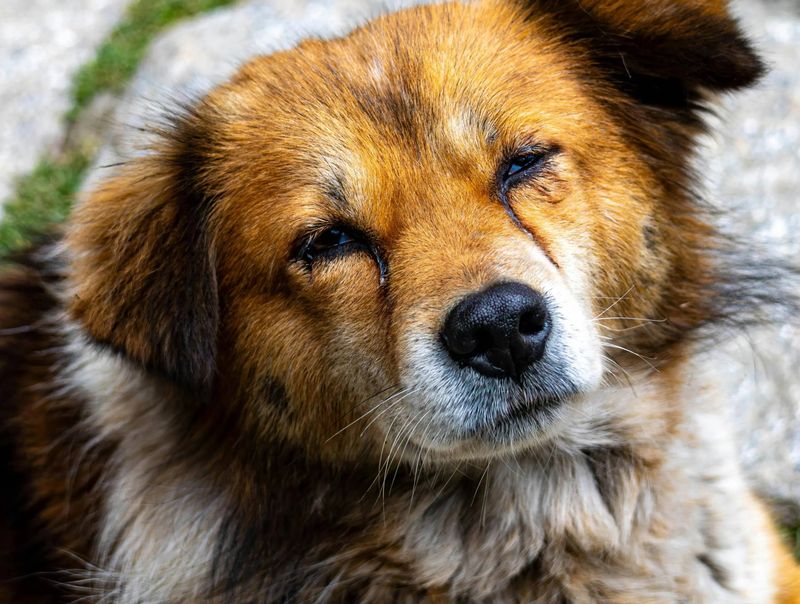
Early warning signs save vet trips. Limping, bunny-hopping, reluctance to jump, or head-lowering during trot signal discomfort. Excessive drool, glassy eyes, or staggering indicate overheating. Sudden disinterest may mean pain, not boredom. Check paws for cuts, cracked nails, or foxtails after play. If something feels off, stop immediately and reassess. Keep a basic first-aid kit in your car. Listening to the little signs keeps the big problems away.
End on a Cooldown and Cue
Wrap every session with a gentle cooldown and a clear end signal. Walk slowly for three to five minutes, letting breathing normalize. Add calm sniffing and a few easy stretches or a bow. Offer a chew or scatter-feed to transition arousal down. Use the same phrase—“All done”—so your dog learns the game has truly ended. This prevents demand barking and pacing afterward. Consistent endings protect recovery and set up a great next session.