
Some puppies are born explorers, and your open door can feel like a starting line. If you have a speedy, curious breed, a simple lapse might turn into a neighborhood chase.
The good news is you can channel that drive with the right routines, training, and barriers. Here are the pups most likely to wander and how to keep them safe without crushing their spirit.
Siberian Husky
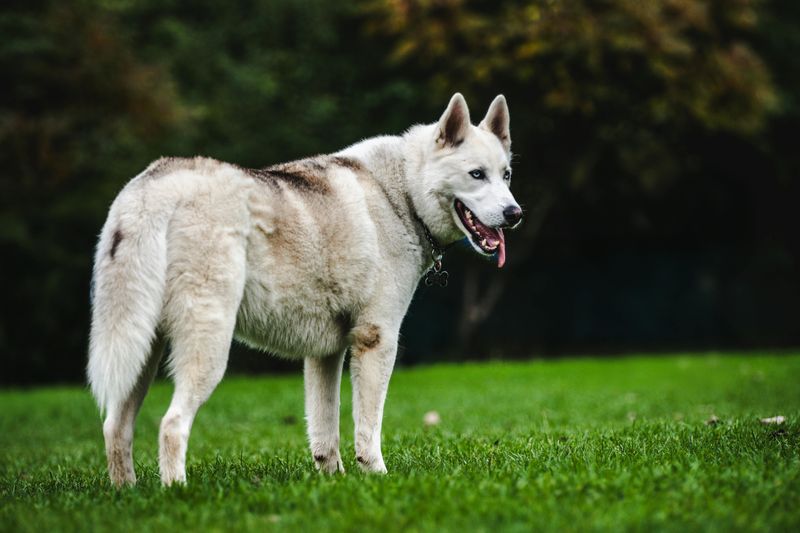
The Siberian Husky is legendary for stamina and curiosity, which can translate into sudden disappearing acts. That snow dog heritage means long legs, strong prey drive, and a head full of independent decisions.
Without an outlet, a Husky may see an open door as an invitation to explore the whole neighborhood. Cold weather does not slow this athlete, and boredom builds inside small spaces.
Daily cardio, mental games, and secure fencing keep that wanderlust pointed in safer directions. Use long lines, double clip harnesses, and reliable recalls reinforced with jackpots of high value treats.
Give them jobs like canicross or cart practice, and you will watch the urge to bolt soften. Consistent routines and gate checks become lifesavers when energy peaks at dawn and dusk.
Beagle
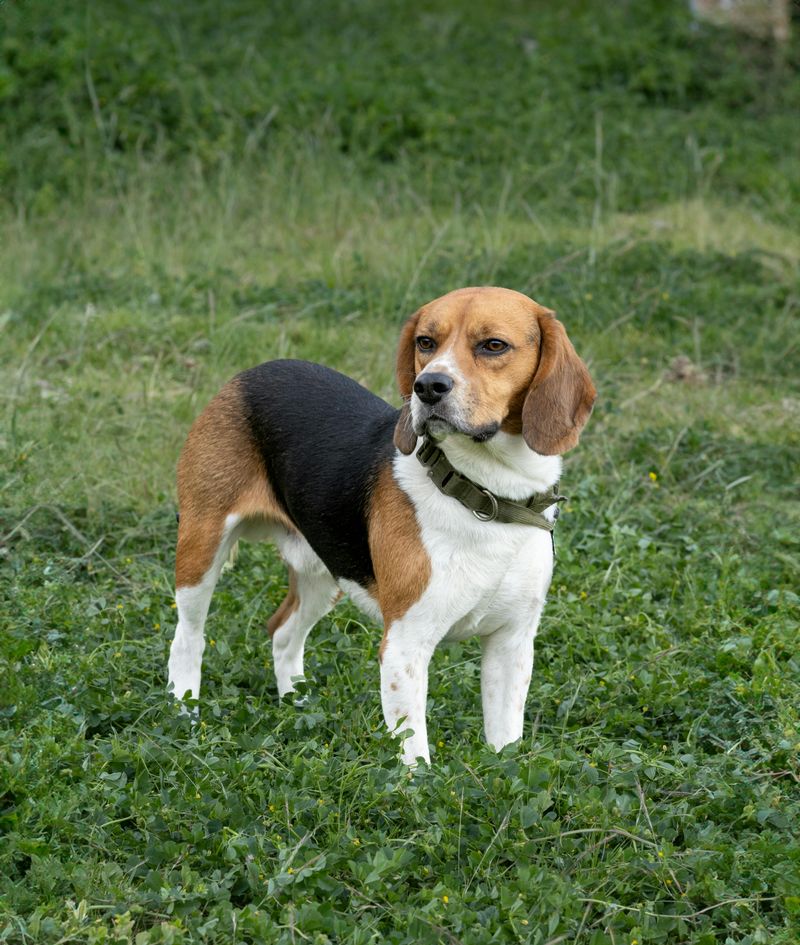
Beagles trail scents like little detectives, and that nose can carry them far before you can blink. A drifting breeze brings a story, and suddenly the Beagle is writing a sequel across the street.
Their musical bay is charming until it vanishes around the corner. Curiosity plus confidence makes early supervision absolutely essential.
Give that nose jobs to do with scent games, tracking lines, and stuffed snuffle mats. Practice recall with high value snacks, pairing a whistle cue with immediate rewards.
Secure fencing with dig guards helps when rabbits tempt the edges. Keep walks brisk and purposeful, then add settle time indoors so energy lands softly.
When the scent turns on, structure keeps your Beagle safely anchored.
Jack Russell Terrier
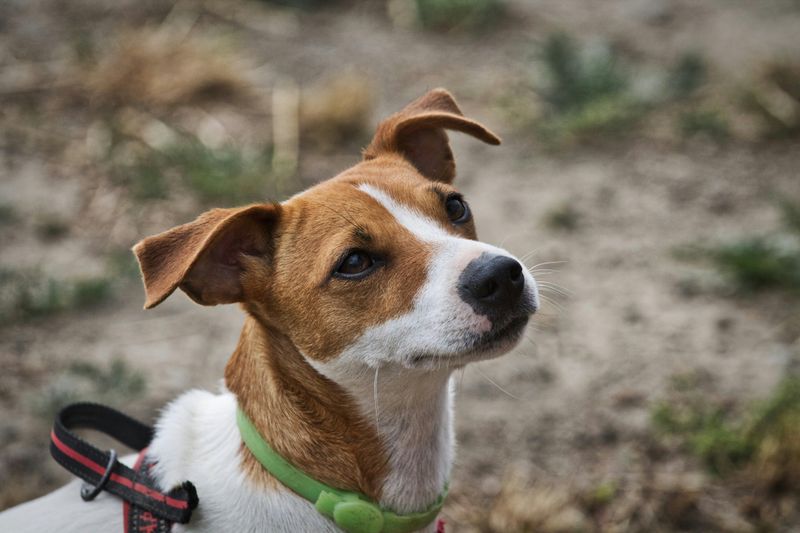
Jack Russell Terriers are rocket fueled problem solvers that treat fences like puzzles. A flicker of movement becomes a mission, and you might watch a white blur vanish under a hedge.
Their hunting history gives them grit, spring loaded legs, and zero fear of squeezing through gaps. Supervision is not optional during puppyhood.
Channel that spark with structured fetch, tug, and nose work that tires brain and body. Rotate toys, use flirt poles safely, and reinforce impulse control with sit to say please.
Add dig boxes to protect your garden and install double gates where escapes could happen. With clarity, challenges, and quick payouts, your Jack will choose games with you over solo adventures.
Border Collie
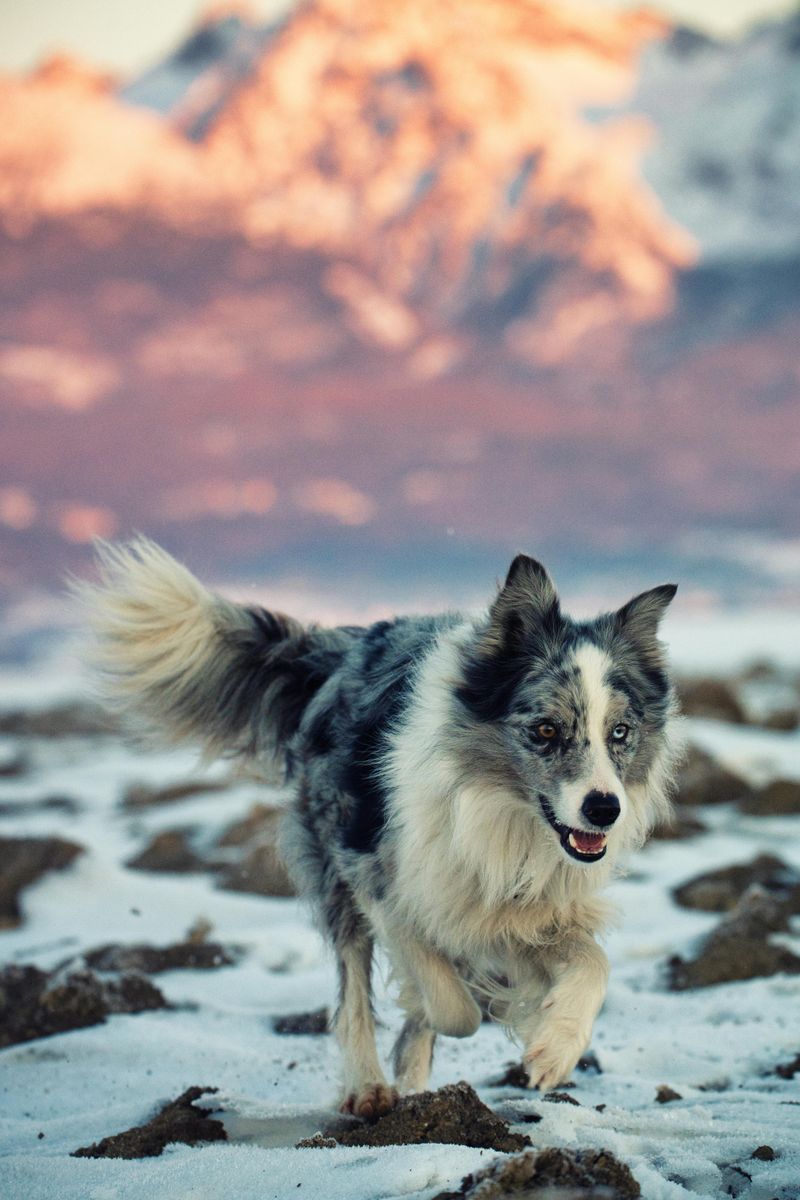
Border Collies chase motion by instinct, and that can include cars, runners, or the neighbor’s cat. When their powerful focus locks on, the world narrows and distance disappears.
These brainy athletes need constant jobs or they will invent chaotic ones. Early habits matter, because that sprinting stride matures quickly.
Build a bulletproof recall with games like chase me then switch to you-chase-me for fun payoffs. Teach middle, hand target, and emergency down so you have multiple brakes.
Daily herding substitutes like fetch patterns and directional cues satisfy their need to work. Use long lines in open spaces and keep gates double checked.
Fulfilled minds run home to you instead of away from you.
Australian Shepherd
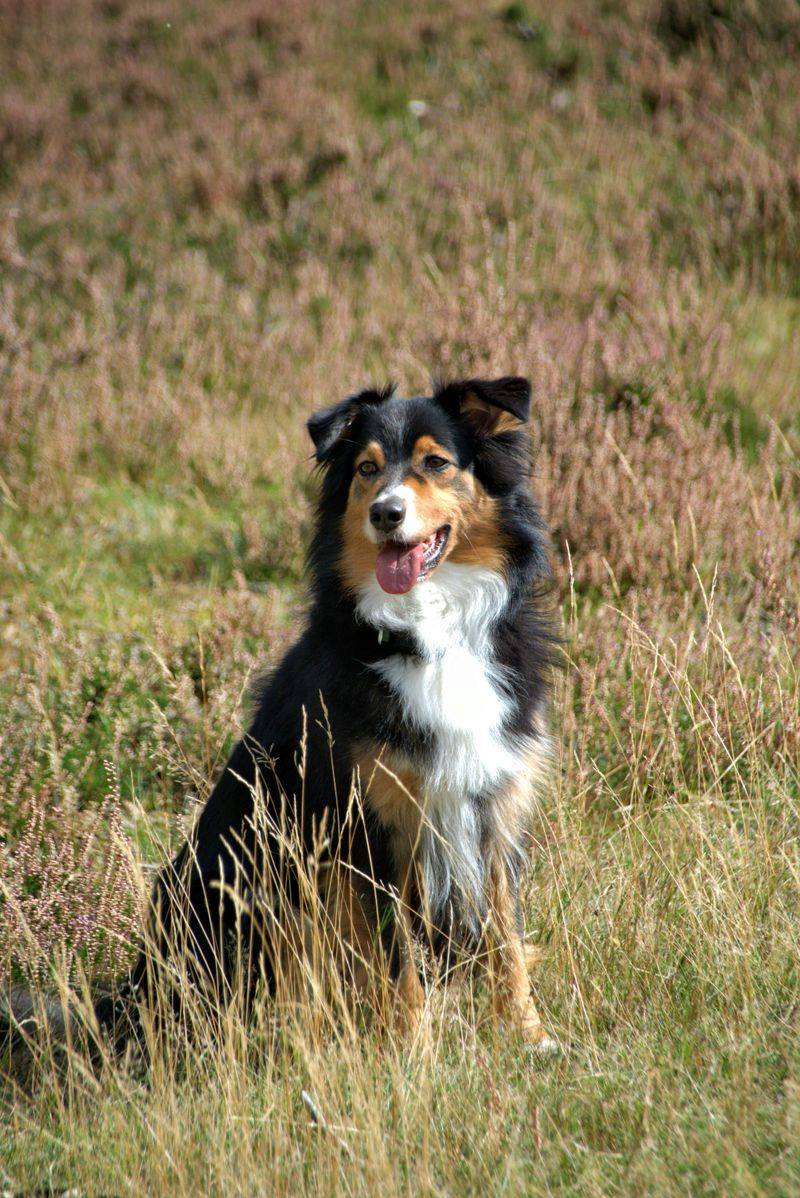
Australian Shepherds collect miles like they collect compliments. Agile and people focused, they still may bolt if a moving target tempts them.
Their drive to direct everything can push them past your comfort zone quickly. Open gates and unsupervised yards become risky because boredom meets opportunity.
Give that brain jobs with pattern games, pivot work, and short herding style exercises. Reward check ins generously so hanging near you feels like the winning move.
A secure fence and leashed decompression walks help them reset without rehearsal of escapes. Rotate activities daily to satisfy curiosity and stamina.
With structure, your Aussie learns that staying close delivers more adventure than any sprint down the block.
Dachshund
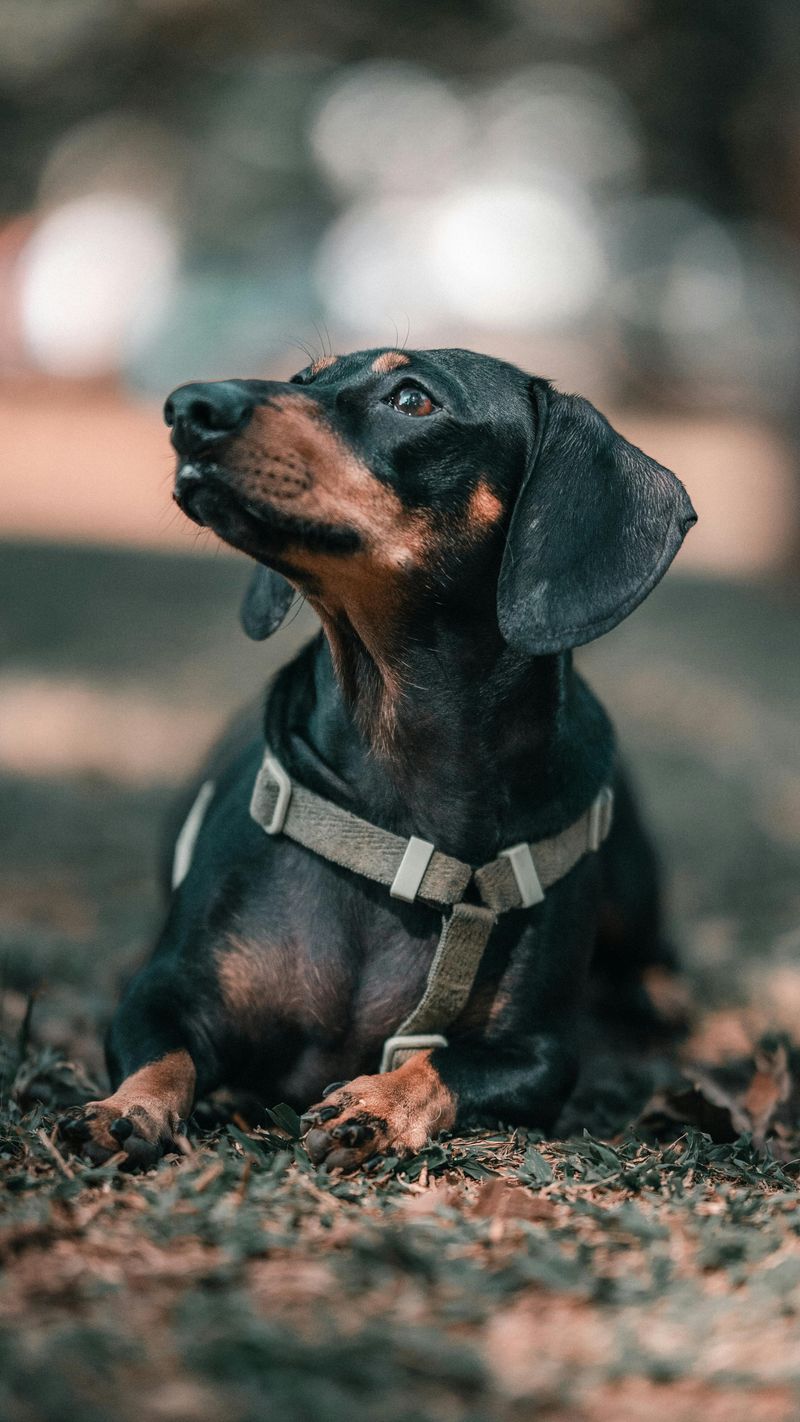
Dachshunds are fearless tunnelers built for following scent underground. That persistence can turn into backyard excavation and sudden under fence exits.
Their short legs do not slow determined noses hunting for mole highways. If you blink, a Doxie can vanish beneath a loose board.
Install dig guards, supervise outdoor time, and offer a designated dig box filled with buried toys. Practice nose games, scatter feeds, and recalls paid with warm, fragrant rewards.
A snug harness and long line give freedom without risk during field sniffaris. Keep doors latched and teach a rock solid wait at thresholds.
When their natural instincts get outlets, your Dachshund chooses your voice over mysterious holes every time.
Shiba Inu
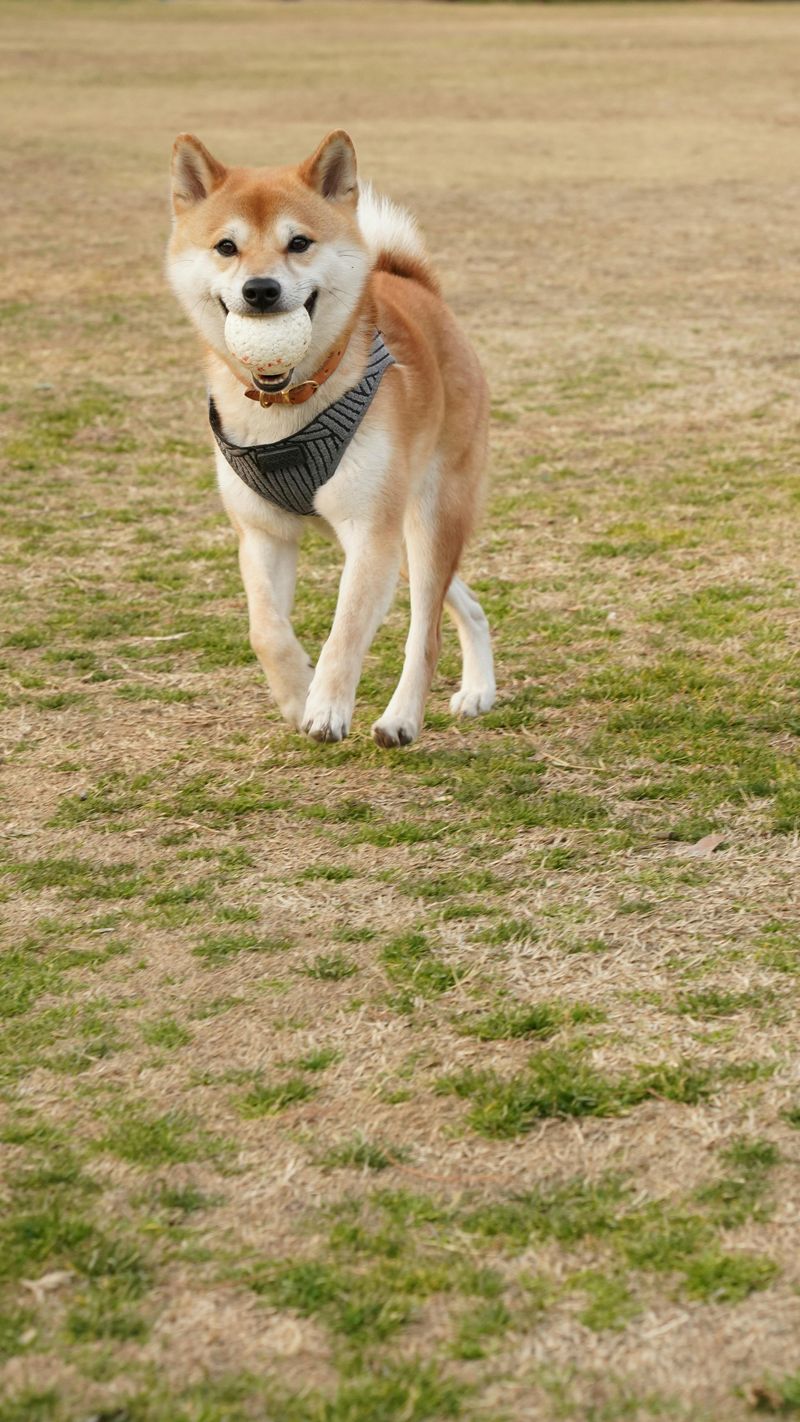
Shiba Inus are independent strategists with catlike agility and opinions. A slightly open door is an irresistible challenge, and they love winning.
Once moving, they weave through obstacles with surprising speed. Traditional come here may earn a smirk unless you have built serious value.
Prevent rehearsals with baby gates, double leashes, and threshold training. Make recalls a party with rapid fire treats, chase games, and permission to explore again after checking in.
Teach hand targets and collar grabs so handling feels safe and rewarding. Rotate puzzle feeders and flirt pole sessions to balance mind and body.
With respectful structure, your Shiba discovers that choosing you predicts freedom, not restrictions, which keeps curiosity close to home.
Basenji
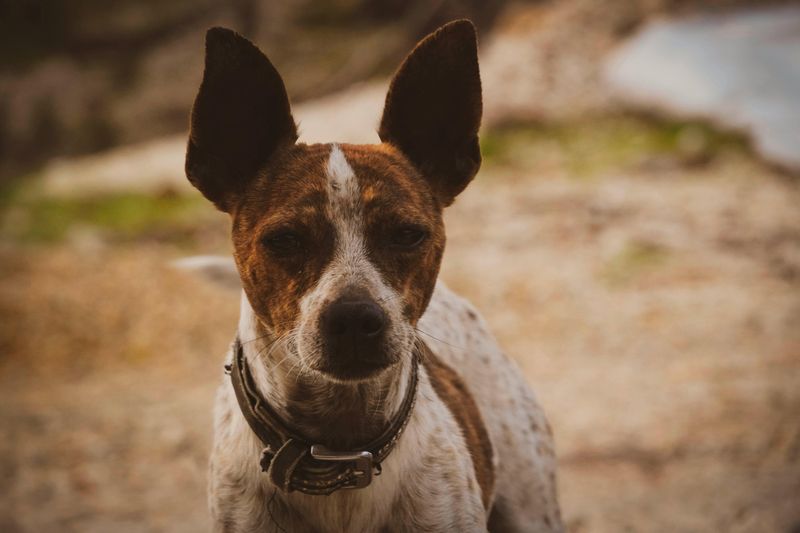
Basenjis are elegant, silent sprinters with strong sight and scent drives. Their curiosity fires quickly, and they analyze boundaries like engineers.
If a latch wiggles, they will try it, then vanish with barely a whisper. Their independence rewards confidence, but supervision must be meticulous.
Use double gates, tall secure fencing, and long lines during open space play. Train fast recalls with jackpots, then add games like find it and chase me to reinforce fun returns.
Rotate enrichment that taps their problem solving instincts, including puzzle toys and scent trails. Keep walks varied and brisk to drain energy without over arousal.
With clear routines and playful payoffs, your Basenji learns that staying near unlocks the best adventures.
Alaskan Malamute
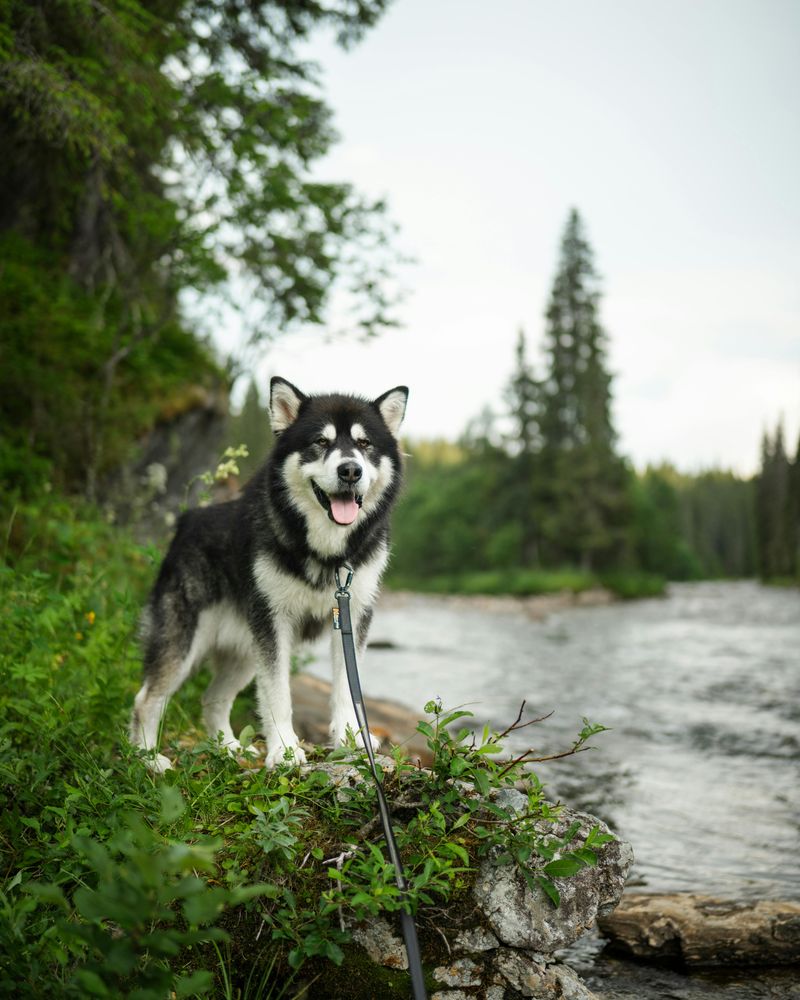
Alaskan Malamutes are powerhouse pullers bred to travel far in harsh conditions. That heritage can show up as fence testing, door bolting, and joyful independence.
Big bodies plus big curiosity require careful management before habits set. A bored Malamute will invent cardio, and it might include your street.
Plan heavy workouts like controlled canicross, sled training basics, or weighted walks appropriate for age. Teach calm at thresholds and reinforce recalls with meaty, irresistible rewards.
Use tall fencing, lockable gates, and supervised yard time to prevent rehearsals. Add brain work through scent games and object carries.
When their engines run with you, Malamutes settle deeper at home and care less about solo expeditions.
Whippet
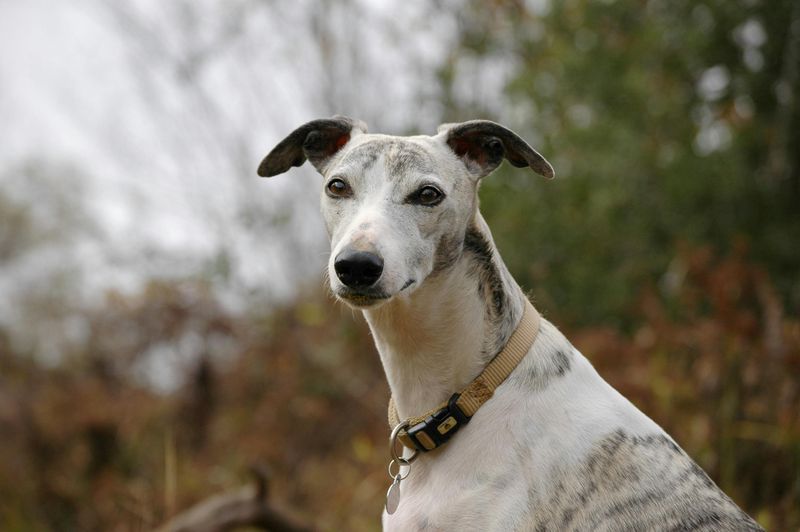
Whippets are gentle but unbelievably fast, and a startled sprint can carry them out of sight in seconds. Sight hound instincts lock onto moving objects and prioritize chase over conversation.
Their light frames slip through gaps you did not know existed. Calm, proactive supervision matters more than corrections.
Practice recalls with soft voices, warm rewards, and quick release back to sniffing. Pair long lines with fenced fields so they can stretch safely.
Use visual barriers on gates and add double door entries at home. Keep sessions short, playful, and frequent to build reflexive check ins.
When speed meets structure, your Whippet learns that the quickest way to fun is actually running back to you.
Greyhound
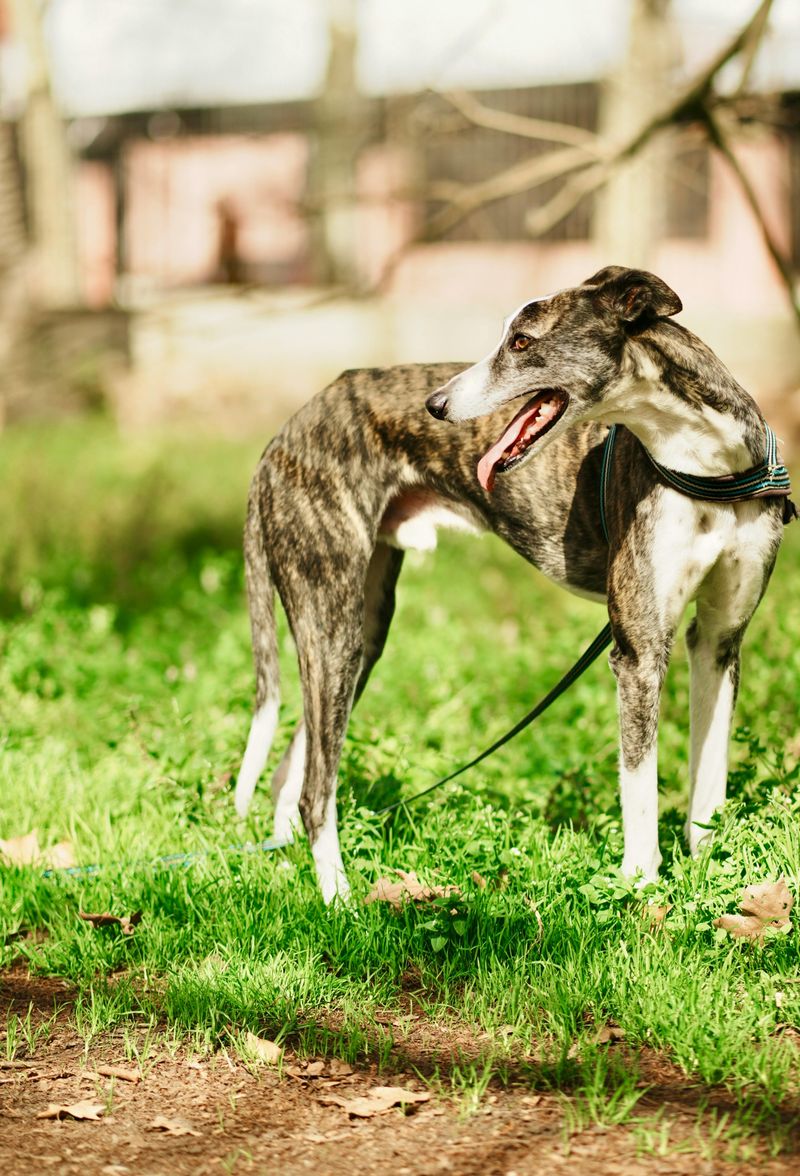
Greyhounds are poetry in motion, and poetry travels fast. A flash of movement can launch them before you gasp.
Their thin skin and long legs mean safety planning is vital. Although calm at home, they run like professionals the moment instincts wake.
Focus on quiet, confident recalls and emergency stops built with high value reinforcers. Use secure fields and long lines until responses are automatic.
Add decompression walks to meet their sensory needs without overstimulating. Fit martingale collars or well sized harnesses to prevent slipping free.
With gentle consistency and thoughtful routes, your Greyhound will choose the comfort of your side over any distant distraction.