
Ever wondered why your dog behaves like an angel outdoors but turns into a whirlwind as soon as you step inside? Here are 11 reasons that might explain this intriguing shift in behavior.
Built-Up Stress Finally Releases in a Safe Space
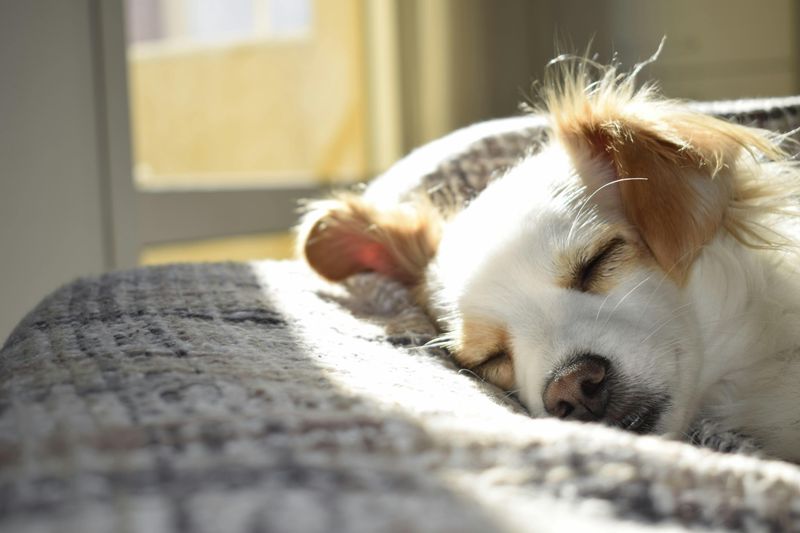
After a long day of behaving impeccably outside, your dog might release built-up stress once home. The familiar environment provides a safe place for them to let loose.
Imagine holding your breath all day and finally exhaling at home.
This release is a testament to their trust in you and their surroundings, knowing they’re loved even during their wild moments. Home becomes the sanctuary where they can express themselves freely, and this natural, yet chaotic, release might look feral.
Your Dog Is Mentally Exhausted, Not Misbehaving
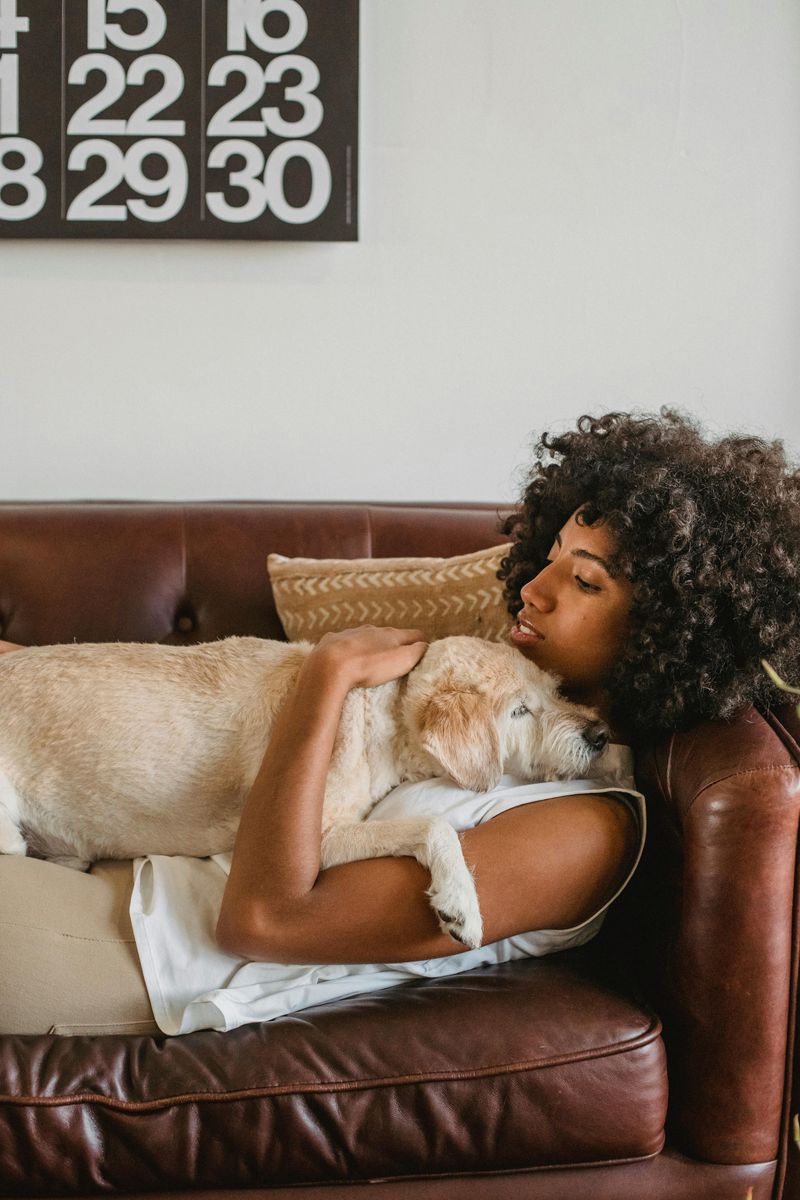
A dog’s mind works overtime outside, absorbing stimuli and adhering to commands. Once home, mental exhaustion might manifest as seemingly unruly behavior.
This is not mischief but a sign of mental fatigue. Like a child after school, their antics are a cry for rest and recuperation.
The energy expended in public control often leads to a energetic burst at home. It’s essential to recognize this as a sign of a full, stimulating day rather than naughtiness.
Home Triggers Don’t Exist Outside
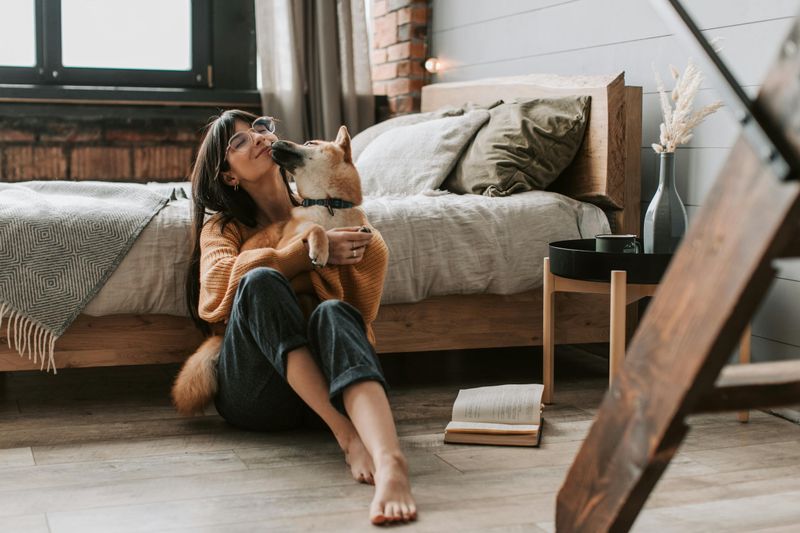
At home, familiar objects can trigger unique responses from your dog. These home-specific triggers may not be present outside, leading to different behavior in each setting.
A vacuum cleaner, for instance, might be a source of fascination or fear.
This absence of triggers outside often results in calmer behavior because there’s nothing to provoke their curiosity or anxiety. Understanding these triggers can help manage their energy and keep chaos at bay.
Lack of Clear Indoor Boundaries
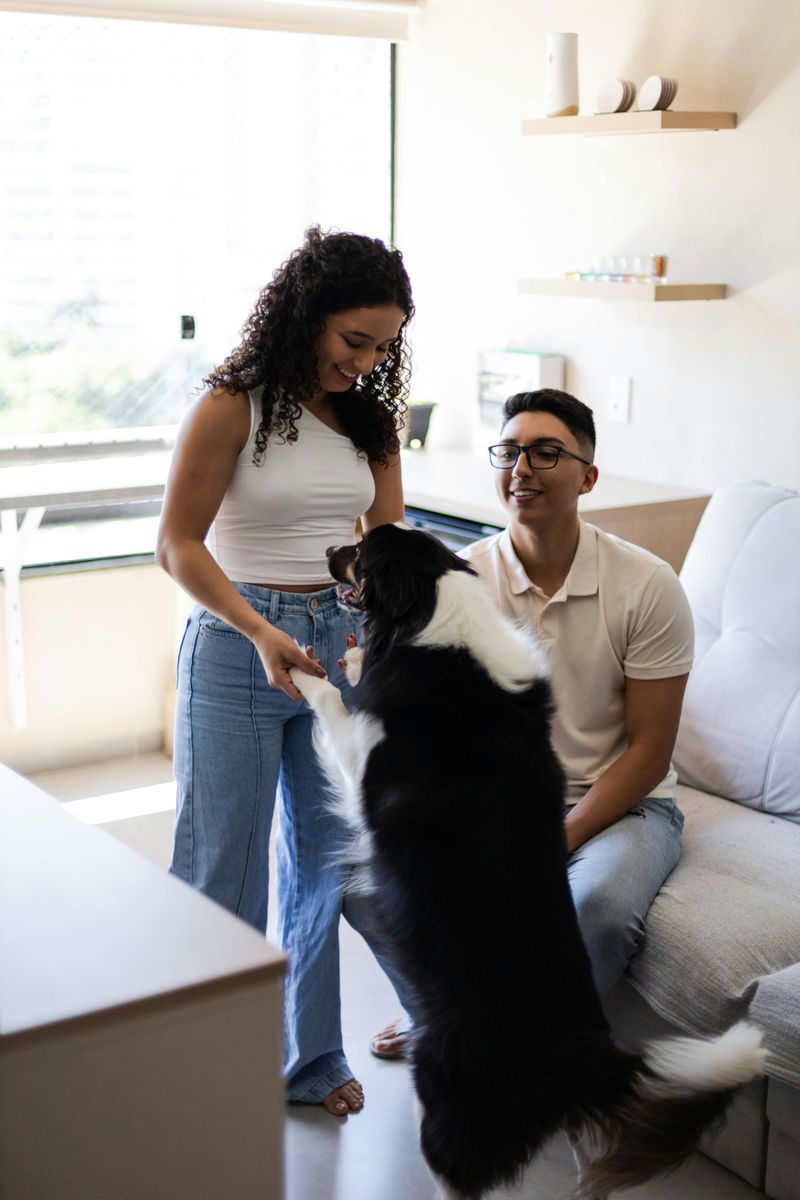
Without clear boundaries at home, a dog may become confused about what behavior is appropriate indoors.
While outside, leashes and fences provide clear limits, inside can become a playground of uncertainty.
Establishing clear areas for rest, play, and avoidance helps your dog understand where to channel its energy. Boundaries indoors can mimic the structure they experience outside, providing a sense of order amidst their excitement.
Overstimulation After Long Exposure to the Outside World
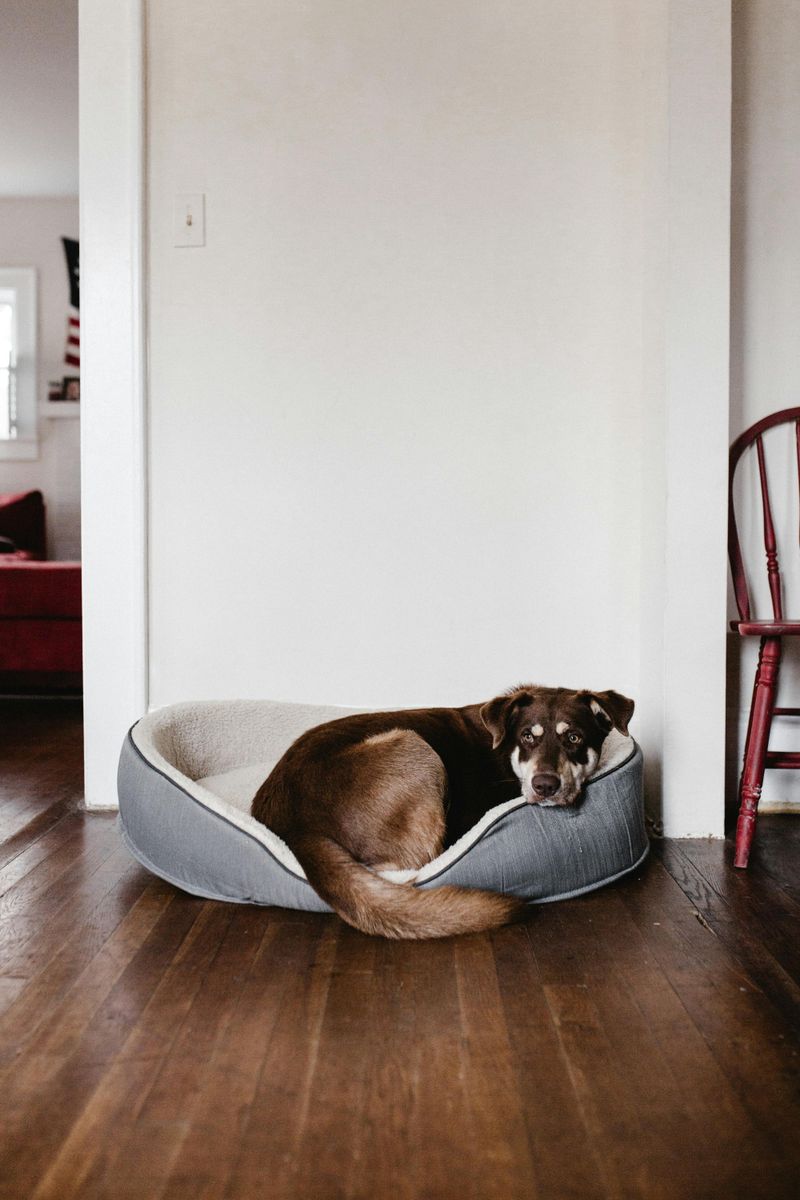
After a sensory-rich experience outside, dogs may return home overstimulated. This can lead to hyperactivity as they attempt to process the barrage of stimuli.
It’s as if their senses are on overdrive, making every sight and sound at home more intense.
Allowing them a moment to decompress and adjust can help ease the transition from the bustling outdoors to the quieter home environment.
Learned Calmness on Leash, Chaos Off-Leash
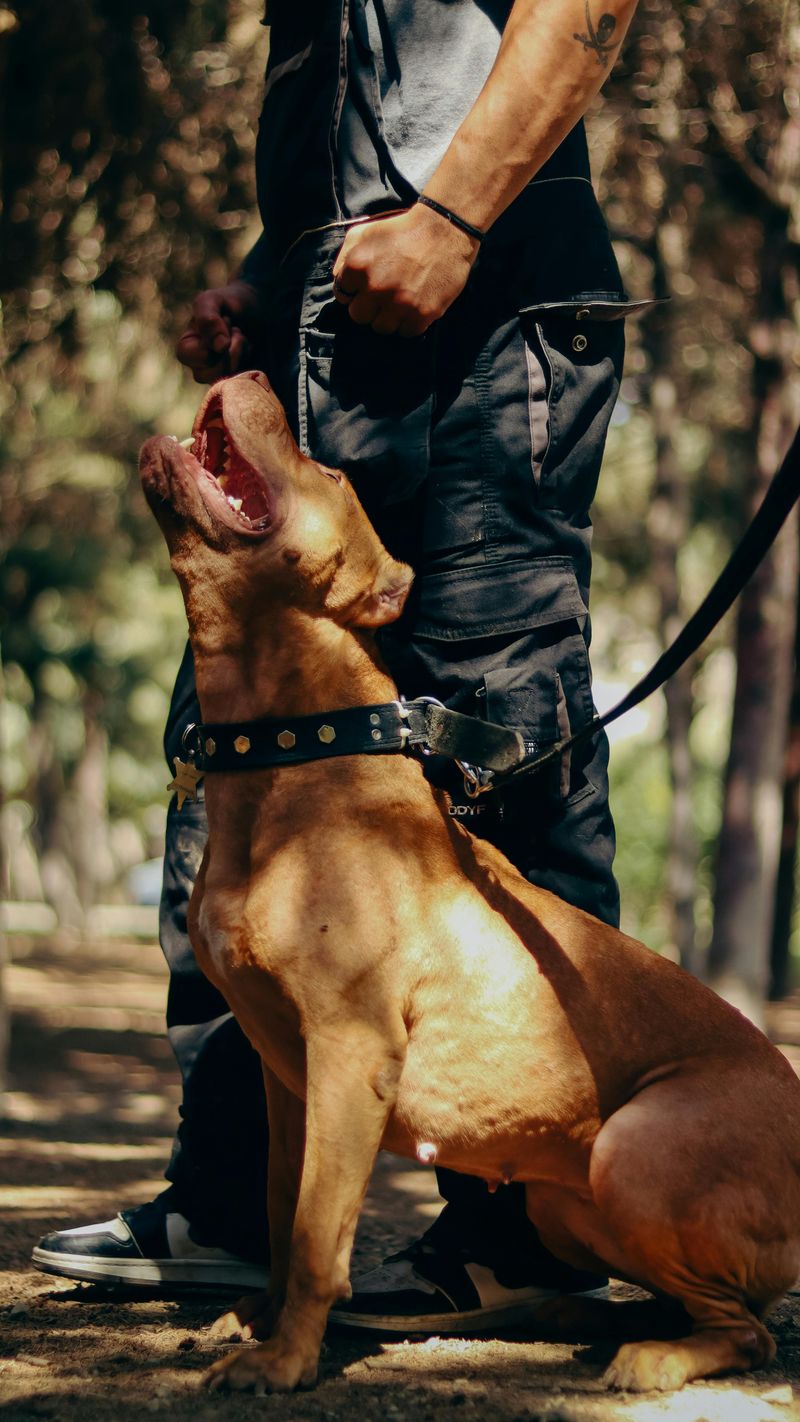
On a leash, dogs learn to maintain composure. Off the leash, especially at home, the freedom can ignite a whirlwind of activity.
This transformation is akin to switching from work mode to play mode.
Indoors, they’re free to express themselves without restraint, and this sudden lack of restriction can unleash their wild side. Providing structured activities can help balance this newfound freedom with calmness.
Attention-Seeking That Only Works at Home
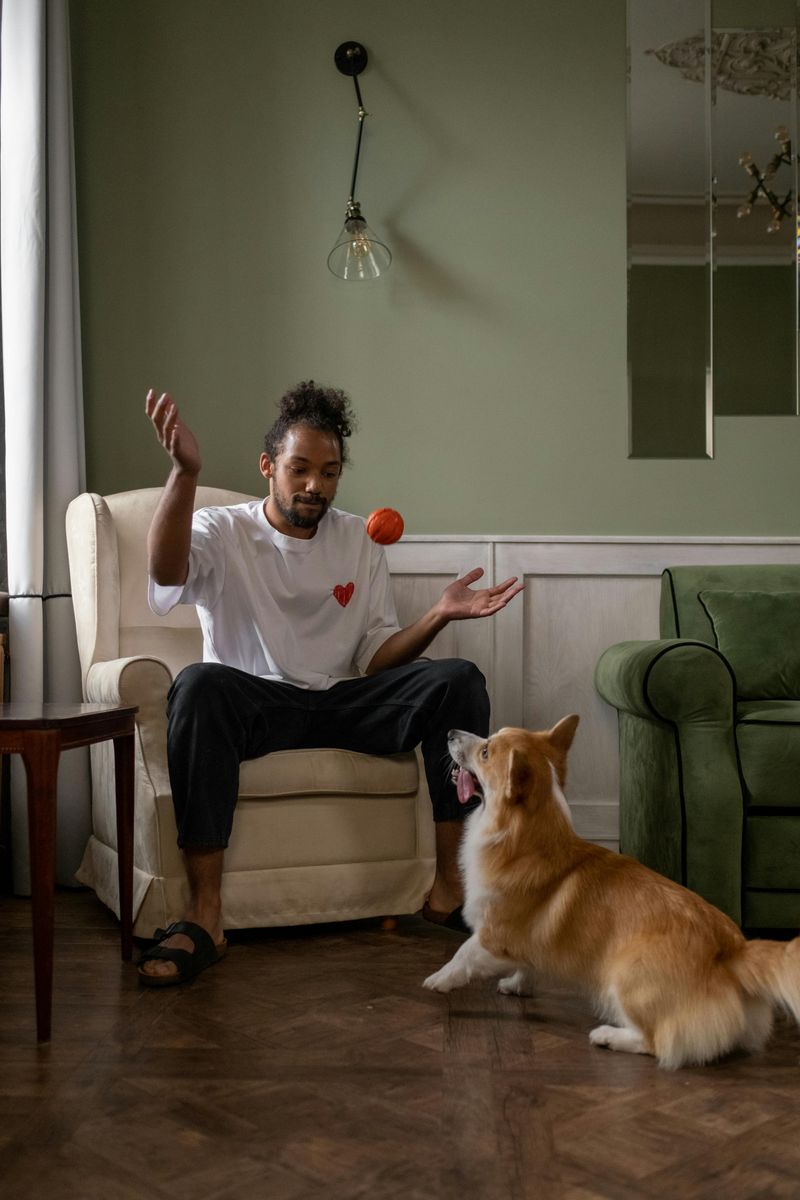
Dogs are masters at gauging what earns them attention. At home, they might exhibit behaviors that don’t work elsewhere to capture your focus.
This attention-seeking can range from playful antics to more demanding gestures.
Their behavior is often a reflection of their desire to interact and engage. By rewarding calm behavior with attention, you can encourage a more balanced home environment.
Inconsistent Rules Between Indoors and Outdoors
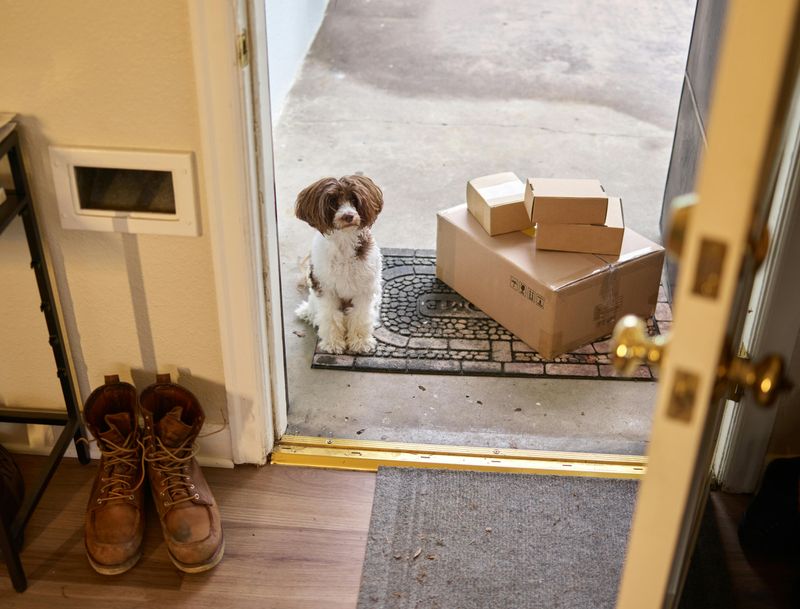
Inconsistencies in rules can confuse a dog, leading to erratic behavior. Outside, commands may be strictly enforced, while indoors, leniency may blur expectations.
This inconsistency creates an environment where the dog is unsure of what’s permissible.
Understanding the importance of consistent rules across settings helps in maintaining a harmonious relationship. Clear, consistent guidance helps the dog understand boundaries and expectations.
Pent-Up Energy After Structured Walks
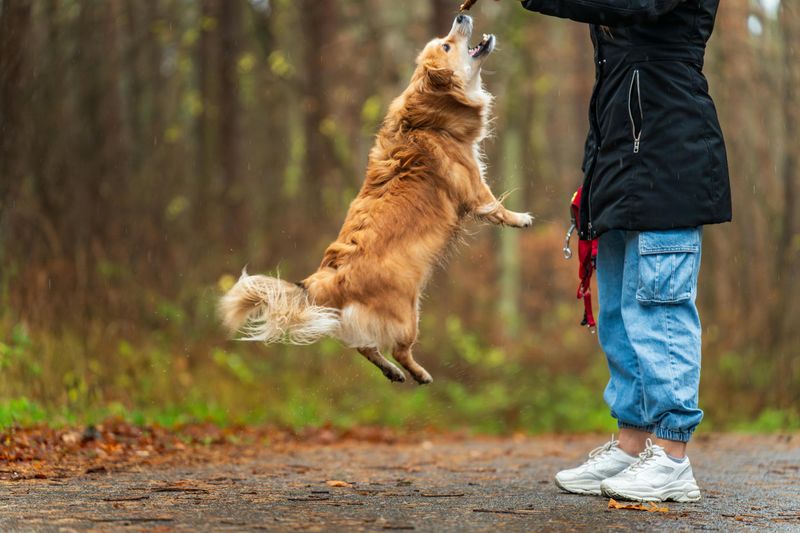
Structured walks help manage a dog’s energy during the outing, but this can lead to pent-up energy once home.
The walk’s calm discipline might conceal the energy waiting to burst.
Once home, this bottled-up energy can transform into a series of playful or chaotic outbursts. Incorporating playtime or mental activities at home can channel this energy constructively.
Routine Predictability Drops Once You’re Home
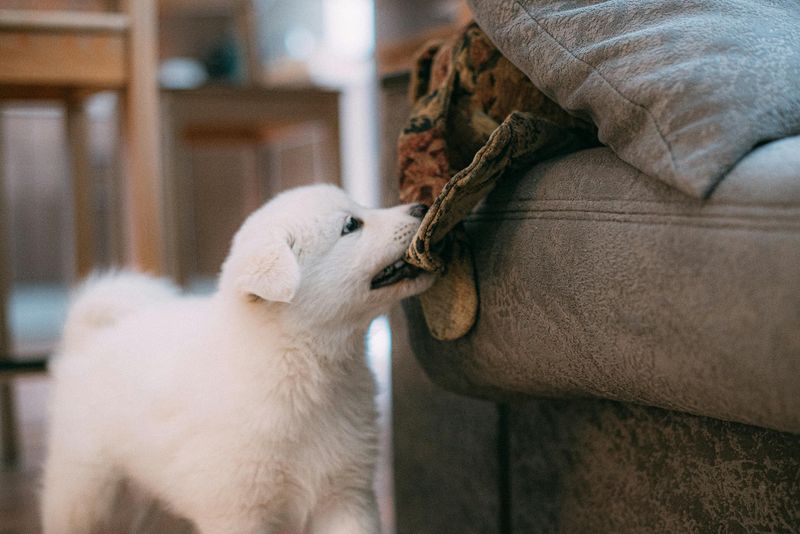
Outside, routines are often predictable, providing comfort and structure. At home, unpredictability can be intriguing and exciting for a dog.
The lack of a fixed routine might encourage exploration and spontaneous behavior.
By maintaining some predictability in their home routine, you can help manage their energy and curiosity. Predictability can serve as a calming influence amidst the potential chaos.
Your Dog Feels Too Secure to Self-Regulate
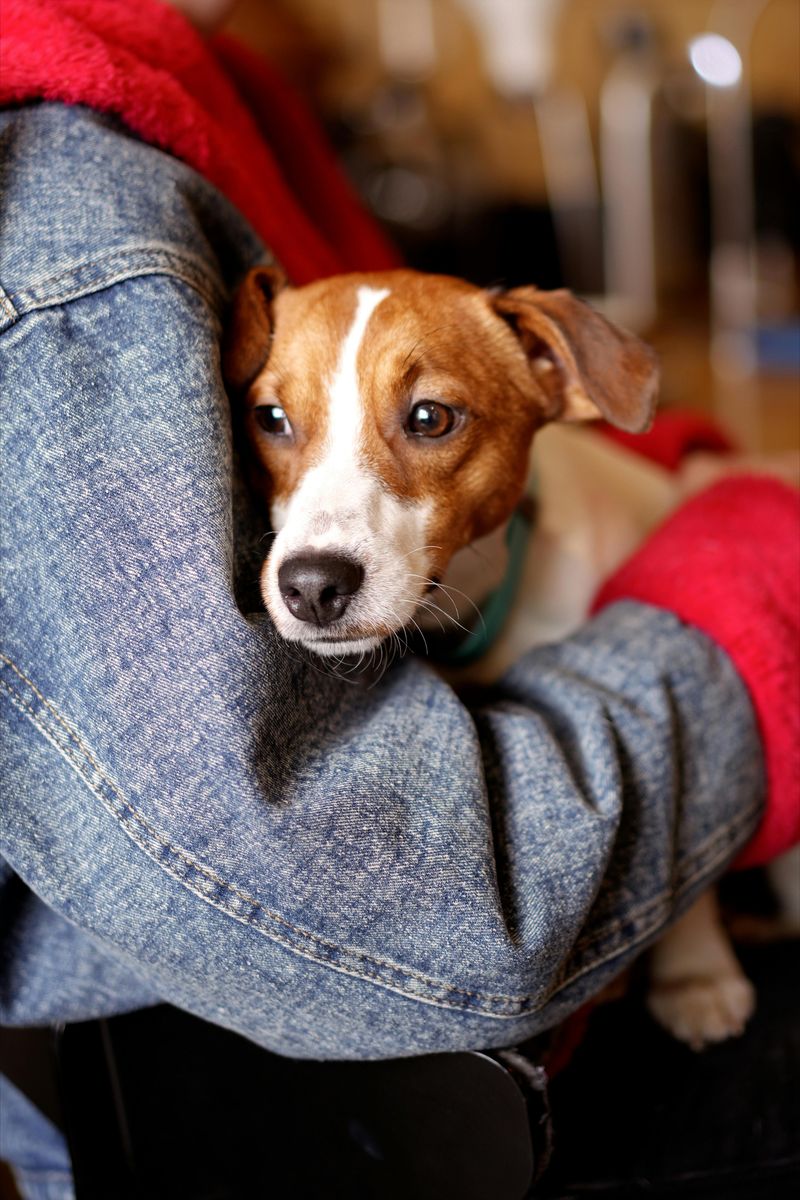
Home is the place where dogs feel most secure and loved. This security can lead to a lack of self-regulation as they know they’re safe to express their true selves.
The comfort of family and familiarity often leads them to abandon restraint.
Understanding this behavior as a sign of trust can help in managing their energy and setting boundaries that respect their freedom while maintaining order.