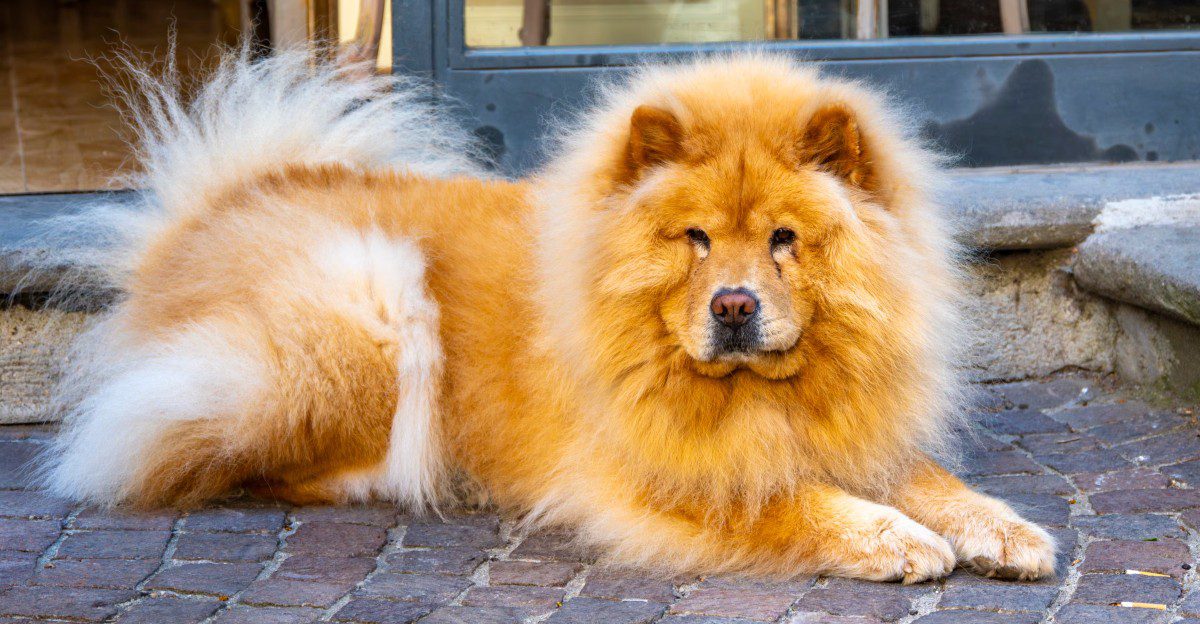
Not every dog shows love by jumping into your lap or licking your face. Some breeds are quiet, calm, and a little shy, so their sweet side is easy to miss.
Learning how these dogs show affection can help you build a stronger bond and choose the right pet for your home. Read on to meet eleven quiet charmers, plus two pups who wear their hearts on their sleeves.
Akita: The Silent Guardian
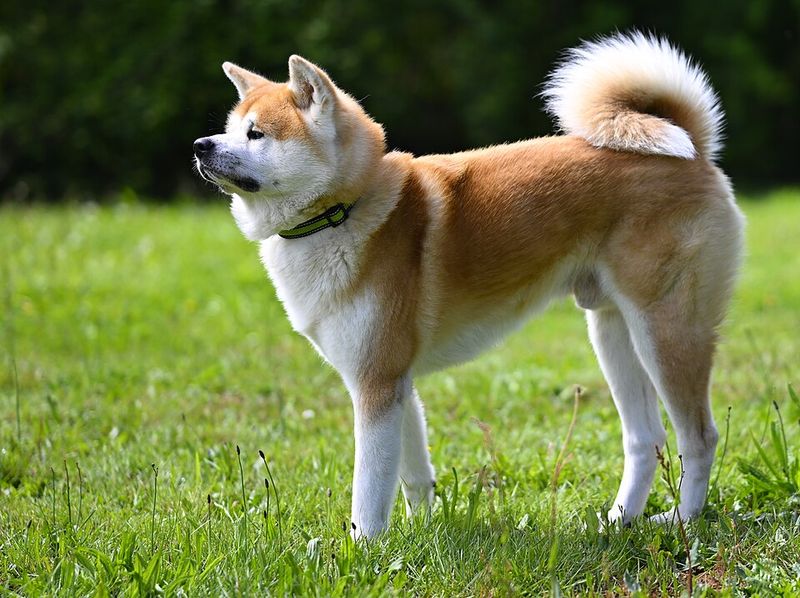
Hachiko, the famous Akita from Japan, waited at a train station for his owner for nearly ten years. That story says everything about this breed’s loyalty.
Akitas rarely gush over strangers. Instead, they show love by following you from room to room and keeping watch while you sleep.
Give them calm routines and early training. Once trust is built, you will have a devoted friend who quietly guards your whole world.
Shiba Inu: Cat Energy in a Dog Suit
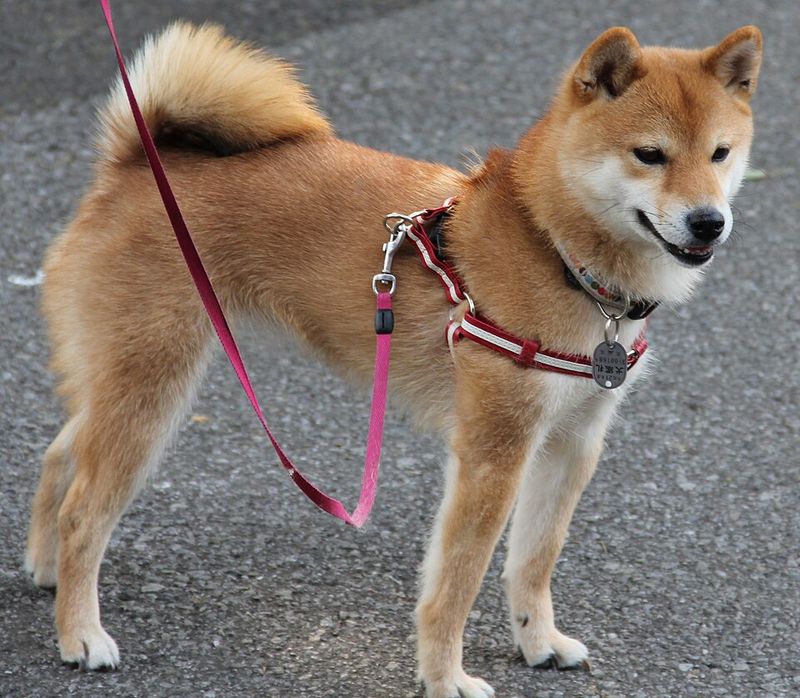
Ever met a dog that acts like a cat? Say hello to the Shiba Inu, a small fox-like pup with a big independent streak.
Shibas often ignore cuddles on demand. Their love looks like sitting nearby, leaning against your leg, or greeting you with a happy tail swirl.
Let them come to you. Pushing for hugs can backfire, but patience earns you a clever, playful buddy who picks you on its own terms.
Chow Chow: Fluffy and Dignified
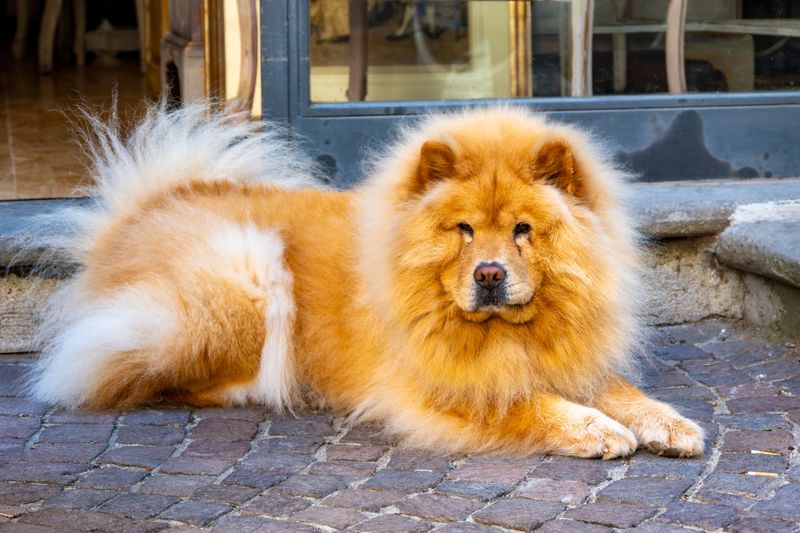
With a lion-like mane and a blue-black tongue, the Chow Chow looks like a walking teddy bear. Don’t expect teddy bear behavior, though.
Chows are proud and picky about who they trust. Many bond deeply with just one or two family members.
Affection shows up as calm closeness, like resting at your feet. Brush that thick coat often and respect their space, and you’ll earn a steady, dignified friend for life.
Scottish Terrier: Small Dog, Serious Face
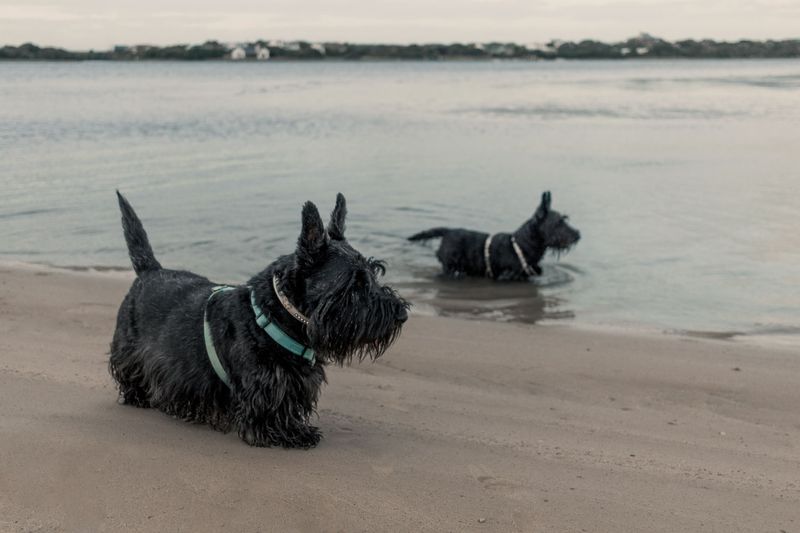
Scotties carry themselves like tiny judges. Their bushy eyebrows and beards make them look serious, and honestly, they often are.
These terriers were bred in Scotland to hunt pests, so they are tough and stubborn. Still, they adore their families and love being included in daily life.
Fun fact: a Scottie named Fala lived in the White House with President Franklin Roosevelt. Short, fun training sessions work best for this bold little thinker.
Greyhound: Speedy Couch Potato
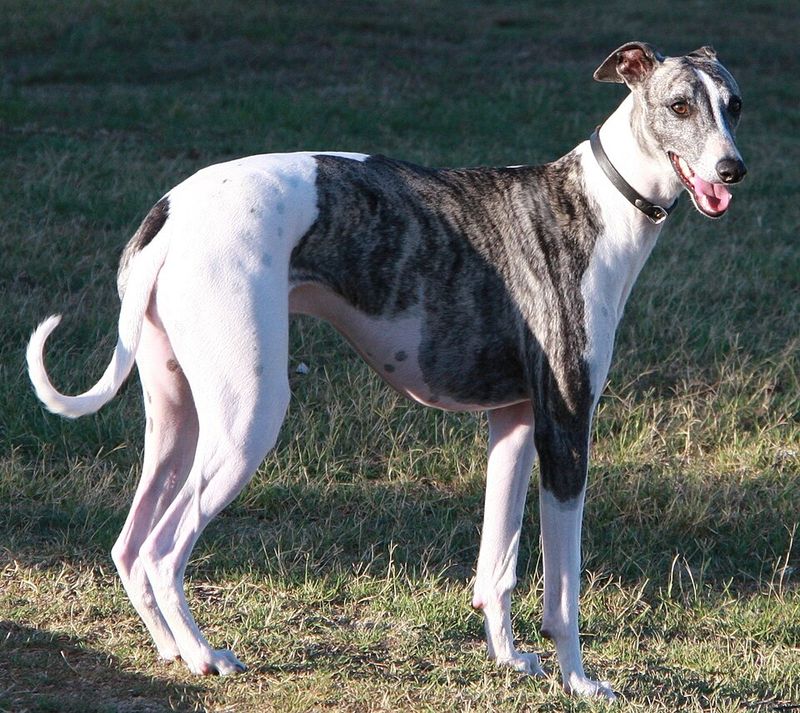
Here’s a surprise: the fastest dog breed spends most of its day napping. Greyhounds can hit 45 miles per hour, yet many are happy sleeping 18 hours.
Retired racers can seem shy at first. Their love often comes as a gentle lean into your legs, a soft nudge, or quiet happy noises.
A comfy bed and a safe, fenced area to sprint make them glow. Adoption groups have plenty waiting for homes.
Rhodesian Ridgeback: Quiet Strength
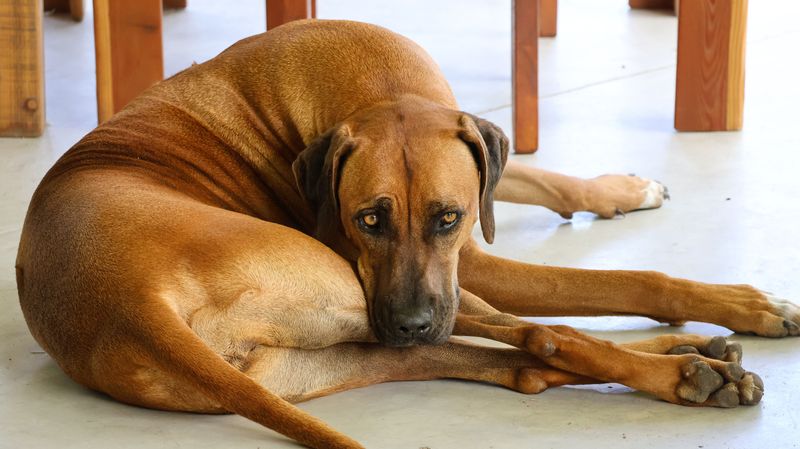
Picture a dog brave enough to help hunters track lions in southern Africa. That’s the Rhodesian Ridgeback, named for the stripe of hair running backward along its spine.
Around strangers, Ridgebacks stay cool and watchful. At home, they soften into loyal shadows who like being close.
They need lots of exercise and firm but kind training. A tired Ridgeback is a calm one, often found stretched out right beside its favorite human.
Great Pyrenees: The Fluffy Night Watch
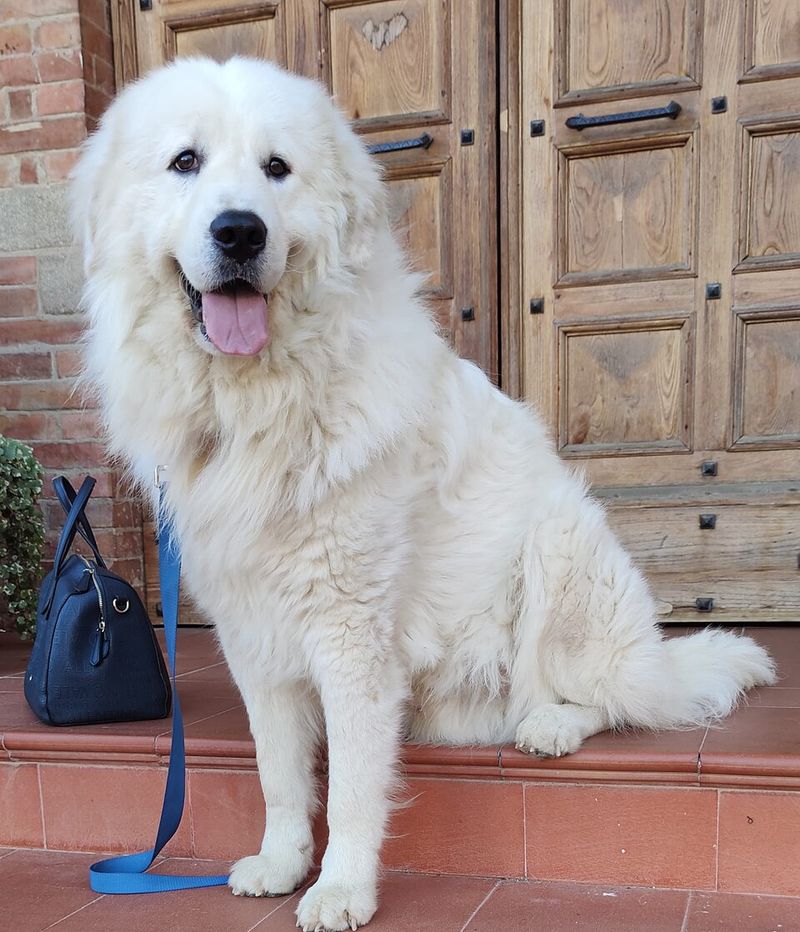
Big, white, and fluffy, the Great Pyrenees was bred to protect sheep in the mountains between France and Spain.
Because they guard at night, these dogs may bark after dark and seem aloof during the day. Their love is steady rather than showy.
They’ll lie near the door, keeping everyone safe.
Be ready for shedding and some stubbornness. In return, you get a calm, patient protector with a heart as soft as its coat.
Shar-Pei: Wrinkles With Heart
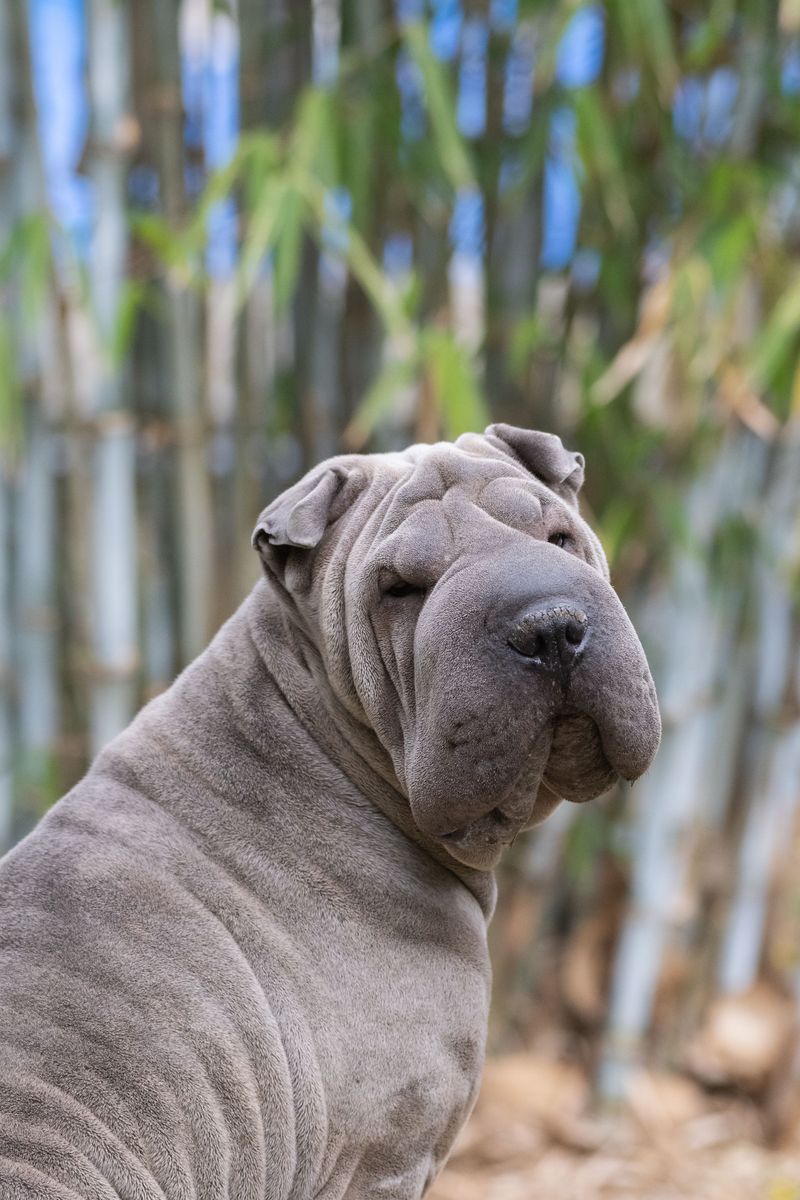
Those famous wrinkles once helped protect Shar-Peis in fights back in ancient China. Today, they mostly make people smile.
Shar-Peis are cautious with new faces and don’t beg for attention. With their own family, they turn loyal and quietly sweet, often sticking close during quiet evenings.
Keep their skin folds clean and dry to avoid irritation. Early socialization also helps this thoughtful breed feel relaxed around visitors and other pets.
Lhasa Apso: Tiny Temple Sentinel
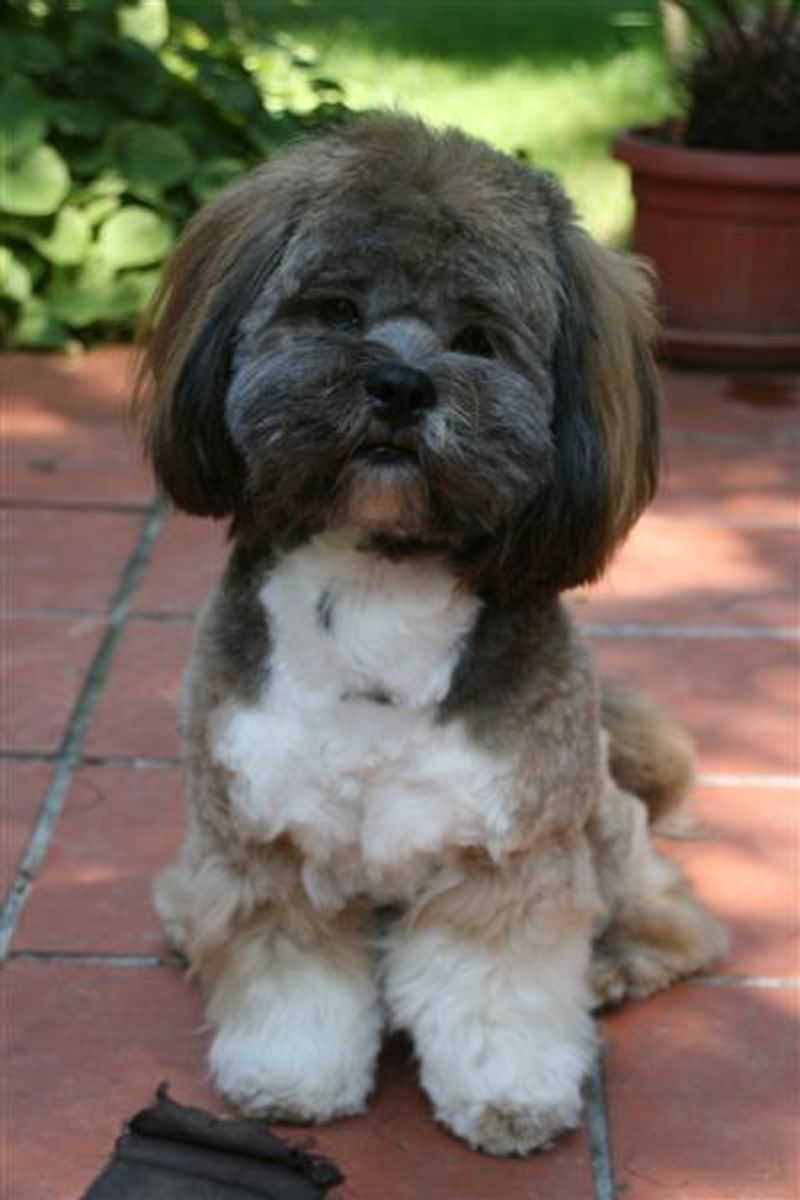
Long ago, Lhasa Apsos worked as indoor watchdogs in Tibetan monasteries. They barked warnings whenever strangers came near.
That alert spirit still shows today. A Lhasa may act cool toward guests, yet it lights up for its own people with playful bursts and cozy lap time.
Their long coat needs regular brushing, or a shorter puppy cut. Treat them with respect, and they’ll reward you with loyal, cheerful company for many years.
Borzoi: Graceful and Gentle
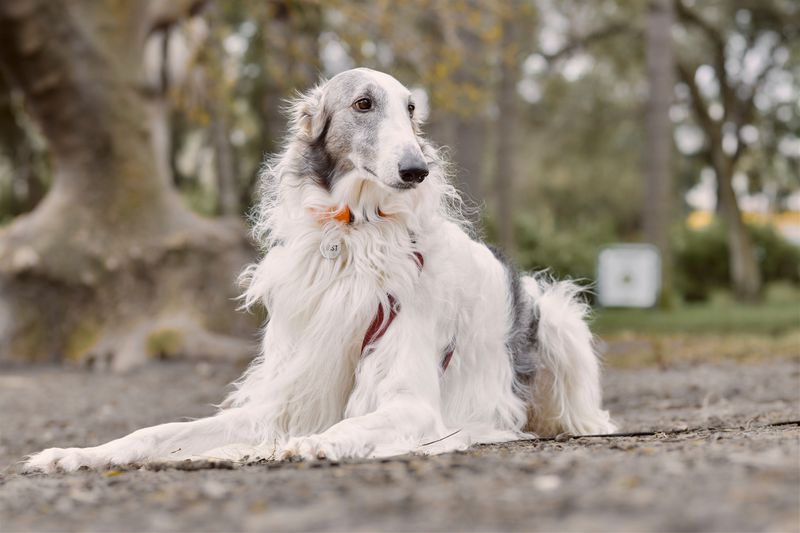
Russian nobles once hunted wolves with the tall, elegant Borzoi. Today, this graceful hound would rather drape itself across your couch.
Borzois are quiet and polite, so some owners think they’re distant. Watch closely, though.
A soft head resting on your knee is their version of a big hug.
They love to run, so walk them on a leash or in fenced spaces. Squirrels can trigger their chase instinct fast.
Afghan Hound: Runway Model Energy
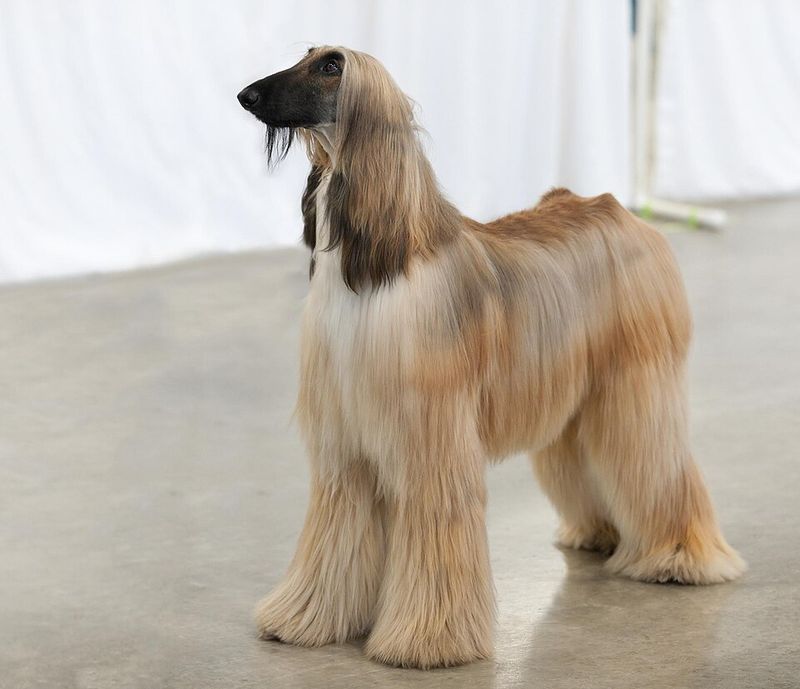
Flowing hair, a proud walk, and a face that seems to say, “I’m too fancy for this.” That’s the Afghan Hound in a nutshell.
Afghans can appear aloof, even goofy at times. Behind that model look is a sensitive dog who bonds deeply with its family.
Grooming takes real time, often several hours a week. Gentle training works best, since harsh words can hurt their feelings and shake their trust.
Cavalier King Charles Spaniel: Born to Cuddle
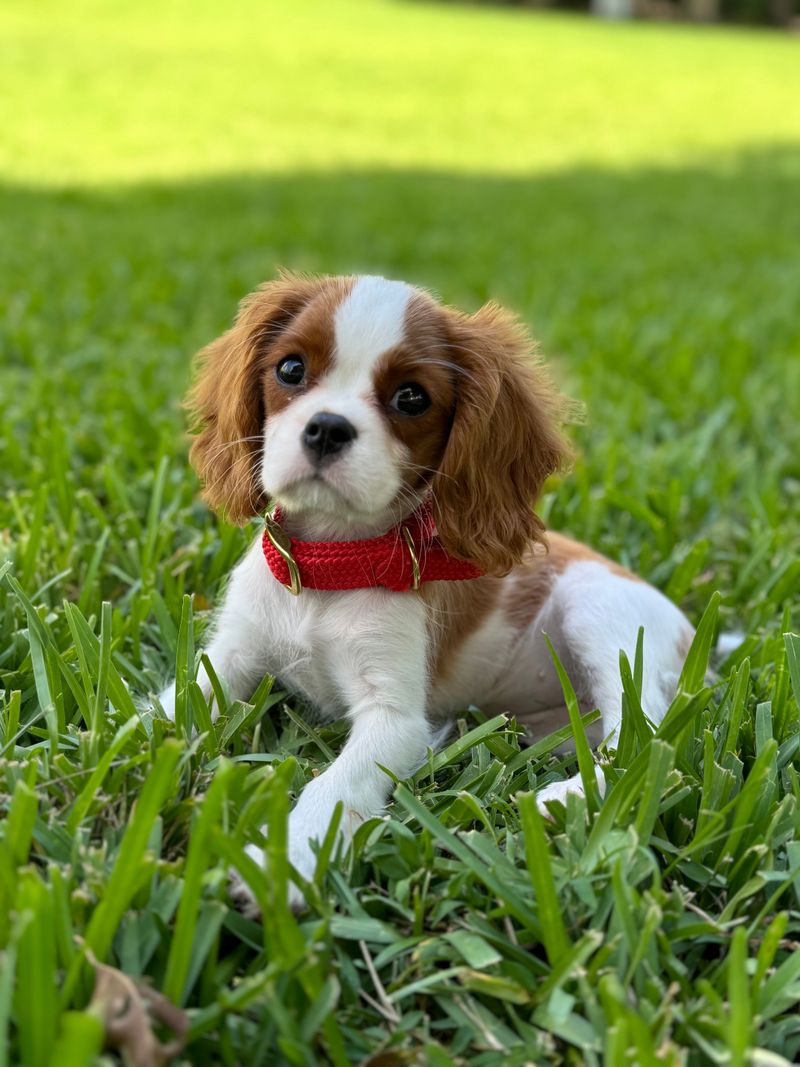
Now for a total lovebug. Cavaliers were named after King Charles II of England, who reportedly adored his spaniels so much they followed him everywhere.
These sweet dogs want to be with you all day. Laps, pillows, and your side of the bed are their favorite places.
Because they crave company, they don’t enjoy being alone for long. Regular vet checks help, since the breed can have heart problems.
Staffordshire Bull Terrier: The Wiggly Nanny Dog
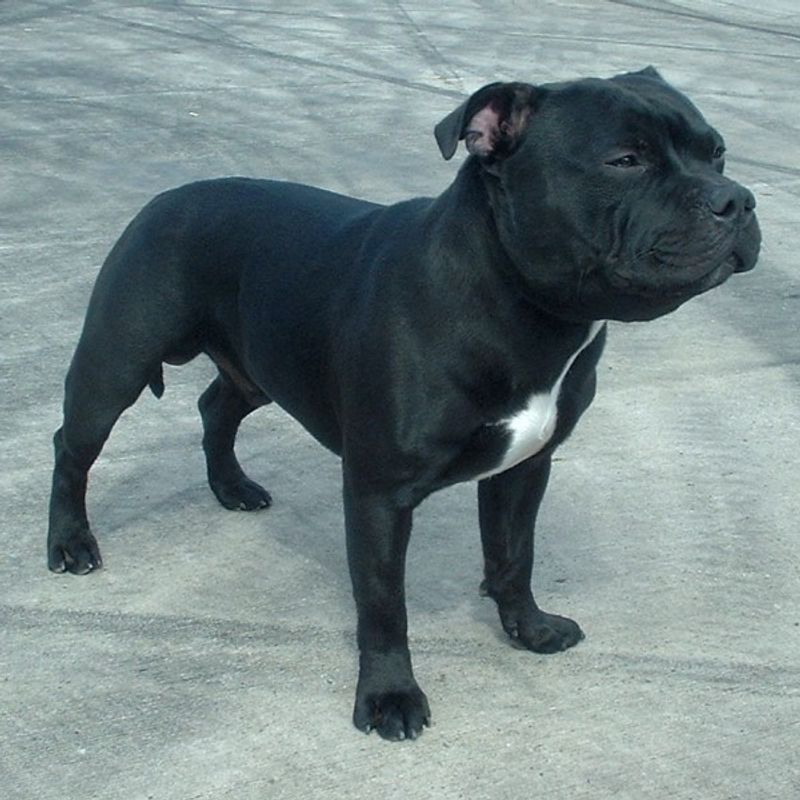
Few dogs greet you like a Staffy. Expect a full-body wiggle, a wide grin, and maybe a few happy kisses.
Staffordshire Bull Terriers look muscular and tough, but they’re huge softies with their humans. In Britain, some people nicknamed them “nanny dogs” because of their fondness for families.
Give them plenty of play and chew toys. Their strength and energy need a healthy outlet, plus steady training from day one.