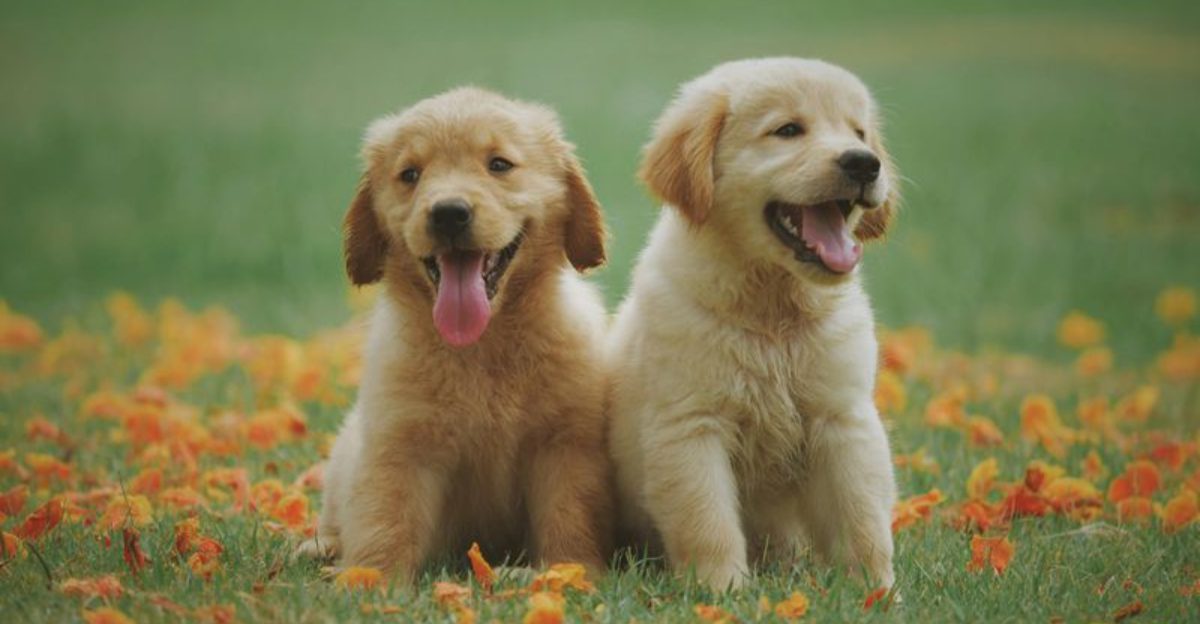
Dog greetings can feel like defusing a tiny ticking bomb or watching a friendship bloom in seconds. With the right steps, you can turn awkward sniffs into safe, confident connections.
This guide gives you practical, low-stress moves you can use today. Ready to help your dog meet new friends the safe way?
Start with neutral territory
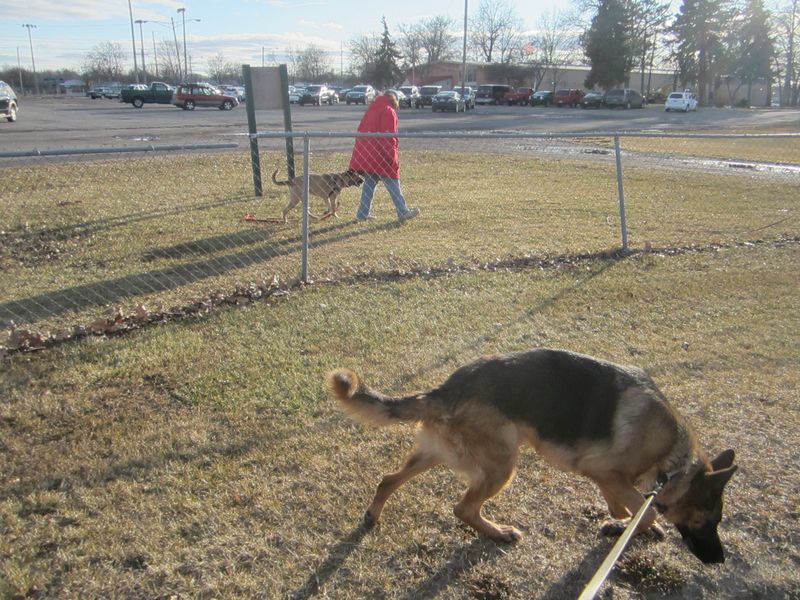
Choose a quiet, neutral location that neither dog considers home turf. A calm sidewalk, empty park field, or spacious parking lot reduces guarding instincts and surprises.
Fewer distractions help you focus on safety and reading behavior.
Stand several feet apart and let each dog look around before noticing the other. Approach in a gentle arc rather than straight on, keeping slack in leashes and voices soft.
If either dog stiffens, sniff-freezes, or piloerects, pause and increase distance immediately.
Your goal is curiosity without pressure. Neutral ground builds confidence and prevents mixed signals about territory.
Start here and you create the best chance for a friendly greeting. If it feels rushed, reset and try again later.
Short, calm starts beat setbacks.
Keep both dogs on leash
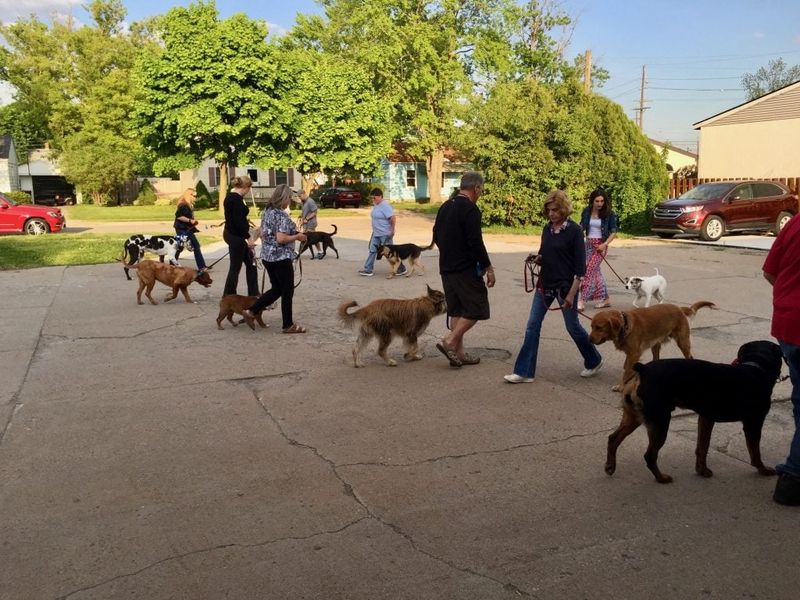
Leashes give you control without removing choice. Use six-foot leads, not retractables, so slack feedback stays predictable and tangles are less likely.
Hold leashes like safety reins, relaxed hands, ready to guide without yanking.
Walk parallel first with space between, letting dogs sniff the air and exchange information indirectly. Move in a curved path and avoid tight face to face pressure.
If leashes wrap, step apart calmly and reset positions before tension builds.
Clip to well-fitted harnesses for comfort and safer redirection. Avoid tightening the line when greeting, because pressure can signal alarm.
Keep your voice easy and your body loose. With balanced leash skills, you keep safety high while leaving room for natural, polite choices.
That builds calm confidence.
Allow gradual introductions
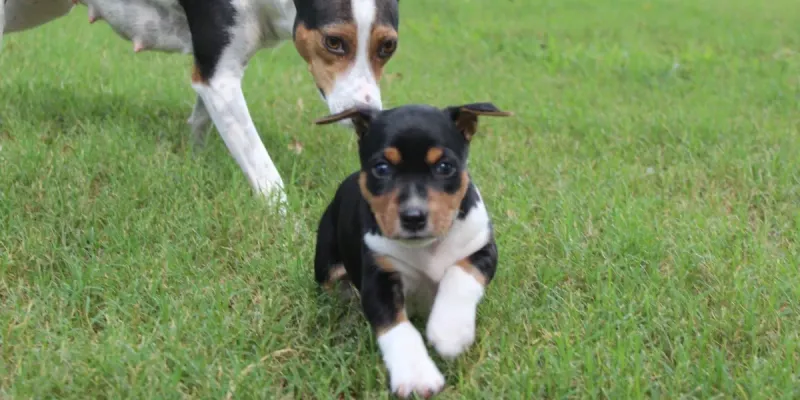
Think of introductions like a dimmer, not a switch. Start with sight at a distance, then add scent by swapping sniffed towels or walking past bushes.
Let curiosity bubble up slowly so arousal stays manageable and choices remain thoughtful.
Close the gap over several mini sessions, pausing when either dog speeds up, fixates, or stress pants. Use easy arcs, sniff breaks, and decompression walks between meetings.
The slower the steps, the fewer surprises and the more trust you build.
Remember, progress is not linear. Some dogs need to pause at one stage and regroup tomorrow.
That is normal, not failure. By honoring their pace, you protect confidence, reduce risk, and set the table for genuinely friendly, sustainable relationships over time.
Watch body language closely
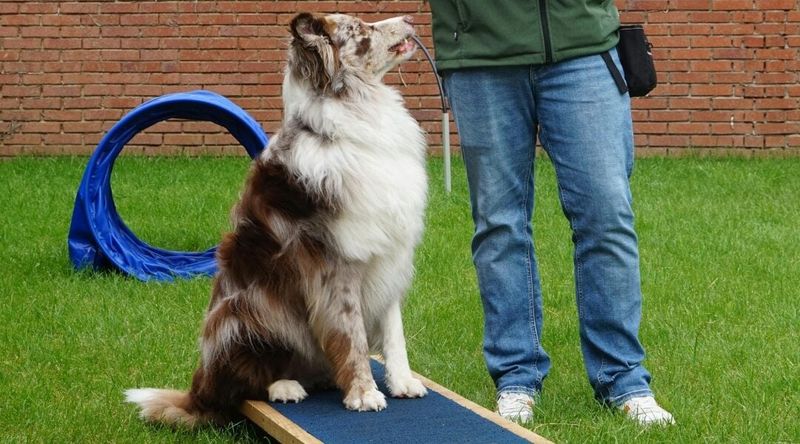
Your best safety tool is observation. Soft eyes, loose jaws, curvy spines, and wagging hips signal comfort.
Stiff legs, forward weight, hard staring, closed mouth, or tucked tail suggest stress that requires space and a reset.
Listen for huffs, low growls, and high pitched barks that often mean frustration or uncertainty. Watch the sniff and look away ritual, which invites peace and decompression.
Mark and reinforce those choices with quiet praise and distance.
If you spot ladder of aggression signs, intervene early and gently. Create space, breathe, and let arousal drain before trying again.
Neutral observations keep emotions steady, helping you decide when to pause, proceed, or end the session gracefully. Small details predict outcomes, so train your eyes daily.
Avoid forcing interaction
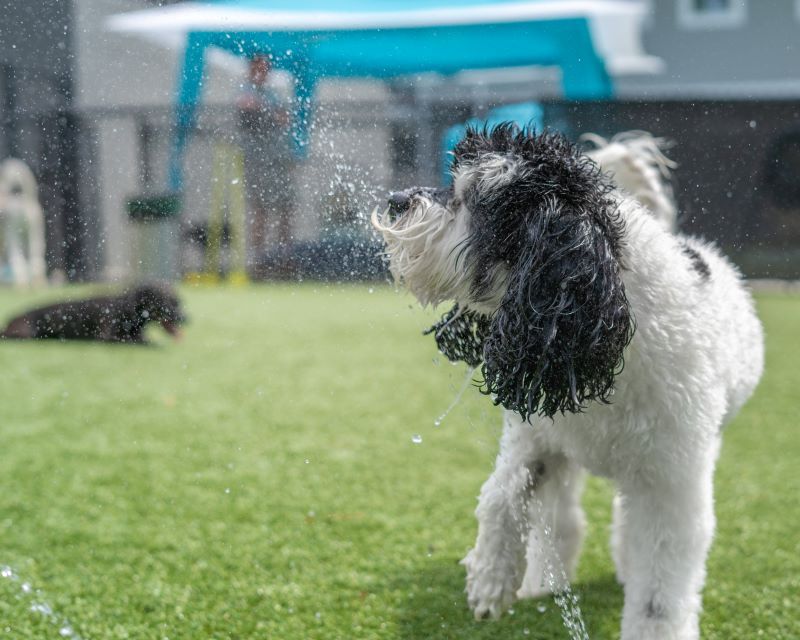
Pressure can backfire and turn curiosity into conflict. Do not push noses together, hold collars tightly, or corner dogs with no exit.
Choice is calming, and autonomy lets social skills bloom naturally.
Offer multiple paths to disengage, like sniffing the grass, moving to the side, or exploring a tree. Greet for a moment, then wander away, then return for another brief hello.
Short, optional moments build confidence rather than trapping anxious energy.
If one dog leans away, licks lips, yawns, or scratches, treat that as a polite request for space. Honor it.
Give distance, breathe, and try a parallel walk instead. Respectful pacing now prevents bigger problems later and keeps future meetings friendly.
Choice teaches safety and trust for both.
Keep sessions short
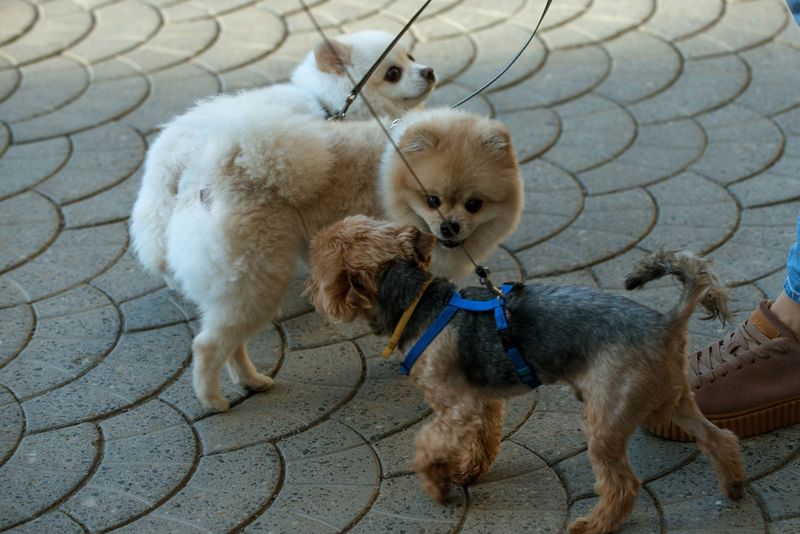
Attention and patience have limits, especially for young or sensitive dogs. Aim for two to five minutes of greeting, then break with a sniff walk.
Short, successful reps stack faster than one long, exhausting meeting.
Use a timer on your watch if you tend to lose track. Ending early keeps arousal low and leaves both dogs wanting more.
That anticipation often translates into softer re-entries and easier future sessions.
Pair each break with water, shade, and a decompression sniff. Walk a loop, breathe, and chat casually so the energy resets.
Then evaluate. If you see looser bodies and playful glances, consider another tiny hello.
If not, call it a win and head home happy. Short meetings protect confidence and progress.
Reward calm behavior
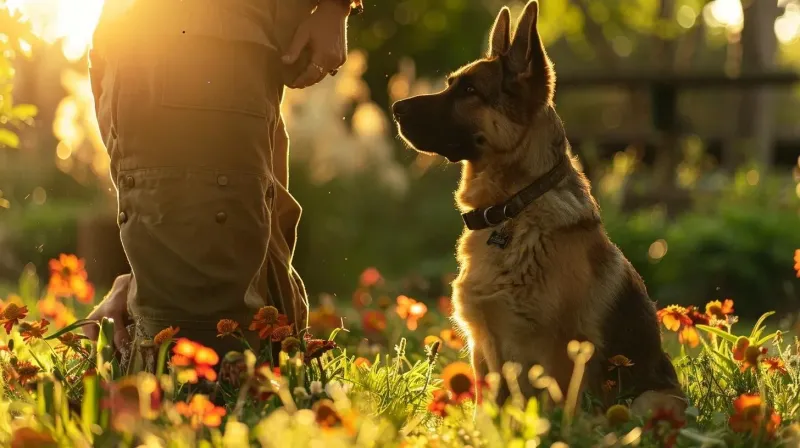
Reinforce what you want to see. Mark soft eyes, loose bodies, sniff breaks, and polite turn taking with yes and a tiny treat.
Rewarding the pause teaches dogs that quiet choices make good things happen.
Use high value food they can nibble without guarding, like pea sized cheese or soft training bites. Feed low and to the side so greetings do not become face to face standoffs.
Layer praise with distance for the perfect reinforcement cocktail.
Over time, calm earns access to friends and fun. That clarity reduces anxiety and prevents pushy behavior.
You get a dog who chooses patience because patience pays. Celebrate tiny wins now, and you will see bigger wins later.
Consistency makes polite habits stick longer.
Stay relaxed and confident
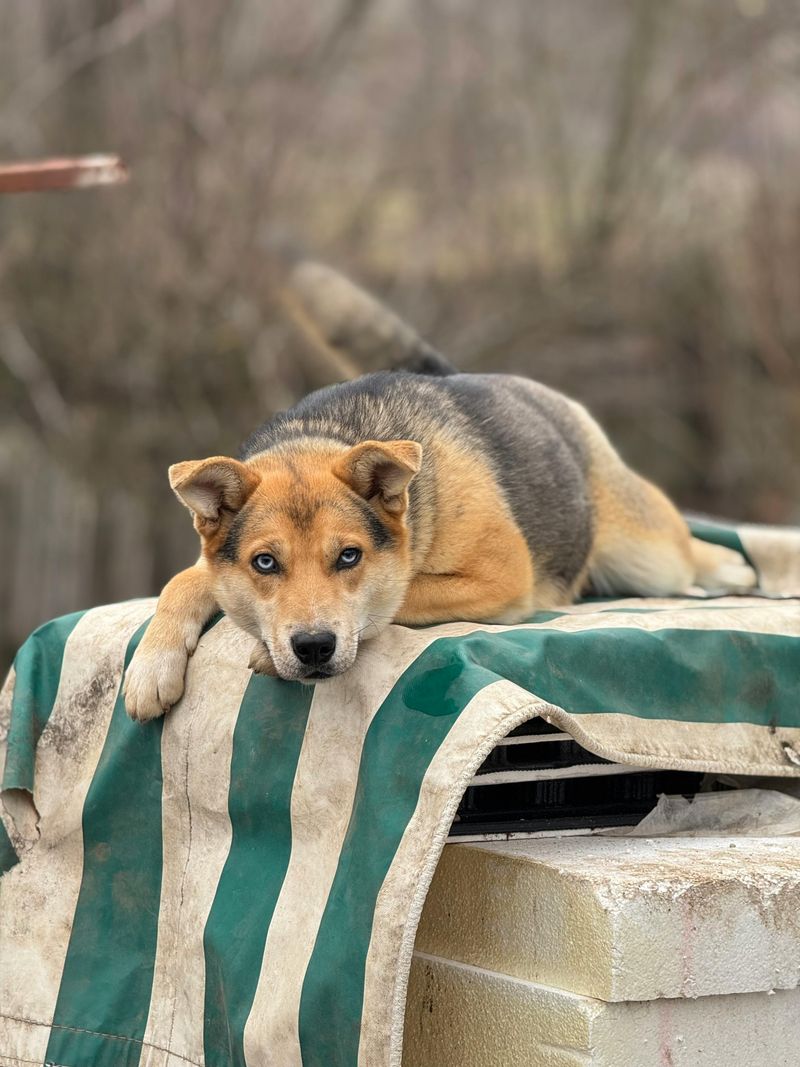
Dogs read us like billboards. Breathe slowly, drop your shoulders, and smile with your voice.
A steady handler tone tells both dogs there is time and space to figure things out.
Avoid gripping the leash, staring, or rushing the hello. Move in curves, chat casually, and keep your feet light.
Confidence flows down the line, and nervous energy does too, so model the vibe you want to see.
Before meeting, rehearse relaxed breathing and a simple plan. Decide your approach path, your stop word, and your exit route.
When you know the script, your body stays calm and your timing sharp. Calm leaders make calm teams, and calm teams make safe greetings.
Practice until steadiness feels natural in motion everywhere.
Separate if tension rises
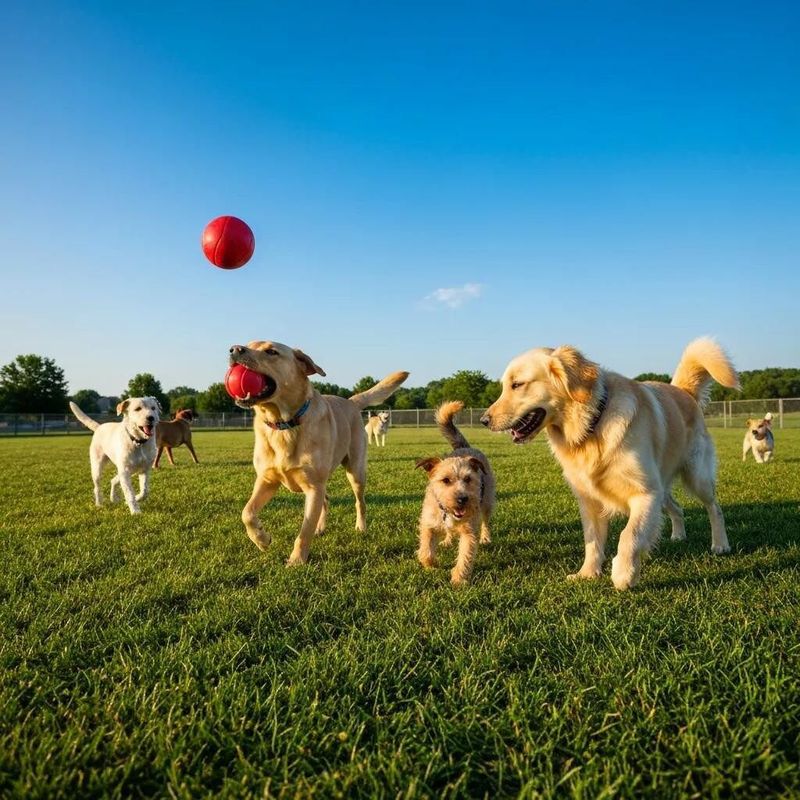
Tension is information, not failure. If hackles lift, bodies stiffen, or movement gets choppy, step away and breathe.
Create distance, curve out, and let everyone reset before trying again.
Use a cheerful tone and gentle leash pressure that guides without dragging. Offer a sniff break, scatter a few treats on the ground, or do hand targets to shift focus.
When breathing slows and muscles soften, consider resuming parallel walking.
If tension keeps returning, end the session kindly and plan a slower next step. Gather notes about triggers, distances, and contexts that felt easiest.
Share with a qualified trainer if patterns persist. Protecting trust today makes tomorrow safer, happier, and far more successful.
Graceful exits beat forced fixes every time truly.
Introduce one dog at a time
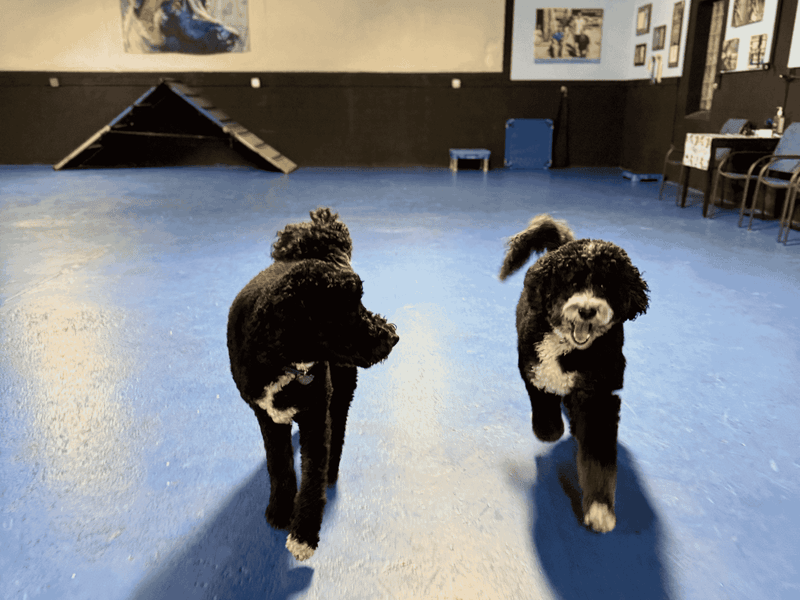
Group greetings add chaos and pressure. Start with one calm partner so signals stay readable and space stays generous.
Fewer variables mean cleaner learning and easier adjustments.
Rotate partners over separate sessions rather than stacking new dogs at once. Swap scents between meetings to keep familiarity growing without crowding.
When each introduction succeeds, confidence compounds for the next friendly hello.
If you live with multiple dogs, crate and rotate during visits so nobody feels ambushed. Let residents take turns greeting outside, then inside, with doors and gates open for smooth exits.
Clear rules, calm pacing, and predictable order prevent mix ups and resource guarding, turning a potential circus into a manageable, positive experience. One by one keeps clarity high consistently.
End on a positive note
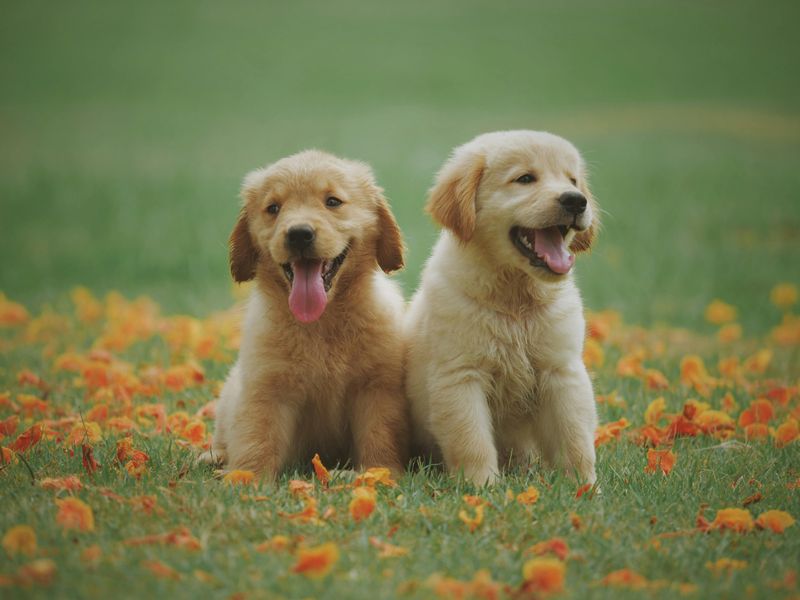
Quit while you are ahead. After a friendly sniff and loose body language, cheerfully lead both dogs away for a short walk.
Ending during success makes the last memory calm and rewarding.
Offer a few treats, water, and praise, then give space to decompress. Suggest another playdate soon and keep the session brief again.
Consistency turns small wins into a dependable social habit.
If things felt wobbly, still finish with an easy success like a sit for a cookie. You control the finish line, so pick a tiny, confident moment to highlight.
Ending strong protects trust, lowers stress hormones, and builds momentum for the next friendly hello. Great goodbyes make better hellos tomorrow, and keep progress enjoyable for both dogs.