
Some dogs can spot a new smell the moment it enters your home. Others care more about what they see or hear.
Knowing your dog’s senses helps you guide training, avoid trouble, and keep them happy. Here are breeds that notice new household scents fast, plus a few that lean less on their noses.
Bloodhound
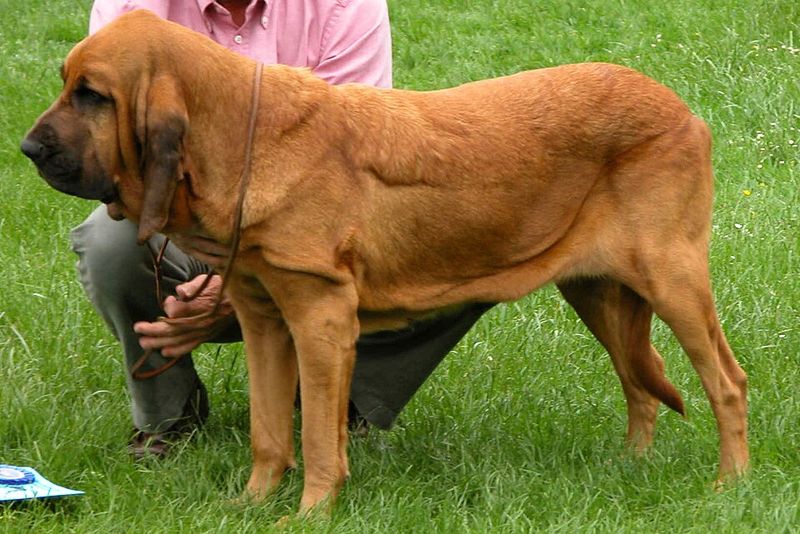
Follow that nose, and you will find a Bloodhound at the lead. Bred for tracking, this gentle giant maps new household scents fast.
A forgotten sock or fresh candle becomes headline news.
Give their brain a job by hiding treats in boxes or using a scent mat. Long walks with slow sniff breaks help satisfy curiosity, and a sturdy harness supports the pull.
Keep training calm and patient, since focus may lock onto smells before commands.
Beagle
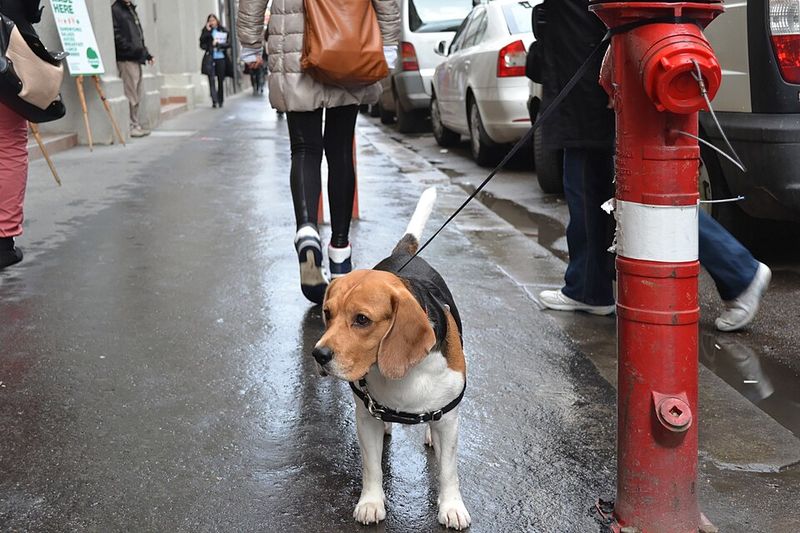
Small body, huge curiosity, the Beagle patrols kitchens like a tiny investigator. Baking bread, new soap, or a visitor’s shoes all turn into scent stories to unpack.
Use puzzle feeders and nose-work games to channel that energy. Short training sessions with tasty rewards work best, because food scents are powerful motivators.
Secure your trash and pantry, and teach a solid leave it early. Daily walks with sniff time help them relax and avoid mischief indoors.
Basset Hound
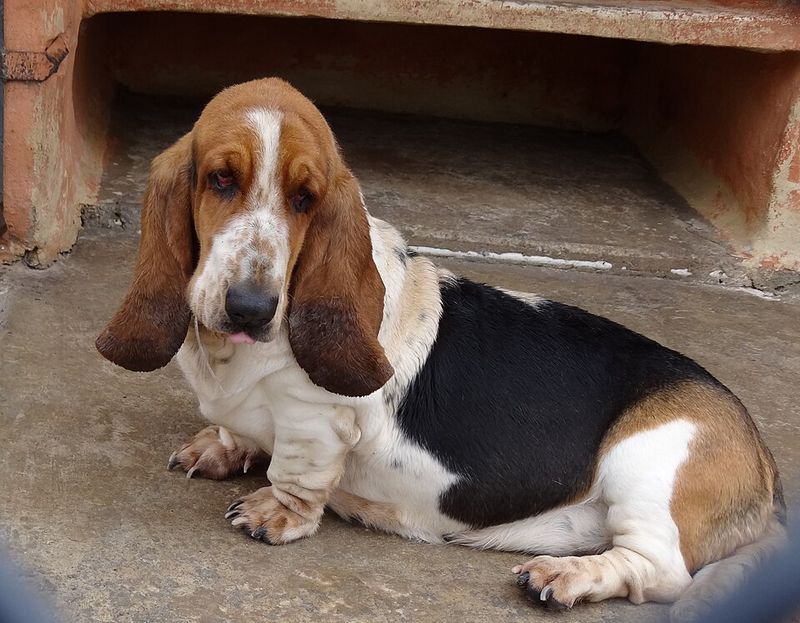
Ears like velvet sails and a nose built low, the Basset Hound sweeps floors for clues. New detergent or yesterday’s picnic basket becomes a case to solve.
Because speed is not the goal, plan relaxed sniff walks instead of fast jogs. Keep ears clean after outdoor adventures, since scents and debris collect easily.
Scent games in the living room are perfect, like tracking a hidden toy. Use gentle cues with treats, and expect stubborn moments.
Dachshund
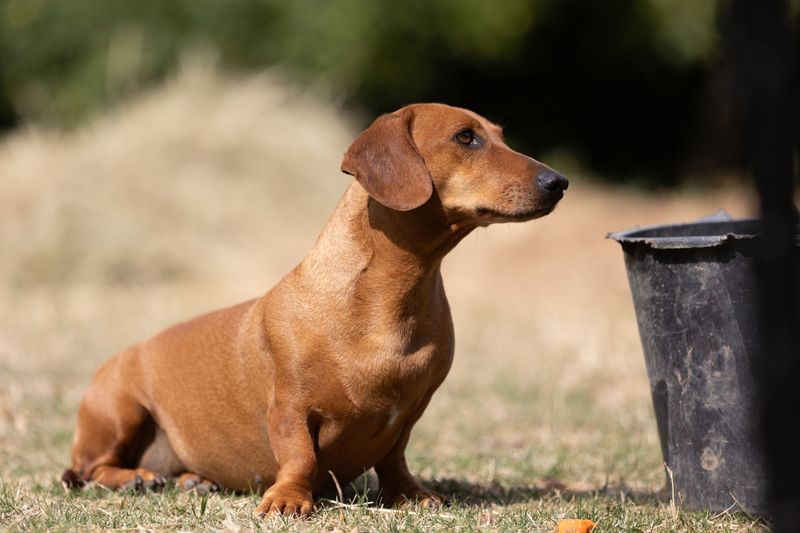
Built close to the ground, Dachshunds notice every crumb and creak. A new box delivered today will get sniffed from corner to corner.
Give them scent tunnels with blankets and cardboard, and hide treats between layers. Keep training upbeat and brief, because their independent spirit likes choices.
Backyard sniff sessions beat long runs for many. Watch weight with measured meals, since following smells can lead to snacks.
A sturdy toy helps redirect furniture digging habits.
English Springer Spaniel
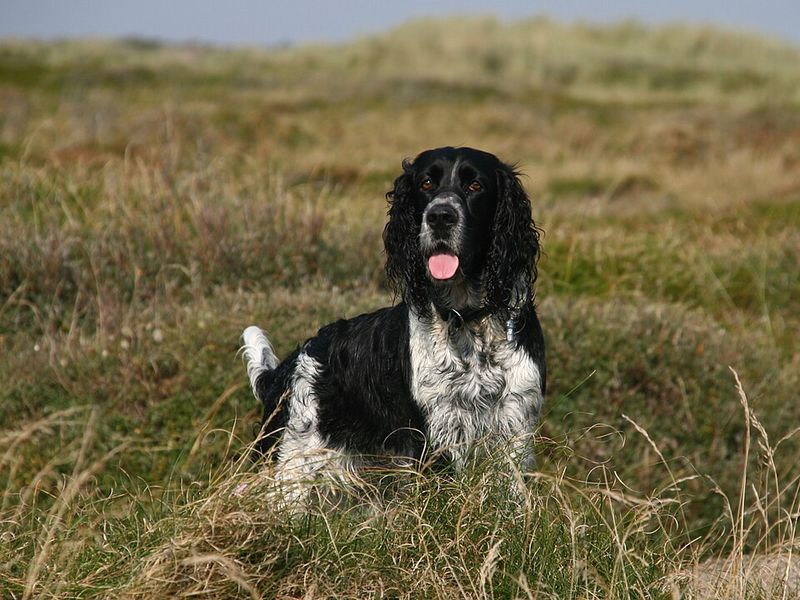
Bird dog roots shine at home, where an English Springer Spaniel catches scent changes before you do. Groceries arriving or laundry switching brands will spark a quick check-in.
Channel that focus with fetch, hide-and-seek, and nose-work. Positive training sticks well, especially with praise and play.
Keep ears dry after water fun to prevent unwanted smells. Daily exercise tamps down sniffing and jumping.
A job like carrying mail to a basket makes them beam with purpose.
Cocker Spaniel
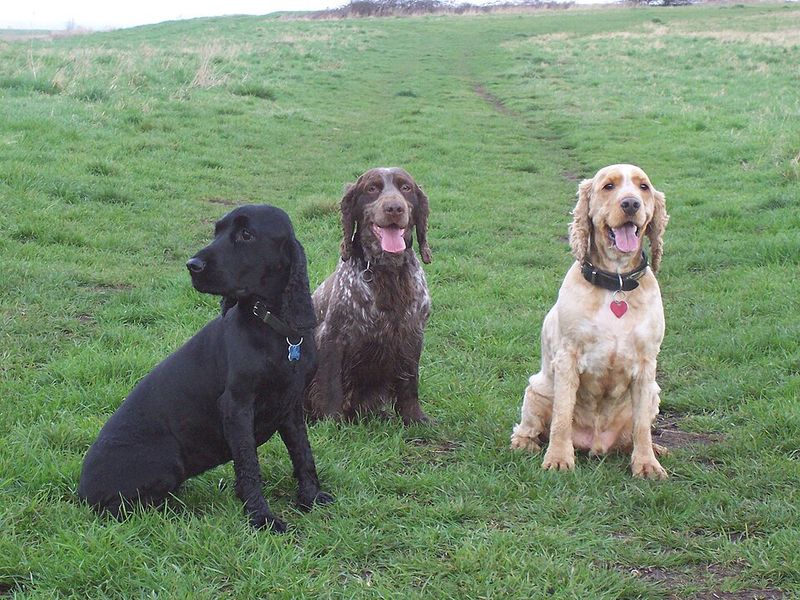
Soft eyes, busy nose, the Cocker Spaniel notices new room sprays instantly. Family gatherings bring a parade of shoes to inspect and gently welcome.
Make scent work playful with treat trails under chairs and around doors. Short grooming sessions keep ears fresh, and can double as quiet bonding time.
Use clear, kind cues, since they thrive on praise. Regular walks with pause time calm excitement.
A snuffle mat before dinner helps reduce begging and pacing.
German Shorthaired Pointer
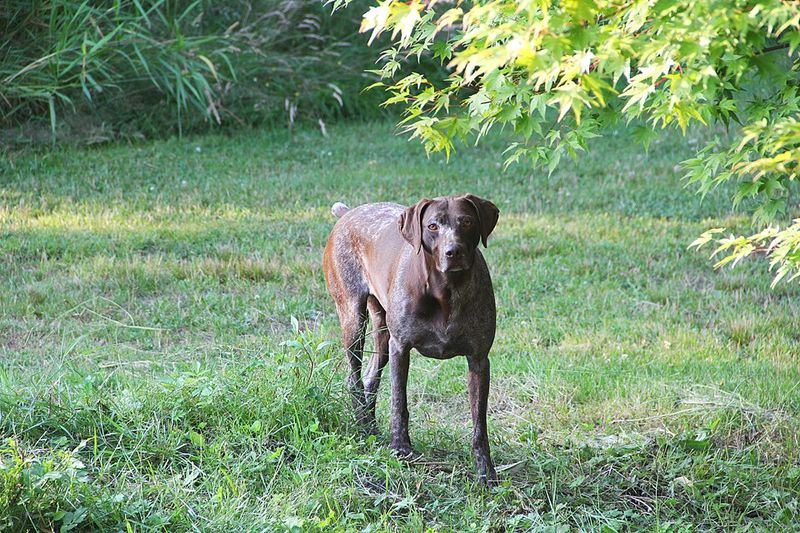
Built for action, the German Shorthaired Pointer reads the air like a living radar. Open a new spice jar and watch the head snap to attention.
Give them work with field-style games, long fetch, or backyard scent lines. Training sticks best after exercise, when extra energy is out.
Use high-value treats for recall, because a hot scent can steal focus. Rotate toys and challenges to prevent boredom.
A GPS tag offers peace on adventures outings.
Labrador Retriever
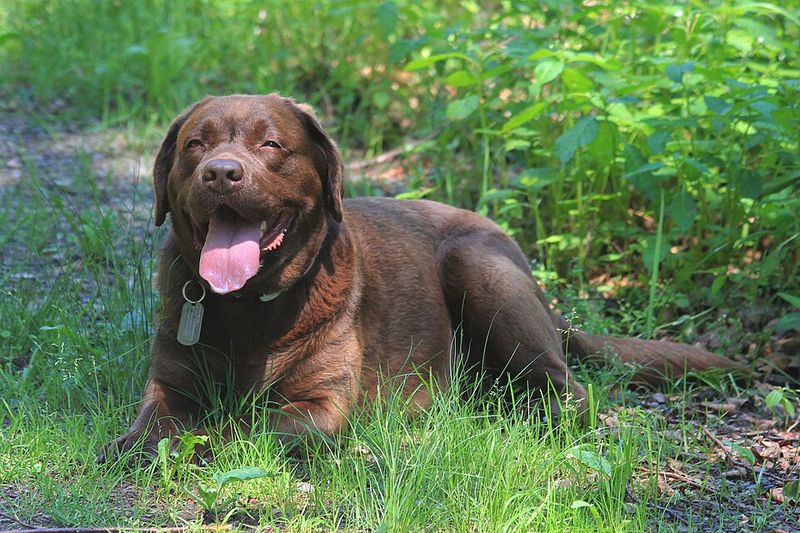
Friendly greeter, serious sniffer, the Labrador Retriever treats new smells like puzzles to solve. Groceries, backpacks, even mail get a gentle inspection.
Put that drive to work with scent games and retrieve tasks. Labs love water, so rinse after swims to keep odors down.
Use food rewards wisely by measuring meals and counting treats. Consistent boundaries around counters stop sneaky snacking.
A daily job, like carrying a towel, builds calm confidence during busy evening hours.
Weimaraner
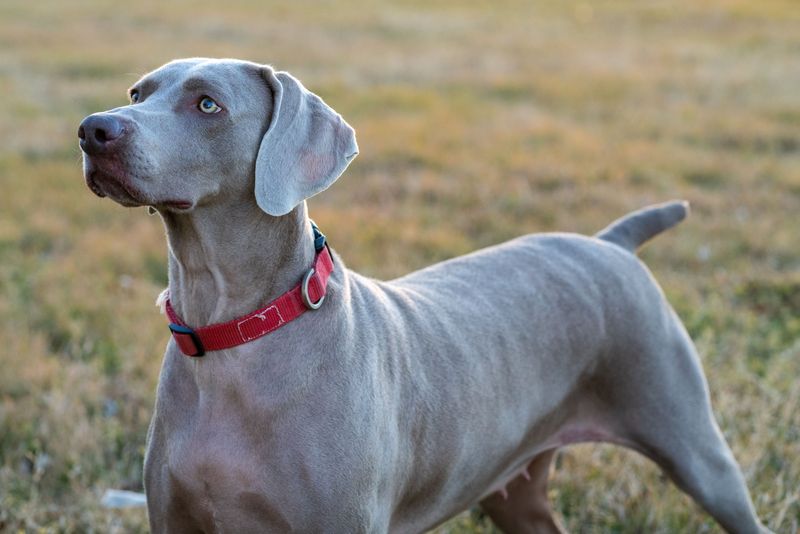
Silver coat, curious spirit, the Weimaraner notices scent shifts as soon as the door opens. New hiking gear or a visiting friend sparks thorough sniffing.
Because they bond closely, include them in chores like sorting laundry to satisfy their nose and need to help. Plenty of exercise prevents restless pacing at home.
Teach place on a mat for calm greetings. Hide treats in safe containers for problem solving.
Secure storage limits counter surfing temptations indoors.
Brittany
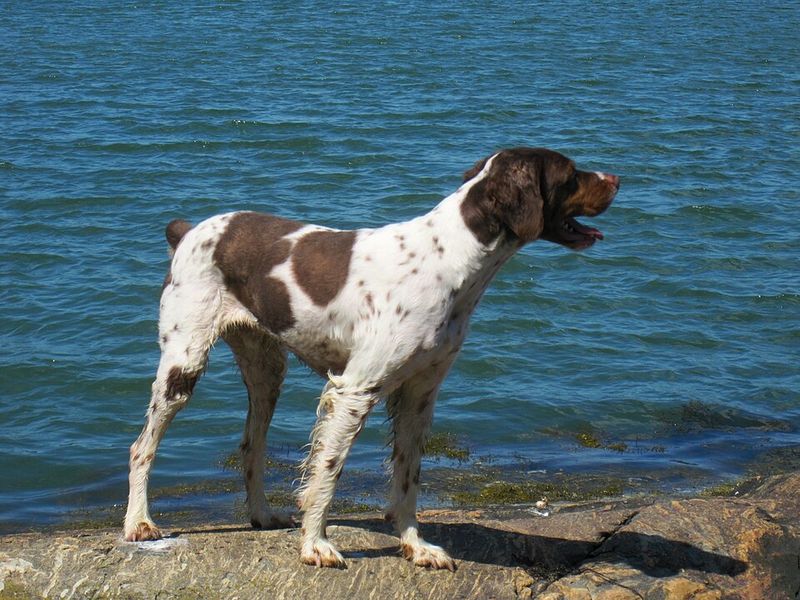
Bright-eyed and upbeat, the Brittany treats new smells as invitations to play detective. A change in floor cleaner might earn a quick nose boop.
Short, fun training bursts work best, especially with games that end in a retrieve. Give regular outlets, like trail runs or park scent circles.
When excitement spikes, ask for a simple sit, then reward calm sniffing. Rotate scents with safe herbs in sachets to keep curiosity satisfied without chaos at home.
German Shepherd
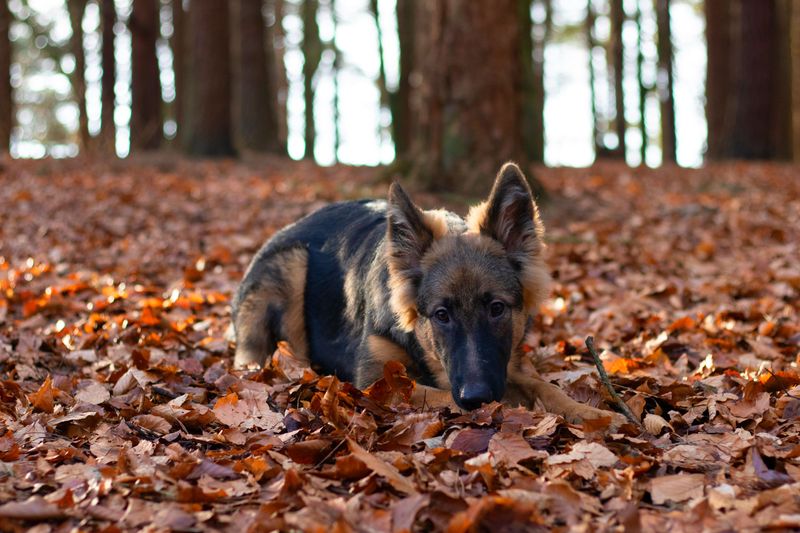
Natural problem solver, the German Shepherd reads micro-changes in air like clues to a mission. A new toolbox smell or visiting contractor draws a careful check.
Structure helps. Daily obedience mixed with tracking games focuses that sharp mind.
Use firm, fair rules and clear markers, because consistency builds trust. Provide sturdy chew toys to redirect stress.
Long walks with variable routes keep their map refreshed. Teach a quiet settle cue for calm evenings around family.
Greyhound
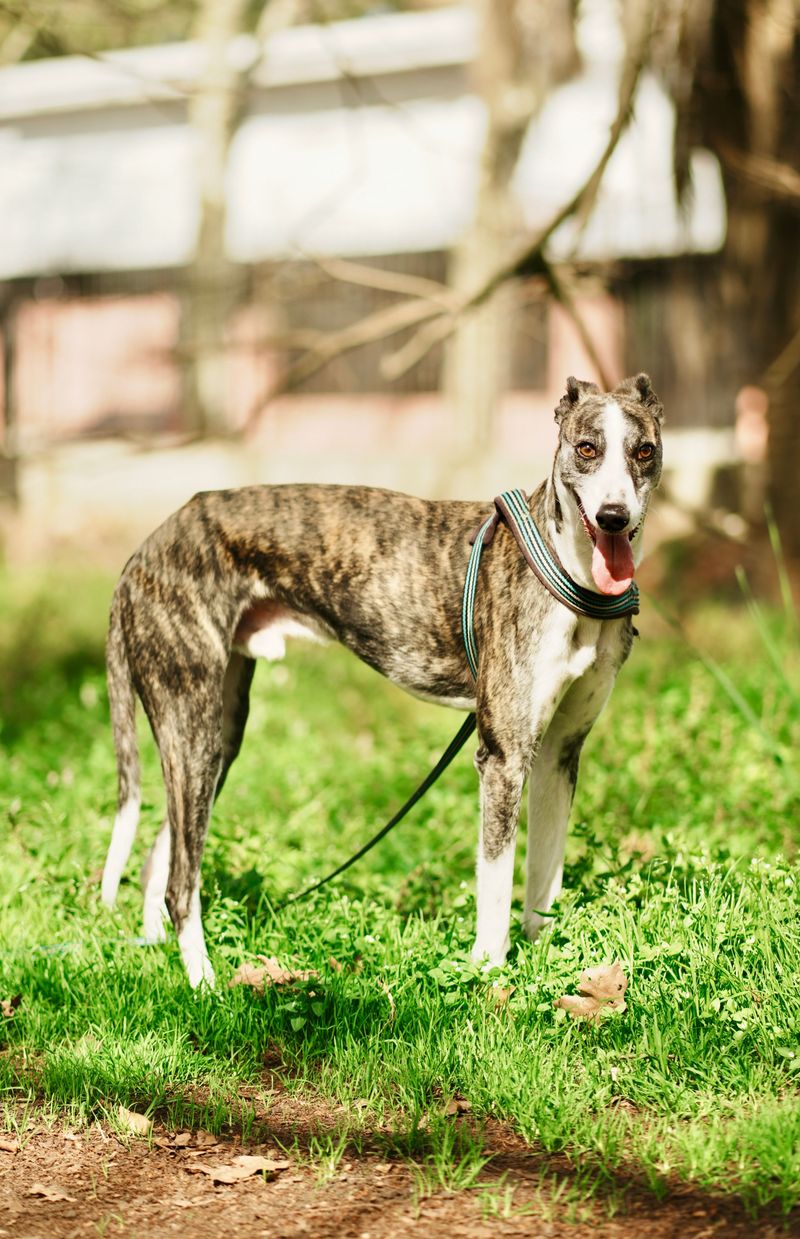
Speedster first, sniffer second, the Greyhound notices movement before odor. New smells matter, but a squirrel outside usually steals the show.
Keep introductions gentle, letting them watch and approach at their pace. Soft bedding and calm rooms help nervous types relax.
Short walks with controlled sniff breaks work great. Use lightweight lures and visual games to exercise mind and body.
Reward curiosity with praise, not pressure, and maintain a steady routine during new household changes.
Whippet
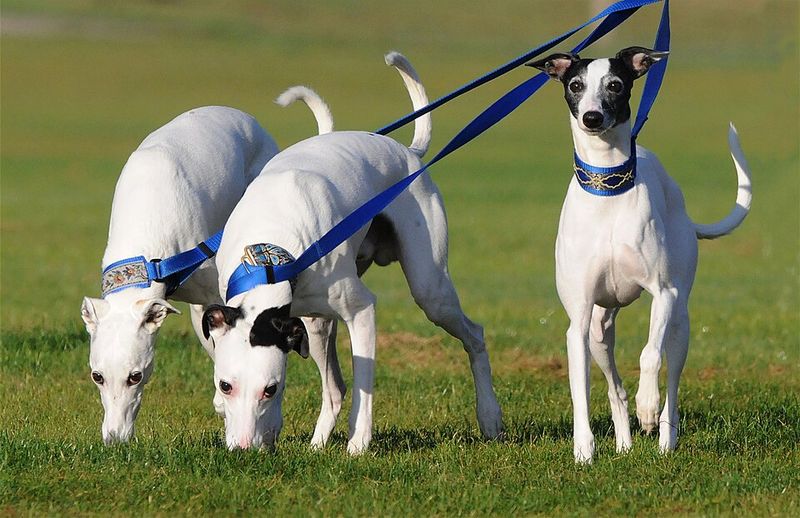
Like a breeze through hallways, the Whippet glides past odors to chase light and shadows. Sudden sounds rank higher than faint kitchen smells.
Encourage sniffing with gentle treasure hunts, but do not force it. Cozy sweaters and warm spots matter more to many Whippets than long, cold walks.
Visual toys and quiet fetch keep spirits bright. Teach a soft recall using cheese or chicken, then end with a cuddle to reinforce safety and household comforts.
Italian Greyhound
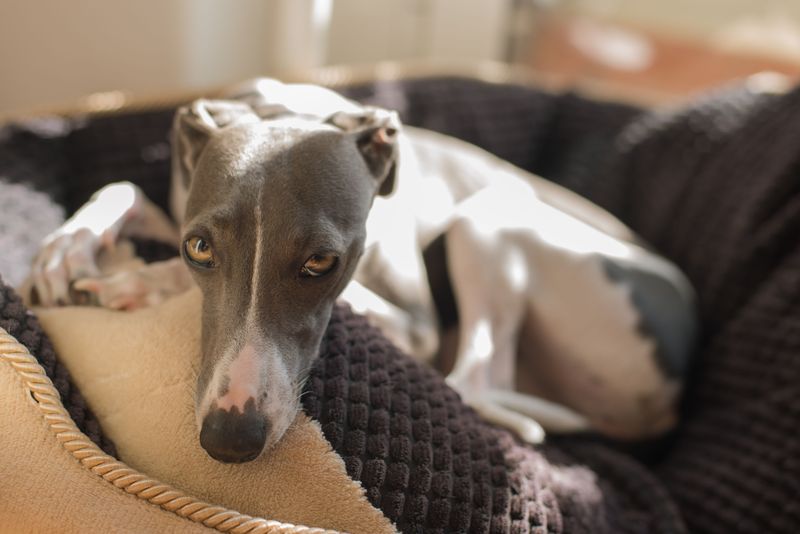
Pocket-sized elegance meets alert eyes, and the Italian Greyhound tracks warmth more than whiffs. A space heater wins attention faster than a new soap.
Support cautious noses with soft introductions and positive associations. Sniff games can be tiny, like finding a treat under a cup.
Provide snug clothes in cool weather, and keep floors clutter-free to prevent slips. Use visual cues and light praise.
Short, cheerful sessions build confidence without overwhelming sensitive pups at home.