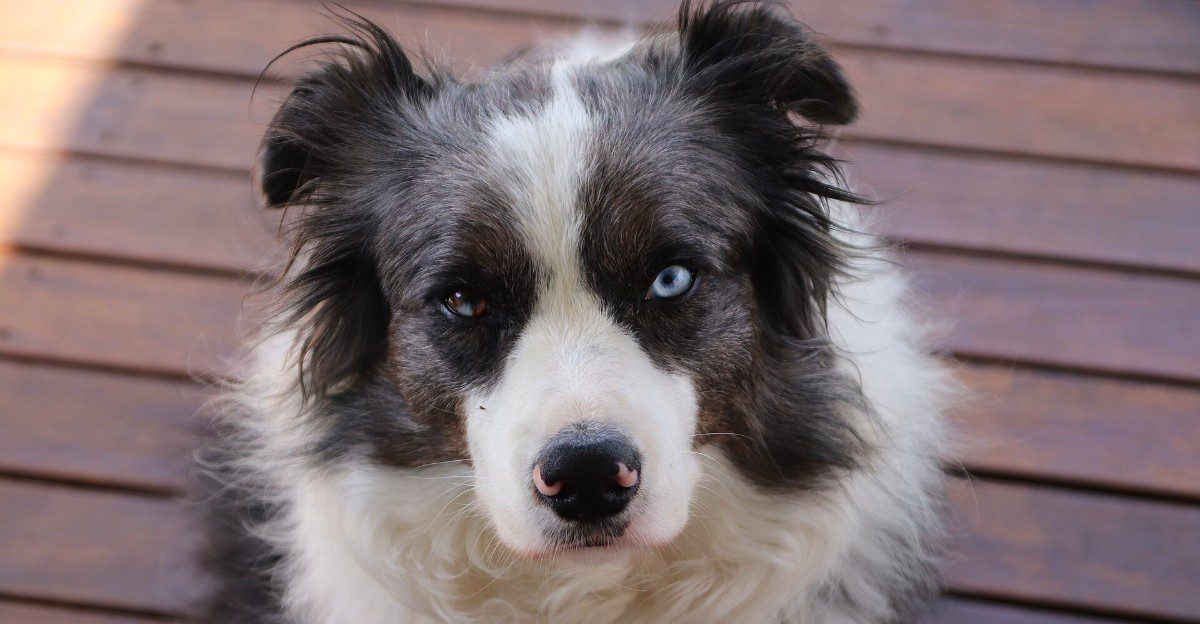
Some dogs notice every change in your voice, while others seem more comfortable doing things their own way. Knowing that difference can help you teach your dog without adding stress.
The first eleven breeds often respond especially well to encouragement, while the last two tend to be more independent. Every dog is an individual, though, and confidence never means a dog needs harsh treatment.
Border Collie: A bright mind that notices everything
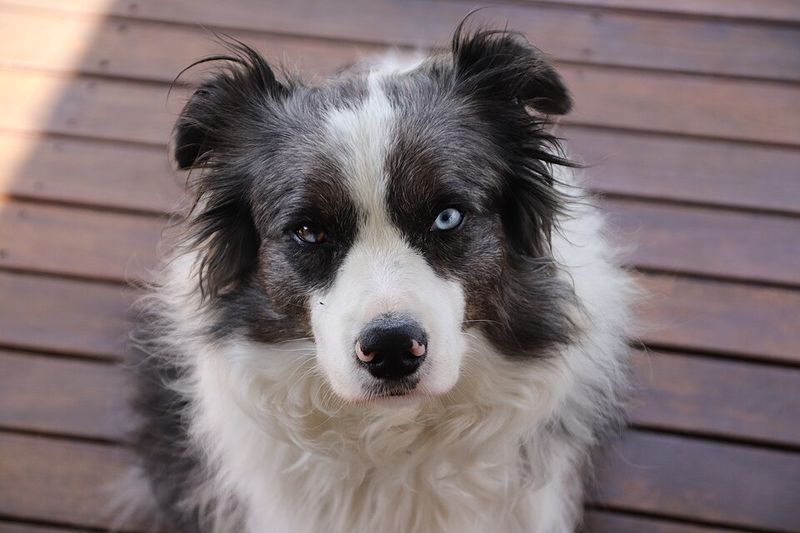
A tiny change in your voice may catch this clever herder’s attention. Border Collies often learn quickly, but busy surroundings and unclear instructions can leave them frustrated or worried.
Keep lessons short, reward small successes, and offer sniffing breaks between tasks. Puzzle toys and suitable exercise help meet their needs without turning every moment into work.
If your dog freezes, avoids you, or becomes frantic, simplify the activity and give them more space to relax.
Shetland Sheepdog: Small ears, big feelings
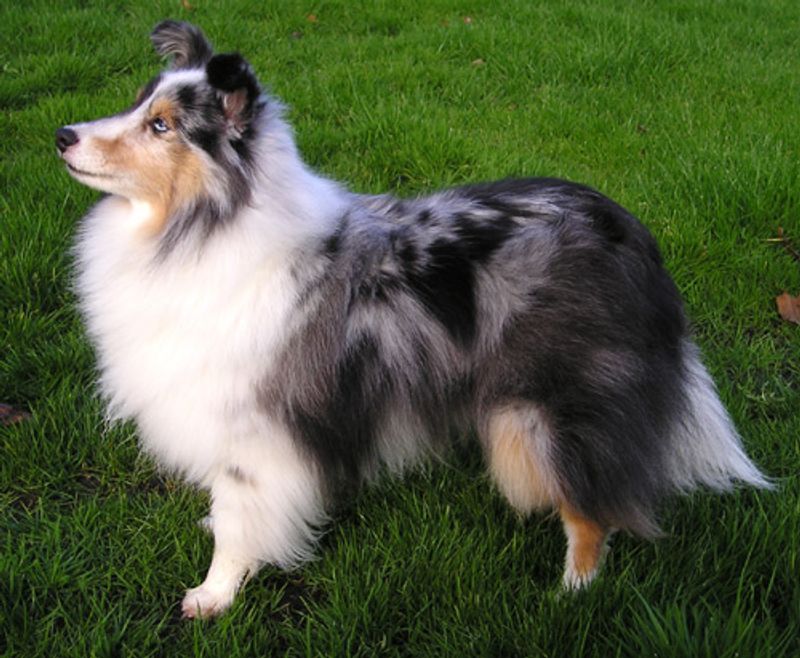
Rustling bags, raised voices, and sudden visitors can feel like major events to a Sheltie. Many are watchful dogs that notice sounds and movement before their people do.
Build confidence with quiet practice and rewards for calm choices. Let your dog watch unfamiliar things from a comfortable distance rather than pushing closer.
Barking may signal excitement or worry, so look at the whole situation. A predictable daily rhythm can help this alert companion settle more easily.
Rough Collie: Kind guidance suits this thoughtful herder
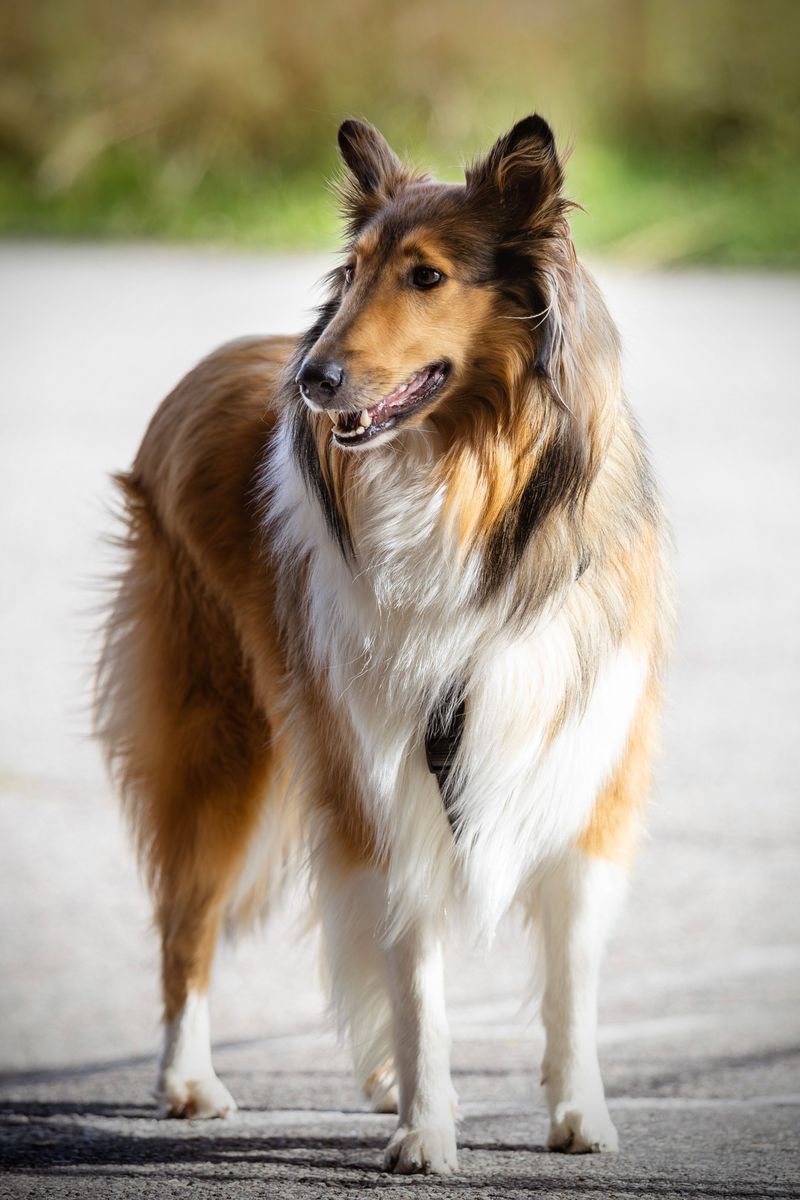
Behind that flowing coat is often a dog tuned closely to family life. Rough Collies may respond strongly to tense voices, making patient teaching more useful than scolding.
Show the behavior you want through clear cues and timely rewards. Practice brushing in small steps, pairing each gentle touch with something pleasant.
These herding dogs also benefit from walks and simple games. When household activity gets loud, provide a quiet resting spot where nobody bothers your dog.
Vizsla: The shadow that needs reassurance
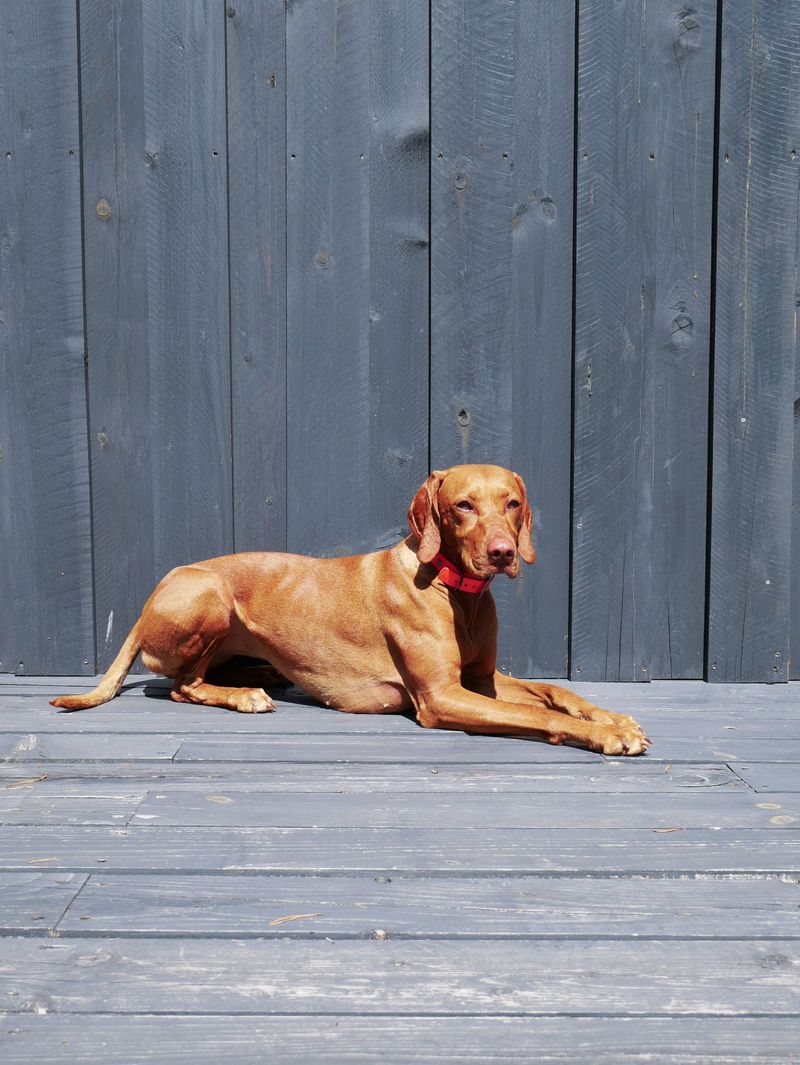
Personal space can seem optional when a Vizsla loves you. Often nicknamed a Velcro dog, this athletic breed commonly seeks close contact and may struggle with sudden separation.
Teach comfortable alone time gradually, starting with brief moments your dog can handle. Reward resting on a bed while you remain nearby.
Daily movement and scent games provide healthy outlets, but exhaustion is not a treatment for anxiety. Persistent distress deserves help from a veterinarian or qualified trainer.
Cavalier King Charles Spaniel: A soft spot for company
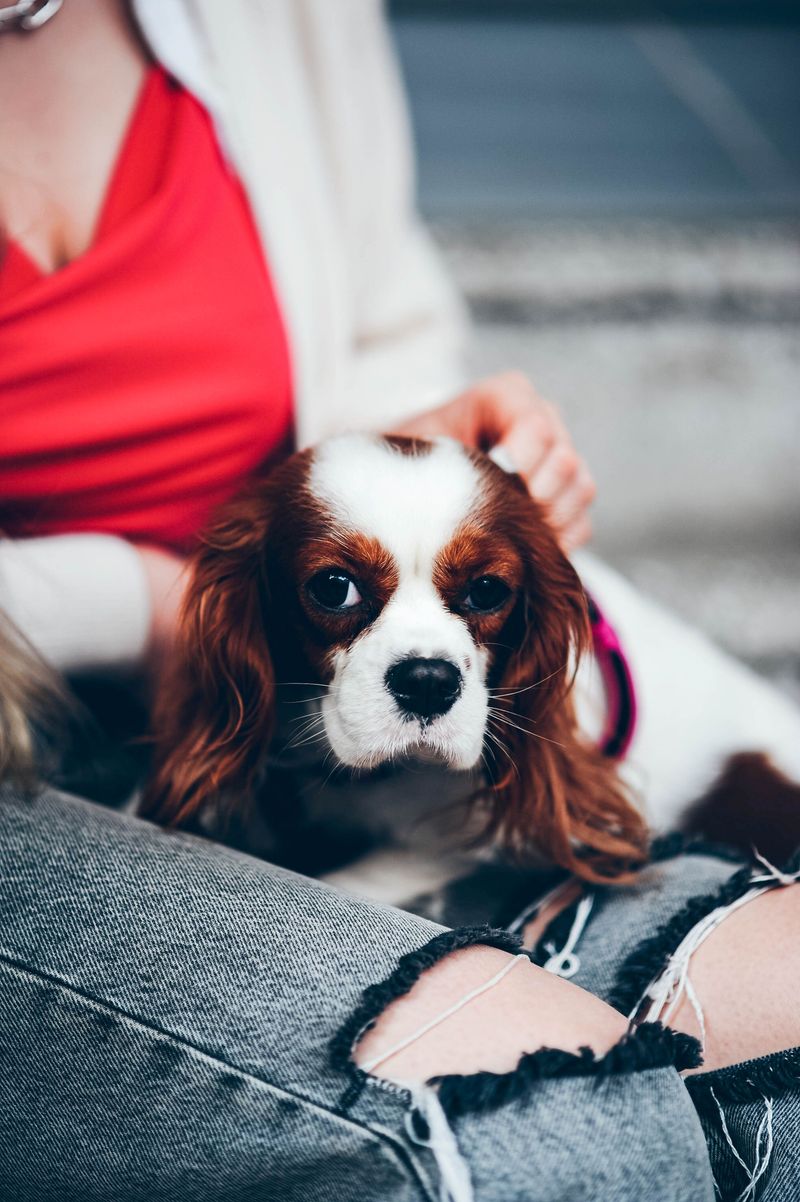
A welcoming lap may be this little spaniel’s favorite destination. Cavaliers often enjoy close companionship, and rough handling or angry voices can make learning harder for them.
Use cheerful praise, tiny treats, and easy practice sessions to teach everyday manners. Encourage independence with a comfortable bed and safe food toys.
Keep exercise suited to your dog’s health, especially if heart disease is present. Sudden withdrawal or irritability calls for veterinary advice, not stronger corrections at home.
Cocker Spaniel: Cheerful curiosity needs a patient coach
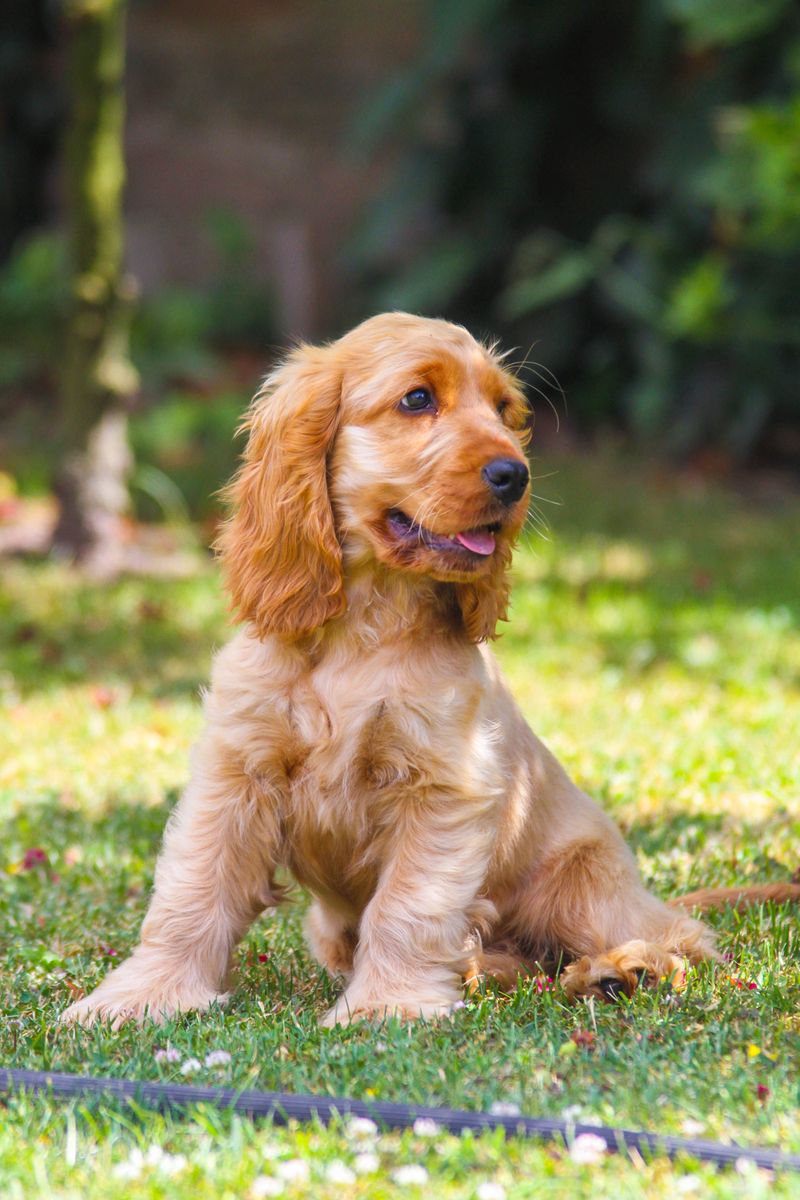
Those searching eyes often come with a busy nose and plenty of enthusiasm. Cocker Spaniels can be affectionate learners, but pressure may turn a fun lesson into an uneasy one.
Try rewarding attention during walks before distractions become overwhelming. Handle ears and paws gently, allowing breaks during grooming practice.
Ear problems can cause pain and change behavior, so seek veterinary care for head shaking or tenderness. Clear routines help your dog understand what earns a reward.
Papillon: Tiny paws, brave possibilities
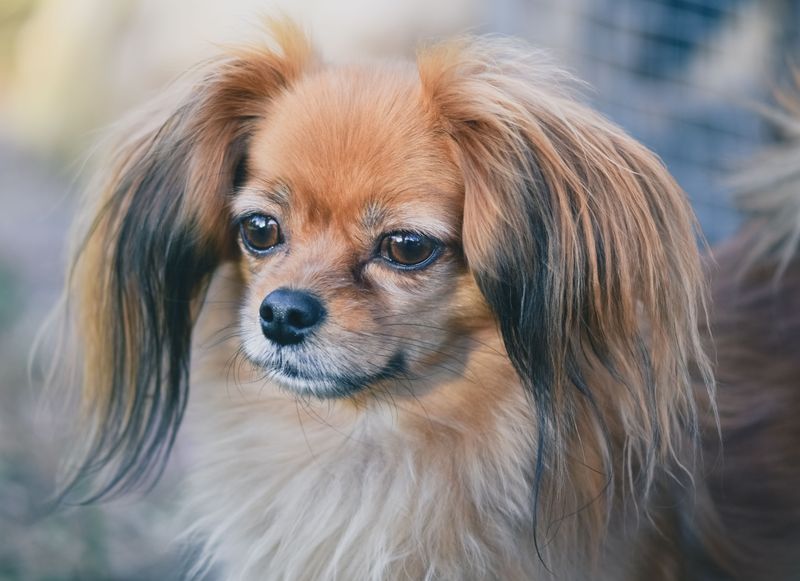
Size does not limit this little dog’s appetite for learning. Papillons often tackle tricks with sparkling enthusiasm, yet frightening encounters can still shake their confidence.
Offer choices during introductions and avoid letting larger dogs crowd them. Teach useful skills, such as coming when called, through playful sessions with small rewards.
A low platform or easy obstacle can create satisfying wins. Respect signs of discomfort rather than scooping your dog into every unfamiliar situation without any warning.
Australian Shepherd: An eager worker who needs clarity
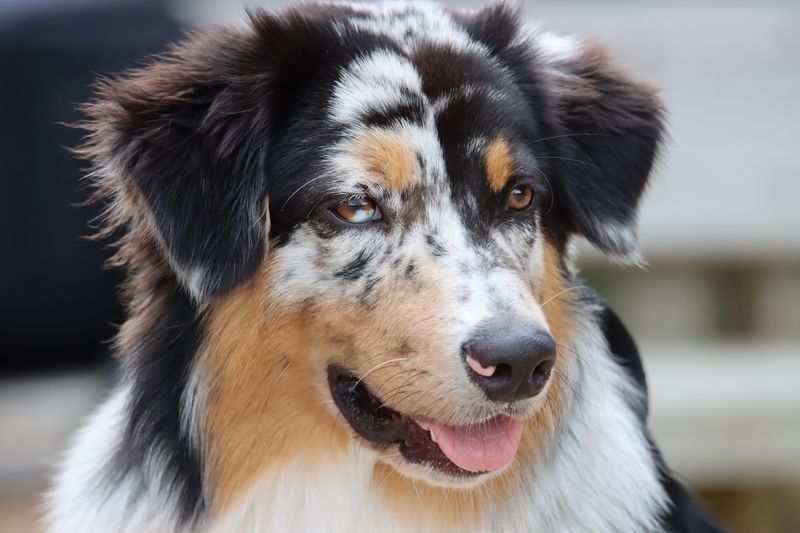
Give this herder a job, and you may get an enthusiastic volunteer. Australian Shepherds often watch their people closely, which makes confusing rules or tense reactions especially unhelpful.
Reward the choices you like before unwanted habits take over. Mix active outings with scent work and lessons in settling quietly.
Constant ball chasing can keep some dogs overly excited rather than satisfied. When mistakes happen, adjust the setup and make the next successful choice easier to find.
Poodle: A clever student with a watchful side
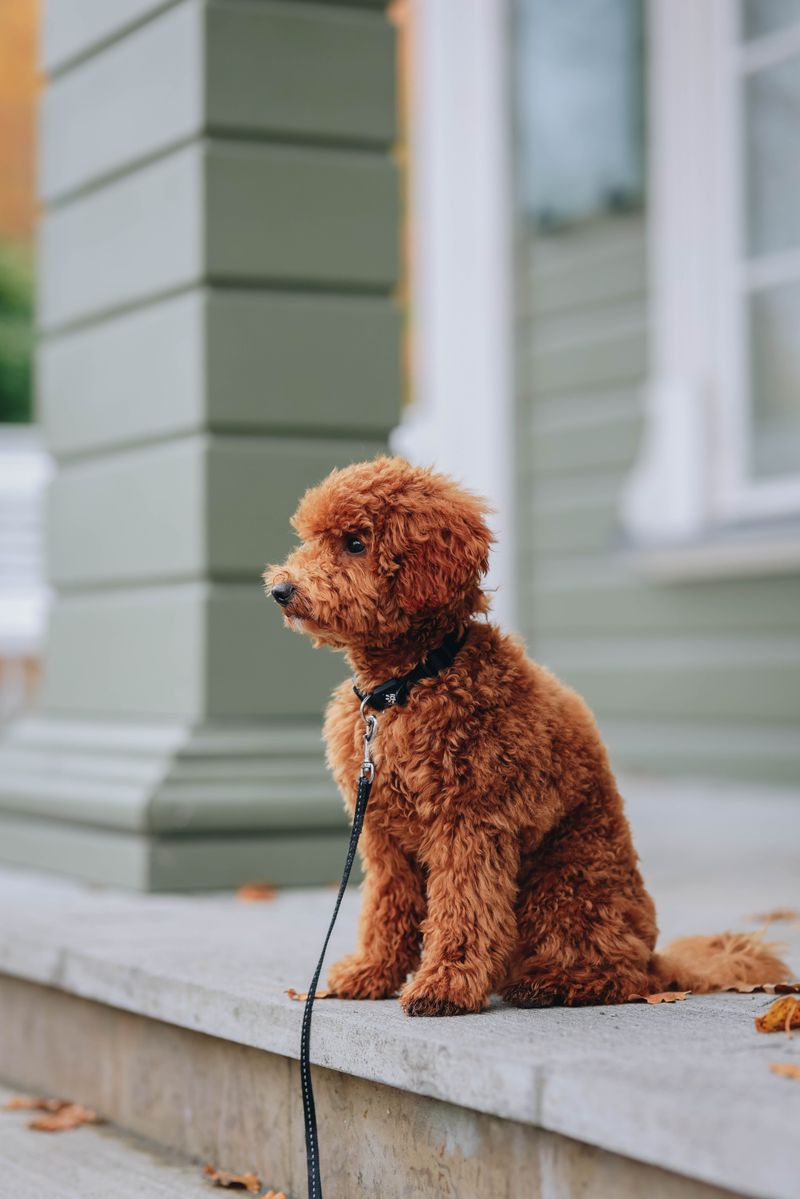
Learning a new trick may happen faster than you expect with a Poodle. Across sizes, many are attentive dogs that pick up household patterns and changes in your mood.
Keep practice interesting without making every task harder at once. Reward grooming cooperation, including standing calmly and accepting gentle brushing.
Their coats need regular care, so comfortable handling matters. If your dog hesitates, return to an easier step instead of assuming this smart learner is being stubborn.
English Springer Spaniel: Enthusiasm grows with encouragement
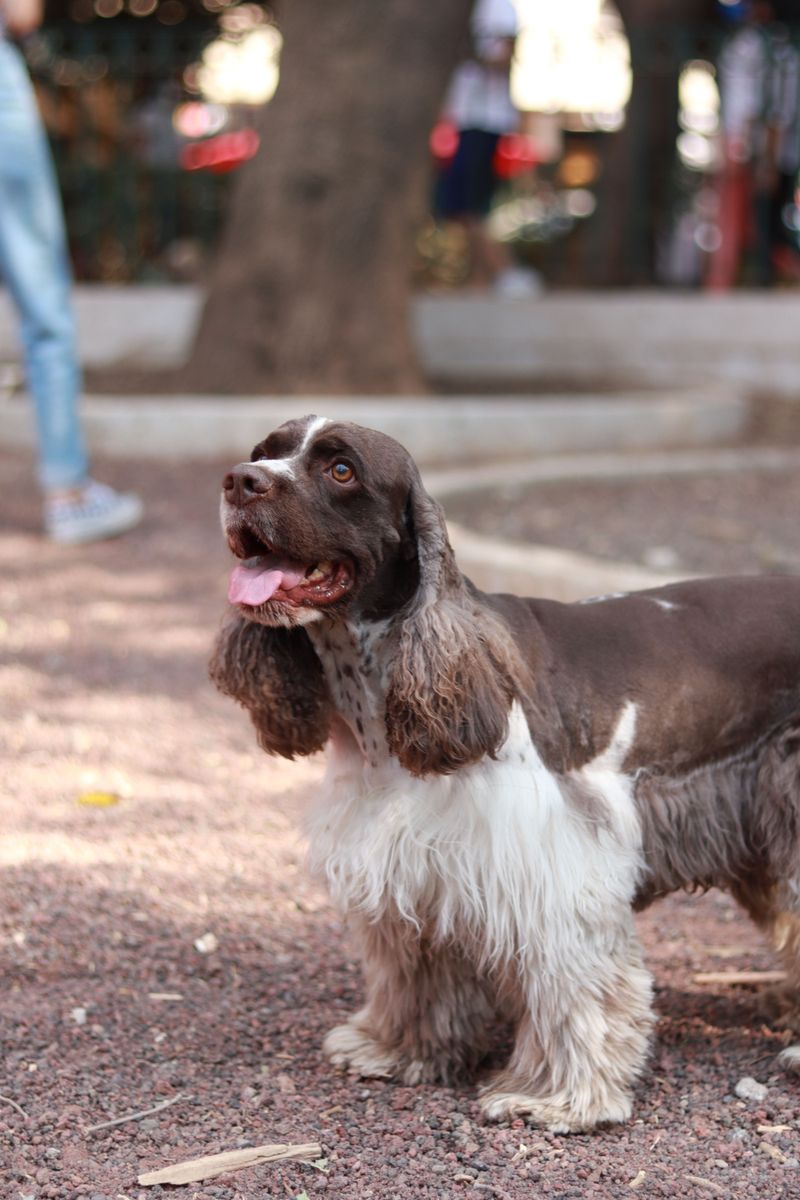
A wagging tail and an exploring nose often arrive together with this sporting breed. English Springer Spaniels tend to enjoy teamwork, but impatient handling can spoil their willingness to participate.
Channel that energy into searching games, reward based recall practice, and suitable outdoor exercise. Start lessons somewhere quiet before adding tempting smells or moving distractions.
Offer praise for checking in with you. After adventures, teach a calm resting routine so excitement does not run the whole day.
Havanese: A sociable companion who values security
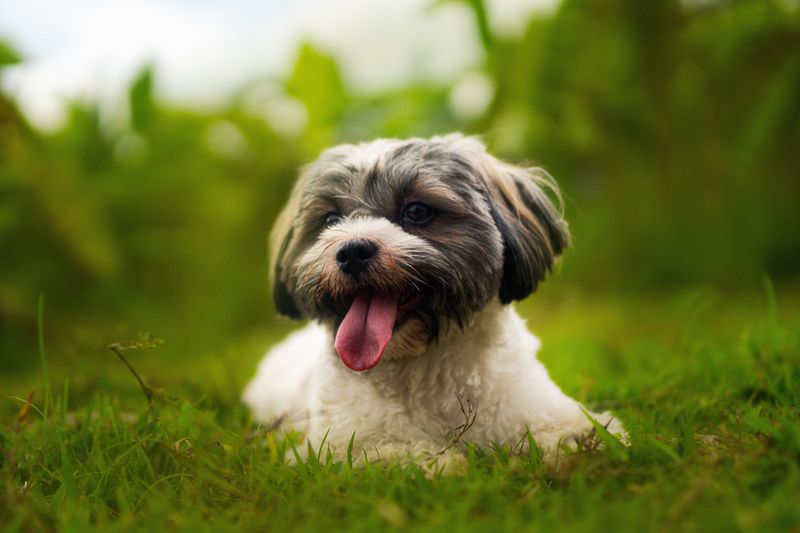
Few things please this little companion more than joining the household action. Havanese often seek attention eagerly, and some find separation or stern voices difficult to handle.
Build confidence through small adventures, friendly handling, and rewards for relaxed behavior. Practice brief periods apart while your dog enjoys a safe activity, increasing time only when comfortable.
Avoid forcing greetings with strangers. Teaching an easy trick can offer a playful success when the world feels a bit too big.
Shiba Inu: Independence instead of constant approval
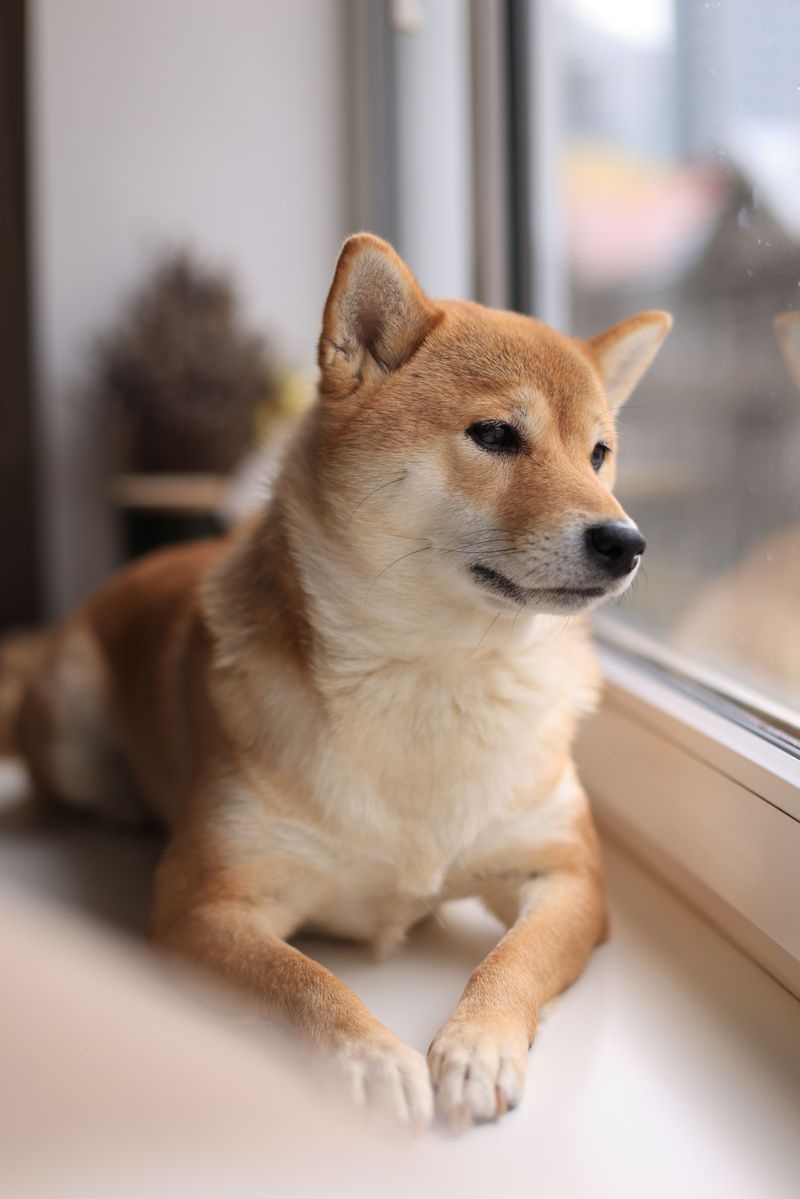
Approval is nice, but a Shiba may have other plans. Compared with many eager people pleasers, this breed often seems more independent, though that does not mean emotionally untouchable.
Make cooperation worthwhile with rewards your dog genuinely enjoys. Practice recall in secure areas, and do not expect reliability simply because a cue is familiar.
Respect handling boundaries and introduce grooming gradually. Harsh corrections can damage trust; steady rules and thoughtful management work better than a power struggle.
Akita: Quiet confidence still deserves kindness
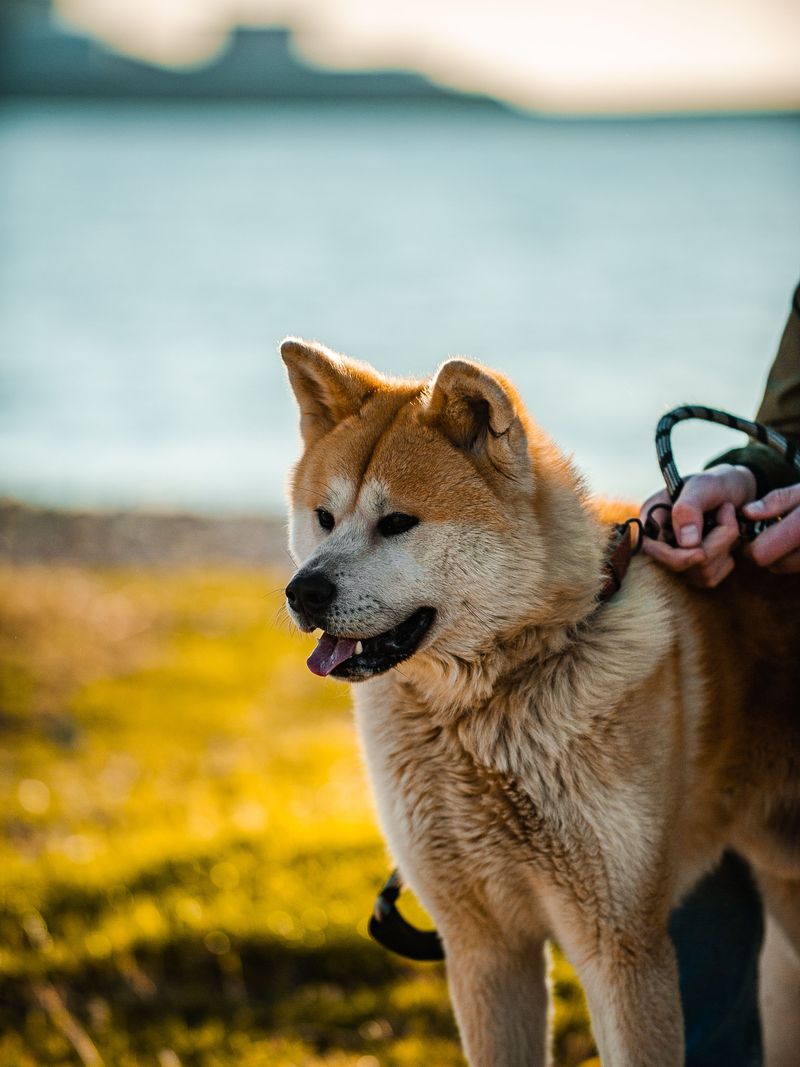
A reserved expression can make an Akita look unbothered by everything. Many are self directed and less eager for constant approval, but confidence should never be mistaken for immunity to stress.
Use consistent boundaries, rewarding practice, and careful introductions to unfamiliar people. Some Akitas are selective around other dogs, so avoid crowded greetings.
Their strength makes leash skills especially valuable. Watch body language closely, respect requests for space, and seek skilled support early when challenges start appearing.