Dogs feel our moods more than we think. Some pups soak up home stress like a sponge, which can lead to nervous habits or extra barking.
Others stay calm and steady, even on hectic days. Knowing the difference helps you choose the right training, routines, and activities so every dog can feel safe and thrive.
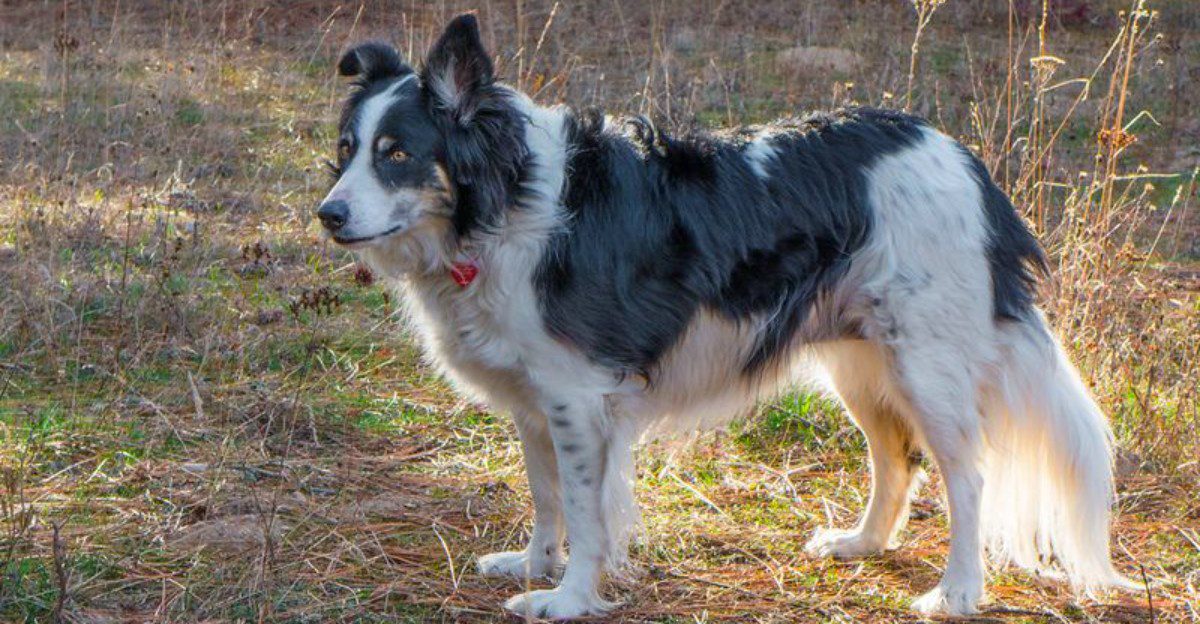
Border Collie
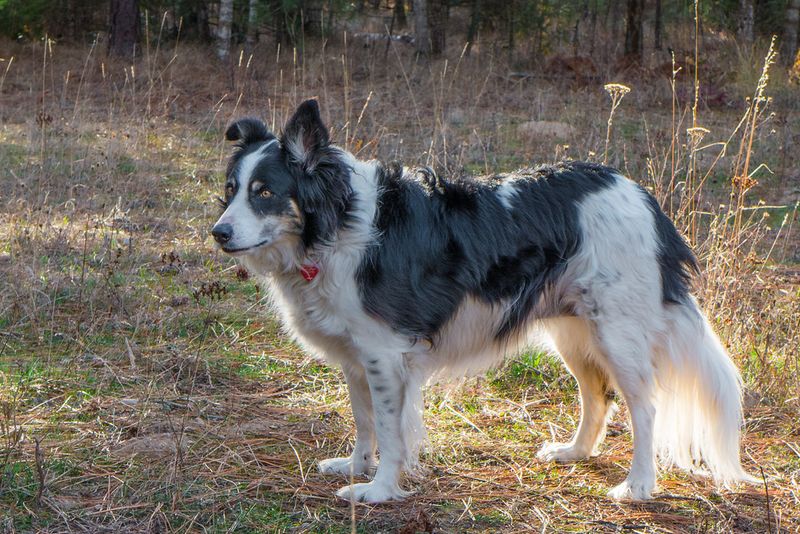
Watchful eyes catch every sigh at home, and stress becomes a cue to work harder. Border Collies read faces, footfalls, and schedules like a puzzle, then fill the gaps with nonstop checking and herding.
Give structure, brain games, and calm routines. Teach a solid settle on a mat, rotate scent work and puzzle feeders, and keep directions short.
On busy days, a quiet walk in nature helps reset.
Shetland Sheepdog
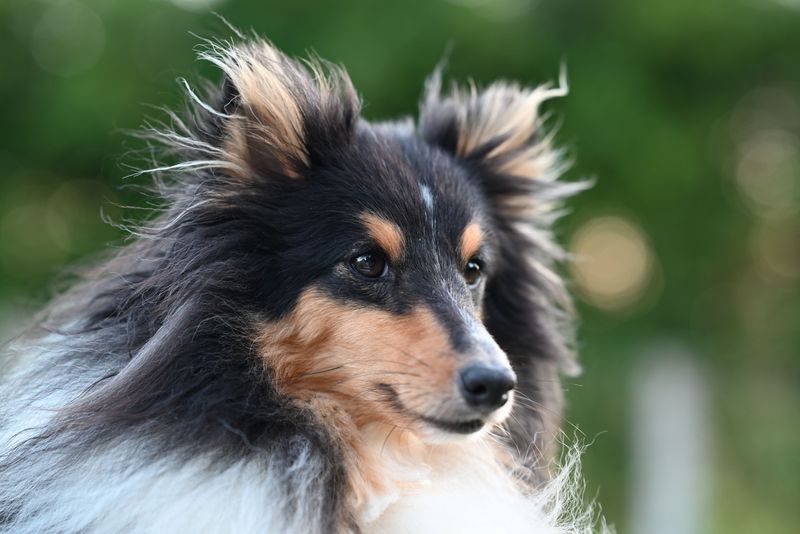
A tiny breeze of emotion can flutter a Sheltie’s heart. Many pick up on whispers and sudden movements, then respond with barking or pacing to warn the family that something changed.
Channel that sensitivity into jobs. Practice nosework, teach a quiet cue, and reward calm glances away from triggers.
A predictable feeding and walk schedule reduces worry. Did you know Shelties once worked rugged islands, using keen senses to protect small flocks?
Australian Shepherd
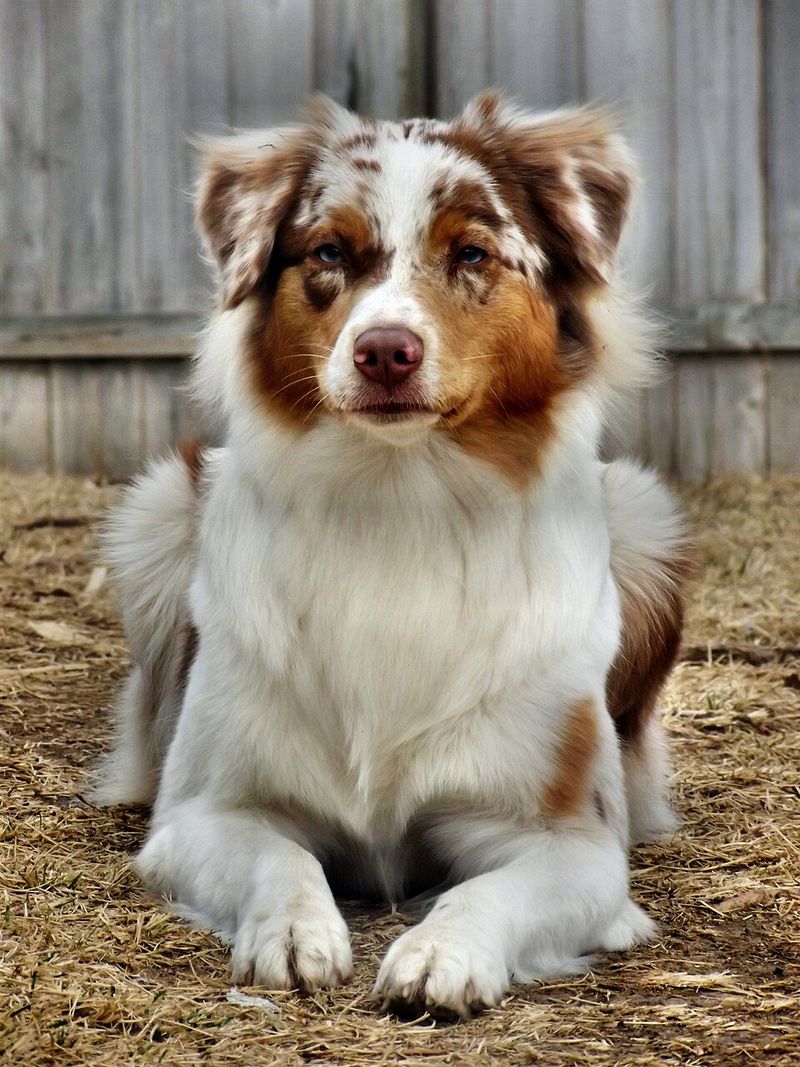
Energy meets empathy in many Aussies. Household arguments, slamming doors, or erratic schedules can switch them into supervisor mode, where they patrol hallways and try to organize everyone.
Redirect with purposeful tasks. Teach carry, retrieve, and place cues, then sprinkle short training bursts through the day.
Offer a chew in a quiet room when guests arrive. Short agility or disc sessions provide an outlet, while a daily cool-down walk signals the workday is done.
Rough Collie
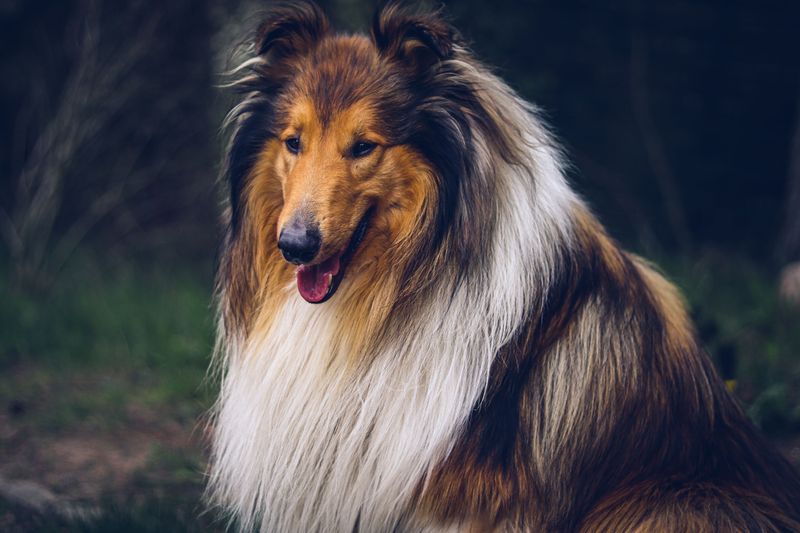
Gentle by nature, many Rough Collies take on the role of peacemaker. Raised voices or rushed mornings can make them shadow their favorite person, checking in often and nudging for harmony.
Reassure with rituals. A morning groom session can be bonding, followed by a relaxed stroll to sniff and explore.
Try a cue for “go rest” paired with a comfy bed in a quiet corner. Collies once guided flocks, so steady guidance feels comforting and familiar.
Cavalier King Charles Spaniel
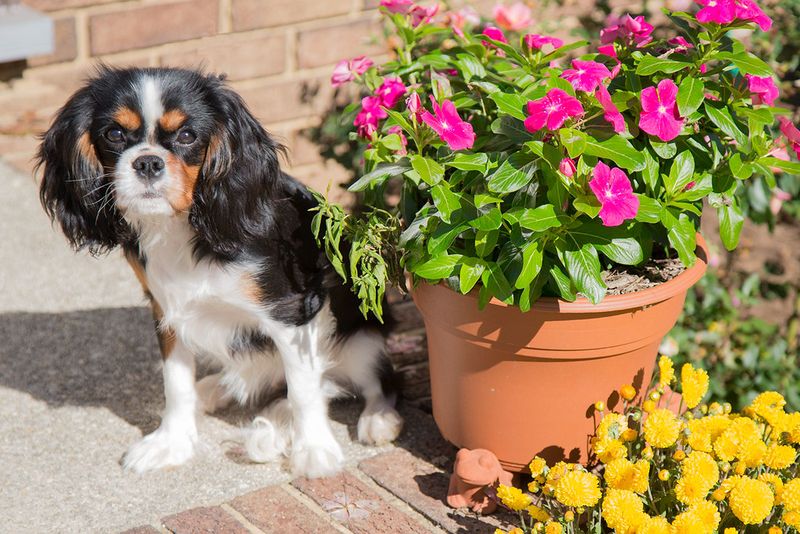
Hearts on four paws, Cavaliers often mirror their people’s mood. A tense home can lead to clingy behavior, whimpering, or refusing food until the room feels peaceful again.
Comfort with snuggle time and gentle structure. Keep greetings low-key, play soft music, and build independence using short, rewarded separations.
Slow sniffy walks help anxious tummies and minds. Fun fact: Royals adored Cavaliers for their soothing presence, which today makes them wonderful, if sensitive, companions in quieter households.
Cocker Spaniel
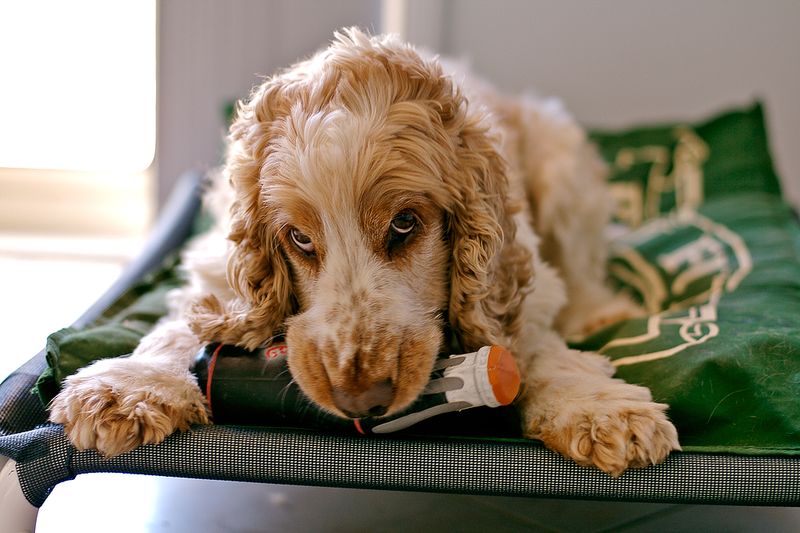
Big feelings often live behind those soulful eyes. Cockers can fret when routines shift, sometimes showing it through accidents, over-grooming, or velcro-like attachment to one person.
Balance affection with confidence-building games. Practice nosework in paper boxes, teach easy tricks for quick wins, and set a bedtime routine that rarely changes.
Grooming can be calming if done slowly with tasty rewards. A mid-day play burst, followed by a nap, keeps emotions from bubbling over later.
Vizsla
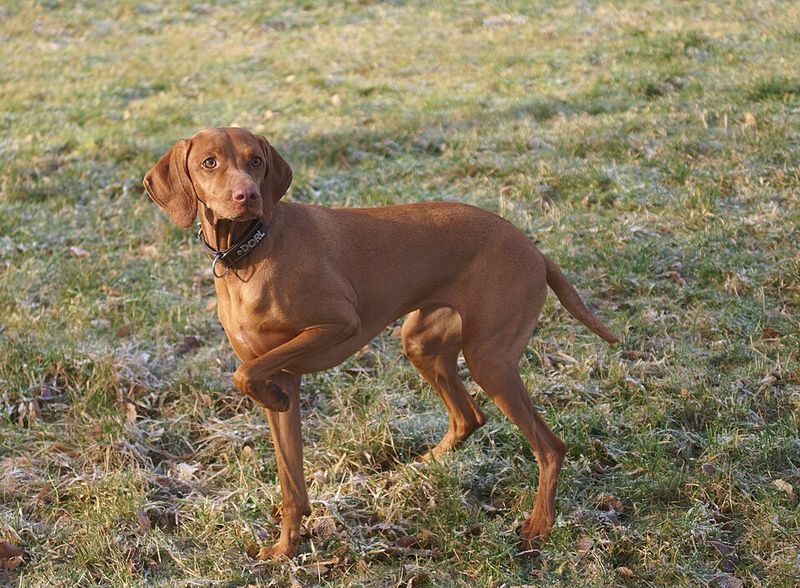
Called “velcro dogs” for a reason, many Vizslas attach closely and pick up tension fast. Busy, noisy spaces can lead to whining, pacing, or attention-seeking zooms.
Meet emotion with movement and connection. Schedule daily runs or brisk hikes, then practice quiet cuddles with deep-pressure snuggles on cue.
Teach place work and simple retrieve games to focus their minds. Did you know Vizslas hunted alongside riders for centuries?
That partnership drive still shines with collaborative training.
Papillon
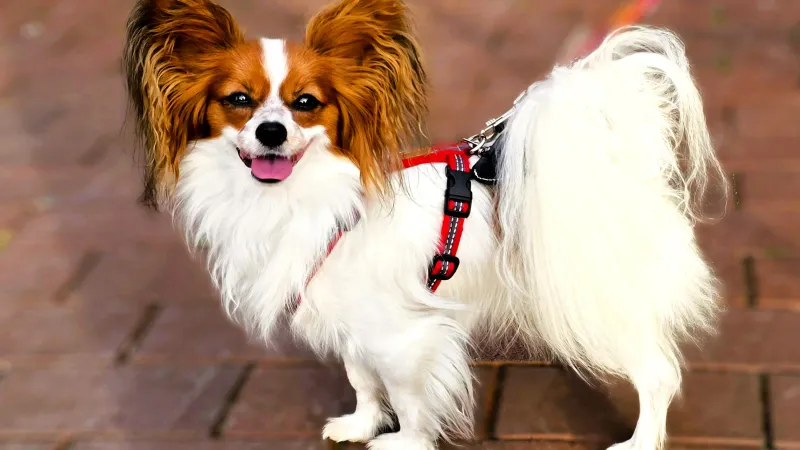
Tiny body, giant radar. Papillons notice every clink and whisper, sometimes reacting with sharp barks or quick hops from place to place when the room feels unsettled.
Turn that alertness into fun focus. Teach a hand target, quiet on cue, and short trick chains like spin, sit pretty, and bow.
Provide a covered crate or tent bed for privacy. Short scent games using cotton swabs hidden in muffin tins can tire the brain without over-arousing the nerves.
Poodle
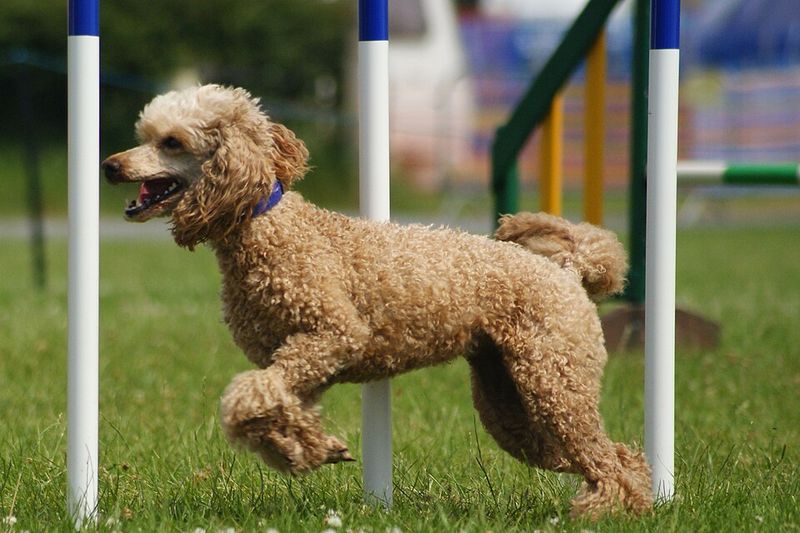
Brains plus empathy create a keen observer. Standard and Miniature Poodles often respond to family stress with restlessness or overthinking, as if trying to problem-solve every concern.
Offer puzzles with clear endings, like food toys that empty fast, so frustration stays low. Mix obedience reps with goofy play to release tension.
A predictable groom schedule and walks in calm neighborhoods help too. Historical note: Poodles are old water retrievers, so fetch games near gentle water can be therapeutic.
English Springer Spaniel
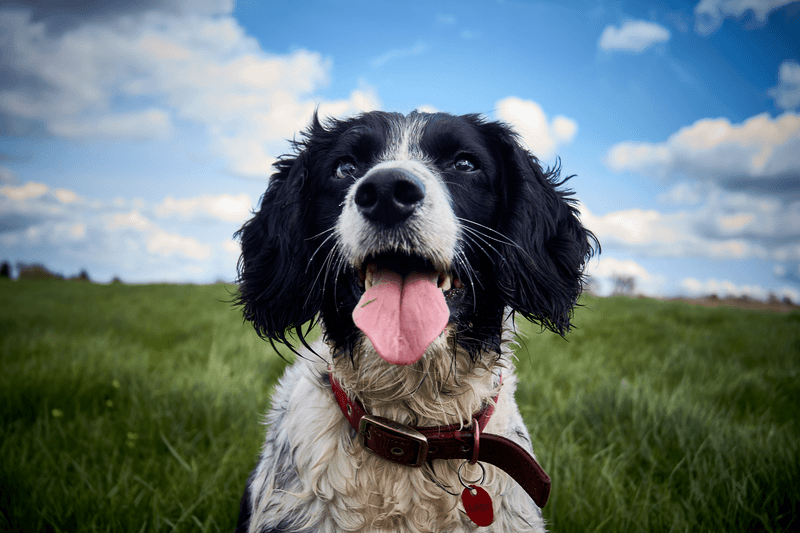
Springers often wear their hearts on their sleeves. A tense home can trigger clinginess or over-excitement, especially when guests arrive or schedules suddenly change.
Build calm with routine field games. Hide a favorite toy in tall grass, then celebrate a thoughtful search.
Teach a rock-solid recall and a parking spot next to you for visits. Gentle daily grooming while praising relaxed breathing becomes a mini spa.
A job to do makes worry shrink.
German Shepherd
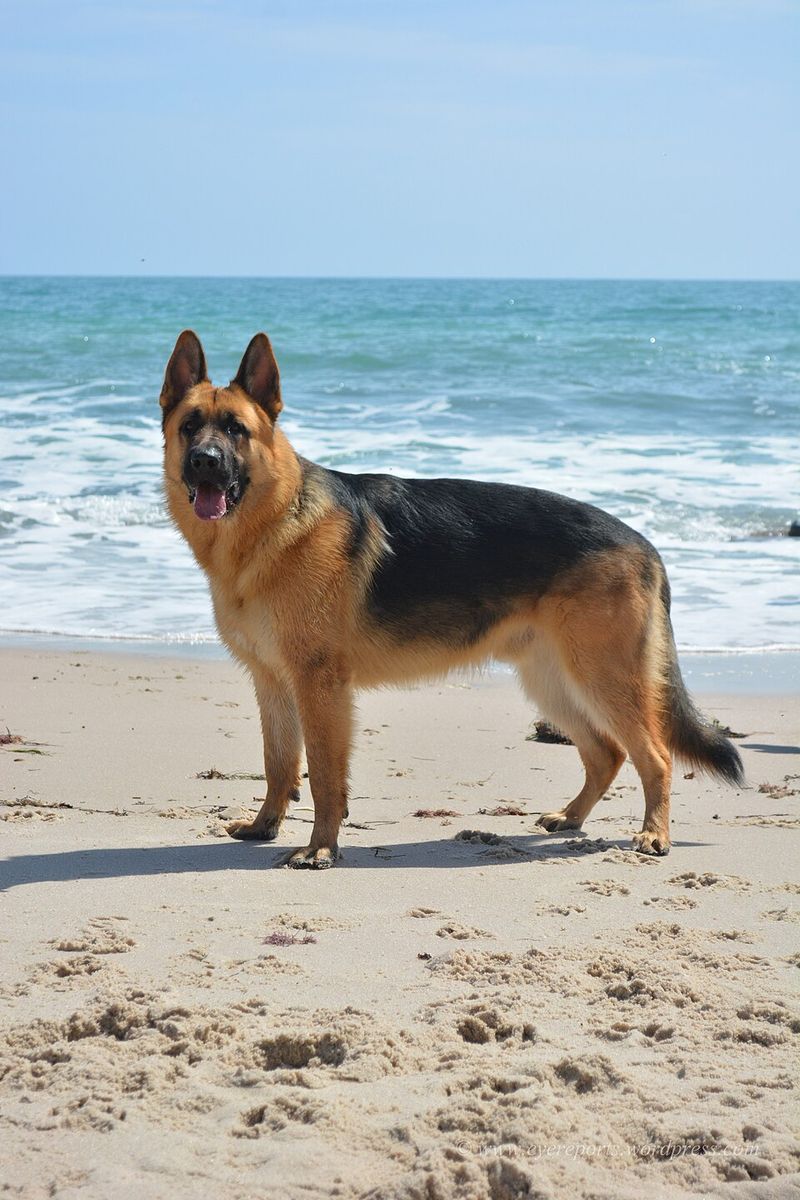
Guard instincts can dial up during arguments or chaos. Many German Shepherds step into protector mode, scanning doors and windows, which can look like pacing or insistently checking family members.
Clarity helps. Teach a release word, a place to relax, and quiet boundary games like staying behind a line until invited.
Provide long-line decompression walks where sniffing is the goal. Trivia: Early police work shaped the breed’s reputation, so fair rules and consistent leadership feel reassuring.
English Setter
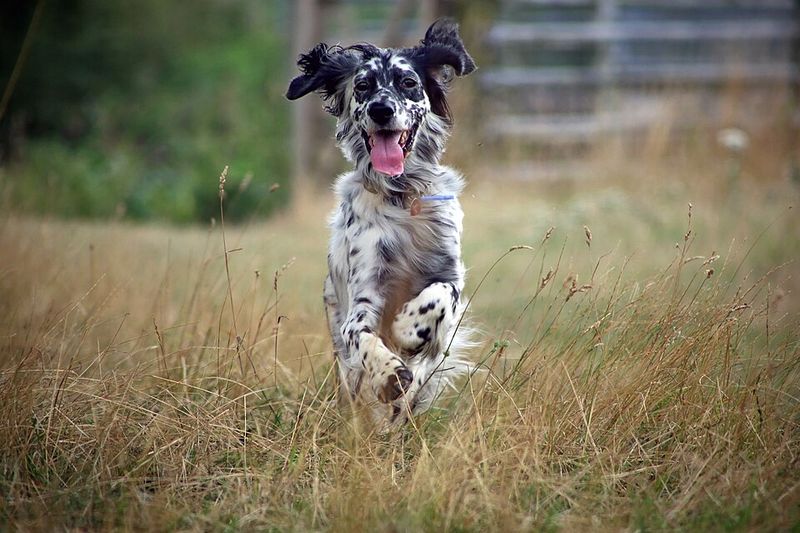
Soft-tempered and people-focused, many English Setters tune into emotional shifts. Loud, fast-moving homes can lead to nervous pacing or gentle whining for reassurance.
Keep things predictable and kind. Use calm voice markers, practice easy recall games in the yard, and add short, happy training bursts.
A cozy bed away from doorways helps them nap deeply. Fun fact: Bred to “set” on game birds, their patient nature blossoms with steady routines and thoughtful play.
Labrador Retriever
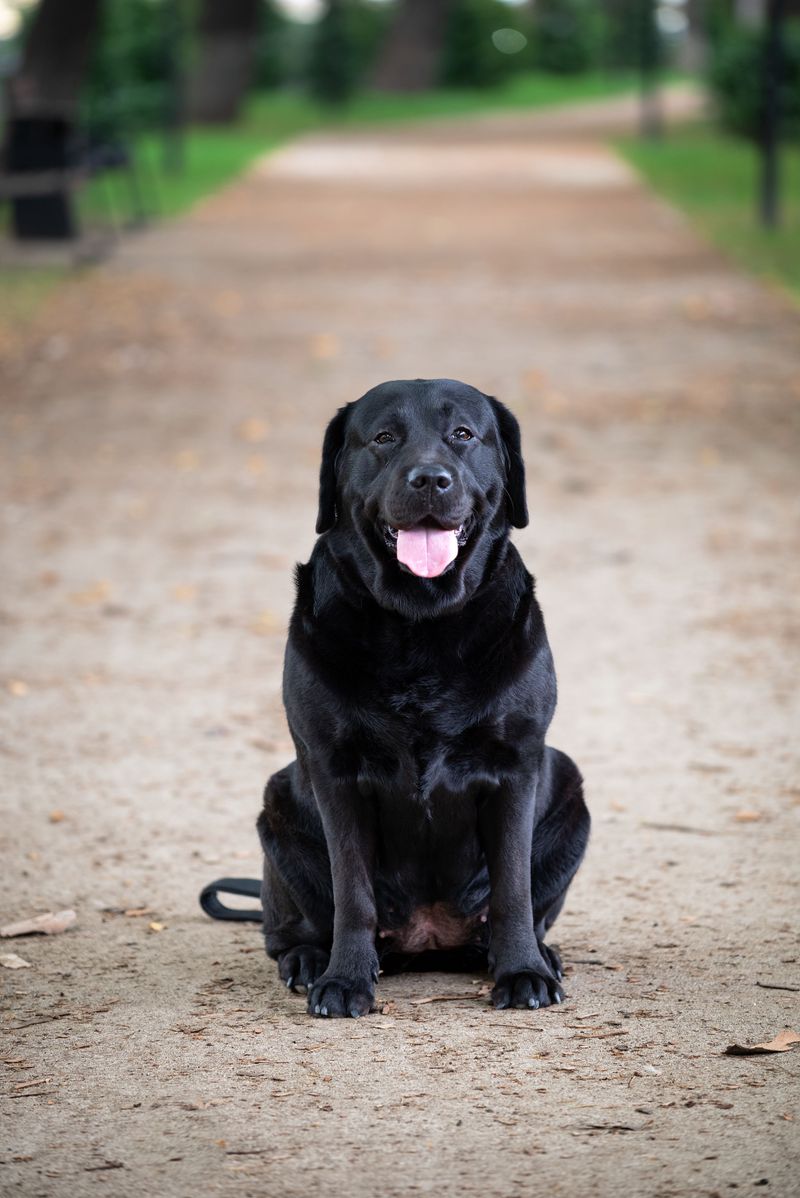
With a tail that seems to vote yes on everything, many Labs keep even tempers during busy days. Minor squabbles or schedule hiccups rarely rattle them for long.
Maintain that balance with daily exercise and simple jobs like carrying the mail. Food puzzles and casual fetch sessions meet needs without over-amping excitement.
History twist: Though called Labrador, the breed’s roots trace to Newfoundland, where steady workers partnered with fishers in cold water.
Newfoundland
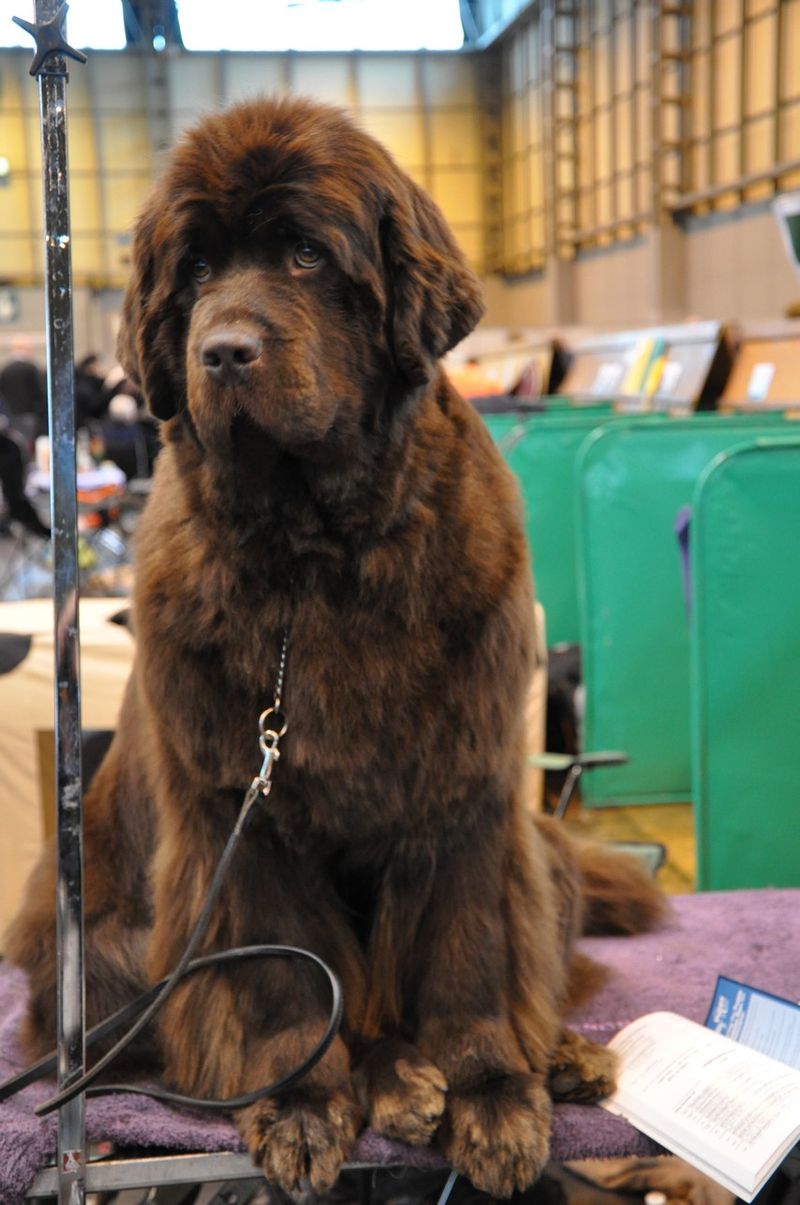
With a heart as big as its paws, the Newfoundland often acts like a calm anchor. Household commotion may earn a blink and a sigh, then a quiet shift closer to the children.
Protect the joints with low-impact walks and swimming days. Gentle brushing, slow ear care, and relaxed training keep trust high.
A shaded resting spot near family activity helps them supervise without stress. Water rescue history explains their confident, unflappable vibe.