
Every dog has quirks that make you smile, but some behaviors hint at bigger issues. The tricky part is knowing when to watch and when to act.
This guide walks you through clear signs that separate harmless habits from real problems. Use it to feel confident, compassionate, and proactive when your dog needs help.
The behavior is new and sudden
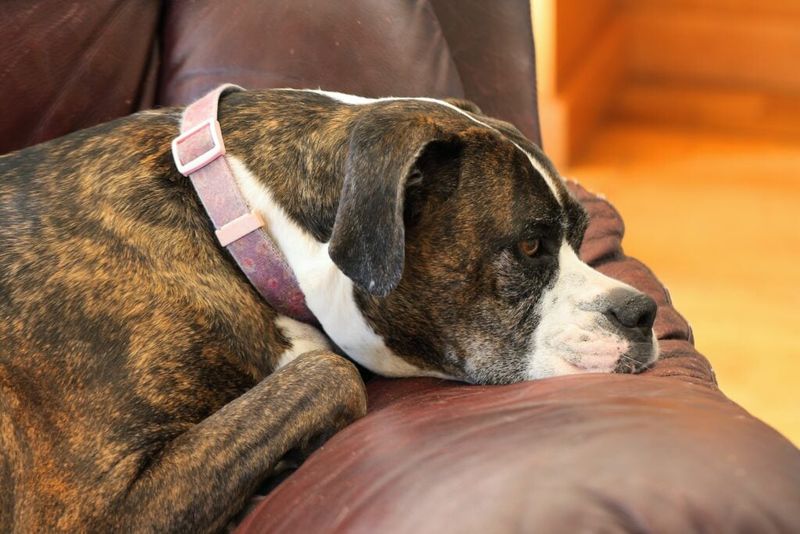
When something your dog does appears out of nowhere, pay attention. A quirk usually shows up early in life and stays pretty consistent, but a sudden shift can signal pain or stress.
Think about what changed recently, like moves, loud events, new pets, or different routines.
If the behavior started last week, you should treat it like a clue rather than a phase. Track times, triggers, and how long each episode lasts so patterns become obvious.
Share that timeline with your vet or trainer to rule out medical causes first. Quick videos can capture posture, pacing, or odd vocal sounds you might forget to mention later.
New and sudden usually means investigate promptly, not wait and hope it fades away.
It disrupts daily life
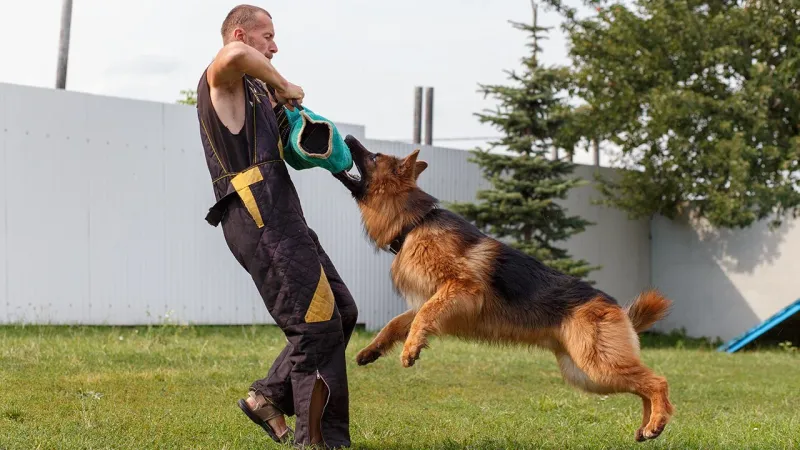
Quirks usually sit in the background, but genuine problems start blocking your day. If you are canceling walks, avoiding guests, or skipping errands because of one behavior, that matters.
Dogs thrive on routine, so disruptions snowball into more stress for both of you.
Notice the time cost, emotional toll, and any safety compromises the behavior creates each week. When daily life bends around a single issue, you have a strong signal to intervene.
Set small goals, like reclaiming mealtime, greeting visitors calmly, or finishing a full walk without drama. Track wins to prove momentum and to motivate consistent practice.
If progress stalls for two weeks, bring in your vet and a qualified behavior professional. Disruption means action, not hesitation today.
It happens more frequently over time

A harmless quirk tends to pop up occasionally, then fade into the background again. When episodes grow closer together, you may be seeing reinforcement at work or rising anxiety.
Frequency is one of the clearest markers that something needs attention beyond casual management.
Keep a simple log with dates, triggers, duration, and intensity ratings, using the same scale each time. Graphs on your phone can reveal upward trends you might miss in the moment.
If frequency climbs despite management and training, escalate to a vet exam and an experienced behaviorist. More often usually means more stress hormones, slower recovery, and greater risk of generalization across contexts.
Intervene early so practice does not make the pattern stronger and harder to unwind.
Your dog seems distressed

Look for pinned ears, tucked tail, trembling, lip licking, yawning, whale eye, or freezing. Distress can also sound like whining, sudden silence, or frantic barking that does not match the situation.
Quirky dogs still look loose, bouncy, and curious, while distressed dogs appear tight and guarded.
Give distance from the trigger, offer water, and let breathing slow before asking for any skills. If relief does not come quickly, contact your vet to check pain, gut issues, or thyroid function.
Your job is to advocate, not to push through; distressed dogs learn poorly and can escalate fast. Capture a short video to share patterns and to help professionals spot subtle signals you might overlook.
Comfort first, then teach calmer choices tomorrow.
Appetite changes accompany it

Dogs under stress often eat less, graze, or guard food suddenly, while some gorge to self soothe. When a behavior pairs with appetite shifts, you have a body level clue worth exploring.
Pain, gut discomfort, medication effects, or nausea can twist eating habits and magnify reactivity.
Log meals, treats, and water, and note vomiting, burps, gurgles, or changes in stool. Offer easier textures and warmed food during flares, and skip training that relies on high value snacks.
Call your vet if refusal lasts more than a day, or if weight drops despite normal portions. Behavior often follows the stomach, so stabilizing digestion can calm nerves and reduce explosive moments noticeably.
If things improve as eating normalizes, you have your answer.
Sleep patterns change

Restless nights, early waking, or daytime crashing often tell you something deeper is going on. Healthy quirks rarely rewrite sleep, but problems do because the nervous system cannot settle.
Listen for pacing, repositioning, panting, or sudden startle responses that repeat across nights.
Try white noise, darker rooms, cooler temperatures, and pain friendly bedding to test easy fixes. When sleep debt builds, training quality drops, patience shrinks, and sensitivity rises during the day.
If medication timing, arthritis, or bathroom needs are suspected, ask your vet to adjust schedules. Use a simple tracker to record bedtime, wake time, awakenings, and naps so you can see change.
Better sleep often reduces reactivity, resource guarding, and noise sensitivities more than extra drills. Start tonight.
Energy levels drop noticeably

A quirky dog still plays, explores, and checks in, while a worried or hurting dog withdraws. If zoomies vanish, fetch ends early, or walks stall, watch for pain and mood shifts.
Sudden lethargy with behavior change deserves medical attention before any training plan.
Check gums, hydration, temperature tolerance, and recovery time after mild exercise or play. Log food intake and stool, and ask about blood work if energy dips persist beyond a few days.
Once cleared, rebuild stamina with short sniff walks, puzzle feeders, and gentle strengthening games. Energy fuels coping skills, so restoring it often reduces barking, reactivity, and frustration significantly.
If motivation collapses again, circle back to your vet and update your behavior plan together. Protect rest days.
The behavior causes injury or damage
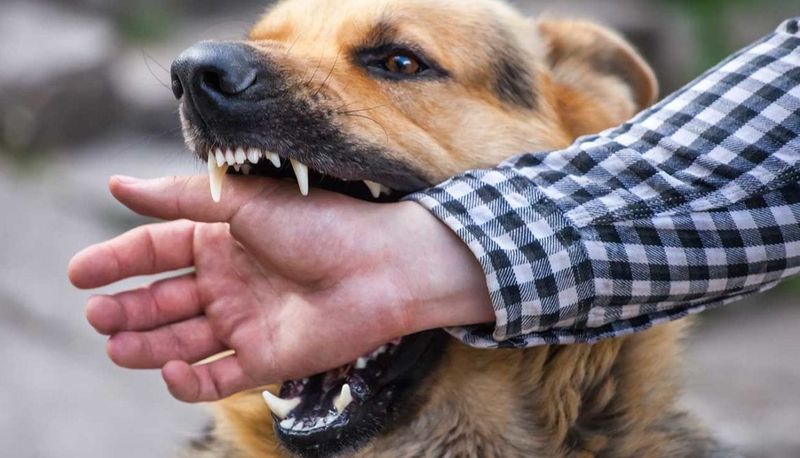
Broken skin, chipped teeth, ripped nails, or damaged doors are bright red flags, not personality quirks. Injuries mean your dog is pushing past reasonable limits to cope with stressors in the environment.
Safety comes first for you, visitors, kids, delivery workers, and your dog.
Manage immediately with barriers, gates, crates, leashes, basket muzzles, and supervised decompression time. Replace risky outlets with safe alternatives like chew stations, shreddable boxes, or structured scent games.
Schedule a vet check, then hire a certified behavior consultant to build a stepwise modification plan. Document damage with photos and dates to track risk reduction and to prove progress to family.
If intensity spikes despite management, consider medication support to lower arousal while training new skills temporarily.
Training doesn’t improve it
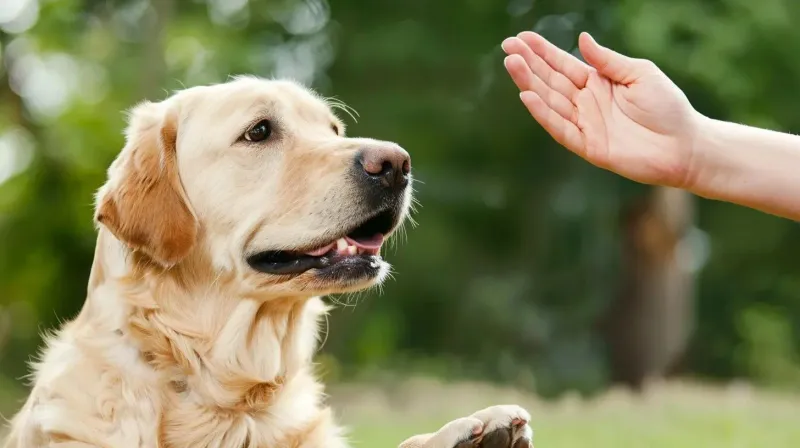
True quirks usually budge with a little structure, but stubborn problems resist even smart plans. If you have practiced consistently and fairly, yet results vanish outside the living room, something is off.
Generalization should appear within weeks when the approach fits the problem and the learner.
Reevaluate criteria, reinforcement value, stress levels, health, and your timing before labeling the dog stubborn. Video sessions to spot late clicks, rushed steps, or cues delivered while arousal is still rising.
If progress flatlines, switch to simpler environments, then bring in a certified professional for guidance. Some patterns are operant, others are emotional, and the wrong tool will stall everything.
Right fit training should feel easier within days and create steadier behavior across contexts.
Other symptoms appear alongside it
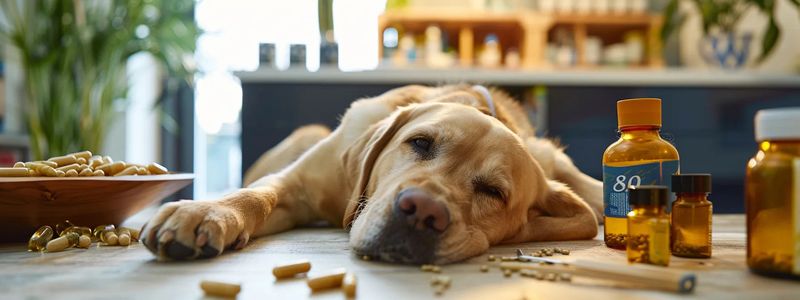
When one behavior arrives with vomiting, diarrhea, coughing, limping, or itchiness, assume a medical driver. Clusters matter because bodies rarely fail in isolation, and dogs show discomfort through actions.
Even eye discharge, ear odor, or scooting can shift mood and coping ability significantly.
Record onset order so your vet can connect dots and decide which symptom to treat first. Photos, stool logs, and short videos save time and prevent details from getting lost.
When the body feels better, behavior usually follows, making training shorter and kinder for everyone. Do not mask symptoms with heavy exercise or flooding because that can complicate diagnosis and recovery.
Prioritize relief, then teach life skills once comfort and energy return reliably. Let healing set pace.
Your dog seems unable to relax

Quirky dogs can chill after activity, but chronically tense dogs stay keyed up for hours. Watch for constant scanning, panting, pacing, window patrols, or startle responses to tiny noises.
If rest does not arrive without you micromanaging, the system needs help settling.
Build predictable pockets of calm using scatter feeding, lick mats, sniff walks, and decompression naps. Teach a mat routine with gradual duration, adding easy chewing and soft music to lower arousal.
If calm never sticks, explore anxiety medication with your vet while continuing kind training and management. Relaxation is a skill, not just the absence of movement, and many dogs need coaching.
Aim for calmer today than yesterday, and measure progress by breath, softness, and recovery speed consistently.