Training your dog to remain calm can transform your everyday life. Here are 11 small changes you can make to help your dog settle down faster.
Shortening Training Sessions Instead of Pushing Longer
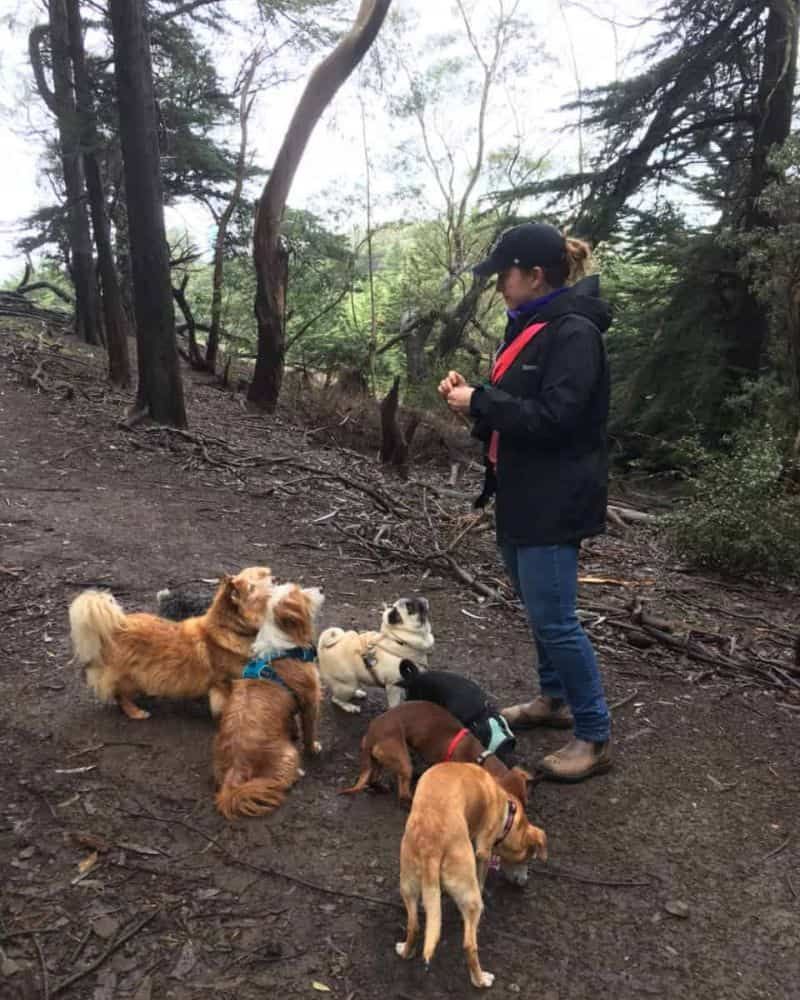
Training doesn’t have to be a marathon. Try shorter, more frequent sessions to keep your dog’s attention sharp. This approach helps prevent fatigue and frustration, making learning more effective.
Think of it as a series of short stories rather than a novel. Each session should be filled with engaging activities that leave your dog wanting more. This keeps excitement levels low and focus high.
By ending on a positive note, your dog will look forward to training and remain calm. Make each session count by being concise and engaging.
Rewarding Calm Moments, Not Just Commands
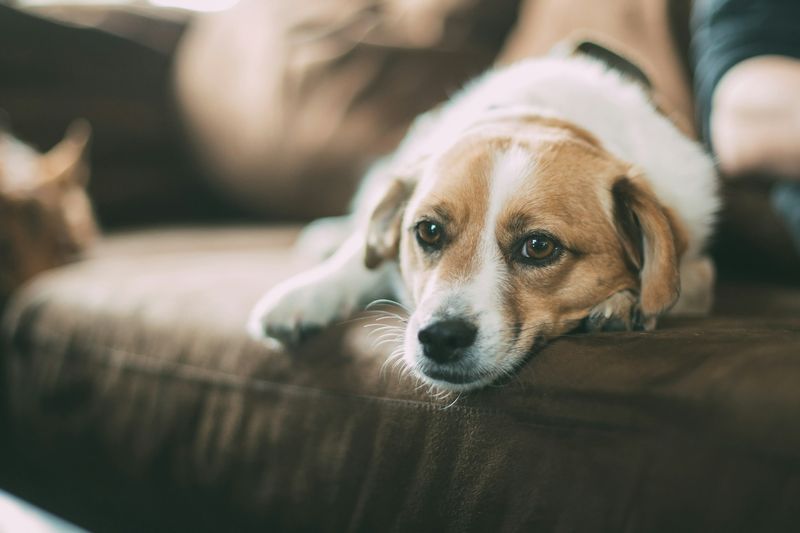
Does your dog only get treats for performing tricks? Rewarding calm behavior can work wonders too. It reinforces tranquility as a desired state.
Imagine your pup lying quietly by your side. A gentle pat or a soft “good dog” can make them feel appreciated for being calm. This positive reinforcement teaches them that calmness is rewarding.
Over time, your dog will naturally adopt this behavior, understanding that peace is valued. It’s a subtle, yet powerful method to nurture a more relaxed demeanor.
Lowering Your Voice and Slowing Your Movements
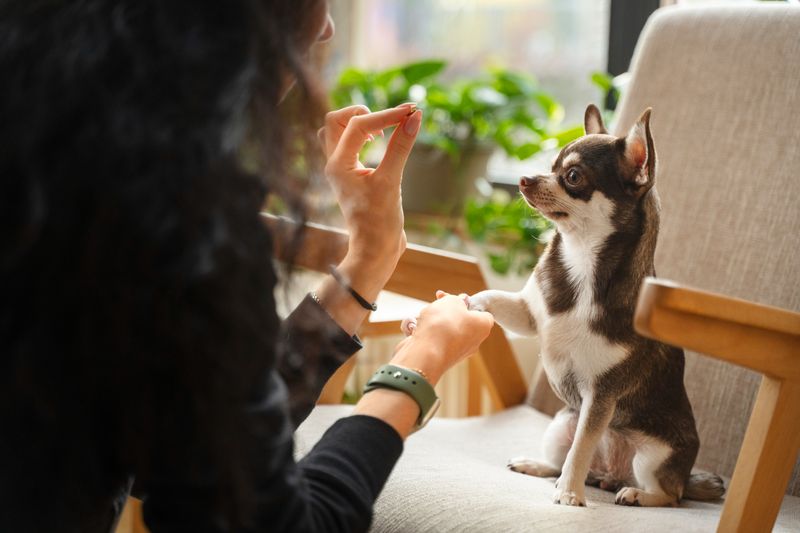
Dogs are sensitive to the energy we emit. Lowering your voice and slowing your movements can help soothe an anxious pet. This mirrors the calmness you wish to see in them.
Imagine you’re crafting a serene atmosphere. Soft tones and gentle gestures work like a charm, reducing tension and hyperactivity.
This method creates a tranquil environment where your dog feels secure. It’s about embodying the calmness you seek in your pet, turning training into a serene experience.
Teaching a Clear “Settle” or “Place” Cue
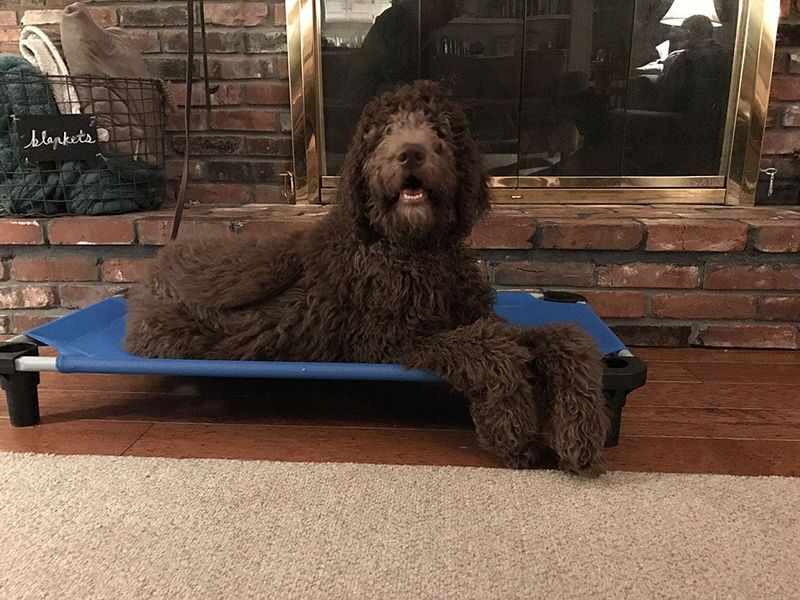
A clear “settle” cue can be a lifesaver. It provides your dog with a specific instruction to relax and stay put. Think of it as a reset button when things get too chaotic.
This command teaches your dog to associate certain places with calmness. Whether it’s a mat or a spot in the room, consistency is key.
Over time, your dog will learn to self-regulate by going to their designated place. This creates an oasis of calm amidst the chaos of everyday life.
Reducing Repeated Verbal Commands
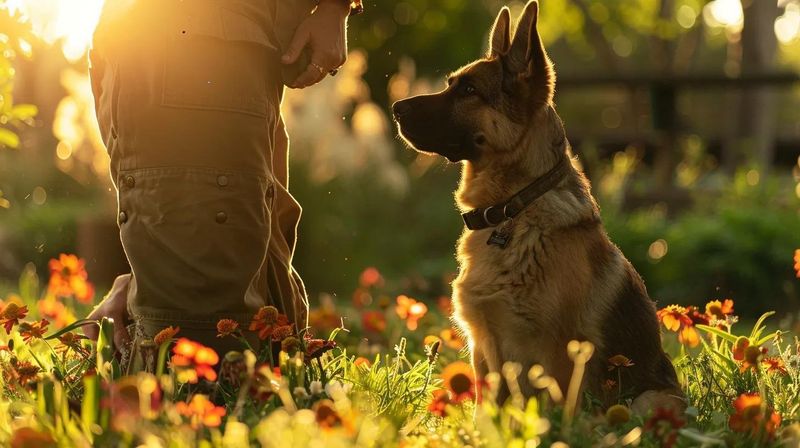
Repetition can cause confusion and frustration. Instead of repeating commands, ensure your dog understands and responds to the first cue.
This approach teaches the importance of attentiveness and compliance. Each command becomes meaningful and significant, reducing stress for both you and your dog.
By fostering clear communication, your dog learns to focus and respect your voice. This simple change can enhance obedience and tranquility.
Building Predictable Transitions Between Activities
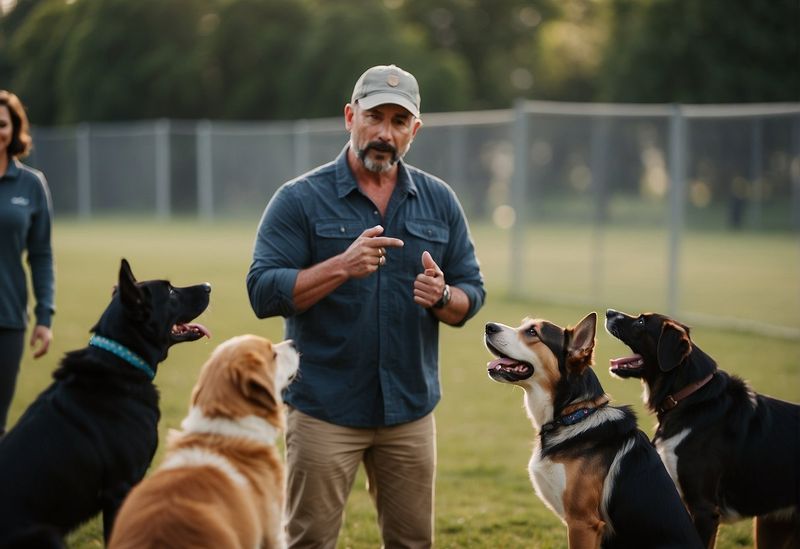
Transitions can be challenging for dogs. By establishing predictable routines, you ease the shift from one activity to another, minimizing stress.
Consider introducing cues for different actions, like a bell before mealtime or a specific word before a walk. This predictability helps your dog understand what comes next.
Over time, these transitions become smooth and stress-free. Your dog learns to anticipate changes calmly, enhancing their sense of security.
Ending Exciting Games Before Overarousal Peaks
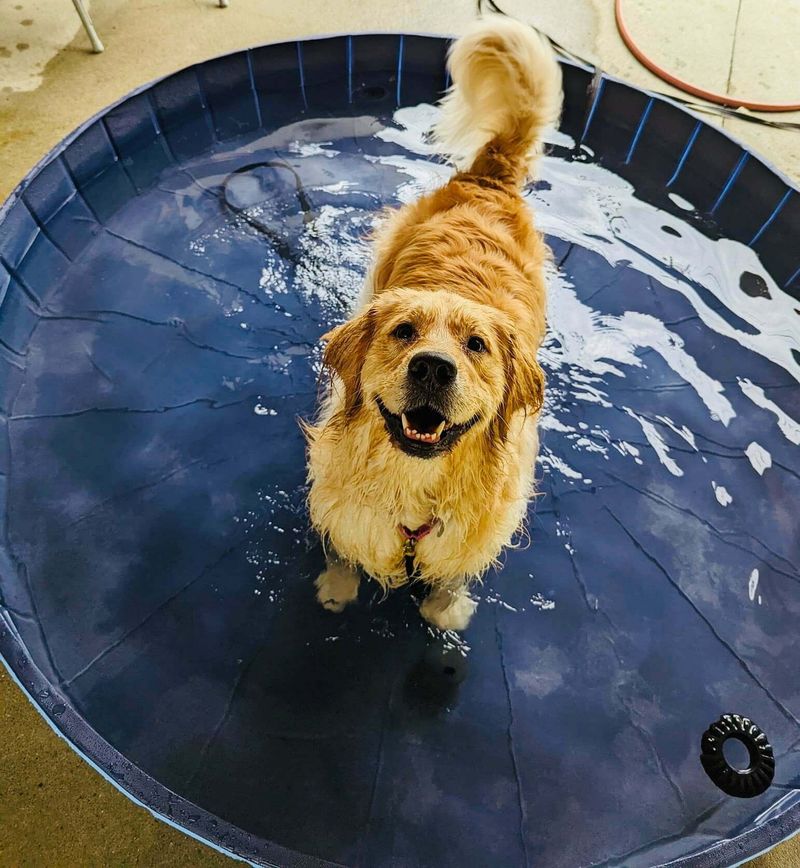
Games can be thrilling, but knowing when to stop is crucial. Ending play sessions before overarousal peaks prevents hyperactivity.
Observe cues that signal your dog’s excitement level rising. Ending the game at the right moment keeps the experience positive and prevents unwanted behaviors.
This strategy teaches self-control and helps your dog settle down more quickly after play. It’s about maintaining a healthy balance between excitement and calm.
Using Consistent Timing for Rewards
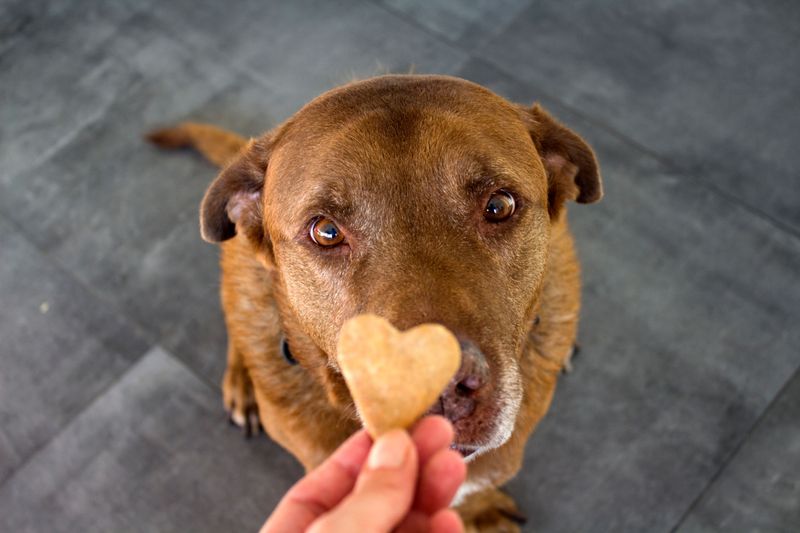
Consistency in reward timing can make a big difference. Immediate reinforcement helps your dog link the calm behavior with positive outcomes.
Think of it as connecting dots in your dog’s mind. The quicker the reward follows the action, the clearer the message.
Over time, your dog will associate calmness with rewards, naturally opting for more relaxed behavior. Precision in this practice ensures your dog understands what is being rewarded.
Practicing Calm Skills When Nothing Is Happening
Training isn’t only for high-energy moments. Practice calm skills when everything is still, teaching your dog to embrace tranquility even during uneventful times.
This builds a foundation of calmness that translates to busier environments. It’s like rehearsing peace.
Your dog learns that stillness is pleasant and rewarding. This proactive approach ensures calmness becomes a natural state, even amidst chaos.
Removing Excess Stimulation From the Environment
Creating a serene environment can make a world of difference. Removing excess stimulation helps your dog focus and relax.
Think about decluttering the space or limiting noise. These changes reduce anxiety and make it easier for your dog to find peace.
A tranquil setting encourages your dog to unwind and feel secure. It’s about crafting a calming sanctuary tailored to your dog’s needs.
Giving the Dog Clear Downtime After Activity

Downtime is essential for recovery. After active moments, provide your dog with clear opportunities to rest.
A quiet space or a comfy bed can signal that it’s time to relax. This routine helps your dog understand the importance of rest after excitement.
Regular downtime supports your dog’s well-being, promoting calmness and balance. It’s a simple yet powerful tool to maintain your dog’s mental and physical health.