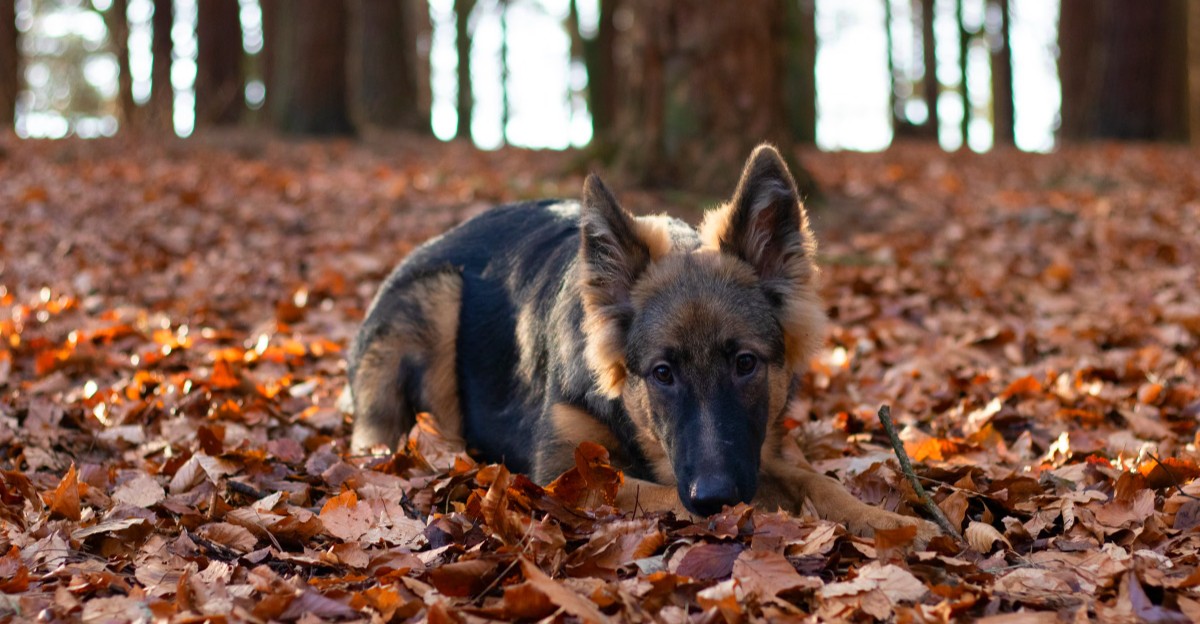
Some dogs love to talk, and they are not shy about it. A sleepy afternoon can quickly fill with barks, howls, yips, and even strange singing sounds.
The good news is that a noisy pup is not a lost cause, because the right training can bring back the peace. If you own a chatty dog or plan to get one, these breeds and tips will help you understand what all that noise is really about.
Beagle
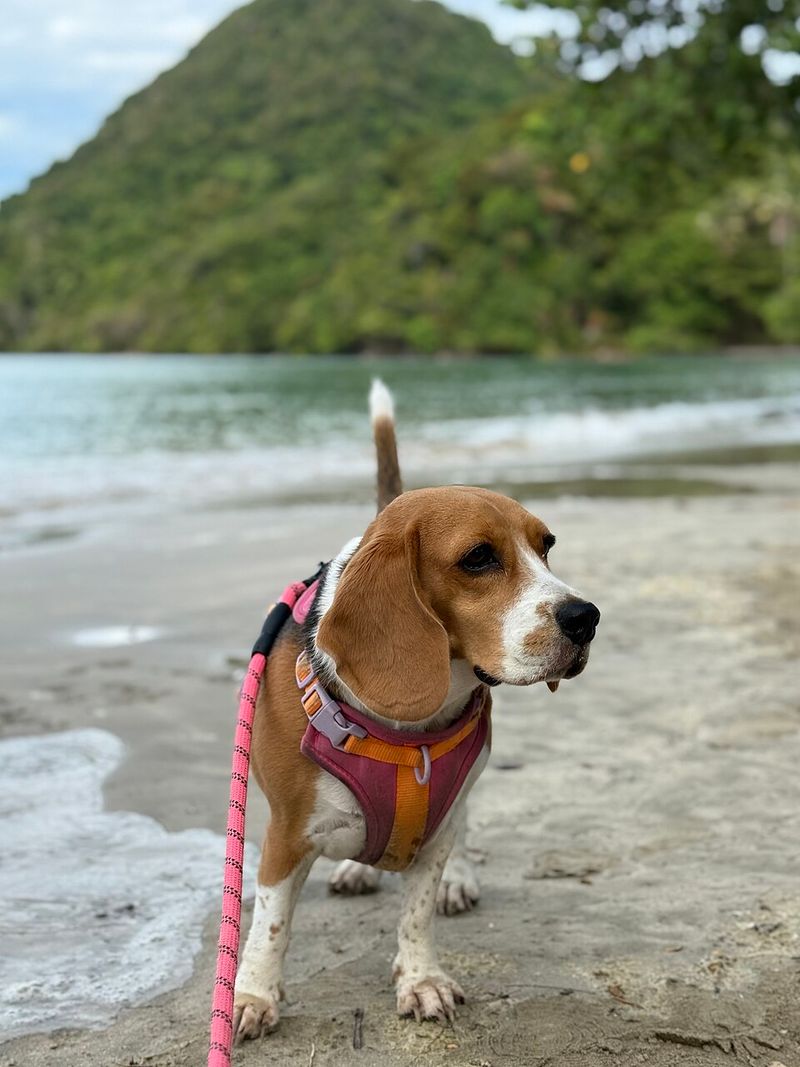
One whiff of a squirrel, and a Beagle turns into a furry trumpet. Bred to hunt rabbits in packs, these hounds use a special howl called a bay to tell hunters where the trail leads.
At home, that bay can echo through the whole street. Boredom makes it worse, so long sniffing walks help a lot.
Try teaching a quiet cue and reward silence with tiny treats. Puzzle feeders also keep that busy nose happily occupied.
Siberian Husky
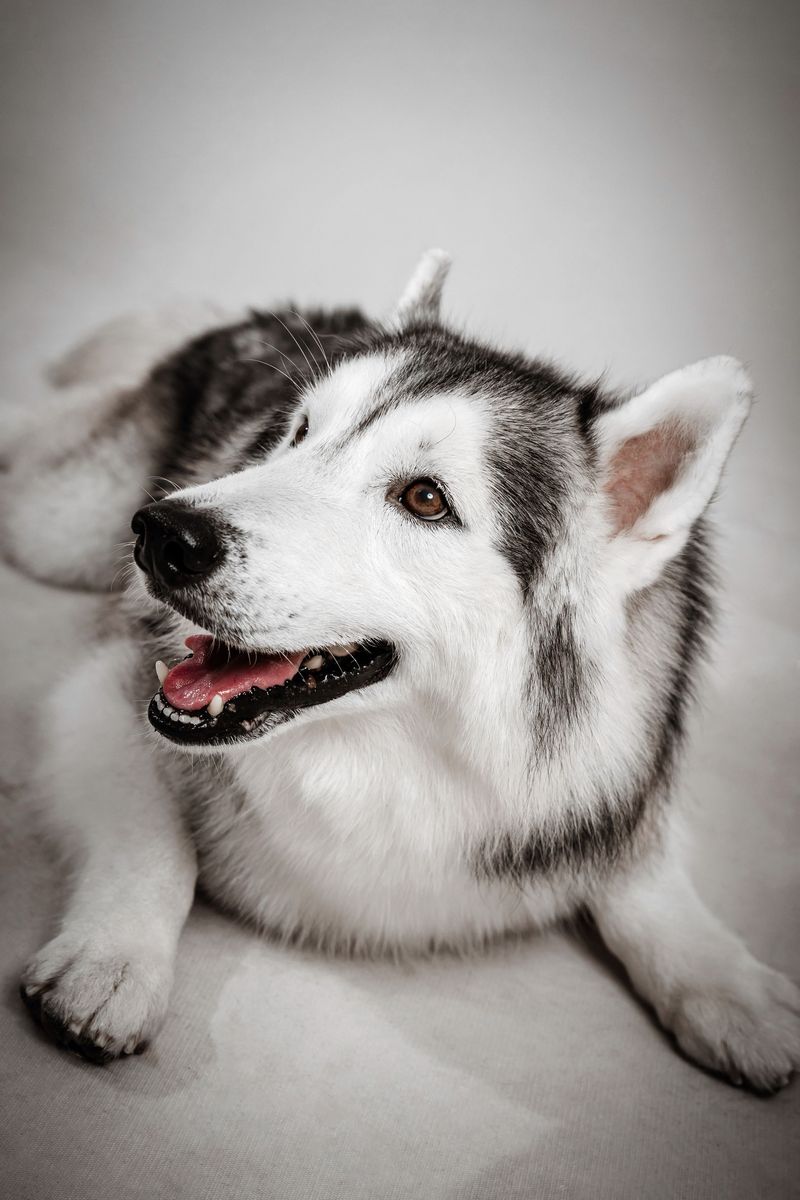
Ask a Husky to get off the couch and you might get a full speech back. These snow dogs rarely bark, but they howl, whine, and make funny woo-woo noises that sound like arguing.
Their chatter often means they need more exercise. Huskies were built to pull sleds for miles, after all.
Daily runs, games of tug, and calm praise when they stay quiet can turn a loud talker into a relaxed buddy.
Chihuahua
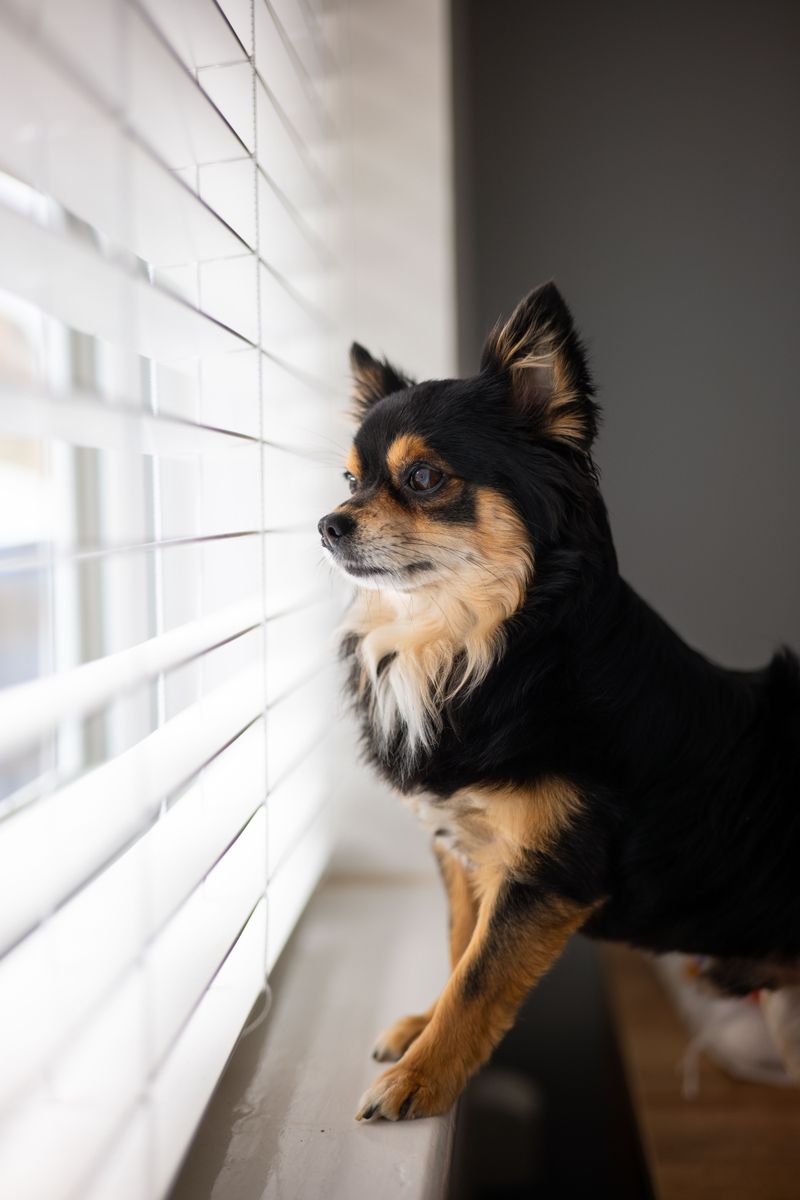
Small body, giant alarm system. Chihuahuas are famous for barking at mail carriers, leaves, and sometimes absolutely nothing at all.
Much of that noise comes from feeling nervous. When a tiny dog feels unsure, barking becomes its way of looking tough.
Building confidence is the secret. Introduce new people and sounds slowly, pair them with treats, and avoid picking the pup up every time it yaps.
Over time, the guard dog act softens nicely.
Miniature Schnauzer
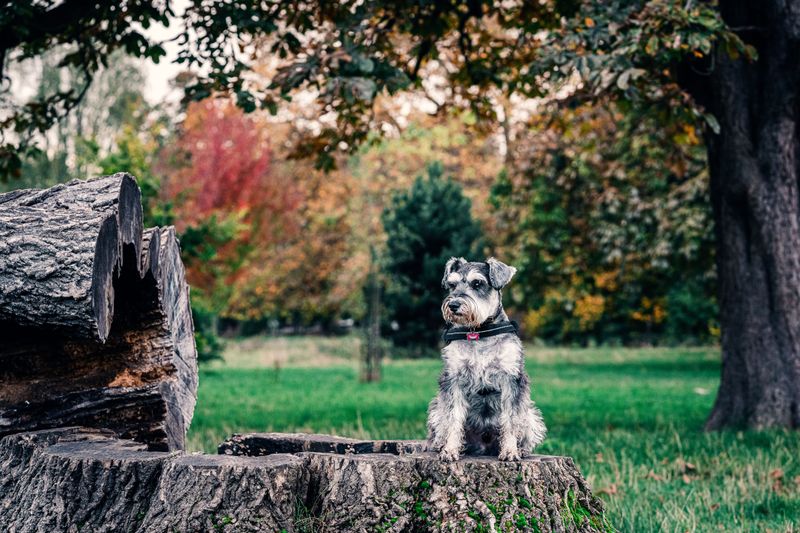
Did you know Miniature Schnauzers were first bred in Germany to chase rats on farms? That job required a sharp eye and a sharper voice.
Today, your Schnauzer may announce every delivery truck like it’s breaking news. Those bushy eyebrows hide a very alert little brain.
Give it a job instead. Teach a speak and quiet routine, so the dog learns barking has an off switch.
Short training sessions work better than long ones.
Basenji
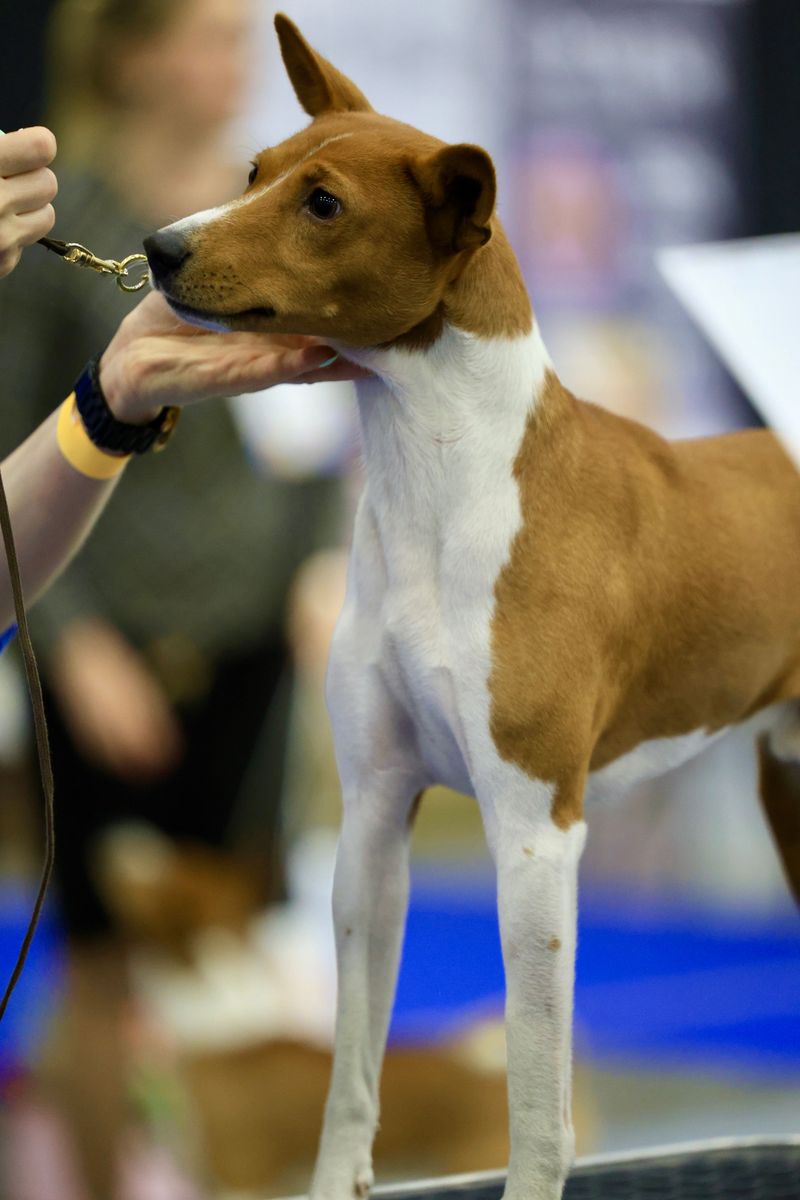
Here’s a twist: the Basenji is called the barkless dog. So why is it on this list?
Because instead of barking, it yodels. The sound, often called a baroo, is part laugh and part song, and it can be surprisingly loud when the dog is excited or lonely.
Basenjis are clever and a bit stubborn. Keep training playful, use high-value rewards, and never leave one bored for hours, or the concert begins.
Yorkshire Terrier
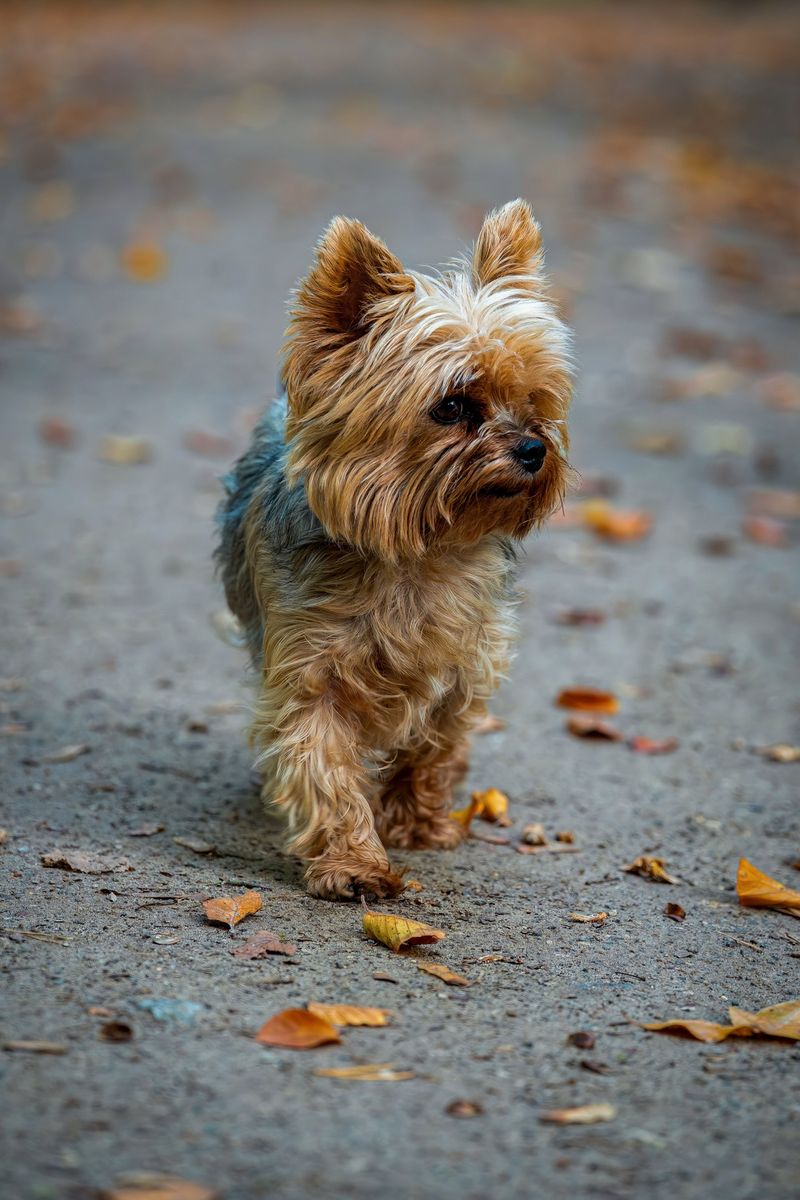
Picture a silky lap dog with a bow in its hair, then imagine it shouting at a passing jogger. Welcome to life with a Yorkie.
Back in the 1800s, these terriers hunted rats in English mills, so bravery runs deep. They bark to protect their people, even from harmless visitors.
Closing blinds can reduce window watching. Reward your Yorkie for looking at you instead of barking, and calm will slowly become a habit.
German Shepherd
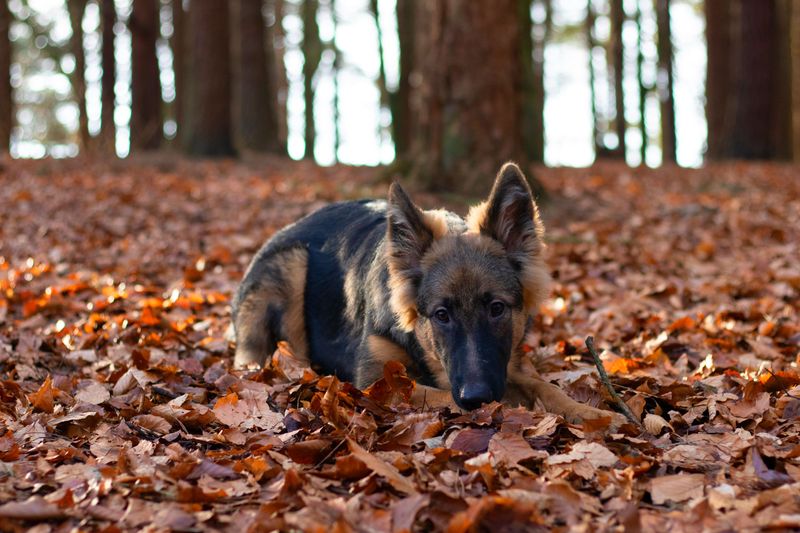
Few dogs take guard duty as seriously as a German Shepherd. Their deep, booming bark can make a stranger rethink knocking on the door.
That protective streak is useful, but it needs guidance. Without it, a Shepherd may bark at every sound in the neighborhood.
Obedience classes are a smart move. These dogs love learning, and teaching them to settle on a mat after one warning bark gives their loyal minds a clear, helpful rule.
Pomeranian
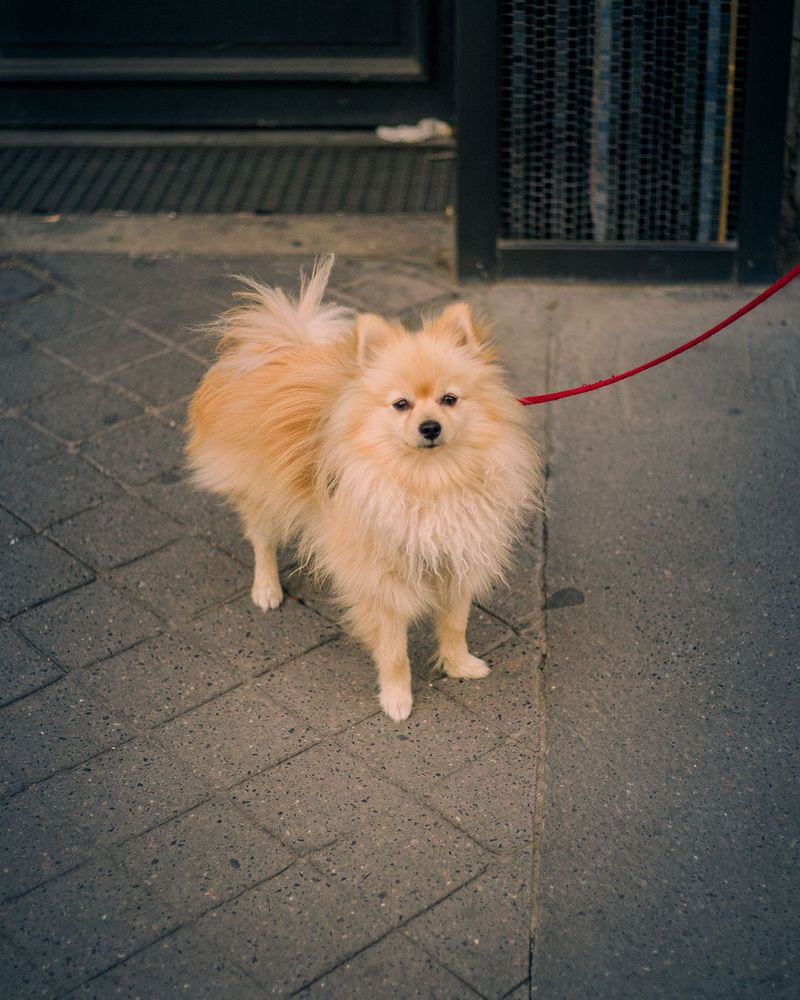
Fluffy as a cotton ball and twice as bossy, the Pomeranian has opinions about everything. Doorbells, other dogs, and dinner running late all deserve a comment.
Fun fact: Queen Victoria helped make this breed popular by shrinking it through careful breeding.
Poms often bark for attention. If you respond every time, they learn noise works.
Instead, wait for a quiet moment, then give praise. It feels slow, but it truly pays off.
Dachshund
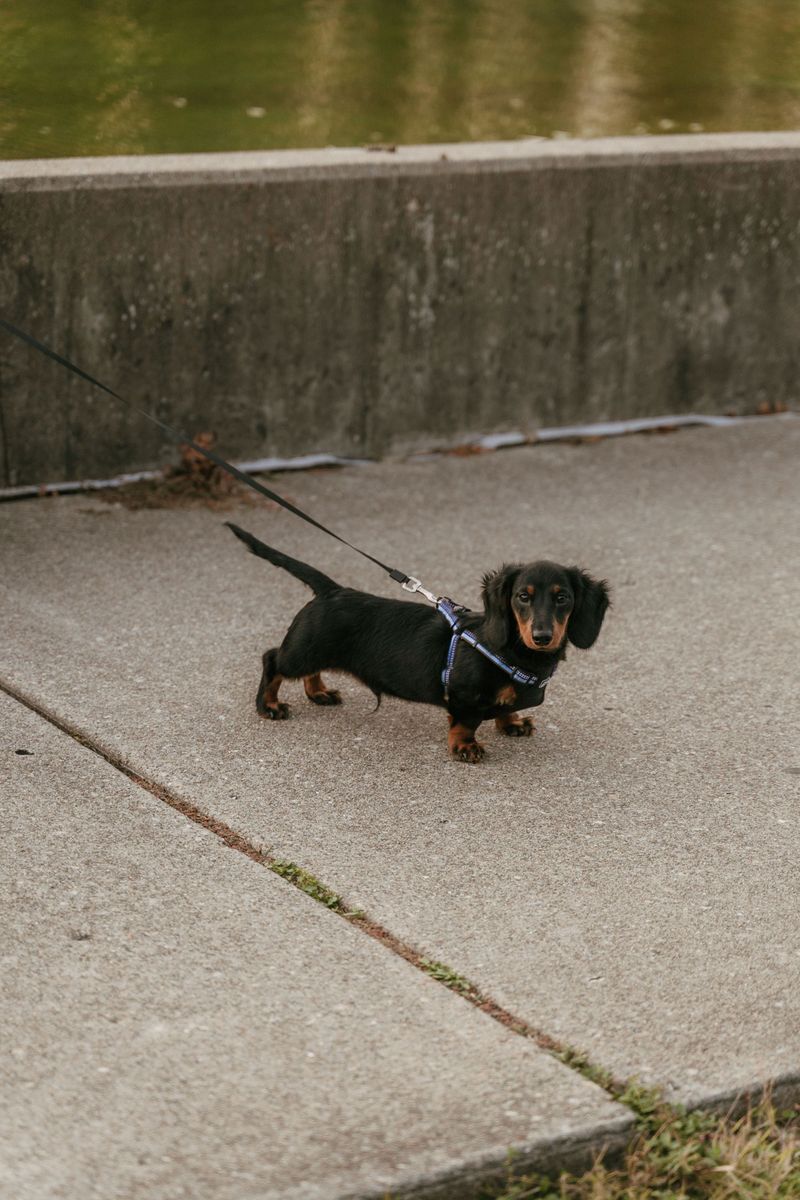
Don’t let those short legs fool you. A Dachshund has a bark that sounds like it belongs to a dog three times its size.
Hunters in Germany bred them to chase badgers underground. A loud voice let hunters find them below the dirt.
That brave hunter spirit still shows up at home. Offer digging toys, steady walks, and a firm but kind quiet command.
Patience matters, since these little sausages can be proudly stubborn.
Shetland Sheepdog
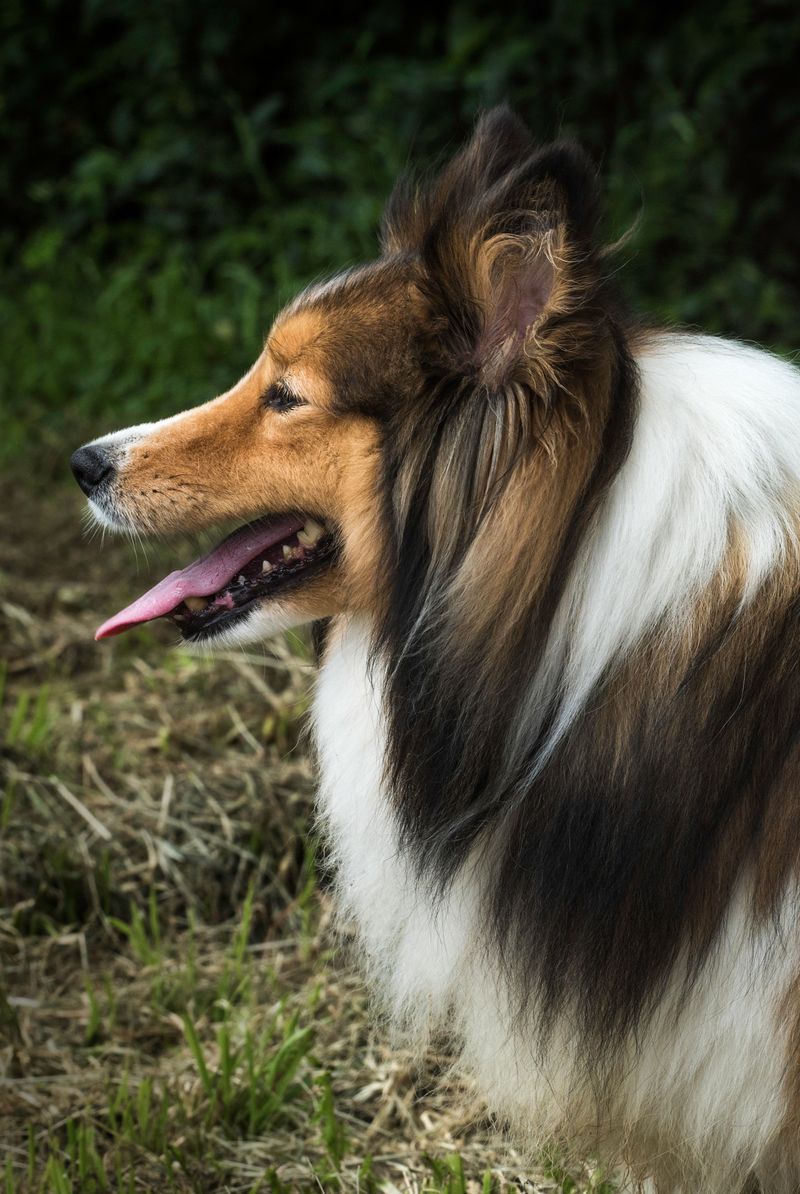
Sheltie owners often joke that their dogs bark just to hear themselves. There’s some truth there.
On the Shetland Islands of Scotland, these herders used their voices to move sheep and warn farmers. Now, they may try herding kids, bikes, or even cars with sharp barks.
Herding games, agility, and trick training burn off that energy. A tired, busy Sheltie is a much quieter one, and a happier friend too.
Bloodhound
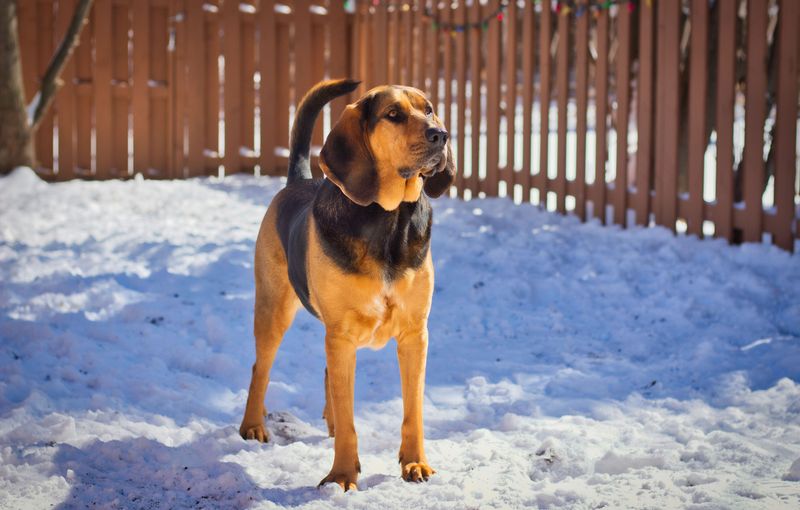
When a Bloodhound speaks, the whole block hears it. Their deep, mournful bay sounds like something from an old movie.
These gentle giants have the best noses of any dog, with millions of scent sensors. Police still use them to track missing people.
Most baying happens when they are lonely or catch an exciting smell. Scent games and company help a lot.
Teaching a calm cue early keeps their famous voice for special moments.