
Some dogs keep a close eye on everything around them. That can be helpful, but it also means they need clear rules and daily guidance.
Without structure, they may get pushy, anxious, or loud. Here are alert breeds that crave a steady routine, plus a couple of friendlier choices for families who want less intensity.
Belgian Malinois
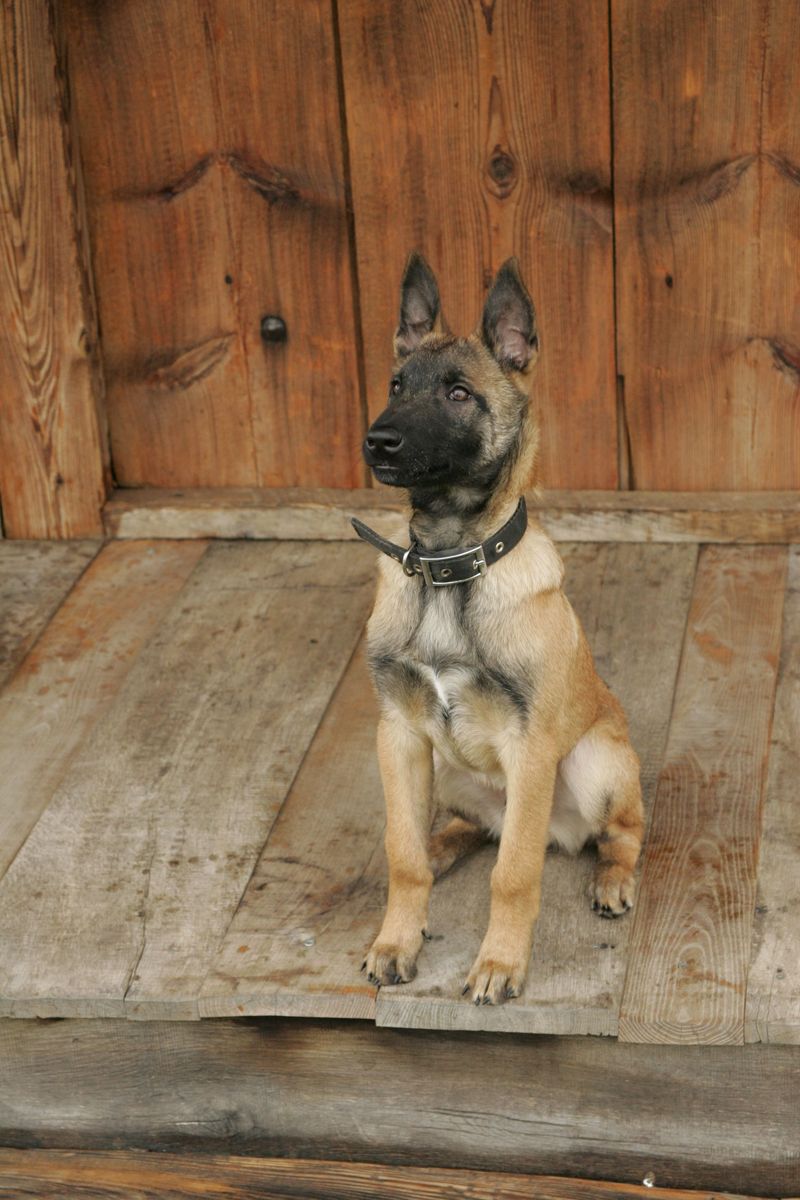
Energy pours out of this athlete from sunrise to bedtime. A Malinois thrives when you give a job, even if it is structured games, scent work, or quick obedience drills.
Skip the plan, and the dog invents one you will not like, such as chasing shadows or pacing.
Daily brain work, calm leash practice, and tight routines keep confidence high. Reward quiet moments often.
Short, frequent sessions beat marathons.
German Shepherd Dog
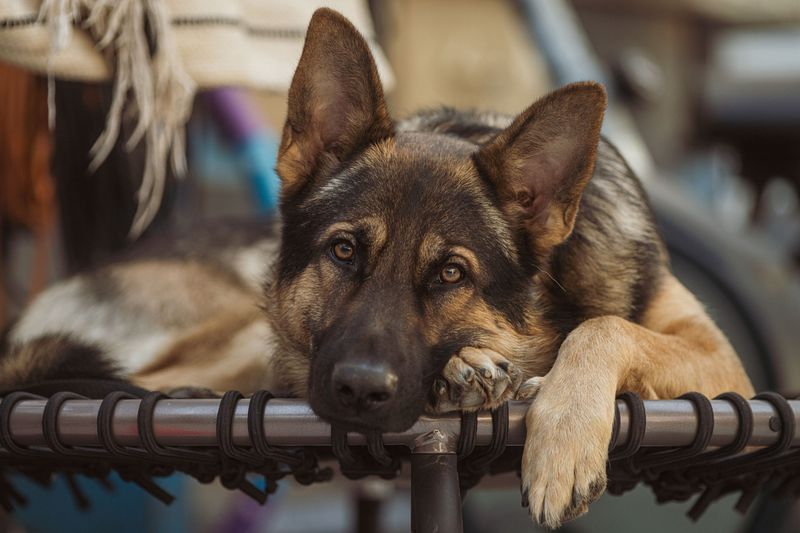
Family guardian by nature, a German Shepherd loves clear rules most of all. Predictable walks, controlled greetings, and steady obedience practice turn vigilance into calm confidence.
When structure fades, the dog may start patrolling windows or barking at every small sound.
Build daily routines that include sniff walks and easy place training. Teach off duty time using a mat cue.
Consistent leadership beats being tough.
Doberman Pinscher
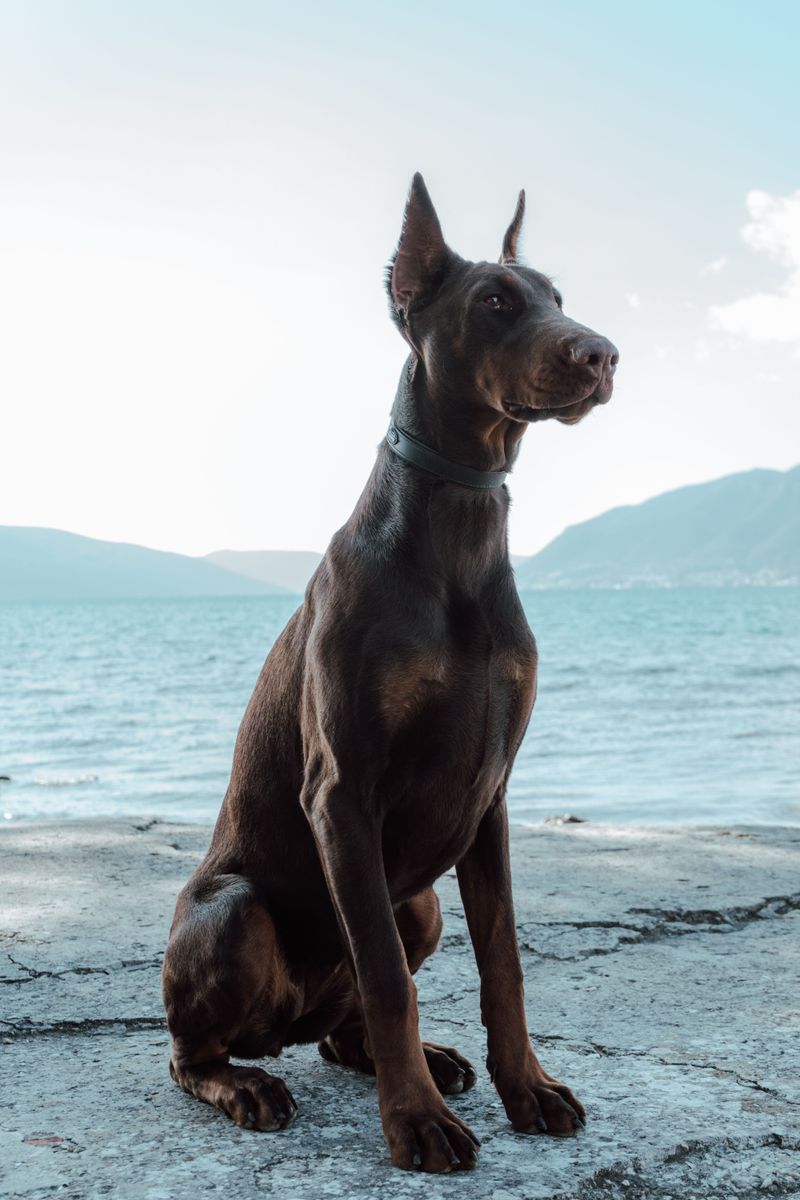
Elegance meets intensity in the Doberman. Many are tuned to every doorbell and footstep.
A daily schedule that blends movement with manners helps keep nerves steady. Without it, worry can show up as pacing, whining, or clingy behavior.
Practice relaxed downs after brisk walks. Rotate jobs like carrying a toy, walking at your side, or searching for scattered treats.
Keep guests’ arrivals boring with a leash and a place cue.
Rottweiler
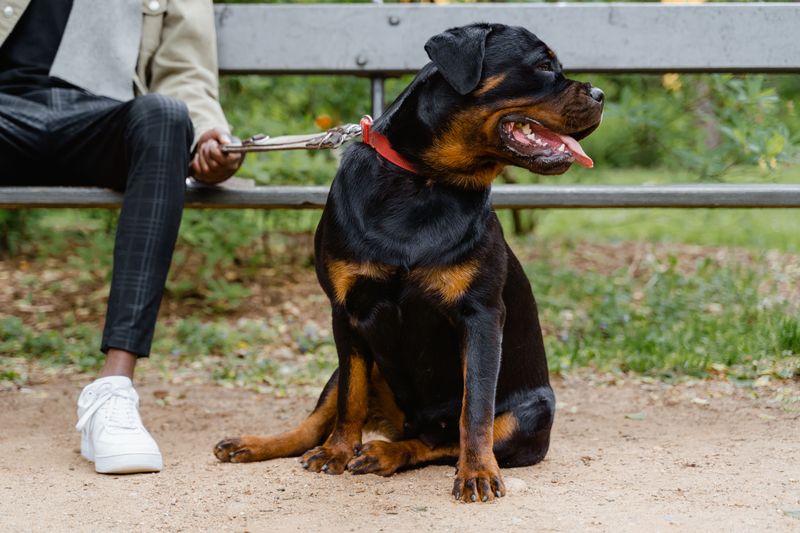
Big presence, bigger heart, yet boundaries shape a Rottweiler’s best behavior. Clear house rules prevent pushy door manners and yard guarding.
Short training bursts with calm praise build trust and reliability.
Teach polite stationing at the door, then reward patience. Social exposure matters, but keep it structured rather than chaotic.
Moderate exercise plus thoughtful impulse control games can melt stubborn streaks and keep watchfulness appropriate.
Akita
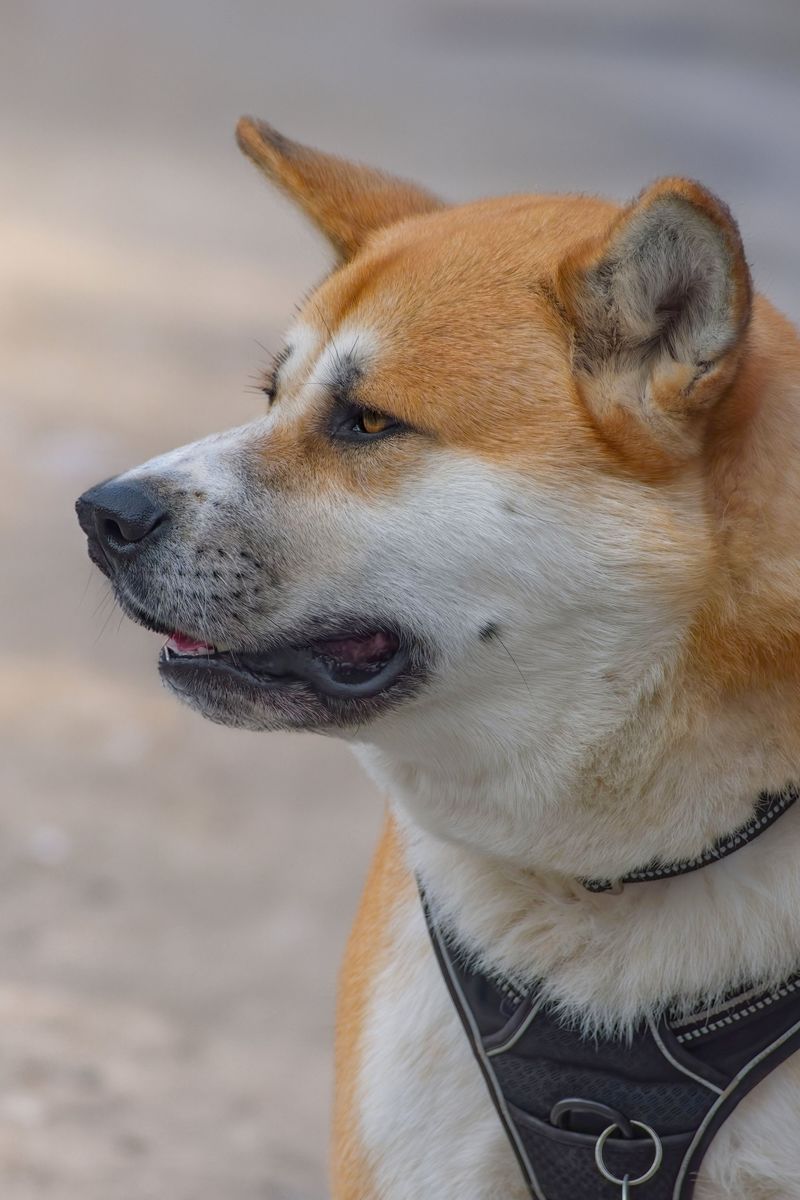
Serious and independent, the Akita notices everything and chooses carefully whom to trust. Consistency wins here.
Keep routines simple and repeatable, like sit before meals and calm leash starts. Random rules lead to selective hearing.
Limit free roaming at windows. Reward calm watchfulness rather than alarm barking.
Short grooming sessions double as training moments for handling paws and ears. Respectful guidance brings out quiet confidence instead of stubbornness.
Giant Schnauzer
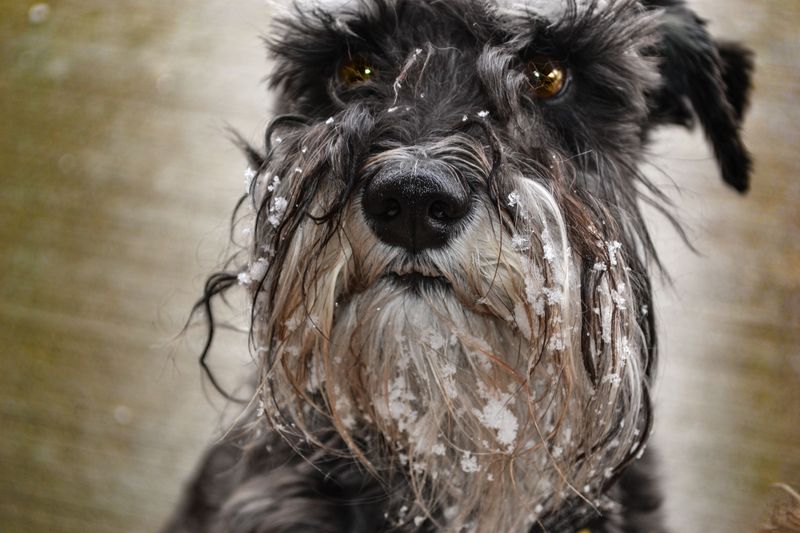
Work-driven and witty, the Giant Schnauzer loves tasks. Without schedule and purpose, mischief shows up fast, like counter surfing or gate testing.
Balanced days with cardio, nose games, and obedience reps turn intensity into cooperation.
Teach start and stop cues for play. Use a stable mat for settling around visitors.
Trim sessions short to keep focus sharp. A thinking workout often tires this breed more than a long jog.
Cane Corso
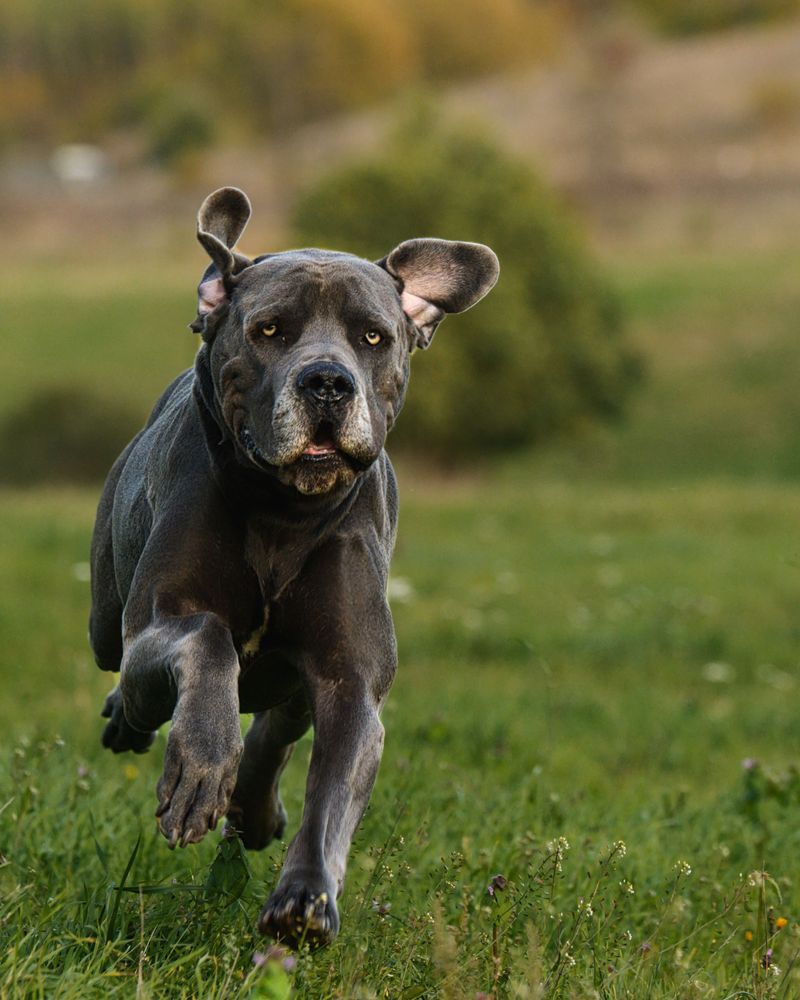
Power with polish is the goal for a Cane Corso. Predictable routines make choices easy.
Unclear expectations can invite territorial posturing at gates or fences. Keep greetings slow and on leash until the dog relaxes.
Practice place training near household traffic. Mix in cart pulls with a weighted harness or controlled tug to satisfy working instincts.
Clear start and stop signals help this guardian switch from alert to chill.
Airedale Terrier
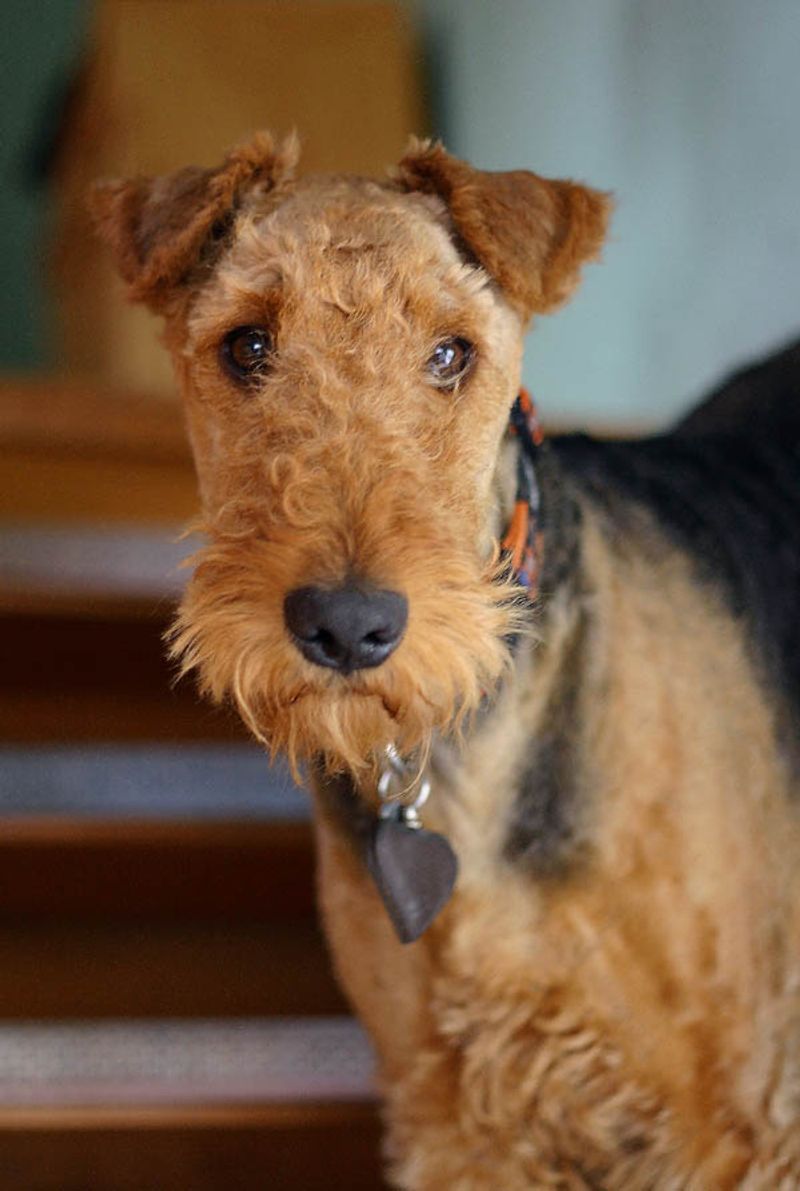
The king of terriers is cheeky and sharp. Watchfulness can tip into busybody behavior without steady guidance.
Regular sniff walks, trick training, and recall games keep that big brain engaged.
Set clear rules about greeting people and dogs. Reward looking to you when distractions pop up.
Use playful training with quick wins, like spin or bow, to channel drive. A little structure turns sass into charm.
Australian Cattle Dog

Built to think fast, the heeler scans constantly. Boredom may lead to heel nipping or chasing bikes.
A plan that combines puzzle feeders, obedience bursts, and controlled fetch keeps behavior balanced.
Teach a settle cue after action. Redirect motion with scent games when arousal climbs.
Keep training upbeat and brief. Quantity of structure matters less than daily consistency, which turns watchfulness into reliable teamwork.
Kuvasz
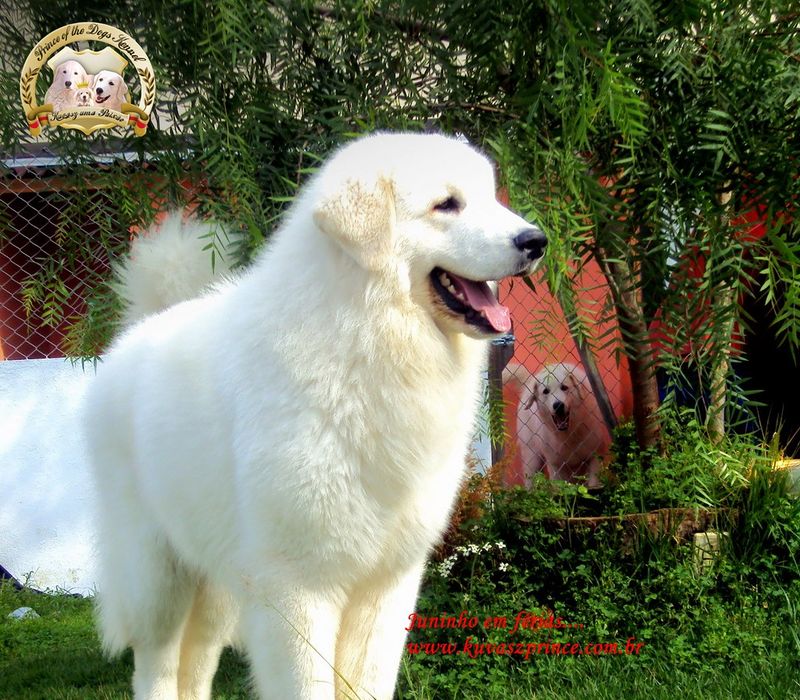
Quiet guardianship defines the Kuvasz. Calm routines and respectful space keep trust strong.
Sudden changes or pushy strangers can spike defensiveness. Keep social time measured and positive, with exits planned.
Practice boundary games like staying behind a door threshold until released. Reward relaxed scanning instead of barking frenzies.
Low pressure handling and predictable mealtimes help this thoughtful breed stay even tempered at home.
Chinese Shar-Pei
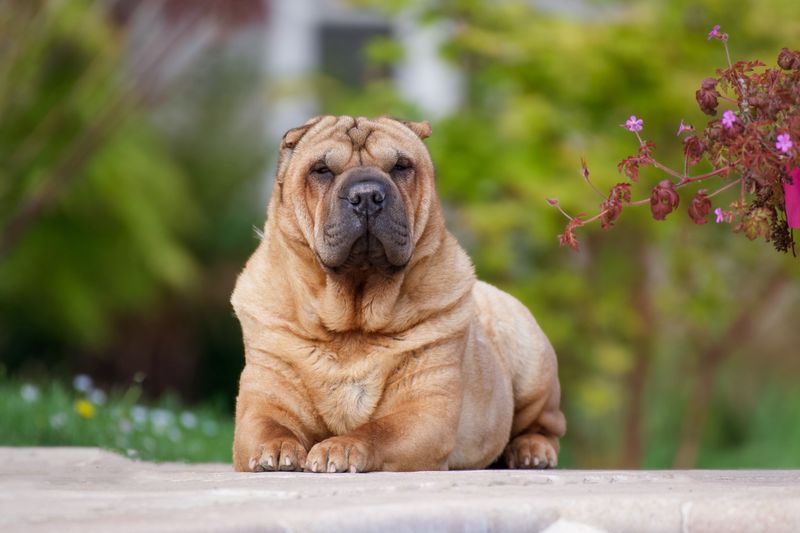
Reserved and observant, the Shar-Pei appreciates simple, steady routines. Too much chaos can raise suspicion toward new people or dogs.
Gentle social exposure paired with predictable rules makes life easier.
Plan short walks at calmer times of day. Teach hand target for polite greetings.
Keep grooming brief and frequent to prevent handling fuss. Consistency helps curiosity grow while watchfulness remains manageable.
Bullmastiff
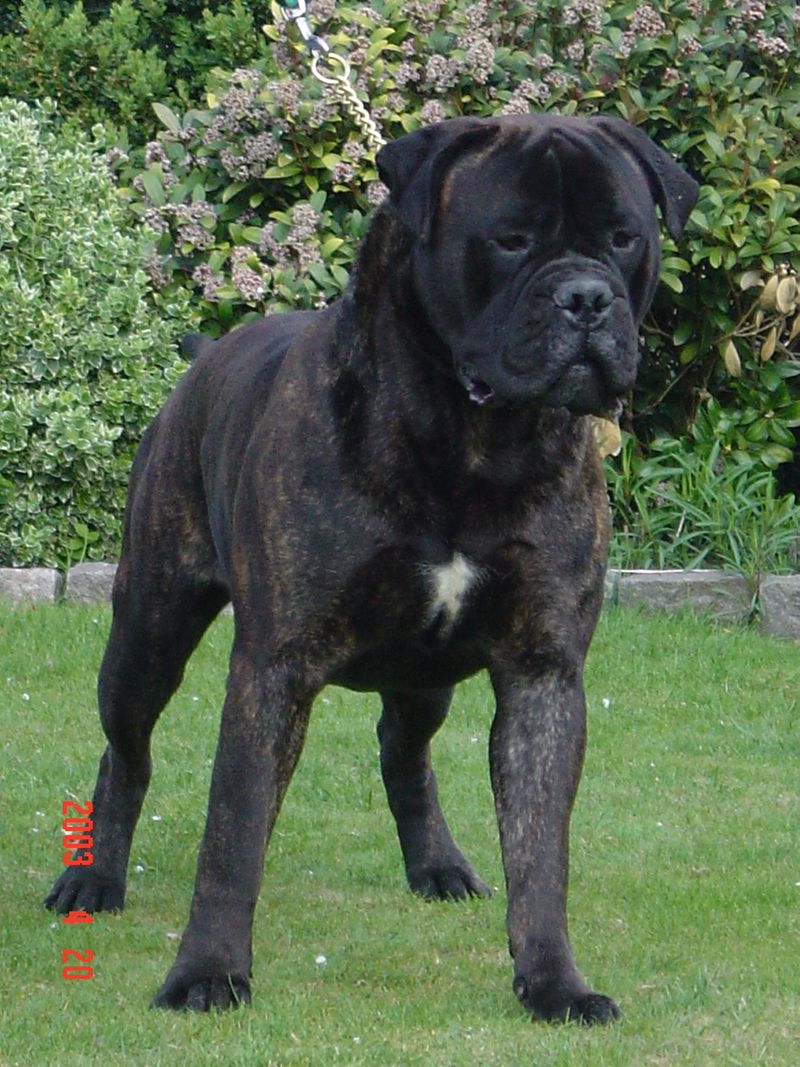
Big and deliberate, the Bullmastiff notices small changes and prefers clear, calm guidance. Overexcited greetings or roughhousing can ramp up strength quickly.
A daily rhythm of short walks, place work, and polite door drills keeps manners reliable.
Use low key rewards like gentle praise and slow treats. Limit slippery floors to protect joints.
With predictable routines, this quiet sentinel settles into a trustworthy housemate.
Golden Retriever – friendlier alternative
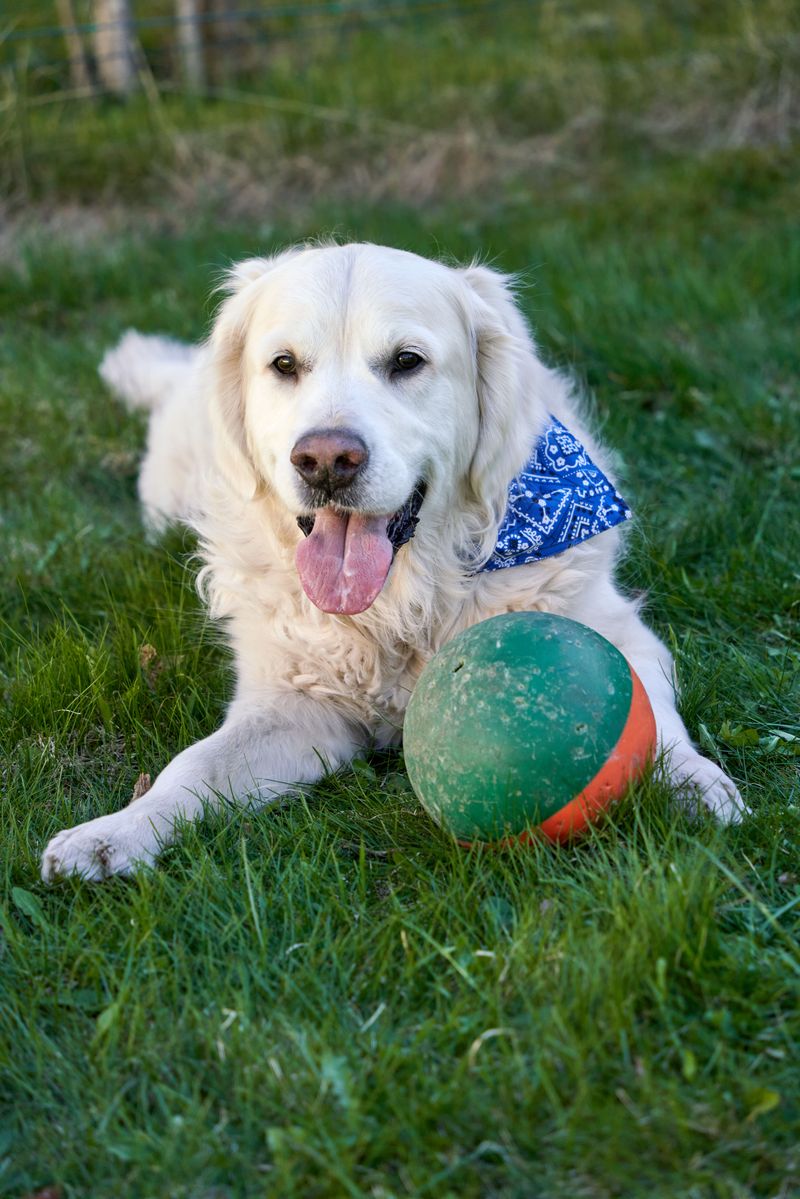
Sunny by nature, the Golden gives a friendly alert without turning everything into a crisis. Routine still matters, but the stakes feel lighter.
Daily fetch, easy obedience, and calm greetings make life smooth for everyone.
Teach a thoughtful drop cue for toys. Rotate simple scent games on rainy days.
Many Goldens excel in therapy visits or volunteer roles, which satisfy their people focused hearts.