
Ever wonder how to tell if your dog truly feels safe, loved, and joyful? The answers show up in everyday moments that are easy to miss but powerful when you notice them.
From soft wags to peaceful naps, these signs reveal a relationship built on trust. Read on to spot each one and strengthen your bond starting today.
Sleeping peacefully near you

When a dog naps close by, it is more than convenience. It signals deep trust, because drifting into sleep leaves them vulnerable.
Choosing your feet, the couch gap, or the rug by the door tells you your presence switches their nervous system into rest.
Notice the relaxed jaw, soft sighs, and even slow tail taps while dreaming. Those tiny adjustments toward you are canine for I feel safe.
If sudden noises happen, they glance up, confirm you are there, then settle again. That quick reset shows emotional security, not shutdown.
Celebrate it with quiet praise, a gentle blanket tuck, or simply staying still so they can keep snoozing happily. Your calm presence becomes their favorite safe place every single time.
Bringing you toys without fear
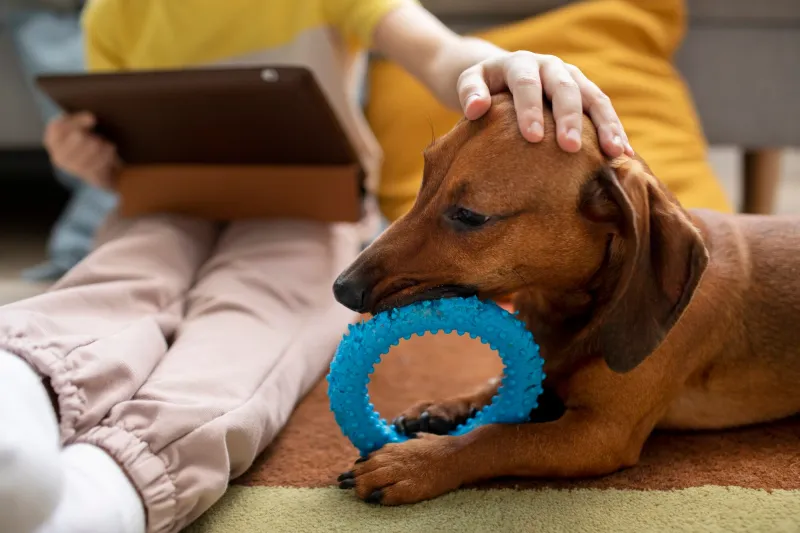
When your dog trots over with a toy, there is trust wrapped in that wag. Resource guarding fades when love and safety feel predictable.
They are saying, let us share joy, not fight over prizes, and they mean it.
Respond by getting low, praising softly, and sometimes trading for a quick toss. Alternate between playful tug and easy wins so confidence grows.
If they drop the toy in your lap, that is a huge compliment. It shows they expect kindness, not scolding or snatching hands.
Over time, you will notice brighter eyes, looser shoulders, and an eager bounce that shouts, playing with you feels safe. Keep sessions short, end happy, and let them choose the next fun game with you.
Relaxed eye contact

Gentle eye contact without stiffness means your dog trusts your intentions. Soft blinks, loose ears, and a slightly open mouth tell the same story.
They are reading your face for reassurance and finding exactly what they need.
Try mirroring that softness. Blink slowly, turn your shoulders a little, and relax your breath.
You invite connection without pressure, which keeps communication clear. If they look away, it is not rejection, just polite dog language.
Give them space, then smile again. Soon you will notice a calm gaze that says, I feel safe with you, and your bond will deepen.
Over days and weeks, this gentle practice builds trust, reduces anxiety, and strengthens everyday cooperation during walks, mealtimes, play, and quiet evenings.
Leaning against you calmly
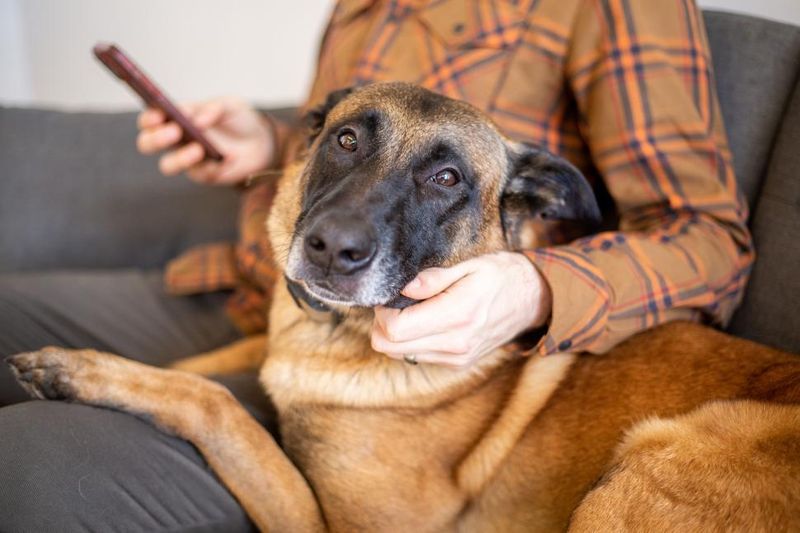
A relaxed lean is like a doggy hug. It is balanced, easy, and free of frantic pressure.
They settle their weight with a soft sigh, choosing your leg because your presence feels predictable and kind.
Notice how their muscles loosen instead of bracing. You can reward that calm by stroking slowly along the shoulders and chest.
If they shift away, let them, then invite them back with an open stance. Consent deepens safety.
Over time, this gentle leaning routine becomes a steady ritual that lowers stress, boosts oxytocin, and reminds you both that teamwork and affection live here. Pair it with quiet words, relaxed breathing, and short breaks so touch always stays welcome in busy rooms or peaceful morning moments.
Wagging naturally when you enter
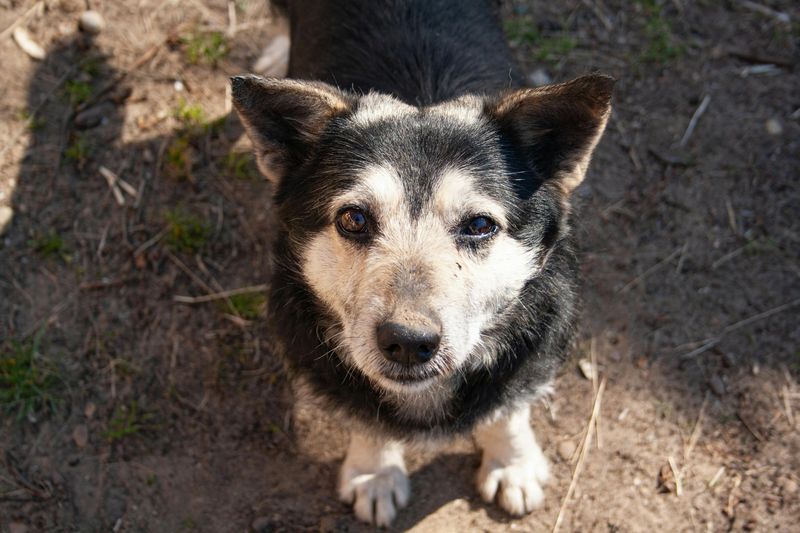
That loose, sweeping wag when you walk in means genuine happiness. The hips join, the shoulders wiggle, and the tail floats at mid height.
It is not frantic or tucked, just an easy hello that says, glad you are back.
Answer with your own relaxed body language. Bend a little, speak softly, and offer a hand to sniff before petting.
This keeps excitement low and connection strong. If the wag slows while they lean into you, they feel safe.
Celebrate with a calm cuddle and a predictable routine, proving your return is normal life, not a wild event. Consistent greetings shrink separation stress, build resilience, and make everyday hellos feel sweet and secure for you both, across weeks and months.
Exploring confidently around you
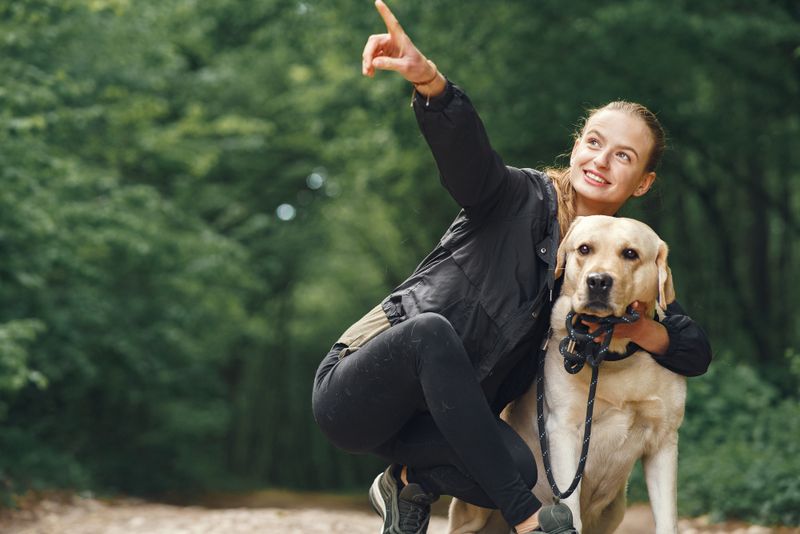
A happy, secure dog checks out the environment, then casually returns. That elastic band behavior shows trust in the relationship.
They believe you are a safe base, so their curiosity can stretch without worry.
Encourage it with a cheerful tone and frequent check ins. Offer sniff breaks, choice filled routes, and permission to pause.
If they glance back and you smile, confidence rises again. Avoid constant commands.
Instead, be a calm anchor who notices, praises, and lets them lead sometimes. Security is not clingy, it is flexible, and that freedom to explore means love is working.
Practice on quiet paths first, then busier sidewalks, gradually widening the world at your dog’s pace with rest breaks, water, patience, and plenty cheer.
Eating comfortably
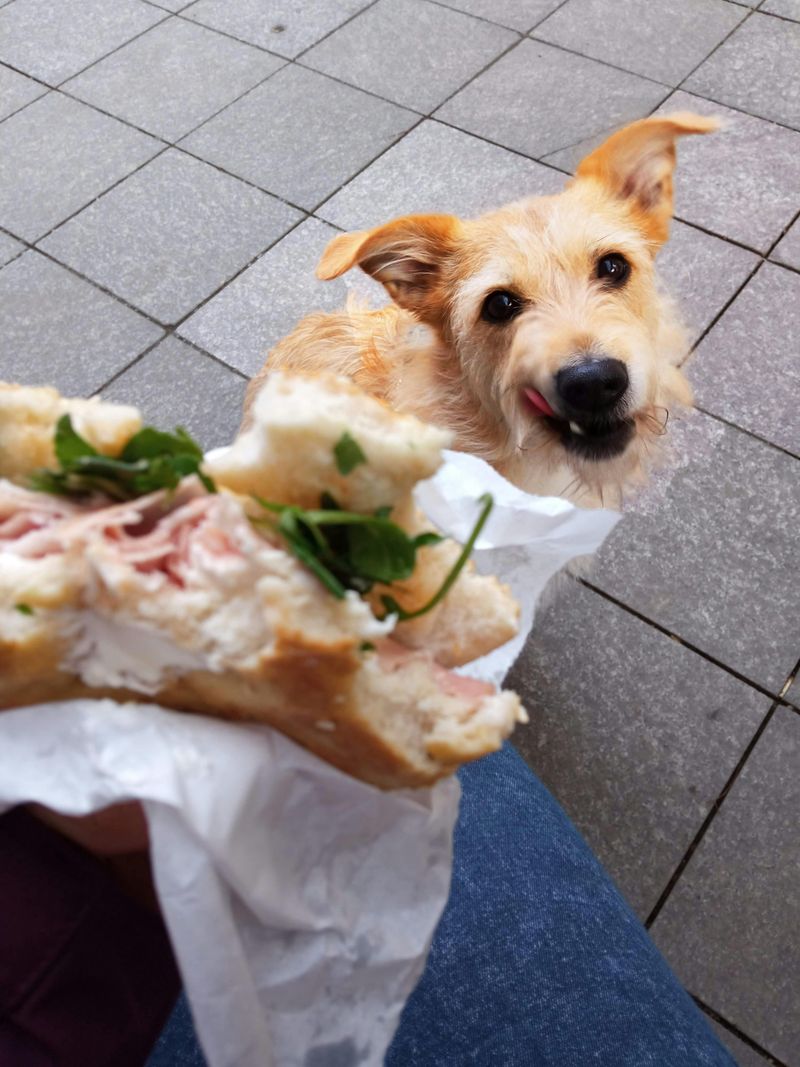
A content dog often eats with steady rhythm and relaxed posture. They are not gulping from fear or scanning the room.
Instead they chew, pause, sip water, and return to the bowl with easy focus.
Support this by protecting space during meals and keeping a predictable routine. If children are present, teach calm watching instead of crowding.
Add enrichment by using snuffle mats or slow feeders so mealtime becomes soothing. If appetite dips briefly after excitement, do not panic.
Offer quiet, then try again. When your dog trusts that food is safe and available, their body can relax and digest well.
Consistent hydration, gentle praise, and peaceful surroundings reinforce safety and keep eating an enjoyable ritual, day after day together.
Seeking affection gently
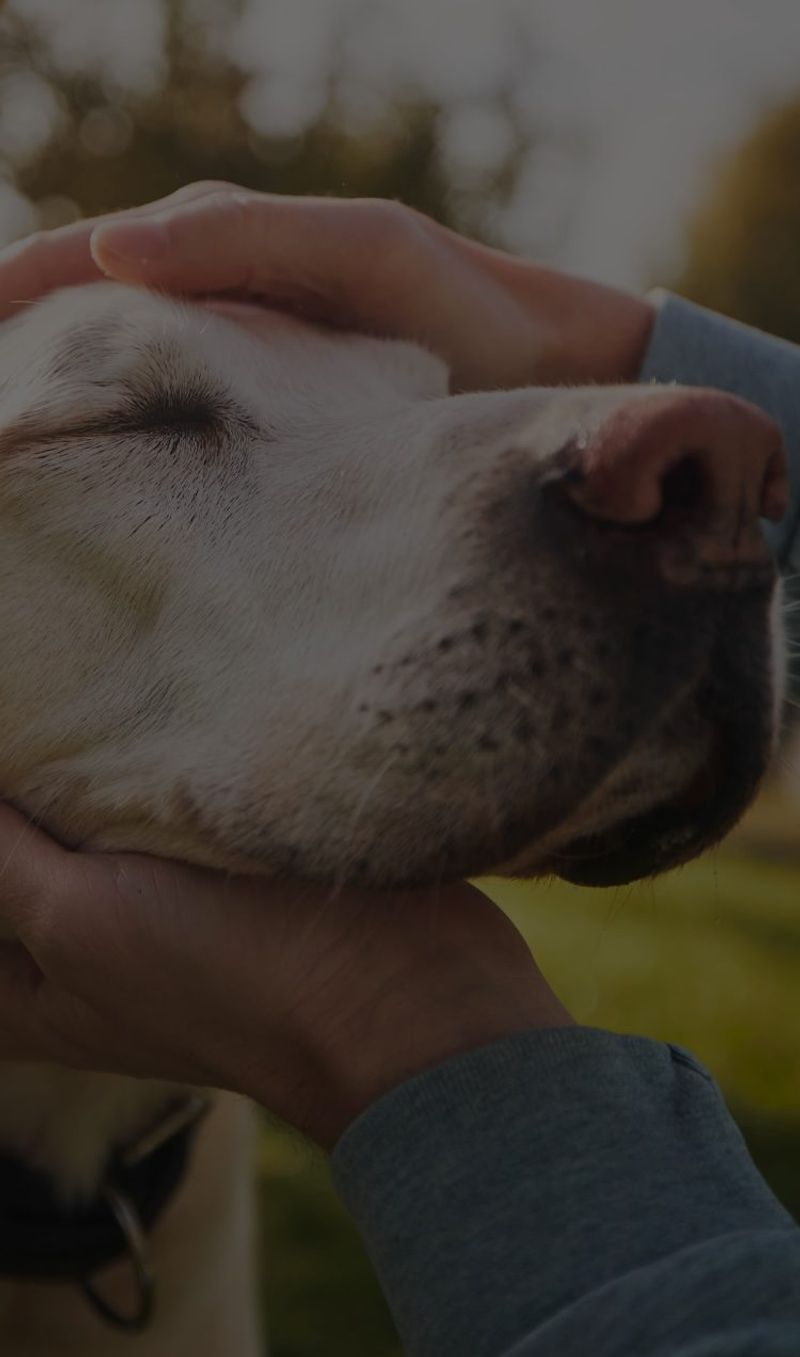
When love feels safe, affection requests look soft and polite. You will notice a quiet sit, a nudge, or a chin rest.
There is choice and patience, not frantic pawing or pushy jumping.
Meet that sweetness with consent based touch. Offer your hand, wait for lean in, then stroke along the chest and shoulders.
Keep sessions short and end while they still want more. If they step away, let them, and invite later.
This respectful rhythm tells your dog their voice matters, which builds confidence and joy. Love becomes a conversation, not a demand, and your connection deepens beautifully.
Over weeks, you will see softer eyes, calmer greetings, and easier settling during family downtime at home and on relaxed outings.
Resting belly-up nearby
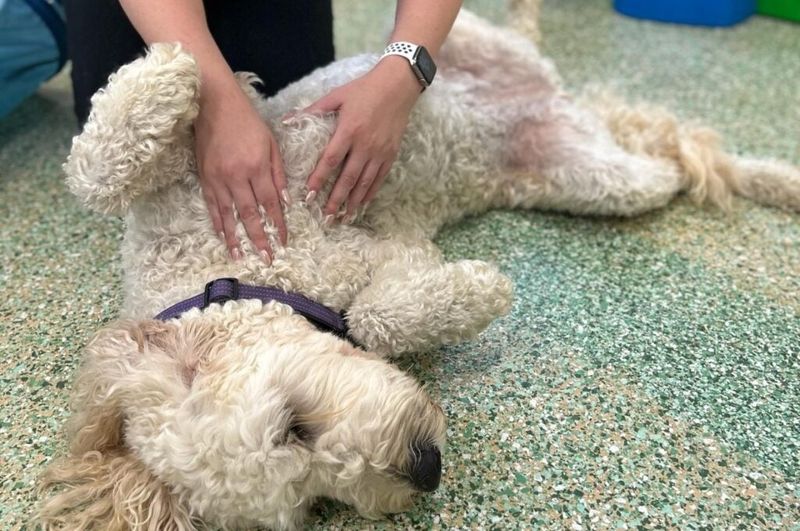
A dog who naps belly up near you is broadcasting trust. Exposed bellies are vulnerable, so this posture means safety.
The paws may flop, the tail may twitch, and their breathing turns slow and deep.
Resist the urge to tickle. Instead, observe quietly, or offer gentle rubs along the chest if invited.
If they stretch toward you while sighing, take it as a green light. That relaxed sprawl is a thermostat for emotional security.
Keep the room calm, dim bright lights, and let the moment linger. You are witnessing contentment, not submission, and it blossoms when kindness stays consistent.
Regular safe naps reshape stress patterns, improving digestion, immunity, and overall resilience during everyday life at home or while traveling lightly.
Recovering quickly after stress
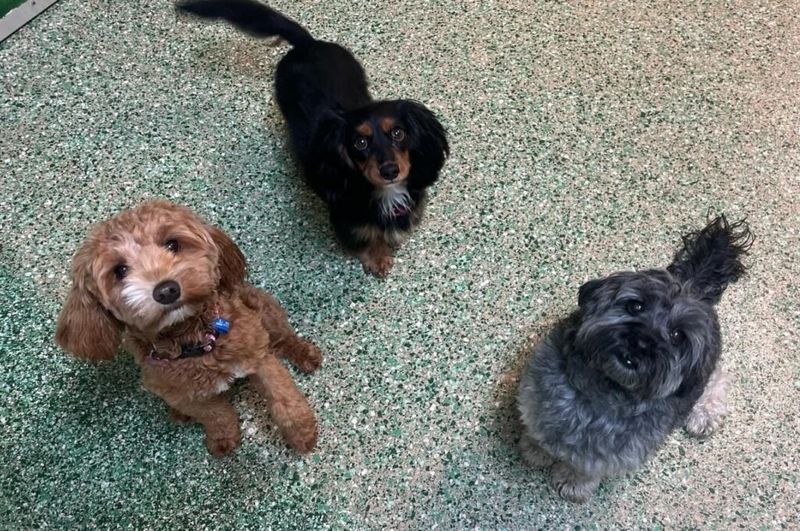
All dogs feel stress sometimes, but loved dogs bounce back faster. After a loud noise or brief scare, they shake off, sniff, and reengage.
That reset shows a nervous system supported by routine, connection, and compassionate handling.
You can help by lowering intensity, offering space, and modeling calm breaths. Ask for simple cues they love, then reward generously.
If recovery gets quicker each week, your relationship is strengthening. When stress lingers, consult a vet or trainer to rule out pain and build skills.
Progress is not linear, yet trust grows. Keep celebrating small rebounds, because resilience is learned through safe experiences.
Over time, your steady presence becomes the anchor that turns big feelings into manageable moments for your sensitive companion.
Following you without anxiety
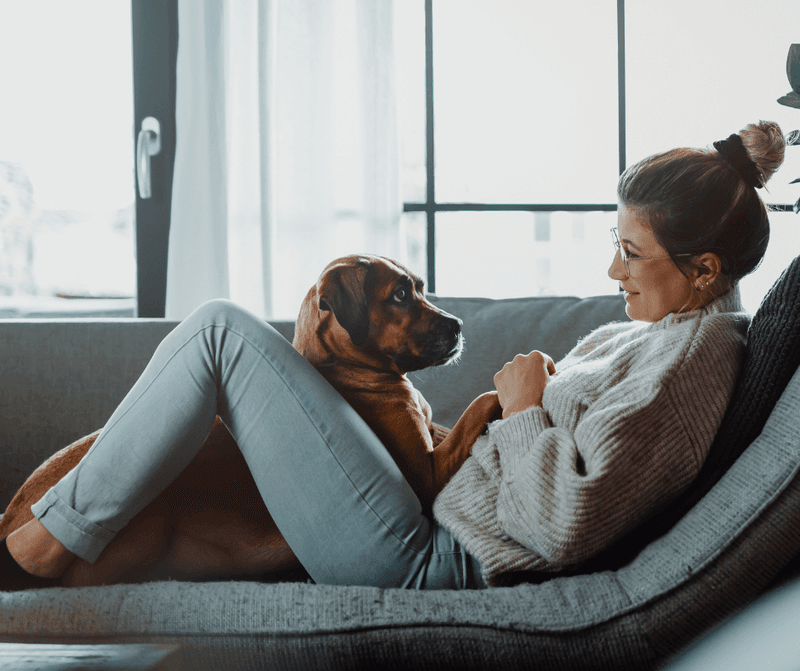
A secure companion may shadow you lightly, but not obsessively. They enjoy proximity without panicked pacing.
If you leave the room briefly, they pause, listen, then decide whether to join you or keep resting.
Build this confidence with predictable routines, short practice separations, and plenty of enrichment. Snuffle games, stuffed Kongs, and comfy beds teach independence.
Greet calmly when you reappear, so departures and returns stay ordinary. If worry spikes, shorten the gap and add support.
You are teaching, I come back, and life keeps flowing. That steady message replaces clinginess with trust and relaxed companionship.
Practice door drills, tiny absences, and transparent cues so your dog always knows what happens next, building confidence step by step each gentle day.
Showing playful behavior every day
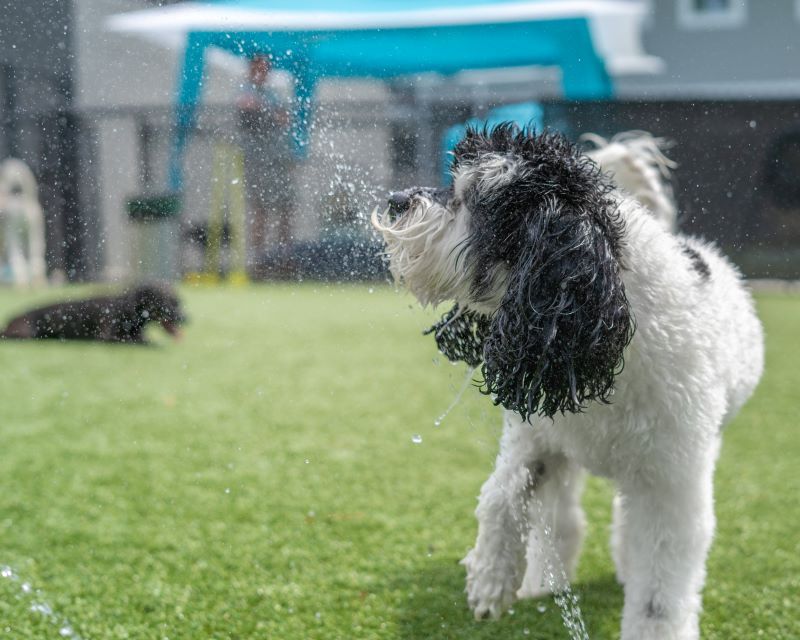
Play is the heartbeat of canine joy. Daily silliness means your dog feels safe enough to experiment.
You will see bows, spins, goofy zoomies, and creative games that invite you into the moment.
Nurture that spark with variety. Rotate toys, try nose work, and sprinkle in short training games with big jackpots.
Keep arousal manageable with breaks and water. If they offer play politely, answer with enthusiasm, then exit before they are overtired.
This teaches self regulation and secures the joy cycle. When play thrives, resilience grows, communication sharpens, and your bond feels delightfully alive.
Capture short videos, celebrate small wins, and keep sessions lighthearted so progress feels fun rather than pressure heavy, day after day in your shared routine.