
Some dogs whisper their worries instead of barking them out, and those whispers often look like everyday quirks. If you have ever wondered why your dog dodges your gaze or freezes like a statue, you are not alone.
Small, easy to miss behaviors can point to big feelings like fear, stress, and distrust. Learn the subtle signs so you can respond with calm guidance and build real confidence together.
Avoiding eye contact
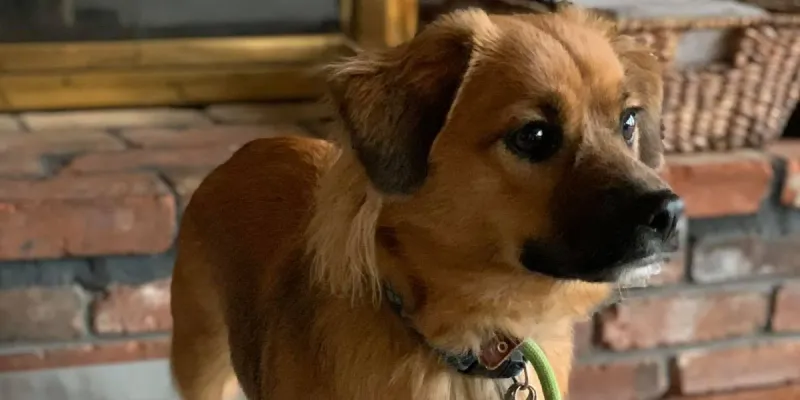
When a dog avoids eye contact, it often means, please give me space. Direct staring can feel threatening, so your pup may look away to defuse tension.
You might notice quick glances and a turned head, especially after correction or in busy environments. Respect the signal by softening your posture and blinking slowly.
Move a bit to the side rather than leaning over. Reward calm interest without forcing closeness.
Help your dog feel safer by pairing your presence with predictable routines. Offer treats from the ground so their choice leads the interaction.
Keep sessions short and end on a confident note. If avoidance persists, assess triggers like loud voices or crowded rooms.
Consistency, patience, and gentle guidance rebuild trust. Progress often looks quiet and steady.
Flinching when approached
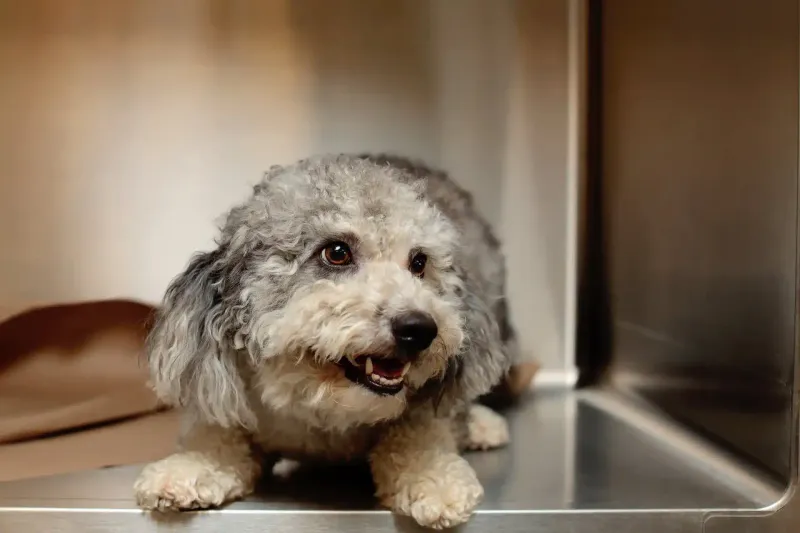
Flinching is a reflex that says I am unsure what comes next. Your dog might twitch, duck, or step back when a hand reaches in fast.
Sudden movements, looming bodies, or past rough handling can fuel that reaction. Approach from the side, not over the head.
Bend your knees, avert your gaze, and let your hand rest near, not on. Reward any voluntary step toward you.
Practice consent-based touch using a brief pet, then pause. If your dog leans in, continue.
If they freeze or retreat, slow down and try again later. Predictability lowers startle thresholds over time.
Pair calm approaches with soft words and tiny treats. Think small, slow, and safe.
Confidence grows when your dog controls distance.
Hiding frequently

Frequent hiding is a classic I need a break message. Dogs retreat under beds, behind couches, or into crates to escape pressure.
Noise, guests, conflicts with pets, or unpredictable handling can push them to seek cover. Honor the safe spot.
Do not drag your dog out or corner them. Instead, make retreats rewarding with a chew, water nearby, and a comfy mat.
Track patterns to identify triggers like time of day or specific activities. Lower overall stress by simplifying routines and adding quiet decompression walks.
Teach a relaxed settle on a mat away from traffic. Offer choices, like two safe resting areas.
Over time, proximity grows as trust strengthens. Celebrate small bravery, like a peek or step forward.
Freezing during interaction
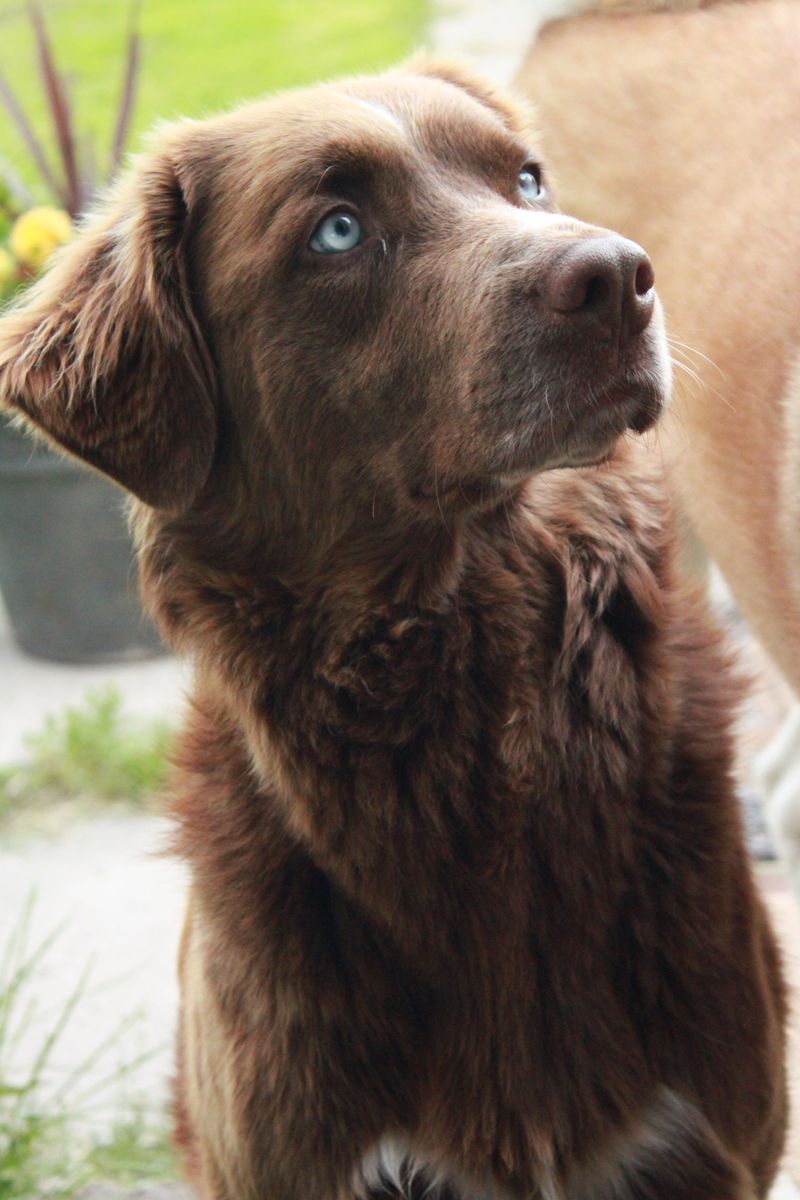
Freezing is the pause before flight or protest. Your dog may go still, close their mouth, and hold their breath when touched or cornered.
Many owners miss this because the dog is quiet. When you notice a freeze, stop what you are doing.
Step back, breathe, and invite movement away from pressure. Offer a treat toss to reset and encourage flow.
Use cooperative care techniques for grooming and handling. Teach a chin rest or a stationing mat so consent is clear.
If the dog leaves, respect that no. Gradually build duration with low-intensity steps. Track what preceded the freeze to reduce triggers next time.
Stills are data, not defiance. Safety and choice transform tense moments into trust-building practice.
Tail tucked around you
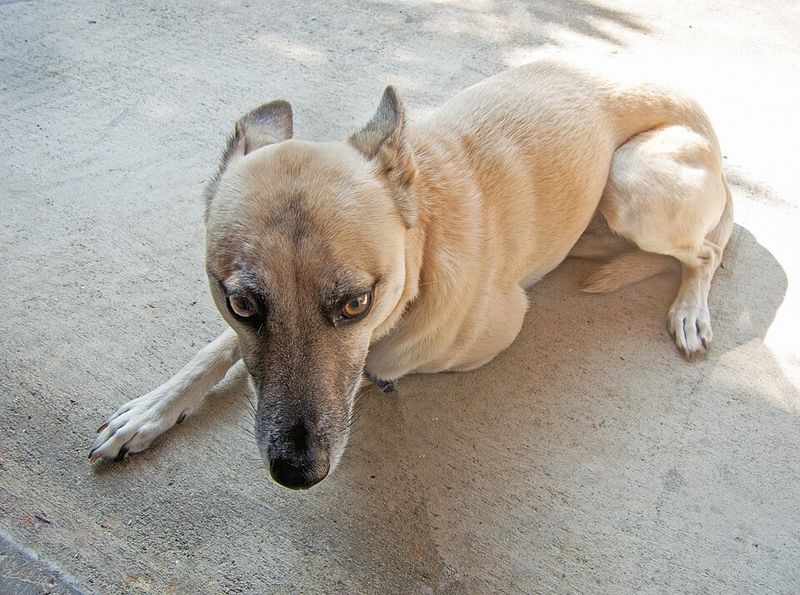
A tucked tail is a billboard for fear. It often wraps tight to the belly, with hips lowered and movement small.
You might also see lip licks and a closed mouth. Avoid crowding or scolding.
Turn sideways, speak softly, and create distance from whatever is worrying your dog. Add a gentle treat trail to help them disengage and explore.
Track when tucking appears, like near doorways, loud streets, or unfamiliar dogs. Keep sessions short and end early on success.
Reinforce brave choices with calm praise and food. A harness that allows natural movement can help too.
As your dog predicts safety, the tail loosens. Patience and predictable routines usually unfurl that tail over time.
Refusing affection
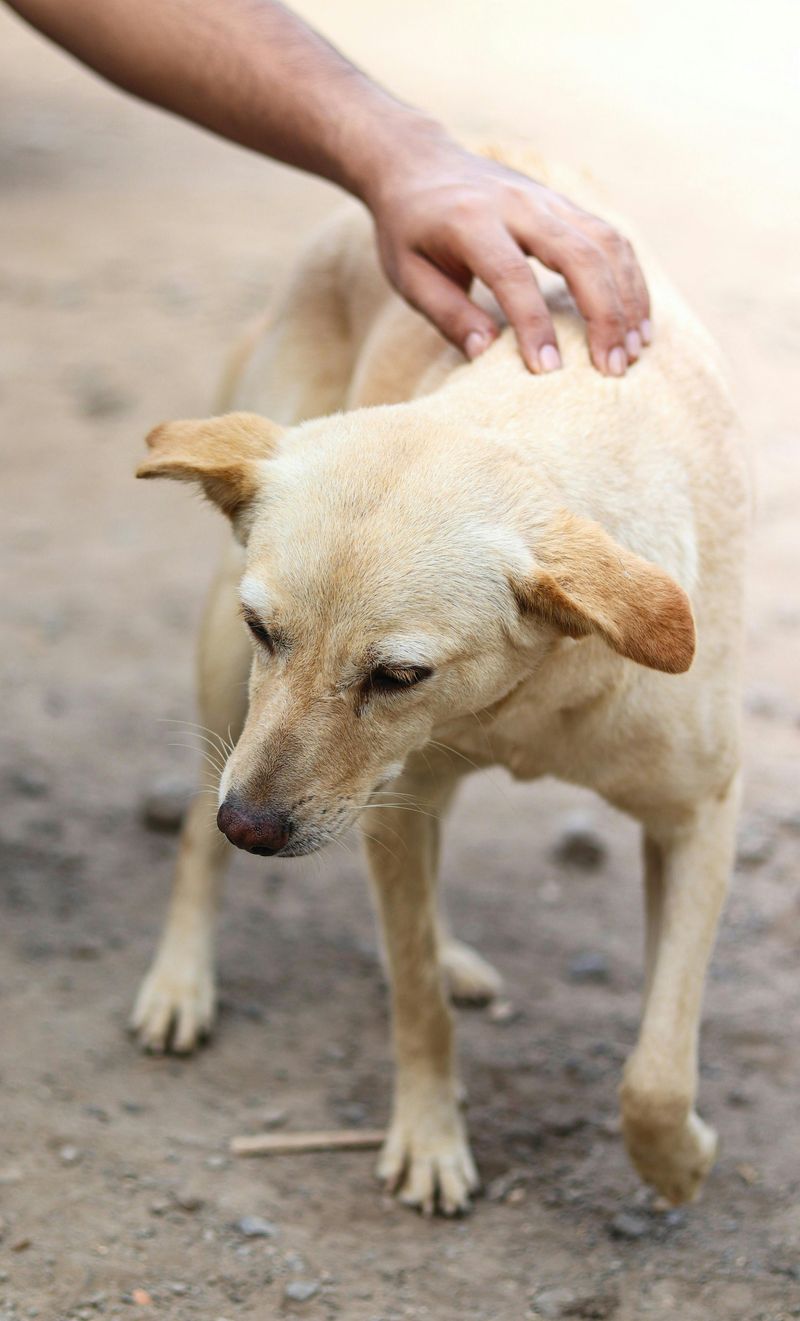
When a dog refuses affection, it is communication, not rejection. Turning the head, leaning away, or slipping off the couch says this touch is not right now.
Some dogs need slower approaches, fewer hands, and shorter sessions. Try asking for consent.
Offer your hand nearby and wait for a lean-in. Pet for two seconds, pause, and see if your dog requests more.
Respecting no today builds more yes tomorrow. Track preferred spots and pressure levels.
Many dogs enjoy gentle chest or shoulder strokes over head pats. Avoid hugging if your dog stiffens.
Pair light touch with treats and calm breathing. Comfortable handling grows from choice and predictability.
Connection deepens when you listen to subtle boundaries.
Submissive urination
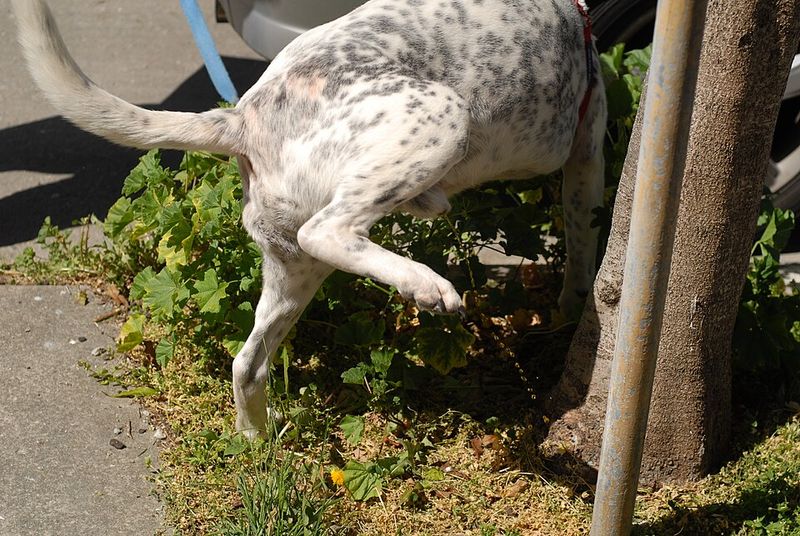
Submissive urination often appears during greetings or scolding. The dog squats slightly, ears back, and leaks a little as social pressure spikes.
It is not spite. It is appeasement.
Keep arrivals low-key. Ask guests to ignore your dog at first.
Crouch sideways, avoid looming, and toss treats to the floor to redirect emotions.
Build confidence with predictable routines and short, happy training wins. Teach alternative behaviors like hand targets for greeting.
Skip punishment, which intensifies the issue. Clean quietly with enzymatic cleaner and move on.
Over time, calmer people and consistent cues reduce accidents. Celebrate small successes like dry greetings and relaxed posture.
A softer world makes bladder control much easier.
Trembling without clear reason

Trembling can signal fear, pain, or chronic stress even in quiet environments. You might see fine muscle quivers, tucked limbs, and a tight jaw.
First, rule out medical causes with your vet. If health checks are clear, address context.
Loud sounds, separation, or new spaces can spark shakes. Lower intensity by adding distance, white noise, and predictable routines.
Teach soothing skills like a settle on a mat, slow sniff walks, and food puzzles. Pair calm environments with gentle touch your dog actually enjoys.
Keep training short and success-heavy. Track triggers in a journal to spot patterns.
If trembling persists, consult a behavior professional for a personalized plan. Compassion plus structure helps those shakes fade.
Avoiding certain rooms or objects
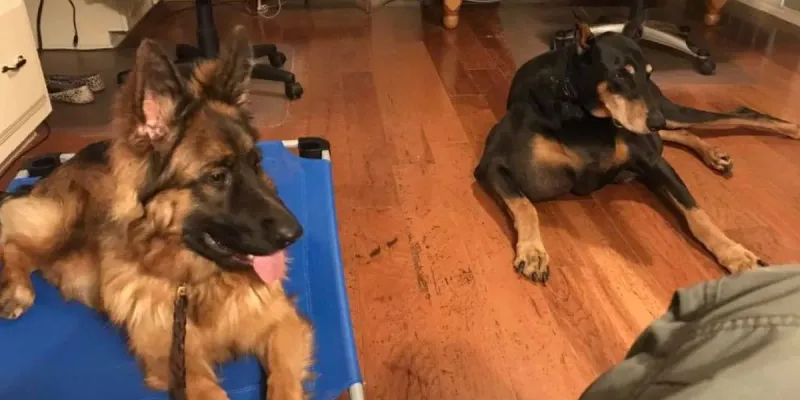
A dog that avoids specific rooms or objects is navigating fear maps. Slippery floors, noisy appliances, or past scares can anchor worry to a place.
Forcing entry increases stress. Instead, turn thresholds into choice-rich zones.
Scatter a treat trail that starts far away and ends before the scary thing. Keep sessions short and upbeat.
Use texture paths like rugs to bridge slippery surfaces. Break tasks into tiny wins, rewarding each step toward comfort.
Park the vacuum quietly and feed meals at a visible distance. Add play and sniffing to reframe the space.
Over time, your dog writes a new, safer story. Patience, control over distance, and kindness unlock hesitant paws.
Excessive licking from stress
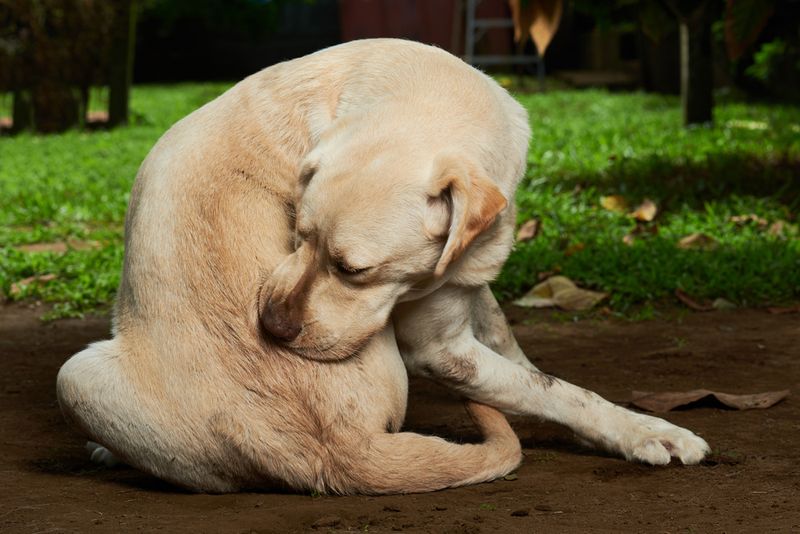
Stress licking can look like constant lip flicks or paw licking that stains fur. It is often a displacement behavior saying I am overwhelmed.
Watch for patterns around guests, arguments, or noisy times. Help by reducing pressure and giving a calm outlet.
Offer a lick mat with tasty spread to channel the urge constructively. Keep sessions brief and relaxing.
Address root triggers with predictable schedules, gentle exercise, and rest. Teach simple behaviors that earn rewards, like sit or hand target, to provide control.
Use vet guidance if skin irritation appears. Enrichment like sniff walks and puzzle feeders can drop baseline stress.
Track improvements across days, not hours. Little changes add up to healthier skin and calmer minds.
Running away when called
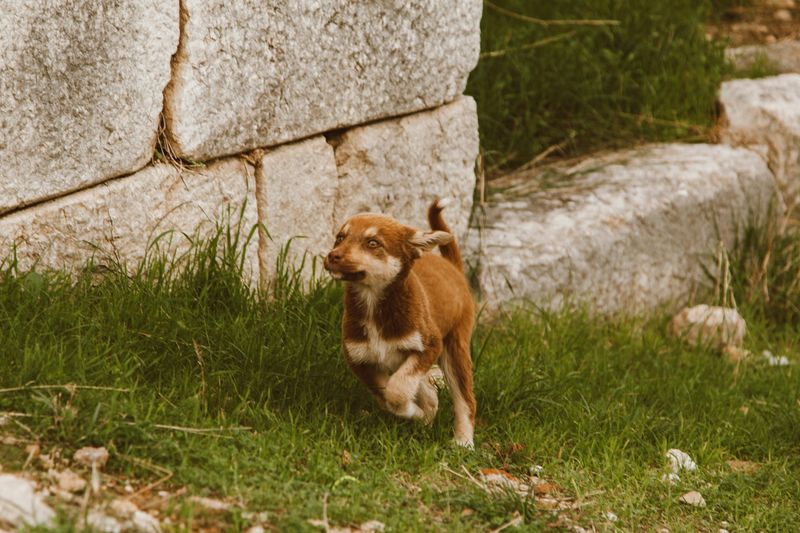
When a dog bolts instead of coming, it may fear the outcome of capture. If recall ends with scolding, bath time, or crate confinement, avoidance grows.
Change the story. Call once in a cheerful voice, then move backward.
Reward arrivals with great treats and let freedom continue. Often the best prize is release to play again.
Practice easy wins indoors and in fenced spaces. Use long lines to keep safety while preventing rehearsed runoffs.
Never chase. Instead, be interesting and predictable.
Pair your recall word with generous pay and fun. Gradually add distractions while protecting success.
Trust blooms when coming to you always pays and rarely ends the party.
Low posture and pinned ears
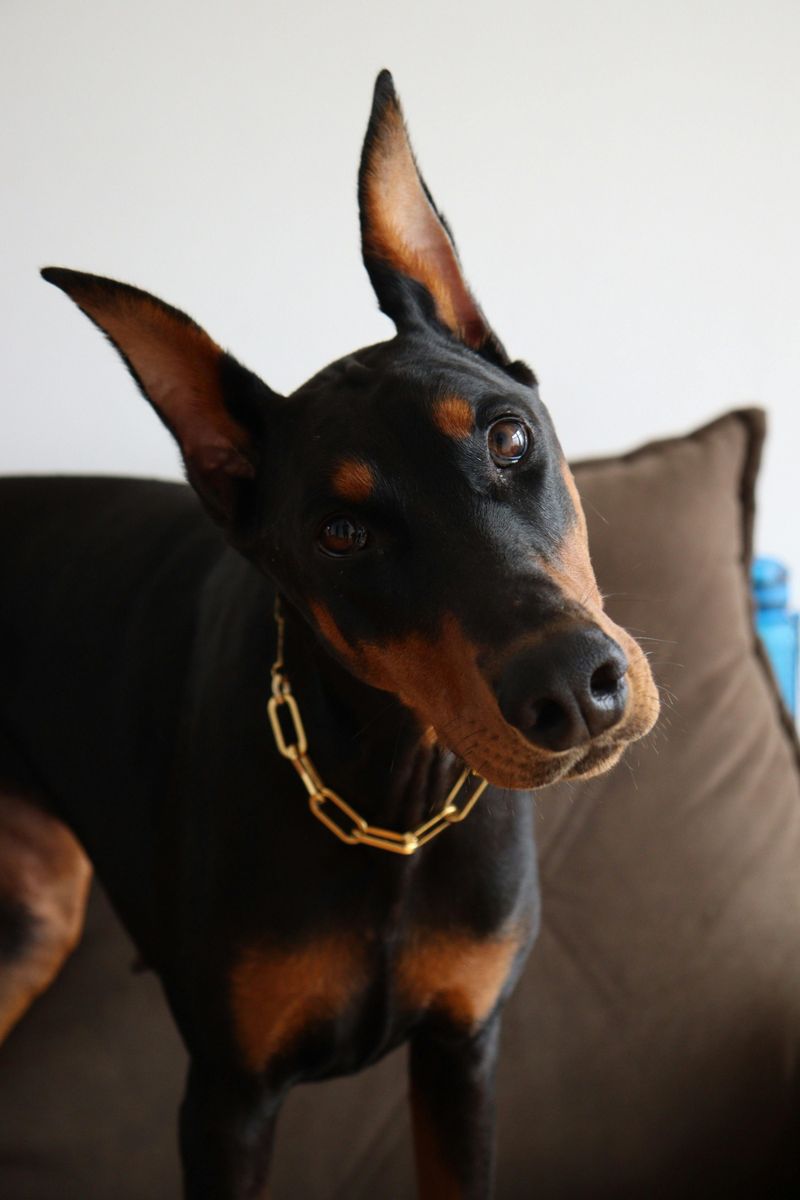
A low, crouched posture with ears pinned back is a full-body whisper of fear. Movement gets smaller, steps are careful, and the back may curve.
You might also see slow blinking and tucked tail. Meet this with space and safety.
Turn your body sideways, avoid reaching, and speak softly. Use food on the floor to encourage choice-driven approach.
Rebuild confidence through predictable micro-adventures. Short sniff walks, easy training reps, and calm social exposures help.
Keep intensity below threshold so learning feels safe. Track small improvements, like ears halfway up or a looser back.
Skip punishment, which deepens fear. Consistency and gentle handling lift posture over time, revealing a more relaxed, resilient dog.