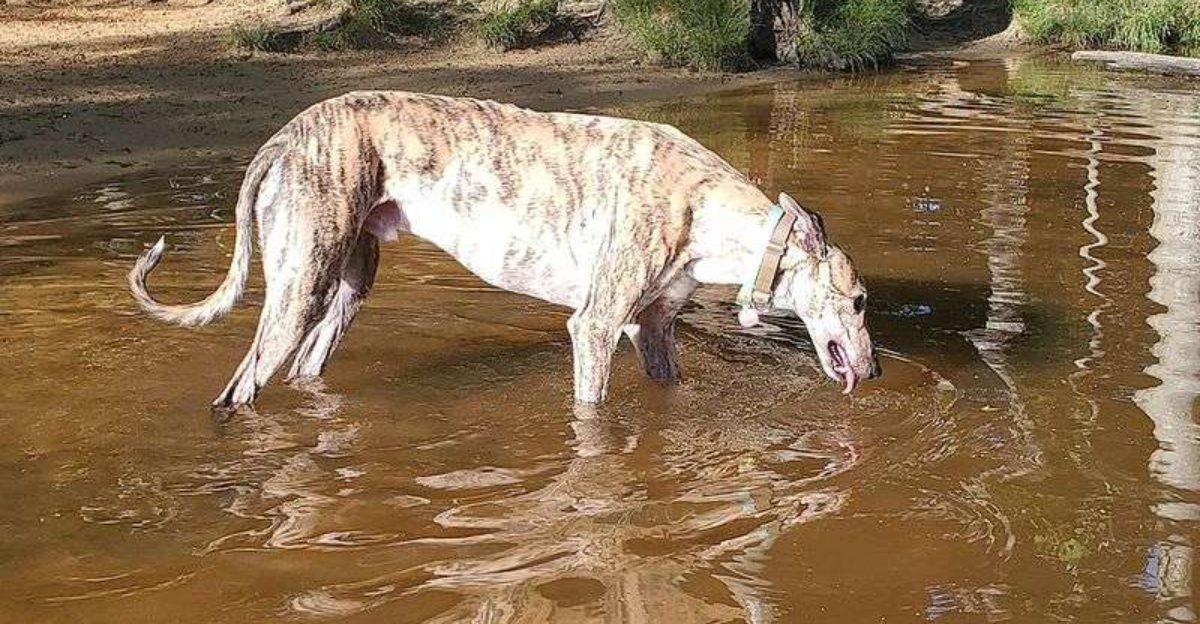
Some dog breeds are more sensitive to touch around the neck and shoulders, making traditional collars uncomfortable for them. Discover these breeds and learn about alternatives that prioritize comfort and well-being.
Greyhound
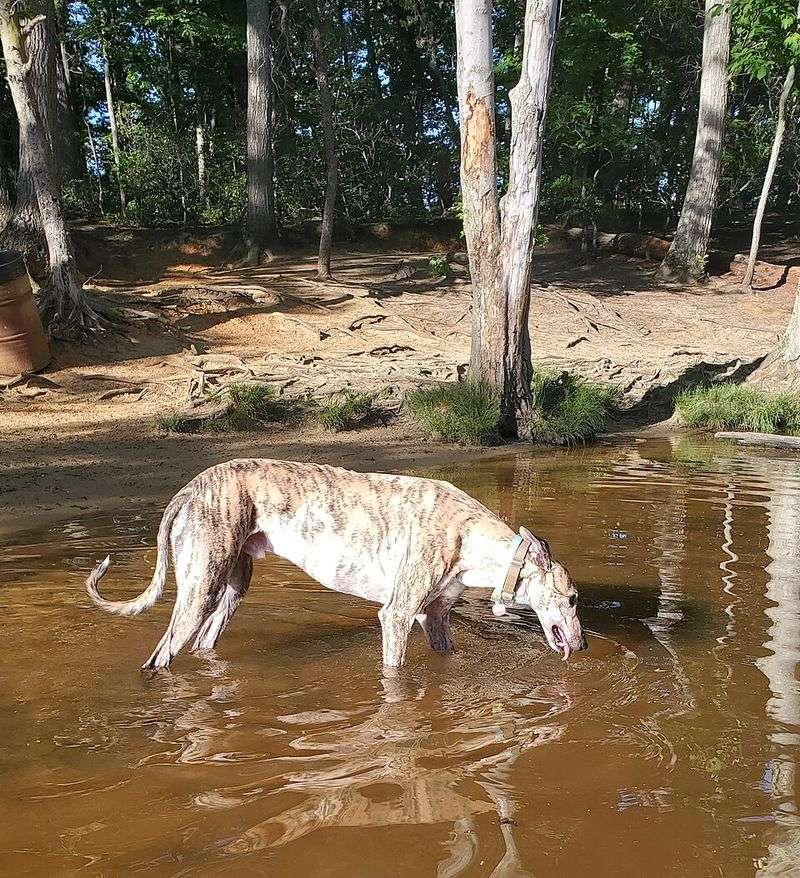
With their elegant, slim frames, Greyhounds are known for their speed and gentle demeanor. Their sensitivity around the neck area means they often prefer harnesses over traditional collars. A harness provides a more even distribution of pressure, protecting their delicate necks.
Greyhounds have a long history as racing dogs, but they also make affectionate companions. Their short coats and slim bodies mean they benefit greatly from comfortable and well-fitted harnesses. Opt for a padded harness to ensure maximum comfort and support for this graceful breed.
When choosing a harness, prioritize adjustable straps for a secure fit.
Scottish Deerhound
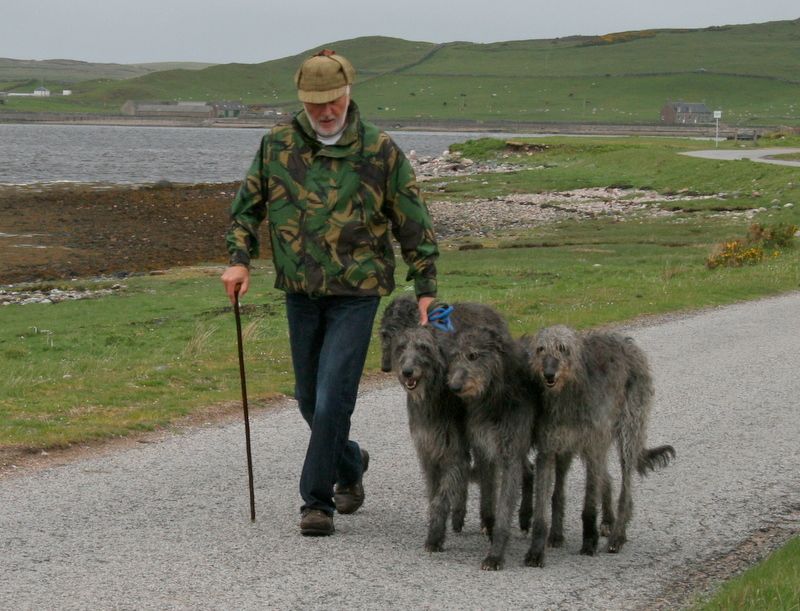
The Scottish Deerhound, with its regal appearance, exudes calm and grace. Known for its sensitivity around the neck, this breed benefits from wearing a harness rather than a collar. A harness alleviates unnecessary pressure on their necks and shoulders.
Historically, these dogs were used to hunt deer, and their sensitivity might be linked to their refined nature. When selecting a harness, choose one with cushioned padding and sturdy construction to accommodate their size.
Adjustability is key, ensuring that the Deerhound can move freely without constraint or discomfort.
Sloughi
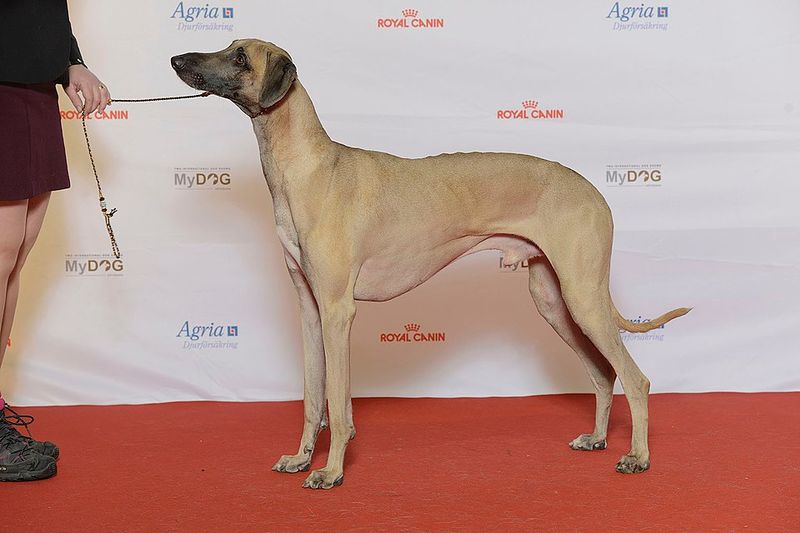
Sloughis, often referred to as Arabian Greyhounds, are elegant and athletic. Their slim necks are best suited to harnesses that distribute pressure evenly. A harness helps protect their sensitive necks while allowing them the freedom to roam.
These hounds have a storied past in North Africa, where they were prized for their hunting abilities. The Sloughi’s slender build requires a harness that is both lightweight and supportive.
Look for harnesses with breathable materials that won’t hinder their movement or cause discomfort during their active pursuits.
Azawakh
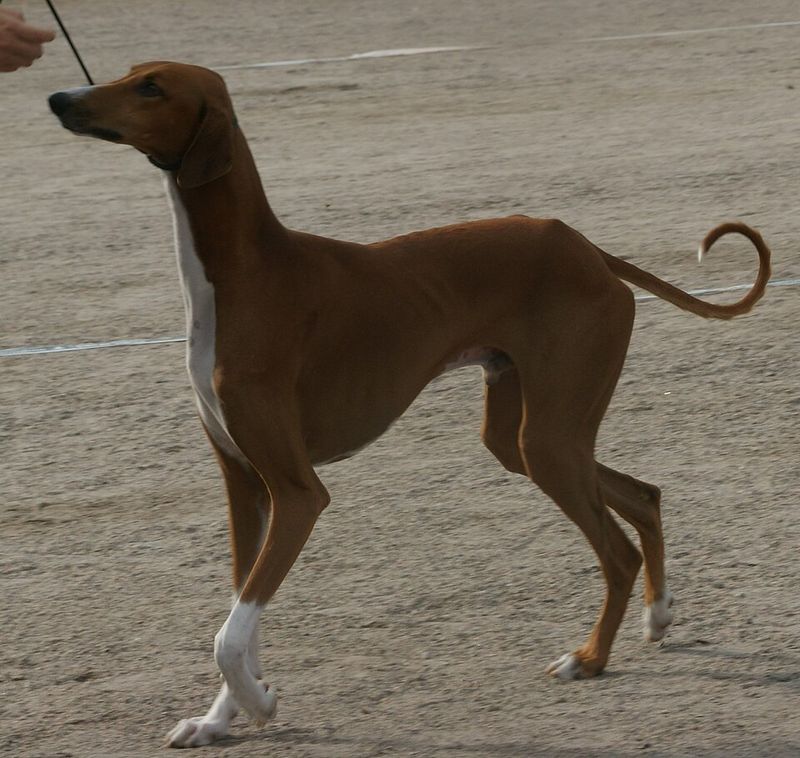
The Azawakh, with its strikingly lean physique, is a breed known for both elegance and sensitivity. Traditional collars can be uncomfortable, so a harness is a more suitable option. This alternative ensures even pressure distribution, safeguarding their delicate necks.
Originating from the Sahel region of Africa, these dogs are used to wide-open spaces and require a harness that allows for uninhibited movement. Opt for a design that is both sturdy and lightweight.
Consider harnesses made from soft, breathable fabric to keep the Azawakh comfortable during long walks.
Galgo Español
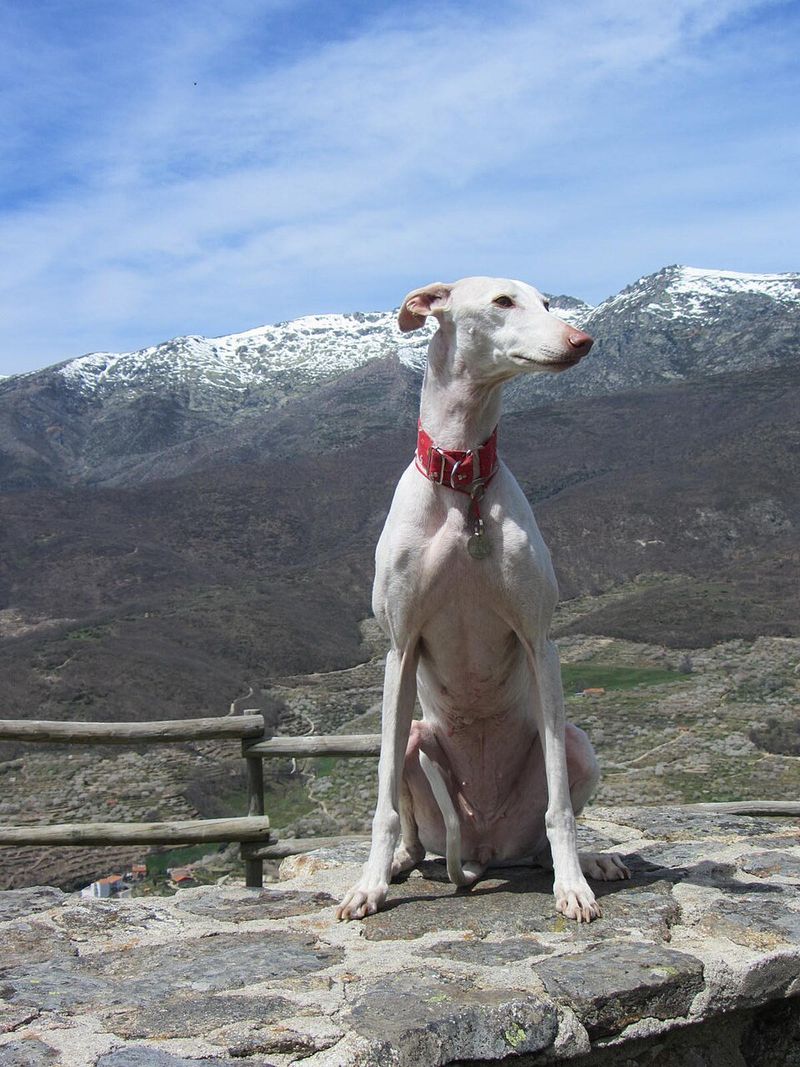
Galgos Españoles, known for their gentle and reserved nature, are sensitive around their necks. A well-fitted harness is preferable to a collar, offering comfort and preventing unnecessary strain.
With roots in Spain, these hounds have a history of hunting alongside humans. Their lean build demands a harness that is comfortable yet secure.
Select a harness with adjustable features to accommodate their slender frames, ensuring they can explore freely without discomfort or restraint.
Pharaoh Hound
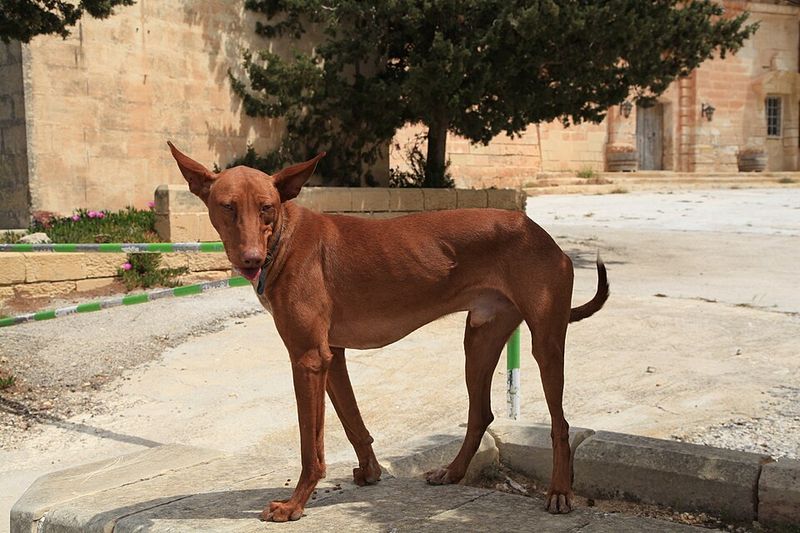
Pharaoh Hounds, with their graceful and sleek body, thrive when their comfort is prioritized. A harness is an excellent alternative to a collar, providing security without pressuring their sensitive necks.
These dogs, with their origins in ancient Egypt, are known for their keen hunting skills and independent nature. A harness that respects their build is essential for their comfort.
Choose a durable yet lightweight harness, ensuring it accommodates their active and playful tendencies without causing irritation.
Cirneco dell’Etna
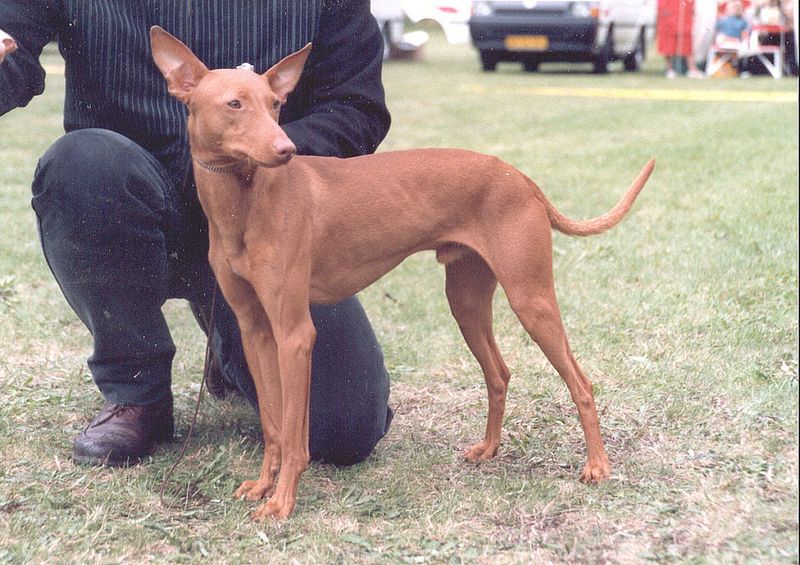
The Cirneco dell’Etna, an agile breed from Sicily, possesses a delicate neck that benefits from the use of a harness. This helps prevent discomfort during walks and ensures freedom of movement.
These dogs are known for their lively and inquisitive nature, traits that require a harness offering support without restriction. Their athletic build means they need reliable, comfortable gear.
Opt for a harness that complements their energetic lifestyle, with features like adjustable straps and breathable materials to maintain their contentment.
Thai Ridgeback
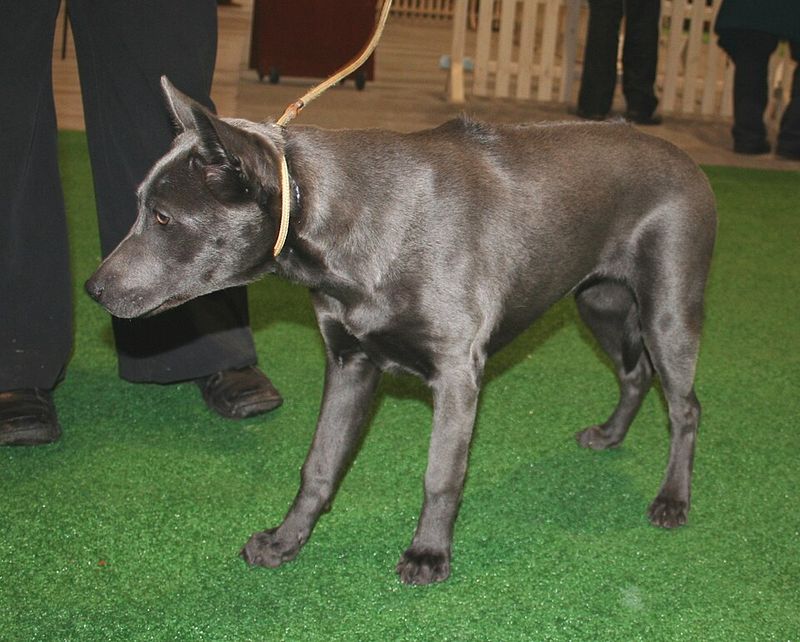
Thai Ridgebacks are known for their distinctive appearance and independent spirit. A harness is a practical choice for these dogs, offering comfort without placing strain on their sensitive necks.
This breed hails from Thailand, where they were used as working dogs, making them agile and alert. Selecting the right harness involves choosing one that matches their active lifestyle.
Focus on a harness that is robust yet comfortable, with features that adapt to their movements and provide a secure fit.
Rhodesian Ridgeback
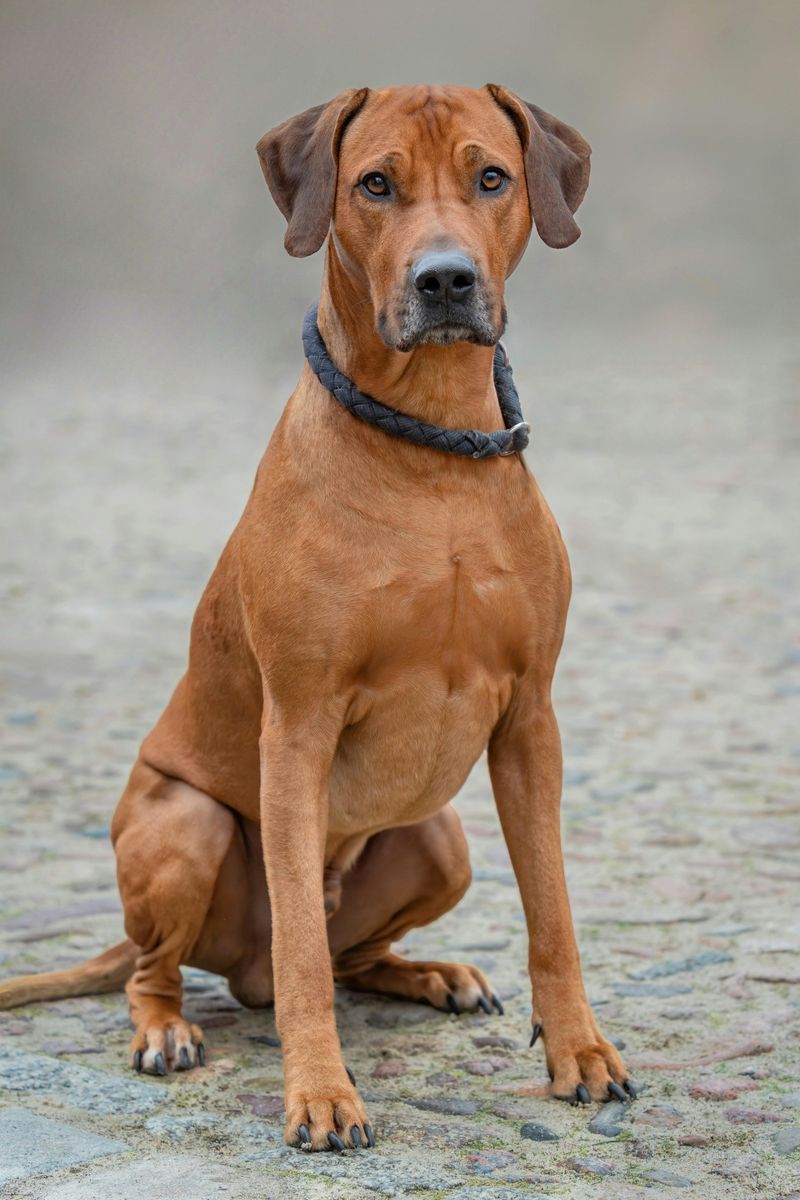
The Rhodesian Ridgeback, with its strong and muscular build, is a breed that benefits from a harness instead of a collar. This change helps avoid pressure on their sensitive neck area.
Originally bred in Southern Africa, these dogs are known for their hunting prowess and protective instincts. A harness that complements their strength and agility is essential.
Choose a harness that is both sturdy and comfortable, ensuring ease of movement and minimal irritation for these dynamic dogs.
Xoloitzcuintli
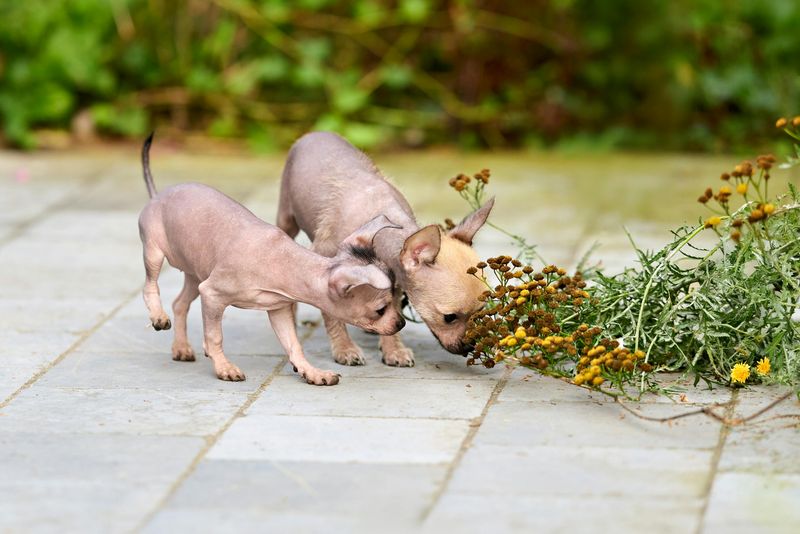
The Xoloitzcuintli, often called the Mexican Hairless, is sensitive around the neck, making a harness the preferred choice. This option offers comfort while protecting their delicate skin.
As one of the world’s oldest and rarest breeds, Xolos have a unique appearance and calm demeanor. A harness that suits their individual needs is crucial for their comfort.
Opt for a design that is gentle yet secure, with materials that prevent chafing and allow for freedom of movement during walks.
Peruvian Inca Orchid
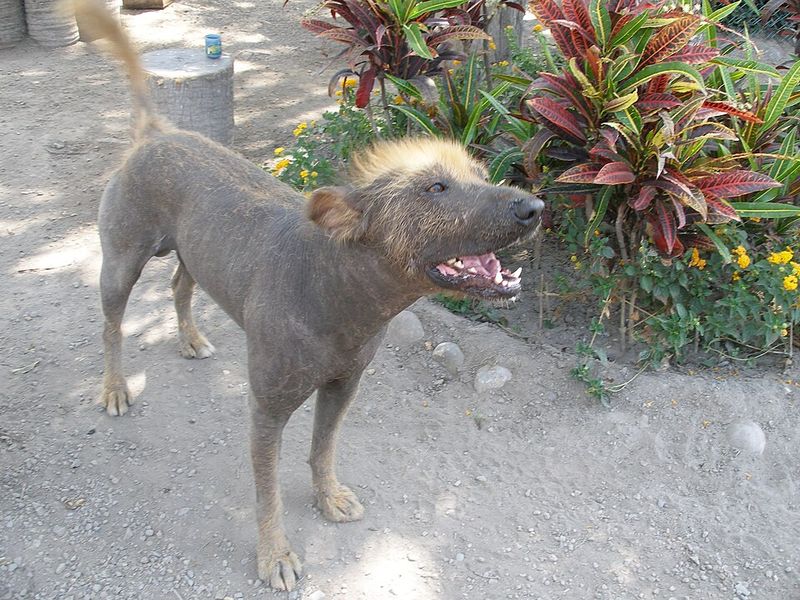
The Peruvian Inca Orchid is a breed that exudes elegance and sensitivity. A harness is ideal for them, as it avoids discomfort around their sensitive neck and shoulders.
Originating from Peru, these dogs are known for their unique appearance and affectionate nature. Choosing the right harness involves finding one that is soft and supportive.
Look for harnesses made from gentle materials that accommodate their skin and ensure a secure, comfortable fit without irritation.
Eurasier
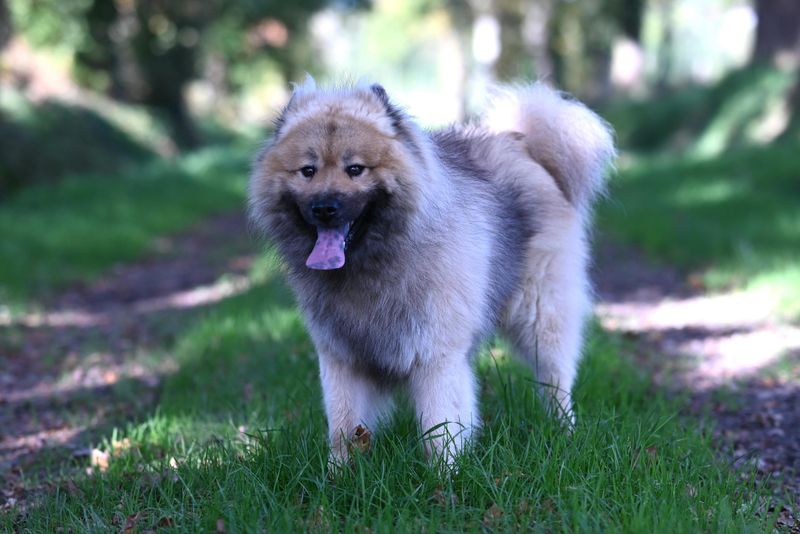
Eurasiers, with their thick coats and warm demeanor, benefit from the use of a harness to avoid discomfort around their necks. A harness aids in providing security during walks without adding pressure.
These dogs, known for their loyalty and calm presence, hail from Germany and were bred for companionship. Selecting a harness involves considering their coat and ensuring ease of movement.
Choose a harness with generous padding and adjustable features to accommodate their build and keep them comfortable and content.