
Starting a new job or a busy school schedule can change life for your dog overnight. Some breeds handle quiet hours just fine, but others struggle with boredom, loneliness, or too much energy.
Getting ready ahead of time can save your couch, your shoes, and your dog’s happiness. Here are the breeds that often need a little extra planning before those long days begin.
Boxer
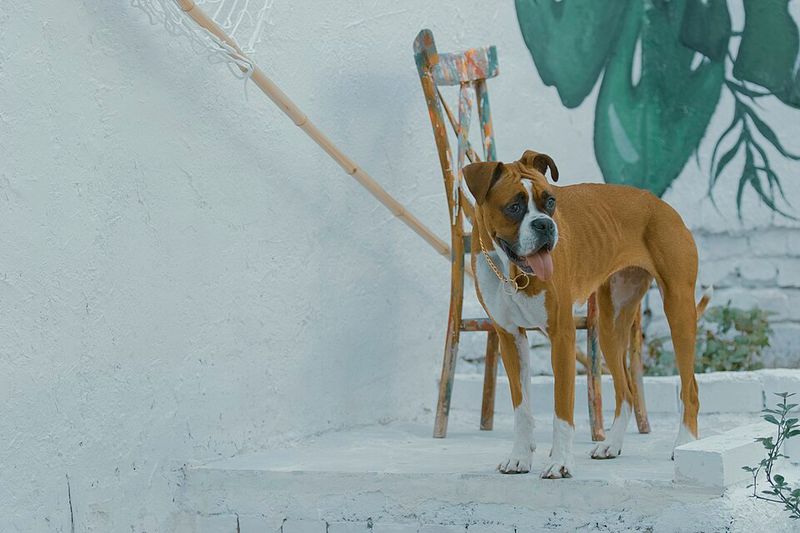
Picture a goofy clown with springs in its legs. Boxers bounce, wiggle, and play well into adulthood, so a quiet empty house can feel like torture to them.
Before your schedule changes, build a solid morning routine with a brisk walk or fetch session. A tired Boxer is a calm Boxer.
Puzzle feeders and a midday dog walker can also help. Practice short absences first, then slowly stretch the time apart.
English Springer Spaniel
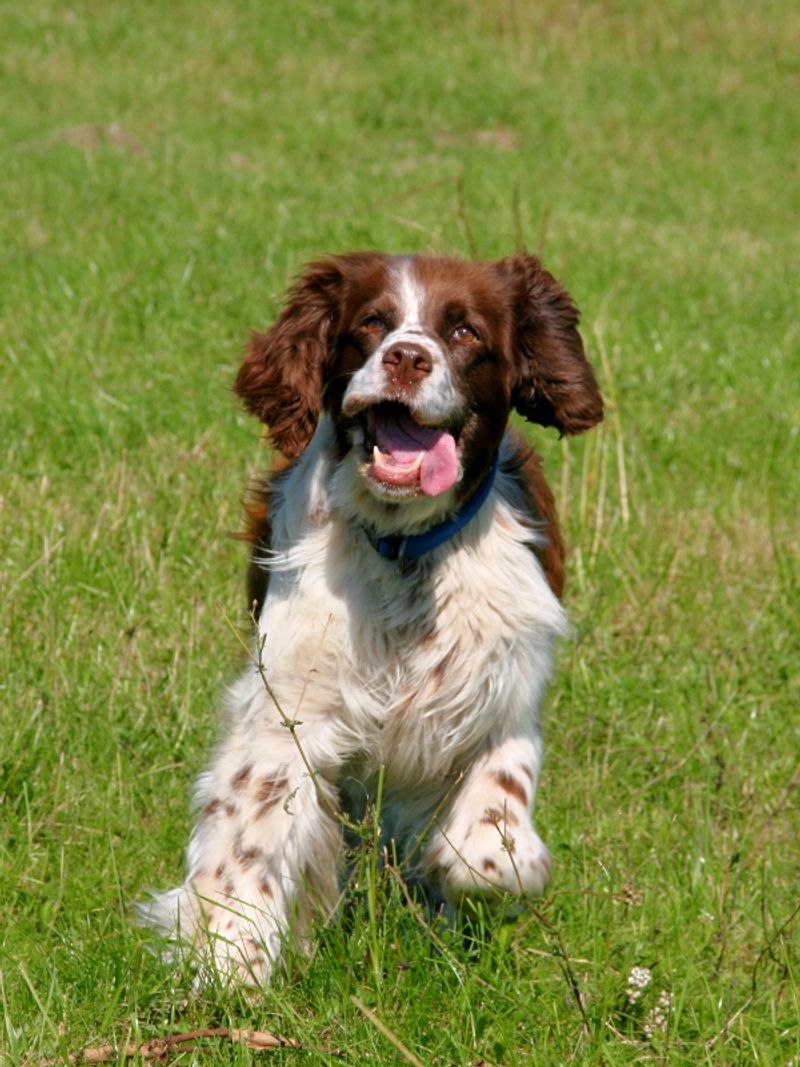
Bred to flush birds from thick brush, the English Springer Spaniel has a nose that never takes a day off. Without a job, that busy brain may invent one, like shredding pillows.
Give your Springer scent games before you leave. Hide treats around the house for a fun search.
Many owners also find that doggy daycare twice a week keeps this cheerful hunter balanced and much less likely to bark the afternoon away.
German Shepherd
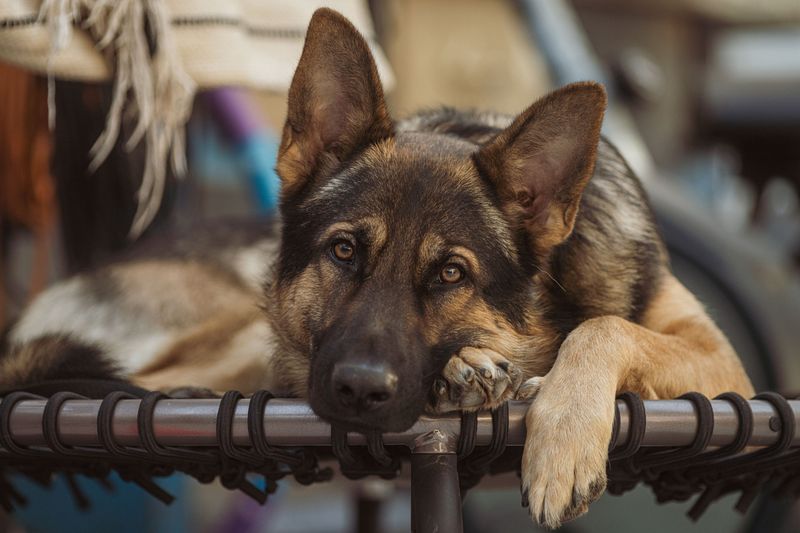
Did you know German Shepherds were among the first dogs trained to guide blind people? That loyalty is amazing, but it can turn into stress when their favorite human disappears for hours.
Start crate or room training early so your dog sees its space as safe. Mix in obedience drills to work its sharp mind.
A sturdy chew toy and a window view can make waiting feel less lonely for this devoted watchdog.
Cocker Spaniel
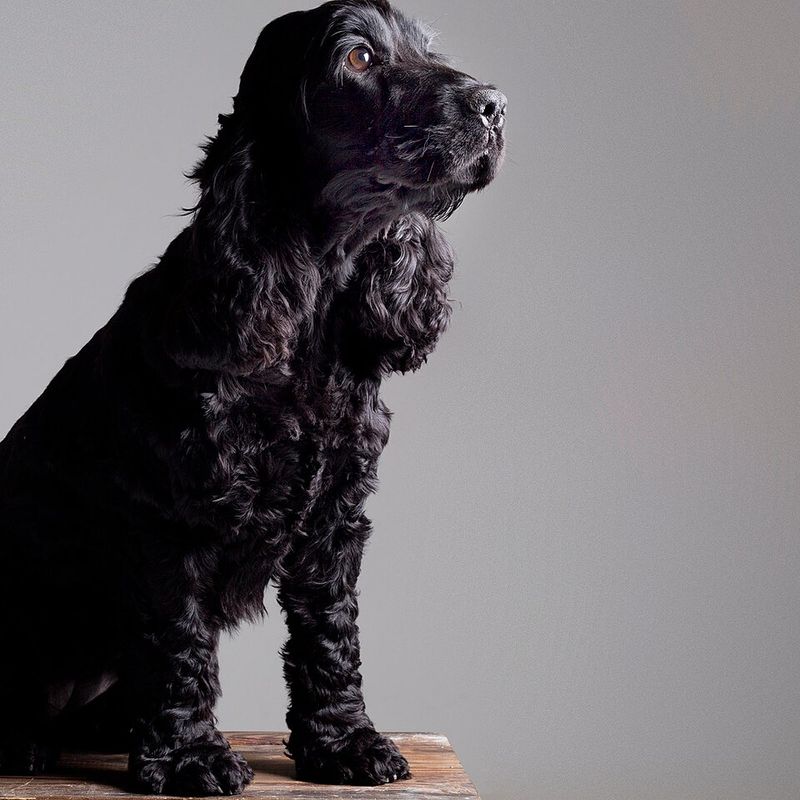
Those soulful eyes are not just for show. Cocker Spaniels are true lap lovers who often follow their people from room to room.
Because they bond so tightly, sudden long absences can lead to whining or chewing. Try leaving a worn T-shirt in their bed so your scent stays close.
Calm goodbyes help too. Skip the dramatic farewells, and keep homecomings low-key so your Cocker learns that you always come back.
Staffordshire Bull Terrier
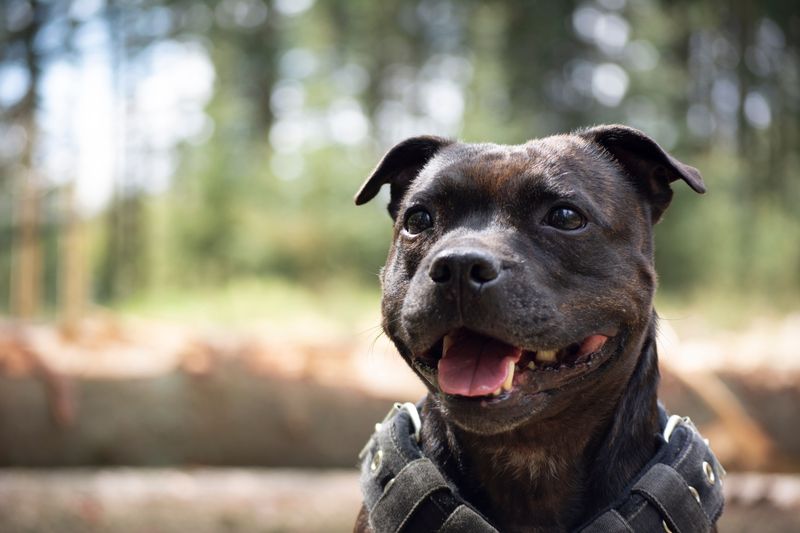
Known in England as the nanny dog, the Staffie is a muscular cuddle bug who craves people time more than almost anything.
Strong jaws plus boredom can spell trouble for furniture. Stock up on tough rubber toys built for power chewers.
A long walk or tug game before work burns off that famous energy. If possible, pop home at lunch or ask a friendly neighbor to visit.
Your Staffie will reward you with endless wiggles.
Poodle
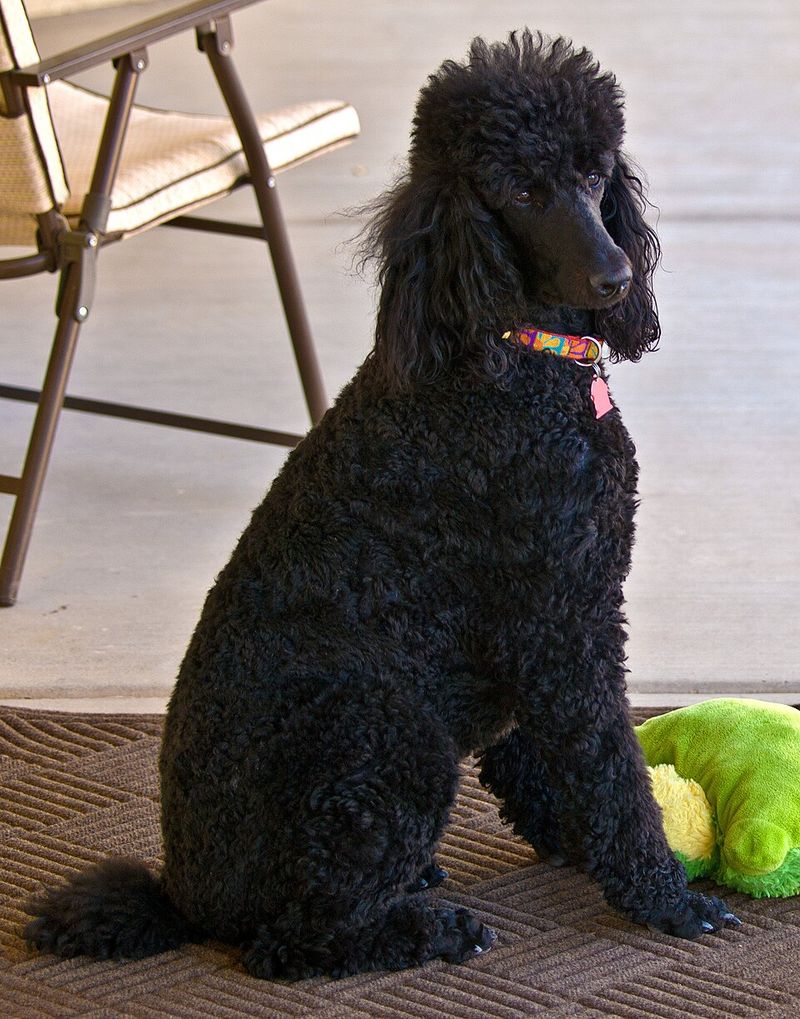
Fancy haircuts fool a lot of folks. Underneath all that fluff, Poodles rank among the smartest breeds on the planet, and smart dogs get bored fast.
Teach new tricks in the evenings and rotate puzzle toys so nothing feels stale. Five minutes of training can tire their brains like a long jog.
Toy and miniature Poodles may also need potty breaks more often, so plan for a sitter or indoor pad during long shifts.
Australian Shepherd
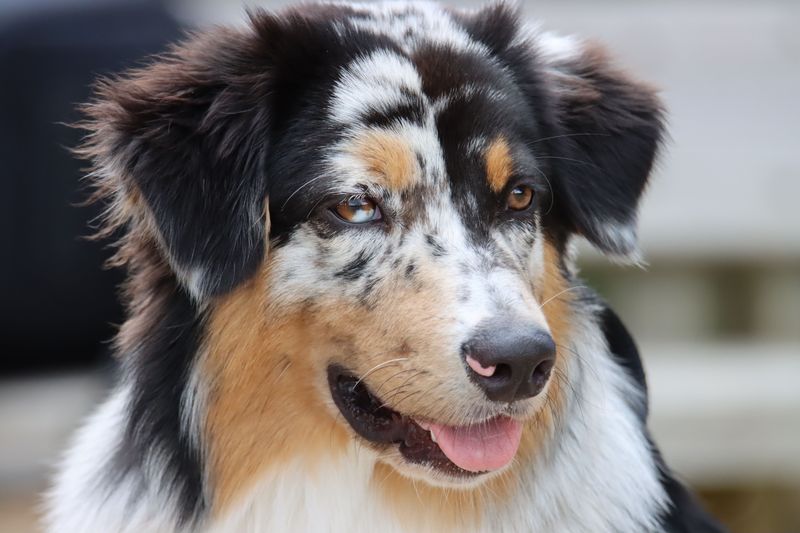
Here is a fun twist: the Australian Shepherd was actually developed in the American West, not Australia. Ranchers needed a tireless herder, and they got one.
An Aussie with nothing to do might herd your cat, dig holes, or bark nonstop. Plan serious daily exercise like running, hiking, or agility practice.
Long workdays usually call for a dog walker or daycare. Honestly, this breed thrives best with an active family around.
Labrador Retriever
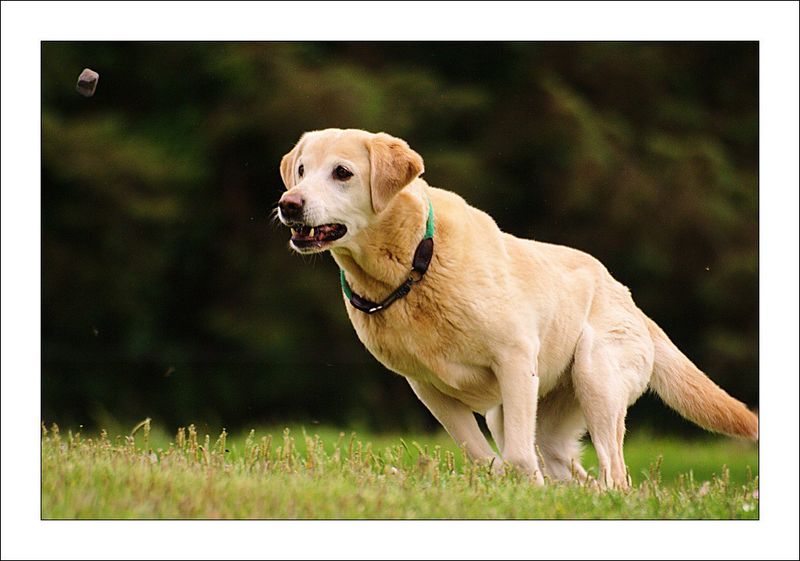
America’s favorite family dog for decades, the Lab is friendly to everyone and loves being part of the action.
Young Labs, though, are chewing machines. Puppy-proof your home by hiding cords, shoes, and anything edible within reach.
A frozen treat-stuffed toy can keep a Lab happily busy for a good while. Remember that this breed also tends to overeat when bored, so measure food carefully and avoid leaving snacks out all day.
Pomeranian
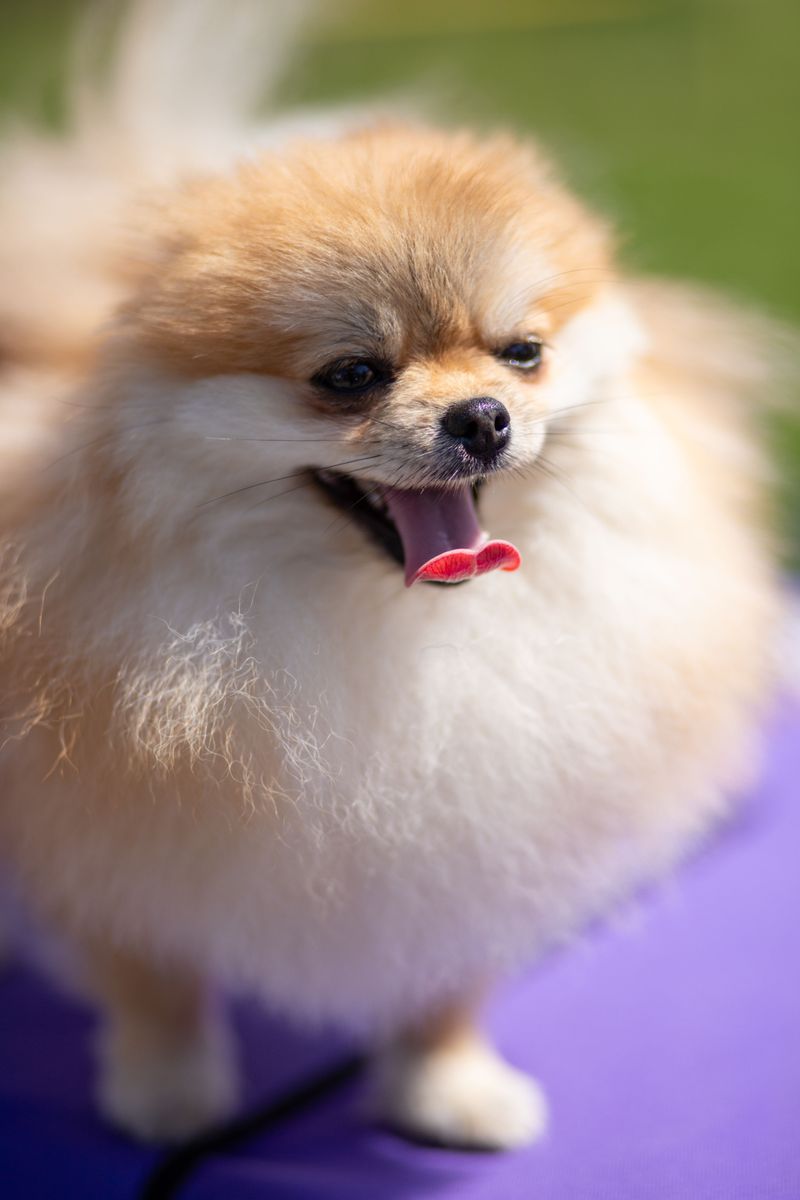
Tiny body, giant opinions. Pomeranians act like they are guard dogs ten times their size, and they will happily tell the whole street about every passing squirrel.
When left alone, that barking can bother neighbors. Close blinds or use a frosted window film to cut down on triggers.
Soft music or a white noise machine helps too. Small bladders also mean more bathroom breaks, so set up a potty spot indoors.
Italian Greyhound
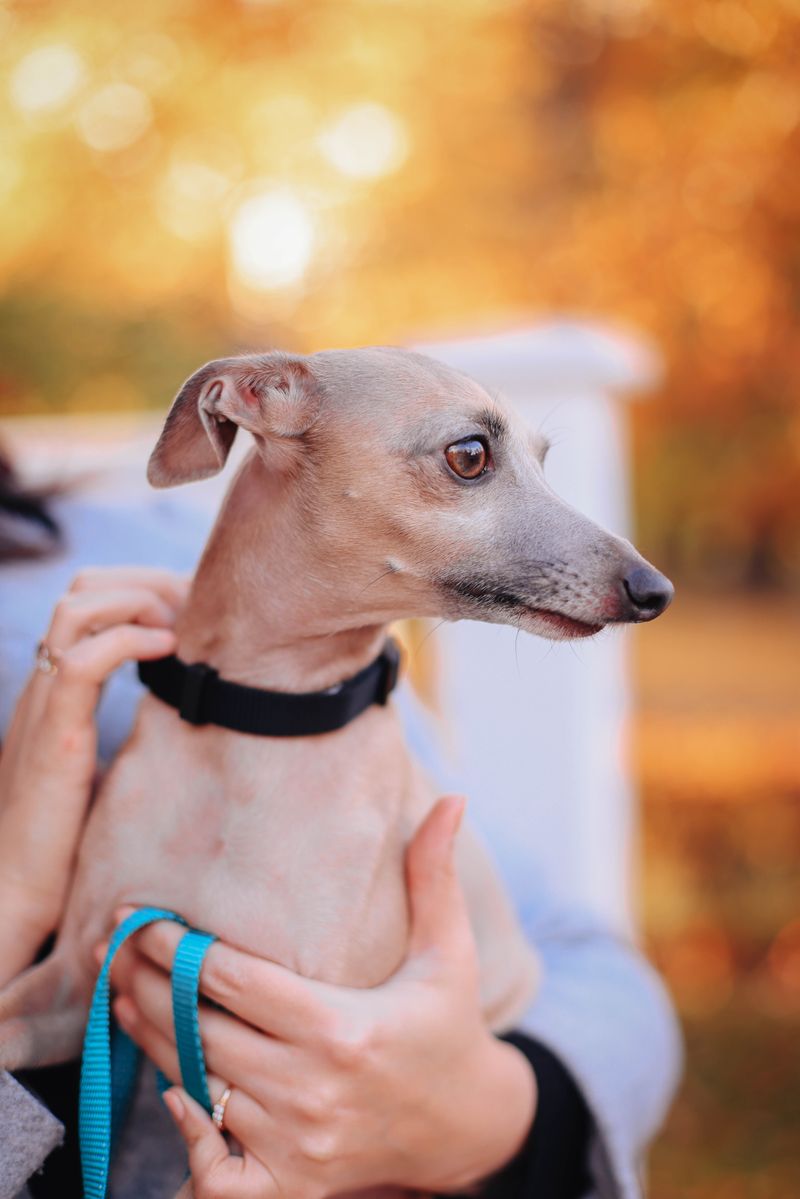
Delicate as a teacup yet speedy as a rocket, the Italian Greyhound was once a favorite pet of Renaissance nobles.
These sensitive pups get chilly and anxious easily. A heated bed or warm sweater can make alone time far more comfortable.
Housetraining is famously tricky with this breed, so build a steady bathroom schedule before your long days start. Gentle patience works better than scolding with such a tender soul.
Doberman Pinscher
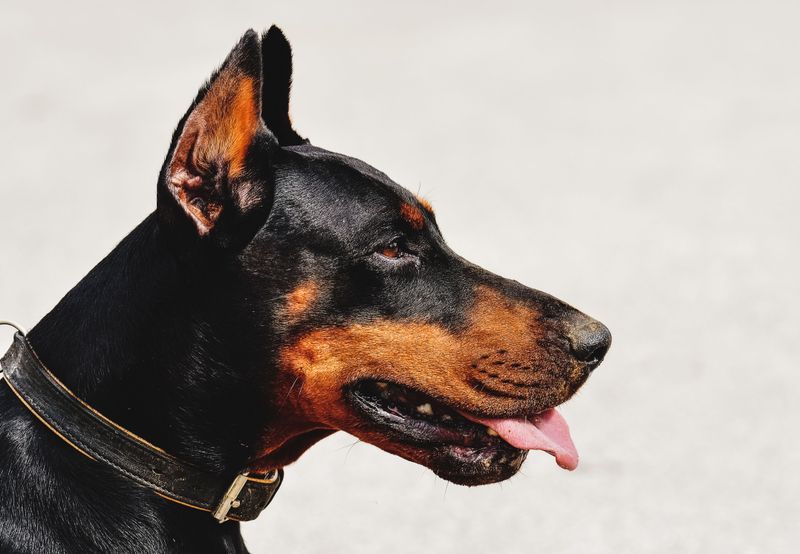
Ever heard a Doberman called a velcro dog? Fans use that nickname because this tough-looking protector usually sticks to its person like glue.
A tax collector named Louis Dobermann created the breed in Germany in the 1890s to keep him safe on his rounds.
To prepare, practice leaving for short stretches and reward calm behavior. Daily training sessions and long walks help this loyal guardian relax when the house goes quiet.
Vizsla
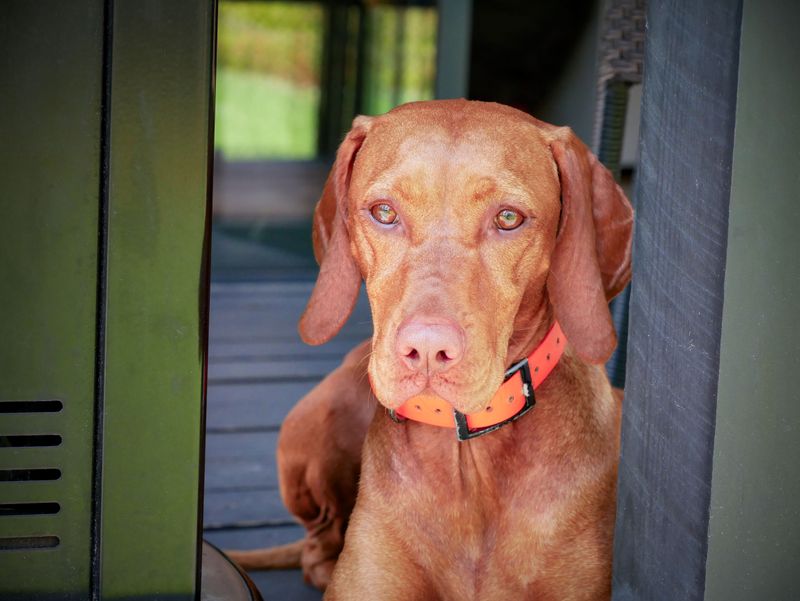
Owners joke that a Vizsla is less a pet and more a shadow with fur. This Hungarian hunting dog hates being apart from its people.
Plenty of exercise is a must, so think morning runs or bike rides once the dog is fully grown.
A trusted sitter, daycare, or even a second dog can ease the loneliness. Start practicing short separations early, because a stressed Vizsla can become surprisingly destructive.