
Certain dog breeds are more prone to joint and hip problems. Here are twelve breeds that veterinarians closely monitor for these issues.
German Shepherd
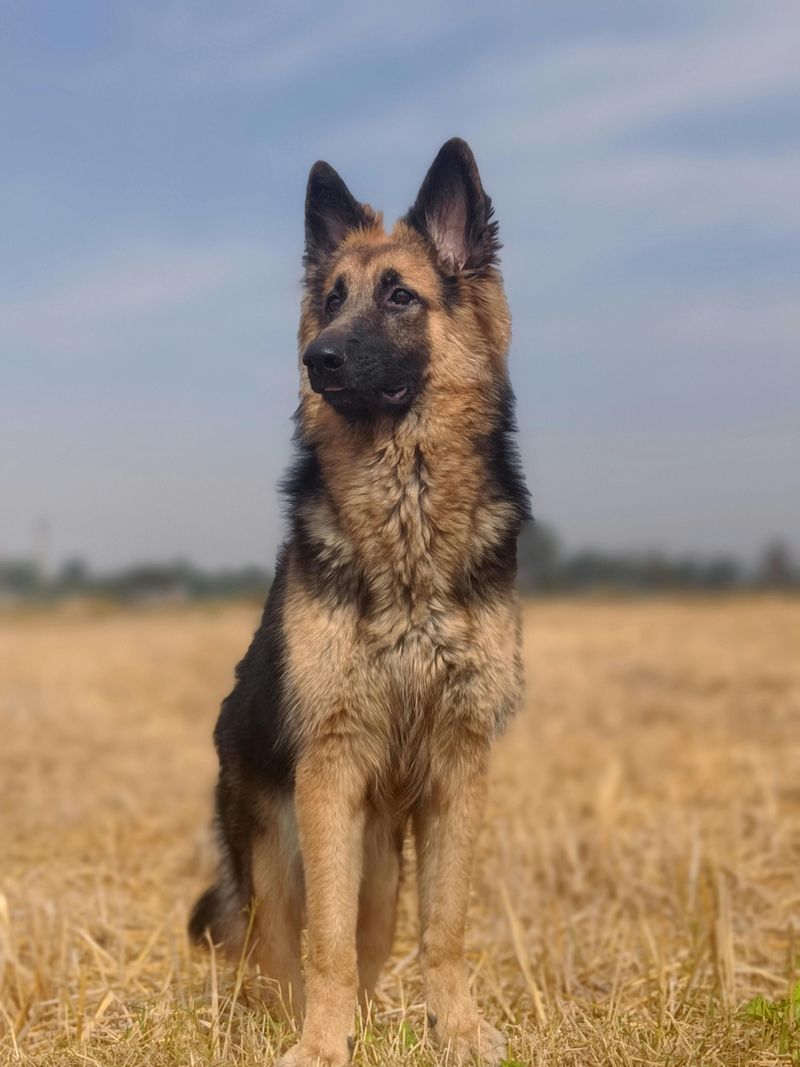
Known for their loyalty and intelligence, German Shepherds are beloved by many. However, they are prone to hip dysplasia, a condition affecting their mobility.
With their energetic spirit, these dogs require regular exercise to maintain healthy joints. It’s crucial to monitor their weight to prevent added stress on their hips.
Early detection through regular vet visits can help manage symptoms. A balanced diet can also support joint health, ensuring your German Shepherd continues to thrive.
Labrador Retriever
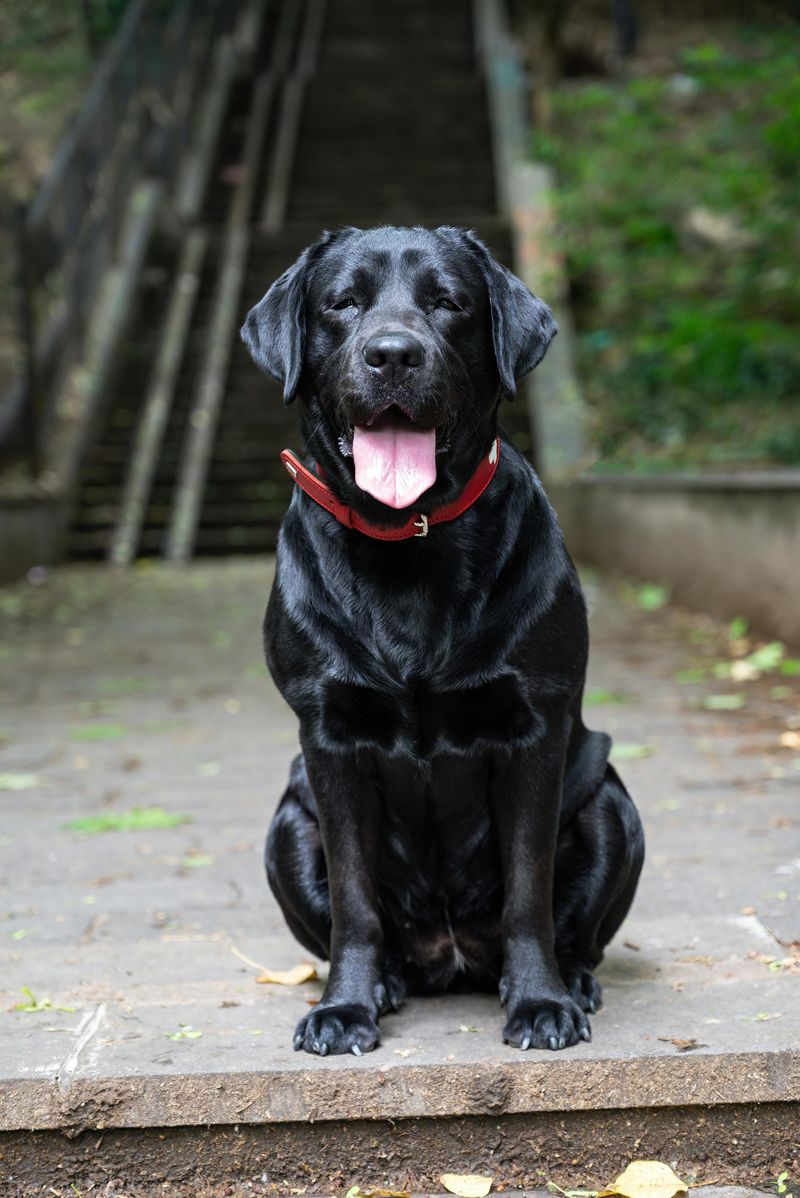
Labrador Retrievers are adored for their friendly disposition. Yet, they often face hip and elbow dysplasia challenges.
Exercise is vital for these lively dogs, but it should be carefully managed to avoid strain. Monitoring their diet helps maintain a healthy weight, essential for joint health.
Veterinary check-ups can catch early signs of joint issues. Supplements like glucosamine can aid in supporting their active lifestyle. Labs remain a top choice for families despite these concerns.
Golden Retriever
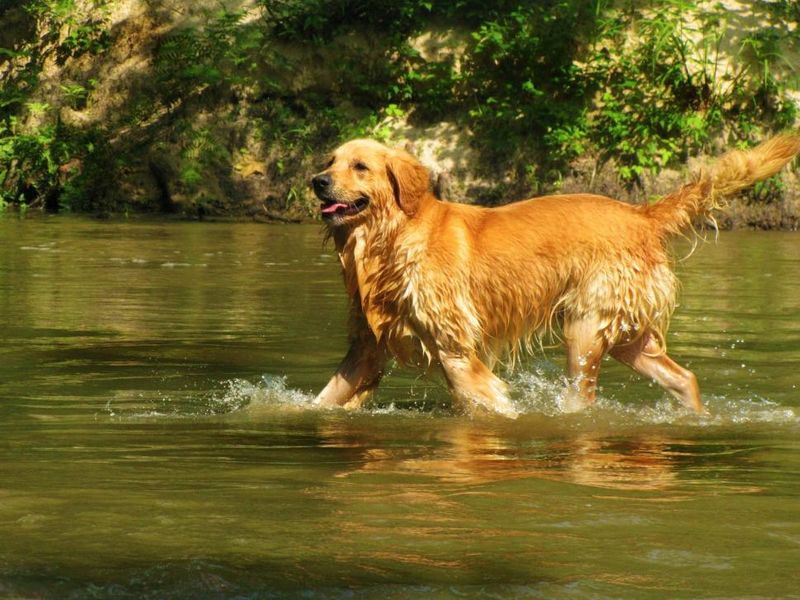
Golden Retrievers capture hearts with their affectionate nature. Unfortunately, hip dysplasia is a common concern with this breed.
These dogs benefit from moderate, consistent exercise to keep their joints in good condition. A nutritious diet supports their overall health and weight management.
Regular vet visits are essential for early detection of potential problems. Despite these challenges, Golden Retrievers bring joy and companionship to many homes.
Rottweiler
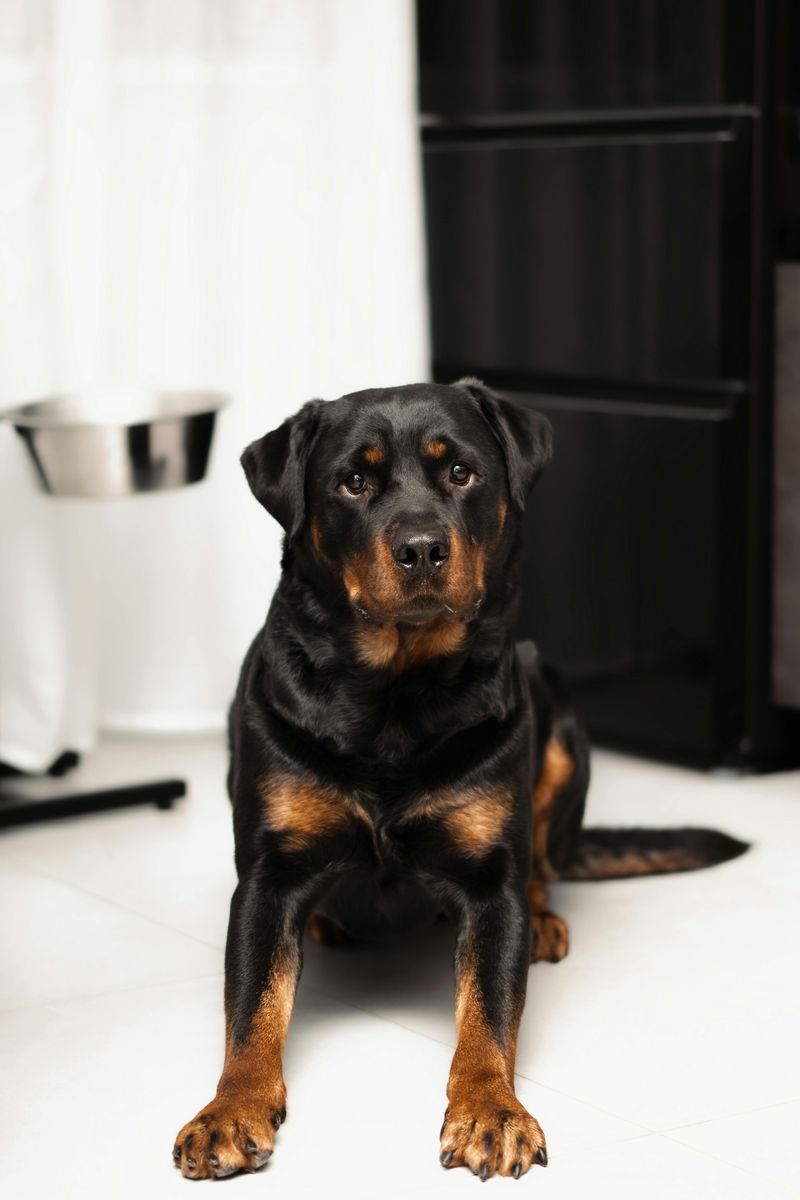
Rottweilers are known for their strength and protective instincts. Yet, their robust build can lead to joint issues, particularly hip dysplasia.
These dogs require steady exercise to maintain joint flexibility. Keeping them at an optimal weight is crucial to prevent additional strain.
Regular check-ups can help identify any early signs of joint problems. With proper care, Rottweilers can lead healthy, active lives.
Great Dane
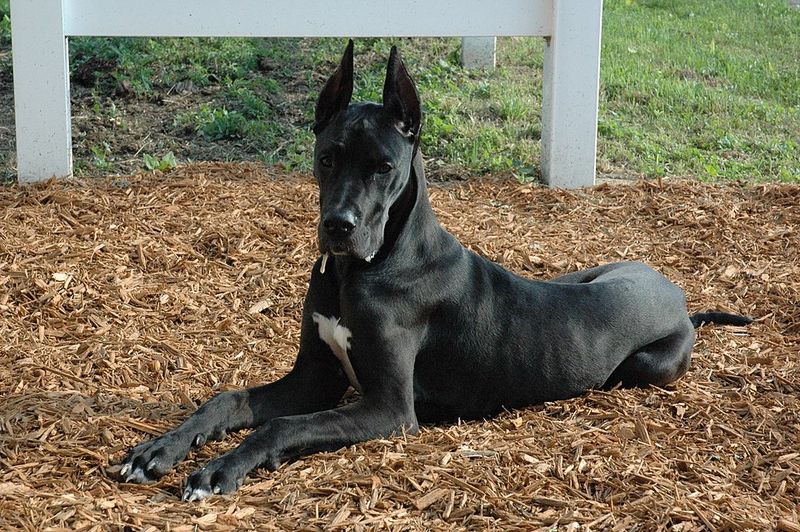
Great Danes are gentle giants with an imposing stature. Their large size often leads to joint challenges, especially hip dysplasia.
Their growth rate is rapid, making balanced nutrition critical during their early years. Exercise should be controlled to avoid overexertion.
Routine veterinary care is essential to monitor their joint health. Despite these issues, Great Danes are cherished for their gentle demeanor.
Bernese Mountain Dog
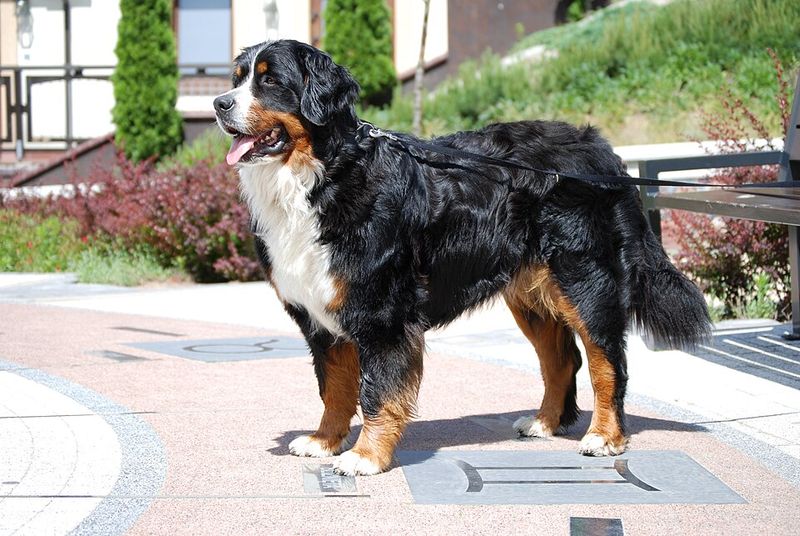
With their striking appearance, Bernese Mountain Dogs are a favorite among many. However, they are susceptible to hip and elbow dysplasia.
Exercise should be moderate, avoiding high-impact activities that could harm their joints. A balanced diet is crucial to support their structure.
Veterinary check-ups are important to detect any early joint issues. Despite these concerns, they remain loyal and loving companions.
Saint Bernard
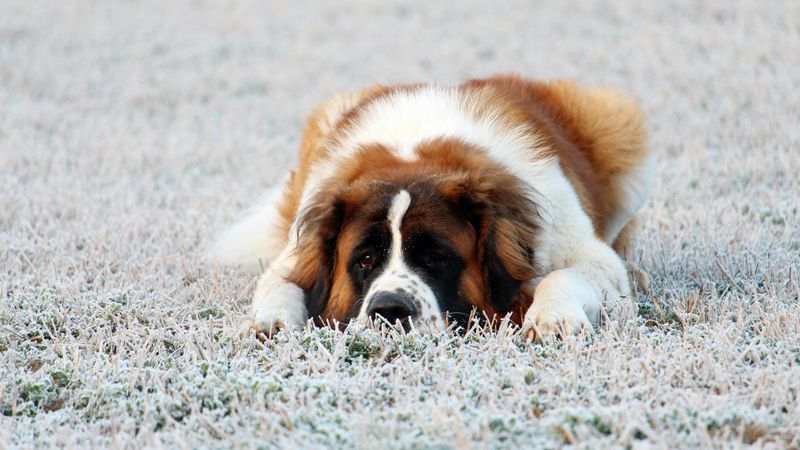
Saint Bernards are known for their gentle and patient nature. Unfortunately, their size makes them prone to joint problems, particularly hip dysplasia.
Providing the right amount of exercise is key to maintaining joint health. Their diet should be tailored to prevent unnecessary weight gain.
Regular veterinary visits can help manage any developing issues. Despite these challenges, Saint Bernards are beloved family pets.
Mastiff
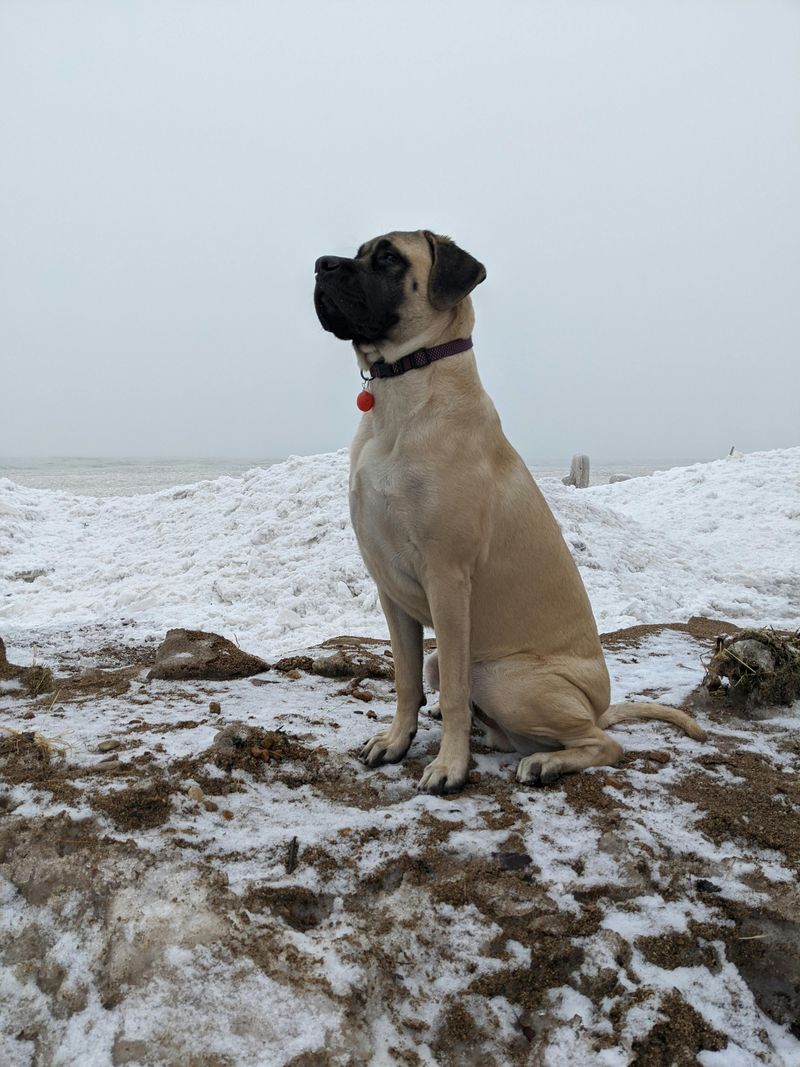
Mastiffs command attention with their impressive presence. However, their substantial size can lead to joint issues, especially in the hips.
These gentle giants benefit from low-impact exercise to preserve joint function. A nutritious diet helps maintain a healthy weight.
Frequent vet visits are necessary to monitor their joint health. With the right care, Mastiffs remain loyal and protective companions.
Newfoundland
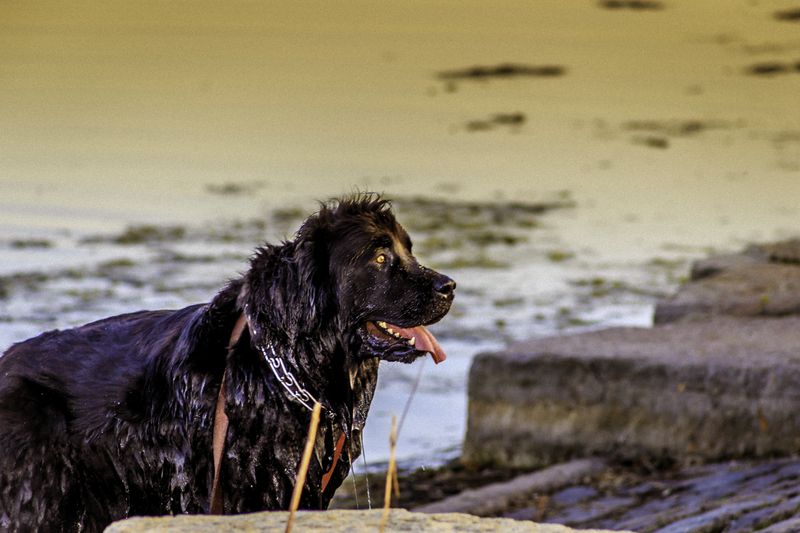
Newfoundlands, with their kind hearts, are often called gentle giants. Their size predisposes them to hip dysplasia and other joint issues.
Swimming is an excellent exercise for them, promoting joint health without strain. Nutrition plays a vital role in supporting their growth and maintaining weight.
Routine veterinary care can help detect joint problems early. Despite these challenges, Newfoundlands are cherished for their loving nature.
Boxer
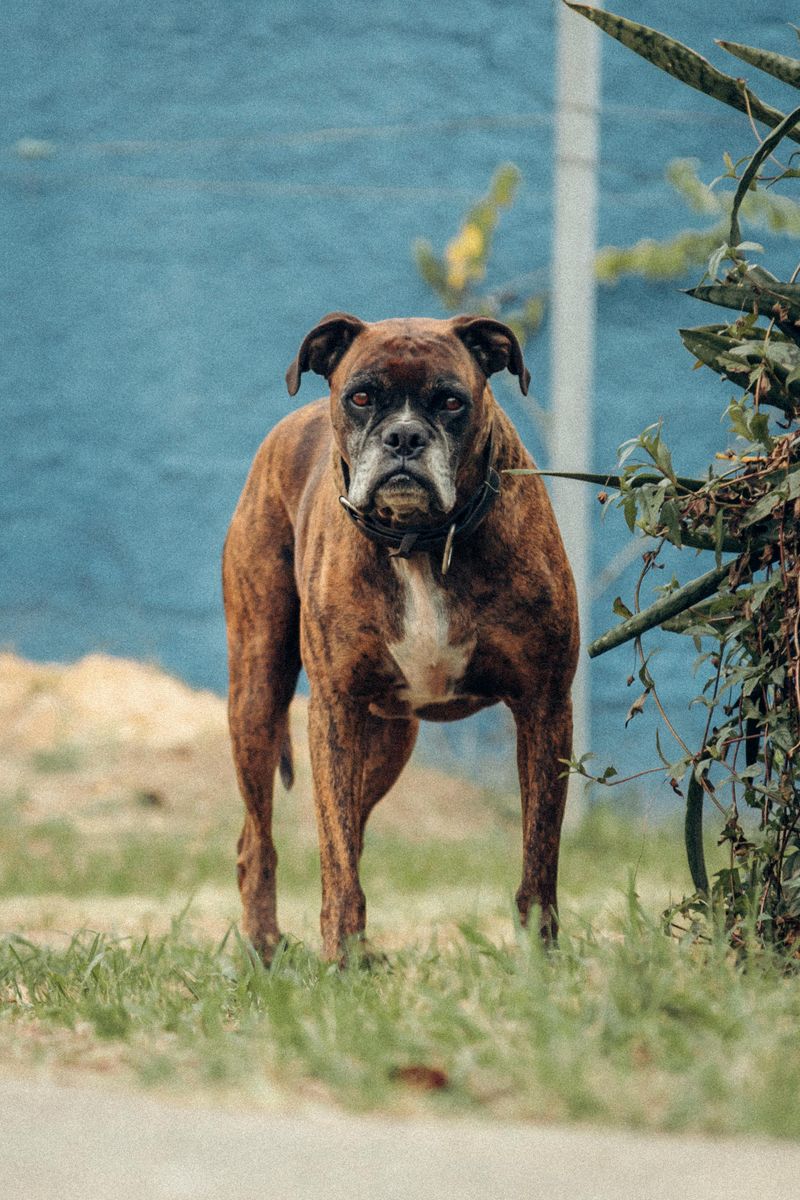
Boxers are energetic dogs with a playful spirit. Unfortunately, they often face challenges with hip dysplasia.
Maintaining an active lifestyle is crucial, but exercise should be balanced to prevent joint stress. Nutrition supports their muscular build and overall health.
Regular check-ups aid in early detection of joint problems. Despite these concerns, Boxers are lively and affectionate companions.
Alaskan Malamute
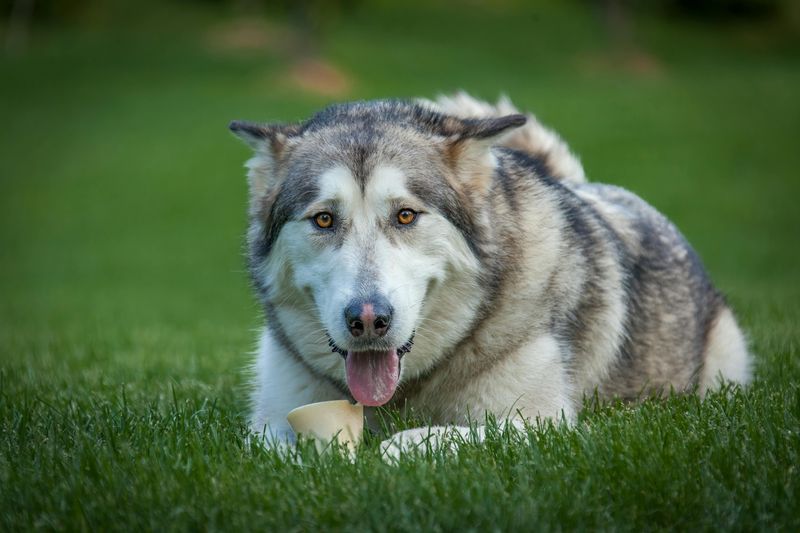
Alaskan Malamutes are known for their endurance and strength. However, their robust build can lead to hip dysplasia.
These dogs thrive on regular activity, although it should be well-managed to protect their joints. A balanced diet supports their energetic nature.
Veterinary visits are important to catch early signs of joint issues. Despite these challenges, Malamutes are admired for their resilience.
Chow Chow
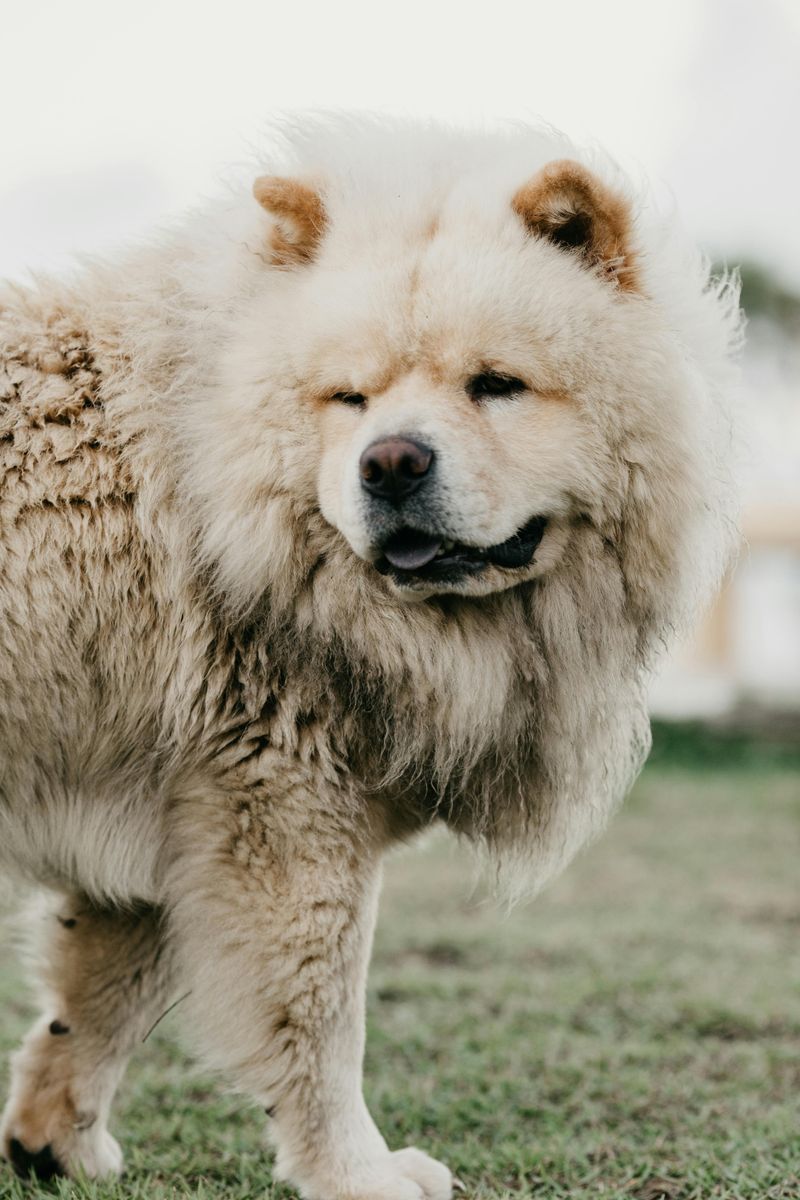
Chow Chows, with their lion-like appearance, are revered for their dignity. Yet, they are prone to hip dysplasia and other joint issues.
Exercise should be moderate, avoiding intense activities that could strain their joints. Proper nutrition is essential for maintaining their health.
Regular vet check-ups can help manage potential joint problems. Despite these concerns, Chow Chows remain unique and cherished pets.