
Recognizing when your dog is feeling unhappy allows you to address their needs promptly. Here are twelve signs that may indicate your furry friend is experiencing distress.
Sudden Changes in Appetite

Have you noticed Fido suddenly skipping meals? A rapid change in appetite might signal distress. Sometimes, dogs refuse food due to emotional shifts or stress.
This change can also be a response to a new environment or household changes. If the behavior persists, it’s a good idea to consult the vet.
Remember, food is often a source of joy for dogs. A loss of appetite could mean they’re feeling down.
Withdrawal or Avoiding Family Members

Ever seen Max hiding during family gatherings? Dogs, much like people, can crave solitude when upset.
Withdrawal is a common sign of unhappiness. This behavior might occur when they feel overwhelmed or neglected.
Engage them gently to encourage interaction. Their usual tail-wagging self might just need a little coaxing back to happiness.
Excessive Licking or Chewing
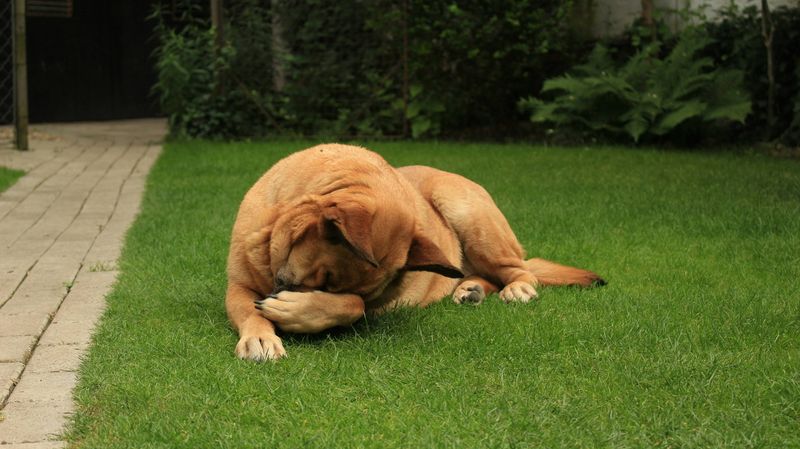
Fido can’t stop licking his paws? This might be more than a grooming habit. Dogs often lick excessively when anxious, echoing human nail-biting.
It can indicate stress or discomfort. Sometimes, it’s an attempt to self-soothe.
Check for any skin issues, and if the behavior persists, consult your vet to ensure there are no underlying health concerns.
Loss of Interest in Play
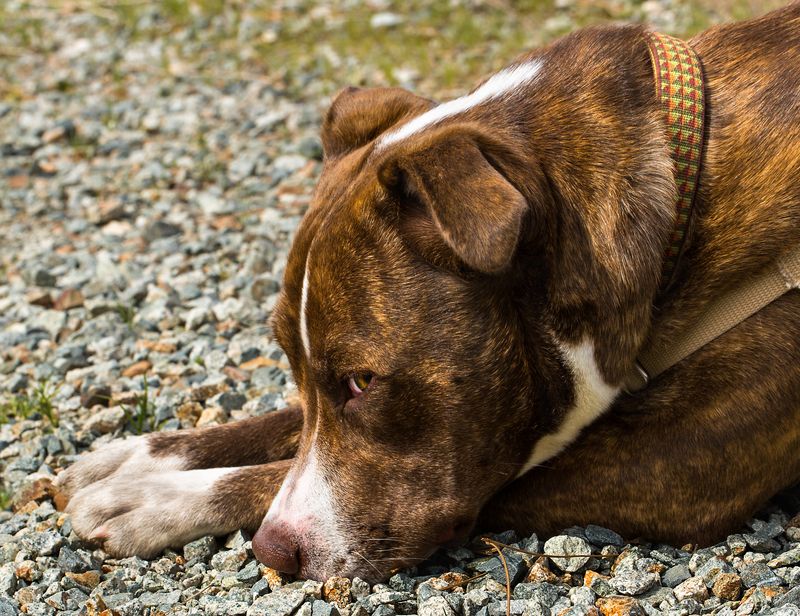
Spot seems to ignore his favorite ball? When dogs lose interest in play, it might signal emotional distress.
Play is their natural outlet for energy and joy. A sudden disinterest could indicate sadness or anxiety.
Try engaging them with new activities. Sometimes, a fresh game or toy can reignite their playful spirit.
Increased Sleep or Lethargy

Bella snoozing more than usual? While dogs love a good nap, excessive sleep might signal unhappiness.
Increased lethargy could be an escape from boredom or stress. Monitor her sleeping patterns closely.
If lethargy persists, it might be time for a vet visit. It’s essential to rule out any health-related issues.
Restlessness or Pacing

Is Rex pacing like he’s got an invisible treadmill? Restlessness often signals anxiety in dogs.
Pacing back and forth might be their way of coping with stress or nervous energy. It’s a clear indicator that something is off.
Engage them in calming activities or a soothing walk to help ease their mind.
Unusual Aggression or Irritability

Fluffy snapping at his best buddy? Sudden irritability or aggression can be unsettling.
If your dog is lashing out, they might be communicating discomfort or fear. Consider what might have changed in their environment.
Creating a calm, safe space can help reduce their stress and improve behavior.
Hiding or Seeking Isolation

Spot seeking solace under the bed? Dogs may hide when feeling unhappy or anxious.
Isolation can be a sign they’re feeling overwhelmed by their surroundings. It’s important to respect their space.
Providing a comfortable and secure area can help them feel safe and reassured.
Excessive Barking or Whining

Has Max turned into a chatterbox? Excessive barking or whining can indicate distress.
It might be their way of voicing discomfort or seeking attention. Identifying triggers can help address the root cause.
Consistent training and reassurance can help manage this behavior effectively.
Destructive Behavior
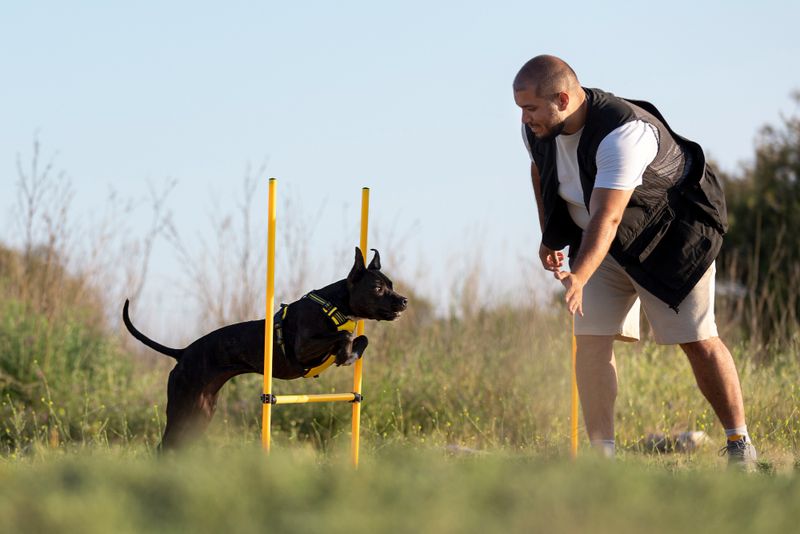
Chewed up shoes and shredded pillows? Destructive behavior often stems from anxiety or boredom.
Dogs might resort to tearing things apart to relieve stress or express unhappiness. It’s a cry for attention or stimulation.
Engaging them in regular exercise and mental challenges can significantly alleviate this behavior.
Sudden House-Soiling
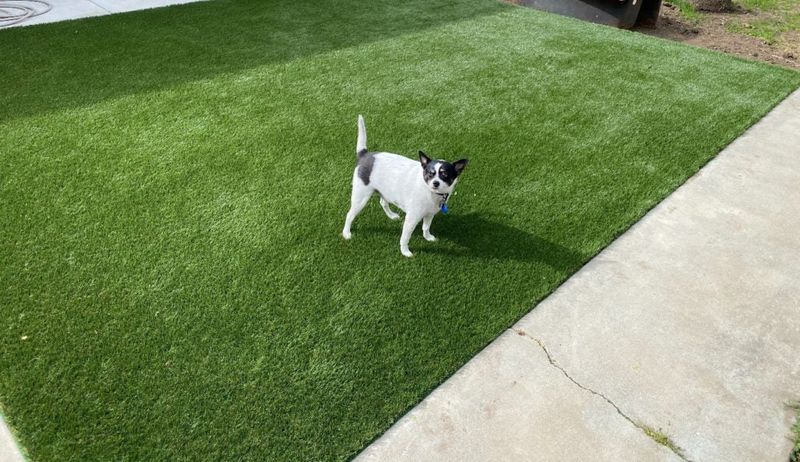
Is Bella forgetting her house-training? Sudden accidents indoors can be embarrassing for them.
It may indicate emotional distress or changes in routine. Observe any changes in their environment or patterns.
Consistent routines and gentle guidance can help minimize these mishaps.
Changes in Body Language
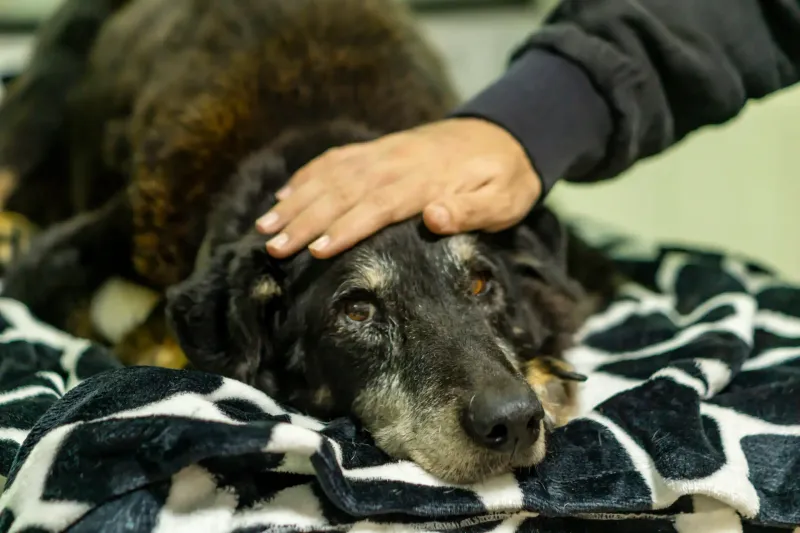
Has Rex’s body language changed? Subtle shifts like a tucked tail or flattened ears can reveal emotional turmoil.
Dogs communicate heavily through posture, and changes here might signal unhappiness. Observing these cues can be crucial.
Addressing their needs can often bring back their natural, confident posture and demeanor.