
Understanding the impact of feeding practices on your dog’s digestive health is crucial. By recognizing common habits that can cause issues, you can ensure your furry friend’s comfort and well-being.
Feeding Only One Large Meal Per Day
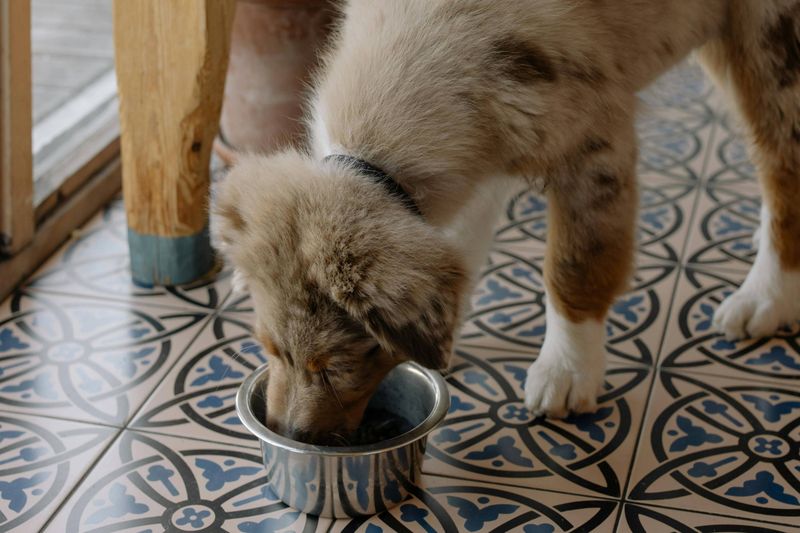
Imagine eating just once a day! Dogs fed this way may experience digestive strain. This habit can lead to bloating, as their stomachs struggle to process large quantities at once.
Breaking meals into smaller portions can stabilize digestion and energy levels. Dogs thrive on routine, and spreading meals helps regulate metabolism.
Consider a balanced approach. Smaller, consistent meals keep your dog happy and healthful, reducing the risk of discomfort and digestive upset.
Switching Dog Food Brands Too Quickly
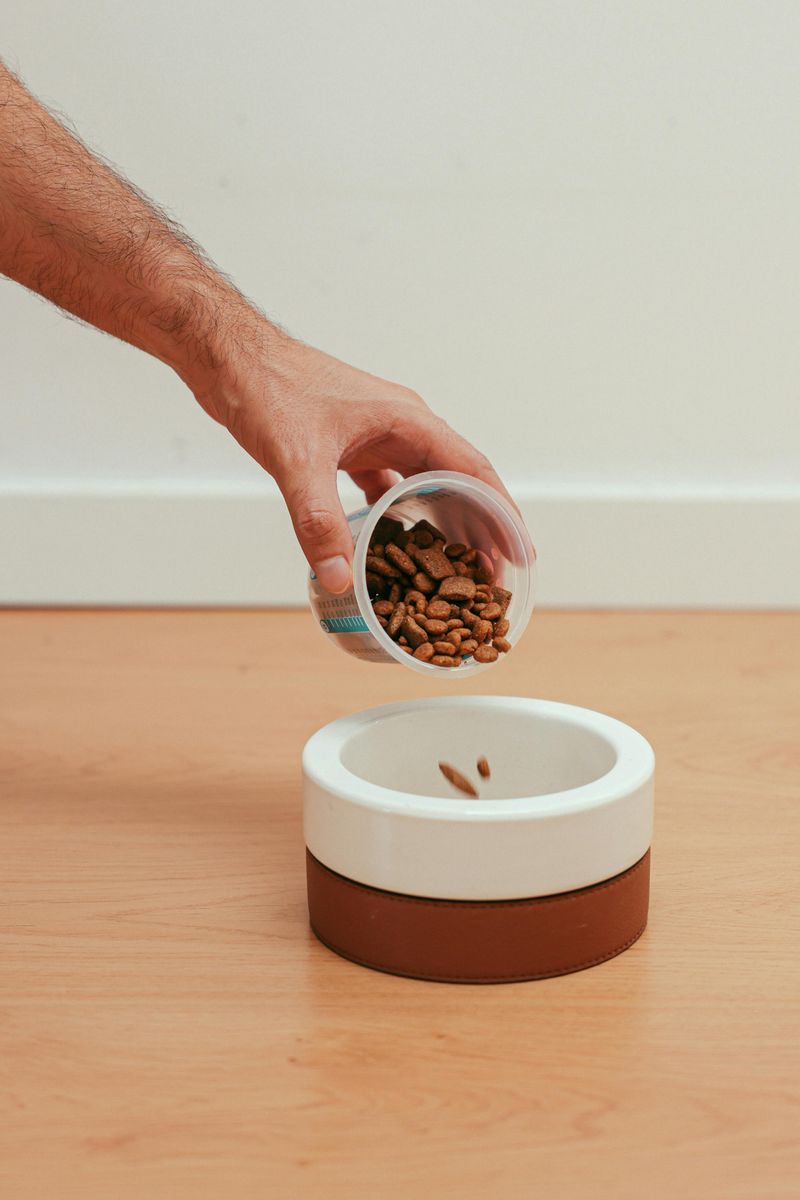
Dogs love variety, but sudden changes in diet can upset their stomachs. Switching brands too rapidly may lead to diarrhea or vomiting.
Gradually transitioning to new food allows your dog’s digestive system to adapt. Introduce the new brand over a week, mixing it with the old one.
Patience pays off. Taking time ensures your dog’s gut flora adjusts, preventing unnecessary distress and ensuring a smooth transition.
Giving Too Many Fatty Human Foods
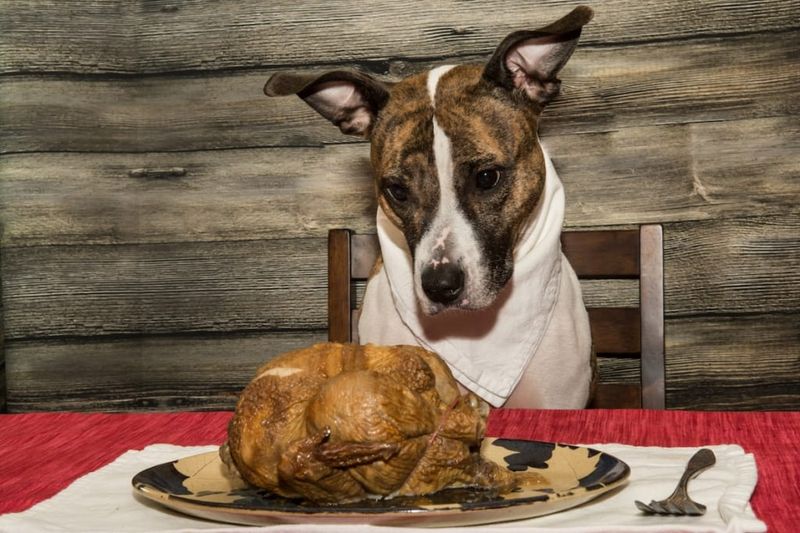
Who can resist those puppy eyes? Yet, fatty human foods can spell trouble. Dogs’ digestive systems aren’t equipped for rich, greasy treats.
High-fat foods can cause pancreatitis, a painful inflammation of the pancreas. It’s best to indulge them with dog-safe treats instead.
Keep it simple and healthy. Limiting fat intake protects your dog’s digestion, maintaining their health and preventing tummy troubles.
Allowing Free-Feeding All Day
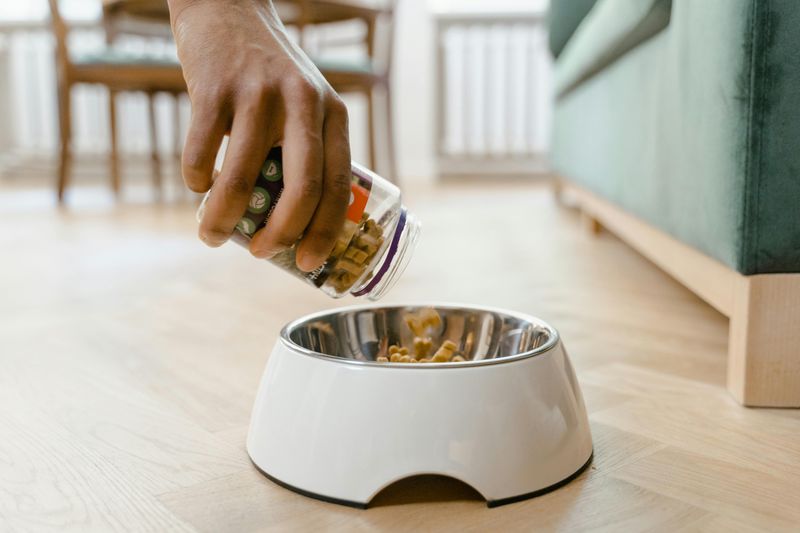
Free-feeding may seem convenient, but it can lead to overeating and digestive problems. Dogs may consume more than they need when food is always available.
Structured meal times promote a healthier digestive cycle and prevent obesity. Knowing when to expect food makes dogs feel secure.
Encourage discipline. Scheduled feeding keeps your dog at an ideal weight and supports their digestive health, preventing bloating and discomfort.
Feeding Right Before Intense Exercise
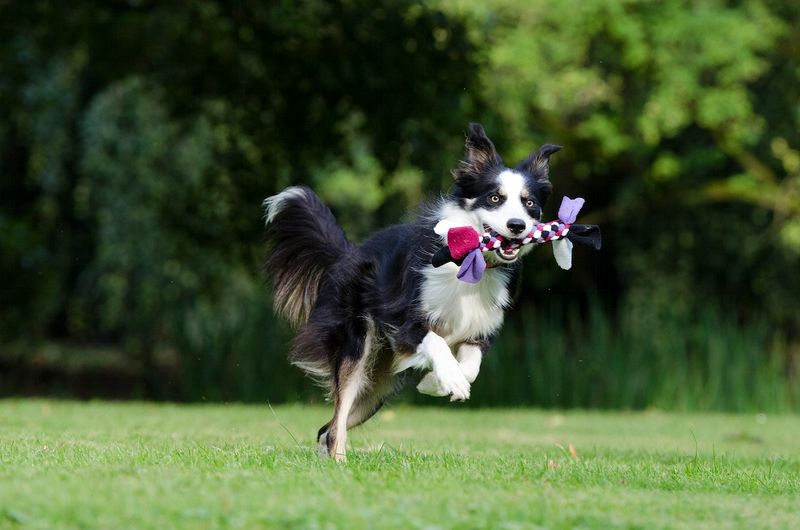
Running on a full stomach? Not ideal for dogs. Feeding before exercise can cause bloating or even gastric torsion, a serious condition.
Allow at least an hour between meals and vigorous activity. This time aids digestion and reduces the risk of stomach issues.
Safety first. Proper timing keeps your active pup comfortable and healthy, ensuring safe play and exercise.
Offering Table Scraps With Spices or Seasonings

Spicy treats may tickle your taste buds, but they can irritate a dog’s stomach. Seasonings like garlic and onion are particularly harmful.
Table scraps can also imbalance their diet, leading to nutritional deficiencies. It’s best to stick to dog-approved foods.
Protect their palate. Avoiding spiced scraps preserves your dog’s digestive integrity and prevents potential poisoning.
Using Bowls That Are Too High or Too Low
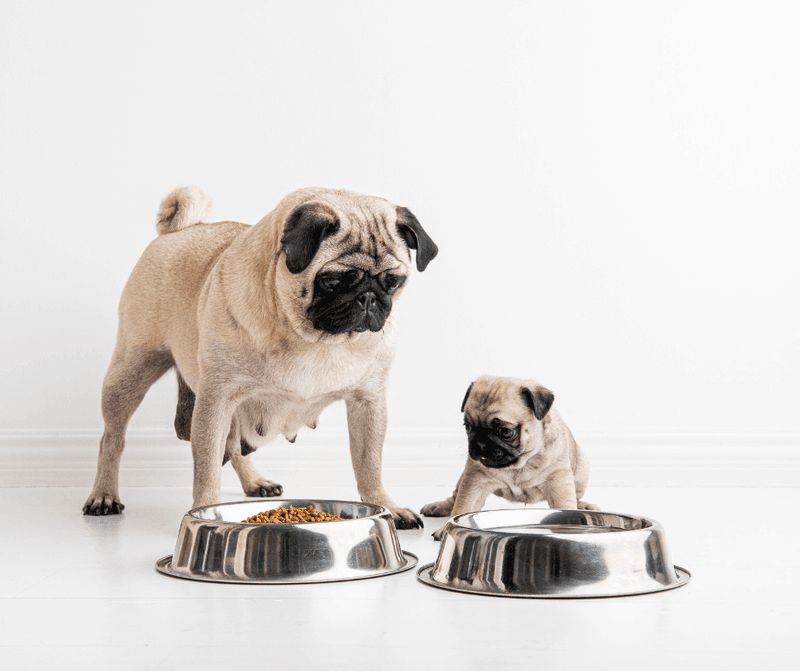
Bowl height matters more than you might think. Bowls too high or low can cause discomfort and digestive problems, especially in larger breeds.
Elevated feeders may help some dogs, while others prefer bowls on the ground. Observe your dog’s posture during meals to find the best fit.
Find the balance. Proper bowl placement supports comfortable eating and healthy digestion, preventing unnecessary strain.
Feeding Treats Without Adjusting Daily Calories

Who doesn’t love extra treats? But too many can lead to weight gain and digestive issues. Treats should complement, not replace, their diet.
Adjusting daily calories ensures balanced nutrition. Keep treats to 10% or less of their daily intake for optimal health.
Balance and moderation. Thoughtful treat management supports a healthy weight and aids digestion, while still keeping tails wagging.
Not Providing Enough Fresh Water Throughout the Day

Hydration is key to digestion. Without enough water, dogs may suffer constipation and other digestive problems.
Ensure fresh water is available at all times. Clean bowls daily to prevent bacteria buildup and encourage frequent drinking.
Nurture with water. Keeping your dog hydrated supports digestive health and overall well-being, making for a happier pet.
Ignoring Food Allergies or Sensitivities

Allergies aren’t just for humans. Dogs can react to certain ingredients, causing digestive upset and skin issues.
Identifying triggers involves observation and sometimes vet consultation. Switching to hypoallergenic food can alleviate symptoms.
Listen to their needs. Responding to food sensitivities ensures comfort and prevents long-term health problems.
Feeding Food That’s Too Cold or Too Hot
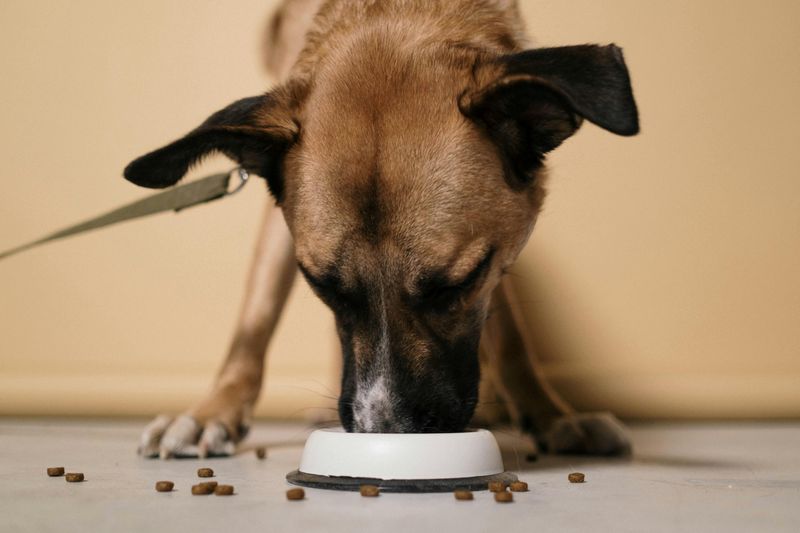
Temperature matters. Extremely cold or hot food can shock a dog’s digestive system, causing discomfort or even refusal to eat.
Room temperature food is ideal, aligning with their natural eating habits and promoting smooth digestion.
Find the right temp. Serving food at a comfortable temperature supports your dog’s digestion and meal enjoyment.
Giving Bones That Splinter or Cause Blockages

Bones might seem like a treat, but they can pose risks. Splintered bones can cause blockages or internal injuries.
Opt for safe, vet-approved chew toys instead. These satisfy chewing urges without the dangers associated with real bones.
Play it safe. Providing appropriate chewing options protects your dog’s digestive tract and keeps them content.