
Some dogs are born to be storytellers, and your walls have probably heard it all. If constant barking is testing your patience, you are not alone.
Understanding why certain breeds are extra chatty helps you manage noise without losing the joyful spark you love. Here are twelve bark prone favorites and smart ways to turn volume down.
Beagle
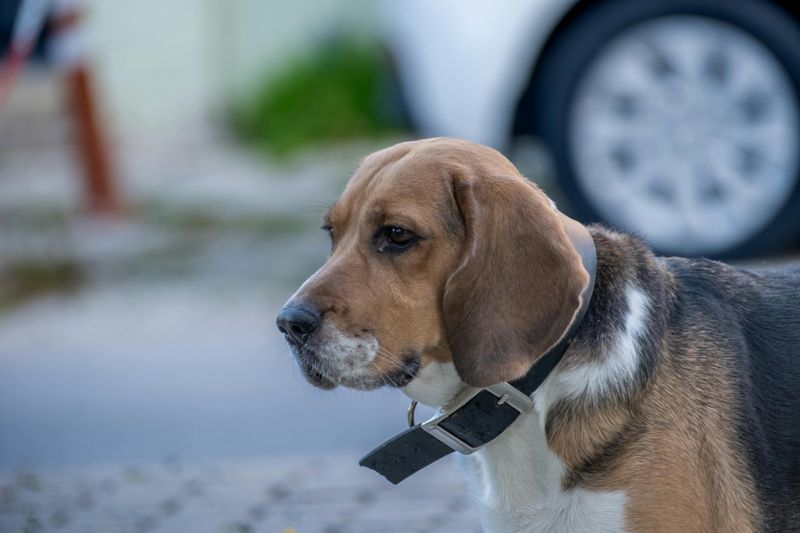
Beagles are cheerful scent hounds with a voice that carries. Bred to track game in packs, they alert loudly when excited or curious.
That musical bay can turn into frequent barking if they are bored, under exercised, or picking up every neighborhood smell.
Give your Beagle plenty of sniffy walks, puzzle feeders, and recall training so their brain stays busy. Teach a solid quiet cue using calm rewards, not yelling back.
If you live in close quarters, short daily training bursts and white noise can help, and your neighbors will thank you. Regular playdates with steady dogs and supervised scent games in the yard take the edge off vocal energy.
A vet check can rule out anxiety or ear issues.
Chihuahua
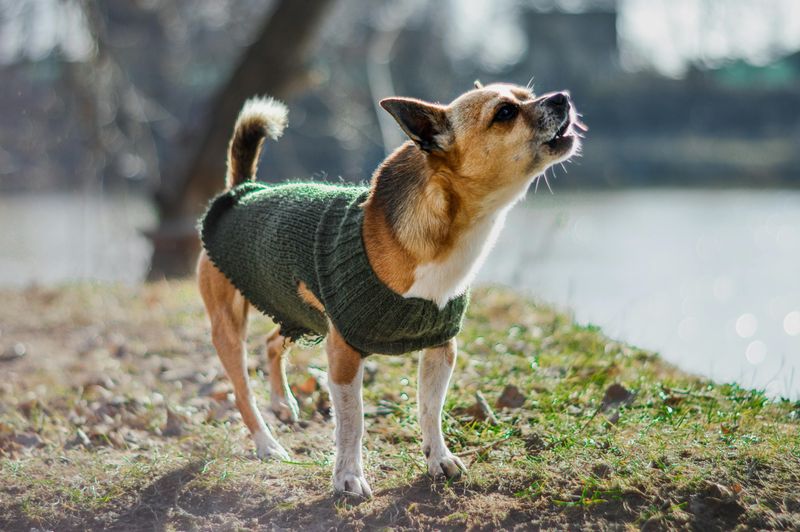
Chihuahuas are tiny watchdogs with a big opinion about everything. Their alertness makes them quick to sound off at strangers, doorbells, and rustling bags.
Without guidance, that vigilance spirals into near constant commentary, especially in stimulating apartments and busy sidewalks.
Give your Chihuahua structure, not scolding. Reward quiet when triggers appear, create a go to mat routine, and manage windows to lower arousal.
Short training sessions, gentle socialization, and carrying high value treats help you redirect energy before barking starts. Interactive toys that dispense food keep that sharp mind working during the day.
If guests arrive, give a safe cozy crate with a chew to create positive associations. Regular vet care and comfortable harnesses reduce discomfort that can fuel reactivity.
Miniature Schnauzer

Miniature Schnauzers were bred as alert farm guardians, so vocal updates come naturally. That iconic beard hides a keen, busy brain that spots movement and reports it loudly.
Without tasks, they may patrol windows, announce squirrels, and practice their impressive rumbles all afternoon.
Channel that drive with nosework, trick training, and structured play before the mail arrives. Teach quiet in stages, reinforcing brief pauses first, then longer moments.
Close blinds during peak squirrel time, and offer durable chews to relax the jaw. Daily walks with sniff breaks satisfy curiosity and cut down on unnecessary alerts.
If barking spikes suddenly, check for pain, skin itch, or environmental changes. Consistent routines make these clever companions feel settled.
Your patience pays. Truly.
Daily.
Yorkshire Terrier

Yorkies may be tiny, but their terrier hearts are fearless and vocal. Originally ratters in bustling mills, they developed sharp alertness to movement and sound.
That heritage shows up today as spirited barking at doors, footsteps, and anything that seems to challenge their territory.
Help your Yorkie succeed with calm leadership, clicker games, and early socialization to normal city noises. Reinforce quiet while visitors settle, and create a perch away from windows.
Daily brain games, short training sessions, and gentle exercise take the fizz out of excessive alerts. If barking becomes frantic, check for separation stress and practice gradual departures.
A cozy carrier, soft music, and chew time can transform door chaos into calmer moments. Neighbors will notice.
Promise. Soon.
Dachshund
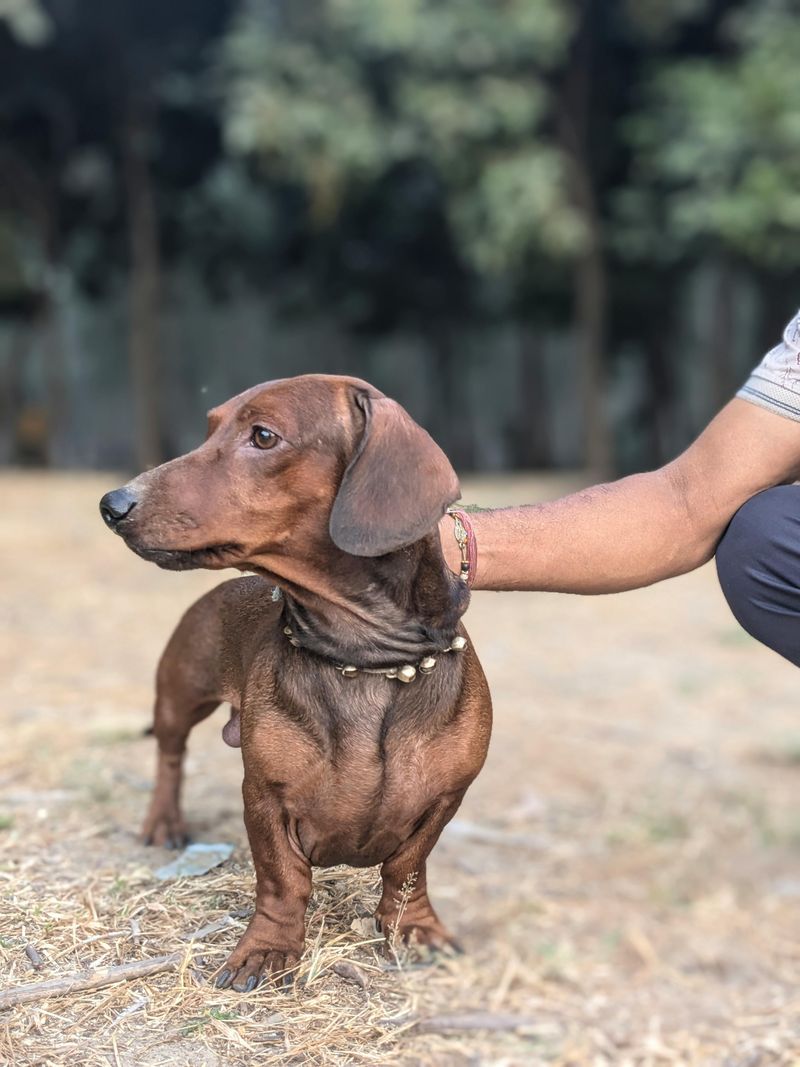
Dachshunds were bred to go underground after badgers, so confidence and a big voice were essential. That bold bark still shows up at strangers, door knocks, and mysterious yard noises.
Their long bodies hide endless stamina, which can turn into prolonged protest if needs are unmet.
Provide safe digging outlets like snuffle mats and sandboxes, then practice quiet with clear timing. Manage blinds, set up a cozy den, and offer chew breaks to decompress.
Keep training upbeat and brief to protect backs while building impulse control. Neighborhood walks with measured sniffing time curb excess alertness and satisfy instincts.
Vet guidance on pain, weight, and harness fit prevents discomfort that can amplify barking. Consistency brings calmer days.
Truly helpful habits. Work.
Jack Russell Terrier
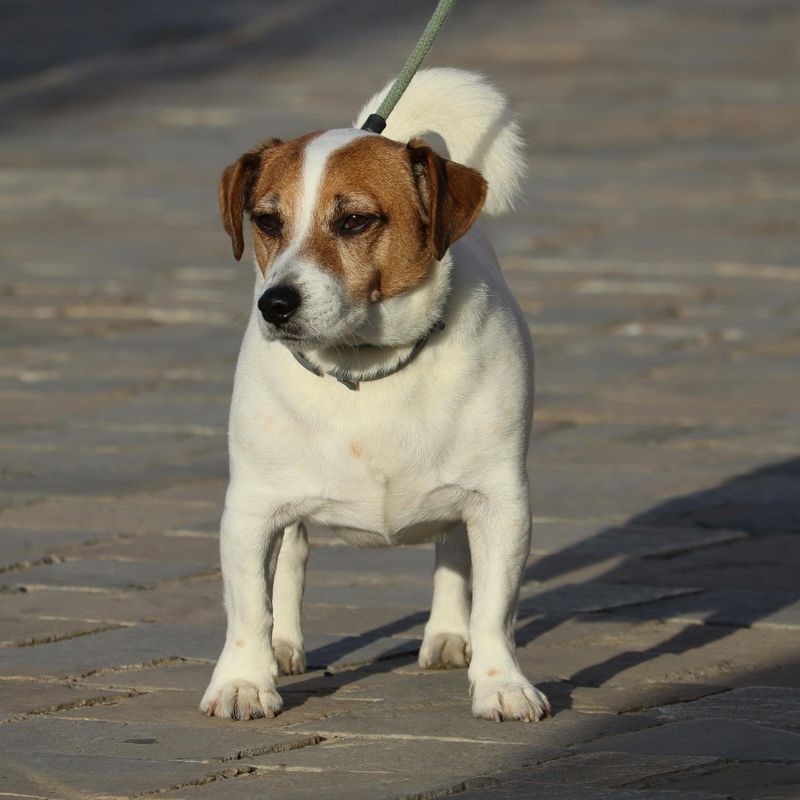
Jack Russells are high octane problem solvers built for fox hunting. That drive means they notice everything and broadcast it loudly, often with astonishing persistence.
Without intense outlets, barking can become a default job they never clock out from.
Plan daily sport like agility, flirt pole sprints, and scent puzzles to drain energy before triggers appear. Reinforce quiet after motion stops, and teach settle on a mat.
Rotate toys, use long lines for freedom, and give purposeful digging to keep their brain satisfied. If barking spikes, assess sleep, protein intake, and over stimulation from chaotic play.
Calm structure today prevents bigger behavior battles tomorrow. Your consistency turns volume down without crushing spirit.
That balance really matters. For everyone nearby.
Honestly. Stay patient.
Always.
Siberian Husky
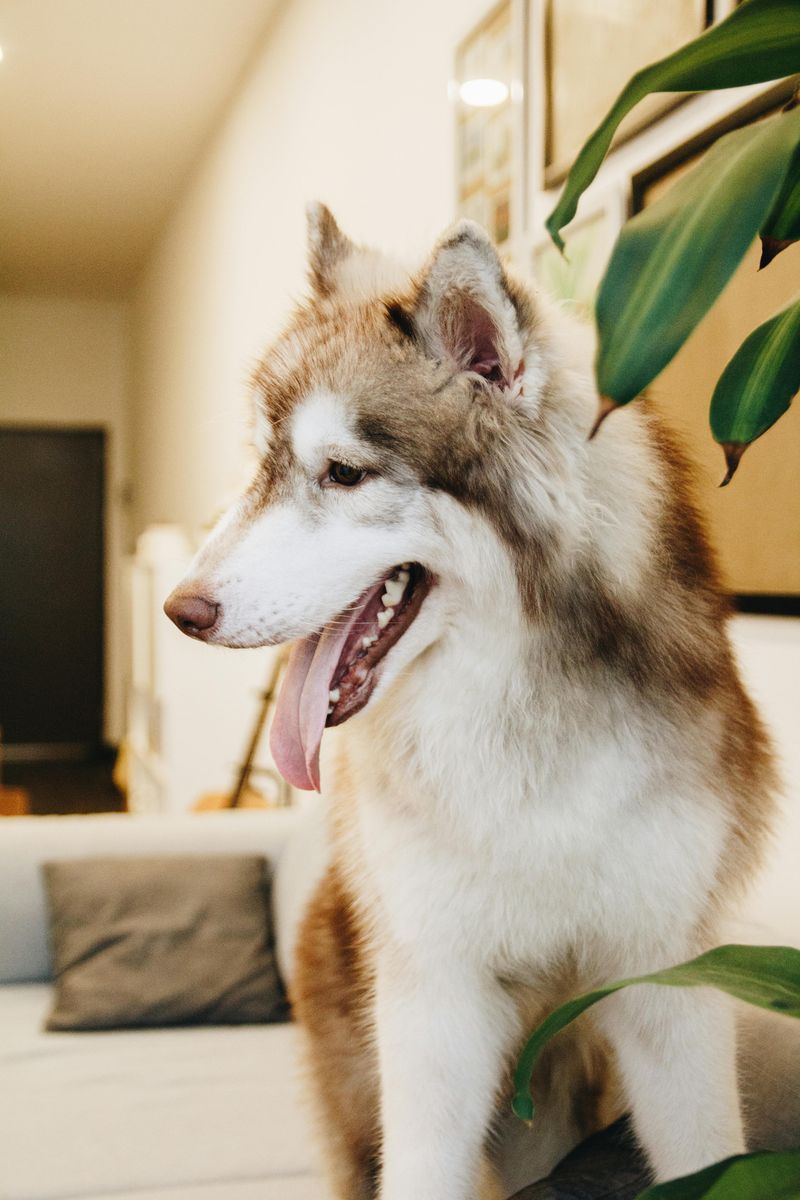
Siberian Huskies are famous not just for barking, but for howling, wooing, and storytelling vocals. Bred to run in teams, they communicate constantly with people and other dogs.
Without structured exercise and connection, that voice gets louder, especially at dawn and during exciting transitions.
Plan real workouts, like sledding alternatives, canicross, and long hikes with sniff breaks. Teach quiet paired with hand targets, and reward calm when the leash appears.
Use white noise at night, rotate enrichment, and schedule social time so needs are met before the howls begin. Check coat comfort and room temperature, because heat or itchiness can drive vocal protests.
Clear routines make settling easier for this dramatic, lovable companion. Your calm energy helps.
Every day. Truly.
Fox Terrier
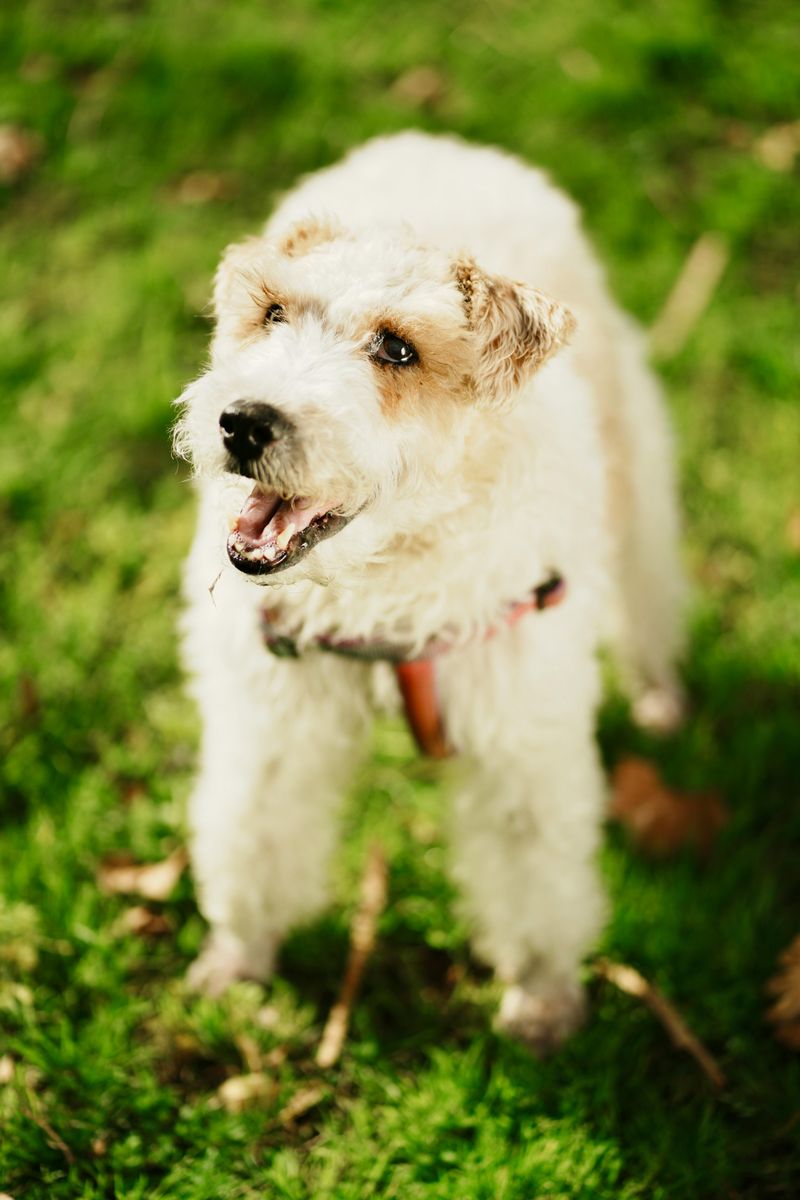
Fox Terriers were engineered to burst into action and flush game, so their alarms are crisp and frequent. That keen eye notices cyclists, birds, and passing dogs, and their mouth quickly reports it.
Left to self direct, they will rehearse barking until it becomes an entertaining habit.
Give focused jobs like fetch with rules, tug with outs, and scatter feeding in grass. Practice quiet between throws, and praise eye contact before arousal spikes.
Block window patrols, increase sniff time, and use flexible long lines for movement without chaos. If volume rises suddenly, evaluate sleep debt, new construction noise, and diet changes.
A health check for ears and teeth prevents pain fueled shouting. Steady habits build peace.
You will notice. Soon.
Pomeranian
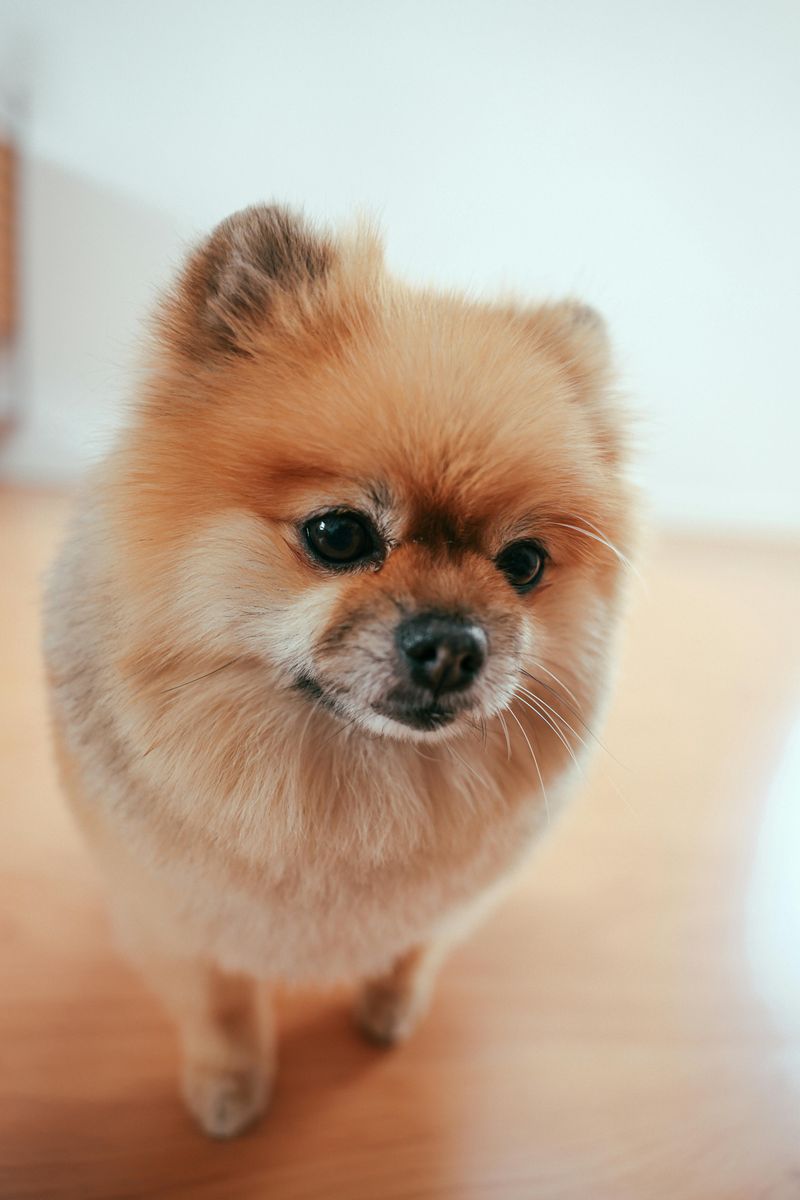
Pomeranians are fluffy extroverts who love announcing life like tiny town criers. Originally larger working spitz, they kept the bold voice while shrinking in size.
That means plenty of commentary about deliveries, elevators, and every creak you never noticed before.
Give your Pom confidence through positive social trips and settle games in lobbies. Reward quiet as people pass, then gradually add harder distractions.
Provide grooming that feels good, as mats or itchy skin can fuel fussing, and use puzzle feeders to occupy that bright mind. A window film can blur triggers without darkening your space.
Small, predictable routines create safety and lower the urge to announce everything. Soon you will hear more calm than commotion.
It feels great. Truly helpful.
Shetland Sheepdog
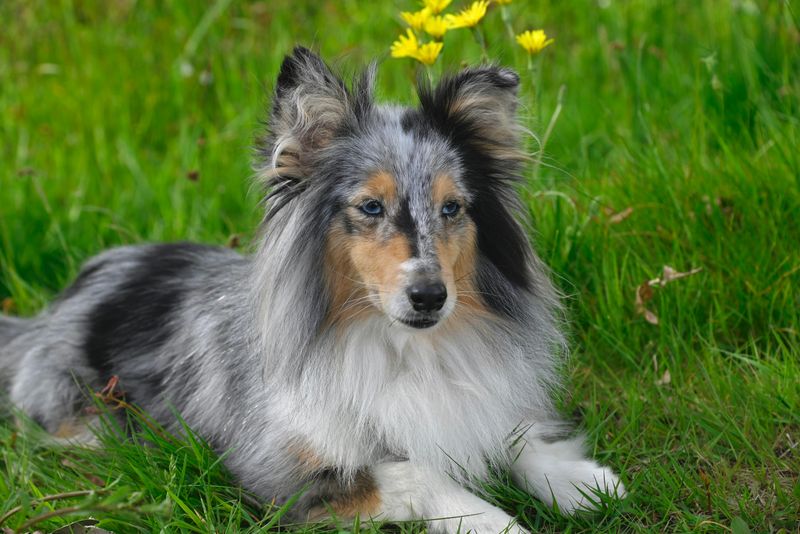
Shetland Sheepdogs are sensitive herders who use their voice to move flocks and alert handlers. In modern homes, that translates to enthusiastic barking at motion, sounds, and guests.
Their intelligence is wonderful, but without a job, they may supervise everything with high pitched commentary.
Give structured herding style games, rally obedience, or trick titles to focus talent. Teach a cue to go settle, and reward quiet during door rituals.
Layer in white noise, visual barriers, and sniffing walks so arousal drops before excitement tips into yapping. If barking increases, check thyroid health and ear comfort with your vet.
Consistency, patience, and playful training keep your Sheltie confident and calm. Soon neighbors will notice the difference.
Everyone relaxes more. Promise.
Really.
Cocker Spaniel
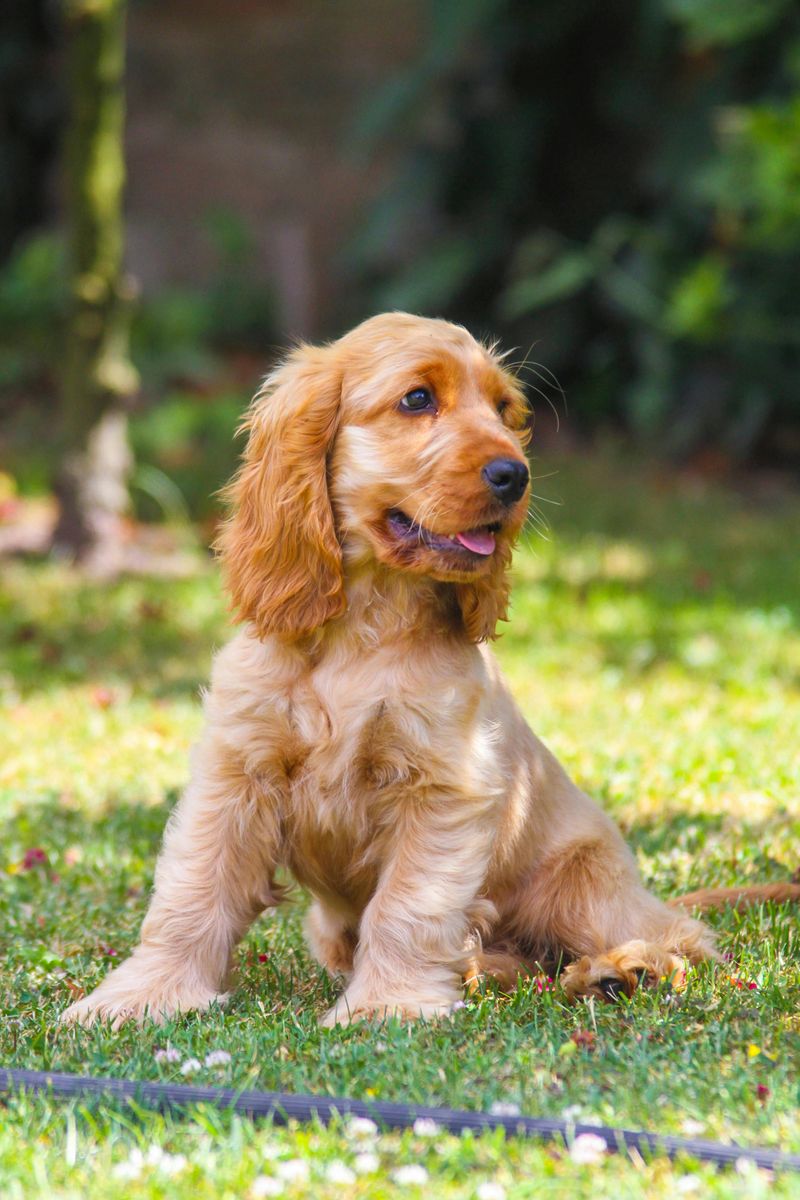
Cocker Spaniels are soft, social dogs that can become vocal when unsure or over excited. Their hunting roots give them strong ears and noses, so they notice tiny sounds.
Without clear routines, some develop attention barking to seek reassurance or to start play.
Build confidence with predictable schedules, gentle exposure, and calm greetings. Teach hand target, then pair it with a quiet cue to redirect politely.
Keep coat care comfortable, since mats, infections, or ear pain can trigger fussing, and provide chew breaks after busy outings. Use food puzzles during family meals to prevent begging and commentating.
Short, happy training keeps motivation high without flooding sensitive dogs. If barking changes suddenly, schedule a vet visit.
It matters. Truly does.
Always. For health.
Basset Hound
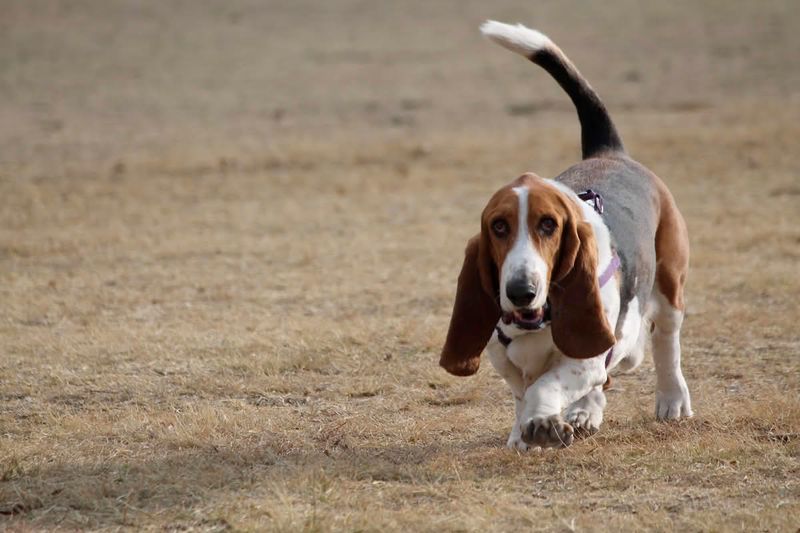
Basset Hounds carry serious voices that echo through neighborhoods. As scent hounds, they follow their noses and sing about findings, especially when left to patrol yards.
Their easygoing vibe can hide stubborn streaks that keep the barking going once they start.
Give long sniff walks, trailing games, and sturdy chews to satisfy instincts before quiet time. Reinforce pauses between bays, then lengthen them, and add a go inside cue.
Manage fences to reduce outside rehearsals, and use white noise so every sound does not spark a chorus. If barking grows, check boredom, loneliness, and ear health with your vet.
Routine, patience, and comfy bedding help this mellow clown nap instead of narrate. Your neighbors will appreciate it.
Truly will. Soon.