
Bringing home a new pet is exciting, but mixing personalities and instincts can spark chaos fast. Some beloved dog breeds come with big drives and bold opinions that make harmony harder than you might expect.
With the right management, training, and patience, peace is possible. Here are the breeds you should research closely before you add another furry family member.
Akita
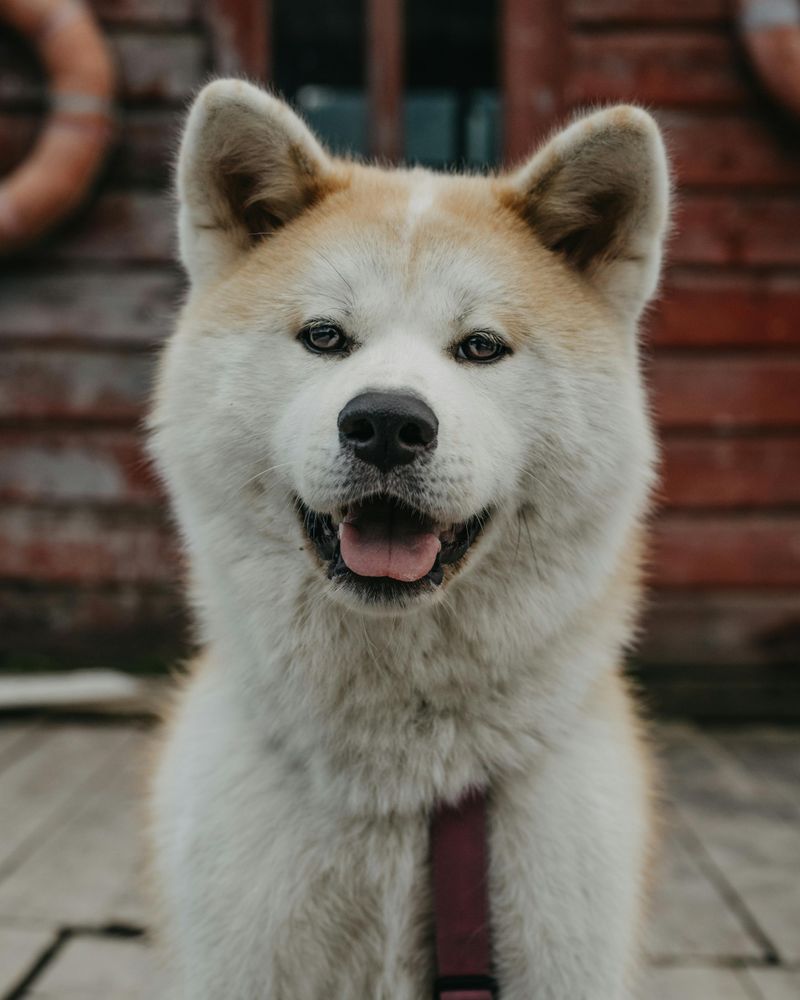
Akitas are dignified guardians with a strong independent streak and a history of hunting large game. That background fuels a serious prey drive, which can spell trouble for cats, rabbits, or small dogs.
Even with training, you should plan for strict management, slow introductions, and reliable separation when you are not supervising.
They bond deeply with their families yet may be intolerant of pushy or unfamiliar animals. Fenced yards, leash control, and rock solid recall are essential safeguards.
If you love an orderly home, structured routines and enrichment will help channel their energy. Before adding another pet, picture gates, crates, and clear rules protecting everyone.
Your consistency, not wishful thinking, will keep harmony. Plan accordingly every day.
Chow Chow

Chow Chows look like cuddly bears, but their temperament is reserved, proud, and territorial. Many have low patience for rowdy companions, especially small pets that dart or squeal.
You will need meticulous introductions, parallel walking, and safe zones so no one feels trapped or cornered in your home.
This breed can be stubborn and sensitive to handling, which complicates conflict resolution between animals. Solid obedience, place training, and muzzle conditioning provide valuable backups.
Keep grooming sessions peaceful by separating curious pets from the coat tools and table. Before adopting another animal, ask whether your routines support fairness and structure.
If you cannot supervise generously, barriers and predictable schedules must carry the load. Choose patience over haste.
Siberian Husky

Siberian Huskies are athletic, vocal, and bred to run with purpose. That drive often extends to chasing smaller animals, and many see cats as moving targets.
Secure fencing, leash skills, and decompression after exercise are essential if you plan to balance a multi pet household.
They thrive on company yet can play rough, overwhelming timid pets. Channel energy through structured jogs, flirt pole sessions, and puzzle feeders before introductions.
Teach calm behaviors at thresholds and practice neutrality around livestock or backyard wildlife. Crate and rotate if excitement spikes beyond control.
With consistency and honest assessments, you can reduce risks, but you should always keep smart barriers in place. Never trust a gate latch alone.
Double check exits.
Alaskan Malamute
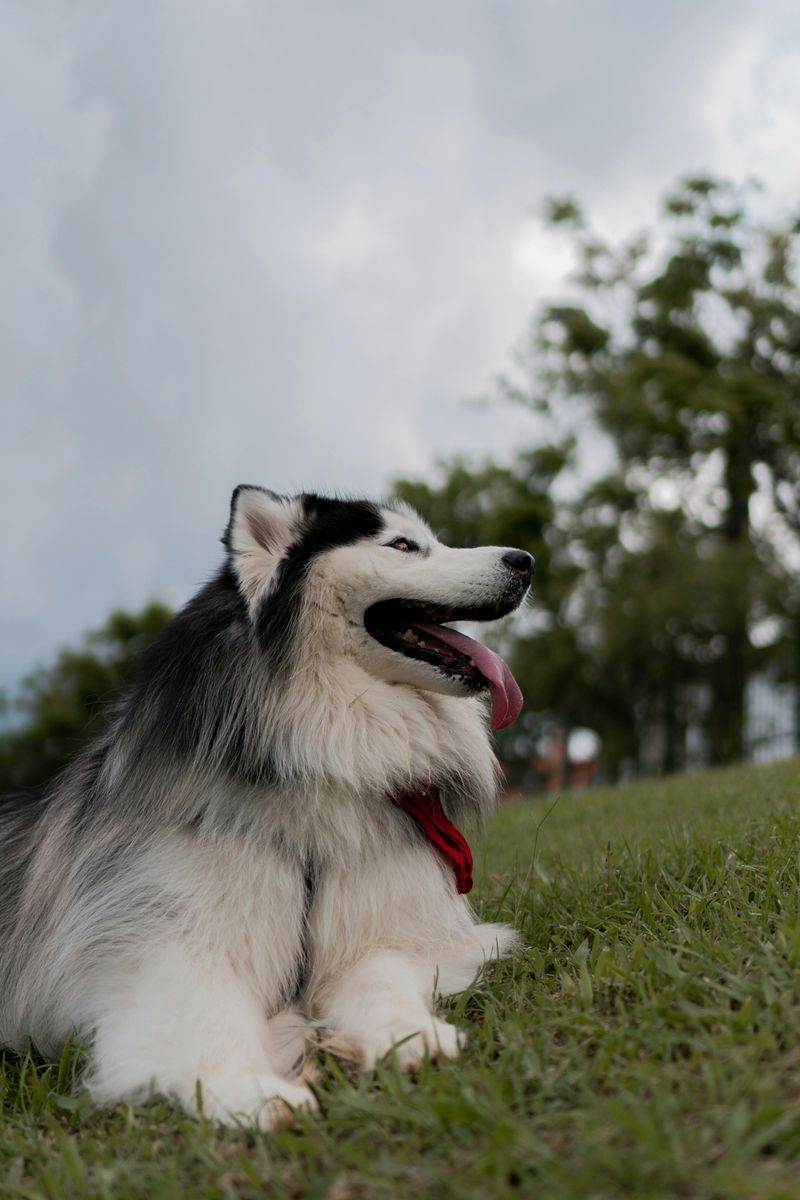
Alaskan Malamutes share northern breed instincts that complicate living with small pets. Their size, stamina, and confidence can escalate minor scuffles into dangerous moments quickly.
Plan layered management using leashes, gates, and decompression areas before you even schedule introductions.
Malamutes are social with people but may not tolerate same sex dogs or resource competition. Feed separately, store toys, and supervise doorways where friction often starts.
Give jobs like backpacking, weight pulls, or carting to drain energy and build impulse control. Practice calm downs after activity so arousal does not spill into rough play.
If harmony wobbles, prioritize safety and space, then reset expectations with structure. Protect goodwill with separation.
Err on the cautious side. Consistency matters.
Jack Russell Terrier
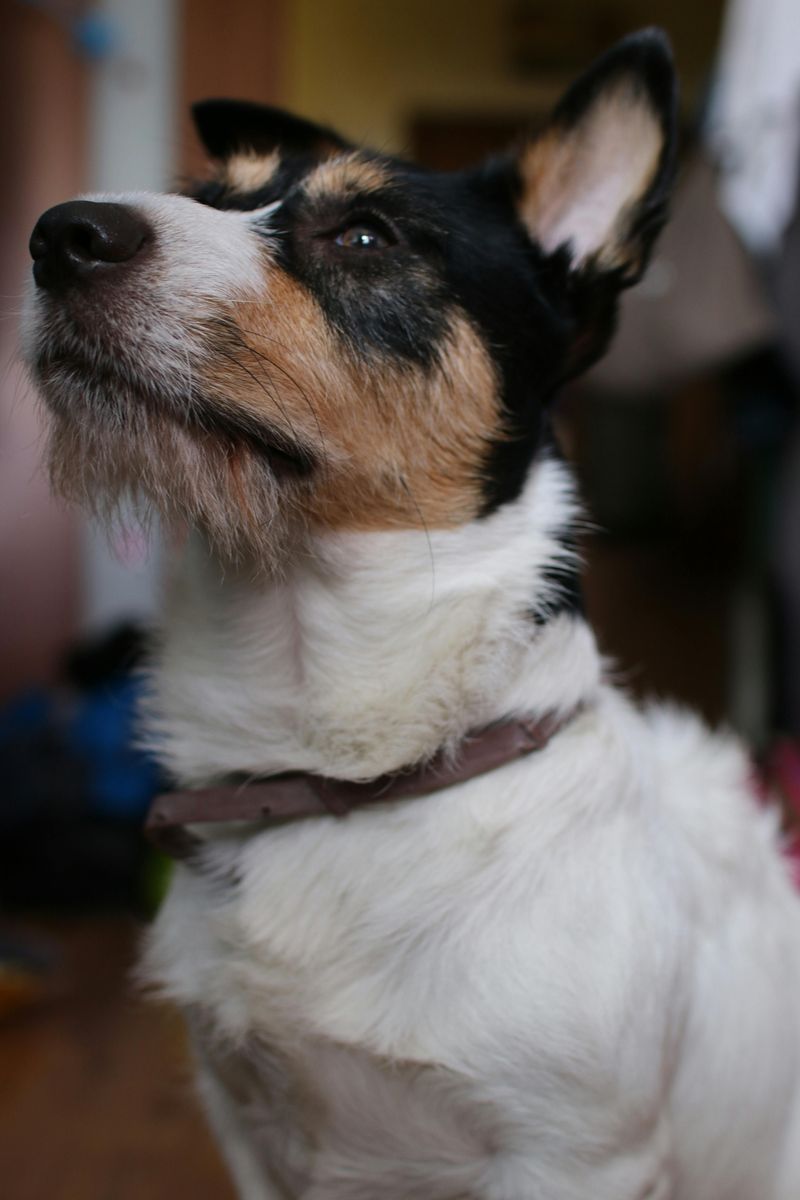
Jack Russell Terriers are brilliant, busy, and bred for vermin work, which complicates coexistence with pocket pets. Fast movement and squeaks can activate instinct in an instant.
Expect to manage with leashes, crates, and baby gates, not hopeful wishes, when new animals enter the picture.
They need meaningful outlets like scent games, tug, and structured fetch to reduce frantic energy. Teach settle on mat and reinforce quiet sniffing walks before any introductions.
Keep cat trees tall and escape paths clear so tension does not spike. Rotate playtimes and reward calm, boring choices relentlessly.
If supervision slips, little bodies can pay the price, so plan proactive safety first. Use tethers and timeouts wisely.
Practice impulse games daily.
Shiba Inu

Shiba Inus are clever, catlike, and notoriously self directed. Their prey drive varies, but many will chase and corner smaller animals given any opportunity.
Reliability comes from management first, then training, so plan barriers before you plan introductions.
They value personal space and can guard resources, which sparks conflict with curious pets. Teach trades, reinforce leave it, and use muzzles as proactive seatbelts.
Daily enrichment with flirt poles, sniffaris, and puzzle meals reduces snarky reactions. Give cats high perches and quiet rooms that are always off limits.
If friction appears, lower excitement, separate promptly, and restart with structure and calm. Short sessions beat marathons.
Document progress and setbacks. Be realistic about instincts.
Safety tools save trust.
Cane Corso
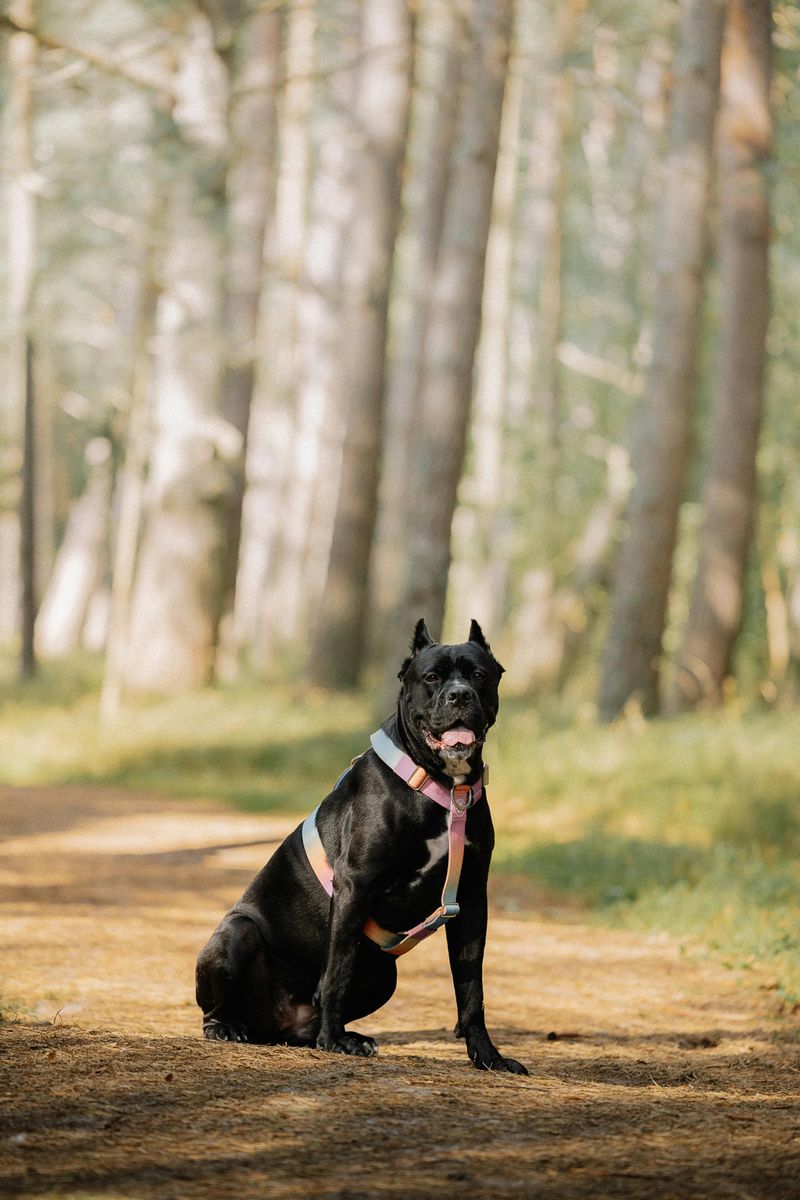
Cane Corsos are powerful guardians bred to make big decisions confidently. That protective nature can clash with lively, unfamiliar pets, especially around territory and valuable resources.
Clear structure, slow acclimation, and professional guidance are wise investments before you blend households.
Focus on neutrality training in public spaces and reinforce calm while other animals move nearby. Practice stationing, reliable leave it, and pressure on pressure off handling to navigate tense moments.
Feed alone, store toys, and supervise thresholds where crowding invites conflict. Use tools like gates, crates, and well fitted muzzles to protect progress.
If your gut says pause, listen, regroup, and prioritize safety over social goals. Clarity today prevents drama tomorrow.
Write and follow a plan.
Belgian Malinois

Belgian Malinois are brilliant, intense workers who excel at tasks that reward speed and commitment. Those same traits can overstimulate quickly around small pets or bouncy puppies.
Balance their minds and bodies first with structured training, fulfillment, and rest before you attempt introductions.
Teach impulse control through place, out, and clean releases from toys. Layer management using doors, baby gates, and crates so excitement never runs the show.
Rotate high value items and rehearse calm coexistence at safe distances. Give them real jobs like tracking or obedience to meet needs that walks alone cannot.
When in doubt, slow down, add space, and protect relationships with thoughtful boundaries. Quality rest is training too.
Consistency turns talent manageable.
Australian Cattle Dog
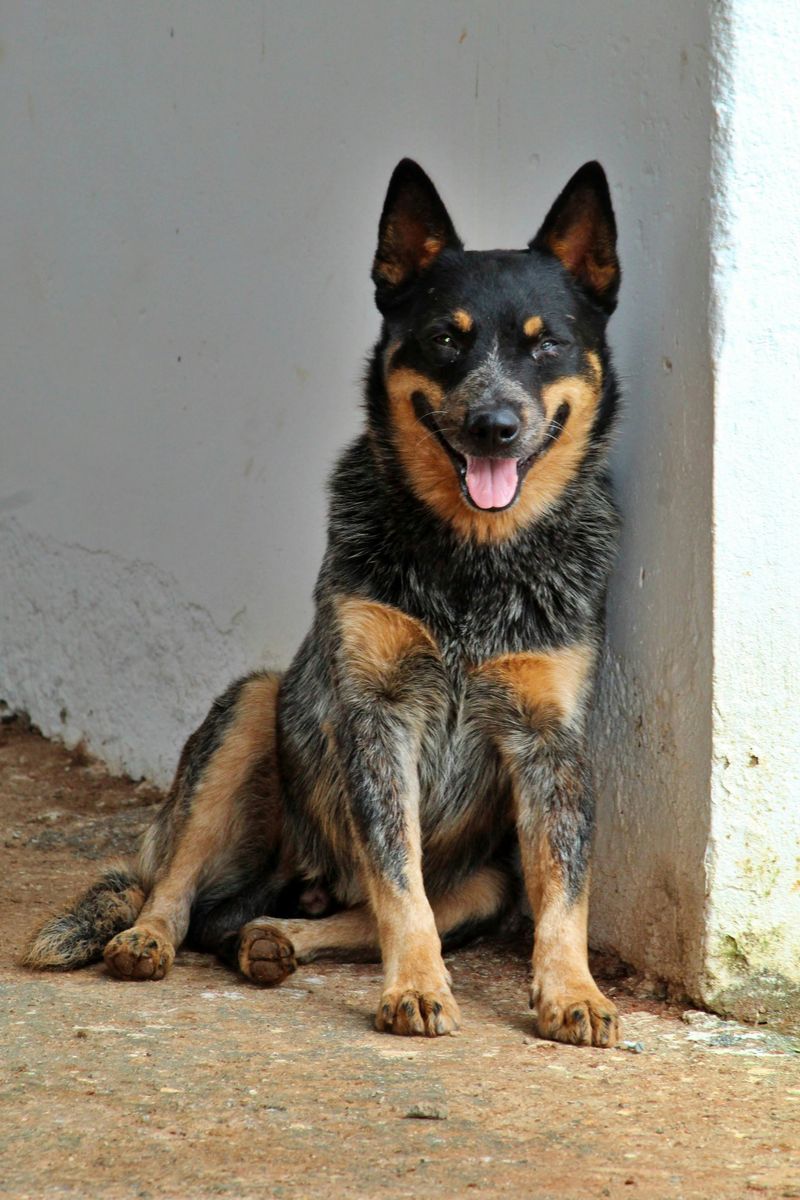
Australian Cattle Dogs are sharp, determined herders with strong opinions about movement. Nipping and heel targeting can surface when excitement rises, which stresses sensitive pets.
Plan outlets like herding balls, treibball games, and sniffy hikes to bleed off energy before mingling.
They are loyal but often suspicious of unfamiliar animals near their people or space. Teach off switch behaviors, pattern games, and a reliable place command for household calm.
Prevent crowding at doors, stairs, and kitchens where conflicts flare. Crate and rotate during high energy windows, then reward peaceful parallel time afterward.
If tension returns, back up your plan, slow the schedule, and protect trust. Keep leashes on indoors initially.
Short success beats rushed failure.
Basenji
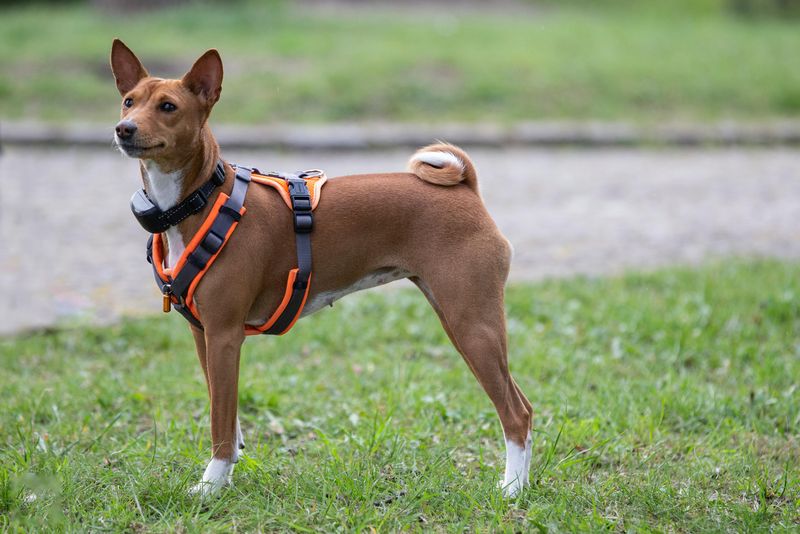
Basenjis are agile, inquisitive sighthounds with quiet voices and fast feet. Their curiosity and chase instinct can make small pets feel like fair game.
To keep peace, build routines that satisfy their need to explore without rehearsing pursuit.
Use long lines, flirt poles, and puzzle feeding to drain energy before controlled meetings. Teach nose to hand targeting and mat settles to redirect interest productively.
Provide visual barriers so cats can pass without triggering stalky behavior. Rotate freedom thoughtfully and keep litter boxes inaccessible.
When things click, celebrate briefly, then end on success rather than gambling for one more minute. Keep doors latched.
Supervise exits and windows. Consistency builds confidence over time.
Your preparedness prevents setbacks.
Presa Canario

Presa Canarios are imposing guardians bred for determination and presence. That seriousness demands thoughtful planning when other pets share space.
Expect to move slowly, reinforce neutrality, and keep safety equipment ready during all early interactions.
Teach rock solid obedience and practice calm around movement, noise, and food. Feed separately, manage toys, and supervise doorways and couches where pressure builds.
Reward relaxation, not bravado, and keep sessions short. Use gates, crates, and well fitted muzzles to protect progress and trust.
If setbacks appear, step back, call a qualified trainer, and reset the plan deliberately. Clarity prevents confusion and conflict.
Write household rules and follow them. Supervision is not optional here.
Err conservative and protect momentum. Measure progress in months, not days.
Weimaraner
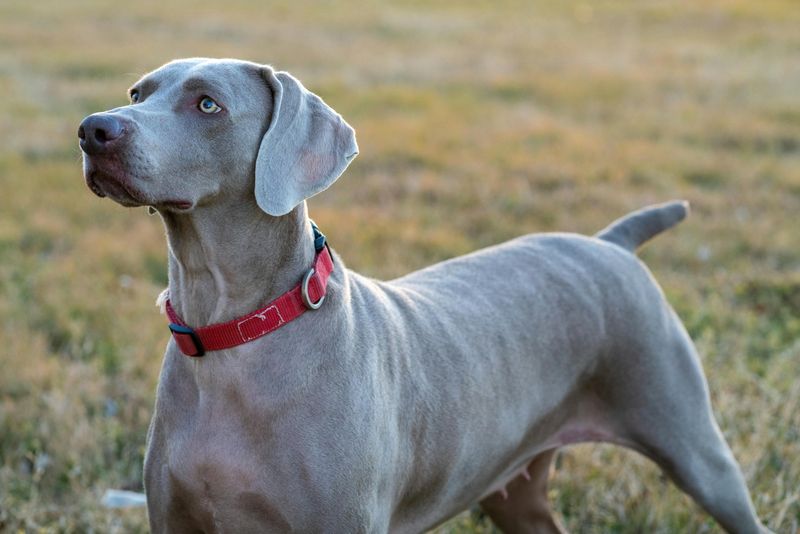
Weimaraners are sensitive, energetic hunting dogs built for stamina and drive. Many retain a strong prey instinct that can overwhelm smaller pets in seconds.
You will need management, training, and structured outlets long before you think about harmony.
Prioritize exercise with field games, tracking, and long decompression walks to soften edges. Teach impulse skills like leave it, stay, and a reliable recall under distraction.
Use gates, crates, and tethers to prevent chase rehearsals indoors. Give cats escape routes and perch highways so confidence grows carefully.
If arousal spikes, separate, reset with calm routines, and try again later with lower stakes. Plan supervised sessions, not free for alls.
Keep criteria tiny and achievable. Safety first every time.