
Some dogs get labeled as standoffish at first glance, but that often hides a heart of gold. When you learn their history and needs, a so-called aloof breed can become the most devoted companion you have ever known.
This guide unpacks misunderstood temperaments and shows you how trust, routine, and respect transform relationships. Stick around to meet twelve remarkable breeds whose quiet loyalty runs deep.
Akita
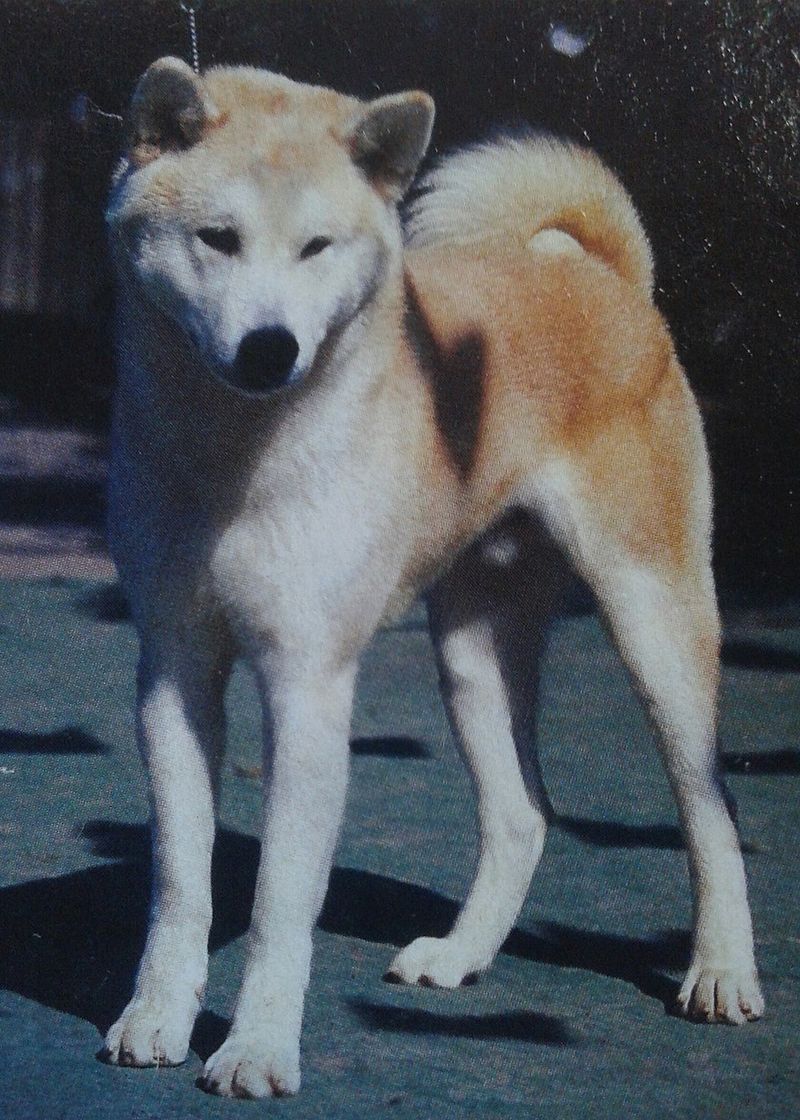
Akitas have a reputation for stoicism, which some people misread as coldness. In reality, they are intensely loyal guardians that bond deeply with their families.
When routines are consistent and boundaries are clear, you will find a steady companion who watches quietly yet cares fiercely.
Early socialization is everything with this breed. Expose an Akita to sounds, people, and friendly dogs, then reward calm interest and polite choices.
You will see confidence bloom, along with a willingness to relax in public spaces.
They do best with purposeful activity, like structured walks and short training games. Clear expectations reduce pushiness, and respectful handling earns trust.
Once you earn their respect, an Akita’s devotion feels unwavering and beautifully calm.
Shiba Inu
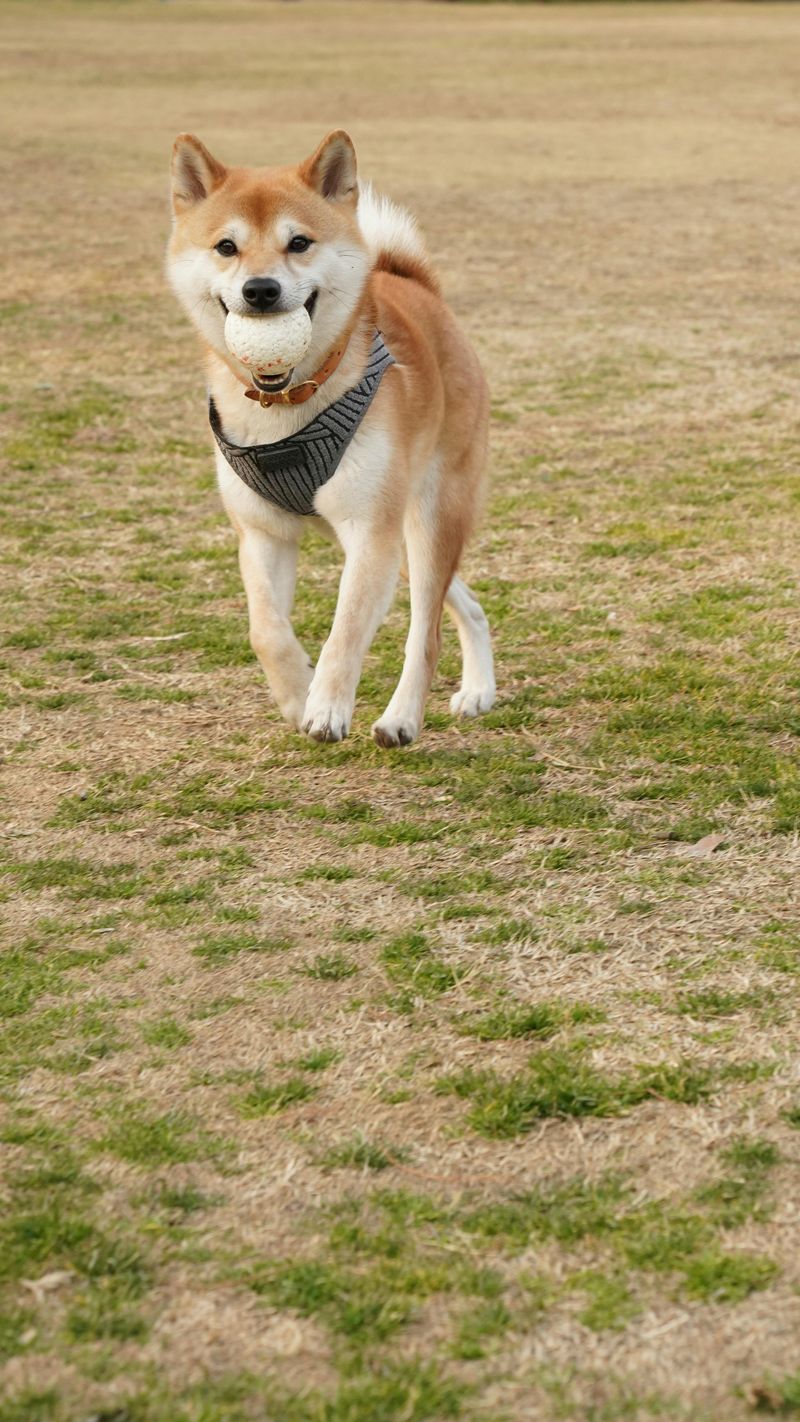
Shiba Inus radiate independence, which many mistake for aloofness. They like choosing their interactions, but that choice does not mean a lack of affection.
Earn their trust with patient training, and they will shadow you quietly, offering gentle companionship.
Consistency matters. Short, upbeat sessions with high value rewards help a Shiba stay engaged without feeling pressured.
You will notice them volunteering behaviors when training becomes a game rather than a demand.
Socialization should respect their sensitivity. Let them observe first, then approach when ready, and praise curiosity.
With fair leadership and outlets for energy, the Shiba’s devotion emerges as soft eye contact, relaxed proximity, and a surprising sense of humor.
Chow Chow
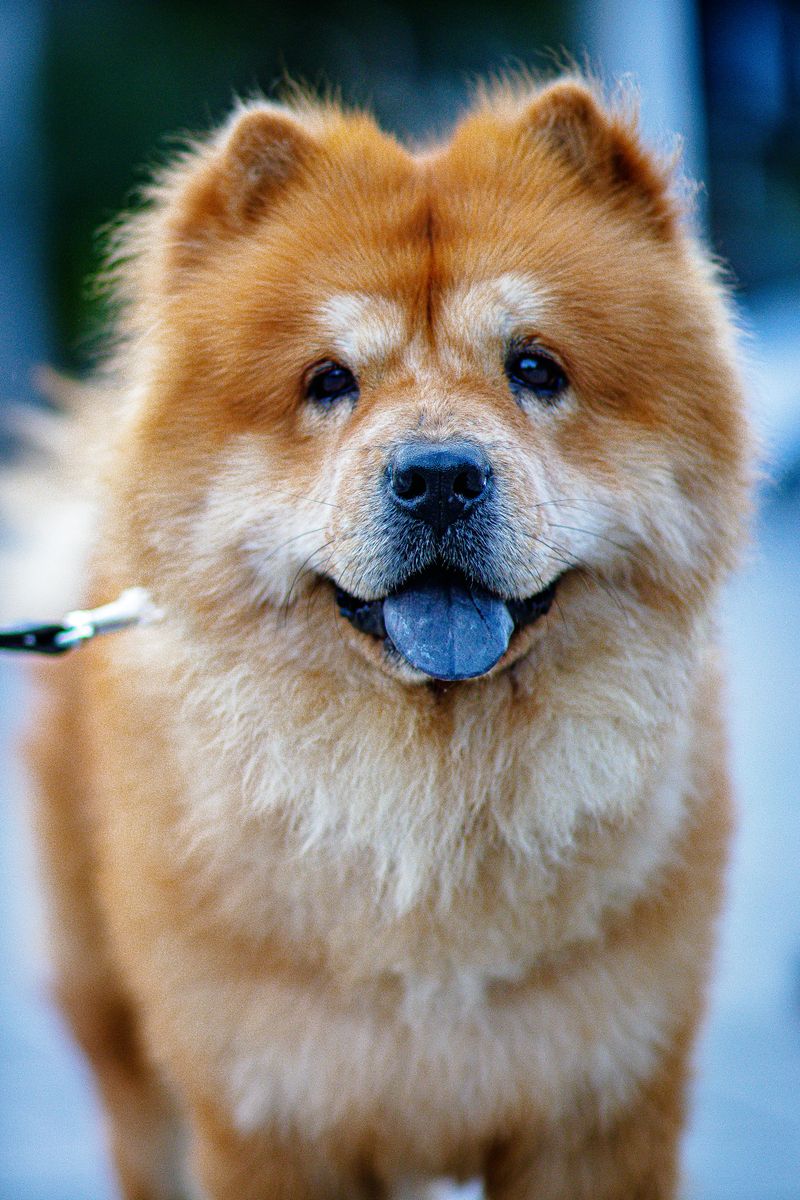
Chow Chows are dignified observers who value personal space. People sometimes assume that distance equals meanness, but a Chow simply prefers calm introductions.
When you respect that, they reveal gentle devotion and a protective nature toward their household.
Grooming time is a great trust builder. Move slowly, pair touch with treats, and keep sessions short.
You will see tension melt as predictability replaces surprise, reinforcing the bond between you.
Training should be quiet and clear. Avoid harsh corrections, and reward thoughtful responses.
With patient guidance and steady routines, a Chow’s loyalty shows in soft leaning, relaxed sighs at your feet, and quiet presence during life’s everyday moments.
Basenji
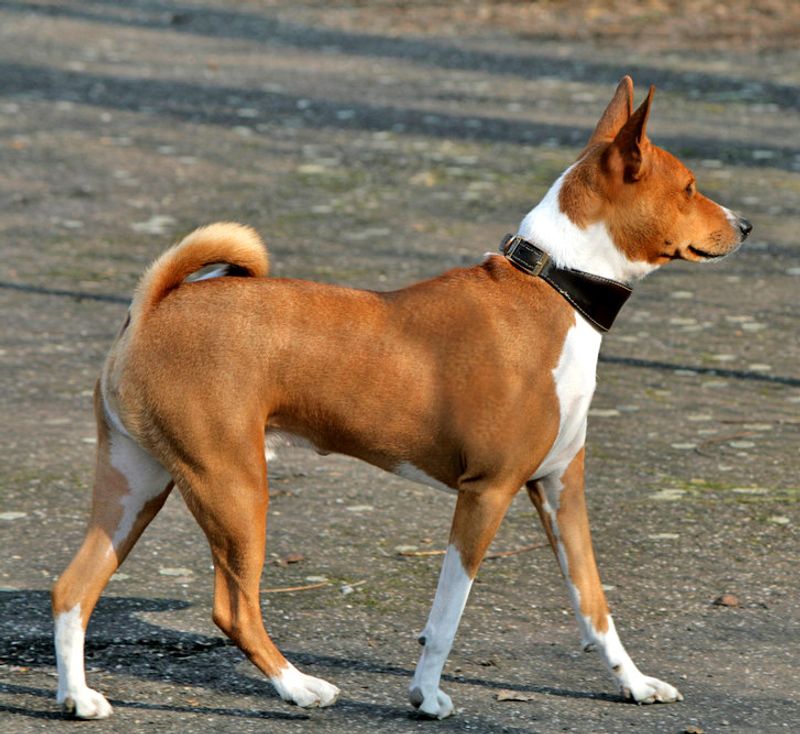
Basenjis are thinkers with a catlike approach to connection. Their silence and independence can be mistaken for detachment, but they are deeply tuned to your routines.
Provide structure and play, and you will see a bright, affectionate partner who chooses closeness.
Because Basenjis are curious problem solvers, enrichment is essential. Puzzle feeders, scent games, and trick training channel that busy brain.
You will notice calmer behavior when curiosity has a satisfying outlet.
Social introductions should be brief and positive. Let them opt in, reward engagement, and keep expectations reasonable.
Given patient guidance and consistent boundaries, a Basenji’s loyalty appears as attentive following, shared glances, and cozy evening snuggles after adventure.
Shar Pei
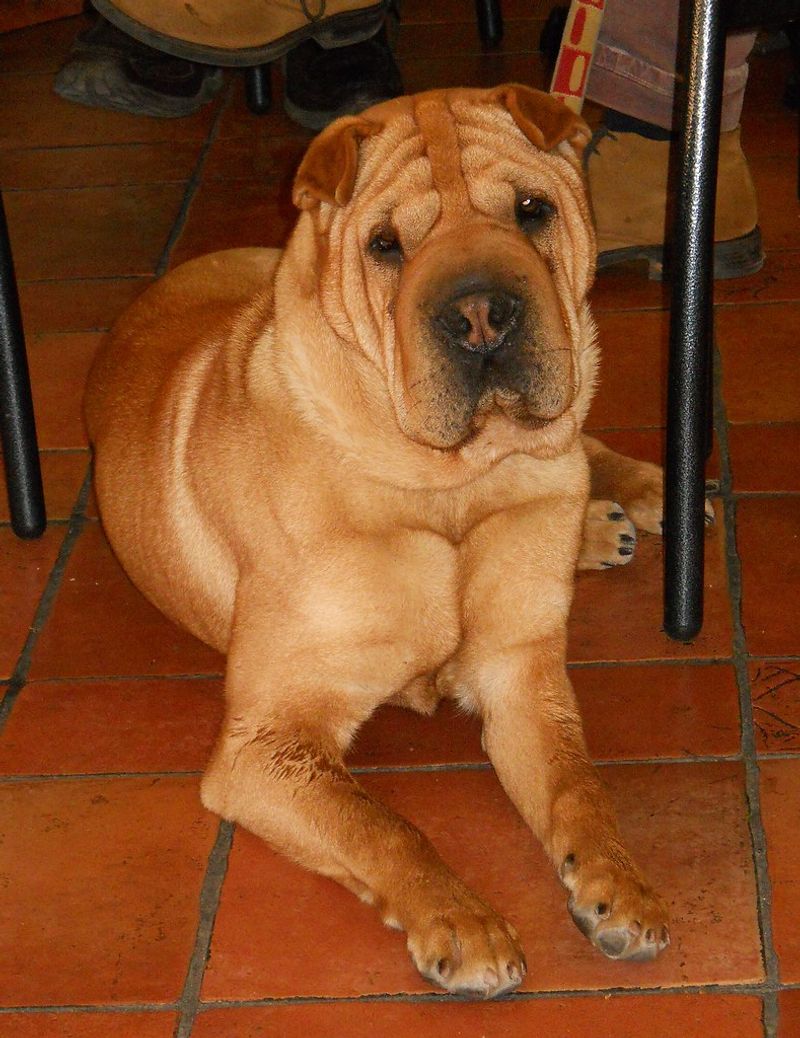
Shar Pei dogs often seem serious, and those thoughtful eyes can be misread as unfriendly. Underneath is a calm, devoted guardian who thrives on predictable routines.
When you respect their space and communicate clearly, loyalty blossoms into steady companionship.
These dogs appreciate low drama training. Keep sessions focused, reward generously, and end on success.
You will see crisp responses when cues are consistent and pressure stays low.
Early socialization matters. Pair new experiences with treats and retreat options so curiosity can grow.
With care and patience, a Shar Pei reveals an affectionate side, leaning into gentle scratches and following you room to room like a quiet shadow.
Greyhound
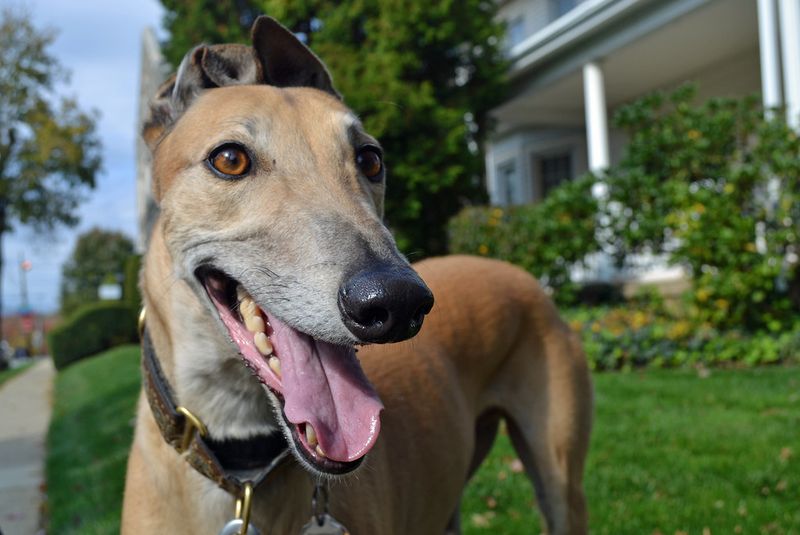
Greyhounds look reserved at first, but they are famously sweet and people focused. Many are retired racers who need time to decode household life.
Give them a soft bed, a calm schedule, and patient reassurance, and you will discover a gentle soul.
They are sensitive learners. Use quiet praise and treats to build confidence on walks and around new sounds.
You will notice shoulders drop and tails relax as predictability returns.
Short bursts of zoomies followed by long naps suit them perfectly. Avoid rough play and prioritize comfort.
In return, the Greyhound’s loyalty shows as soft nudges for affection, careful matching of your pace, and a peaceful presence beside you.
Whippet
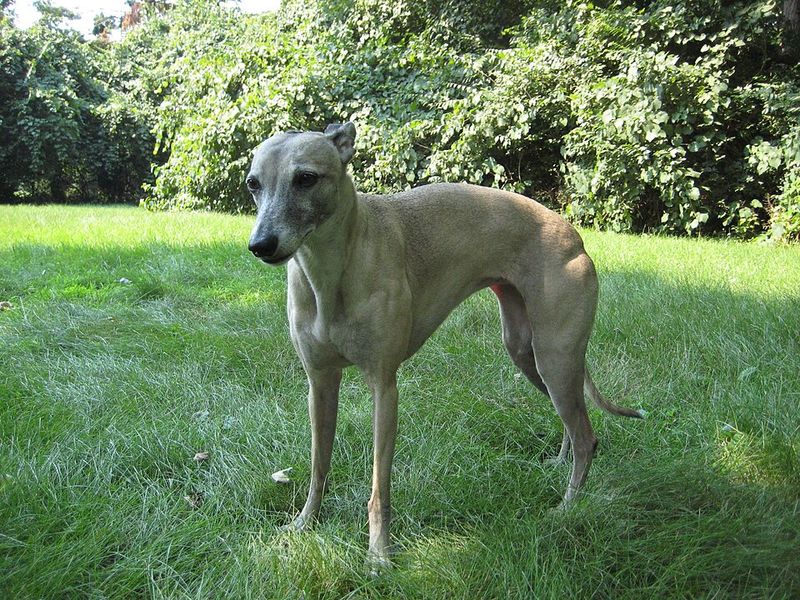
Whippets can seem delicate and distant, yet they bond strongly with their people. Give them gentle handling and cozy places to curl up, and they will seek you out for warmth and reassurance.
Their calm indoors demeanor hides a playful burst of speed outside.
Training should stay light and fun. Keep sessions short, use soft voices, and celebrate tiny wins.
You will see faster learning when pressure is minimal and rewards are meaningful.
Social needs are moderate. Introduce friendly dogs and new places gradually, pairing exposure with sniff breaks.
With caring structure, a Whippet’s loyalty shows as close cuddles, soft eye contact, and a constant desire to share your quiet spaces.
Saluki
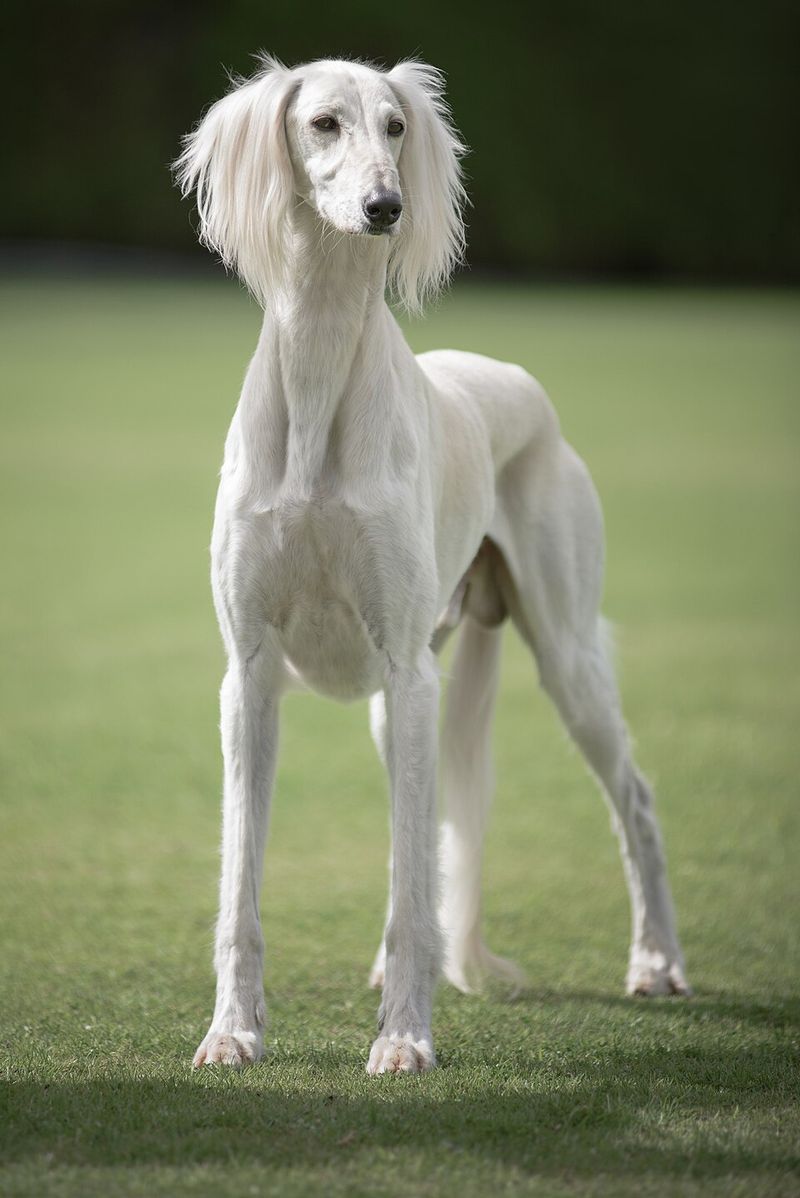
Salukis carry centuries of desert heritage, moving with regal restraint. People sometimes mistake their grace for indifference, but beneath it lives a gentle, sensitive heart.
When approached kindly and given space, they weave a quiet bond that feels profound.
They excel with soft, thoughtful training. Reward curiosity, avoid loud corrections, and let them process.
You will notice engagement grow when trust is honored.
Exercise should include open running in safe, enclosed areas. Afterwards, they settle beautifully at home, preferring calm company.
With routine, respectful handling, and warm resting spots, a Saluki’s loyalty appears in subtle ways: shadowing your steps, resting a head on your knee, and watching you with luminous eyes.
Scottish Terrier
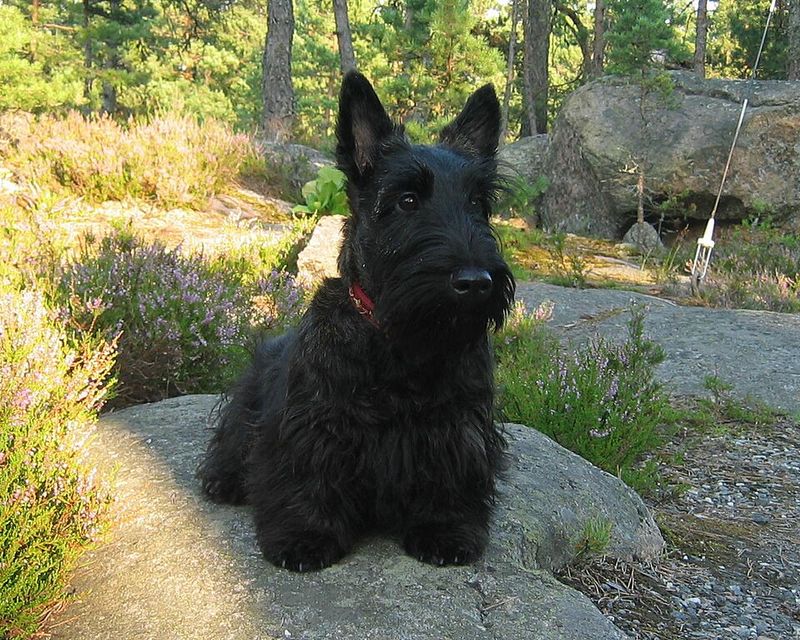
Scottish Terriers have bold posture and a serious gaze that can seem prickly. Underneath is a brave, loving companion who thrives on clear rules and shared rituals.
Give them jobs, like carrying a toy on walks, and you will see pride and devotion bloom.
Training needs structure and humor. Keep cues consistent, add brief play, and reward quick sits and tidy recalls.
You will get better focus when expectations are predictable.
They enjoy independence but choose closeness on their terms. Respect that rhythm, offer calm praise, and manage introductions thoughtfully.
Over time, a Scottie reveals steadfast loyalty, guarding your routines, checking on you often, and settling nearby with contented sighs.
Lhasa Apso
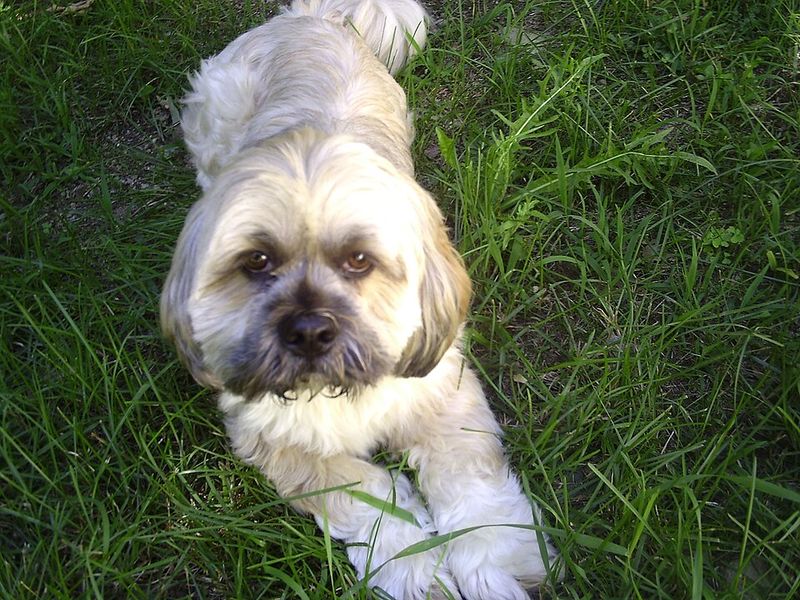
Lhasa Apsos were bred as sentinels, so wariness is part of their job description. People may read that as rudeness, but it is thoughtful observation.
With patient, respectful handling, they transform into affectionate guardians who adore their people.
Grooming rituals are powerful bonding moments. Keep tools gentle, pair combing with treats, and give breaks.
You will see trust deepen when sessions are predictable and kind.
Socialization should be slow and positive. Reward calm greetings, provide escape routes, and do not force petting.
Over time, a Lhasa’s loyalty shines through small gestures: following room to room, curling against your leg, and offering alert, loving watchfulness.
Tibetan Terrier
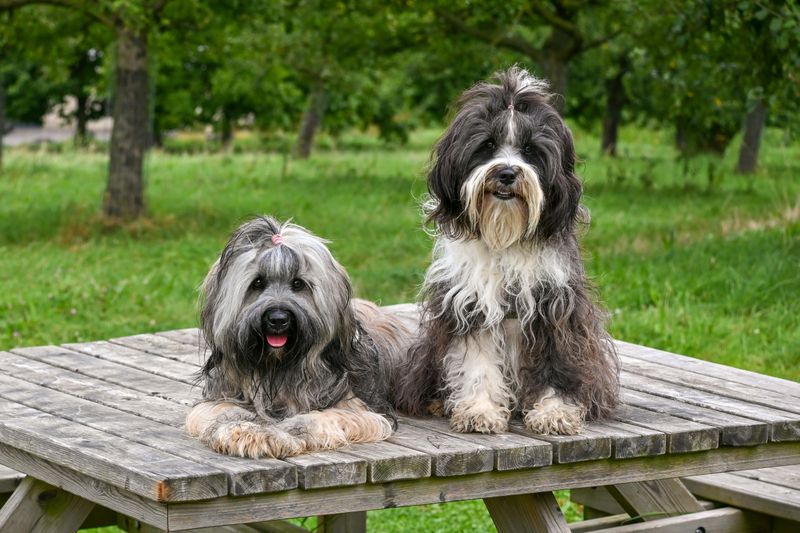
Tibetan Terriers balance independence with heartfelt attachment. Their heritage as monastery companions explains the thoughtful, observant vibe.
When you provide routine, gentle training, and lively walks, they respond with joyful loyalty and surprising sensitivity to your mood.
They learn best through play. Add nosework games, quick recalls for treats, and short agility exercises.
You will notice confidence grow as successes stack up.
Grooming and handling should be cooperative, not forced. Teach consent cues, like offering paws or standing on a mat.
With respect and patience, a Tibetan Terrier reveals steadfast devotion, checking in often, staying close on hikes, and curling near you during quiet evenings.
Great Pyrenees
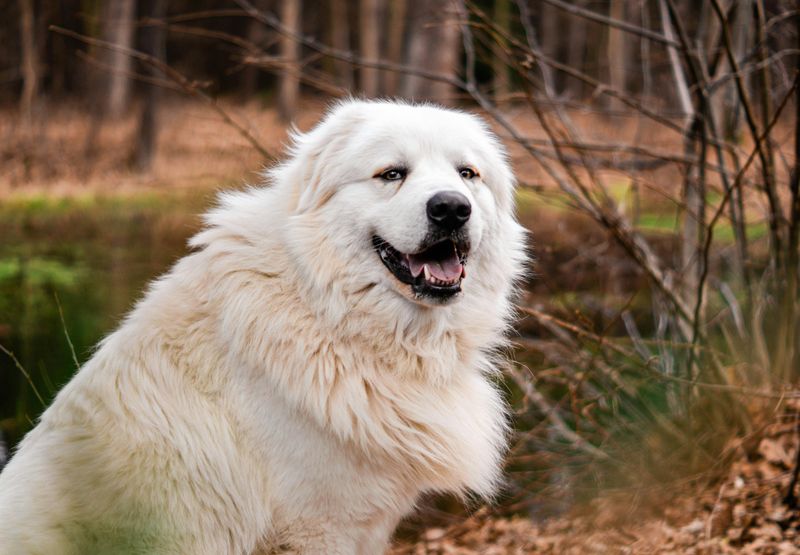
Great Pyrenees dogs are calm guardians bred to think independently. Their watchful stillness can be misread as aloofness, but it is purposeful composure.
When you honor their job and provide clear boundaries, they return unwavering loyalty and gentle affection at home.
Training should focus on reliability, not flash. Keep cues simple, reward patience, and practice calm leash manners.
You will see steadiness grow with consistent routines.
They need secure spaces to survey and moderate exercise to stay content. Respect their impulse to patrol, and offer structured quiet time afterward.
In return, a Pyrenees will rest near you like a living cloud, offering soft nuzzles and silent, steadfast protection.