
Some dog breeds display remarkable sensitivity to not only their own diet but also to what their human companions consume. This sensitivity can manifest in various ways, affecting their behavior and emotional well-being. Here, we explore 12 dog breeds known for their discerning nature when it comes to your dining habits.
Coton de Tulear
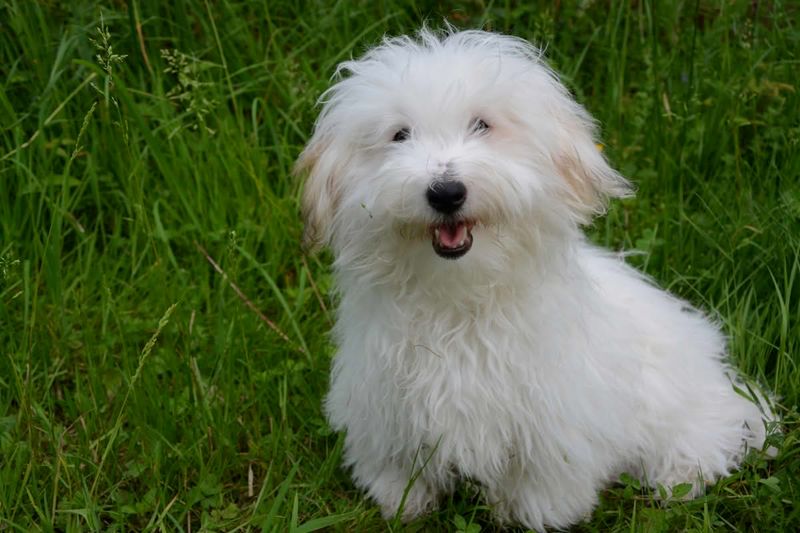
With an endearing coat as fluffy as a cloud, the Coton de Tulear is a breed that thrives on companionship. Known for their lively disposition, these dogs seem to have an uncanny ability to pick up on their owner’s eating habits.
Their watchful eyes and sensitive nature make them attentive to the environment, including what you’re having for dinner. Often, the Coton de Tulear may react to your meals, mirroring moods or displaying excitement.
Originally hailing from Madagascar, these dogs were companions to royalty, perhaps explaining their discerning taste. Their connection to human emotion is profound.
Lancashire Heeler

Small yet spirited, the Lancashire Heeler is a breed bursting with energy and curiosity. With roots in cattle herding, these dogs are alert and perceptive, often mirroring the emotions of their human companions.
Their keen sense of smell makes them particularly aware of food scents wafting through the air. They can become quite intrigued by your meals, reacting with enthusiasm or curiosity, depending on your mood.
Originating from Northern England, their history as working dogs has honed their acute awareness, making them sensitive to dietary changes in their environment.
Bichon Frise

With a personality as fluffy as their coat, the Bichon Frise is often the life of the party. Their cheerful demeanor is infectious, and they take a keen interest in household activities, including mealtime.
These dogs are particularly sensitive to their owner’s dietary habits. Their playful nature often leads them to try to join in on the fun, reacting with joy to the social aspect of shared meals.
Historically, they were popular among French nobility, which may explain their refined taste and penchant for human interaction during dining.
Swedish Lapphund

The Swedish Lapphund, with its dense coat and expressive eyes, is a breed deeply rooted in Scandinavian culture. Known for their loyalty and intelligence, these dogs exhibit a strong bond with their family.
Their sensitivity to human emotions extends to mealtime, where they often display interest in what their companions are eating. They react subtly to the scents and atmosphere surrounding food.
As one of Sweden’s oldest breeds, their history with the indigenous Sami people has shaped their perceptive nature, making them attuned to human dietary habits.
Keeshond
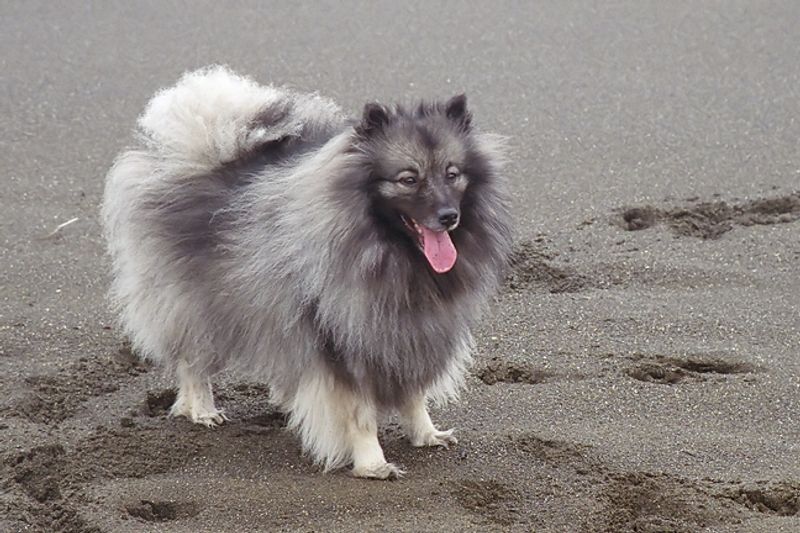
With their distinctive ‘spectacles’ and friendly demeanor, Keeshonds are the quintessential companion dog. They have a strong affinity for family life and are incredibly attuned to the dynamics of their household.
Their sensitivity extends to food, often intrigued by the meals being prepared around them. This interest is tied to their social nature, as they love being part of the action.
Historically known as ‘Dutch Barge Dogs,’ their association with riverboats has made them keen observers, always ready to engage with their human companions, especially during meals.
Havanese

Charming and intelligent, the Havanese is known for their playful antics and strong desire to be close to their human family. They are particularly sensitive to the emotions and habits of those they love.
Mealtime can be a social event for these dogs, as they often observe or react to what’s being shared around the table. Their curious nature means they pick up on subtle cues, making them aware of changes in dietary routines.
Their Cuban roots as companion animals have honed their empathetic skills, making them attuned to both emotional and dietary nuances.
Tibetan Terrier

The Tibetan Terrier, often regarded as a ‘Holy Dog,’ exudes a sense of calm and wisdom. Known for their long, flowing coats, they are deeply connected to their human companions.
These dogs have a keen awareness of their surroundings and are especially sensitive to the moods and diets of those they bond with. Their gentle disposition often leads them to observe mealtime dynamics quietly.
As guardians of Tibetan monasteries, their history is intertwined with human interaction, shaping their perceptive nature, especially concerning food and social rituals.
Bearded Collie

Bursting with energy and charm, the Bearded Collie is a delightful companion with a knack for making every moment joyful. These dogs are social beings who thrive on interaction with their human family.
Their curiosity often leads them to observe what their humans are dining on, reflecting their keen interest in household meals. Their animated personality can make them playful participants in mealtime activities.
With roots in herding, their history as working dogs enhances their alertness and sensitivity to their environment, including the meals enjoyed by their human companions.
Shetland Sheepdog

Known for their intelligence and agility, the Shetland Sheepdog, or Sheltie, is a breed that excels in both companionship and work. They have a strong bond with their human family, always eager to participate in household activities.
Their acute sense of awareness makes them particularly sensitive to the emotions and meals shared around them. They often observe with keen interest, reacting to the ambiance of mealtime.
Originally bred for herding in the Shetland Islands, their history is one of close human interaction, fostering their attentive nature and sensitivity to dietary habits.
Cavalier King Charles Spaniel

With their regal appearance and affectionate nature, the Cavalier King Charles Spaniel is a beloved companion known for their gentle demeanor. They form deep bonds with their human family and are particularly attuned to their emotions.
These dogs have a renowned sensitivity to what’s being eaten around them, often reacting with empathy or curiosity. Their expressive eyes reveal their interest in mealtime interactions.
Originally favored by royalty, their history as lap dogs has made them exceptionally aware of human behaviors, including dietary habits, enhancing their empathetic connection.
Finnish Spitz

The Finnish Spitz, with their fox-like appearance and vibrant personality, is a breed that thrives on interaction and communication. Known as ‘Barking Bird Dogs,’ they are vocal and expressive.
Their sensitivity to human activities extends to mealtime, where they often display interest or excitement depending on the atmosphere. Their lively nature makes them attentive observers of dining habits.
As the national dog of Finland, their history of close companionship with humans has honed their ability to respond to dietary cues and emotional states, making them unique companions.
American Eskimo Dog
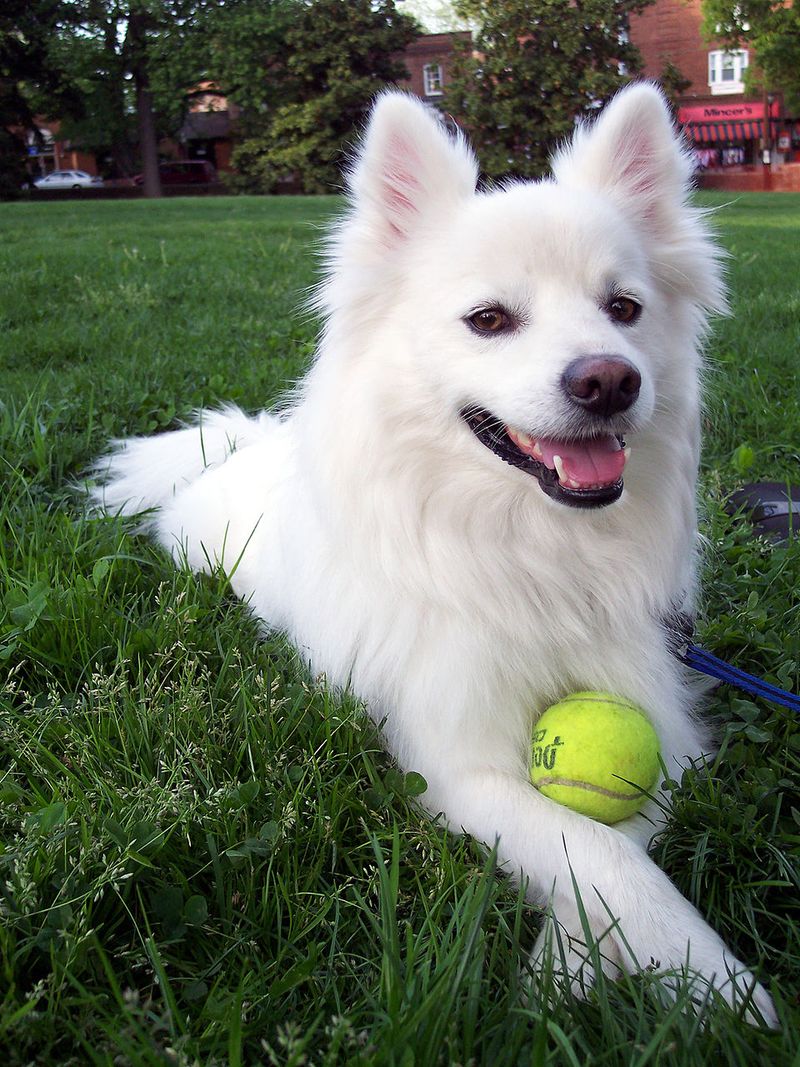
With their bright eyes and fluffy coat, the American Eskimo Dog exudes a sense of playfulness and intelligence. They are deeply connected to their human companions and thrive on being involved in family life.
These dogs are sensitive to the dietary habits and emotional states of those around them, often showing interest in mealtime dynamics. Their curious and social nature makes them keen participants in household routines.
Originating from German Spitz-type dogs, their history is one of companionship and engagement, which enhances their perceptive nature, especially concerning human meals.