
Some dogs are breathtakingly powerful, intensely driven, or simply too close to their wild ancestry for ordinary homes. You might love the look, but daily reality involves legal hurdles, reinforced fencing, and relentless training that never lets up.
Before you fall for a striking photo or viral video, understand what living with these breeds truly demands. Your safety, your neighbors, and the dog’s welfare depend on honest expectations.
Wolfdog
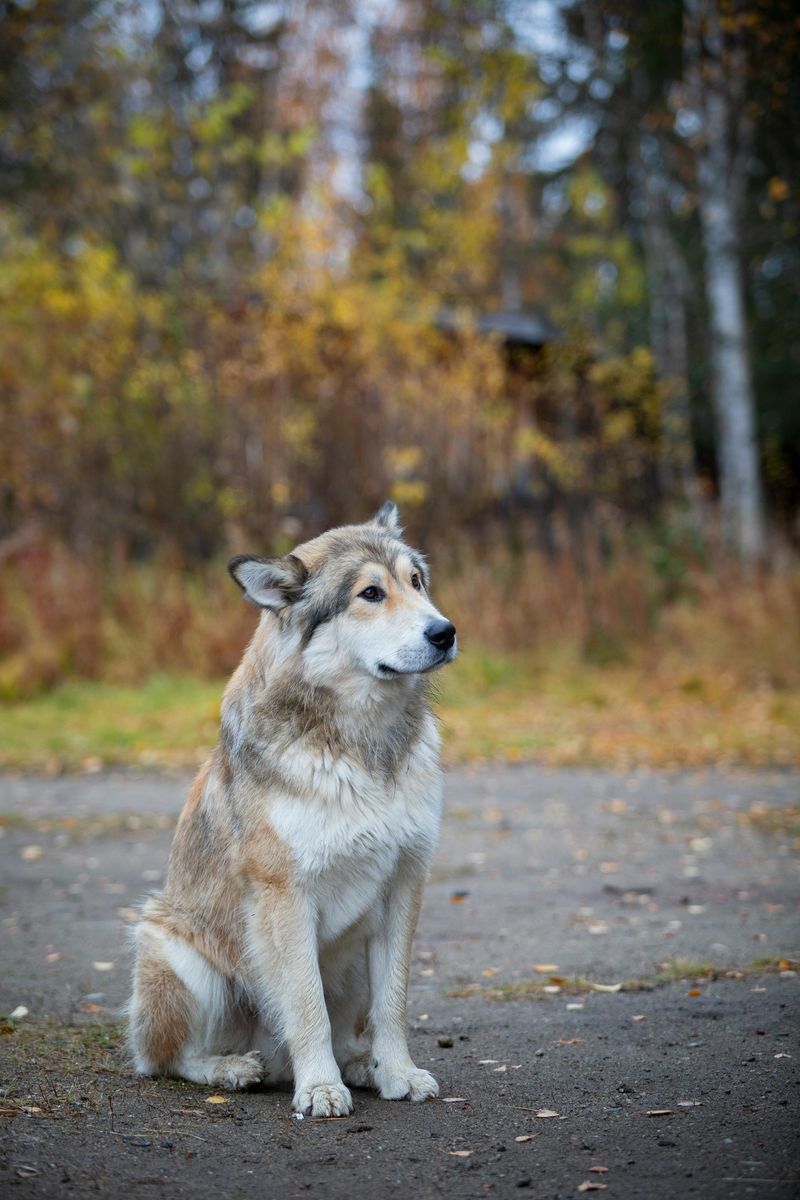
Wolfdogs blend domestic dog and wolf traits, creating unpredictable behavior that even experienced owners struggle to manage. Their high prey drive, intense resource guarding, and flighty reactivity can escalate quickly under stress.
Containment requires fortress level fencing and constant vigilance.
If you crave a challenge, remember that many municipalities restrict or ban wolf hybrids, and insurance often refuses coverage. Socialization and enrichment are full time jobs, not weekend projects.
You might admire their beauty, but you and your neighbors will live with the consequences when instincts override training.
Before considering one, visit reputable sanctuaries and speak with caretakers who manage them daily. Most will tell you that ethical ownership means specialized habitat, legal counsel, and a lifetime commitment few households can honor.
Caucasian Shepherd
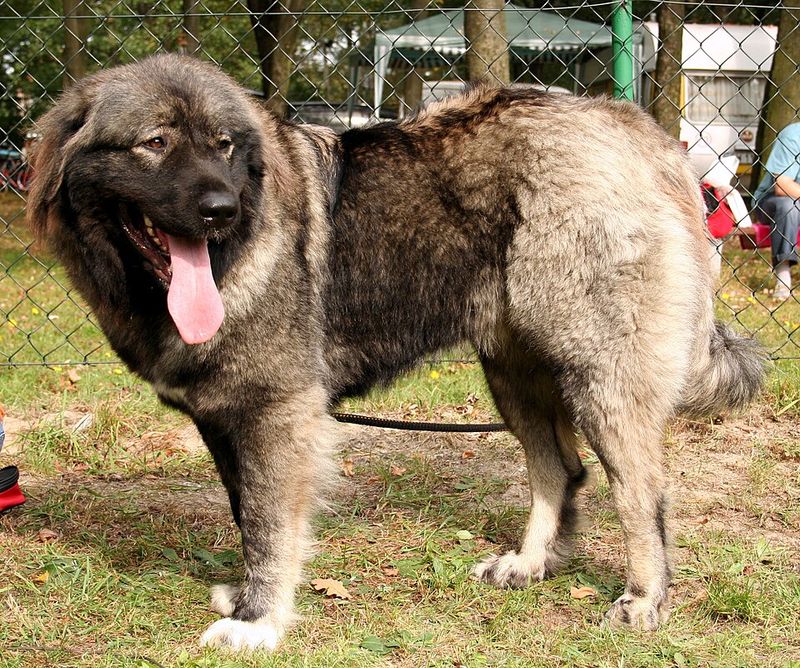
The Caucasian Shepherd was bred to guard livestock against wolves and human threats, not cuddle on couches. Expect staggering size, suspicion of strangers, and territorial instincts that activate without much warning.
Fencing, neutralization training, and strict management are non negotiable.
You will need to socialize early, advocate constantly, and control every interaction with visitors and delivery drivers. Even then, powerful distrust can resurface under stress, especially during adolescence.
Veterinary handling, grooming, and boarding can turn challenging without expert planning and calm, practiced handling.
If you value a peaceful neighborhood, think carefully before choosing this giant guardian. The commitment includes liability awareness, secure infrastructure, and steady leadership that many households cannot provide day after day.
Cane Corso
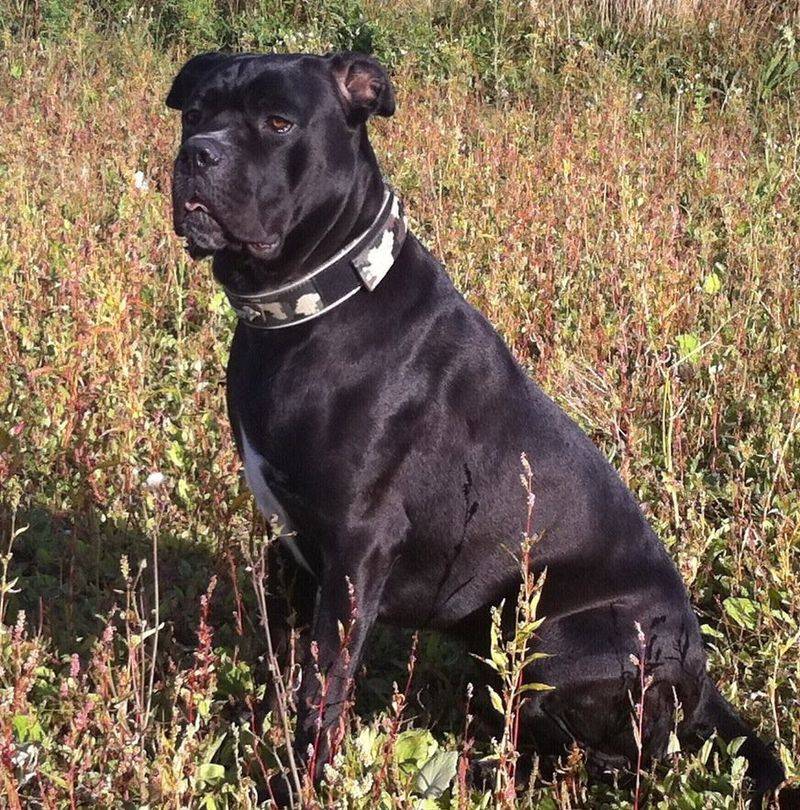
The Cane Corso is an athlete built for protection work, with power that multiplies any training mistake. You will juggle impulse control, neutrality around strangers, and rigorous obedience to channel drive safely.
Without structure and daily purpose, frustration can morph into reactivity.
Protective instincts feel flattering until misunderstandings with guests, joggers, or service workers occur. You must advocate politely but firmly in public, always reading the room and managing space.
Reliable recalls, heelwork, and place training are not tricks, they are life skills that keep everyone safe.
If this excites you, partner with a reputable breeder and balanced trainer. Otherwise, choose a breed whose needs match your schedule, strength, and tolerance for constant responsibility.
Dogo Argentino
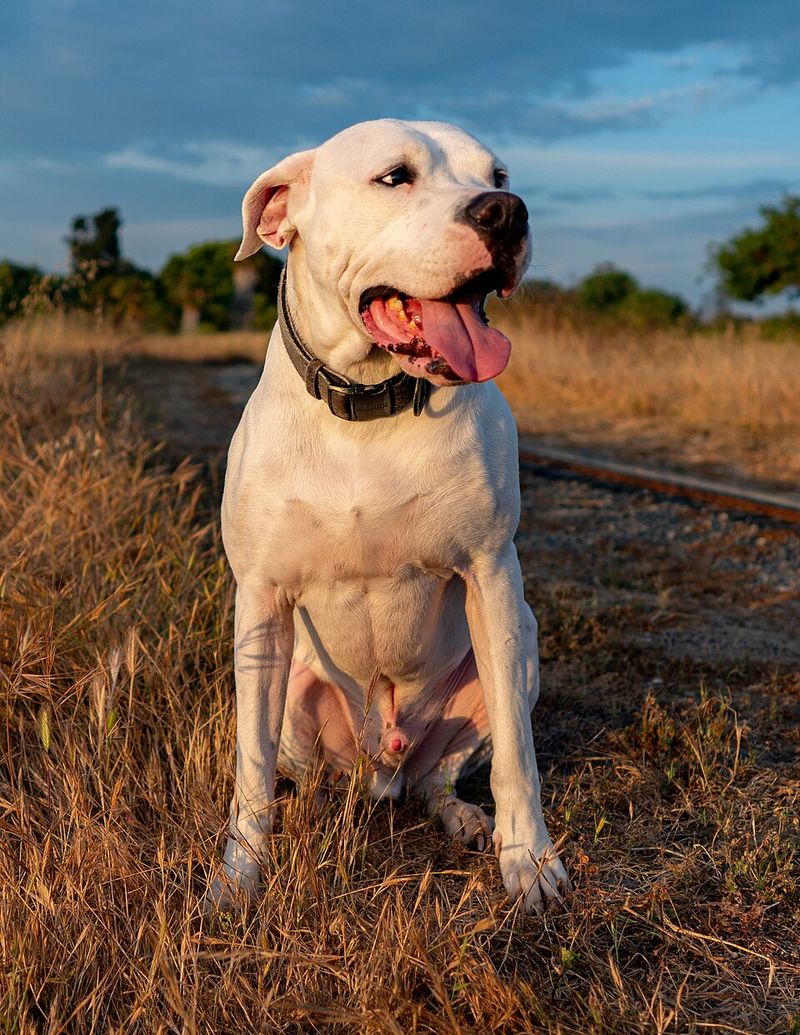
Bred for big game hunting, the Dogo Argentino carries intense prey drive and tenacity that can overwhelm casual owners. Their determination feels heroic in sport, yet it complicates multi pet homes and chaotic neighborhoods.
Daily outlets for drive are mandatory, not optional enrichment.
Legal restrictions, breed specific bans, and insurance refusals may follow this breed. You should expect to prove control and stability everywhere you go, often under skeptical eyes.
Clear boundaries, heavy socialization, and thoughtful neutrality practice make public life safer for everyone.
If you want this athlete, budget for professional training and structured activities like tracking or controlled bite sports. Without purpose and leadership, the Dogo’s brilliance and power can become a community problem fast.
Fila Brasileiro
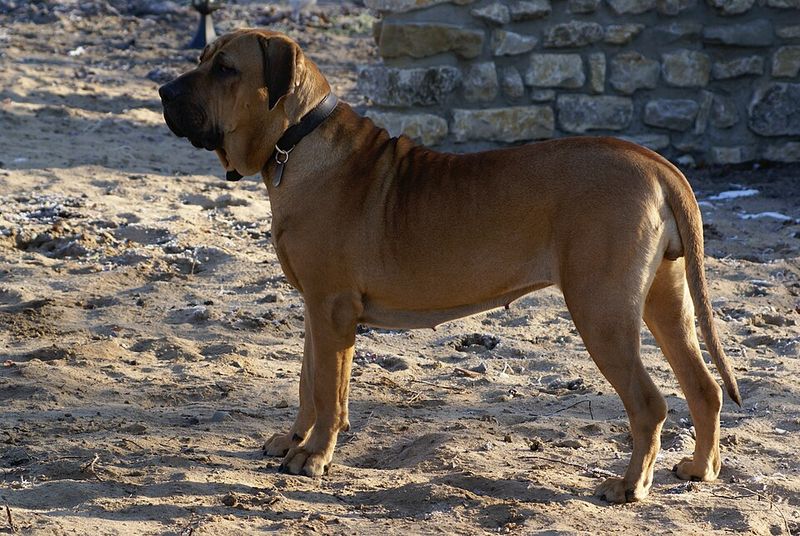
The Fila Brasileiro is famed for intense aversion to strangers, a trait called ojeriza that makes casual ownership risky. This is not shyness, it is active distrust that requires serious management and legal awareness.
Even well trained Filas can react decisively when boundaries feel crossed.
Hosting parties, scheduling service calls, or walking busy sidewalks becomes complicated fast. You must control space, advocate clearly, and plan every interaction with visitors and professionals.
Many countries regulate or ban Filas, and insurers often decline coverage regardless of temperament testing.
If you are drawn to the Fila, honor what it is instead of reshaping it. A rural lifestyle, expert mentorship, and ironclad containment are baseline requirements, not ambitious goals.
Presa Canario
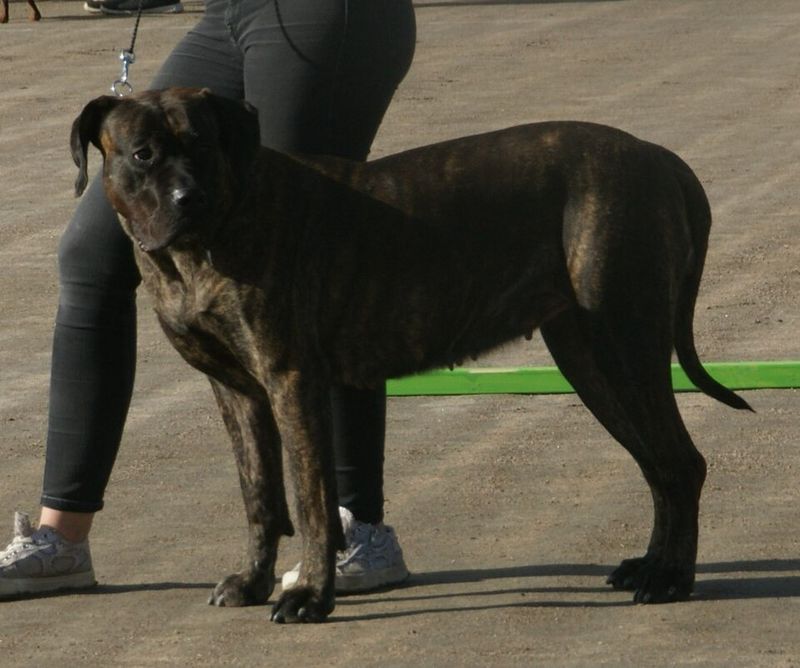
The Presa Canario combines mass, jaw strength, and a no nonsense attitude that magnifies small mistakes. Protective instincts and suspicion of unfamiliar people can spike under pressure, especially with weak handling.
Secure fencing, structured introductions, and bulletproof obedience are everyday necessities.
You will practice neutrality near strangers and dogs, reinforcing calm choices when adrenaline rises. Skipping training for a week often shows up as pushy behavior or boundary testing.
Boarding and vet visits demand muzzles, cooperative care training, and confident, experienced handling.
If your lifestyle is busy and social, this breed will clash with your calendar. Choose it only if you can provide purpose, consistency, and strong management that never drifts.
Tibetan Mastiff
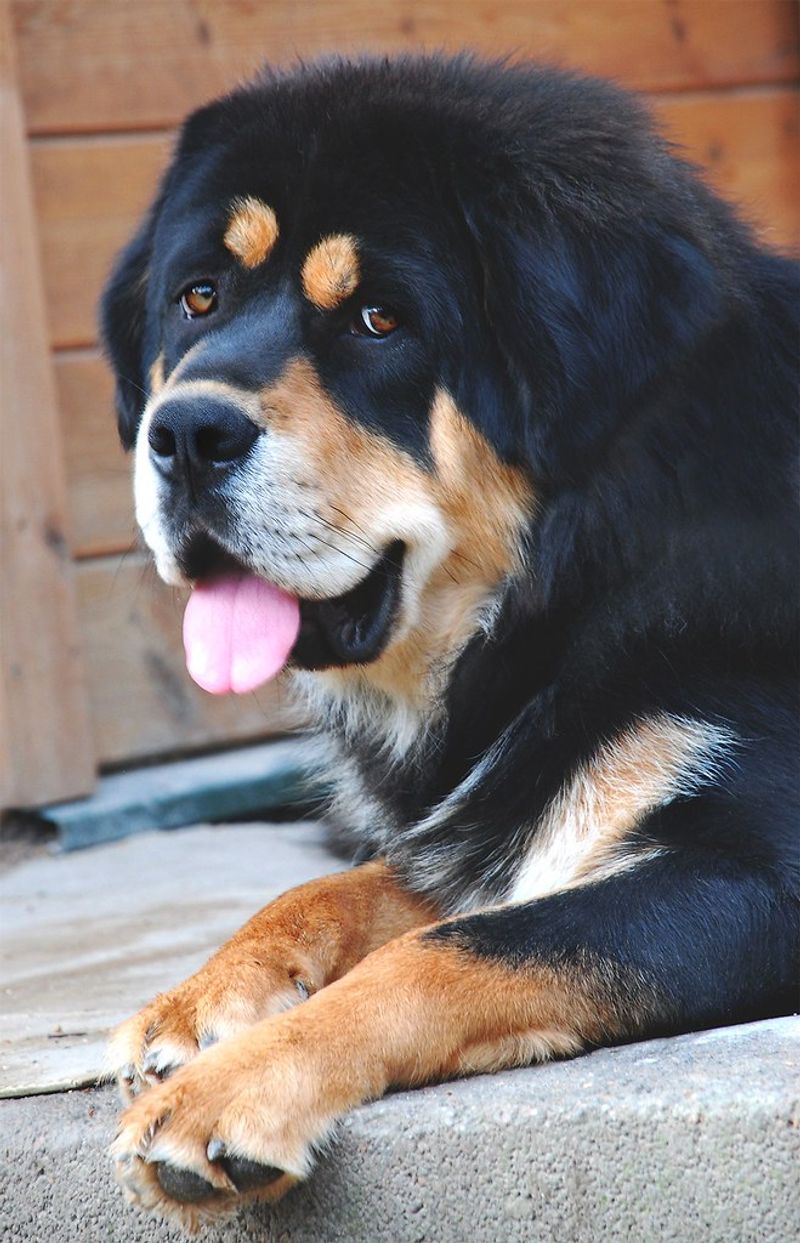
The Tibetan Mastiff looks like a lion and thinks like a night watchman, prioritizing territory over compliance. Aloof with strangers and stubborn with owners, they evaluate commands rather than obey on cue.
Expect loud nocturnal barking, fence patrolling, and independent decision making.
City living frustrates this guardian, and neighbors rarely enjoy the soundtrack. Secure acreage, strategic soundproofing, and exercise that respects joints become daily logistics.
Grooming and seasonal shedding add workload, while veterinary handling can require patient, low stress desensitization.
If you love the look, volunteer with a rescue to experience the routine. You may realize that admiration from afar is kinder than forcing a mountain guardian into suburbia.
Belgian Malinois
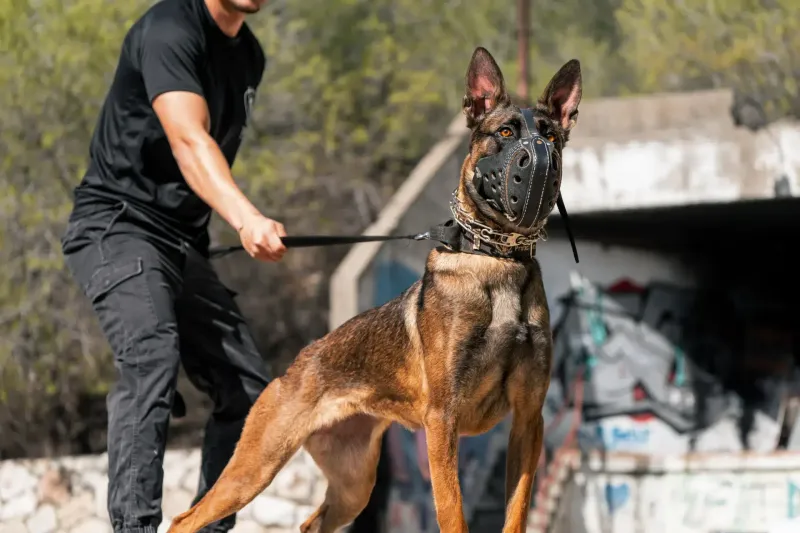
The Belgian Malinois is a working missile that thrives on precision, pressure, and daily purpose. Without structured outlets like sport obedience, tracking, or protection, energy becomes destruction and reactivity.
Crate training, impulse control, and targeted drills are your normal, not your hobby.
Living with one means planning every day around training, mental work, and decompression. Skip structure and you will see spinning, barking, nipping, and obsessive patterns appear fast.
Many rescues overflow with under stimulated Malinois whose owners underestimated the grind.
If you want the thrill, apprentice with a trainer and join a reputable club before adopting. Matching this rocket to your real schedule determines whether you enjoy brilliance or chaos.
Alaskan Malamute
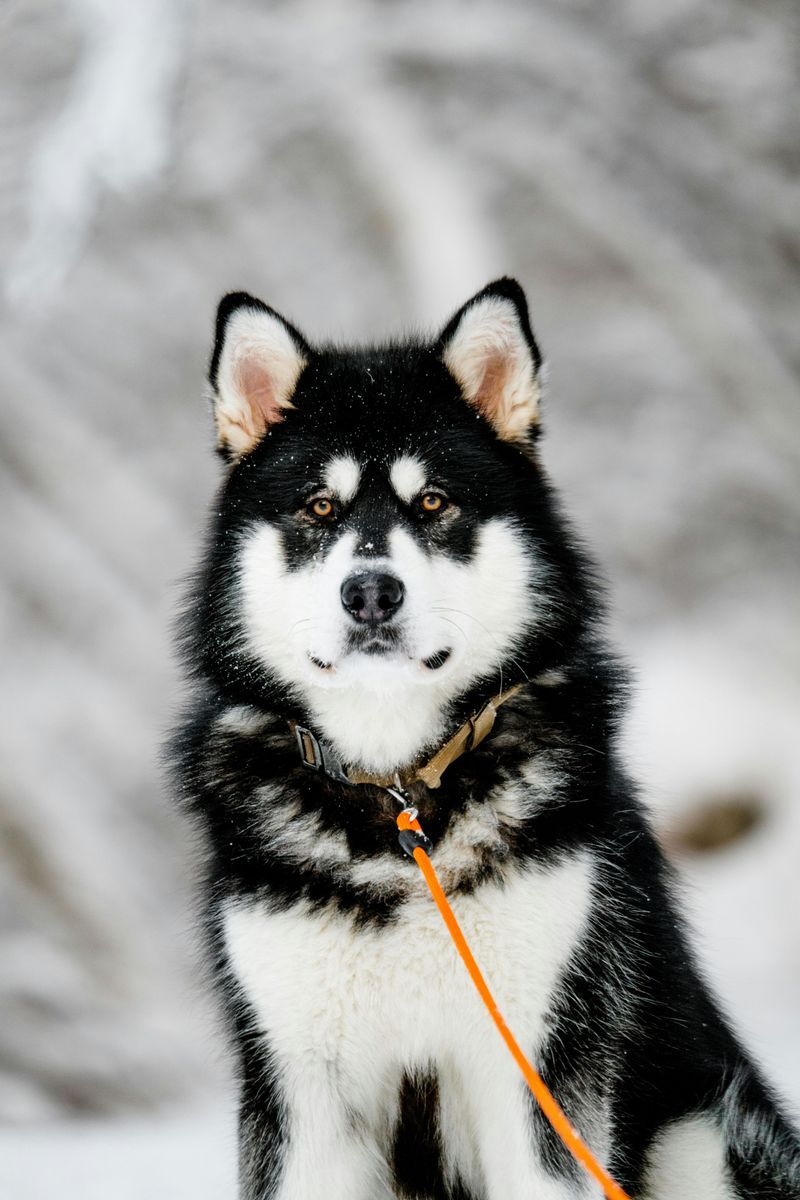
The Alaskan Malamute was bred to pull heavy loads tirelessly, not thrive in apartments and heat. Expect stubborn independence, escape artistry, and a prey drive that challenges small pet households.
Their thick coat demands serious grooming, plus climate aware exercise to prevent overheating.
Strong leash manners and secure fencing are essential because recall can be optional in their mind. High energy needs mean structured hikes, sled sports, or weight pulling, not quick sidewalk loops.
If you skip outlets, boredom fuels digging, howling, and creative destruction.
Love the northern aesthetic but live warm or busy. Consider a lower drive spitz or invest in seasonal plans that respect this powerhouse’s heritage and comfort.
Akita
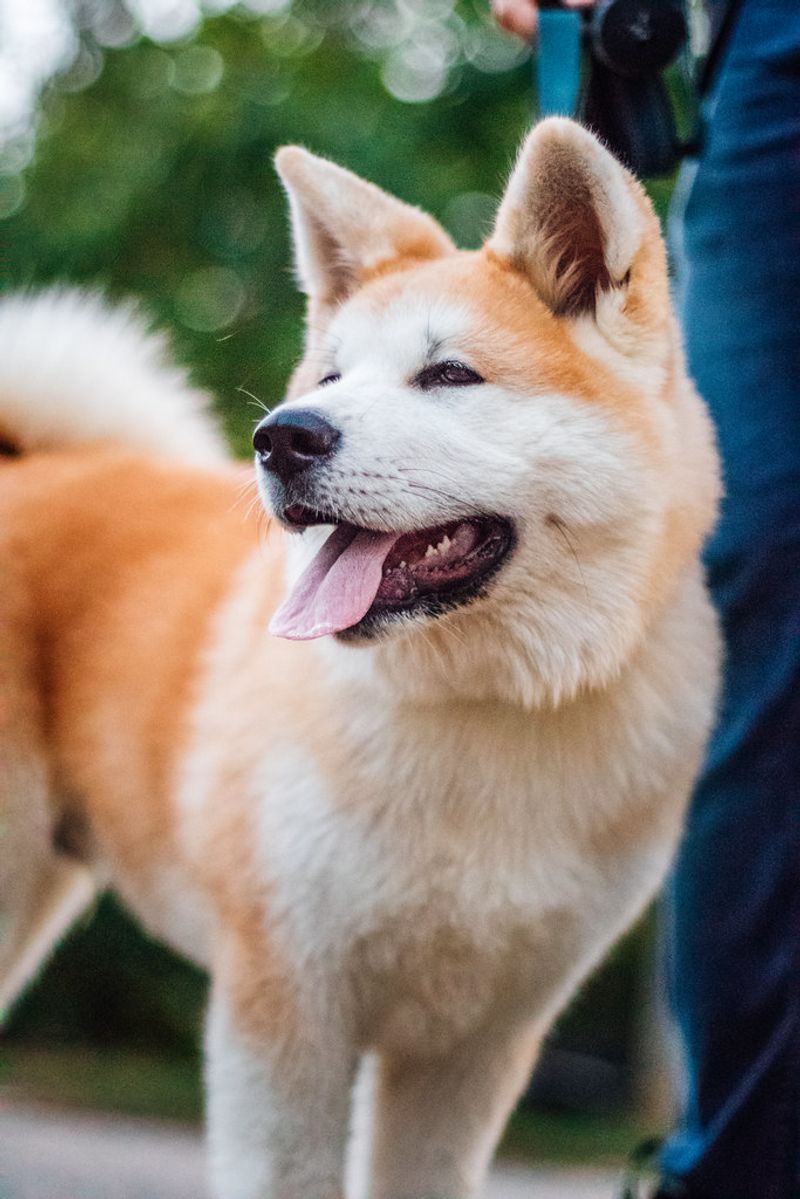
Akitas are dignified, independent, and often intolerant of pushy dogs, which complicates busy urban living. Their guardy nature can produce hard stares, body blocks, and explosive reactions if disrespected.
Early socialization helps, but you must still supervise introductions and advocate assertively.
Training an Akita means clarity, calm pressure, and consistent rules that never wobble. Rough handling backfires, yet permissiveness invites entitlement and risk.
Grooming, nail care, and vet visits require cooperative care skills, because force creates lasting resentment.
If you enjoy subtle communication and firm boundaries, this breed rewards steady leadership. If you prefer dog parks and spontaneous playdates, choose a more socially flexible companion for everyone’s peace.
Kangal
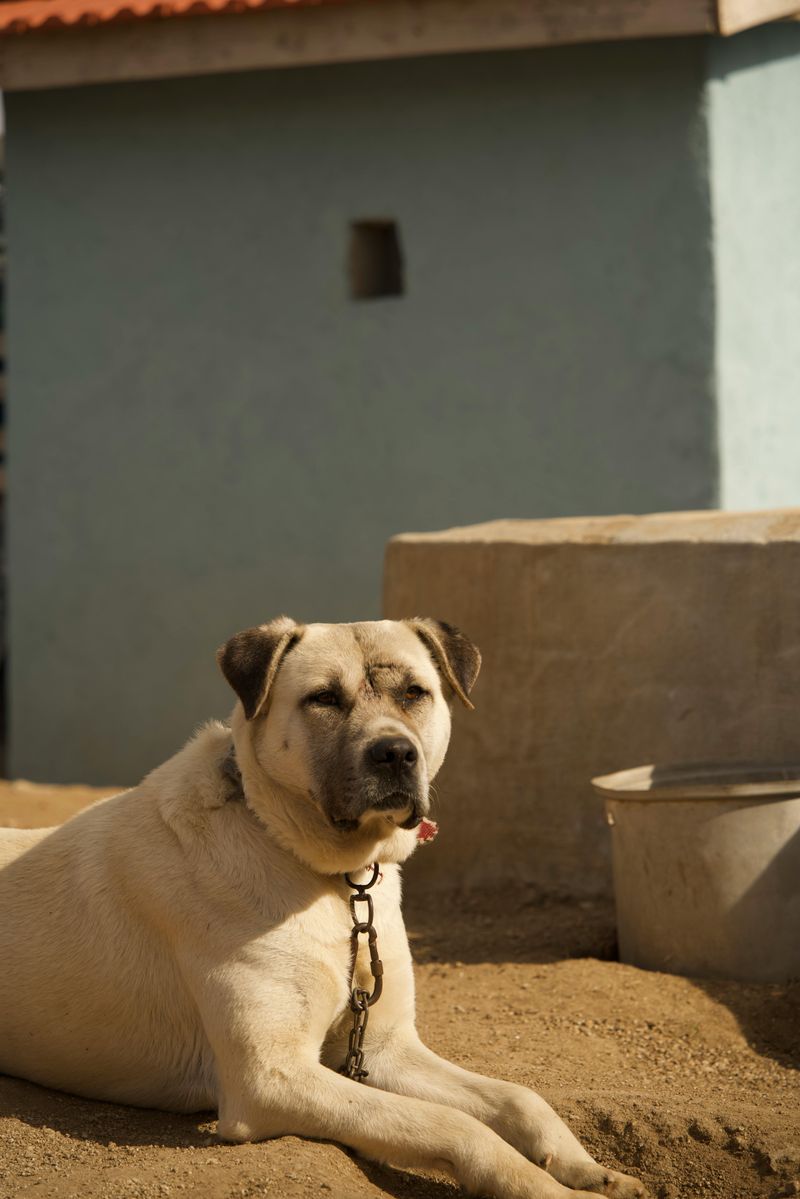
The Kangal is a livestock guardian built to make independent choices while protecting flocks from predators. That mission clashes with dense neighborhoods, frequent visitors, and loose leash strolls through crowds.
Expect territorial barking, perimeter obsession, and reluctance to accept unfamiliar people.
These dogs need space, clear jobs, and thoughtful introductions managed by confident handlers. If pushed, their size and power can escalate conflicts in an instant.
Liability concerns and local ordinances may complicate ownership, so research before you fall in love.
When matched to rural life and real work, Kangals shine with calm authority. In typical suburbs, the constant management load turns daily living into a high stakes balancing act.
Boerboel
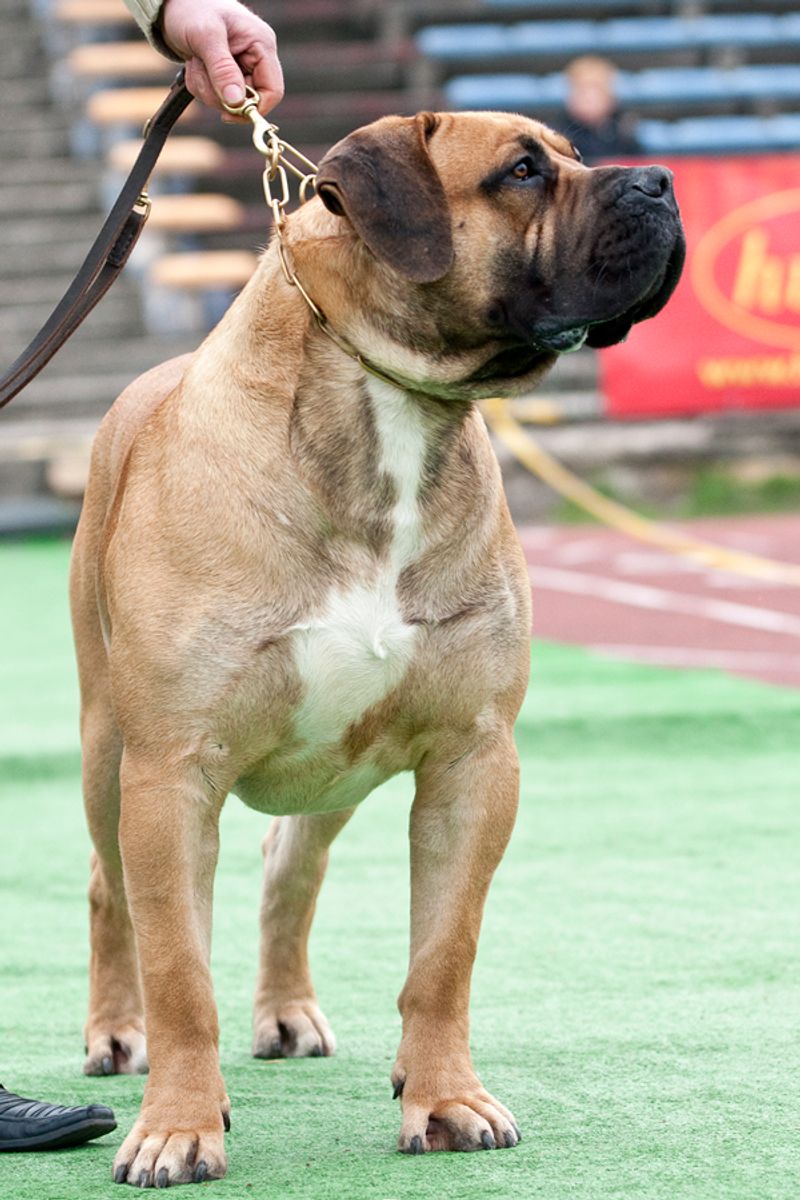
The Boerboel is a South African estate guardian bred to deter human threats with sheer presence. That purpose remains, which means natural suspicion and pressure response that amplify mistakes.
Solid genetics, early neutrality training, and meticulous management are non negotiable.
Day to day life involves structured obedience, boundary proofing, and controlled introductions to visitors. You will practice muzzle training and cooperative care to keep vet and grooming visits safe.
Skipped exercise or sloppy handling can turn pushiness into confrontation before you realize it.
If you want one, work with experienced mentors and prioritize temperament tested lines. Otherwise, pick a breed that welcomes guests without turning your doorway into a checkpoint.