
If your dog seems wired at random times, the missing piece might be a simple, predictable routine. Many breeds relax faster when meals, walks, and downtime follow a steady rhythm you can repeat.
Set the clock, stick to it, and you will often see tension melt into contentment. Let us explore the breeds that thrive the most on structure so you can create peaceful days that actually last.
Collie
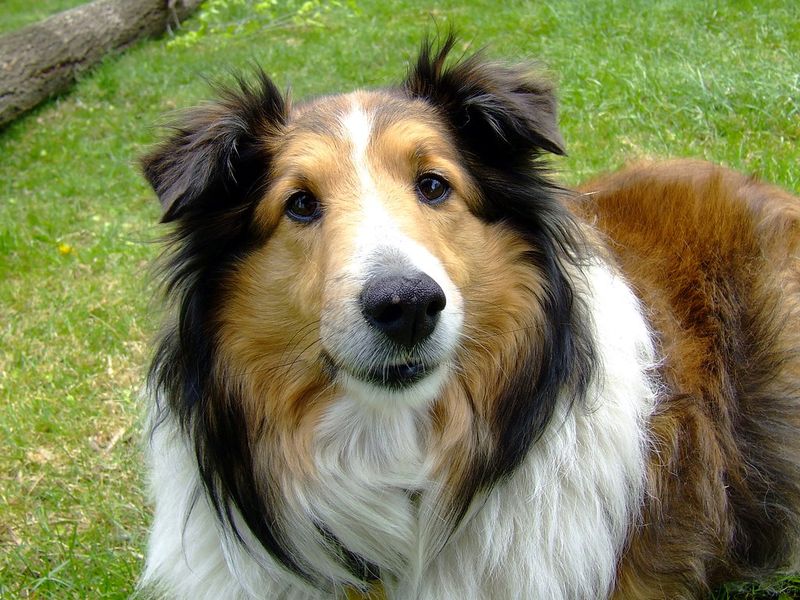
Collies settle beautifully when the day flows on schedule. Consistent wake-ups, a brisk morning walk, and predictable training windows help channel their intelligence and herding instincts.
When life feels orderly, they switch off faster and nap deeply.
Structured enrichment matters. Scatter-feeding breakfast, then a short obedience session, gives mental work before calm time.
Later, a longer walk or herding-style games release energy, making evening relaxation easier.
Collies watch everything, so clarity reduces overthinking. Use regular cues for rest spots, like a mat by the couch.
You will see fewer anxious pacing patterns and more content lounging when meals, play, and quiet times land at the same times daily.
Shetland Sheepdog

Shetland Sheepdogs are bright, sensitive, and quick to anticipate your next move. A predictable routine keeps that sharp brain from spiraling into restlessness.
Plan short, focused training blocks at the same times to satisfy their working drive.
Regularity builds trust. Morning sniff walk, midday puzzle feeder, and evening fetch create an expected arc of activity and rest.
When they know what is next, Shelties release tension sooner.
Use a consistent bedtime wind-down. Dim lights, gentle brushing, and a chew on their mat cues the nervous system to power down.
You will notice less barking at shadows and fewer zoomies when meals, walks, and quiet time arrive with clockwork reliability.
English Springer Spaniel
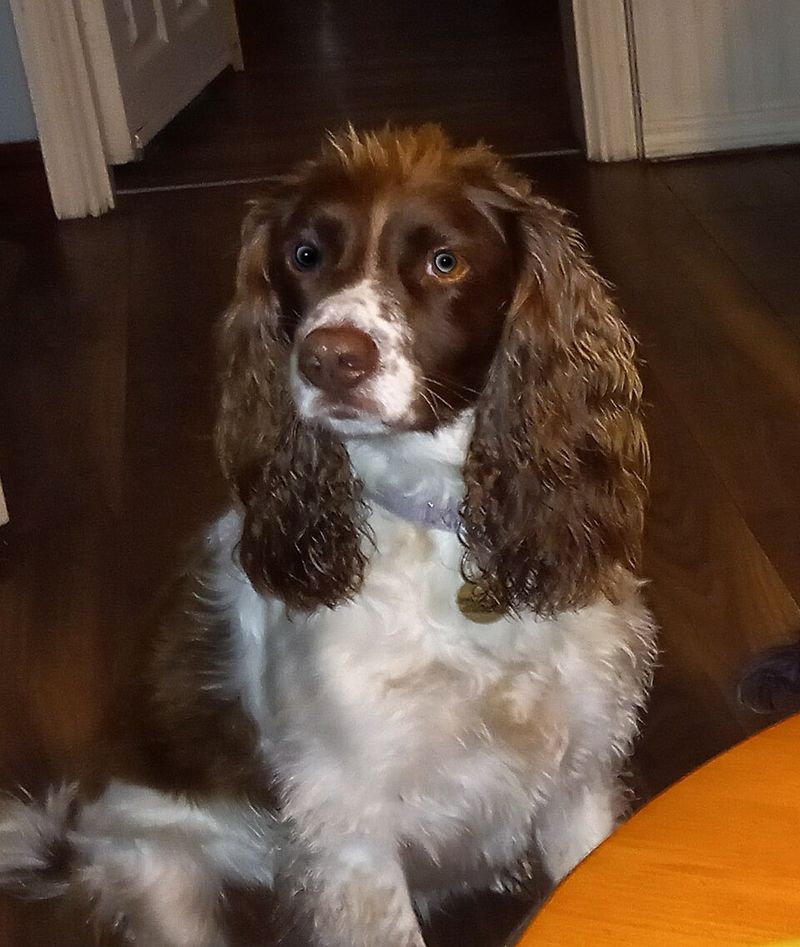
English Springer Spaniels crave structure that balances exercise and decompression. Schedule energetic outings early, then follow with a predictable cool-down at home.
With that pattern, they settle much faster and conserve energy for later training.
Springers thrive on jobs. Scent games after meals and regular recalls during walks provide purpose.
When these happen on a timetable, you reduce overstimulation and bounce-back restlessness.
Evenings should be routine-rich. Gentle grooming, a short heel session, and a stuffed chew toy signal the end of action.
Keep household noise predictable too. When people and activities follow a known rhythm, Springers transition from hunt mode to cuddle mode without protest.
Clumber Spaniel

Clumber Spaniels appreciate steady, gentle structure more than high-octane plans. They calm quickly when walks, meals, and nap times arrive on a dependable schedule.
Keep stimulation moderate and you will see a content, unflappable companion.
Use low-impact enrichment at set times, like sniffing in the yard or slow retrieve. Combine this with routine brushing and ear checks to create a soothing, predictable ritual.
Predictability reduces surprise triggers and restlessness.
After exercise, provide a cool mat and a long-lasting chew. Repeat the same wind-down sequence nightly.
Clumbers bond deeply and read your mood, so a consistent tone and pace matter. With regularity, their natural steadiness shines and their relaxation becomes effortless.
Cocker Spaniel
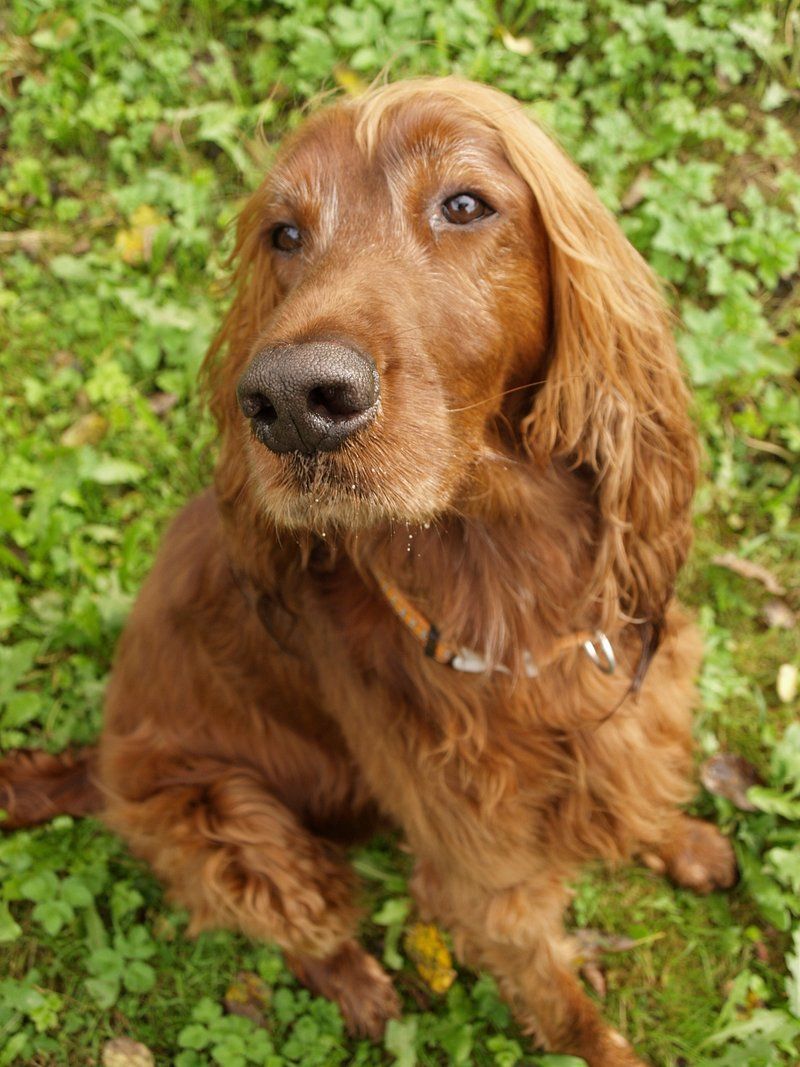
Cocker Spaniels often ride emotional waves, so routine becomes their anchor. Set consistent meal times and short training sessions around walks to keep arousal from spiking.
When the day is predictable, they shift into cuddle mode faster.
Plan sensory play, like hide-and-seek with treats, at the same hour. Follow it with a mat settle cue and quiet music.
Repeating this sequence helps Cockers learn that excitement has a gentle landing.
Grooming can be calming when it is scheduled, not random. A nightly ear check, brushing, and a chew tell their body it is time to relax.
Keep greetings and departures low-key and timed, and you will see less anxious barking and pacing.
Havanese

Havanese thrive on companionship and predictable together-time. Create a daily rhythm with scheduled play, brief training, and regular potty breaks.
When they can count on you showing up consistently, they settle and nap more easily between activities.
Use short, happy training bursts after meals to focus the mind. Then offer a stuffed chew on their bed for ten minutes of quiet.
Repeat this pattern through the day to build reliable off-switch skills.
Evening rituals work wonders. Dim lights, soft brushing, and a cuddle on the same blanket provide strong calm cues.
Keep departures and arrivals routine to prevent clingy spirals. With structure, Havanese switch from lively entertainer to serene lap companion fast.
Bichon Frise

Bichon Frise are cheerful and social, yet can become excitable without clear structure. Predictable meals, potty breaks, and training slots help them downshift quickly.
When patterns hold steady, they relax instead of seeking constant attention.
Build a calm loop: short walk, brief clicker session, quiet chew, then nap. Repeat throughout the day to teach that excitement is followed by rest.
Consistency prevents barking cycles and frantic pacing.
Grooming at the same time daily becomes a soothing ritual. Pair brushing with calm music and a mat cue for reliable decompression.
In the evening, dim lights and offer a puzzle feeder to end on problem-solving, not zoomies. The tighter the routine, the softer their energy feels.
Maltese
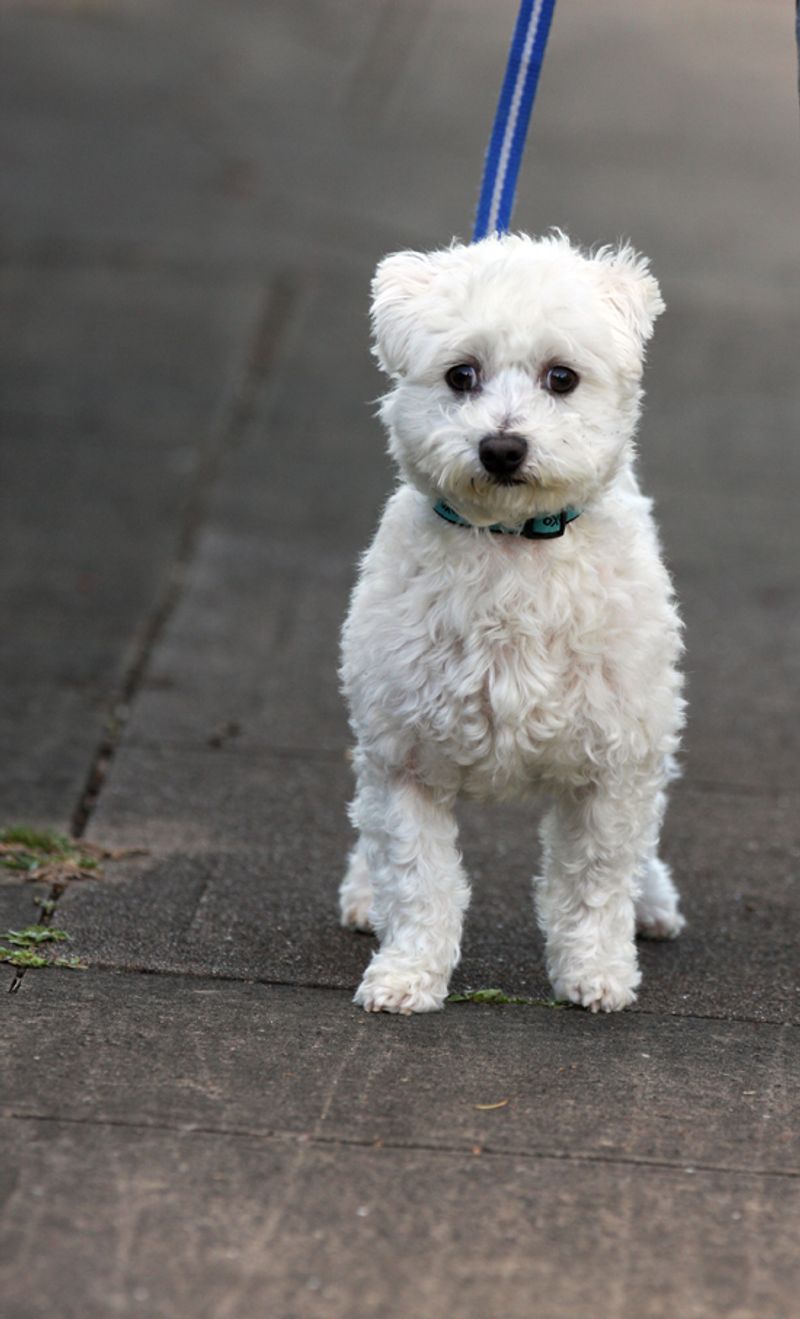
Maltese dogs are sensitive companions who relax best when life feels steady and safe. Set consistent times for meals, walks, and training to reduce anticipation jitters.
With a clockwork plan, they settle faster and nap longer.
Use gentle activities in a predictable order. A short sniff walk, then grooming, then a stuffed Kong teaches a soothing cadence.
Keep sessions brief to avoid overload, especially in busy homes.
Evenings should be quiet and repeatable. Lower lights, cozy blanket, and a settle cue on their bed build strong calm associations.
If you keep arrivals and departures routine and low-key, separation stress drops. The Maltese blossoms into a serene, loving shadow when structure leads the day.
Shih Tzu
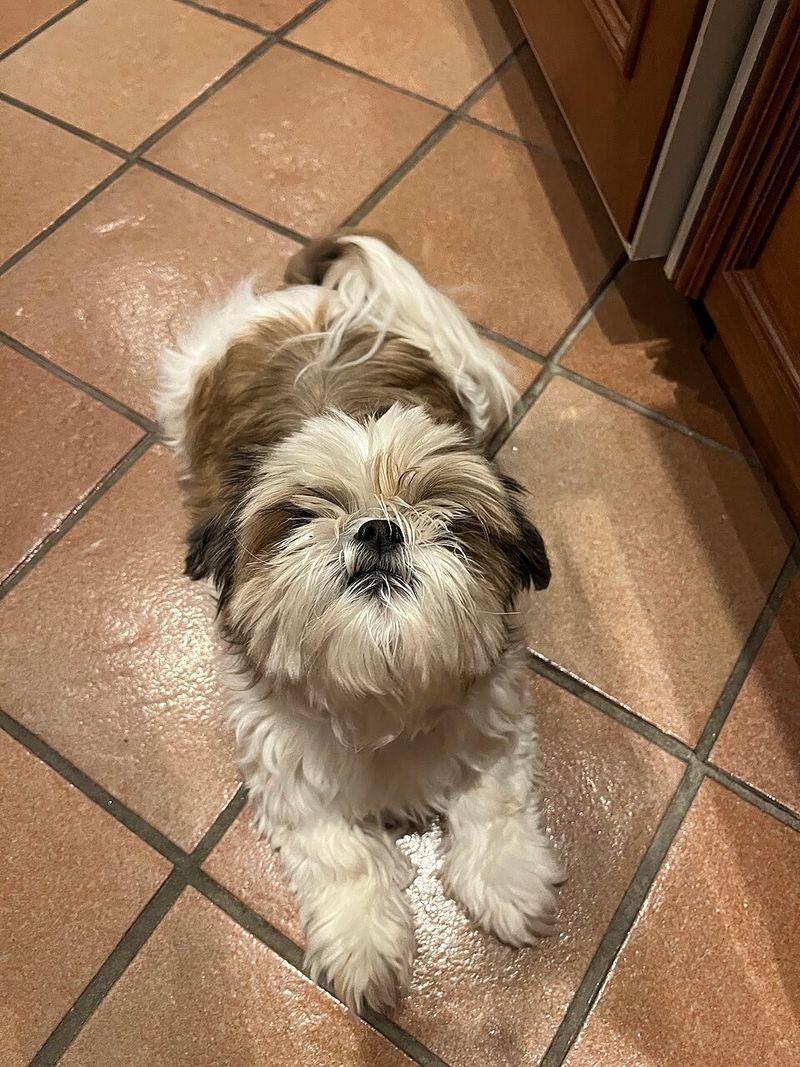
Shih Tzus enjoy predictable pampering and short, regular walks. A dependable schedule keeps their energy even and prevents attention-seeking spirals.
When breakfast, brushing, and potty breaks happen at the same times, calm arrives more quickly.
Build rituals around grooming because it soothes them. Daily eye cleaning, gentle combing, and a quiet chew create a reliable wind-down.
Follow play with a mat settle cue to close the loop.
Evening routines matter most. Keep noise low, dim lights, and invite them to their bed with a favorite blanket.
Avoid last-minute hype and late snacks. With this structure, you will see fewer zoomies and more relaxed snuggling on cue.
Whippet
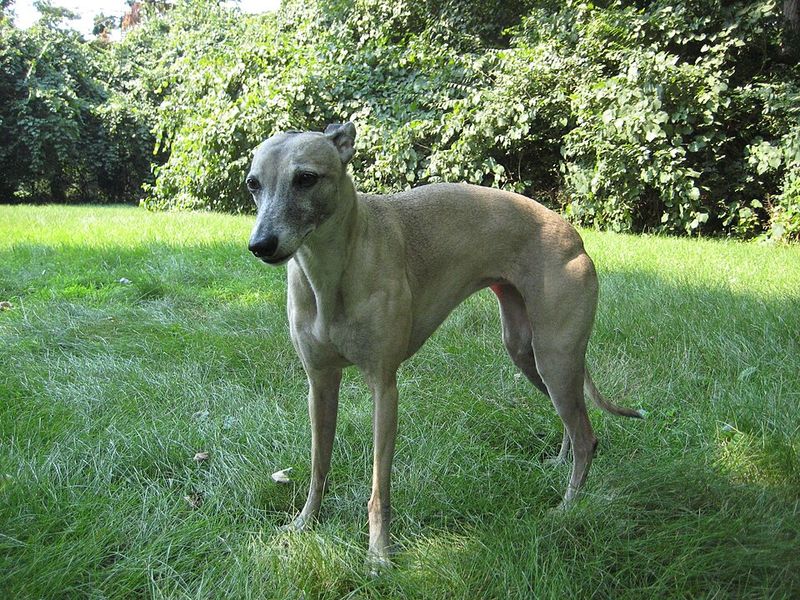
Whippets are sprinters who decompress beautifully with a steady rhythm. A predictable burst of exercise early, then quiet lounging windows, helps them settle fast.
They thrive when the household routine is uncluttered and calm.
Plan zoom time, then snooze time. A timed fetch or sprint in a safe area followed by a chew on their bed teaches on-off balance.
Use consistent cues for rest, like a specific blanket.
Keep evenings gentle and screen out surprise visitors when possible. Whippets are sensitive to chaos, so reliable patterns lower startle responses.
Regular meals, short training, and warmth cues, like pajamas or a cozy sweater, become anchors. Soon you will see a champion napper on schedule.
Greyhound
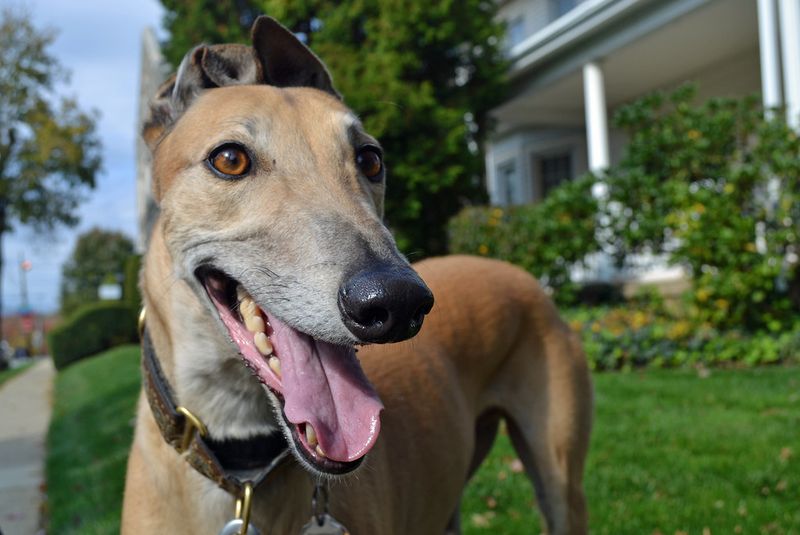
Greyhounds relax best with gentle predictability. Many are retired athletes who appreciate clear signals for walks, meals, and naps.
Set times help them shift from track alertness to household serenity.
Use a calm morning walk, breakfast, and a long nap window as your base. Introduce short training at the same afternoon slot for mental stimulation without arousal spikes.
Predictable quiet time keeps them from pacing.
Evenings should be consistent and cozy. A soft bed, low lights, and a chew tell their body to idle.
Avoid random loud play late. With a steady routine, Greyhounds lean into their famous couch-potato side and settle quickly after brief exercise.
Basset Hound

Basset Hounds love ritual. Their noses lead the day, so planned sniff walks and consistent mealtimes keep them grounded.
Predictability decreases stubborn stalling and increases easy relaxation afterward.
Build a steady loop: slow scent walk, breakfast, nap, then a chew toy. Schedule brief training before dinner to engage their mind without overexcitement.
Keep house rules and resting spots the same to reduce decision fatigue.
Evenings thrive on calm signals. Gentle ear rubs, dim lights, and a predictable bedtime cue help them power down.
Avoid last-minute arousal like tug or high-energy guests. With structure, the Basset’s mellow nature surfaces quickly, and those famously droopy eyes drift shut right on time.