
Some dogs are incredible companions, yet their needs can collide with real life routines. If you have a packed schedule, tight space, or limited patience for training, the wrong breed can turn love into stress.
Consider this your friendly heads up before bringing home a gorgeous handful. Let’s help you match energy, temperament, and time so both you and your future dog thrive.
Siberian Husky
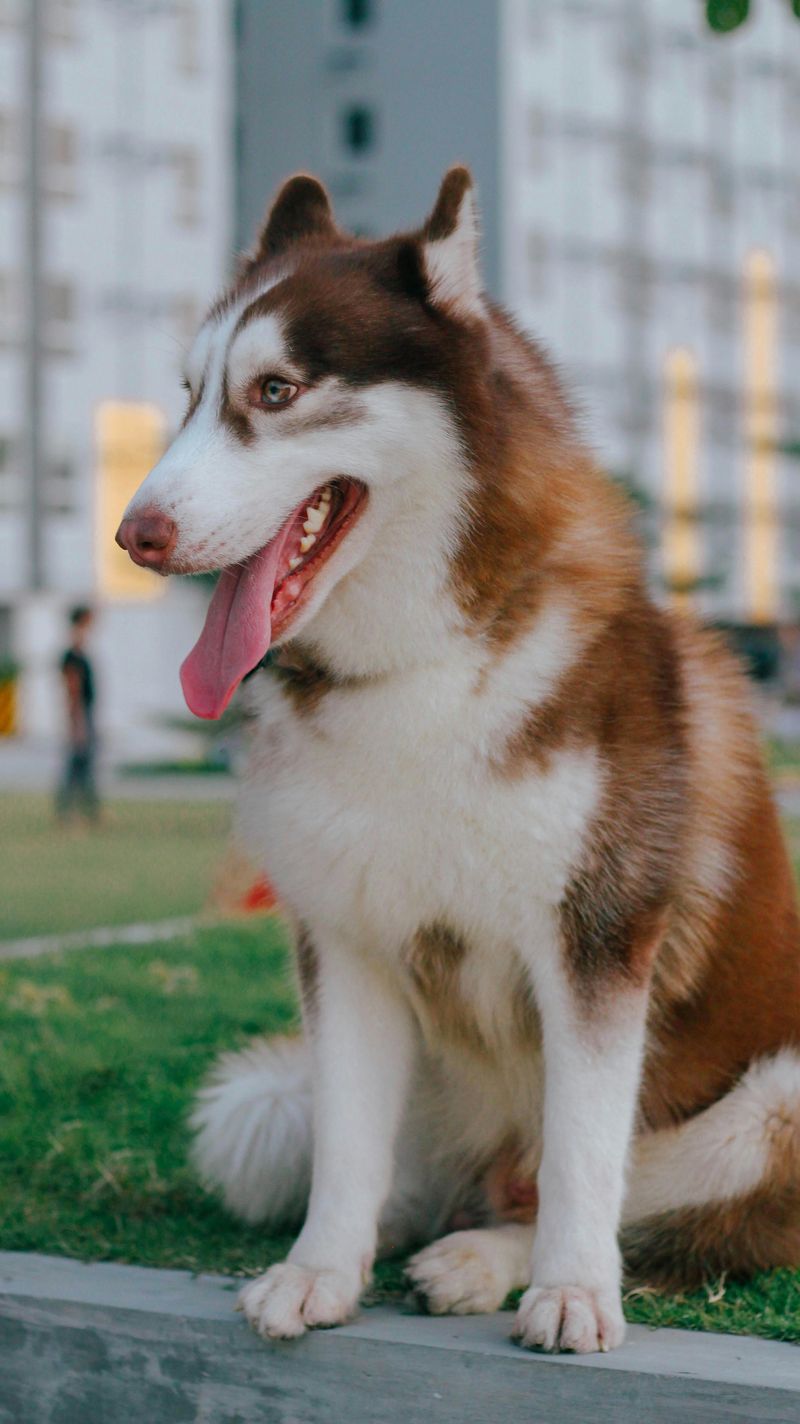
Siberian Huskies look dreamy with blue eyes, but their energy is relentless. Bred to run for hours, they need vigorous daily exercise and mental work to stay balanced.
Without a job, they dig yards, chew trim, and test fences like furry escape artists. Their strong prey drive can surprise you on trails, and recall training is notoriously difficult.
Grooming is another surprise. Huskies blow dense coats twice yearly, filling rooms with tumbleweeds.
They are vocal, independent, and often indifferent to pleasing owners, which frustrates beginners. If your lifestyle is apartment based, low activity, or you love off leash hikes, think hard.
Consistent structure, secure containment, urban sled sports, and puzzle games can make life smoother, but it takes commitment.
Border Collie
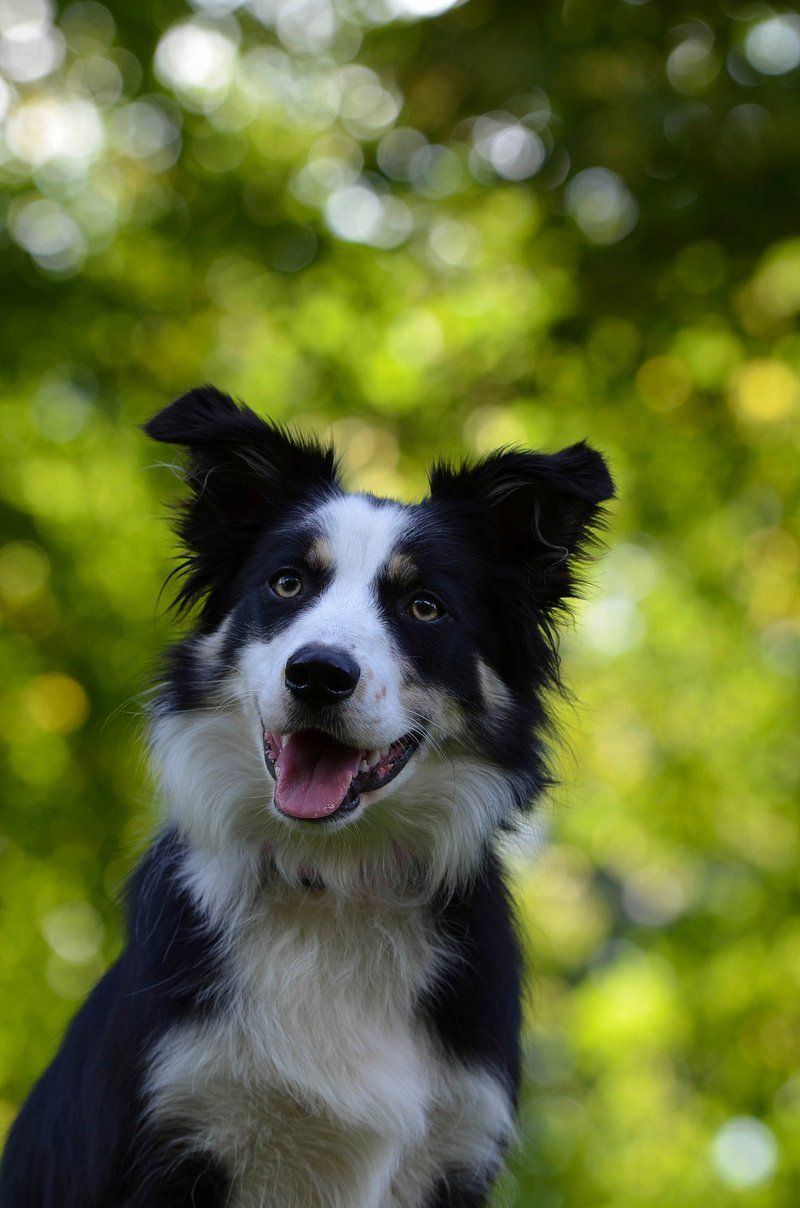
Border Collies are brilliance on legs, which cuts both ways. They crave complex training, purposeful work, and hours of movement.
Without outlets, they invent jobs like herding kids, chasing cars, and stalking shadows. The intensity can overwhelm relaxed households.
Sensitivity to noise and motion means busy families may trigger obsessive behaviors if structure is inconsistent.
This breed needs daily brain challenges like scent games, trick chains, and agility sequences, not just fetch. Minimal exercise creates a restless, vocal dog that rehearses bad habits quickly.
If workdays are long or your vibe is Netflix and chill, reconsider. Choose one only if you will schedule structured training, controlled sports, and calm decompression walks every single day.
Belgian Malinois
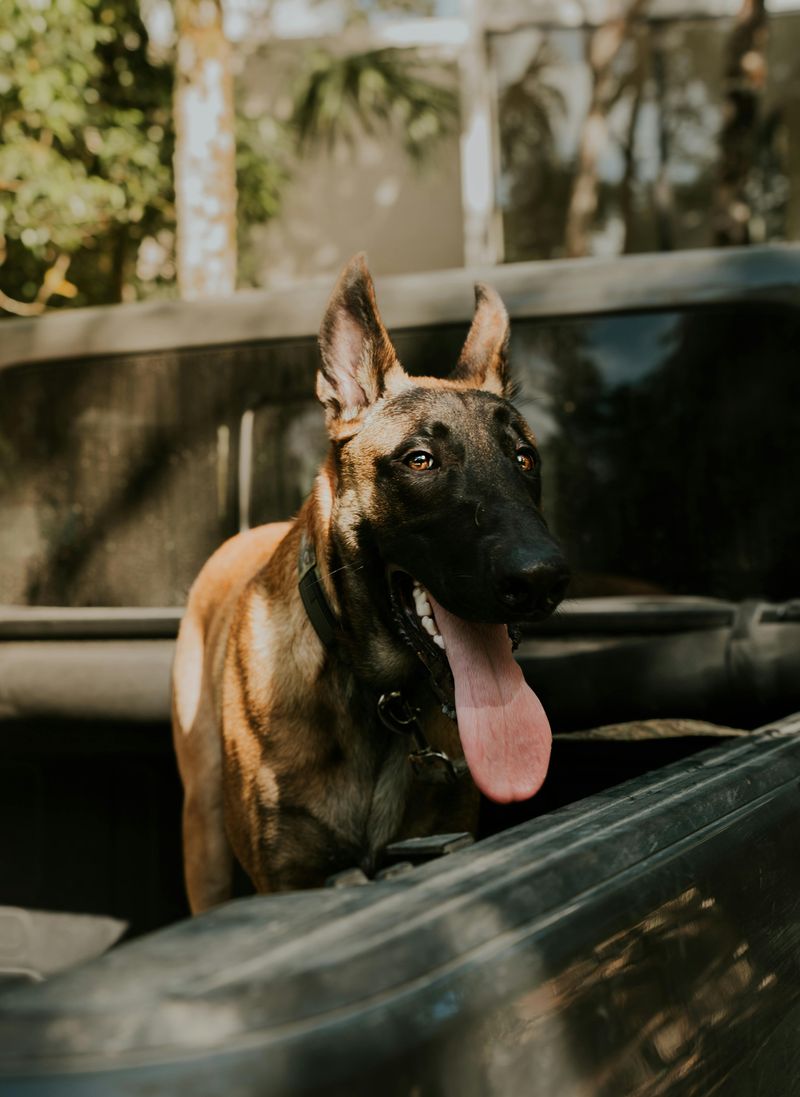
Belgian Malinois are extreme athletes with jet fueled drive. Police and military units use them because they never quit and bite like lightning.
In regular homes, that intensity becomes destruction and mouthy behavior without precise structure. They require advanced obedience, impulse control, and a serious training plan.
Novices often feel overwhelmed within weeks.
Daily workload means running, tracking, controlled tug, and problem solving drills. Skip a day, and you pay with chaos.
Many landlords dislike the breed’s reputation, and insurance can be tricky. If your schedule is packed, or children leave toys everywhere, think again.
A dedicated handler, bite sport club, and clear boundaries are the minimum for a peaceful household. These dogs are not weekend projects.
Akita
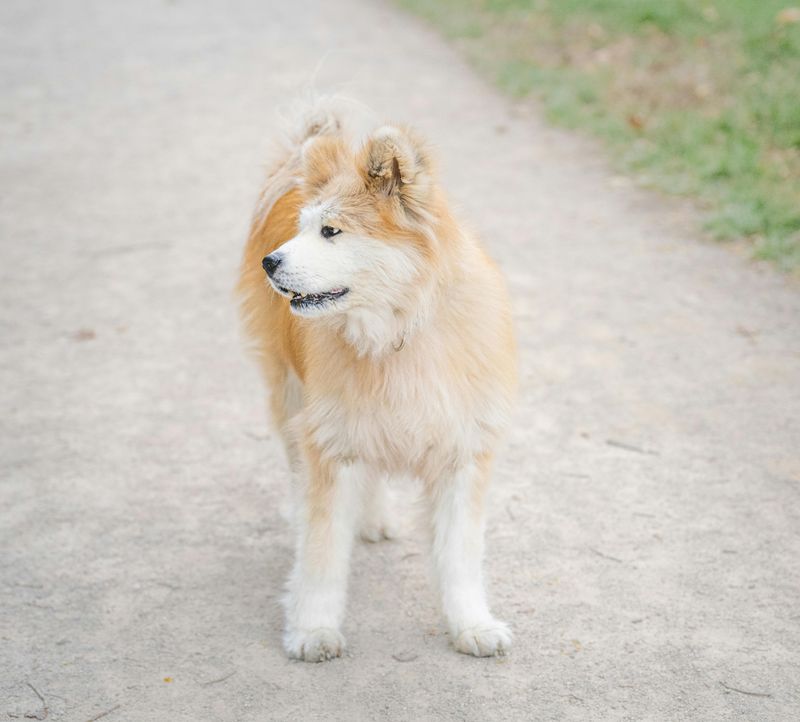
Akitas are dignified guardians with serious independence. They bond deeply to family yet can be aloof and reactive with unfamiliar dogs.
Their size and strength mean handler mistakes become big problems fast. Early socialization helps, but genetic suspicion remains.
If your neighborhood has crowded dog parks, this breed will not be a carefree companion.
Grooming is significant due to double coats that shed heavily seasonally. Training requires calm clarity, short sessions, and respect for their thoughtful nature.
Rough handling backfires. Small pets may trigger prey drive, and same sex dog aggression is common.
Choose an Akita only if you value quiet routines, secure fencing, structured walks, and steady leadership every single day. Apartment neighbors may dislike frequent alert barking.
Chow Chow
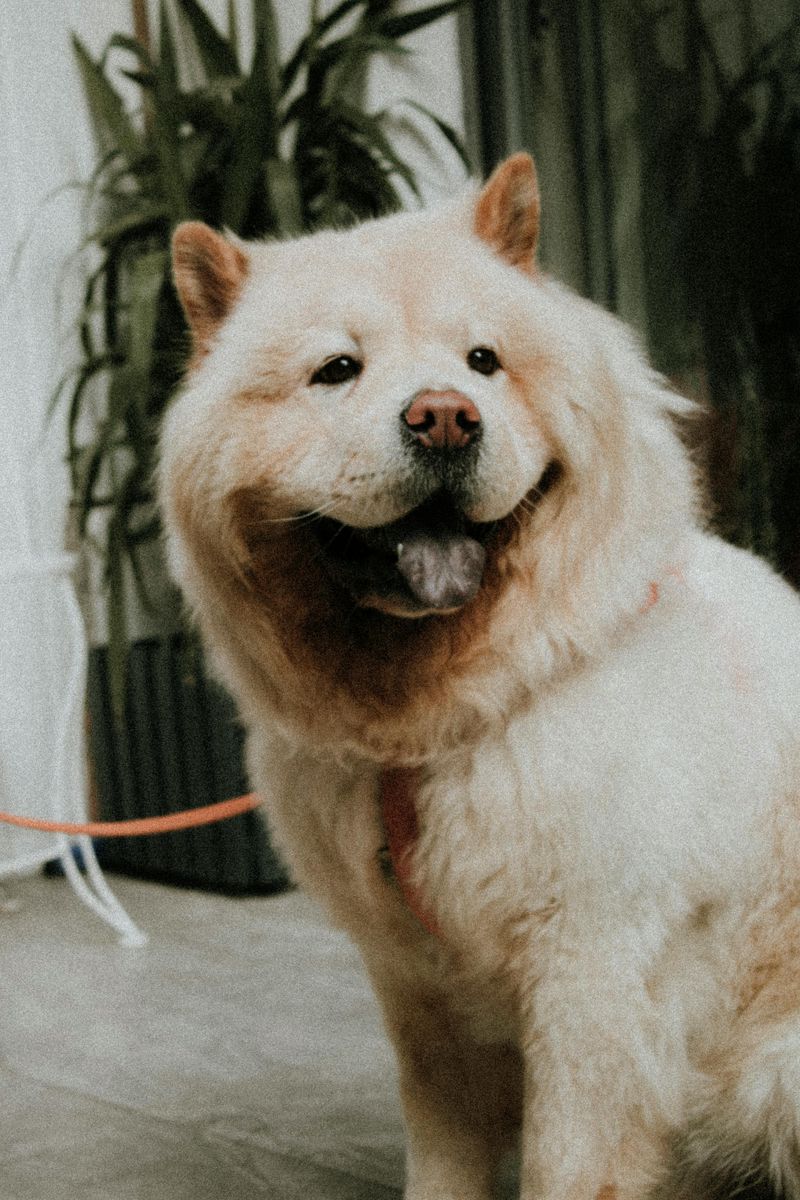
Chow Chows carry a cat like vibe that challenges many owners. They are reserved, proud, and sensitive to heavy handed training.
Push too hard, and they shut down or push back. Grooming is major, with a dense mane that mats quickly without patient brushing.
Heat intolerance and stubborn leash manners add difficulty for busy urban lives.
Socialization must be thoughtful and ongoing, not chaotic meetups at noisy dog parks. Expect independence, selective affection, and a suspicious streak toward strangers and pushy dogs.
If you prefer a cheerful greeter, this is not it. Choose a Chow only if you can commit to respectful training, regular coat care, and calm, predictable routines year round.
Grooming bills can add up.
Jack Russell Terrier
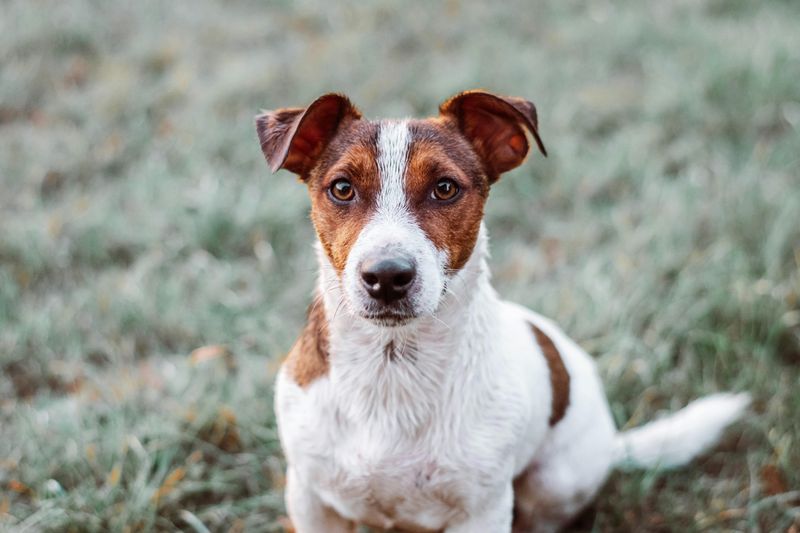
Jack Russell Terriers are dynamite in a pocket sized package. Bred for fox work, they explode with chase drive and endless energy.
Without tasks, they shred toys, pursue squirrels, and practice fence running like it is a sport. Barking can be nonstop.
Apartment walls and patient neighbors are strongly recommended, along with daily outlets that tax the brain.
Training must channel that spark into scent games, trick ladders, and controlled fetch with settles between reps. Off leash reliability is iffy, and yard digging is practically guaranteed.
If you want an easy couch companion, this is the wrong pick. Choose one only if you love structure, fast training sessions, secure fencing, and regular terrier appropriate problem solving.
Australian Cattle Dog
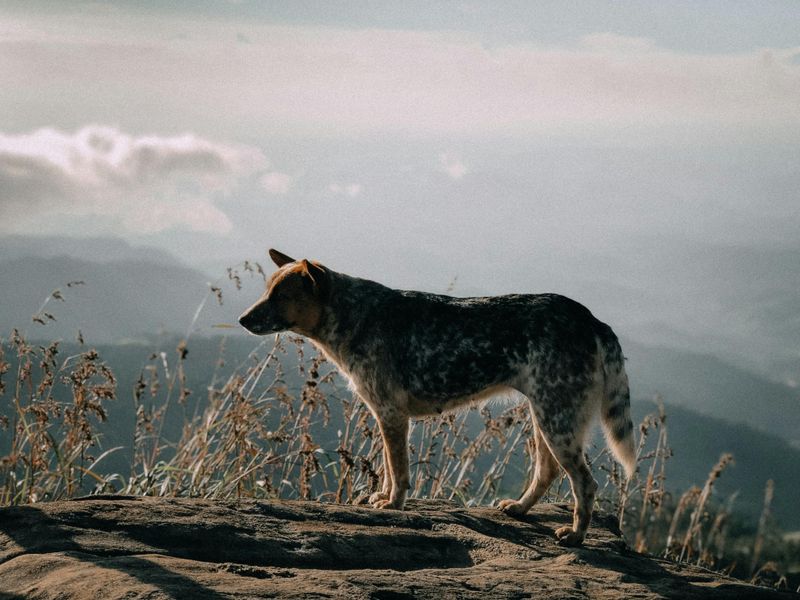
Australian Cattle Dogs are rugged herders built for long, hot days moving stubborn livestock. In suburbia, that translates to nipping heels, patrolling windows, and guarding toys with intensity.
They need tough mental jobs, not endless fetch. Without structure, they can become pushy, vocal, and suspicious of visitors.
Small children often dislike their bustling, mouthy style.
Training should emphasize impulse control, calm downs between tasks, and precise targeting games. They thrive with rally, scentwork, or stock work under experienced handlers.
Just jogging will not satisfy them. If your schedule is unpredictable or you prefer spontaneous travel, reconsider.
This breed shines when given consistent boundaries, purposeful work, and thoughtful decompression every single day. Expect hearty shedding too.
Weimaraner
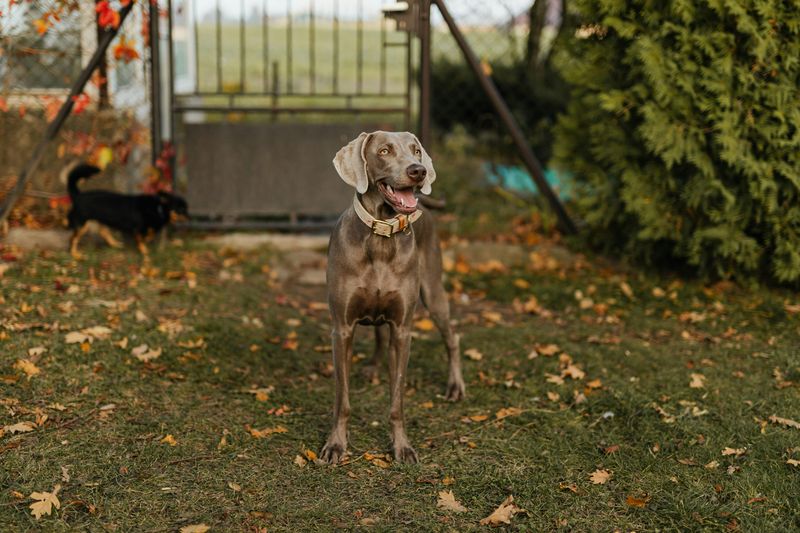
Weimaraners are velcro athletes with separation anxiety tendencies. They bond hard and protest loudly when left alone.
High energy plus fragile independence makes them destructive if under exercised. Counter surfing, door bolting, and garden excavation are common when boredom hits.
Their sleek coats hide the reality of constant motion and strong prey drive toward squirrels and cats.
This breed needs long runs, scent games, and structured settles to recharge the brain. Apartment life is possible only with serious planning and dog sitters.
Harsh corrections backfire on their sensitive nature. If weekends are for lounging and weeknights are for screens, skip this breed.
Choose a Weimaraner only if you commit to miles, training logs, and patient routines.
Cane Corso
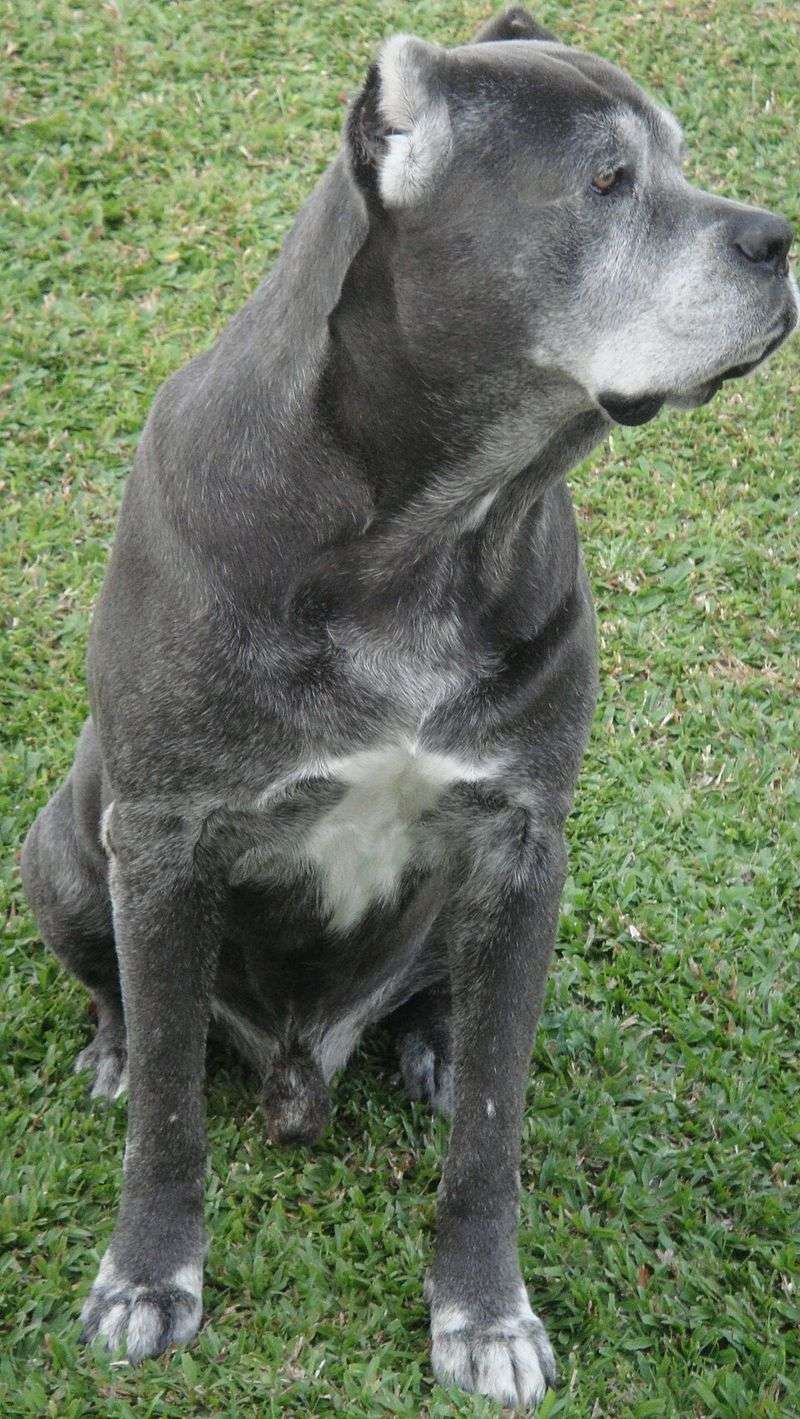
Cane Corsos are imposing guardians bred for property protection and farm work. Their size, power, and territorial instincts require confident, fair leadership from day one.
Inconsistent rules produce pushy behaviors that feel scary fast. Socialization must be careful, not chaotic, to prevent fear based reactivity.
Apartments and frequent guests can create constant management headaches.
Strong jaw strength means training for impulse control and neutrality is nonnegotiable. Insurance, breed bans, and landlord policies may complicate life.
If you travel often or dislike setting boundaries, look elsewhere. This breed needs purposeful outlets like obedience trials, tracking, and structured protection sports under professionals.
Daily drills, rock solid routines, and secure fencing are absolutely essential. Big vet bills are likely.
Dalmatian
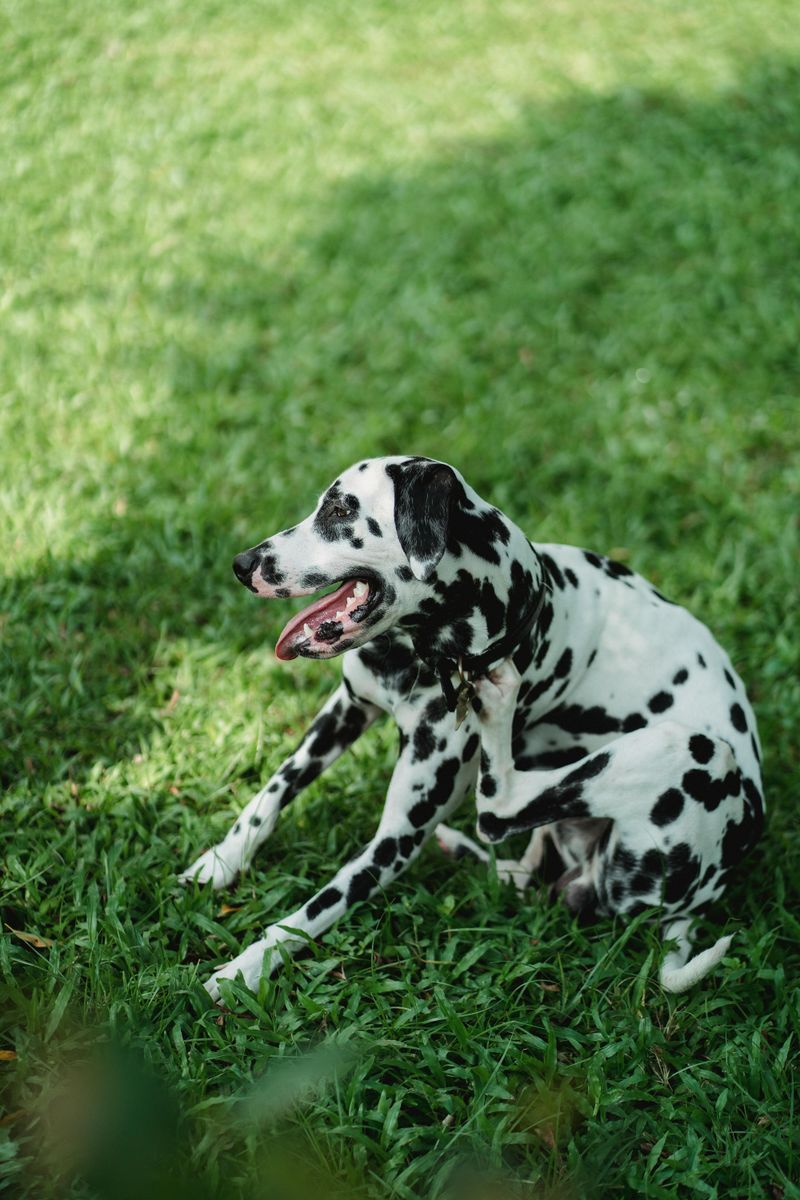
Dalmatians are striking athletes with quirky streaks. Historically carriage dogs, they are built to trot for miles, not lounge.
Without serious exercise, they spin, bark, and redesign furniture with claws. They shed year round with tiny needles of hair that cling to everything.
Some have uric acid issues requiring careful diets and frequent bathroom breaks.
Training should focus on impulse control, loose leash skills, and calm settle behaviors after runs. They can be sensitive, so upbeat sessions beat pressure.
Apartments may work with structured routines and long daily miles. If you dislike dog hair and prefer short walks, pass.
Choose a Dalmatian only if you enjoy cardio, consistency, and puzzle toys every day. Expect curious antics indoors.
Basenji
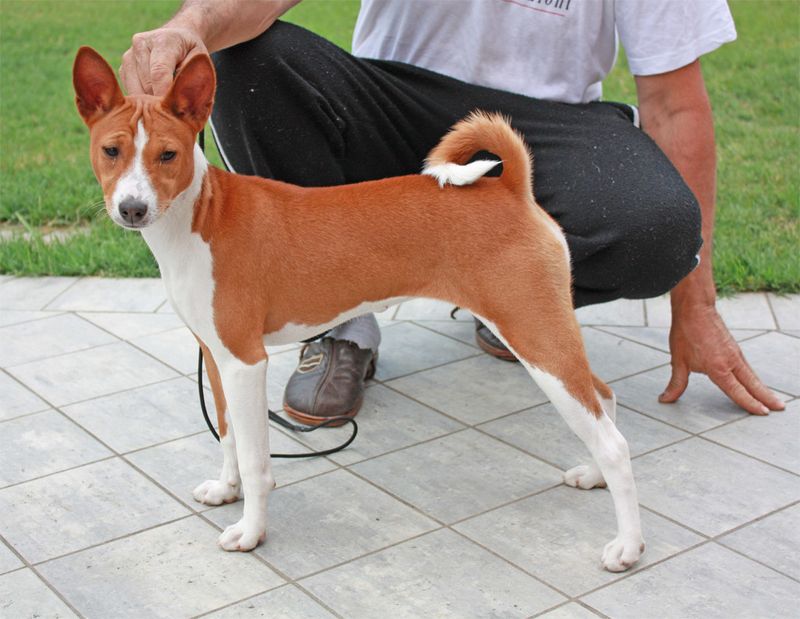
Basenjis are elegant, cat like hunters known as the barkless dog. They yodel, scream, and chortle instead, which neighbors may not appreciate.
Independence is legendary, and recall is famously unreliable. Prey drive runs hot, and off leash freedom is risky.
Their short coats are tidy, but energy spikes arrive suddenly and demand creative outlets.
Training should favor games that build engagement, like food chases, quick tricks, and scent puzzles. Punitive methods shut them down or ignite mischief.
If you hope for a cuddly shadow, prepare for selective affection instead. Basenjis suit patient, inventive people who enjoy quiet walks, urban exploration, and secure yards.
Boredom breeds destruction, so plan proactive enrichment every day. Heat sensitivity is common.
Afghan Hound
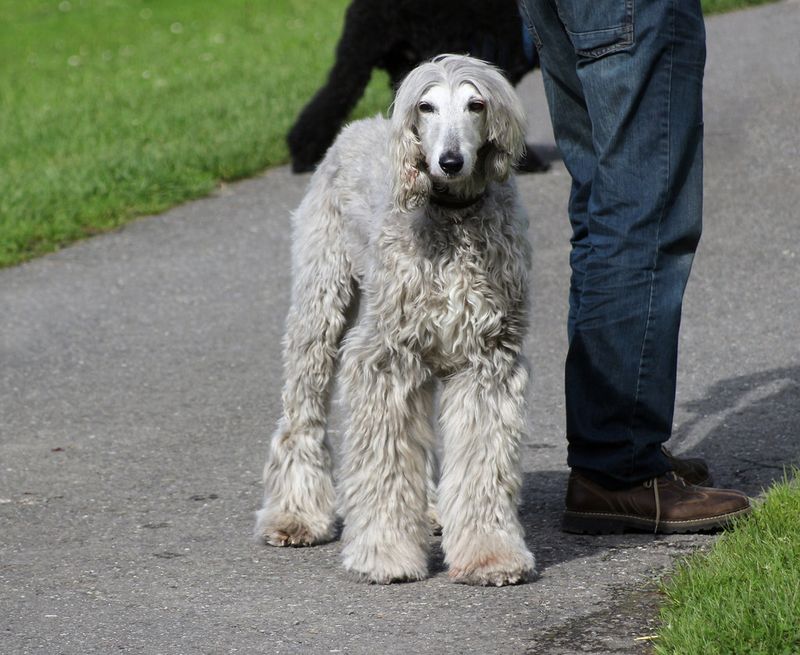
Afghan Hounds are runway models on springs, equal parts elegance and aloofness. Their independent sighthound brain prioritizes motion over obedience.
Off leash recall is unreliable, especially near wildlife. The coat is stunning and demanding, requiring hours of brushing and careful bathing routines.
Muddy parks and burr filled trails turn into grooming marathons you will regret later.
Exercise must be thoughtful, with safe sprint zones and controlled freedom. Many dislike rough handling and repetitive drills.
Apartment life is possible only with dedicated coat care, quiet spaces, and steady schedules. If you prize a biddable partner, this breed will frustrate you.
Choose an Afghan only if you love ritual grooming, patience, and secure fenced fields. They can be picky eaters.