
Some dog breeds display selective behavior when interacting with fellow canines. This list explores twelve such breeds, highlighting patterns observed by owners.
Basenji

The Basenji, known for its yodel-like bark, often displays a keen independence. This breed tends to be selective about canine company, preferring to interact on its own terms.
Basenjis thrive in environments where they can be the center of attention. Their aloof nature means they might not always engage with every dog they meet.
Often described as cat-like, they may shy away from overly boisterous dogs, choosing instead to observe from a distance.
Finnish Spitz
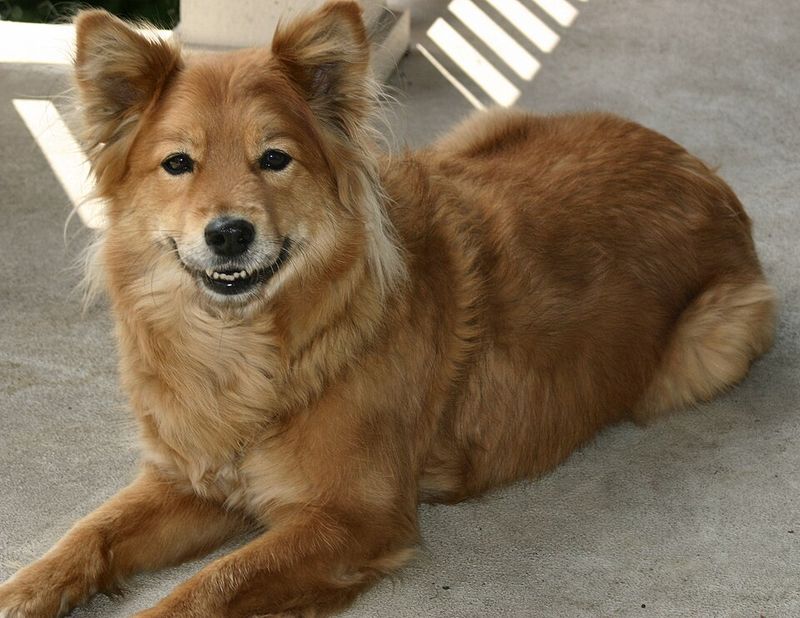
Vibrant and vocal, the Finnish Spitz is known for its animated spirit. While generally friendly, it may exhibit caution when meeting unfamiliar dogs.
This breed, with its characteristic fox-like appearance, often bonds closely with its human family. It prefers the company of dogs that match its energy level.
In group settings, Finnish Spitzes may take time to warm up, preferring familiar faces over new encounters.
Tibetan Mastiff
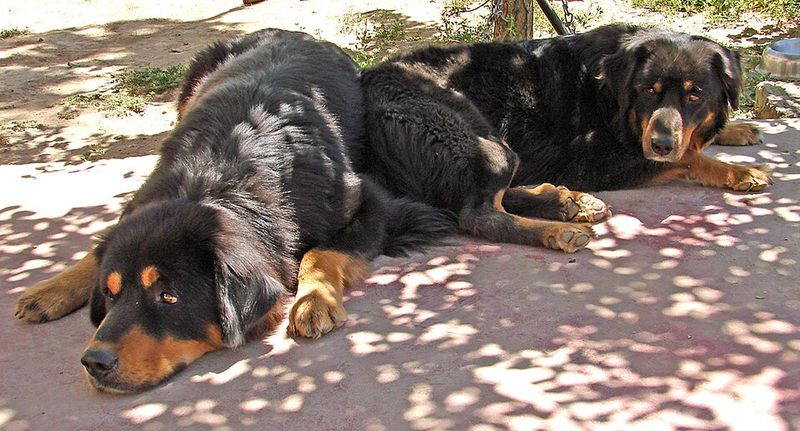
With roots in the Himalayas, the Tibetan Mastiff exudes a regal presence. Its protective nature often translates to selectivity in its canine friendships.
These dogs are known for their loyalty and may be wary around unfamiliar dogs. They prefer calm interactions over chaotic play.
A Tibetan Mastiff’s imposing size and demeanor might intimidate some dogs, leading to a preference for companions that respect its space.
Lhasa Apso
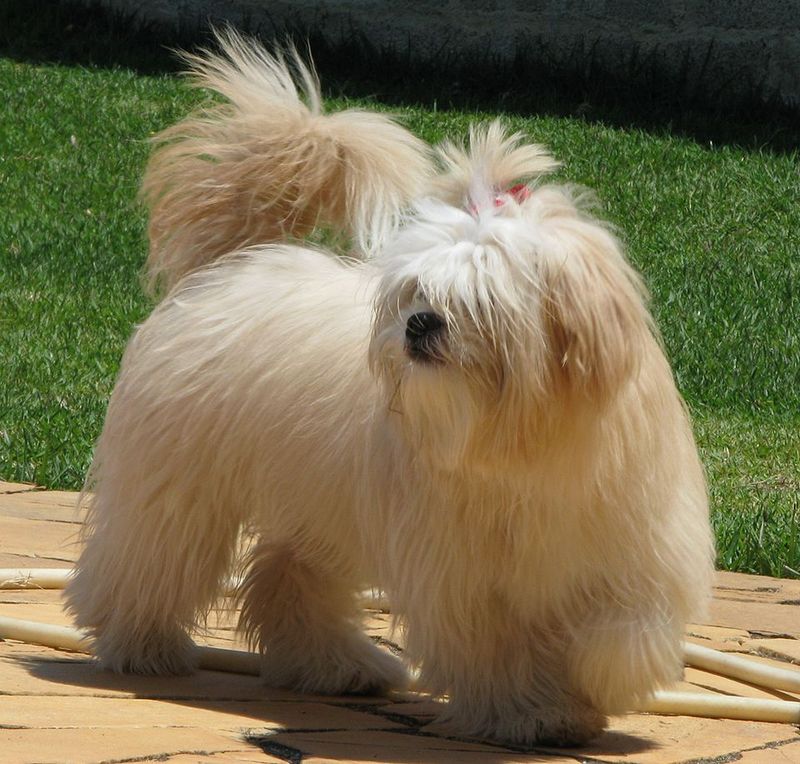
Bred as sentinel dogs in Tibetan monasteries, Lhasa Apsos carry a dignified air. Their discerning nature often means they’re selective about their doggy friends.
With a flowing coat and keen eyes, they might observe interactions before joining in. Their history of alertness makes them cautious.
Lhasa Apsos may prefer familiar companions, ensuring their interactions are predictable and gentle.
Boerboel
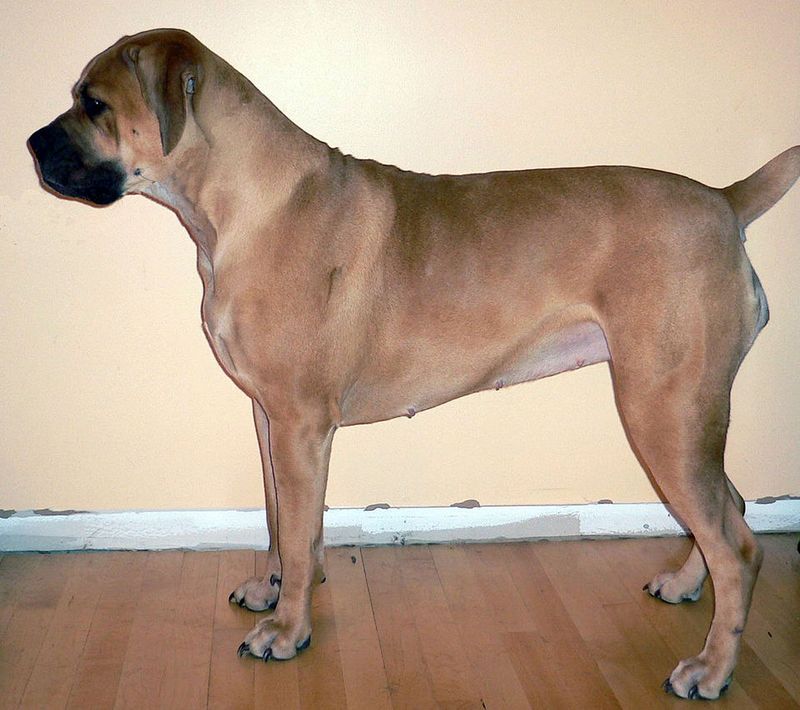
The Boerboel, with its strong build and protective instincts, often exhibits selectivity in social scenarios. Known for guarding homesteads, they may prefer calm, respectful interactions.
These dogs thrive in environments where they feel in control. They might not tolerate overly energetic dogs invading their space.
While loyal to their family, Boerboels tend to be cautious around new dogs, taking their time to assess any situation.
Kangal
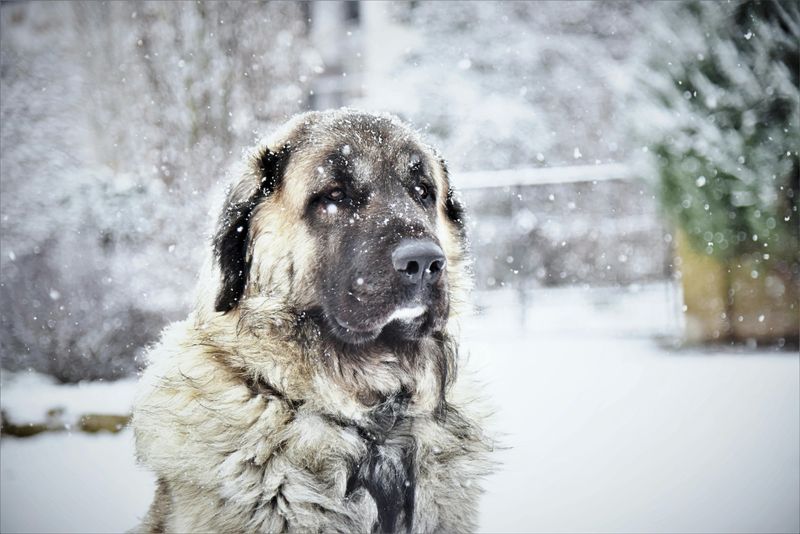
Esteemed for its guarding abilities, the Kangal often assumes a protective role. Their discerning nature makes them picky about canine playmates.
These dogs, originating from Turkey, are known for their calm and measured demeanor. They appreciate tranquility over chaos.
Kangals thrive in familiar settings where they can oversee interactions, being more selective about unfamiliar canine companions.
Caucasian Shepherd Dog
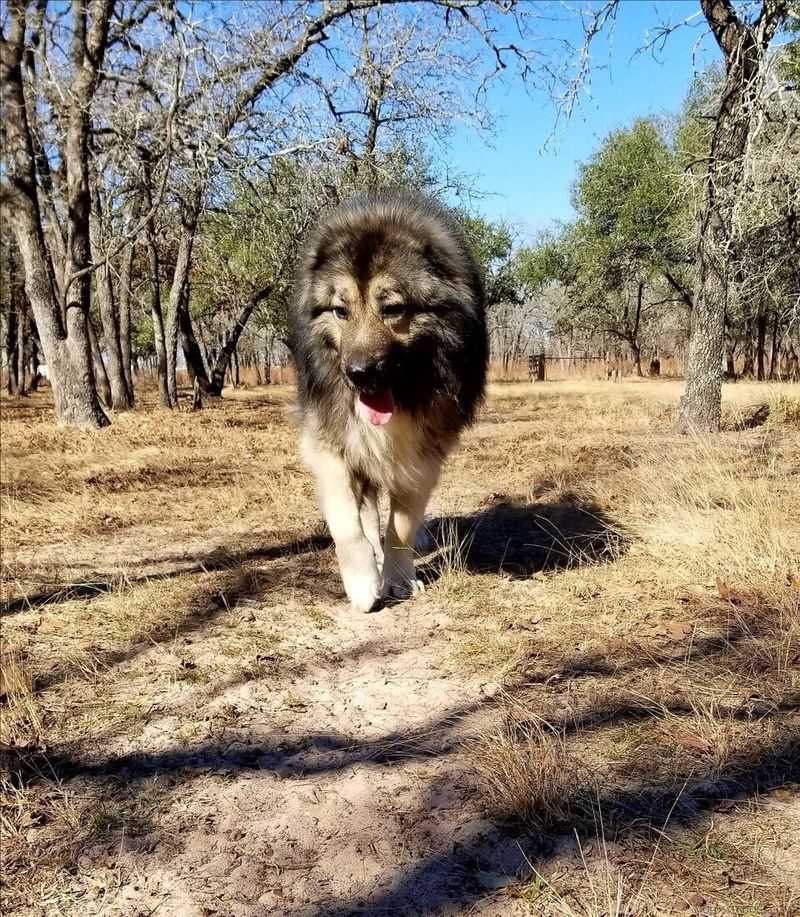
Known for its formidable size, the Caucasian Shepherd Dog is often reserved in social canine settings. Its history as a livestock guardian shapes its interactions.
These dogs tend to be cautious and may prefer solitude or familiar company over mingling with unknown dogs.
Their protective instincts often mean they’re selective, ensuring any potential playmate respects their space and demeanor.
Czechoslovakian Wolfdog
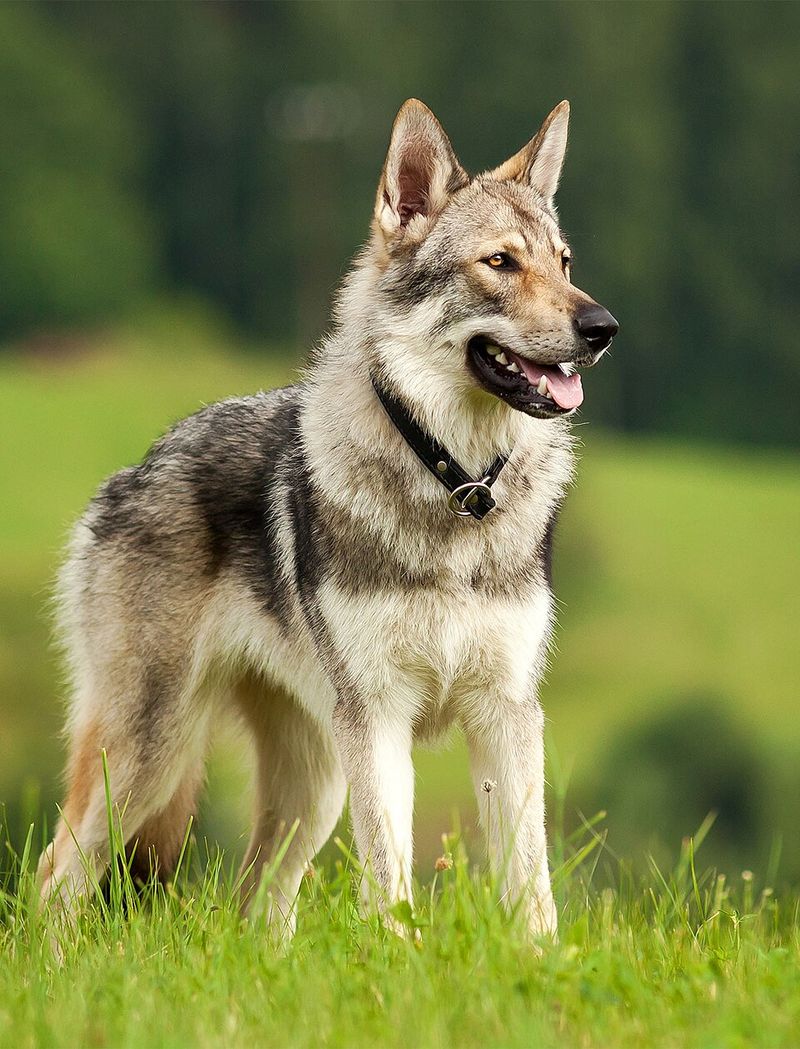
With its wolf-like appearance, the Czechoslovakian Wolfdog can be wary when interacting with other dogs. Their pack mentality influences selectivity.
These dogs enjoy environments where they can explore while maintaining control over their interactions.
Their inquisitive nature means they might approach new dogs cautiously, preferring to observe before engaging in play.
Alaskan Klee Kai
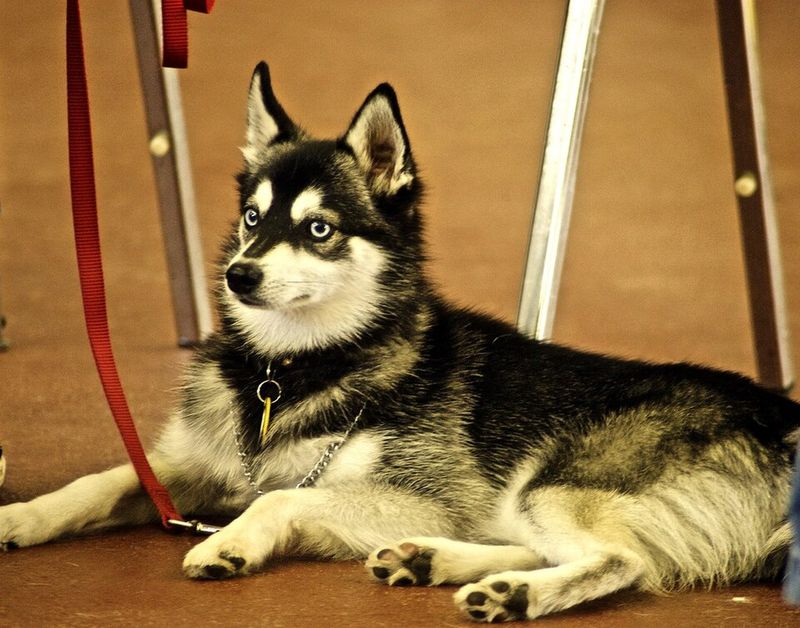
The Alaskan Klee Kai, a smaller version of the Alaskan Husky, is known for its alert and curious nature. They can be particular about their playmates, often preferring familiar faces.
With their striking appearance, these dogs tend to be cautious, assessing new situations carefully before diving in.
They enjoy playful interactions but might avoid overly rough play, seeking companionship that aligns with their temperament.
Norwegian Elkhound
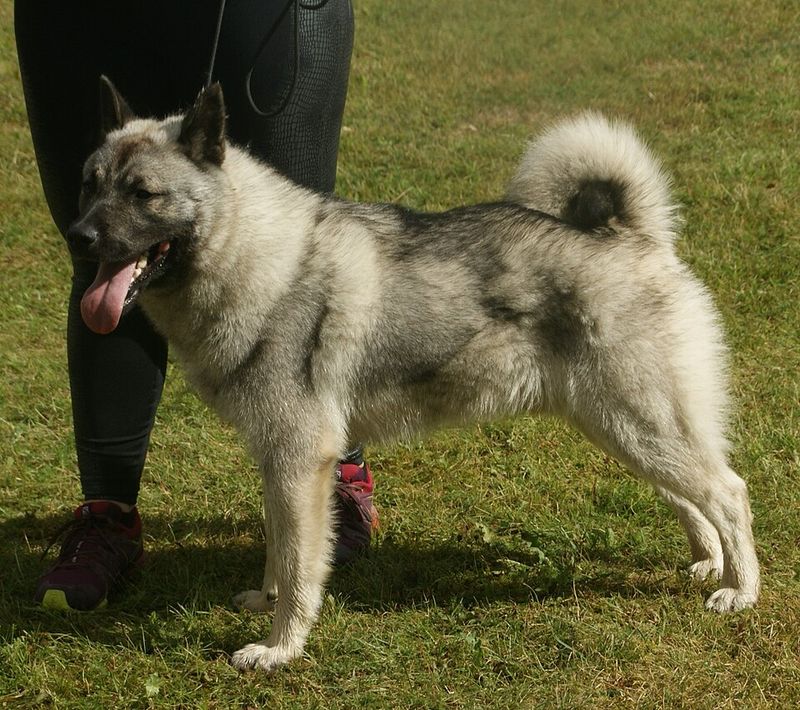
Bred for hunting in Norway, the Norwegian Elkhound carries a confident demeanor. Their selectivity in companions often stems from their independent streak.
They’re known for their bravery, often preferring dogs who share a similar self-assured nature.
In group settings, Norwegian Elkhounds may take time to assess the dynamics, ensuring compatibility before engaging fully.
Thai Ridgeback

The Thai Ridgeback, with its unique appearance, is often a discerning presence in any canine gathering. Their independence can lead to selectiveness in social scenarios.
These dogs are known for their agility and strength, often preferring interactions that are calm and respectful.
Their aloof nature means they might require time to warm up to new dogs, choosing when and with whom to engage.
Central Asian Shepherd Dog

Renowned for its protective instincts, the Central Asian Shepherd Dog often exhibits a selective nature around other dogs. Their guarding background influences their social behavior.
These dogs are loyal and devoted, preferring familiar environments and companions over new and unpredictable situations.
Their cautious demeanor means they require respectful interactions, ensuring any potential friends are calm and understanding.