
Some dogs look bold and clever, so people assume training will be a breeze. Confidence can be impressive, but it often comes with independence, stubborn habits, or big energy needs.
Knowing which breeds push back helps you plan better and keep everyone safe. With the right approach, even strong-willed pups can become awesome teammates.
Shiba Inu
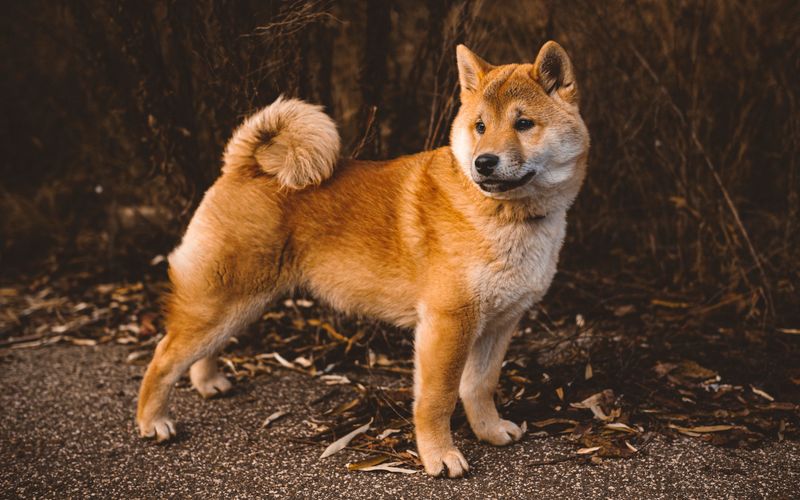
Small body, giant opinions. A Shiba often decides what is worth doing, which can surprise new owners who expect eager obedience.
Many trainers call them cat-like because of their clean habits and proud attitude.
Work with short, fun sessions and high-value treats. Practice impulse control games and add a long line for safety outdoors.
Early socialization lowers drama during grooming and vet visits. Secure fences matter, since a Shiba loves to chase and explore.
Akita
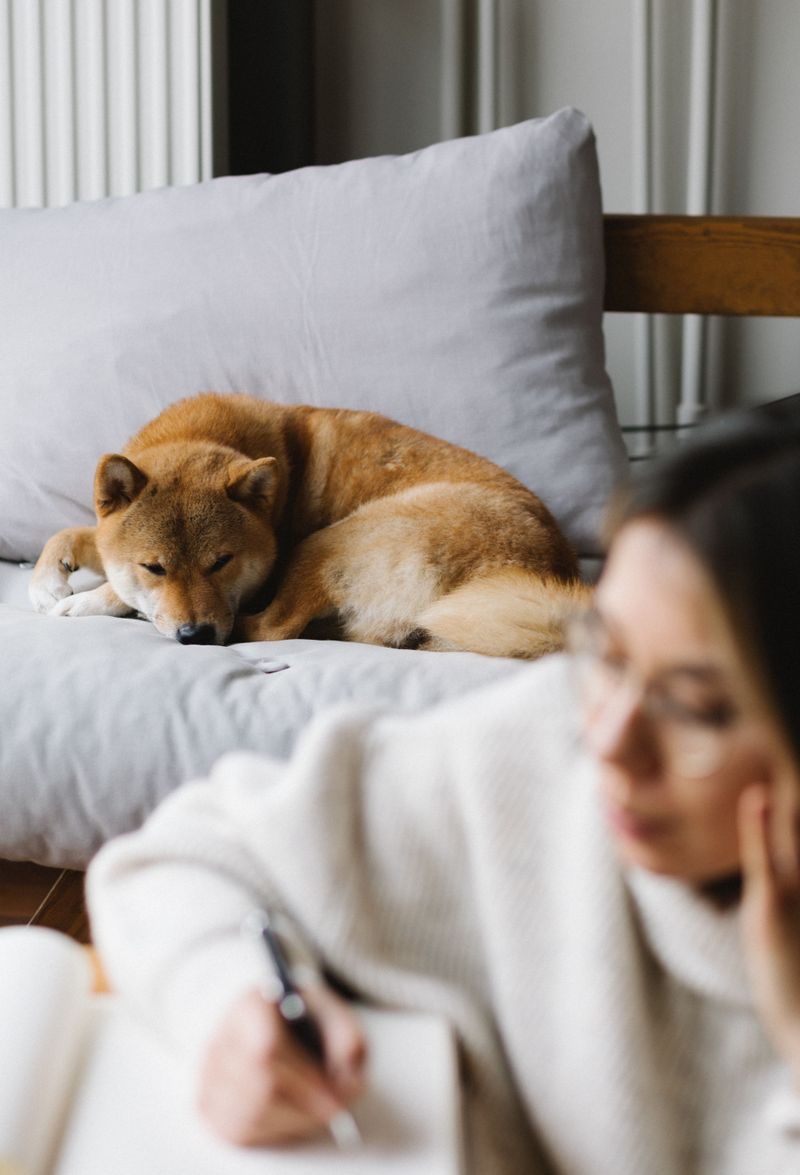
Silent strength describes the Akita best. Many are calm at home yet carry strong guarding instincts and a serious mind.
First-time owners might mistake a steady posture for easy training, but consistency and clear rules are key.
Teach neutrality around strangers and other dogs. Use structured walks, place training, and calm greetings to manage that natural confidence.
Reward cooperation, not pushiness. A skilled trainer can guide fair leadership to prevent stubborn habits from becoming risky behavior.
Rottweiler
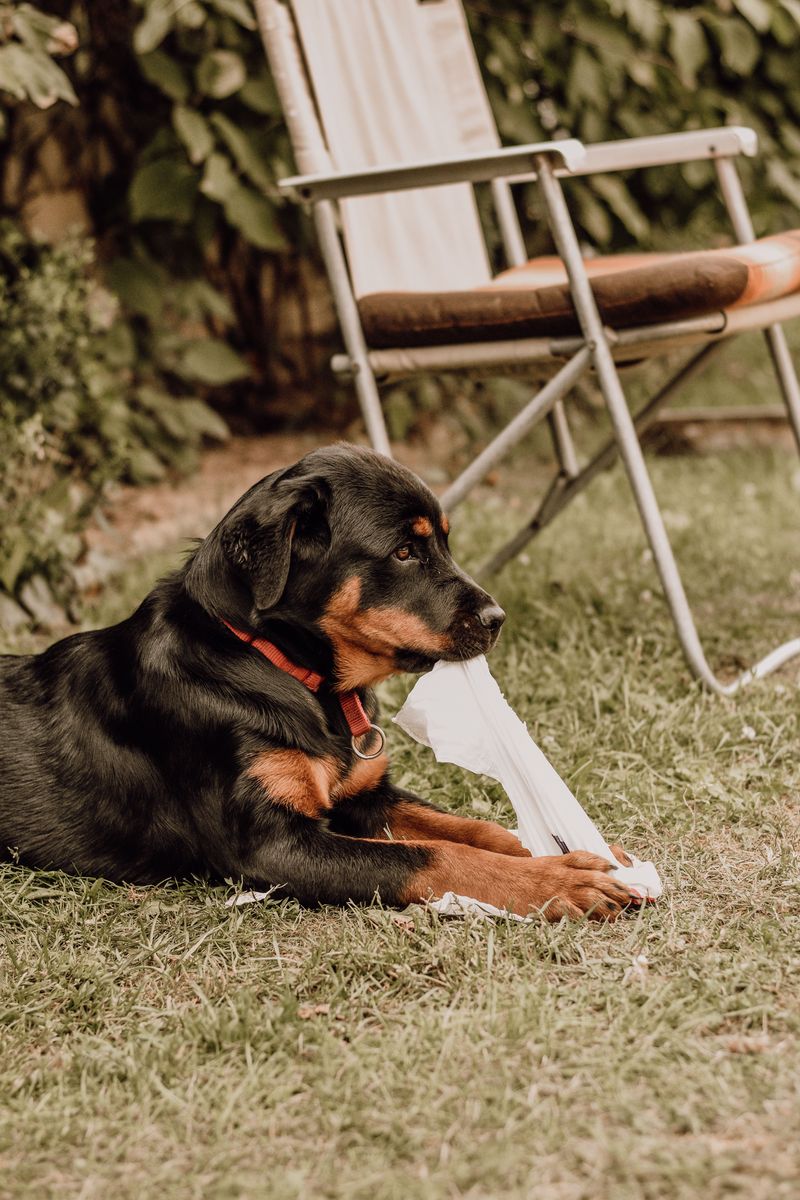
Power with a thoughtful brain makes the Rottweiler shine. Many enjoy working, yet some test boundaries if guidance is unclear.
A friendly pup today can grow into a pushy adult without structure.
Train with fairness, not force. Teach reliable recalls, loose-leash walking, and calm door manners.
Rotate mentally challenging jobs like scent games or cart work. Clear routines help prevent mouthing, jumping, and property guarding.
Socialize steadily, choosing quality over quantity to build confidence without overstimulation.
Cane Corso
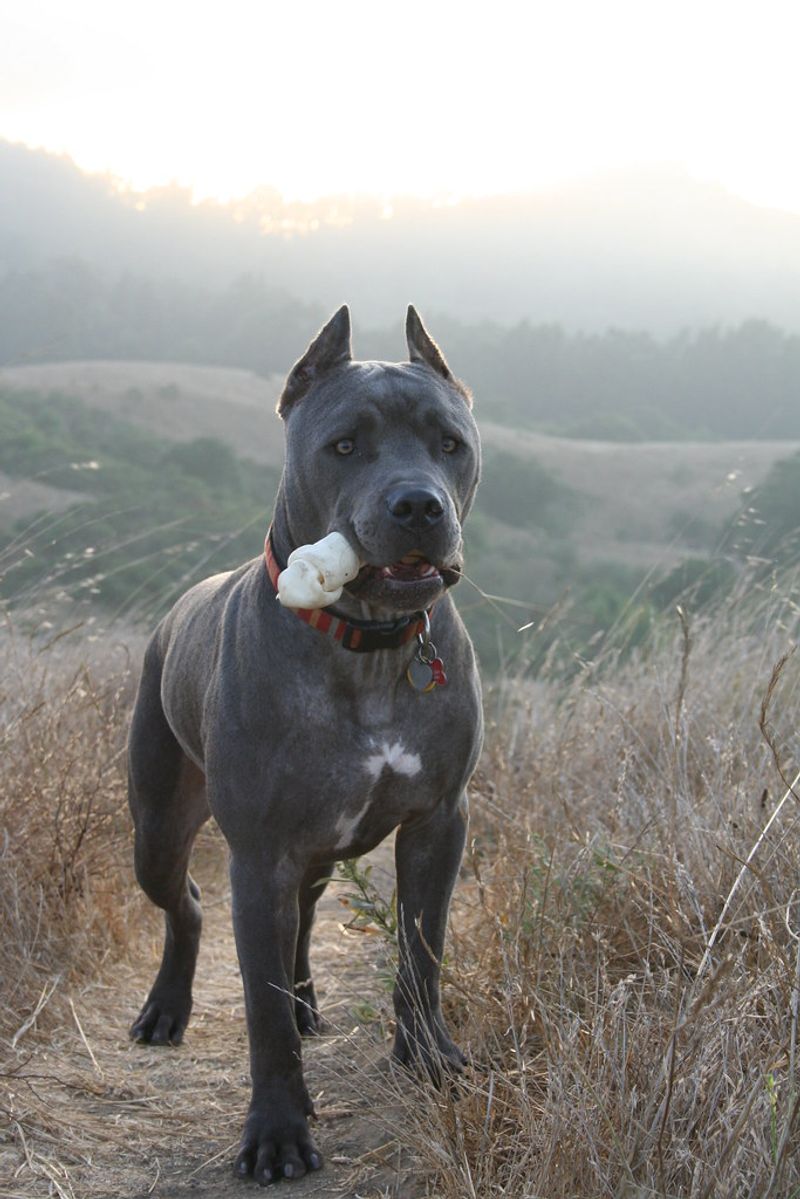
Imagine a sports car with a guardian spirit. The Cane Corso is capable, confident, and often suspicious of nonsense.
Without early rules, a large teen Corso can steer the household.
Focus on calm confidence and impulse control. Practice place work during visitors, and use structured play to teach drop and leave it.
Keep sessions short and purposeful. Professional guidance is wise, especially during adolescence.
Balanced exercise and brain work prevent boredom that can turn into destructive chewing.
Chow Chow
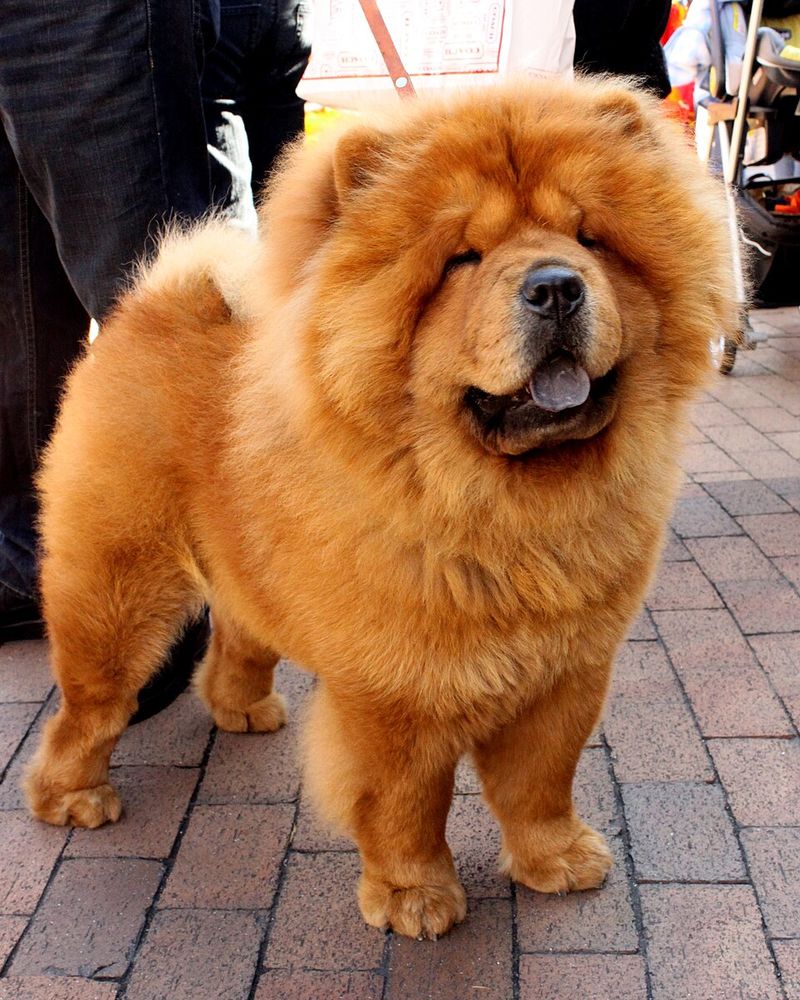
Regal looks come with an independent streak. A Chow Chow prefers polite, predictable handling and can shut down with pushy methods.
Grooming and vet care need special prep because many dislike strangers in their space.
Start cooperative care early. Pair brushes, nail trims, and muzzle training with treats.
Use simple games that reward attention and movement. Keep training calm and clear, avoiding repetitive drills.
Socialize with controlled distance so the dog feels safe while learning about the world.
Siberian Husky
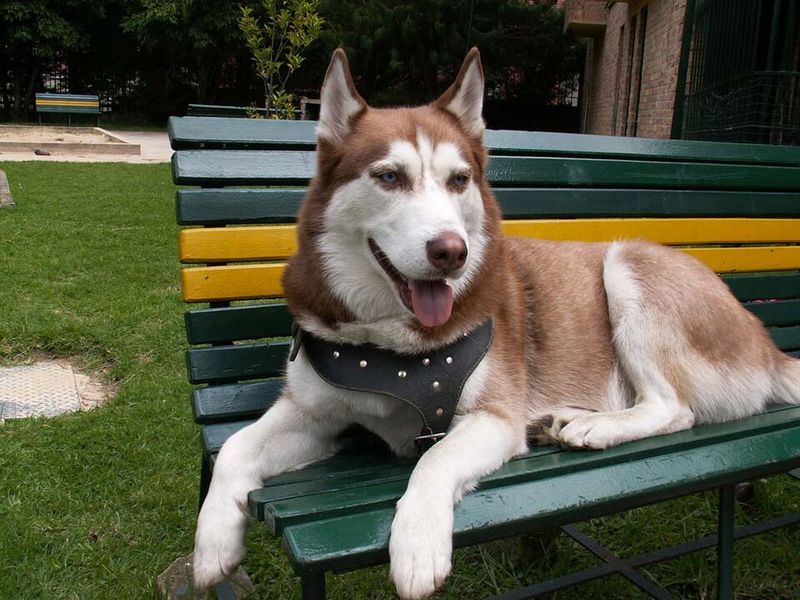
Born to run, a Husky treats fences like puzzles and recalls like opinions. That playful grin hides a turbo engine and clever mind.
Many escape artists find outdoor hobbies more exciting than basic commands.
Channel the drive with canicross, bikejoring, or long fetch sessions. Use secure leashes and double gates.
Train attention with rapid reward games and pattern walks. Rotate puzzle feeders at home to curb boredom howls and digging.
Cold-friendly exercise suits their heritage.
Scottish Terrier
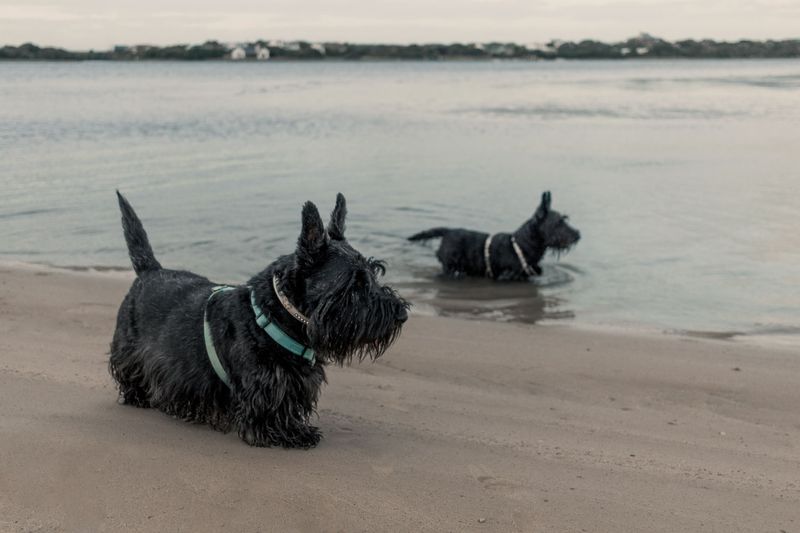
Short legs, tall spirit. The Scottie carries a detective vibe, always sniffing for clues and opinions.
Many appear bold yet can be sensitive to rough handling or loud, chaotic scenes.
Keep sessions short, upbeat, and varied. Nose work and trick training build focus without squashing independence.
Teach a strong wait at doors and a calm settle on a mat. Respect personal space during grooming.
A secure yard and regular mental games prevent yard patrols from turning bossy.
Bull Terrier
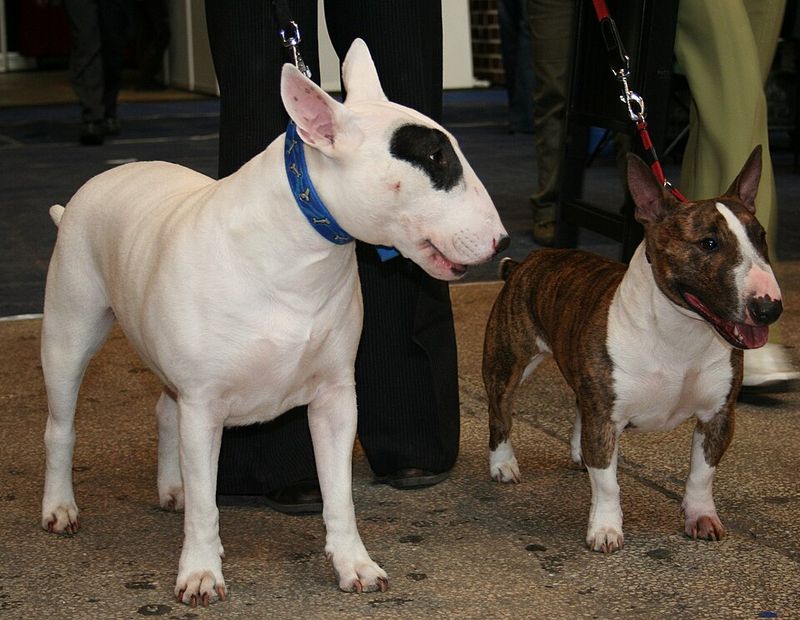
Clown energy meets serious power. A Bull Terrier can be hilarious one minute and stubborn the next.
Without structure, that enthusiasm may turn into jumping, nipping during play, or chasing moving things.
Teach clear start and stop cues for games. Use tug with rules, then reward calm sits.
Provide chew rotations and food puzzles to direct mouthy habits. Keep lessons lively and brief.
Controlled social time helps reduce overexcitement that can look like rudeness.
Miniature Pinscher
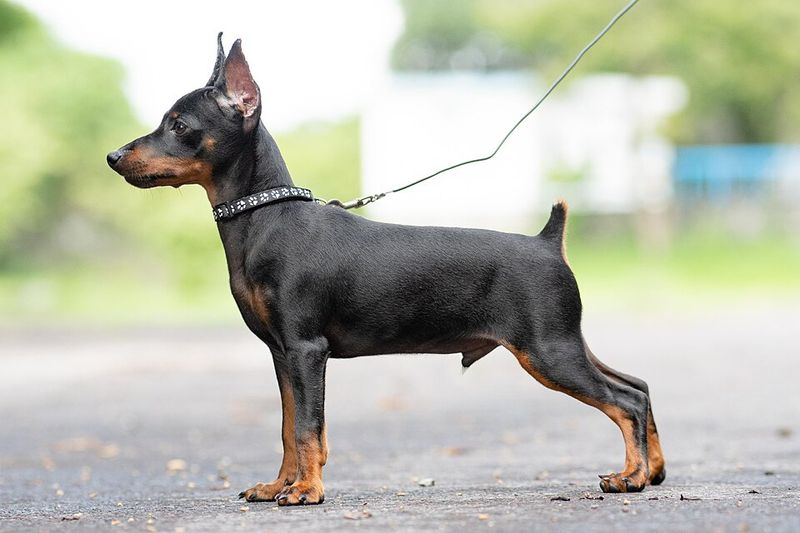
Tiny body, big boss vibes. The Min Pin struts with swagger and loves to test reactions.
Many jump onto furniture or bolt through doors if boundaries are fuzzy.
Use secure gear and practice stationing on a mat when guests arrive. Reward quiet observation of the world.
Teach wait at thresholds and a snappy recall indoors before trying it outside. Games that build focus, like rapid sits and spins, burn energy without rough play.
Alaskan Malamute
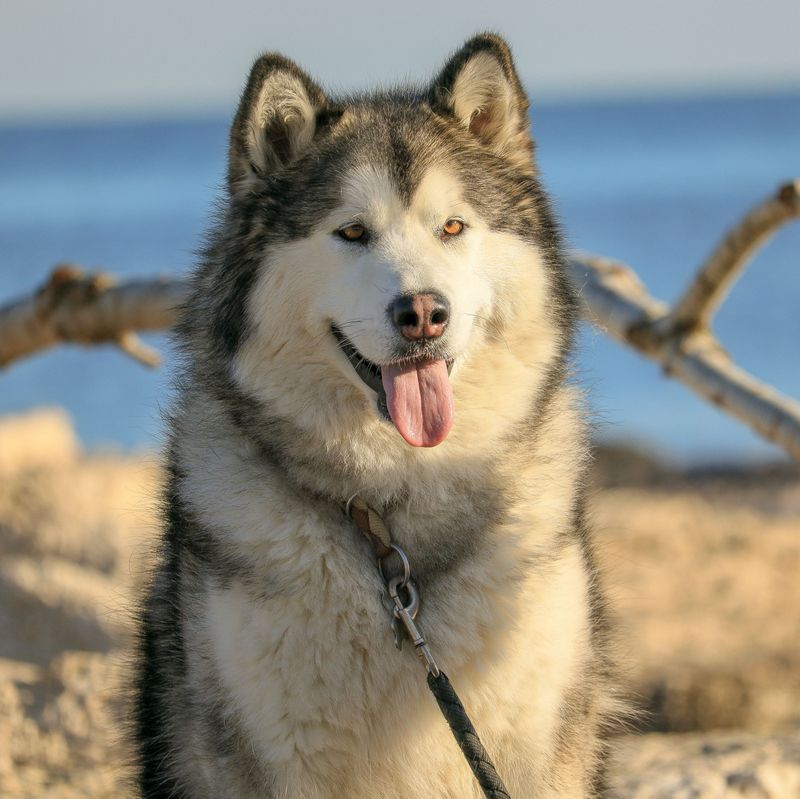
Think friendly freight train. A Malamute enjoys people yet brings massive strength and an urge to pull.
Many ignore slow, talky cues when excitement rises.
Give real jobs like sledding practice or weight pulls with professional guidance. Use harnesses for pulling games and a separate collar for walking to avoid confusion.
Train short attention bursts with high-value rewards. A secure yard and winter-ready activities curb digging and howling fueled by boredom.
Great Pyrenees
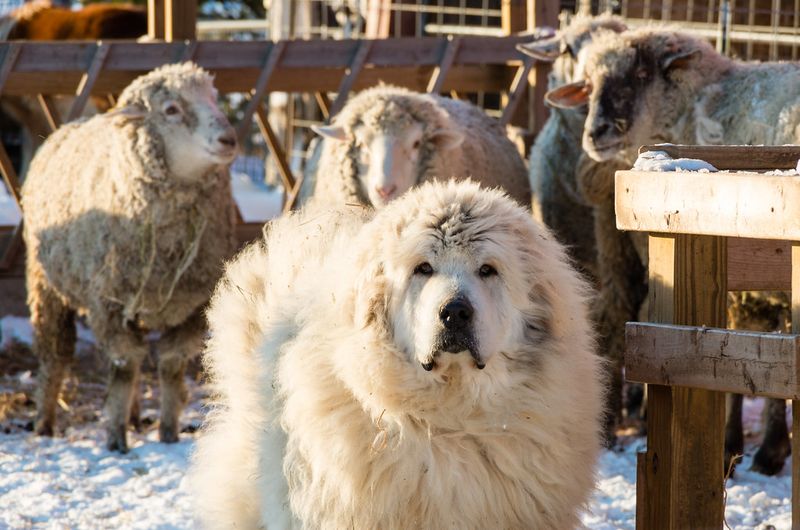
Guardian roots run deep. The Great Pyrenees often prefers night patrols and independent choices.
Many bark to announce every change, which neighbors may not love.
Teach quiet on cue and reward calm check-ins. Provide a job, like supervising a yard with structured rest breaks.
Use long lines for recall practice and avoid off-leash areas without fences. Gentle handling maintains trust, while predictable routines help manage stubborn moments during grooming or vet care.
Dachshund
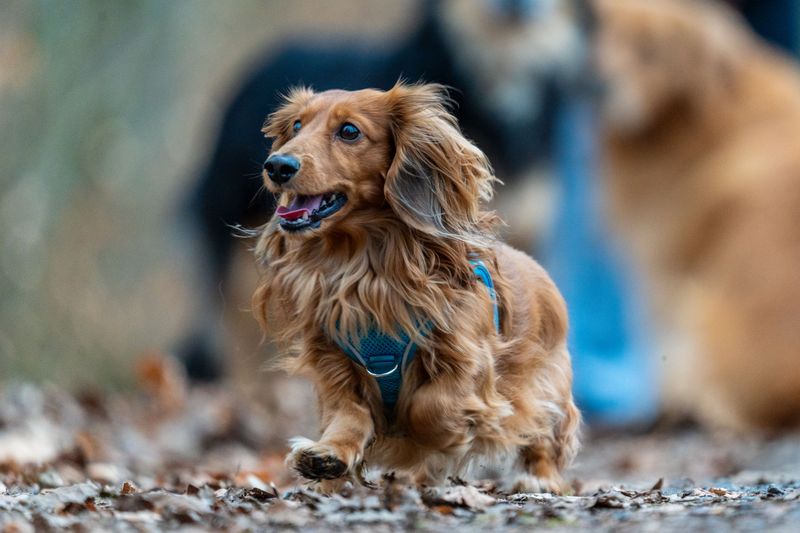
Brave and curious, the Dachshund was bred for tunneling after prey. That courage shows up as independence and a loud alarm bark.
Many chase squirrels first and listen second.
Harness training protects the back while teaching polite walks. Use scent games, dig boxes, and short recall drills to satisfy hunting instincts safely.
Keep sessions upbeat and end on a win. Prevent furniture jumping with ramps, and reward calm greetings to curb dramatic door scenes.